
Industries We Serve
Roofing for Logistics and 3PL Operators in Mission, TX
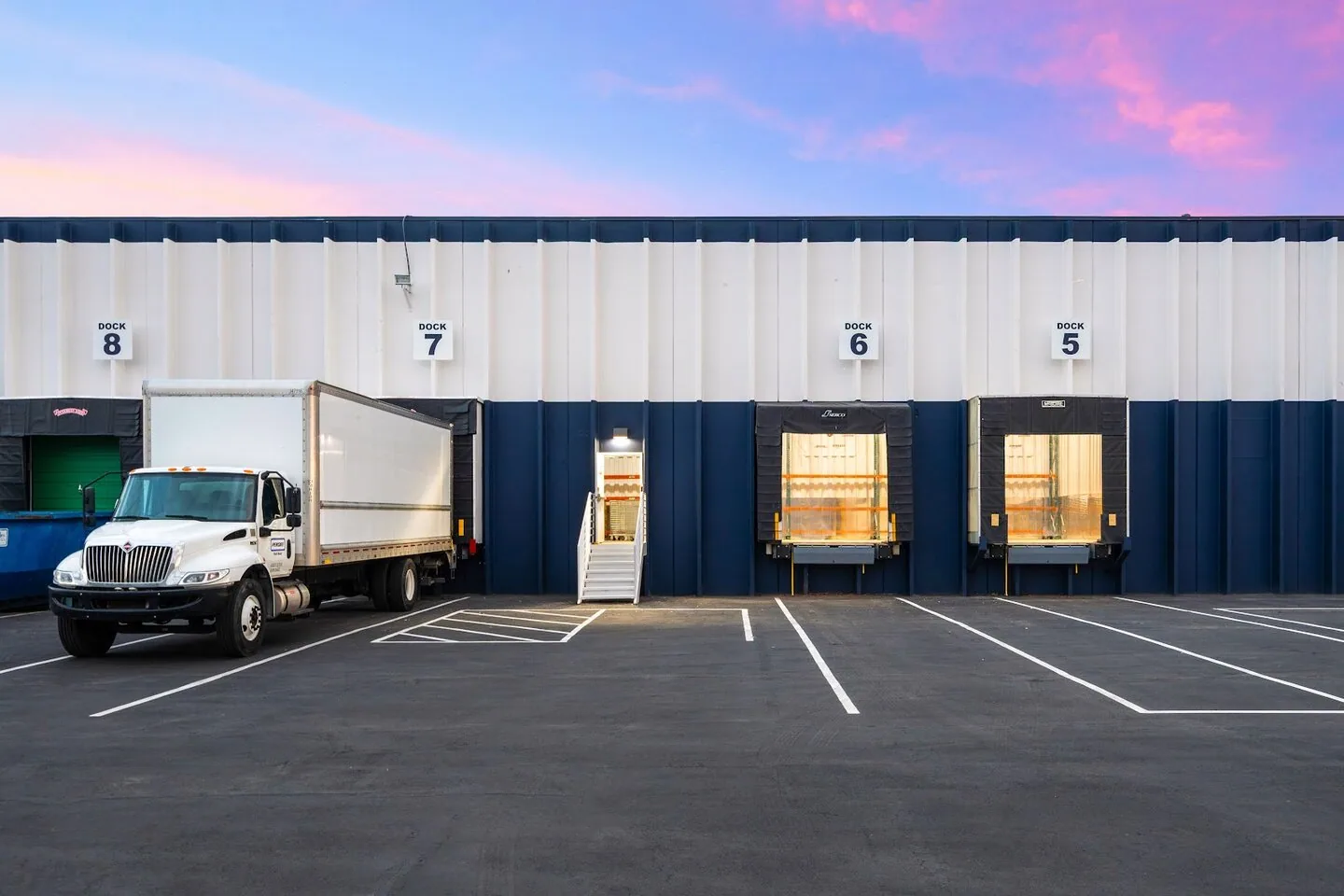
On a distribution roof the first entry is usually a depth: the measured depth of standing water in the low spot above a dock, taken a day after rain and tagged to the nearest drain. A pond that holds for a day has a cause, and the cause is usually a slow drain, a settled deck or a patch history stacked on one corner. The depth, the photograph and the drain's flow test go on the sheet together.
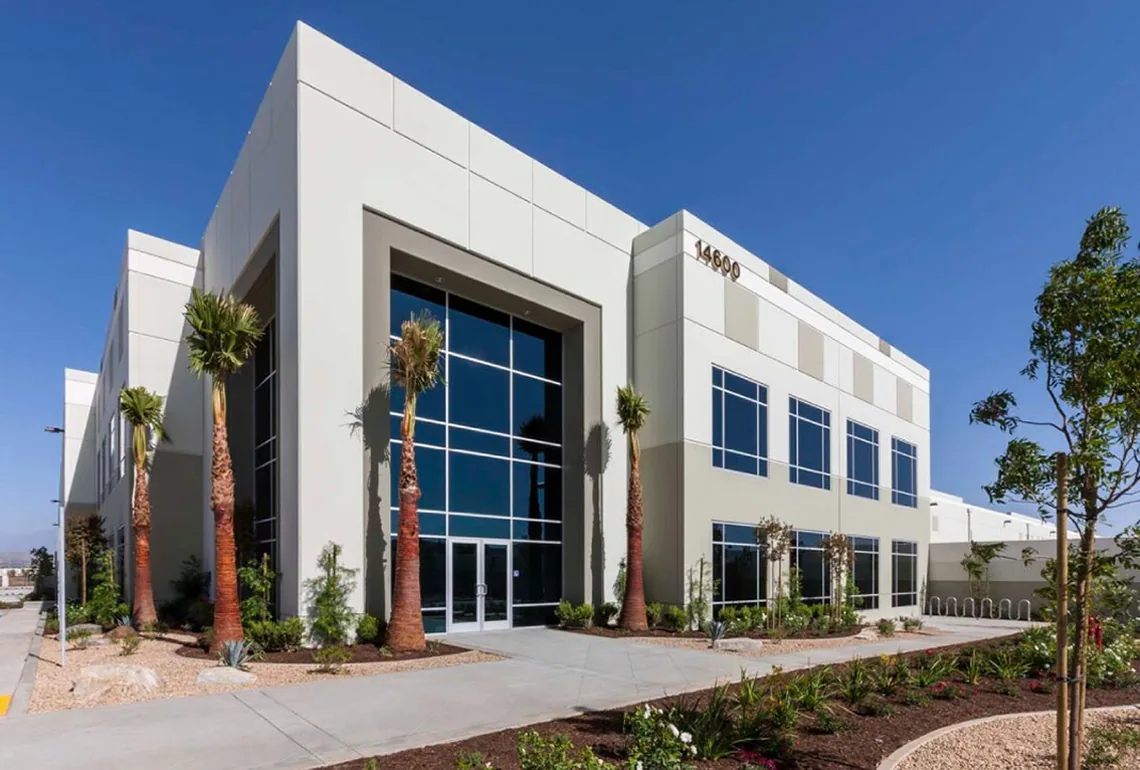
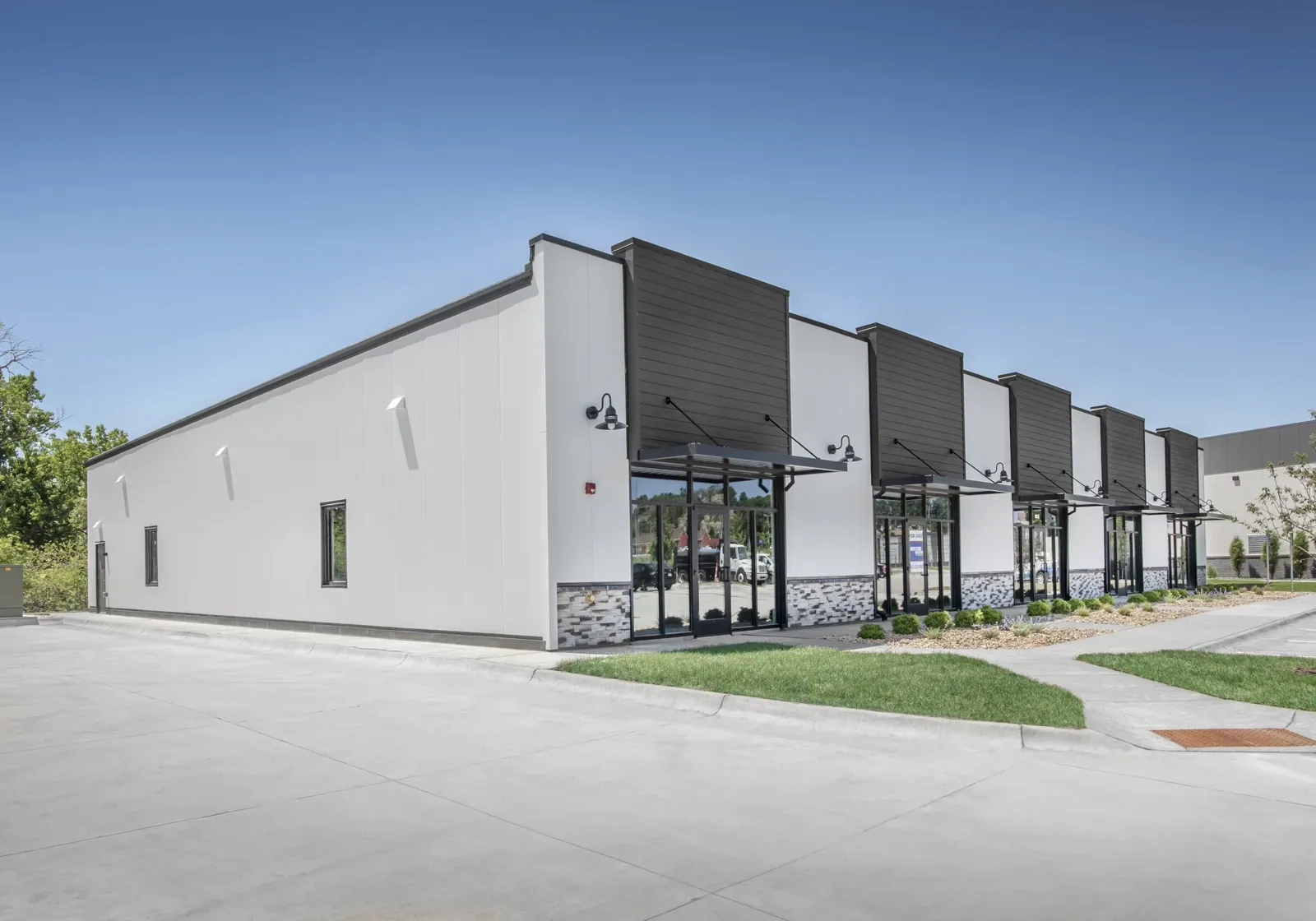
Logistics and 3PL operators in Mission, TX run large, low-slope roofs over inventory that belongs to other people. On a distribution roof every finding is recorded with tagged photographs, a moisture map and a drain log; the scope lines respect dock calendars and customer commitments.
Findings Over Docks and Racking
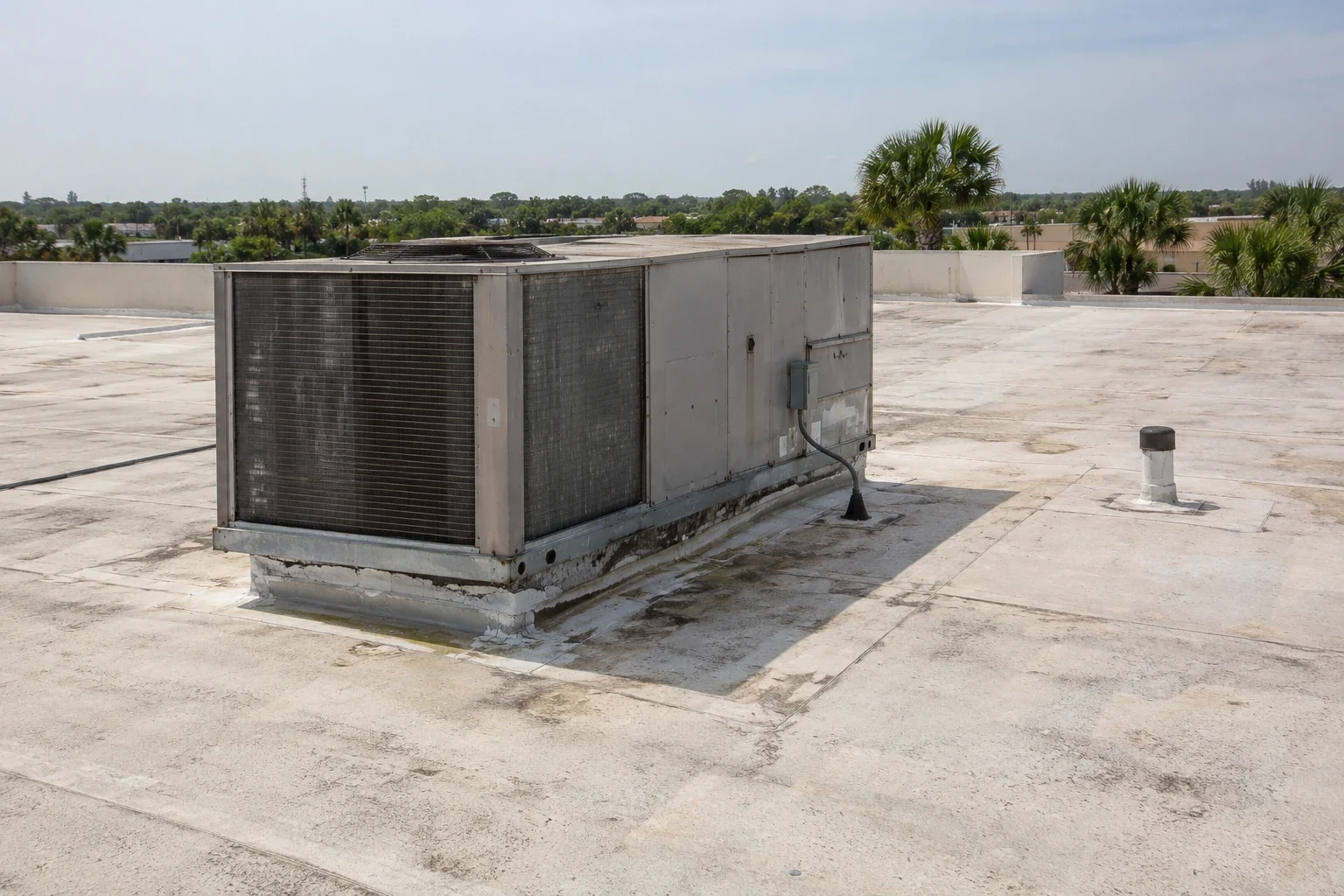
Distribution roofs show a handful of repeat findings: ponding near low drains, open laps along long runs, cracked flashing at rooftop units and smoke vents, and edge metal that has lifted on the dock side where wind and trucks both work on it. Each is photographed, numbered and tied to the bay below.
The tie to the floor turns a roof finding into an operations decision. A wet section over a customer's racking is rated by consequence, and the summary lists the aisles affected so a manager can protect stock before the repair. A section that is only aging is rated differently and scheduled later.
Dock-side canopies, loading-door headers and the roof edge above trailer positions get their own entries. Water off a canopy edge can wet a header, a door seal and a trailer floor, and a header stain is frequently the first sign that an edge seal has failed.
Skylights and smoke vents on distribution roofs are rated individually, since a failed gasket over a conveyor or a racking aisle becomes a downtime event as soon as it rains.
How Large Roof Fields Are Recorded
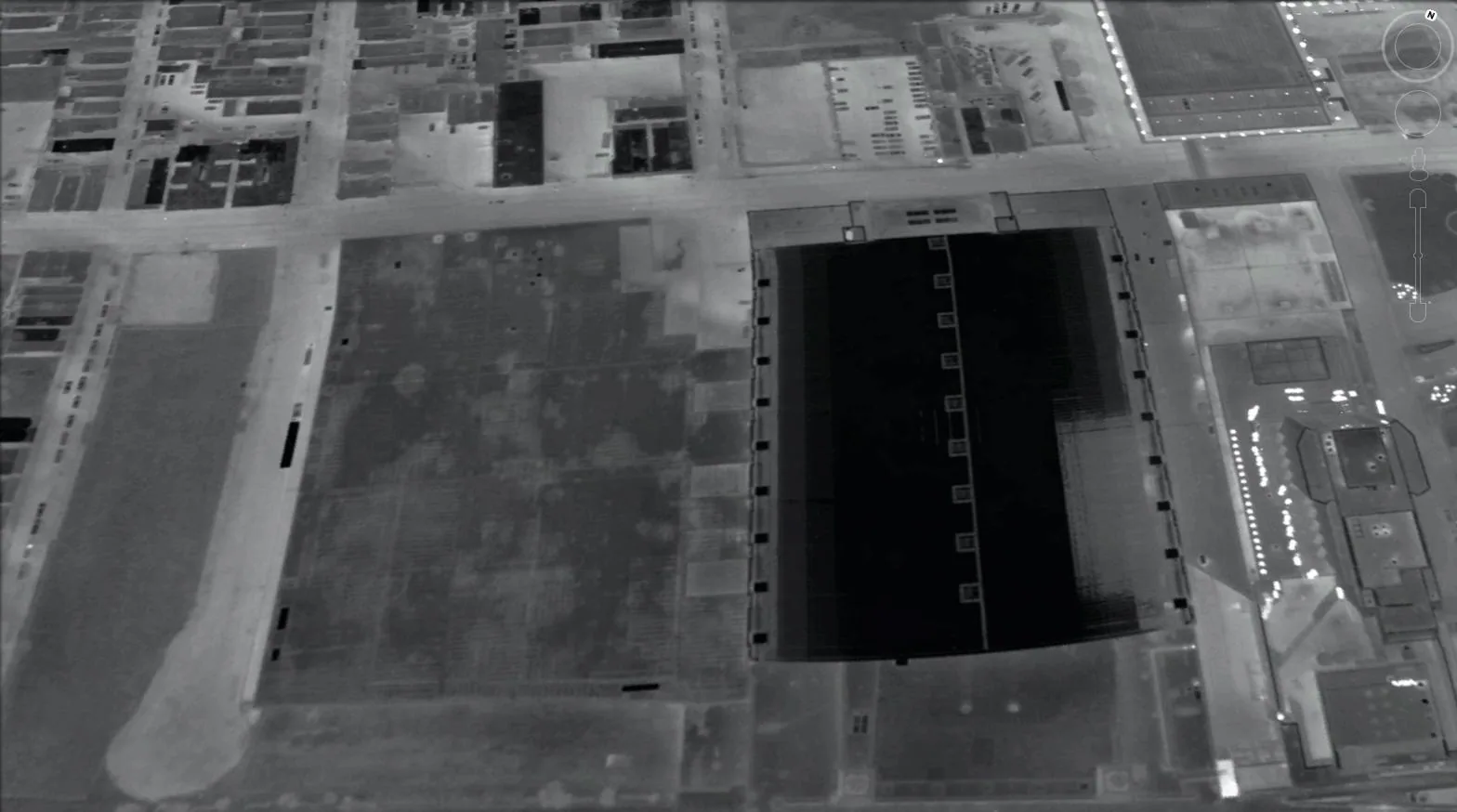
A large roof is divided into numbered zones along column lines or expansion joints. Each zone carries a rating, a photograph set, a drain list and a moisture reading. A moisture survey scans the field, and core samples confirm the wet areas, so the extent is measured instead of estimated.
The ponding record sits beside the zone table. It lists depth, hours after rain and the nearest drain, so a slow drain shows as a pattern across visits and not as one odd day. The record is the best argument a 3PL has for a drain repair that costs little against a replacement that costs a lot, and the building's owner can read the same table.
Where a tenant moved into a building after its roof was last repaired, the record lists the date of the last known work. A new operator then inherits a clear baseline and not a guess about the roof's history.
Scope Lines Written Around Dock Calendars
A scope line starts from the dock calendar. Peak weeks are marked off. Quiet weeks are offered for the largest sections. Hoisting and staging sit away from truck courts, and fire lanes stay open. Interior protection goes over racking beneath open cuts, and the plan names the person who can stop work if a trailer or a forklift needs the area.
On each line sit the finding, the wet area on the moisture map and the option, whether repair, coating, recover or replacement. For a distribution center roof or a warehouse roof, the lines are grouped by zone so the operator sees what each phase will touch.
Gate procedures and delivery windows are written into the line. Badge checks, vehicle inspections and material delivery times affect how much roof a crew can finish in a day, and each line states them so that bidders price identical conditions.
A Pre-Storm Baseline for Inventory Protection
A roof leak in a distribution building turns into a claim from a customer. Before the tropical season, which the Brownsville weather office dates June through October, the baseline logs edge metal, fasteners, drains, scuppers and every curb, so the operator knows where the roof is weakest ahead of a storm.
The baseline also lists rooftop equipment and loose items that wind could move, with the person responsible for securing each one. Fastener pull samples at the perimeter show remaining holding power, and the drain log shows whether water will leave when a heavy rain arrives.
Heat belongs in the baseline. The Valley's heat-safety season, May through October, puts months of sun on large dark surfaces, and sealants, seam bonds and coating films are logged each spring so aging is measured.
Post-Storm Comparison and Customer Claims
After a named storm the zones are walked again and photographed from the same positions. During Hanna in July 2020 gauges recorded 14.40 inches of rain at Mission 3.5 NW and 13.92 at La Joya, and poor drainage left water standing in parts of Mission, La Joya and Sullivan City. A roof with a clear drain log shows which outlets held under that kind of load.
The comparison lets an operator tell a customer and an insurer what changed, with dates and locations. It also separates storm damage from older wear, which keeps responsibility clear when a stored item is damaged and several parties are involved.
Inside photographs complete the set. Wet pallets, stained racking posts and damp floors are matched to the roof zone above, so the search for the opening begins where the water actually entered.
Options, Recommendation and Border-Corridor Planning
Options are listed zone by zone, each with the finding that favors it. A sound membrane whose surface has aged may take a coating. A zone with scattered wet insulation may take a section replacement. A zone with widespread saturation may need replacement, phased between customer peaks.
McAllen faces the Reynosa manufacturing center across the border, and the foreign-trade zone south of McAllen supports warehouse and distribution work, with US 281 reaching the border crossing at Hidalgo and the Pharr-Reynosa bridge at Pharr. Operators in McAllen and Mission can share one format, and a manufacturer with its own dock space uses the same sheet.
A short list of habits for the operations manager closes the recommendation: clear drains each season, restrict roof access, keep rooftop units serviced on marked paths and date every new stain with its bay.
Questions and Answers
How should a 3PL document ponding on a large roof?
With depth, hours after rain and the nearest drain at each pond. We recommend photographing the water against a scale and flow-testing the drain. Repeat the record after each heavy rain so that a pattern becomes visible.
Can roof work be done while docks stay busy?
Yes, with staging and hoisting kept clear of truck courts and protection placed over racking. We recommend naming one person who can stop work and agreeing on peak weeks in writing.
What proof helps in a customer claim?
Dated photographs from before and after the event, the drain log and the zone ratings. We recommend keeping them with the warranty paperwork and sending them in that order.
When does a coating make sense on a distribution roof?
On a dry, sound membrane with an aging surface. We recommend a moisture map first, a film check after and a drain repair at any pond.
What visit schedule keeps a distribution roof file current?
One walk each spring and another after each named storm, with a brief fall pass to clear drains and check rooftop units. Each visit adds dated entries to the zone table and the ponding record.
What should the roof file hold?
Zone photographs, the grid sketch, moisture readings, the ponding record and the drain log. We recommend adding the last condition summary and any repair invoices.
Request a Documented Inspection
Ask for a documented inspection of your distribution roofs. The written condition summary will include tagged photographs, a zone sketch with moisture readings, a ponding record, a drain and scupper log and scope lines you can reuse for budgeting or an insurance conversation.