
Industries We Serve
Roofing for Real Estate Investors and REITs in Mission, TX
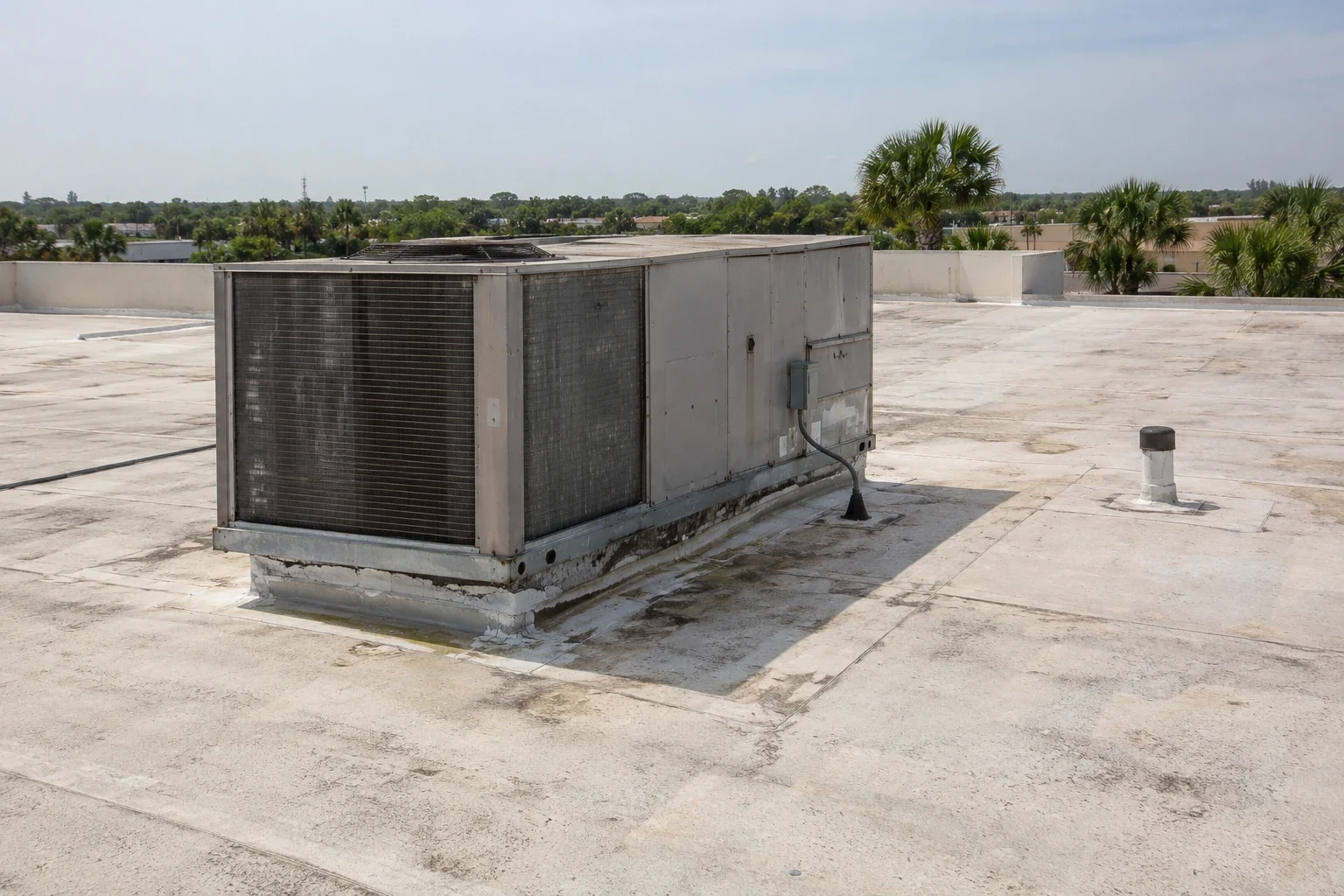
A buyer's roof review opens with a dated photograph of the weakest detail on the weakest roof, because that single entry sets the tone for the underwriting. It might be a perimeter edge that is no longer tight to the substrate, a seam that has opened along a long run or a scupper that does not drain when tested. The photograph, a moisture reading and a rating go on the sheet together.
Investors and REITs buying or holding commercial property in Mission, TX need roof facts they can price. Acquisition records proceed finding by finding. Photographs are tagged, a rooftop sketch is drawn and a drain log is kept, and the scope lines turn the findings into ranges a model can use.
Findings That Move Underwriting
Most findings are ordinary and do not change a deal. A few do. Wet insulation under a large field of membrane is the usual one, because replacing it is a real number and it arrives soon. Others are a repair history that stacks patches on one corner, edge metal that has loosened along the south or east side and drains that never emptied during the visit.
We separate those findings from routine ones and rate each for consequence and timing. A moisture map and a few core samples convert a suspicion into a measured area, and the buyer can negotiate from the measurement. The summary states which findings drive the rating and which are only monitored.
Rooftop equipment is cataloged unit by unit, with its curb, flashing and the membrane around it. Abandoned curbs and unsealed conduit entries can show up on roofs that have had several tenants, and each is a small repair with a clear price. They are listed so the buyer does not discover them after closing.
The Diligence File and What It Contains
Four parts make up the diligence file: a numbered photograph set, a sketch with moisture readings, a drain and scupper log and a condition summary. A one-page summary leads, with a rating for each roof section and a reason for each rating. Everything behind it can be checked against the photographs.
A due diligence roof survey can be scheduled to fit an inspection period, and the findings are written for an investment committee that does not read specifications. The committee sees what was found, what it means and what it is likely to cost.
The file also lists what could not be inspected and why: a locked hatch, a roof with standing water, a section under another tenant's control. An unverified area carries an explicit note, so no one assumes it is sound.
Scope Lines That Become Reserve Ranges
Each scope line names the finding, the quantity and the option, whether repair, coating, section replacement or full replacement. The ranges describe cost drivers instead of quoting dollars: area, deck condition, insulation thickness, access and how many rooftop units must be reset. A modeler can pair those with current pricing.
Lines are grouped into near-term items, items to watch and long-term items, and each group carries a date. A roof capital plan assembled from them shows a reserve schedule across the hold period instead of a single number at closing.
Warranty status is part of each line. If a maker's warranty is in force, the line names the notice that must be given and the repairs the maker accepts, because a repair made with the wrong product can end coverage and change the numbers in the model.
Baseline as Insurance Evidence at Closing
A survey taken at acquisition becomes the pre-storm baseline for the hold. Tropical weather arrives from June through October and flood readiness is a year-round matter, so the first spring after closing is the time to repeat the walk and add fastener pull samples at edges.
The baseline also protects the buyer. If a storm damages a roof six months after closing, the dated photographs show the condition at purchase, which separates new damage from conditions the seller left behind and supports the insurance claim.
Heat is part of the baseline. Coatings, seams and sealants age across May through October, which the Brownsville weather office treats as the heat-safety season. Film condition and sealant elasticity are logged each spring so the hold period shows a trend.
Post-Storm Comparison Across Holdings
In July 2020 Hanna blew near 60 to 65 mph on I-2, and in 2008 Dolly lifted roofs mostly on older structures around Weslaco. An owner with several assets can walk each one after a named storm and compare it to its baseline. Edges, seams and drains are the first details to show movement.
The comparison produces a short report per asset, with new findings, their locations and the likely repair. That report goes to the insurer and the lender, and it lets the owner decide quickly which assets need emergency protection.
Interior photographs round out the set. A damp wall, a stained tile and a wet floor are matched to the roof section above, so the claim narrative names the opening and not only the stain.
Options, Recommendation and Hold-Period Planning
Options appear for every roof, each paired with the finding that favors it. A sound roof with an aging surface may take a coating that defers replacement. Scattered wet insulation may call for replacing a section. A roof with widespread saturation may need full replacement before a refinance.
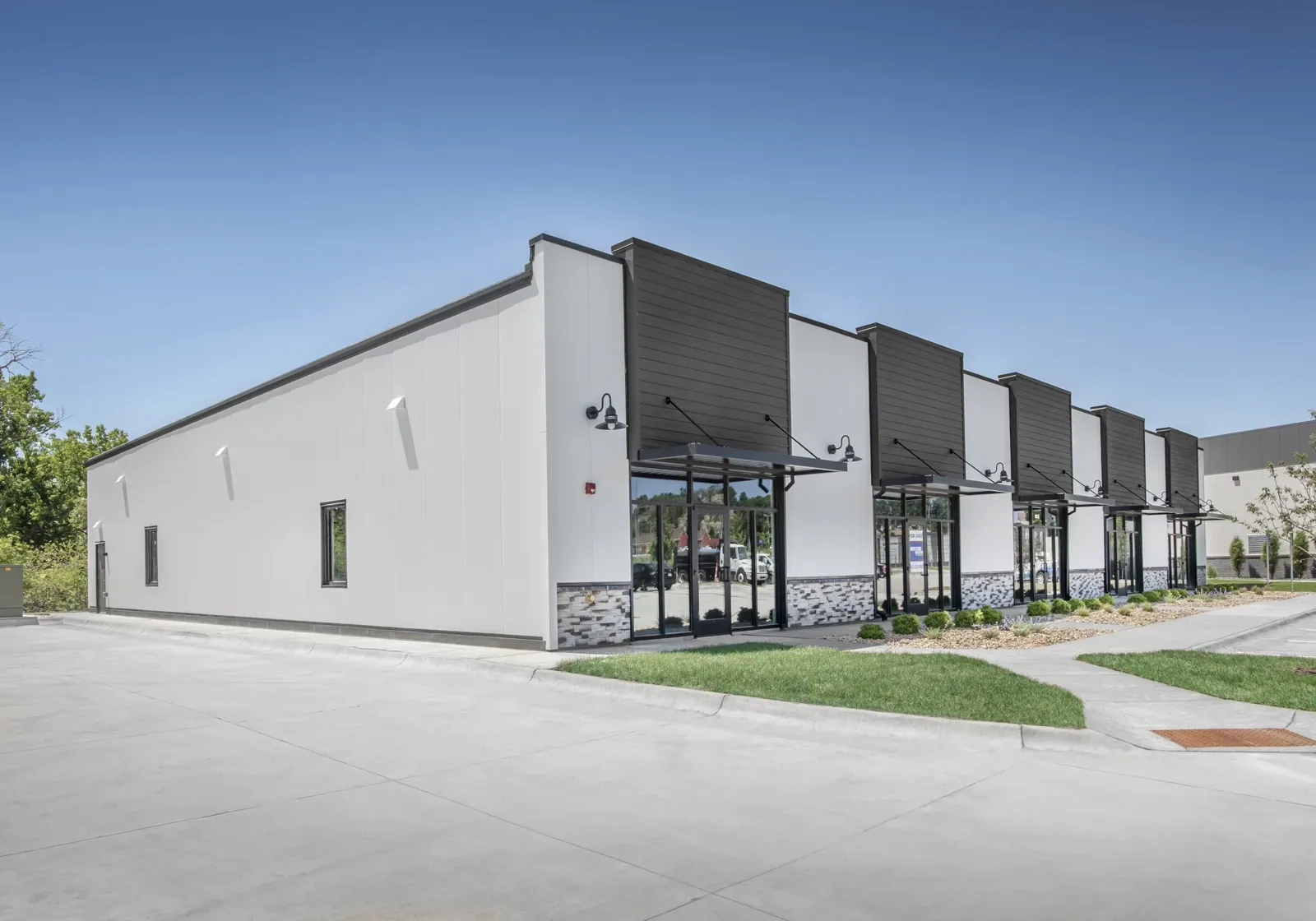
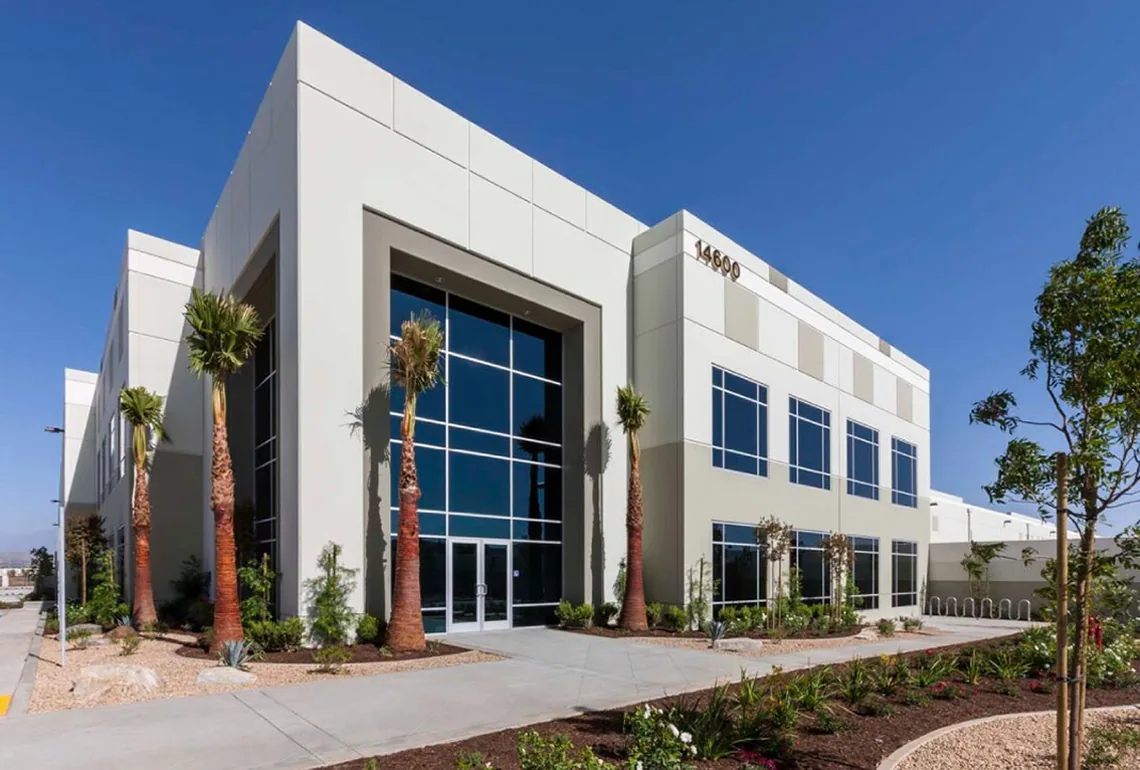
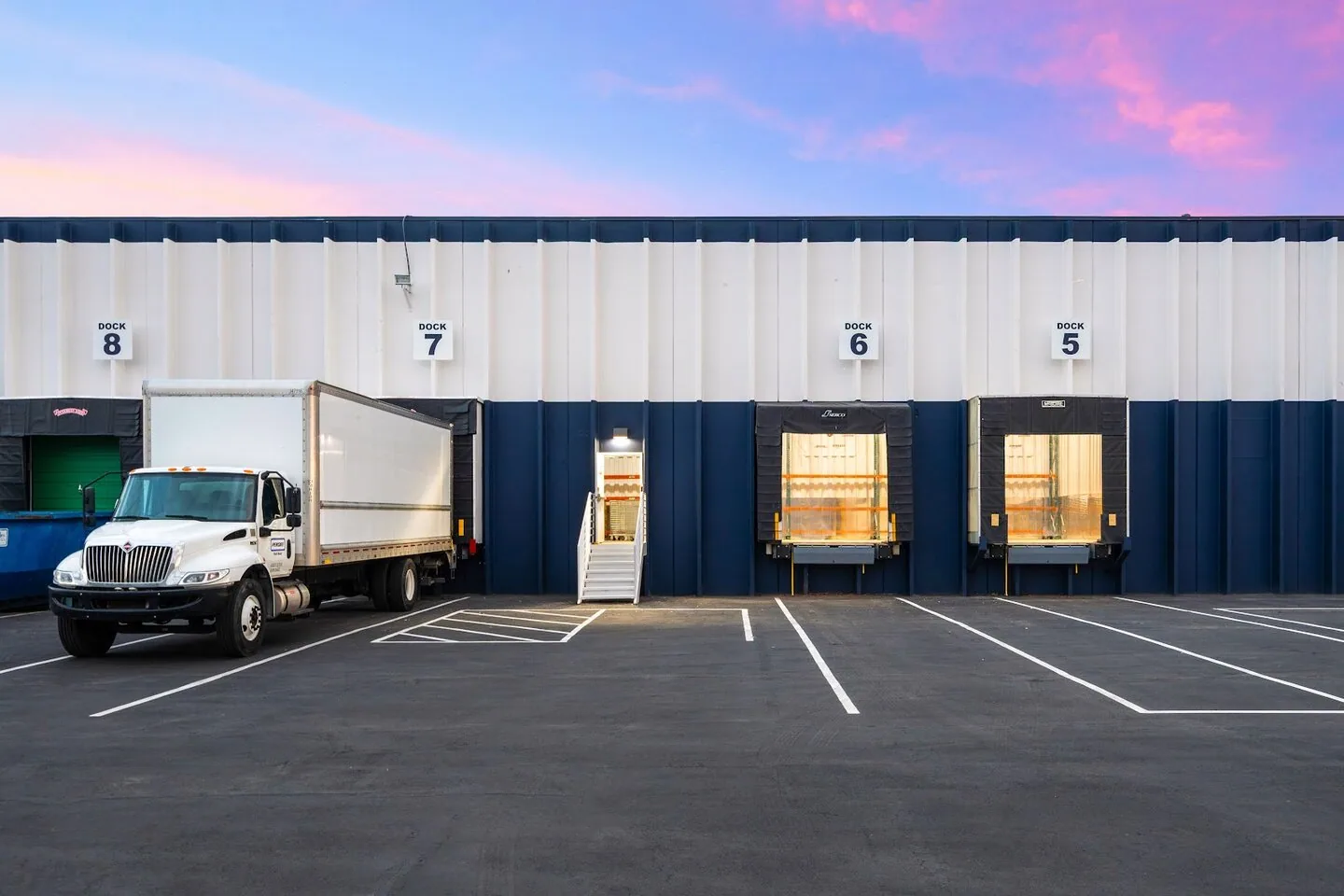
Industrial and retail assets use the same format. A warehouse or distribution center leased to a logistics tenant near Pharr or McAllen, where the economy has moved from agriculture toward trade, health care, retail and tourism, is rated on the same scale as a flex building, and a property manager can read the same ratings.
The recommendation closes with a short note on timing: which items to complete before a refinance, which to complete in the first year of ownership and which to monitor. Each item carries a date and a trigger, so the plan survives a change in asset manager.
Tenant improvements deserve a note too. A new rooftop unit or a changed penetration alters the roof's risk, so the summary asks the property team to report each one, with a date, so that the file stays accurate through the hold.
Questions and Answers
How long does a roof diligence survey take?
It depends on building size and access. We recommend scheduling the walk early in the inspection period, so that moisture mapping and any core samples are finished before the committee meets. The written summary follows once the readings are checked.
Can the survey include a cost range?
Yes, as a range with stated assumptions. We recommend asking for ranges by option, such as repair, coating and replacement, so the model can test each case.
What if the seller will not allow core samples?
We rely on the moisture map and visual findings, and the summary says which areas were not verified. We recommend negotiating access or pricing the uncertainty.
How should an investor use the baseline after closing?
As the reference for every later visit. We recommend repeating the walk each spring and after each named storm, with photographs taken from the same positions.
How is a REIT portfolio compared across locations?
On a single rating scale, using identical fields for every asset. We recommend rating sections identically and listing the finding that drives each rating, so differences are real and not formatting.
Does a roof report help with lenders?
It can. We recommend including the one-page summary, the drain log and the capital-planning schedule in the loan package, since lenders ask what the roof will cost over the term.
Request a Documented Inspection
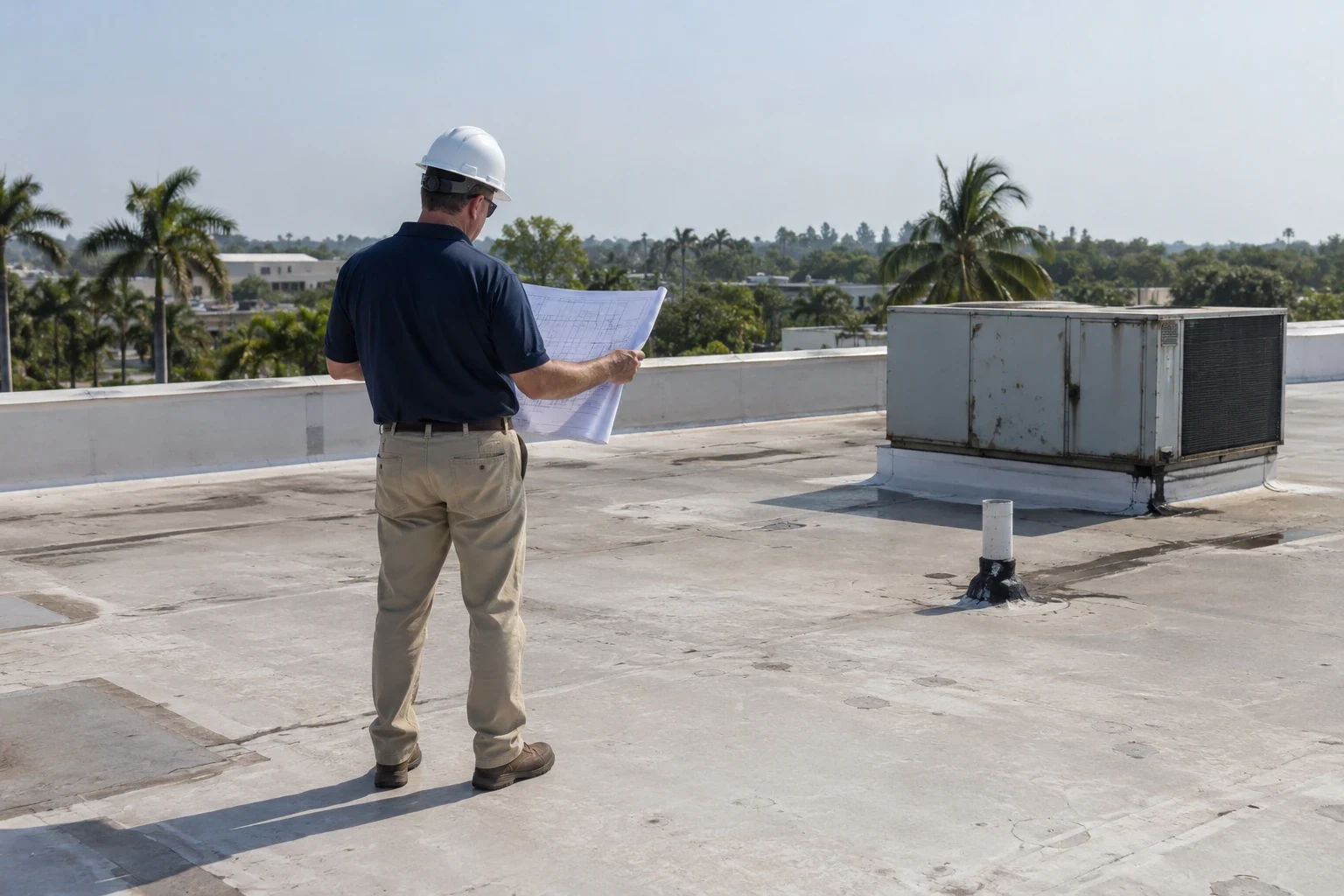
Ask for a documented inspection of a property you own or are buying. The written condition summary will include tagged photographs, a rooftop sketch with moisture readings, a drain and scupper log and scope lines you can reuse for budgeting, underwriting or an insurance conversation.