
Roof Systems
Roof Systems in Mission, TX
A roof system is chosen from evidence, and the evidence on a Mission, TX roof is mostly about heat and water. The Rio Grande Valley carries a heat-safety season from May through October, and a hurricane season from June through October that overlaps it. A membrane that handles one well can still struggle with the other, so the inspection sheet records both before any material is named.
More About Roof Systems
Single-Ply Membranes
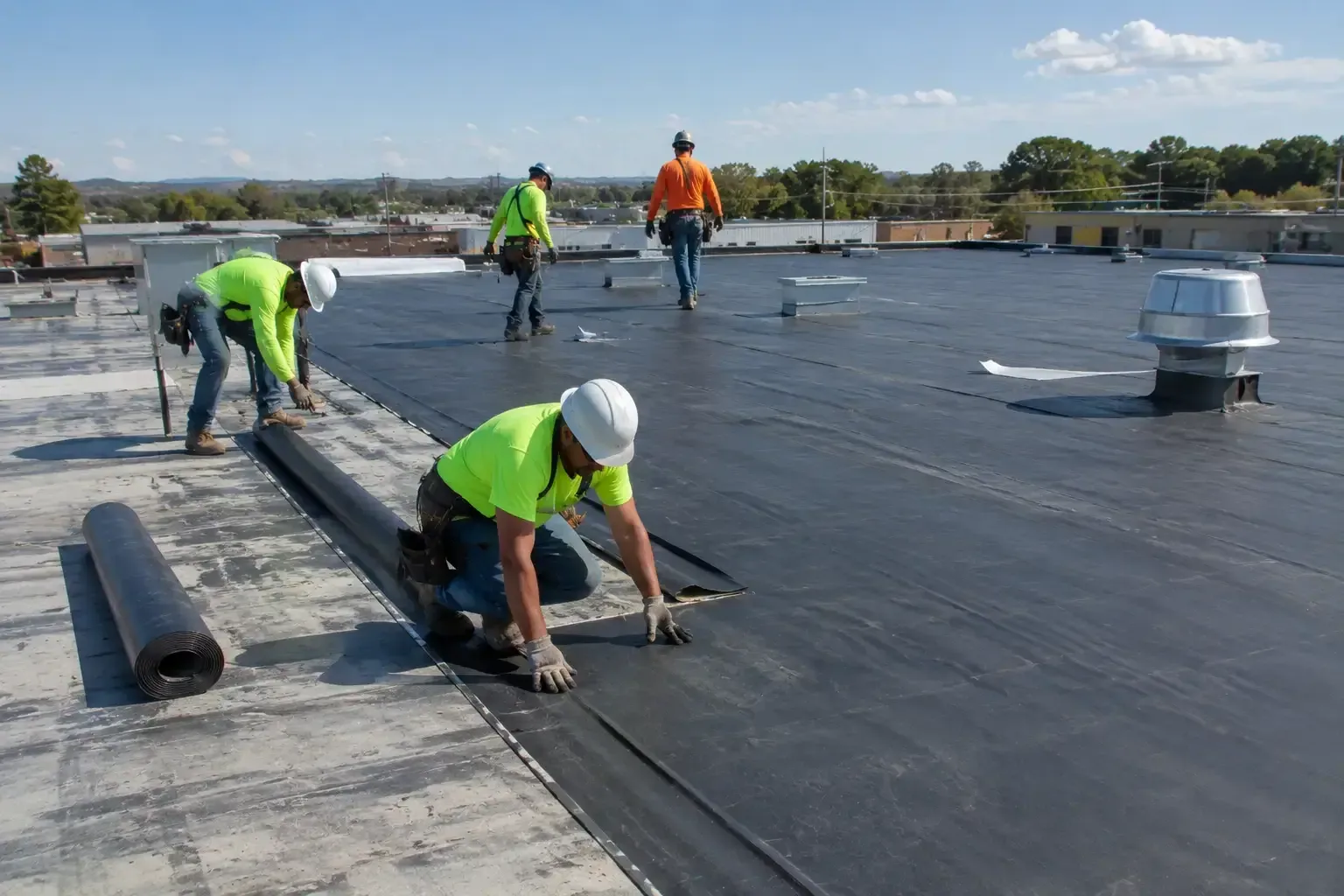
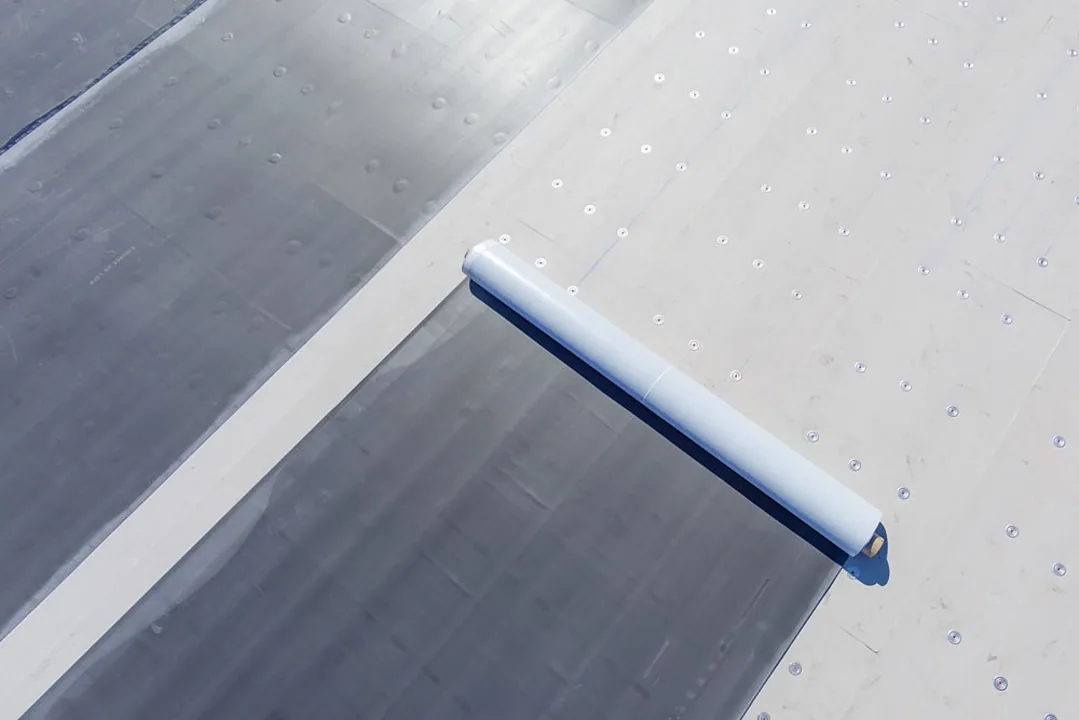
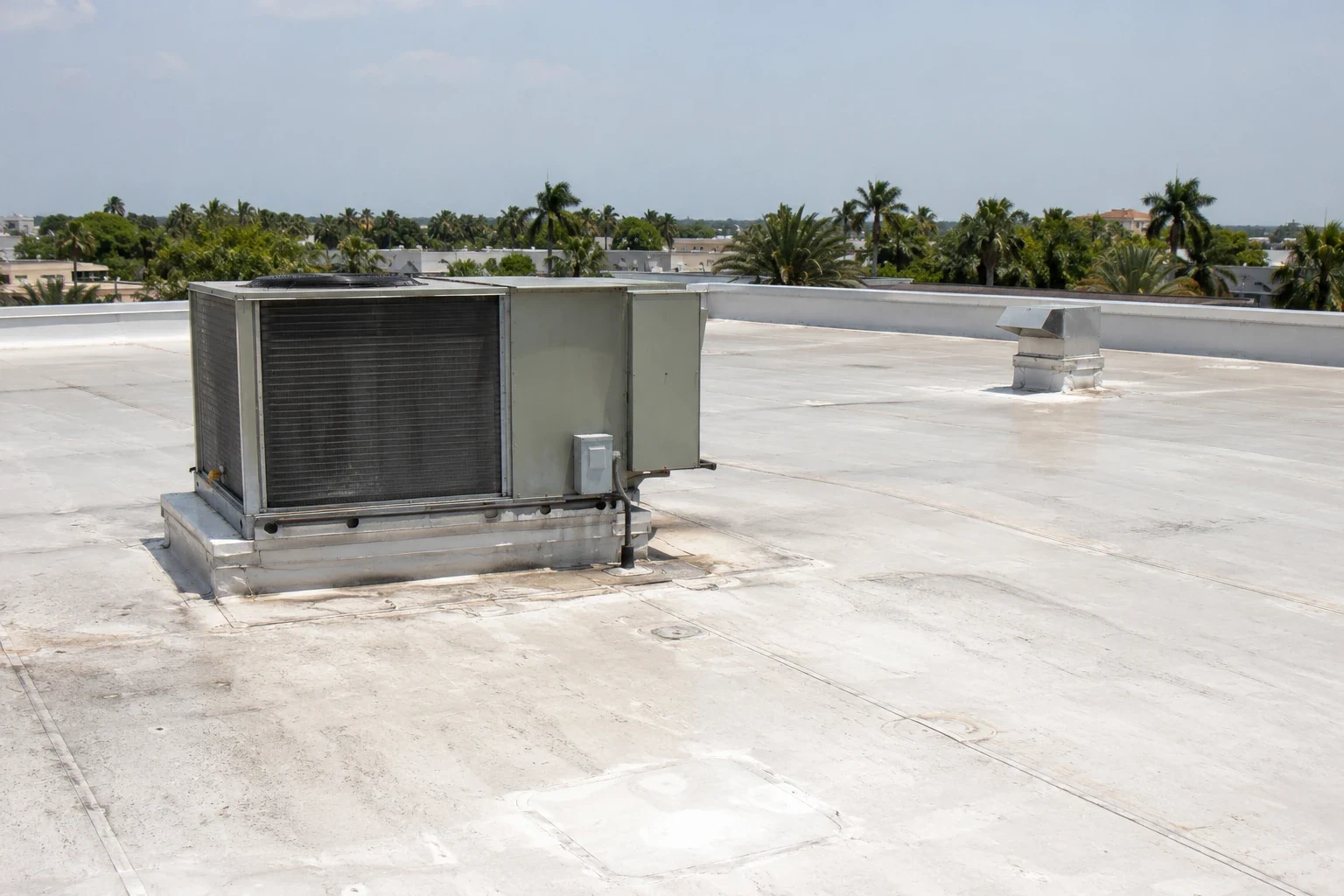
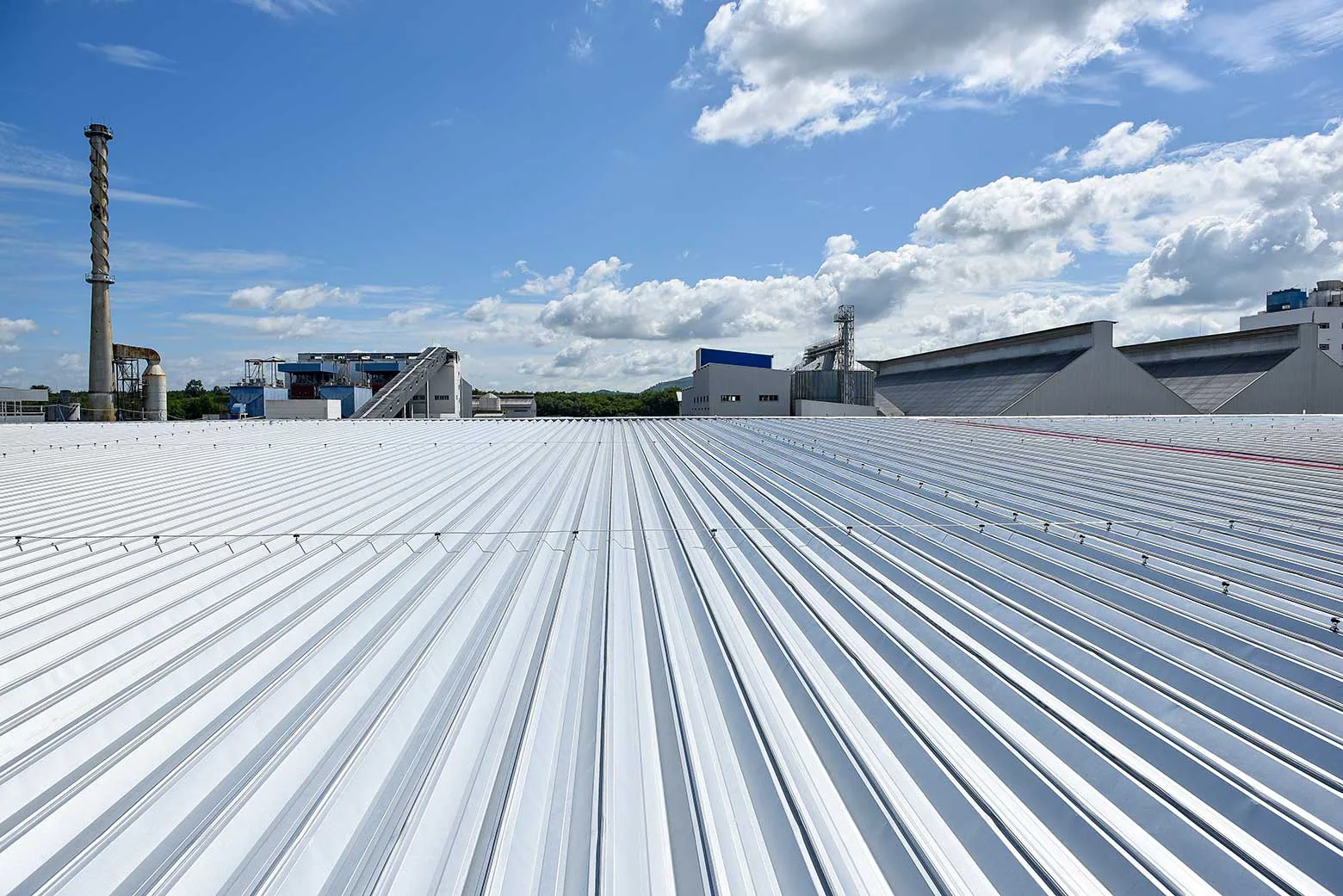
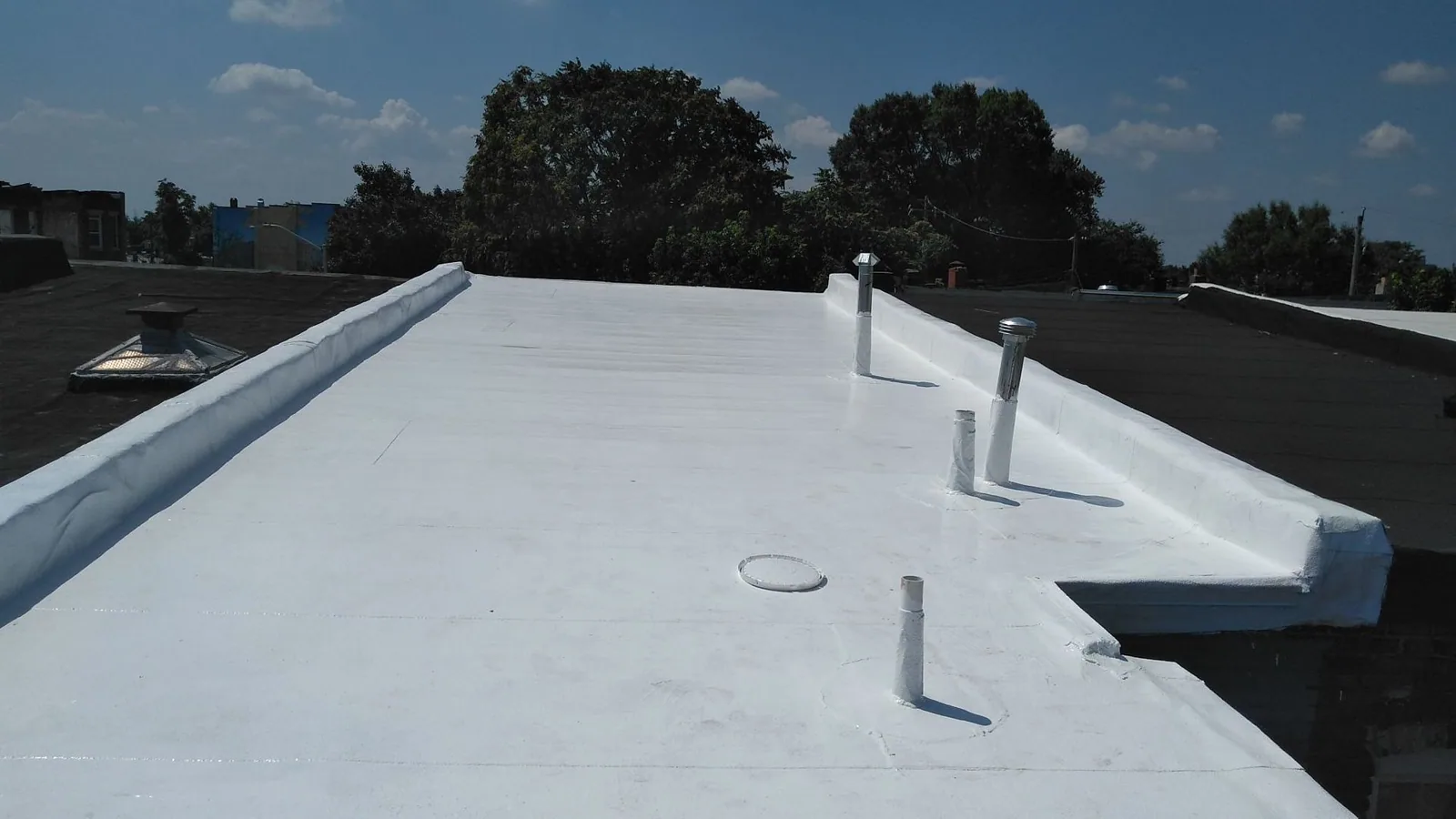
Reflective single-ply sheets suit warehouses and retail buildings under months of sun because they shed solar heat and weld at the seams. TPO and PVC are heat-welded, which makes seam probing a routine part of every check. EPDM and KEE suit different conditions, and the choice follows what the deck, insulation and drainage records allow.
Bituminous Systems
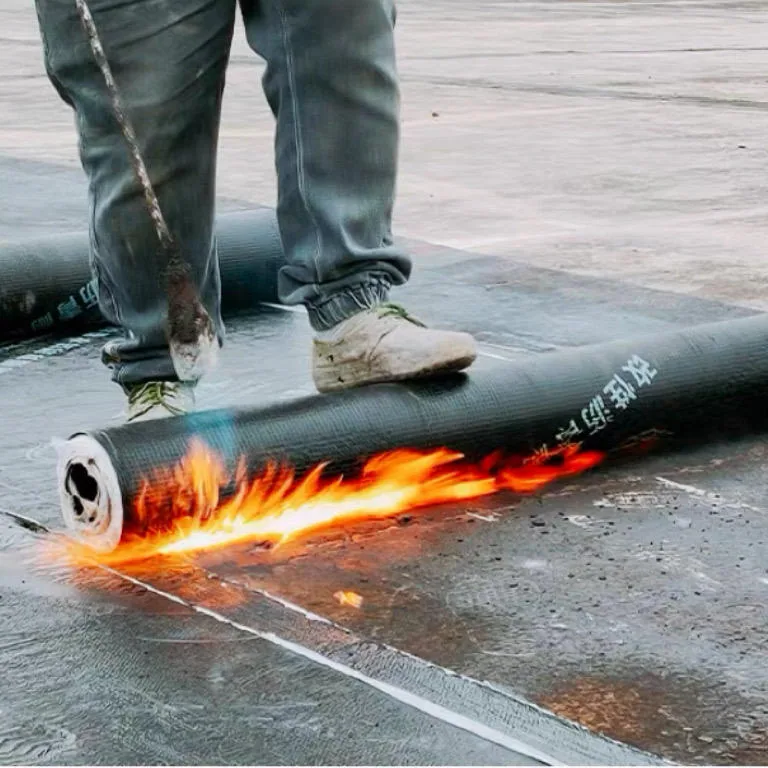
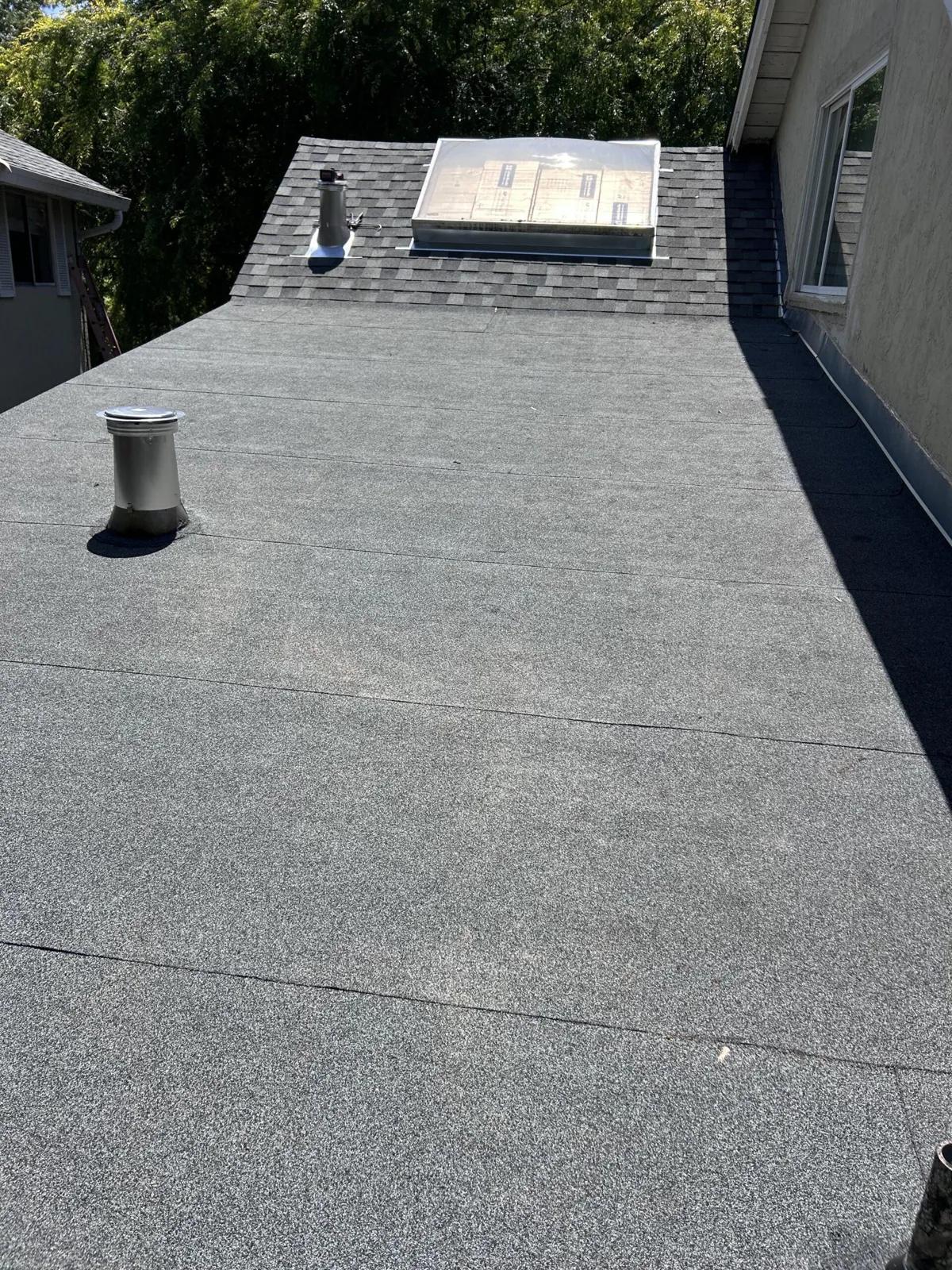
Layered asphalt roofs carry their own record. Modified bitumen and built-up roofing are read at laps, flashings and surfacing, where heat tends to leave cracking, blisters or granule loss. We log those conditions finding by finding so an owner can see whether the system is aging evenly or failing at details.
Metal, Foam and Coatings
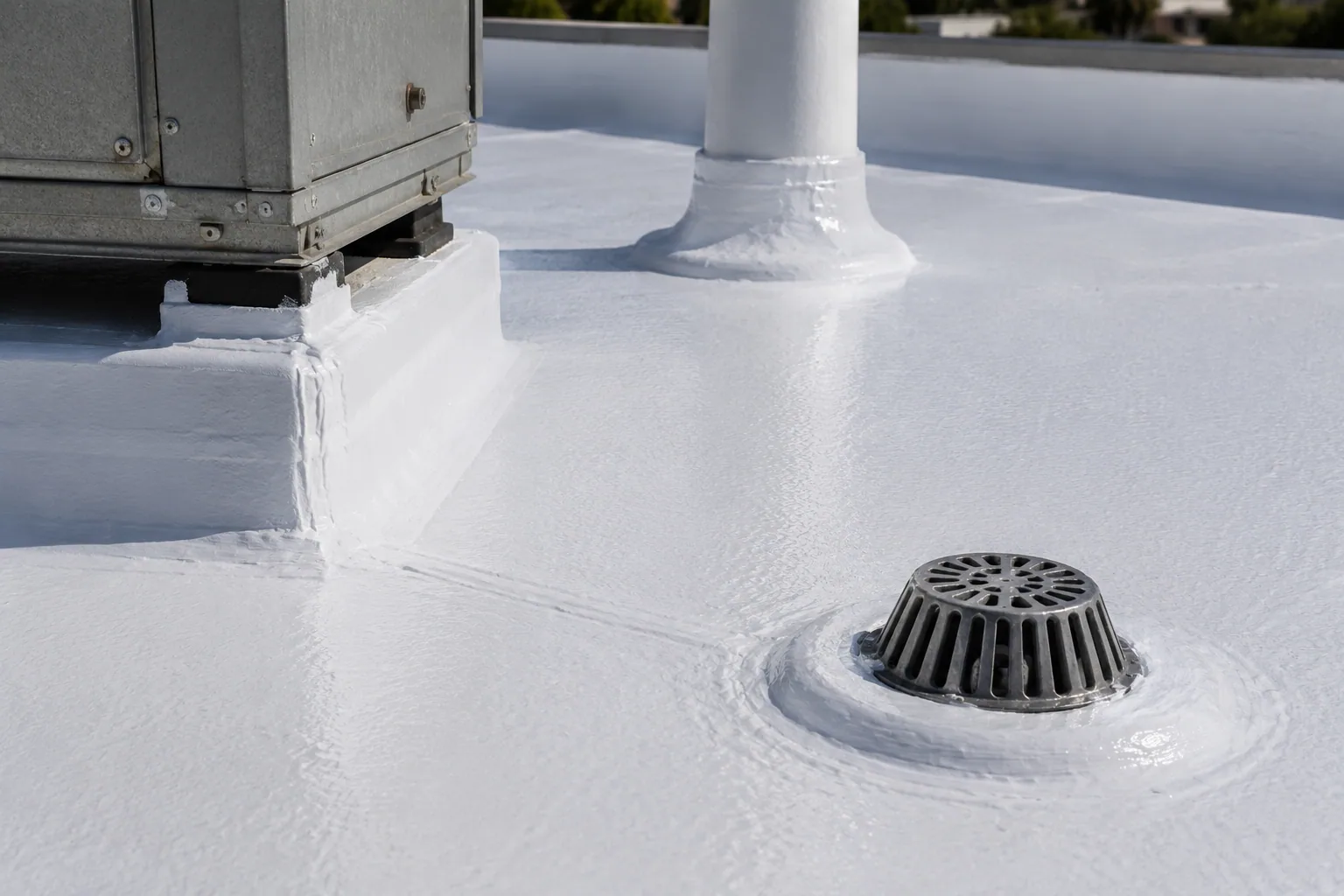
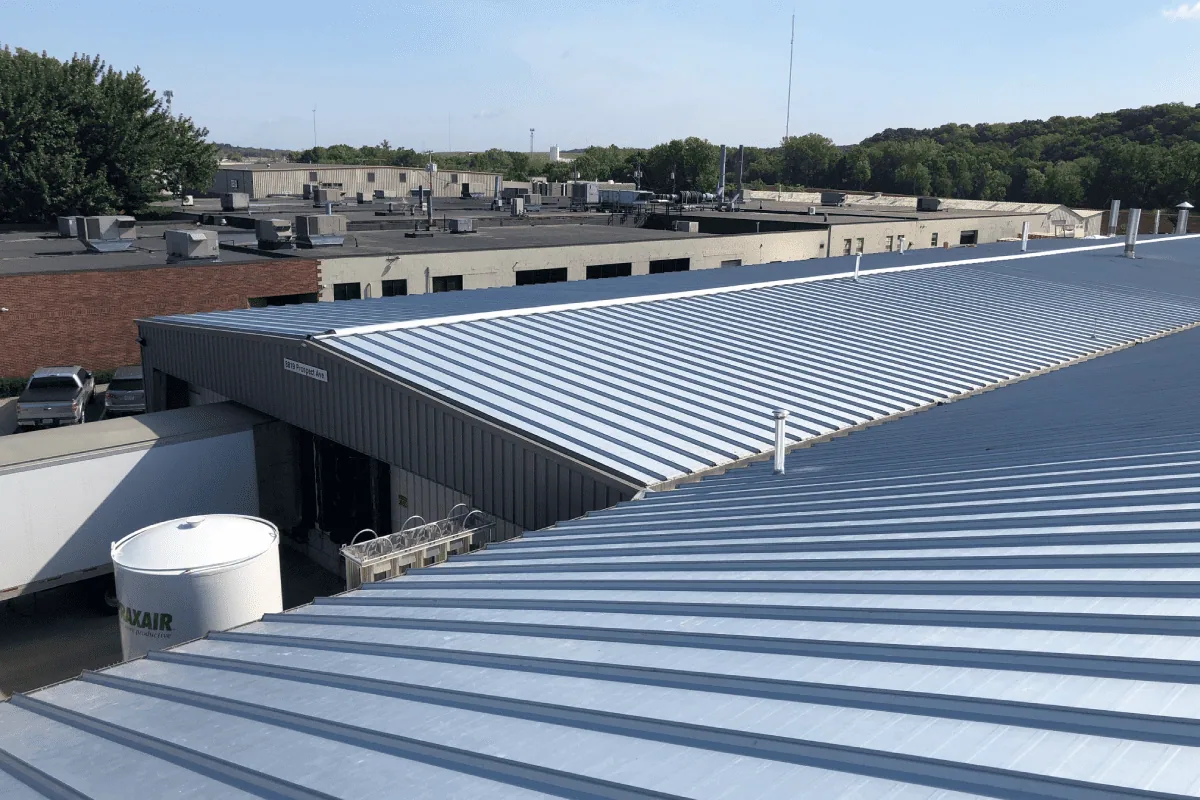
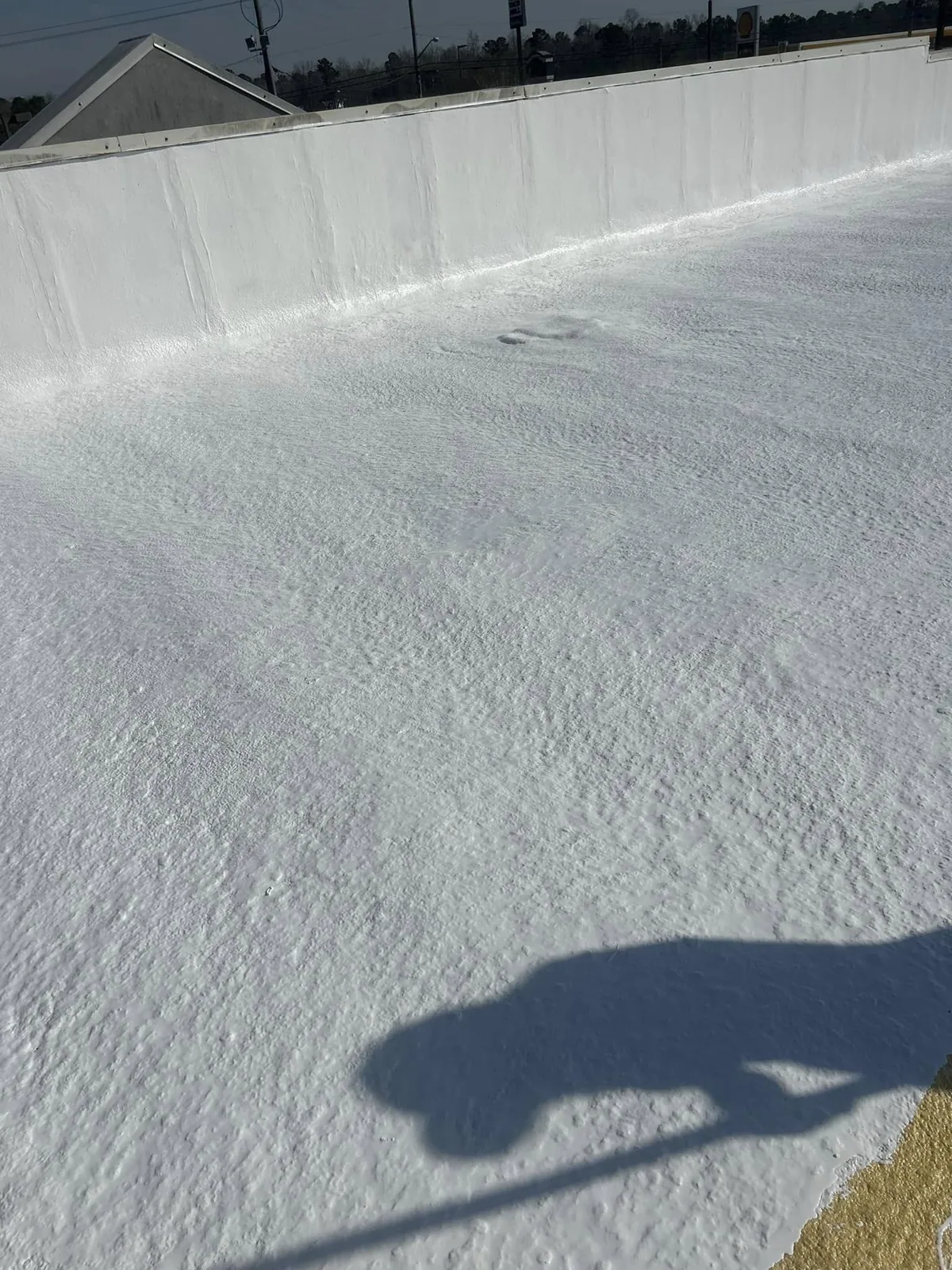
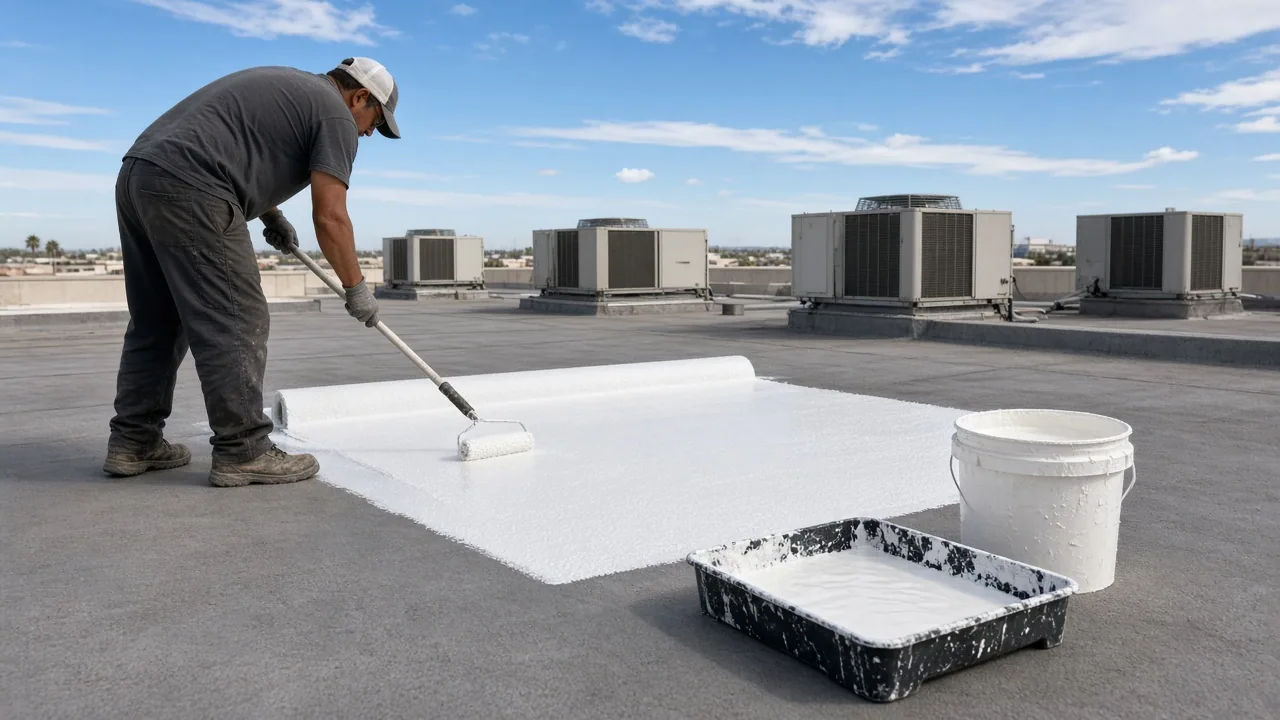
Wind lifted sheet-metal roofs in McAllen during Hurricane Hanna, so fastener condition and edge metal receive close attention on any panel roof. Standing seam metal and a metal retrofit follow that logic. Spray foam adds insulation and a continuous surface with no field seams to probe, while silicone and acrylic coatings extend a sound roof and are checked with a film measurement.
How the Choice Is Recorded
The scope line states why a system was chosen: roof slope, drainage, deck condition, wind exposure and how the building is used. Owners with replacement planned can compare systems against the same record, and every choice is entered in the owner's file with the reasons beside it, so a later manager can see why the system was picked.
Commercial Roofing Questions
Which membrane suits a Valley roof that bakes from May through October?
Reflective white single-plies handle sustained solar load well, provided the seams are sound and the insulation beneath them is dry. We confirm both with probing and a moisture survey before recommending TPO, PVC or a coating over what is there.
Is a coating a substitute for replacement?
A coating extends a roof only when the membrane and insulation are still serviceable. A coating film check and moisture map show whether that applies. Wet insulation or open seams across many sections move the recommendation toward replacement.
Why do metal roofs get fastener pull samples here?
Hanna blew off or tore back sheet-metal roofs in McAllen, so fastener pull samples and edge metal condition are standard entries on a metal roof sheet. A loose edge is easy to miss from the ground, and wind finds it first.
Can a roof system be changed without a full tear-off?
Sometimes. If the deck and insulation test dry, a compatible new layer can go over the old one through a recover. If moisture mapping shows trapped water, the wet material comes out first.
Compare Systems Against Your Roof
Request a documented inspection and the condition summary will show which systems fit the roof, with the findings behind each option.