
Commercial Roofing Services
Emergency Roof Repair in Mission, TX
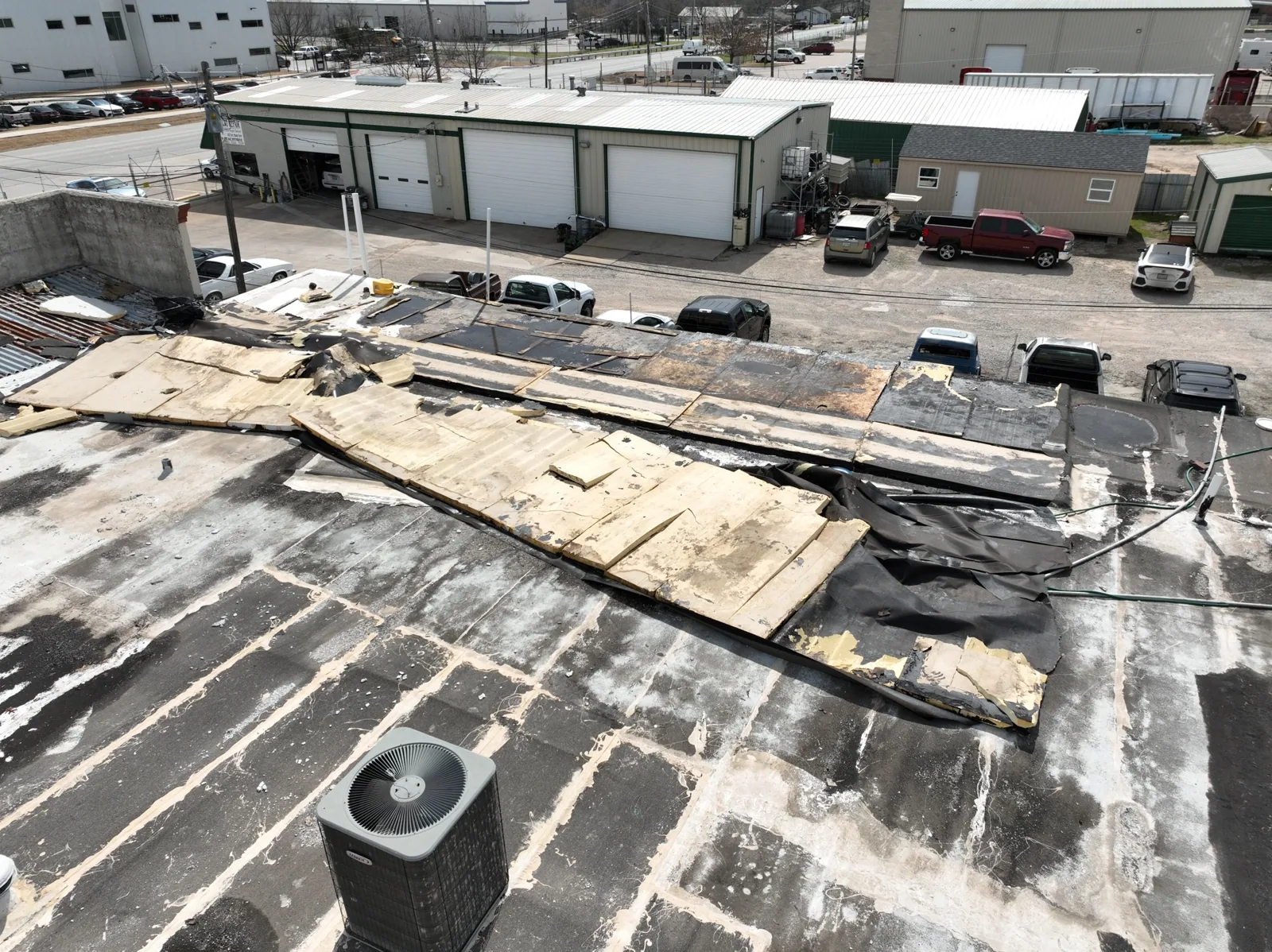
Emergency roof work in Mission, TX is recorded from the first minute. The call produces a timestamp, the location of the opening, the weather at the time, and a list of what the building is exposing to water: electrical rooms, inventory, ceilings over occupied suites. Our crew answers at any hour, any day of the week, and arrives with tarps, sheeting, fasteners, sealant, and a camera. The first goal is to stop water entry and protect the interior. The second goal is a clean record, because the photographs and notes taken during the first visit become the basis for the permanent repair and often for an insurance conversation.
What the First Visit Records
On arrival, we photograph the exterior, the roof access, and the damaged area before touching anything. Each image is tagged to a position on a rough sketch. We note torn membrane, lifted edge metal, displaced rooftop equipment, ponded water, debris, and any sign of earlier repairs. Interior photographs follow when the tenant allows access: ceiling tiles, wet insulation, stained walls, and stored goods.
This record serves three readers. The owner uses it to decide on permanent work. The tenant uses it to document disruption. An adjuster, if a claim is filed, uses it to see the condition before temporary work altered it. We write down the time of arrival and the time each temporary measure was completed, and the entries stay with the file.
Dry-In Methods
The method matches the damage. A small tear in a single-ply membrane may be sealed with a mechanically fastened patch or a compatible adhesive tape. A larger opening gets a layer of heavy sheeting extended past the damage and secured at the edges with battens or sandbags, in a way that will not tear in wind. Displaced edge metal is re-fastened or removed and the exposed substrate covered. Where equipment has moved, we cap or seal the opening and notify the equipment contractor.
Every dry-in is labeled as temporary in the file, with the material, the attachment, and the date. Temporary work is not meant to carry the building through another season, and the permanent plan states when and how it will be replaced. The permanent step follows the same boundary-and-record method used in planned commercial roof repair. Each temporary measure also gets a replacement date written into the file, so a patch placed in a storm does not quietly outlive the permanent plan.
Emergency Calls in the Tropical Season
The National Weather Service lists hurricane preparedness from June through October and flood preparedness all year for the Rio Grande Valley. During Hurricane Hanna in July 2020, power outages reached up to about half of Hidalgo County customers at the peak, metal roofing was torn back in McAllen, and one Mission school district building, a maintenance shed, lost roof sections. Calls surge in such windows, and the records kept in the first hours matter even more because a surge can delay permanent work.
We therefore prioritize by exposure: openings that let water into occupied space first, then those over critical equipment or stored goods, then edges at risk in the next wind. Where several buildings at one property are affected, we dry-in each in sequence and give the owner a short list of what is protected and what remains open. That list is updated at the end of each shift, so a property manager coordinating several tenants always has the current status in writing.
Access, Safety, and Utilities
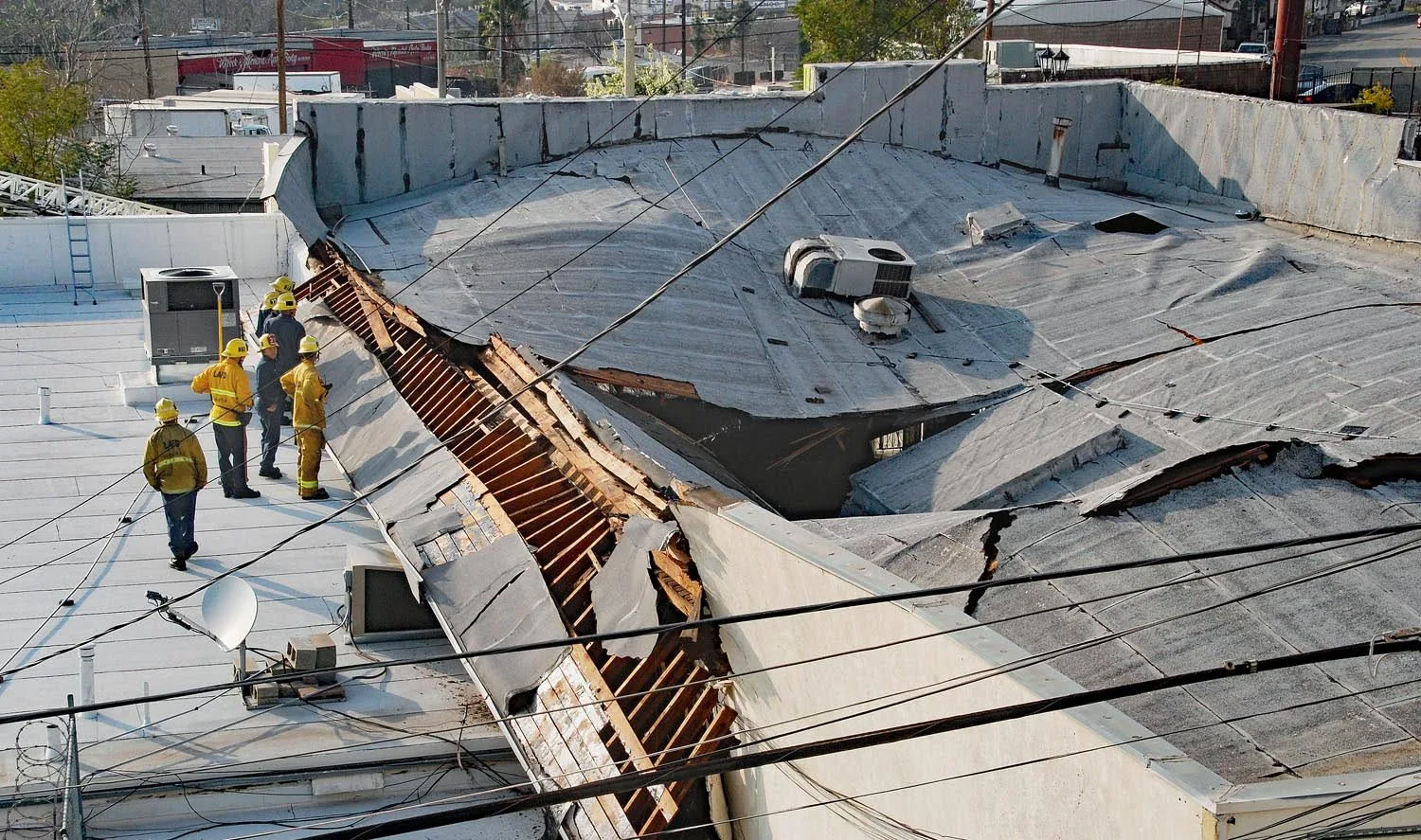
After heavy rain, access to a building can be a larger problem than the roof. Hanna put 1 to 3 feet of water on multiple neighborhood streets in Mission and about 12 inches across Shary Road near Griffin Parkway, and numerous water rescues were reported. Before dispatching a crew, we confirm road conditions, entry points, and whether the roof is safe: wet surfaces, damaged deck, weakened parapets, and downed lines near the building.
If power is out, the crew works with portable lighting and does not rely on building services. Fall protection is set up before anyone walks the roof, and any section with a suspect deck is marked and avoided. Where safe access is not possible, we document from the ground or by drone, protect what can be reached from inside, and return when conditions improve. The reason for any delay is written in the file with the time, so the record shows what was done and what could not be done yet.
From Dry-In to Permanent Repair
After the emergency, the permanent plan starts with a full inspection. The inspector removes temporary materials, checks the deck and insulation beneath, and compares findings with the first-visit photographs. Wet insulation is mapped and, where necessary, removed. The report then separates repairs into those that finish the dry-in and those that point to a larger scope, such as wind damage repair to edges and flashings.
When the damage is storm-related, we assemble the documentation for the claim: dated photographs, the weather on the date of loss, a list of repairs, and the scope and price of the permanent work. Our role is to supply the record, and the owner and insurer reach their own agreement. Preparing that file in full is the work of insurance claim assistance.
Where We Respond
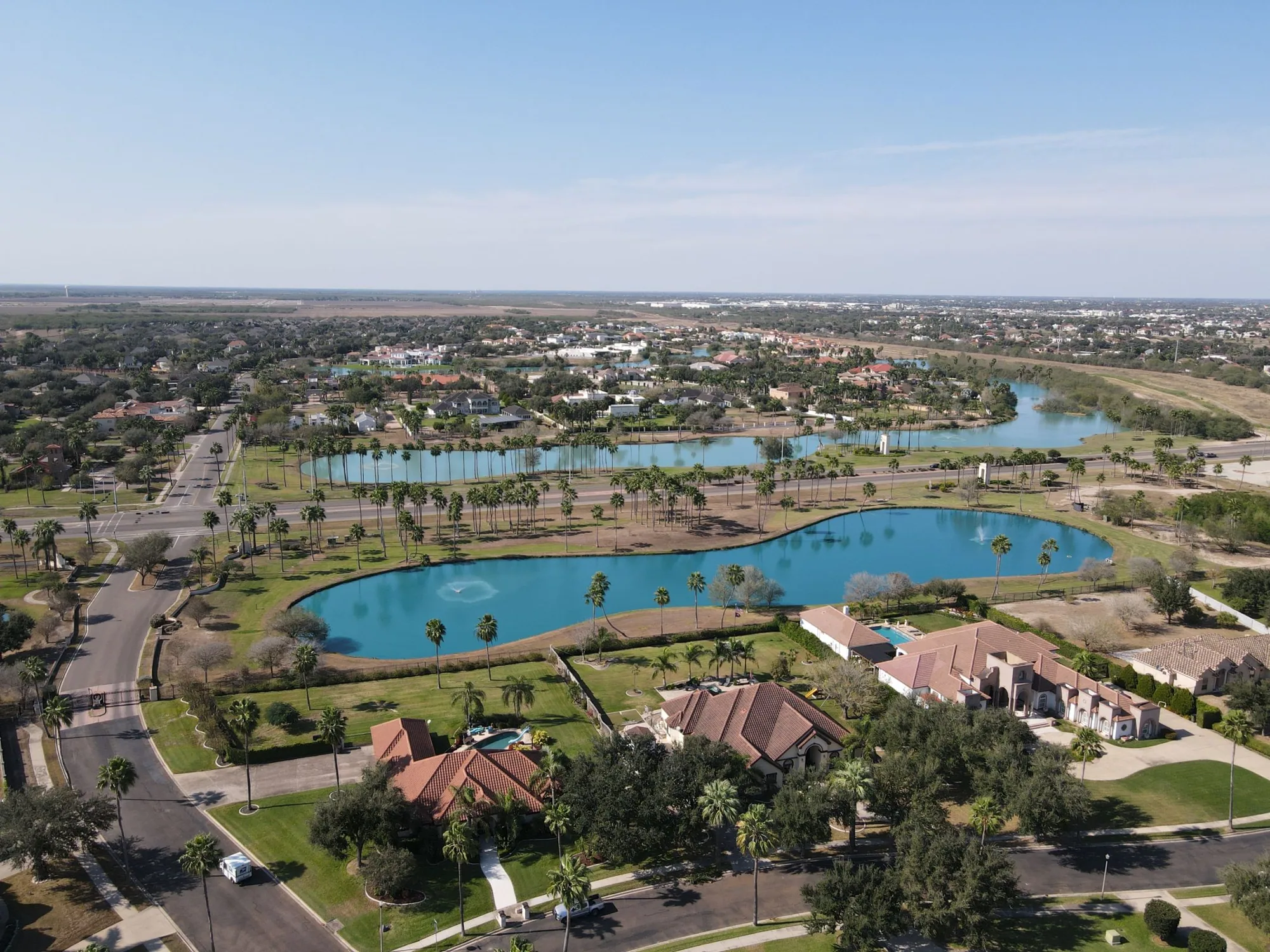
We respond to calls from Mission, McAllen, Pharr, and surrounding cities along the I-2 corridor, and from smaller towns on either side. We ask for the building address, the tenant contact, and a few photographs by phone, so the crew can load the right materials before leaving. A property manager with several locations can give us a standing contact list, which shortens the first call.
Questions and Answers
Should an owner wait for an adjuster before any temporary protection goes on?
Protection should go on right away. Insurance policies typically expect reasonable steps to prevent further damage, and delay can add interior losses. We photograph the damage before covering it, tag each image, and keep the materials list, so the adjuster sees the condition as it was and the cost of the temporary work.
What does temporary protection normally cost compared with permanent repair?
The size of the opening, the access, and the hours involved set the cost, and it is quoted by the call. Temporary work is generally a fraction of a permanent repair, but it only holds for a short time. We state the expected life of the temporary measure so that owners can budget for the permanent step.
How quickly can a crew reach a building after a storm?
Arrival time follows road conditions, call volume, and the extent of damage. After Hanna, flooded streets in Mission and the surrounding area made some sites unreachable for a time. We give an estimated arrival on the first call and update it if conditions change, and we dispatch by exposure rather than by order of call when many buildings are affected.
Can emergency work be done at night?
Night work is possible when the site is safe. We use portable lighting and set a smaller scope for night work, sealing openings and protecting contents, then returning in daylight to complete details. Any decision to defer work to daylight is written in the file with the reason.
What should be kept for an insurance claim?
The photographs, the weather record, the invoice for temporary work, and any tenant complaints should be kept together. We supply our dated photographs and notes, and we describe the permanent scope in terms an adjuster can compare against the policy.

Call for Emergency Dry-In
Call with the building address and the location of the opening. A crew will protect the interior and keep a dated record for the permanent repair and any claim.