
Property Types We Roof
Property Types We Roof in Mission, TX

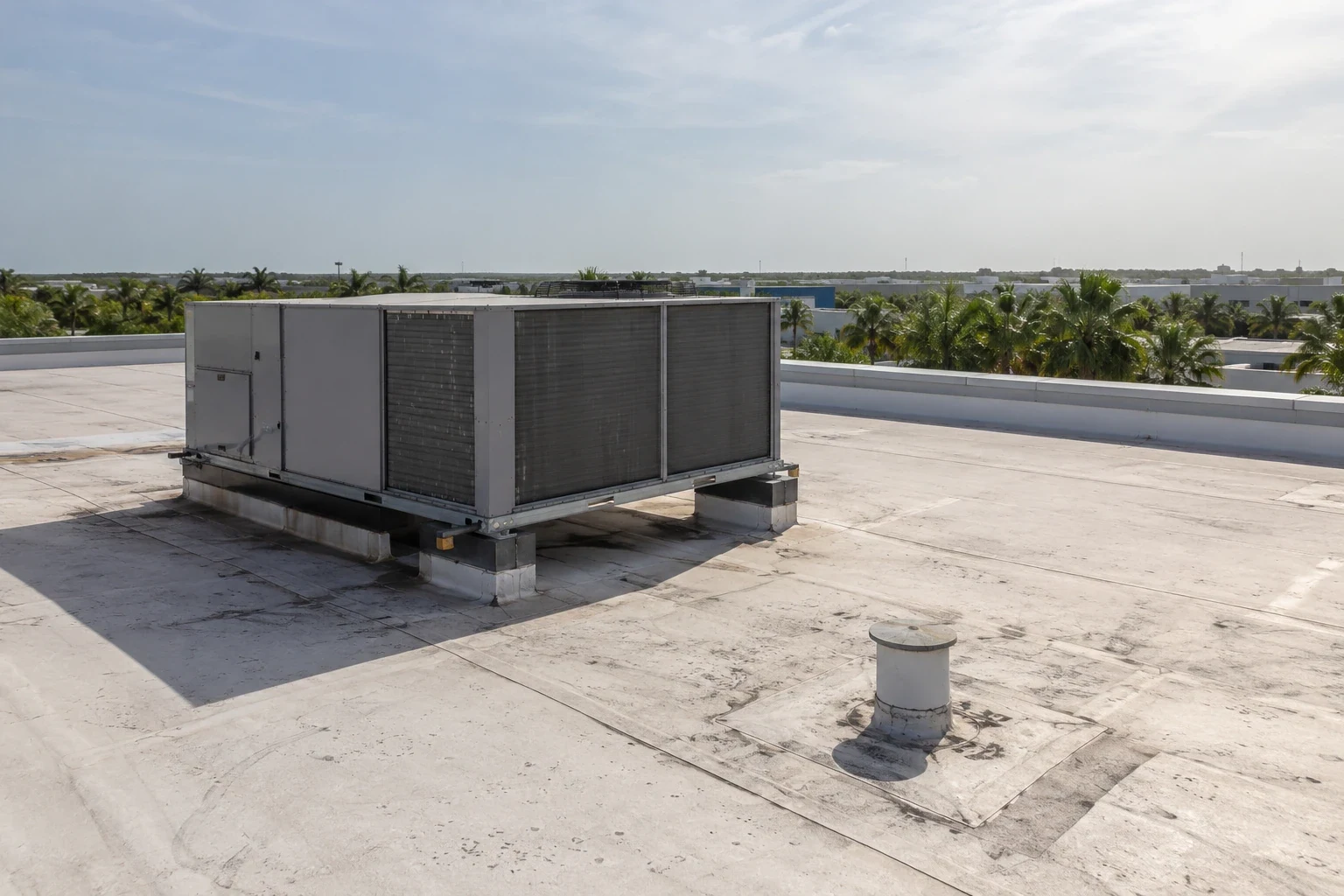
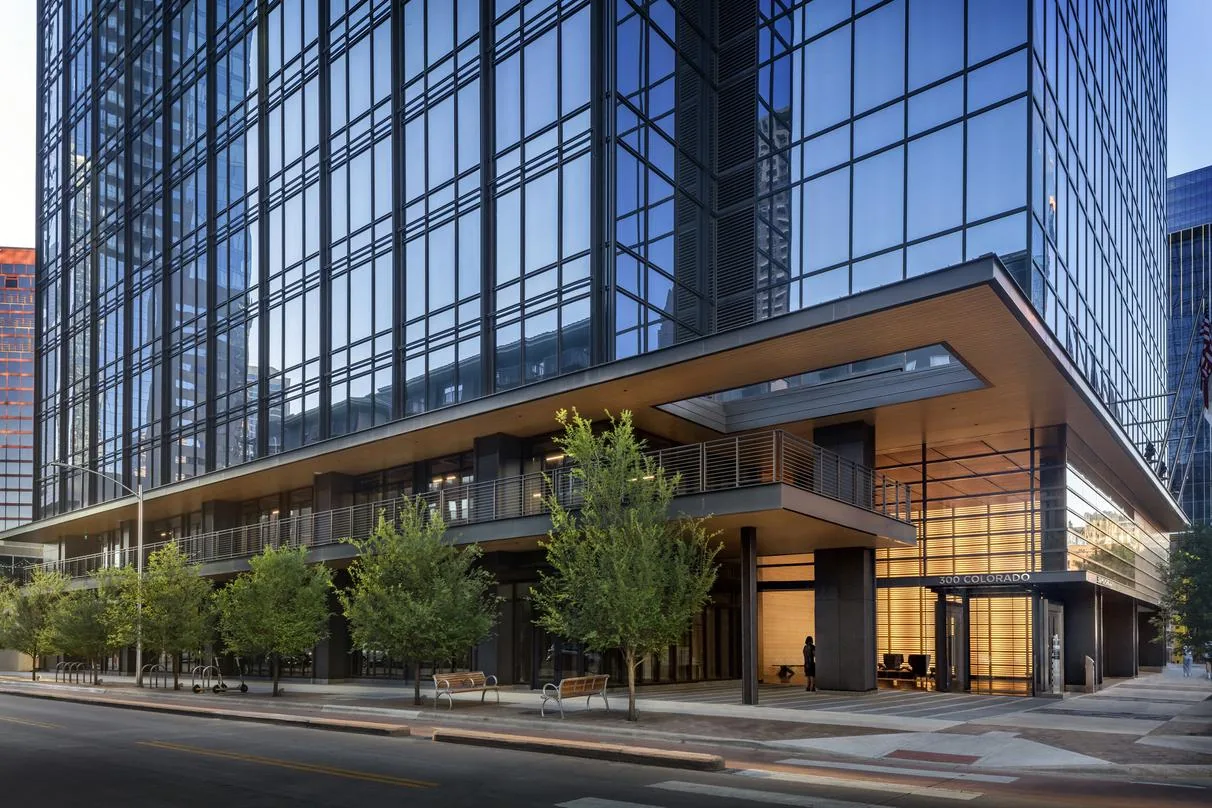
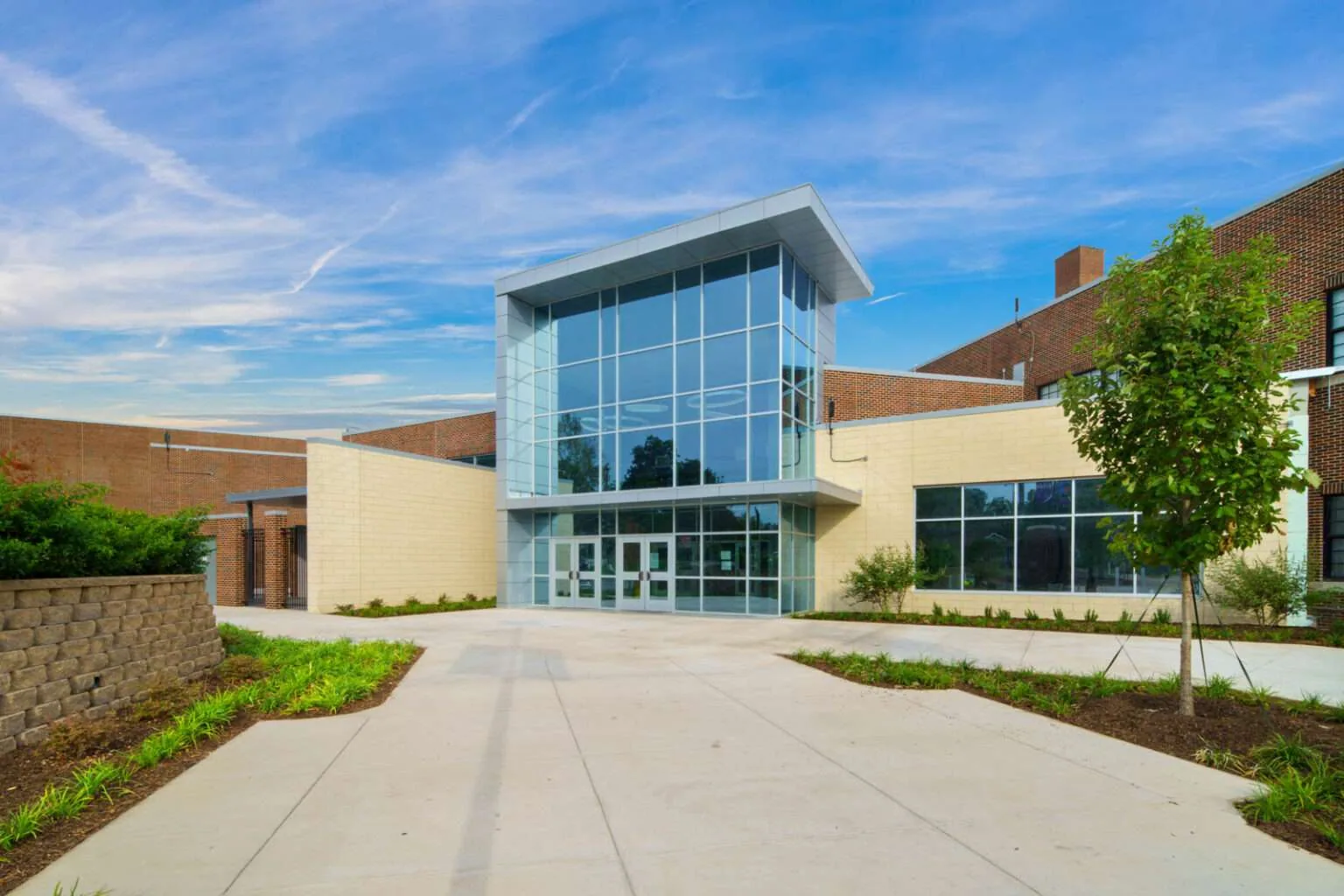
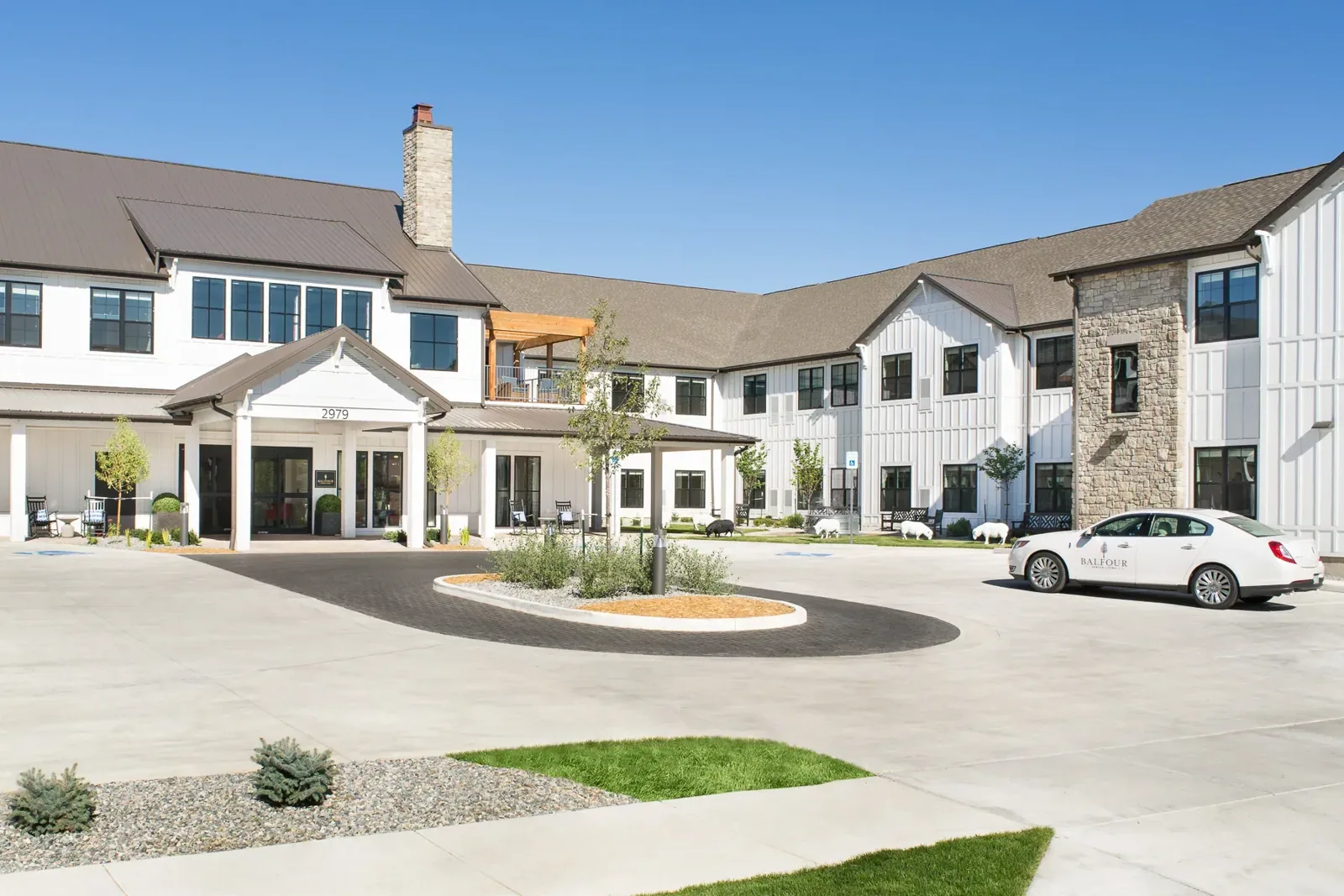
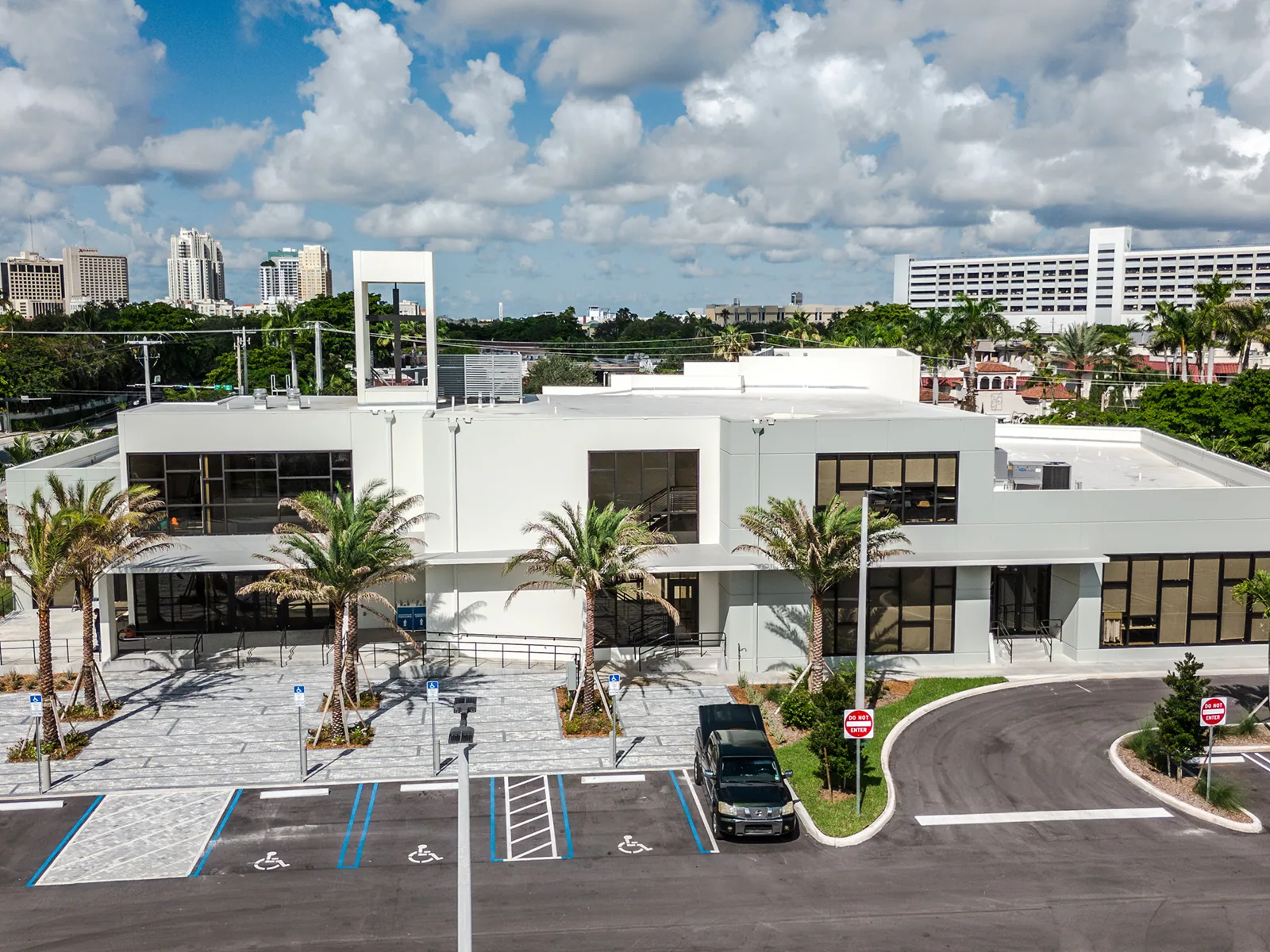
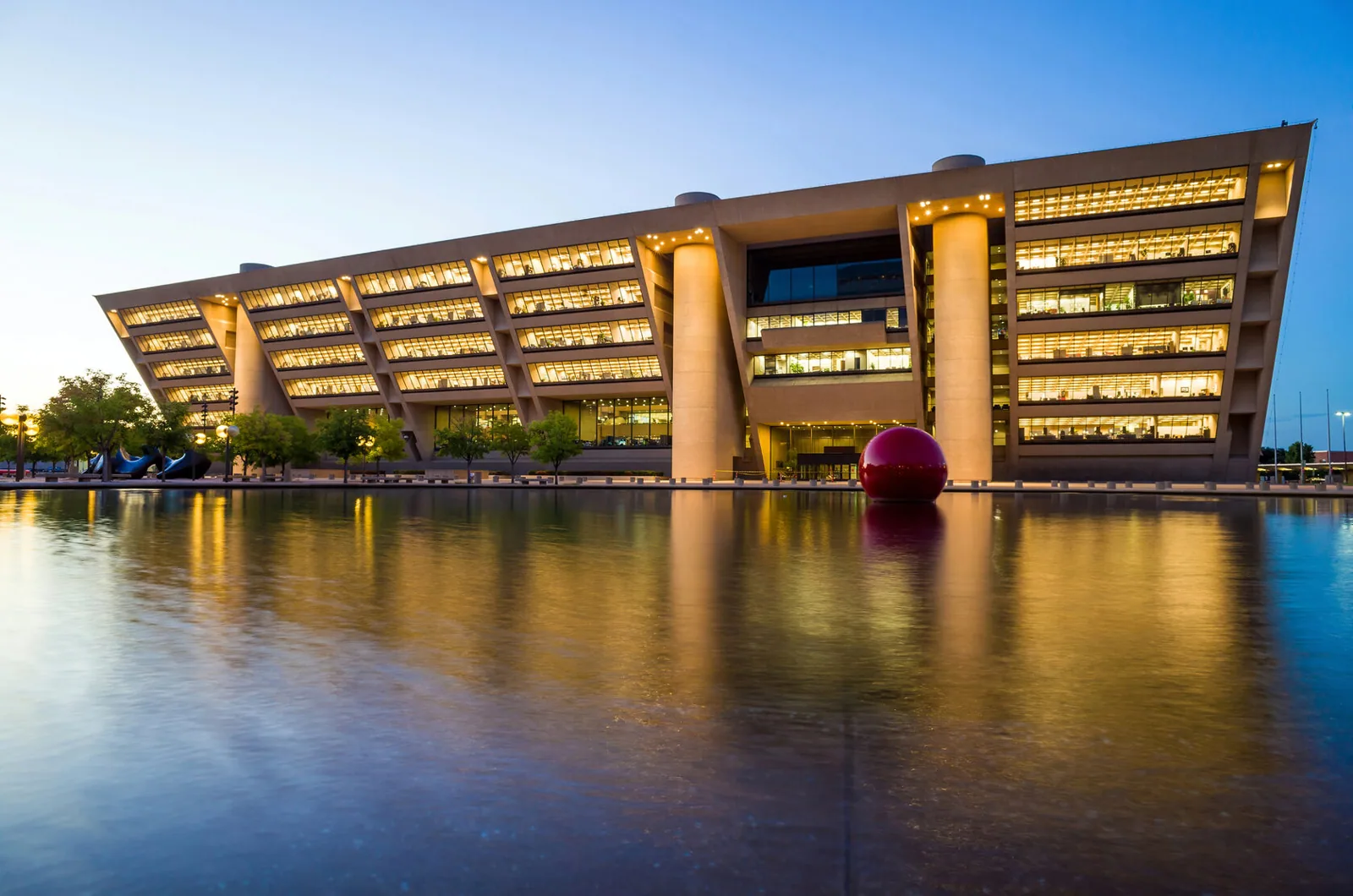
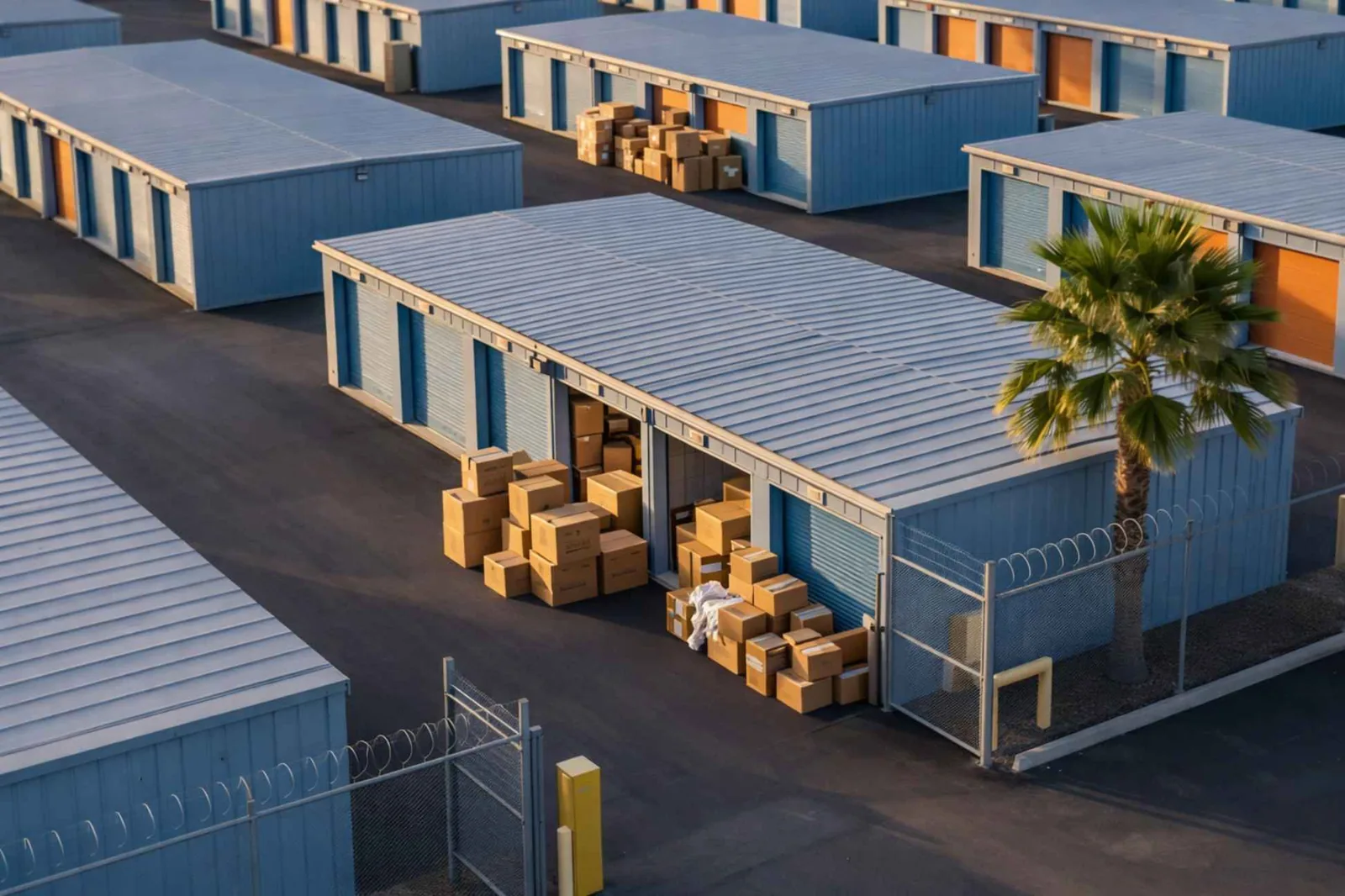
What happens under a roof decides what its sheet records first. A distribution building in Mission, TX is read for drain capacity and loading-dock edges. A clinic is read for leak risk above treatment rooms. Manufacturing, healthcare, technology and retail are the sectors Mission's economic development office highlights, and each puts a different question to the roof.
More About Property Types We Roof
Industrial and Distribution Buildings
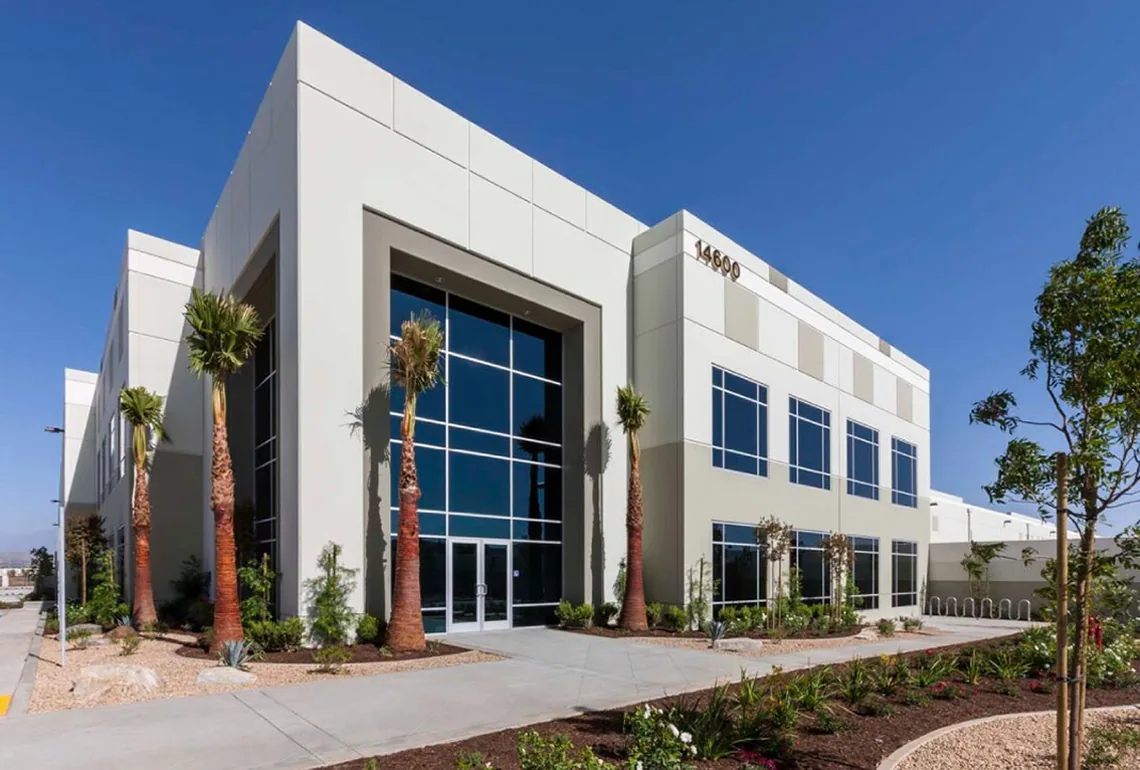
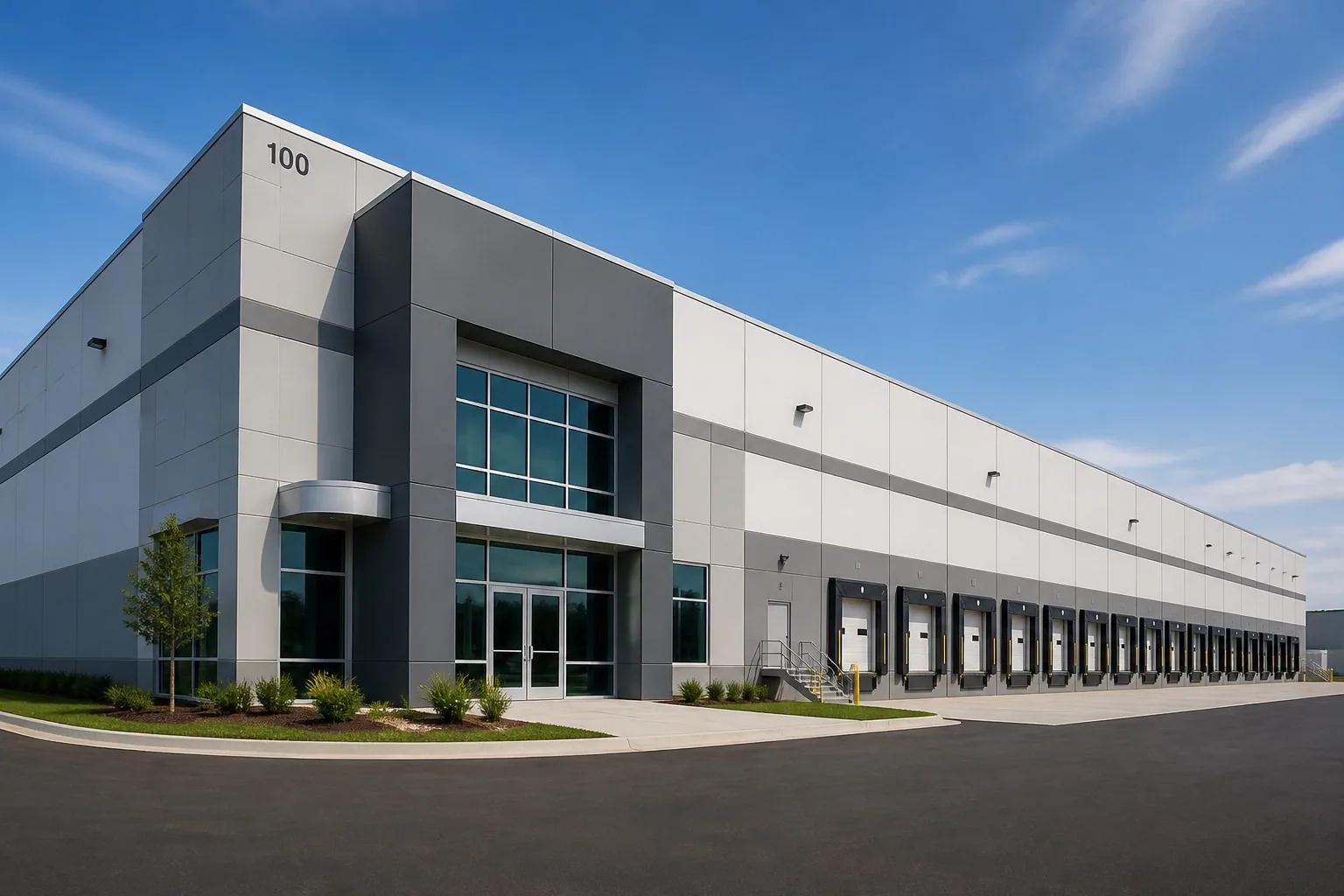
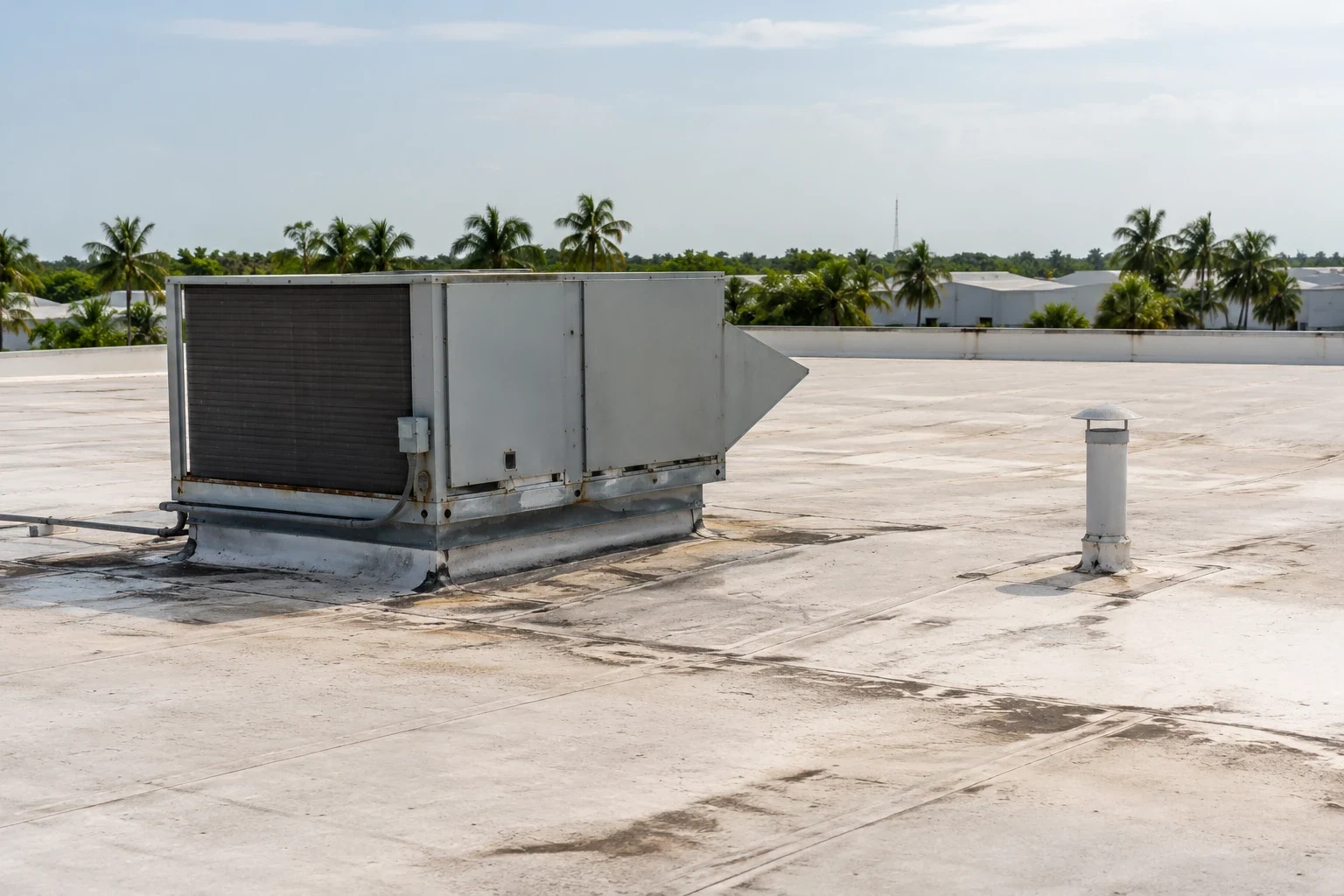
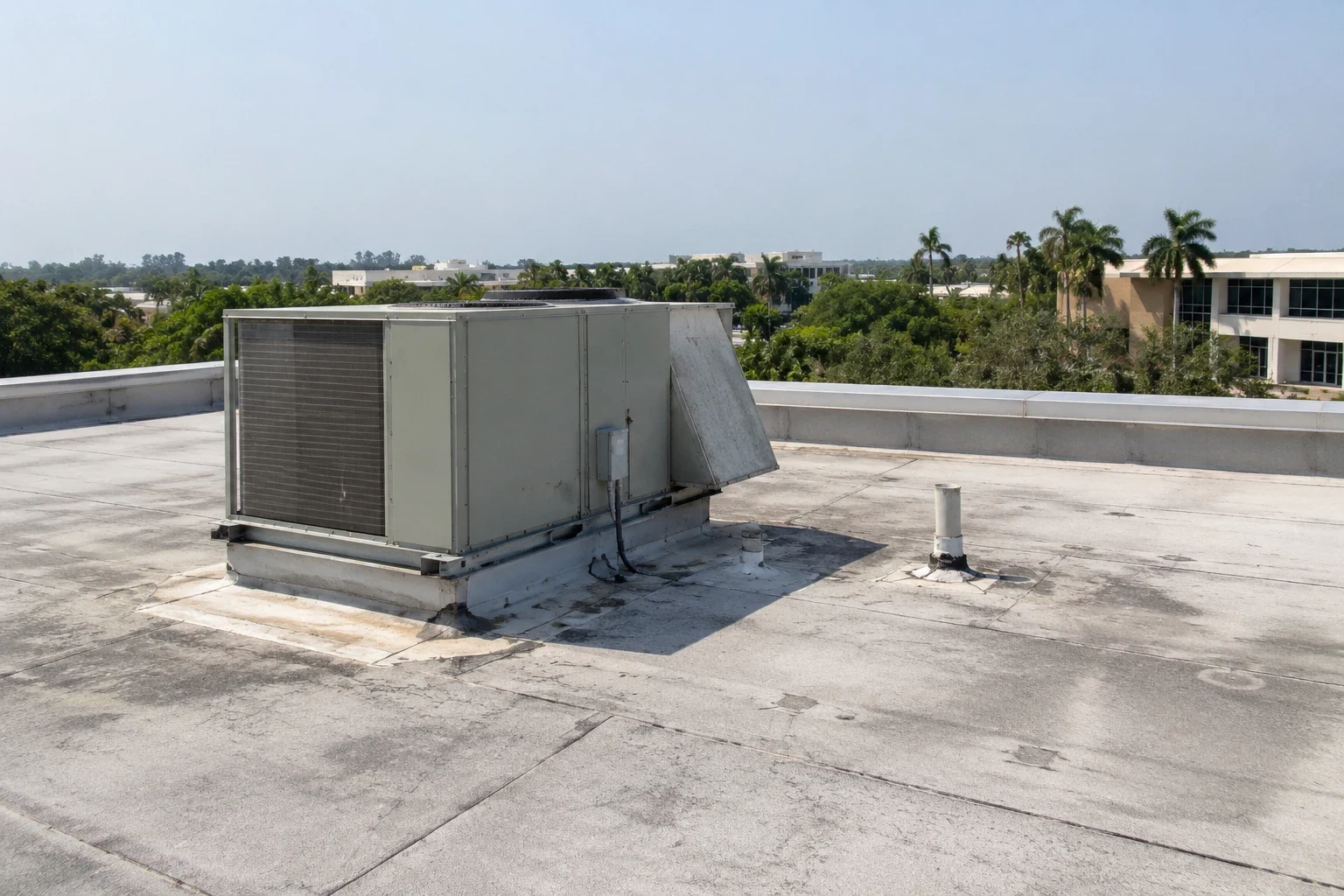
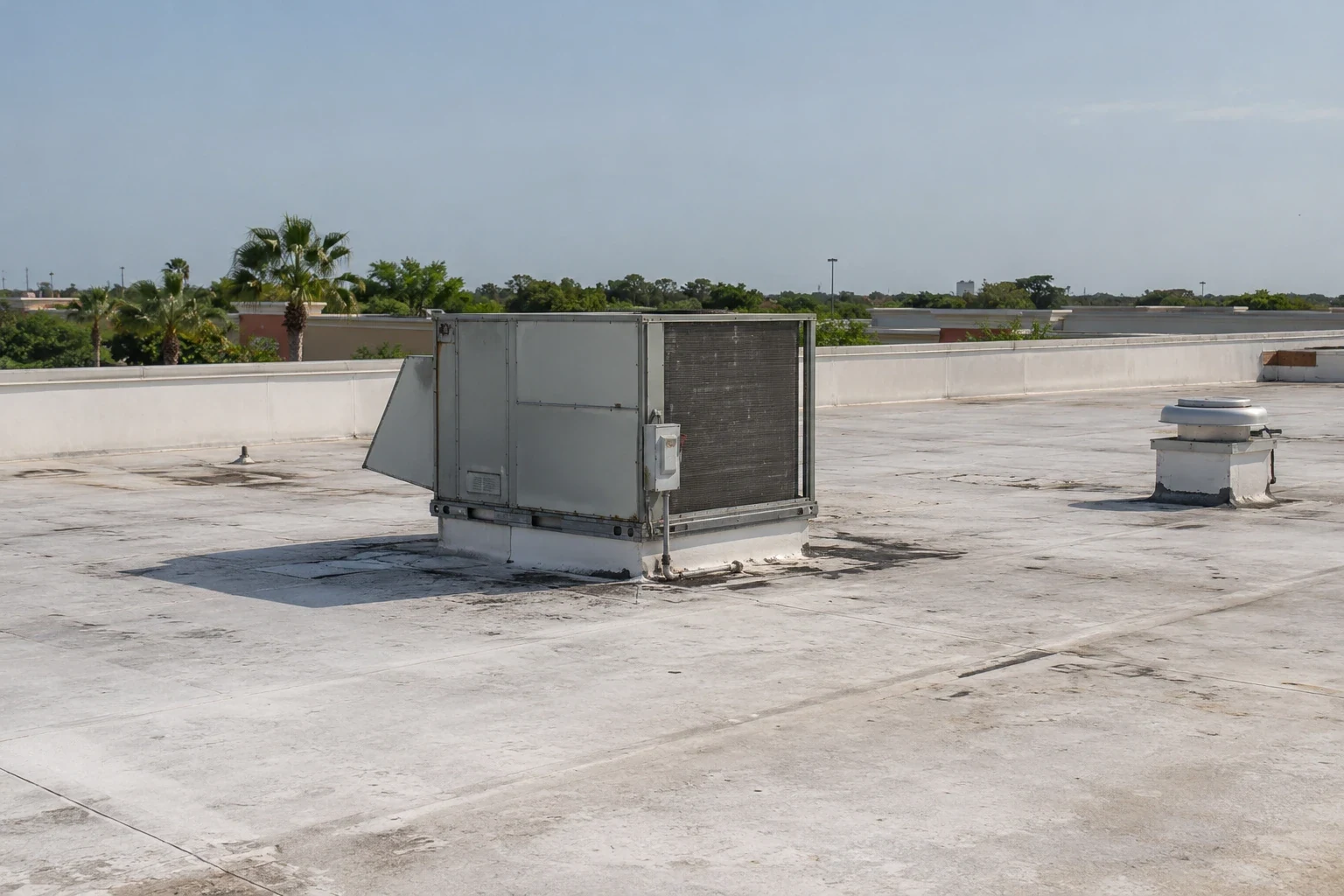
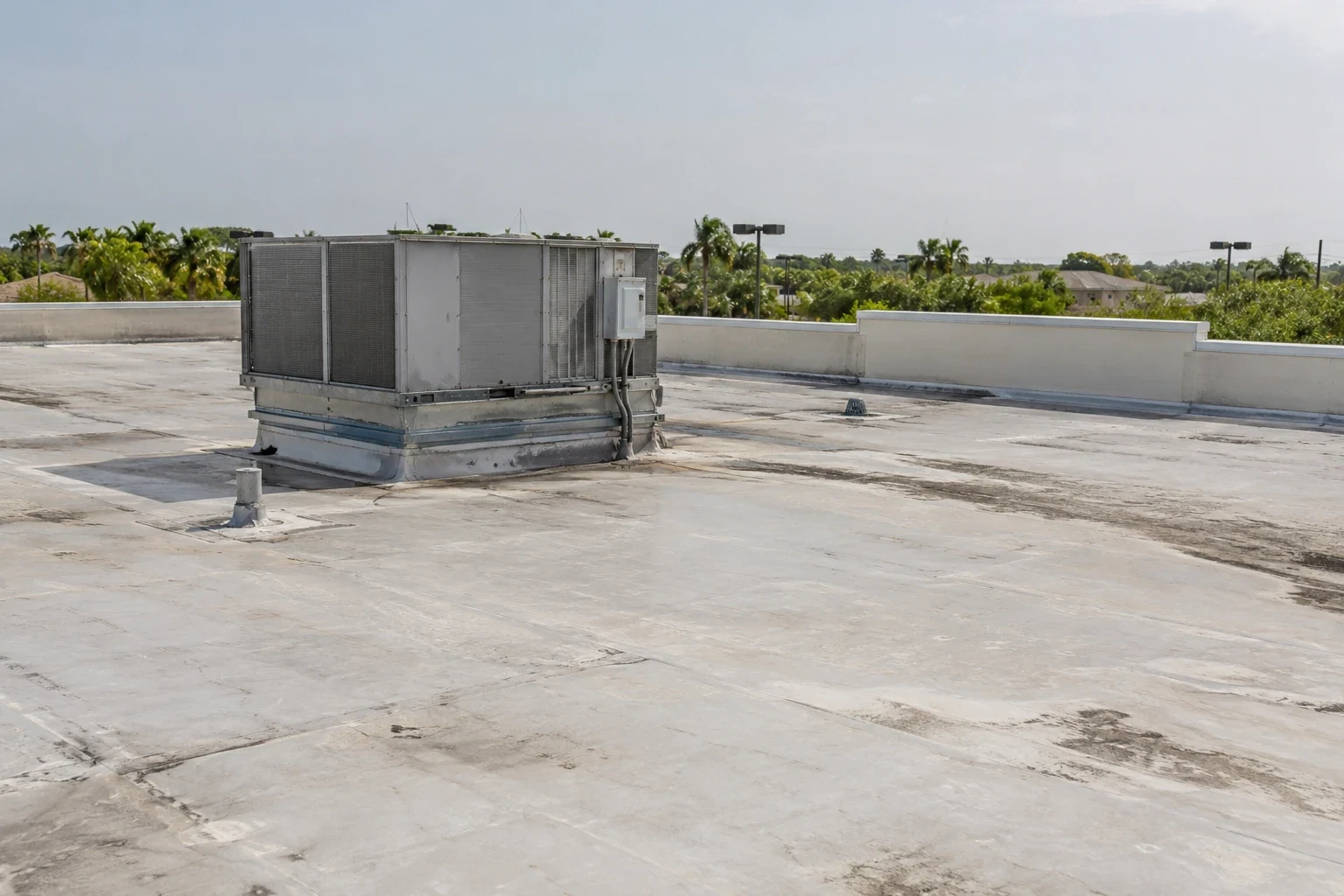
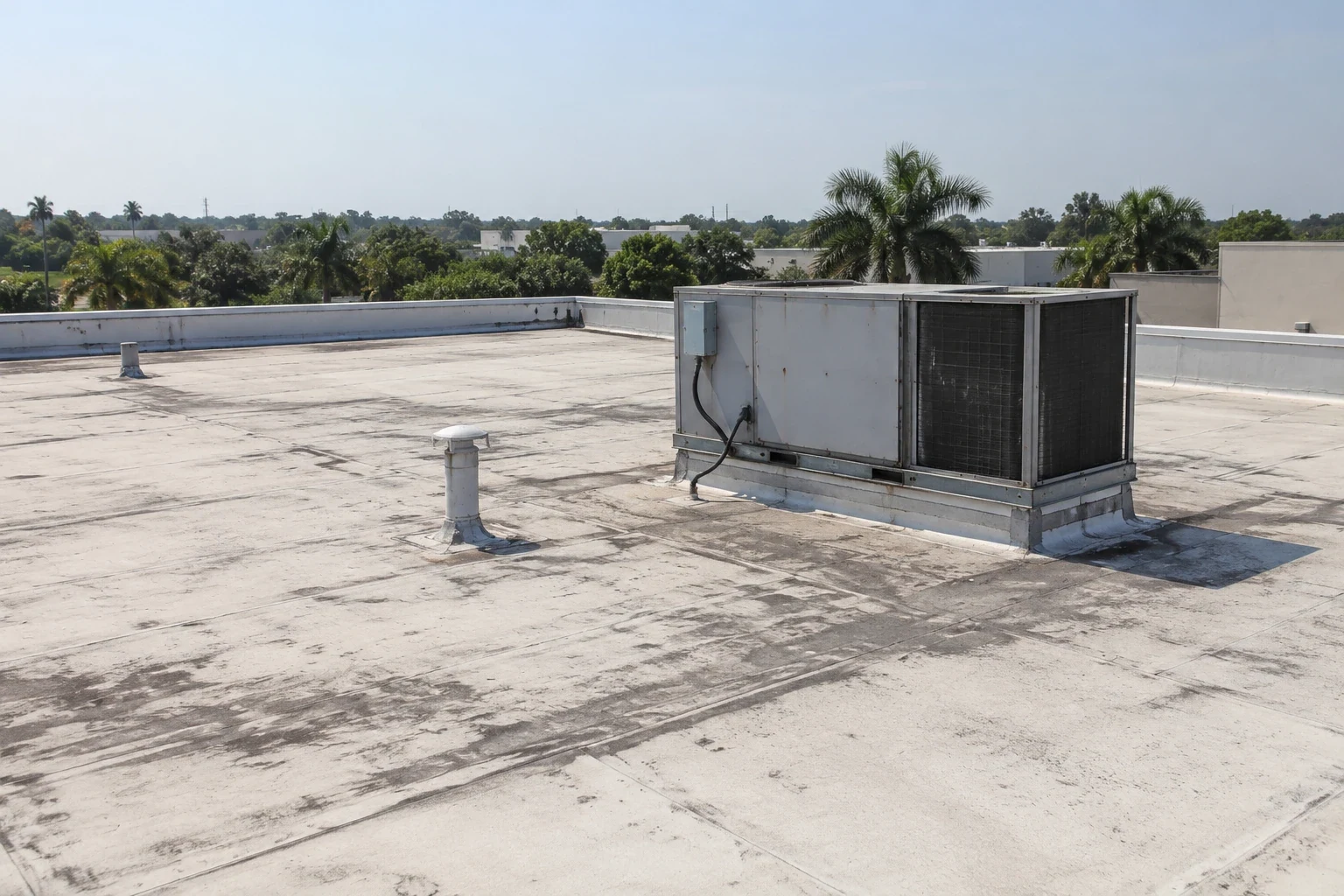
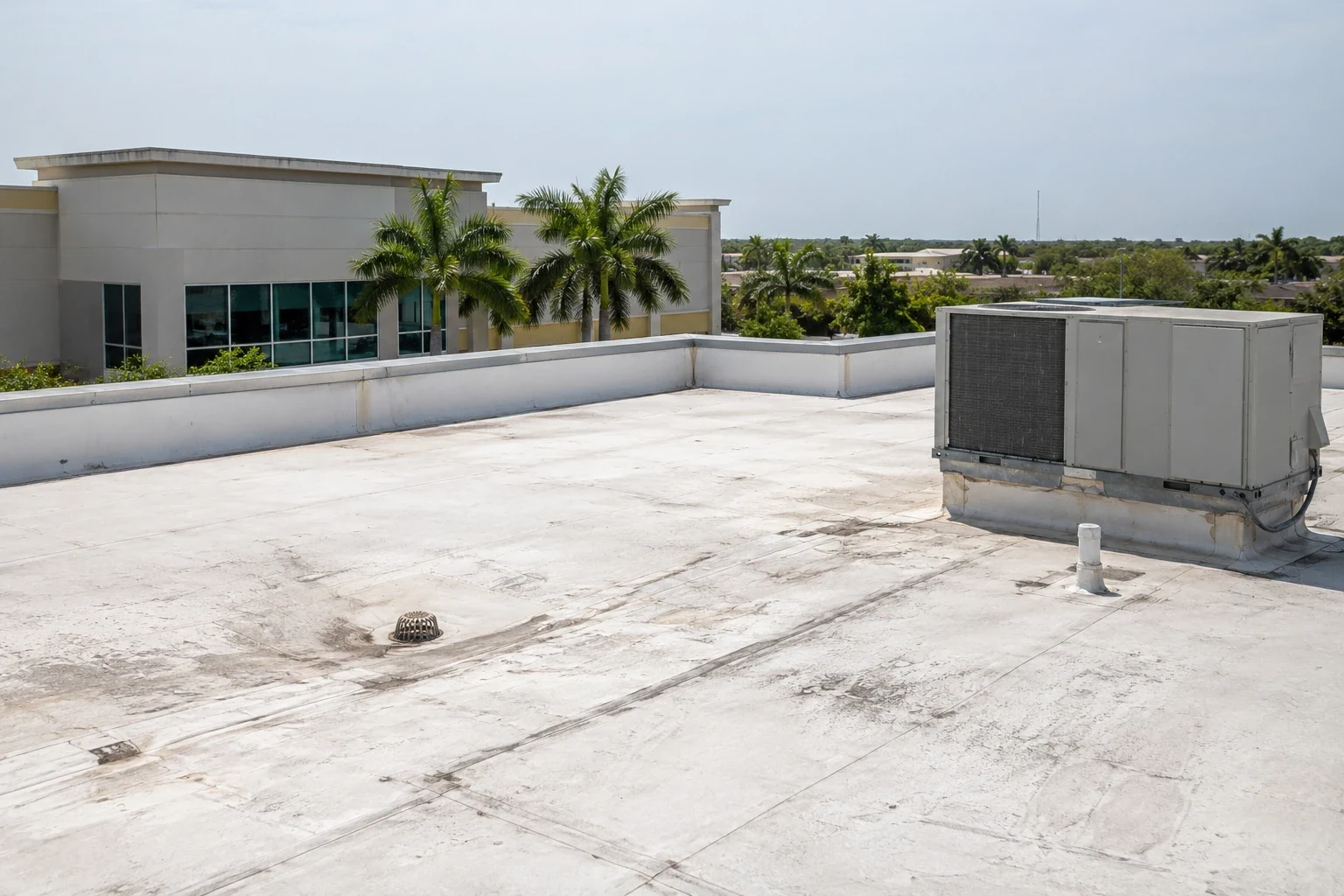
The McAllen Foreign-Trade Zone supports warehouse and distribution functions between McAllen and Reynosa, so warehouse and distribution buildings are part of the regional stock. Warehouse roofing, distribution center roofing and manufacturing plant roofing are logged for drainage, rooftop equipment penetrations and seam condition, since a leak over stored goods is expensive to explain.
Healthcare, Education and Public Buildings
Occupied buildings need tighter sequencing. Medical office roofing and school roofing are planned around patient hours and class calendars. In Hanna, a maintenance shed belonging to a school district in Mission lost roof sections, a reminder that smaller outbuildings belong in the same inspection file as the main campus.
Retail, Hospitality and Residential
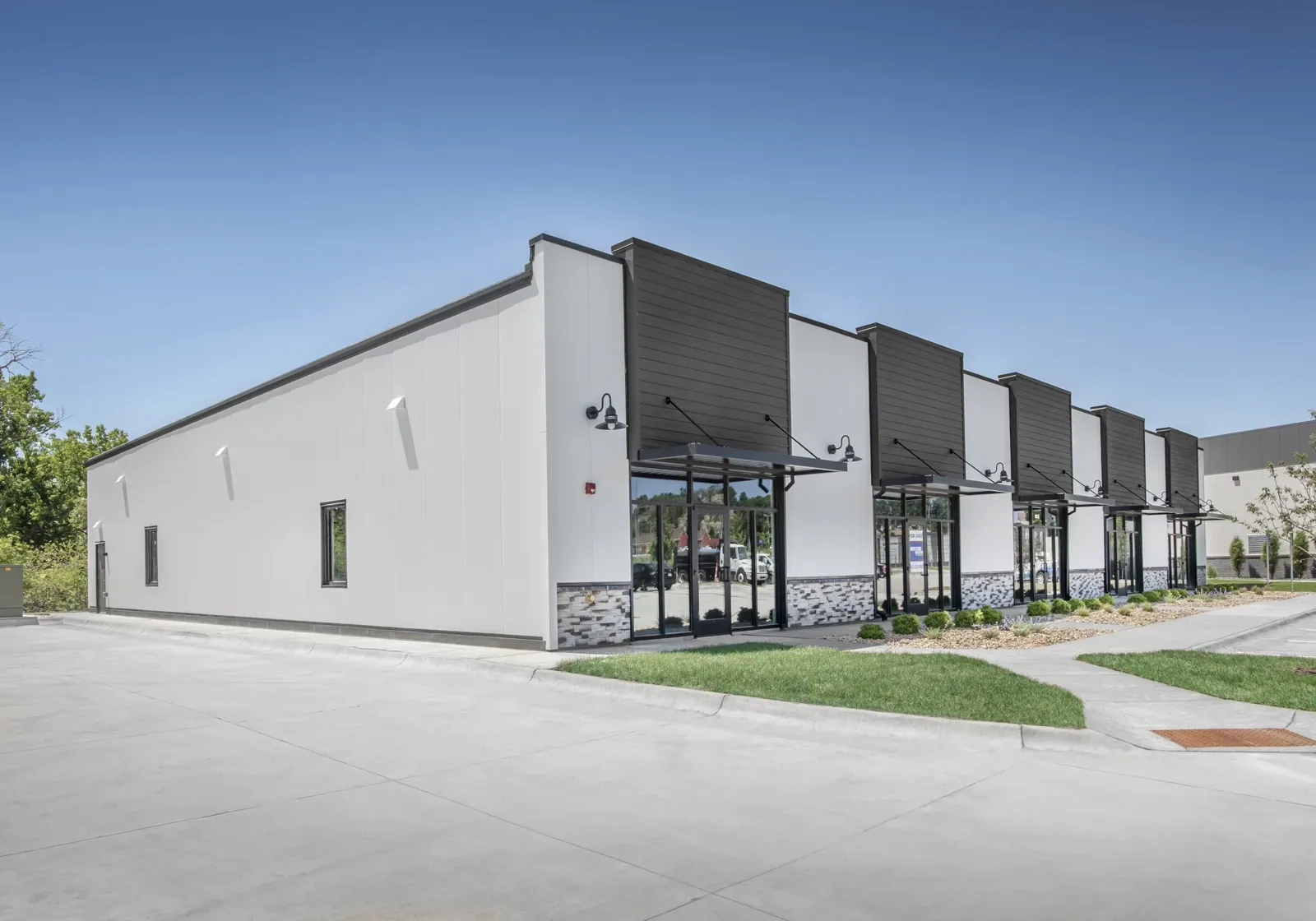
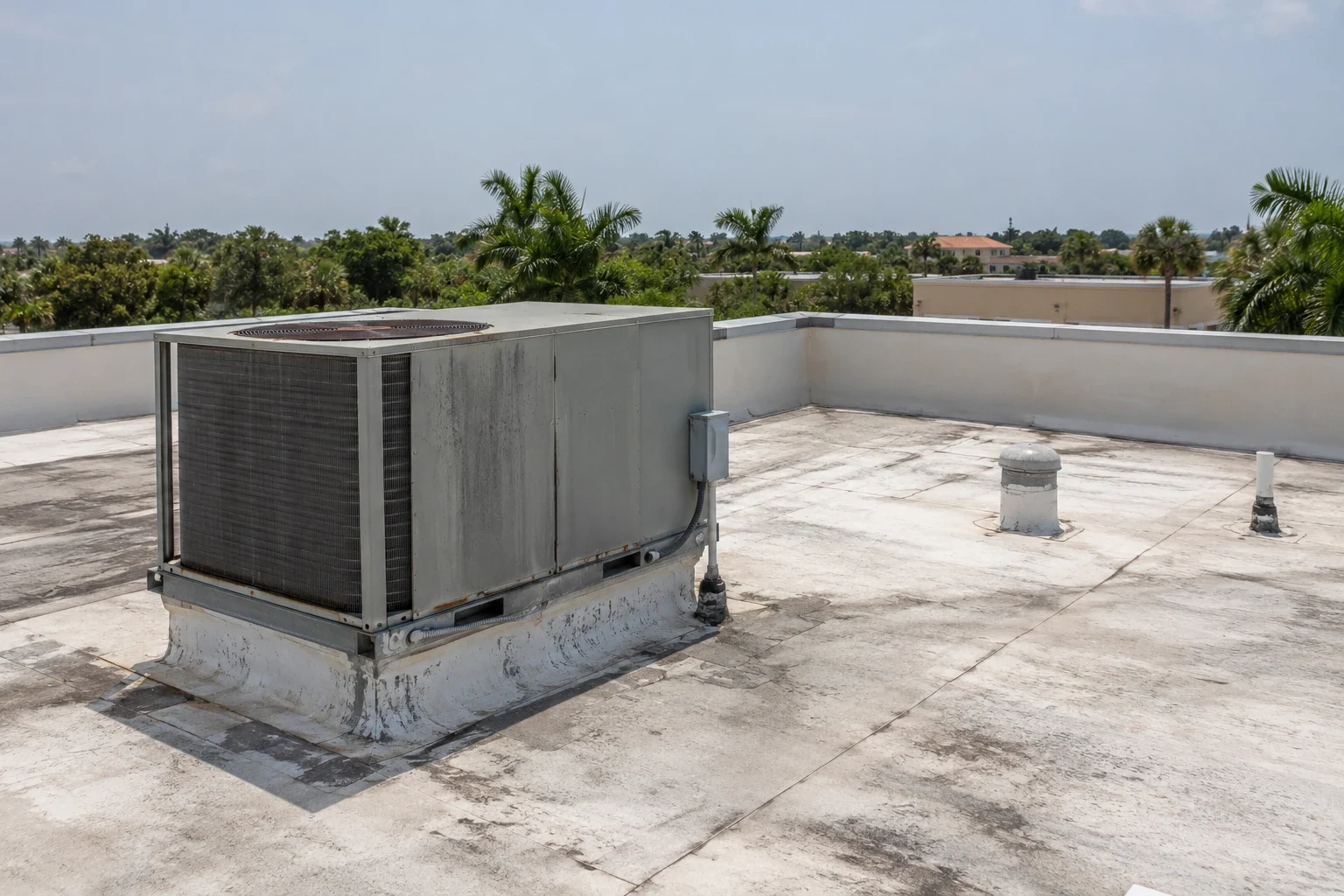
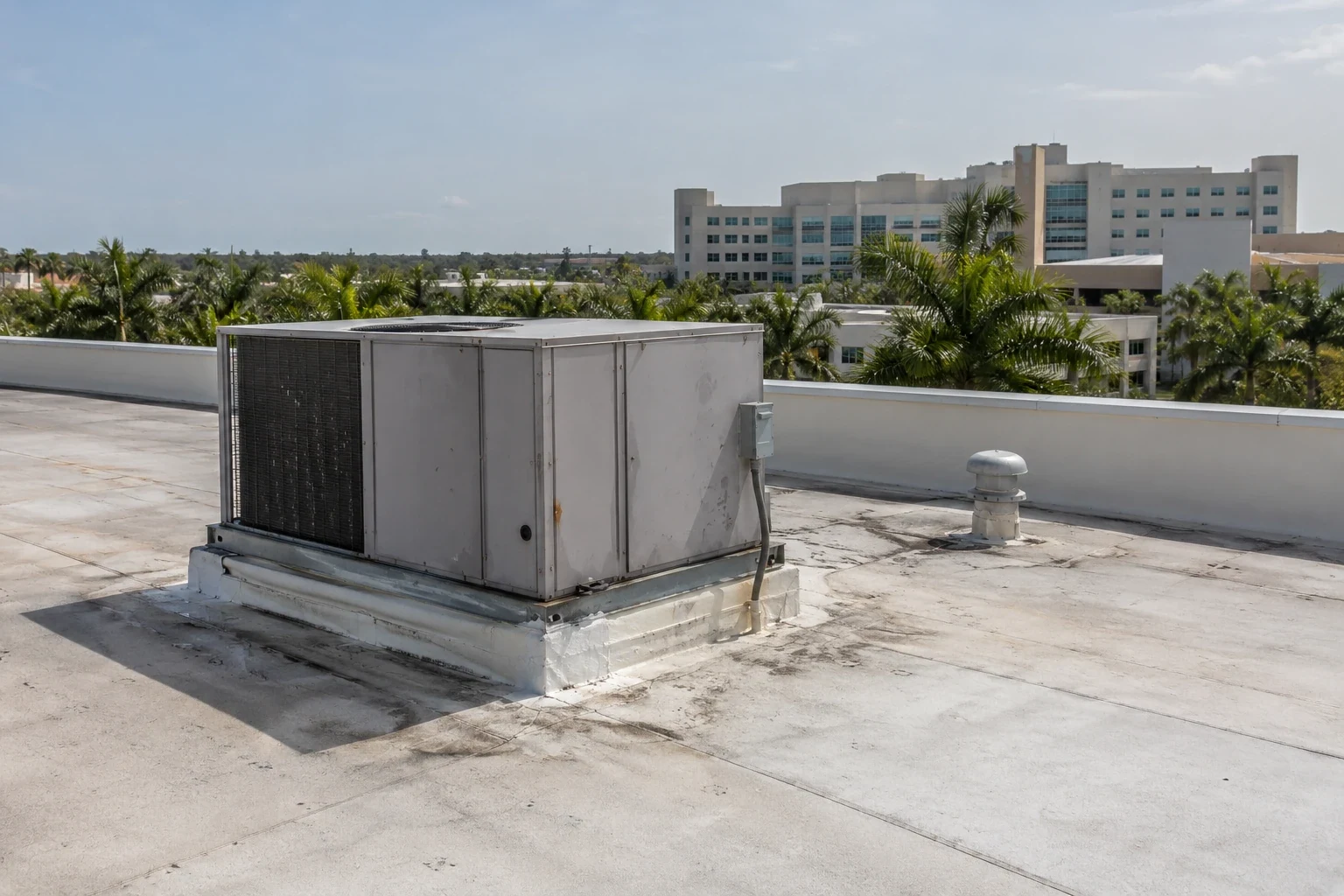
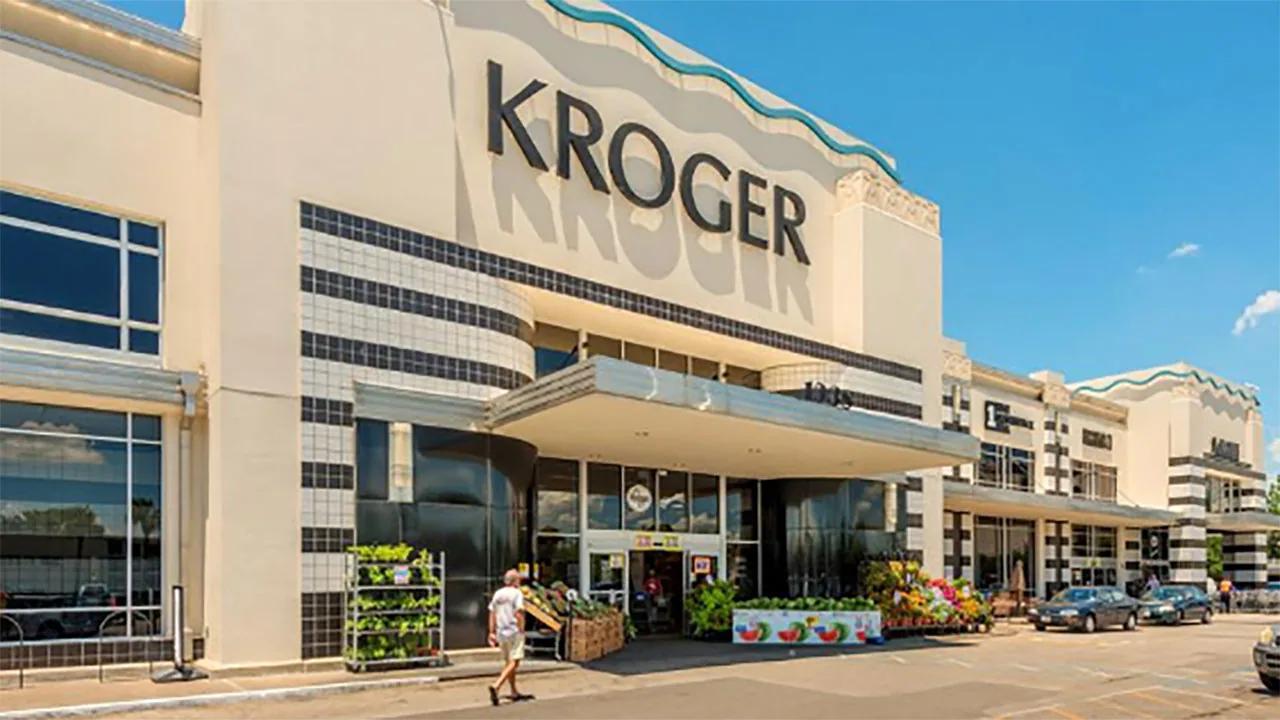
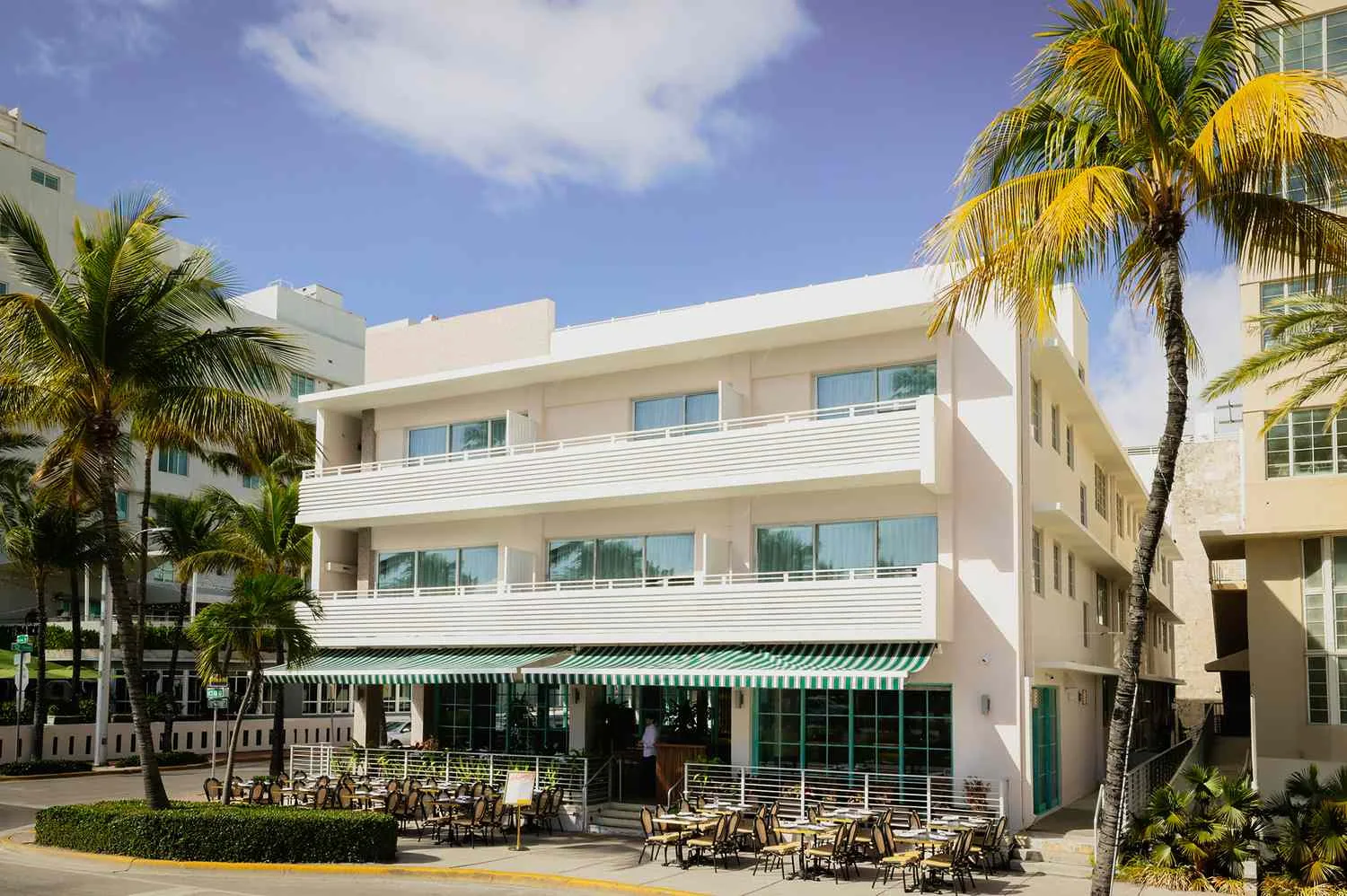
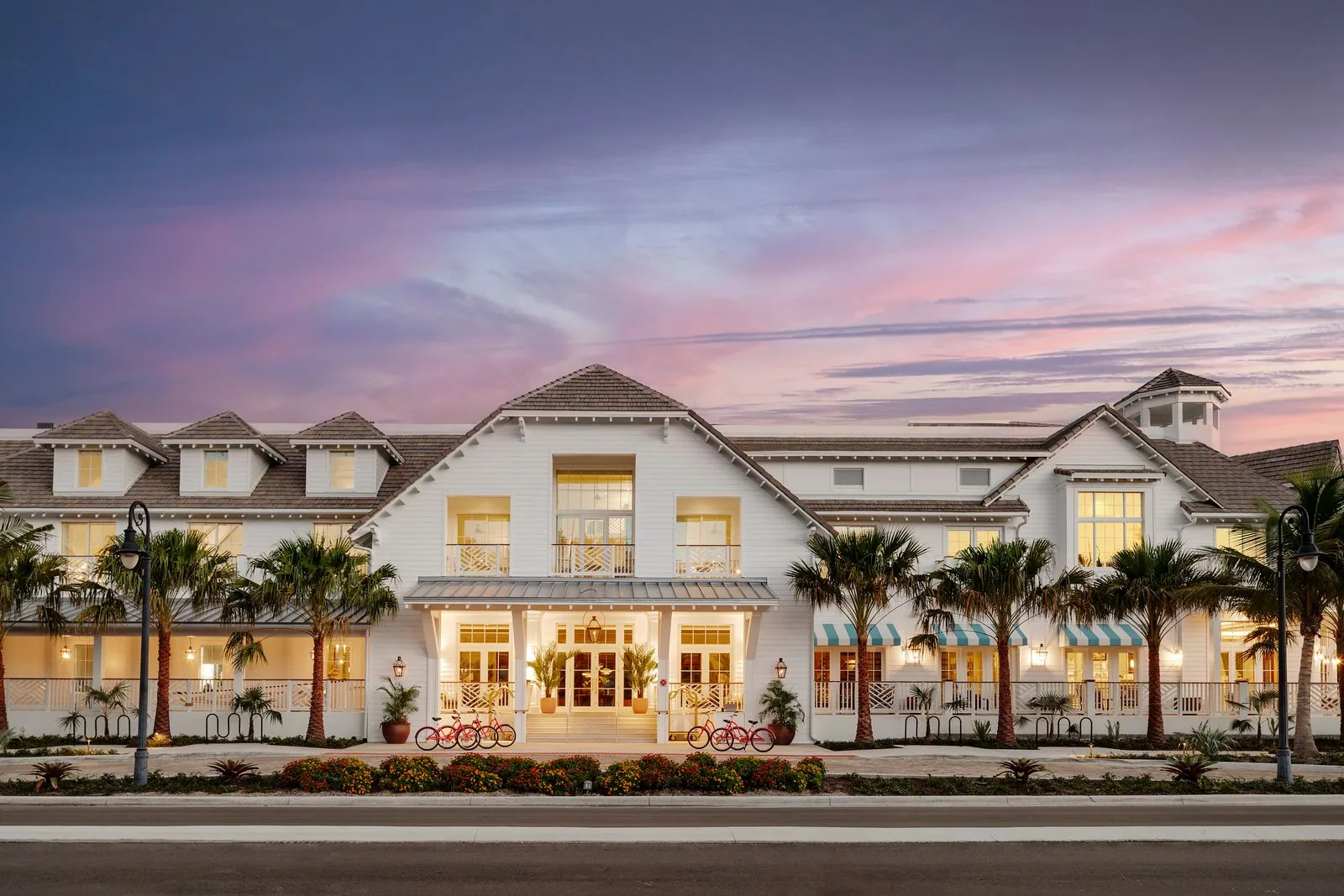
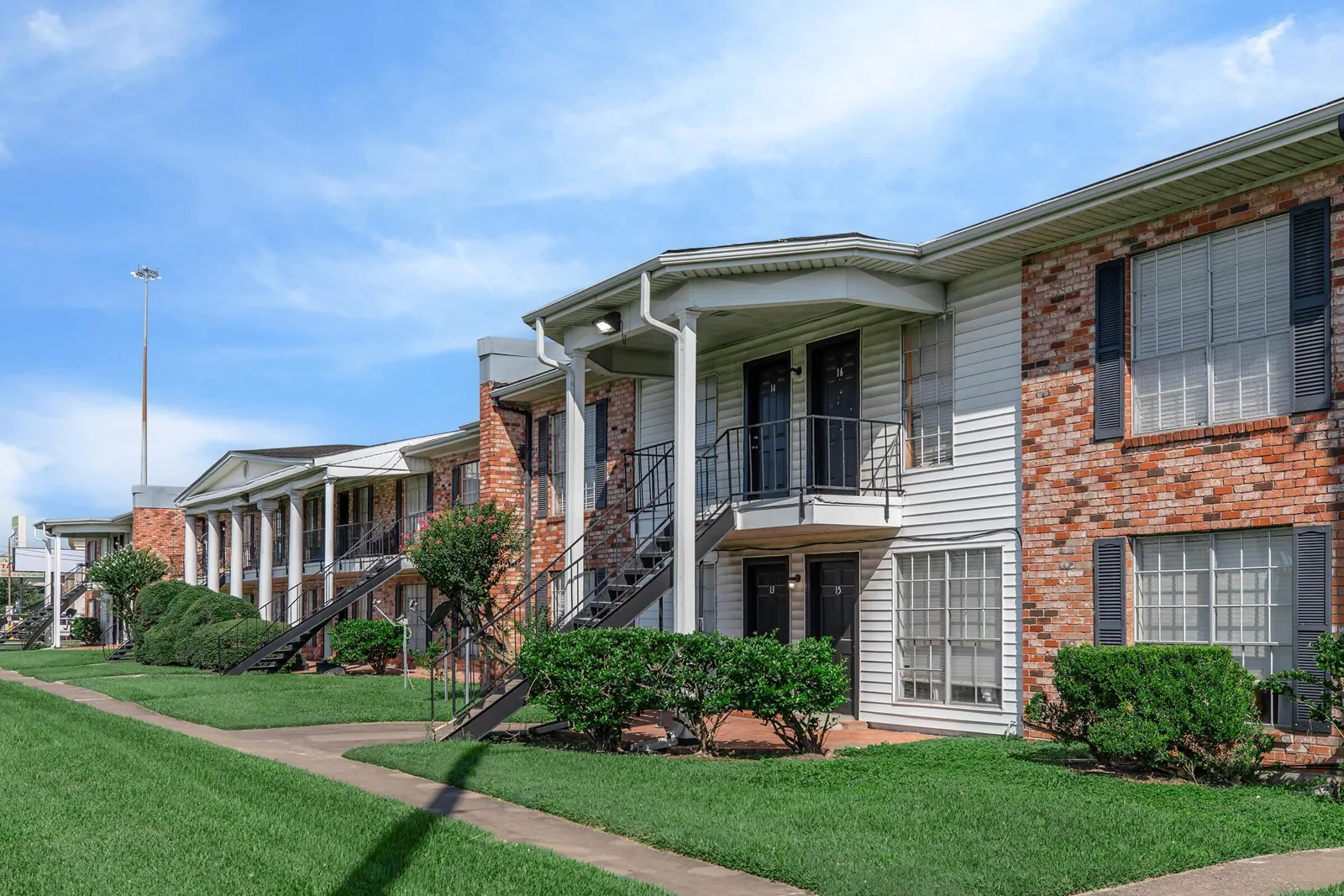
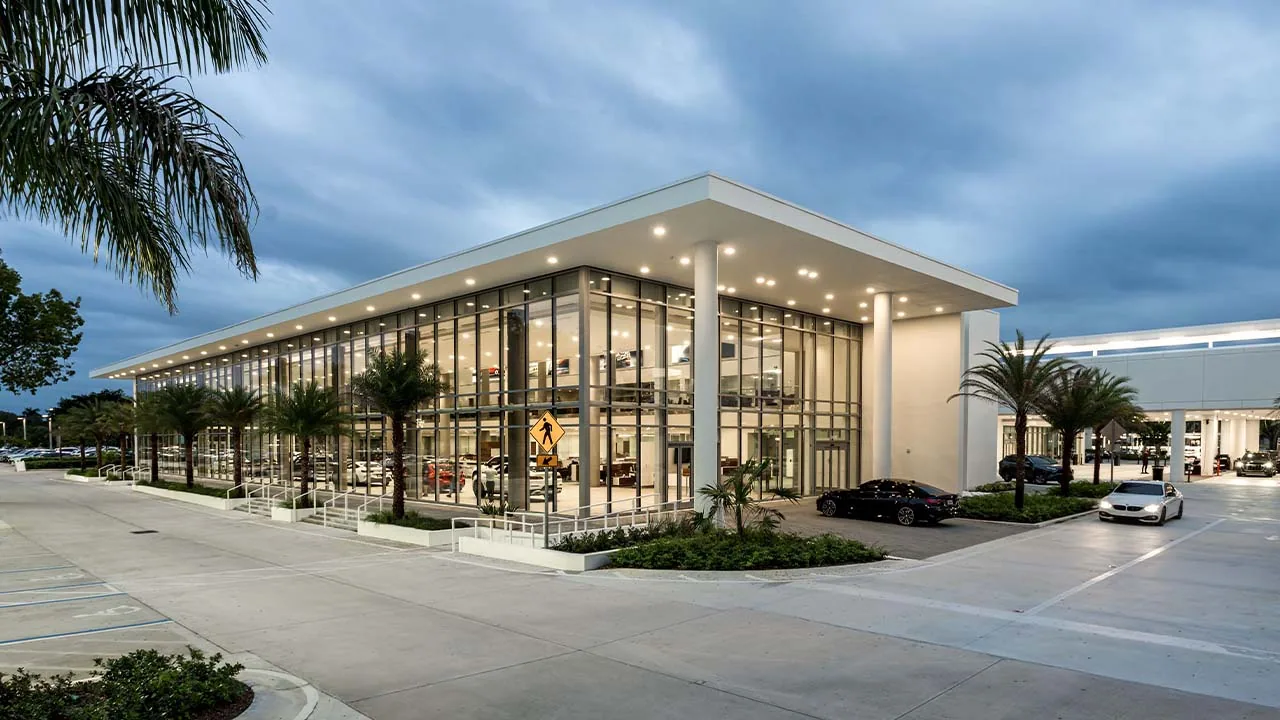
Shopping centers and big-box stores usually combine large field areas with many rooftop units. On a shopping center or a hotel, the sheet gives close attention to curbs, flashing and the drain and scuppers log, because standing water gathers at those details first. Apartment roofing follows the same record, with notice schedules for residents.
Specialty Buildings
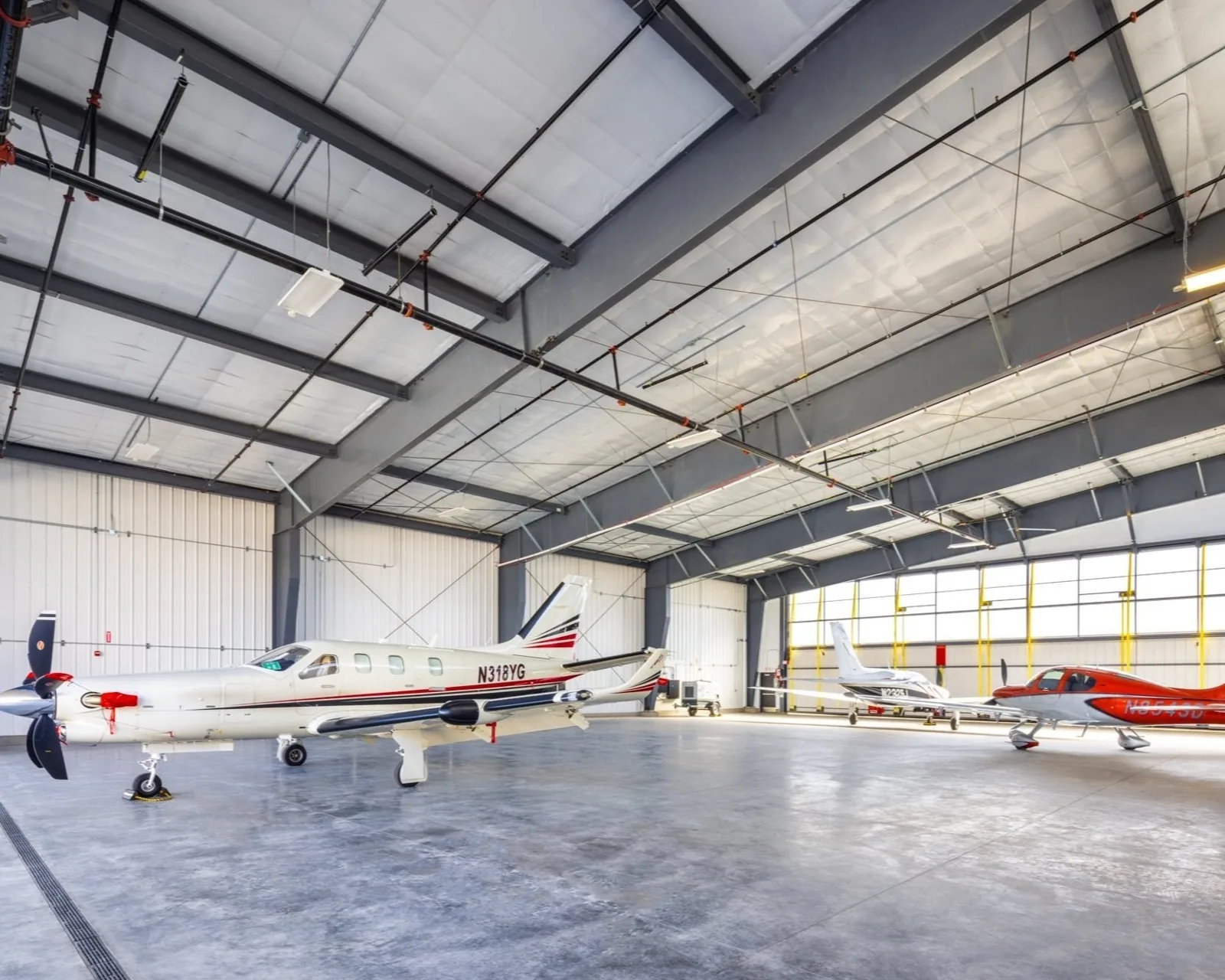
Cold storage, data space and aircraft hangars bring unusual loads and tight tolerances. Cold storage roofing is read for vapor and insulation moisture, and aircraft hangar roofing for long spans and wind uplift at large openings. A landlord, a hospital system and a manufacturer read the same roof differently, and the owner type shapes how the findings are written up.
If a building holds tenants, we add a short access note to each sheet: which stairwell or hatch reaches the roof, who holds the key, and what notice the tenants expect before a crew walks overhead.
Commercial Roofing Questions
Does the building use change what goes on the inspection sheet?
It changes the order of attention. Over stored inventory or treatment rooms, penetrations and seams are logged first. On a retail center, the large field and the many rooftop unit curbs take priority. The format of the record stays the same across all of them.
How are smaller outbuildings handled alongside a main building?
Each structure receives its own sheet in the owner's file. The Hanna damage to a school district maintenance shed in Mission shows why an outbuilding should not be left off an inspection list because it seems minor.
Can one roof program cover a mix of property types?
Yes. Mixed portfolios are handled with a shared condition summary format, so a warehouse, an office and a clinic can be ranked against each other for budget timing.
What matters most on a roof close to I-2 or US 83?
Frontage along the Valley's main east-west freeway usually means customers and tenants see the building daily, which raises the cost of an unplanned leak. We note the access routes and work hours so that repairs avoid peak traffic at the entrance.
Start With the Building Use
Tell us what the building does and who is inside it. We will build the inspection sheet around those priorities and send a written condition summary.