
Property Types We Roof
Distribution Center Roofing in Mission, TX
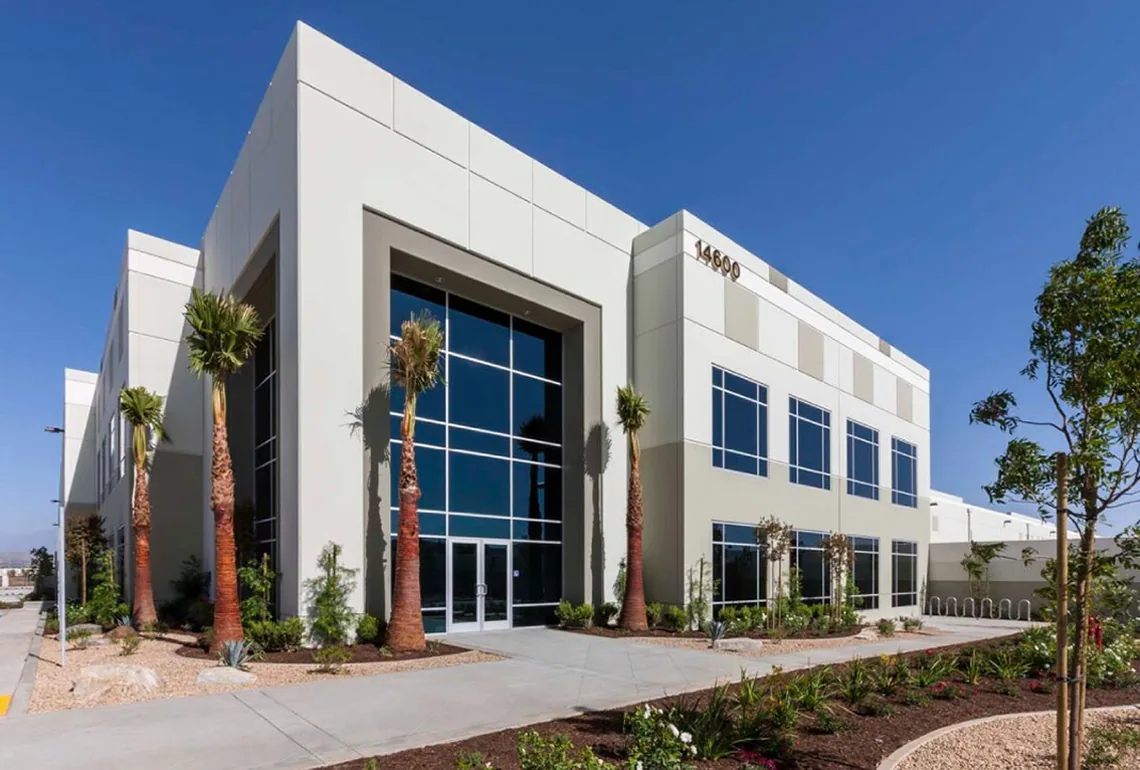
On a fulfillment building, the inspector starts at the dock end and writes down which roof sections sit above staging, conveyors, and sorted freight. That dated list, attached to a rooftop sketch, tells the owner which findings put shipments at risk and which only threaten empty bays. A distribution center in the Mission, TX area runs on schedules measured in hours, so the roof record has to translate every defect into an operating consequence before anyone decides what to fix first.
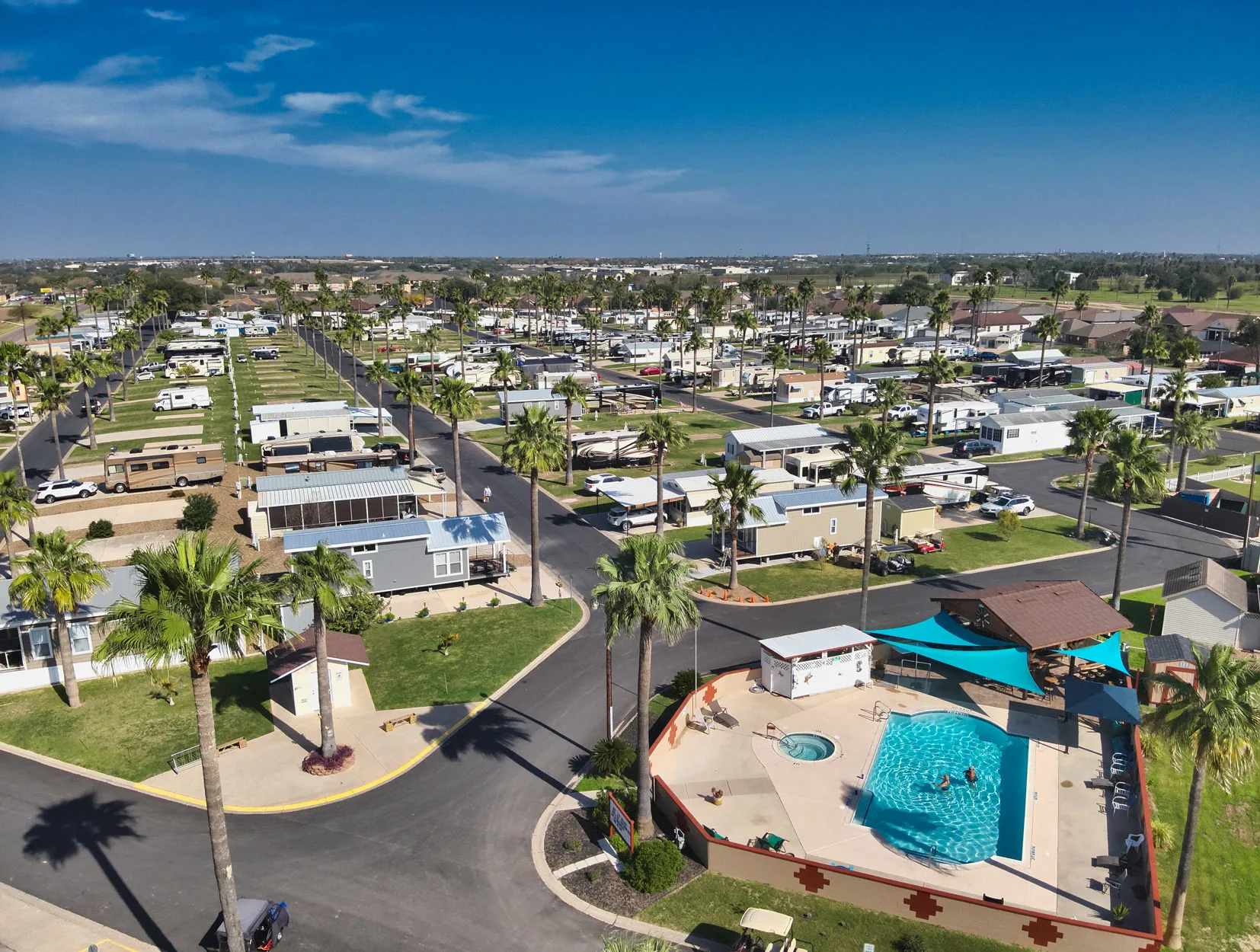
Border Trade and the Buildings It Supports
US 281 runs north-south through Pharr and connects to the Pharr-Reynosa International Bridge, and Interstate 2 joins it north of the city center. The McAllen Foreign-Trade Zone, set up in 1973 as the nation's first inland zone of its kind, supplies kitting, pick and pack, and inventory handling. Cross-border freight needs warehouse and distribution buildings at scale, and those buildings carry large flat or low-slope roofs.
A roof over a trade-lane building has a different risk profile from an office roof. Wet product can mean rejected loads, delayed manifests, and contract penalties. The condition summary lists exposure by roof section, so an owner or tenant can see where a leak reaches sensitive freight and where it reaches only empty floor.
Dock Canopies, Edges, and Truck Wells
A distribution building has long edges, many dock doors, and canopies that project over truck positions. Those details take wind and water from several directions. Canopy flashing, fascia, and gutters are examined closely, since a failed connection above a dock door lets rain reach the door seals and the floor.
We also check the roof over truck wells, where exhaust and heat affect membranes, and the parapet walls that separate dock from interior space. Each condition is photographed and tagged to a dock number. When a repair is scheduled, the crew can work from the dock list and plan access with the operations manager rather than guessing which door sits under which defect.
Gutters and downspouts at the canopy edge get a flow test. Debris collects where the canopy meets the main wall, and a blocked outlet there sends water down the wall face and across the apron. The log notes the outlet size, the condition of its straps, and whether the discharge reaches a drain or pools at the foot of the building.
Named-Storm Readiness for Large Roofs
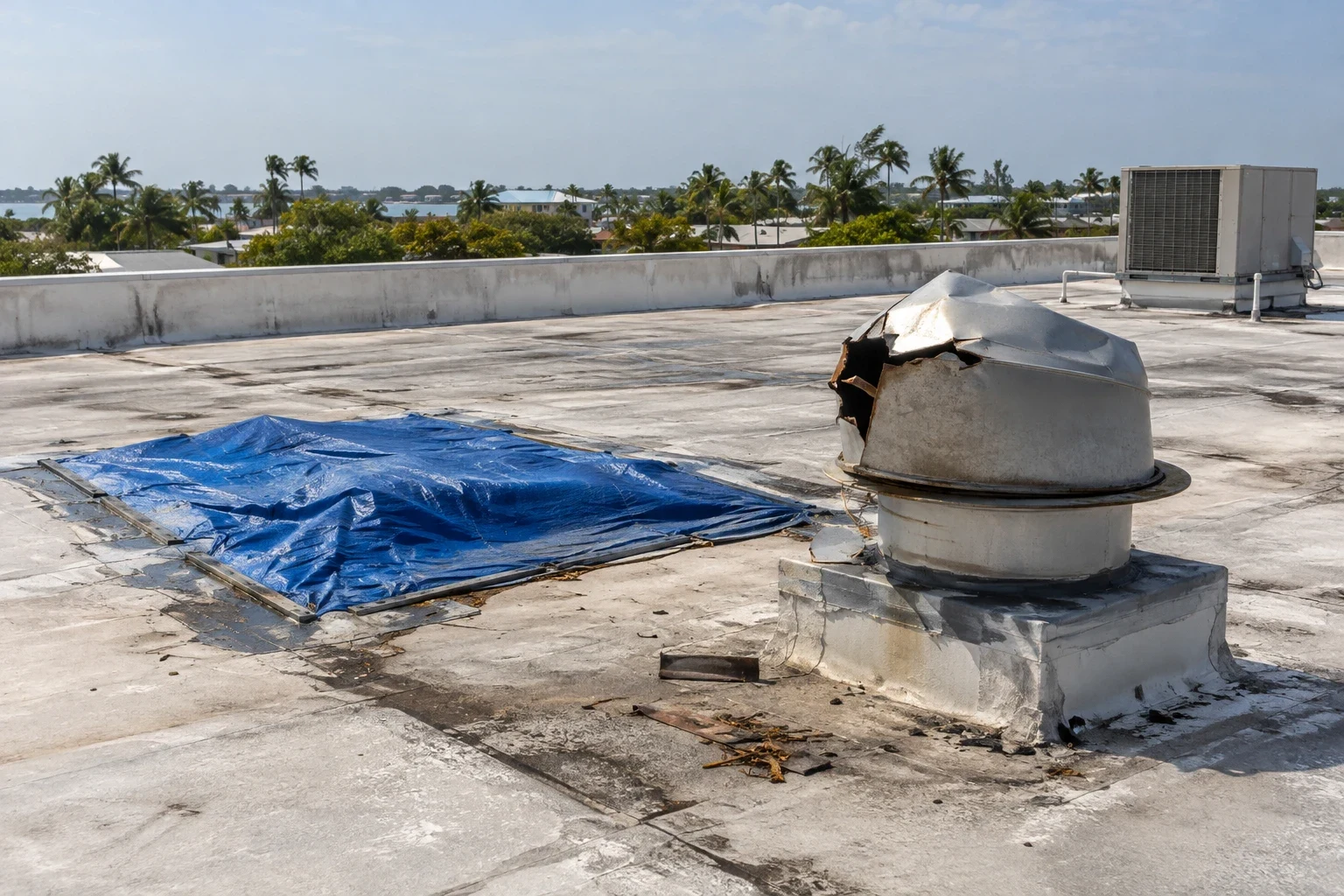
When Hanna crossed the area in July 2020, estimated gusts of 60 to 65 mph hit Mission and McAllen while power was lost to as many as half the county's customers. A distribution center that depends on power and dry floors needs its roof to hold through a storm and recover quickly after. Hanna peeled or tore back several sheet-metal roofs in McAllen, a clear sign of how an edge failure spreads.
The pre-storm baseline for such a building covers edge metal, coping joints, rooftop unit curbs, and drain bowls. After the event, the comparison is a matter of hours. Findings go into the storm damage roof repair list in order of urgency, and the photographs support an insurance conversation if the owner chooses to make a claim.
Power matters on the roof as well. When outages hit up to half of county customers, rooftop refrigeration, ventilation, and sprinkler monitoring lose support. Curbs and penetrations for that equipment are checked for sealed flashing, because a water leak at an electrical curb is both a roof defect and a safety issue.
Membranes That Fit Wide Low-Slope Roofs
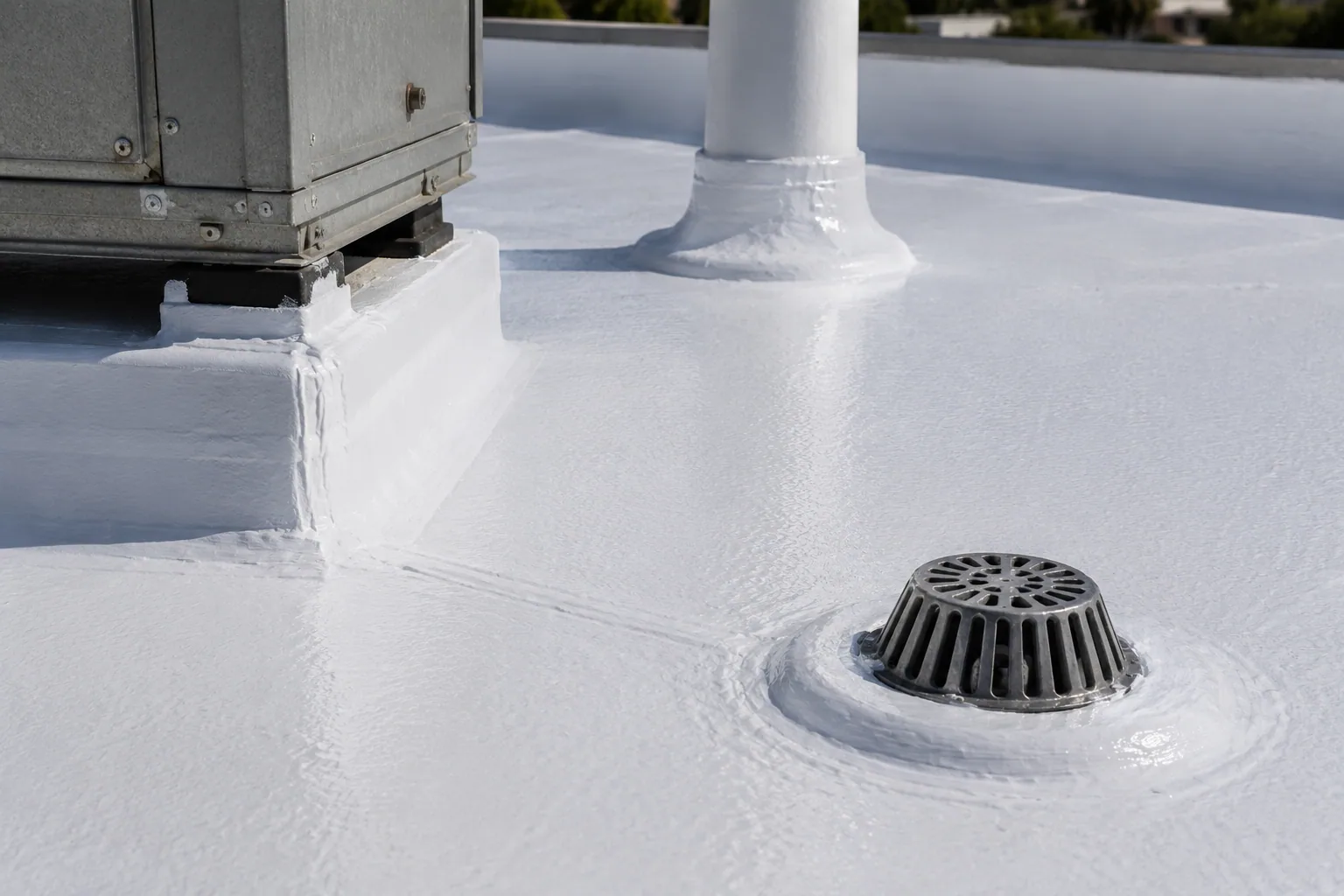
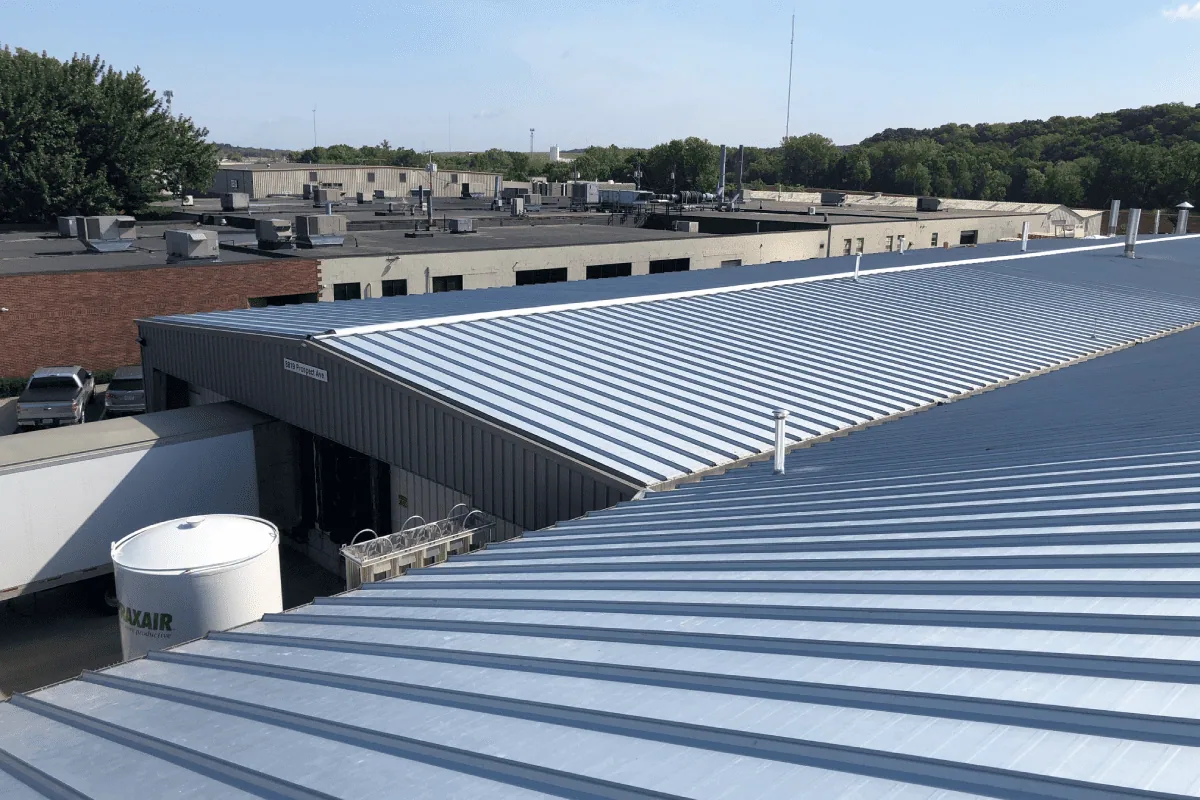
Wide, low-slope roofs usually carry single-ply systems, and TPO roofing is a frequent choice for its reflectivity and fewer seams per area. PVC roofing is considered where exhaust, grease from a food-handling tenant, or chemical vapors touch the roof. Metal panels appear on pre-engineered buildings and call for the clip and seam checks that standing seam metal roofing requires.
The decision follows the deck, the insulation, and the way the building is used. Reflective membranes ease the burden on rooftop units through the long Valley summer, the May-to-October stretch the Brownsville weather service calls its heat-safety season. We avoid quoting savings and instead record equipment age and roof surface at the start.
Drainage Across Acres of Roof
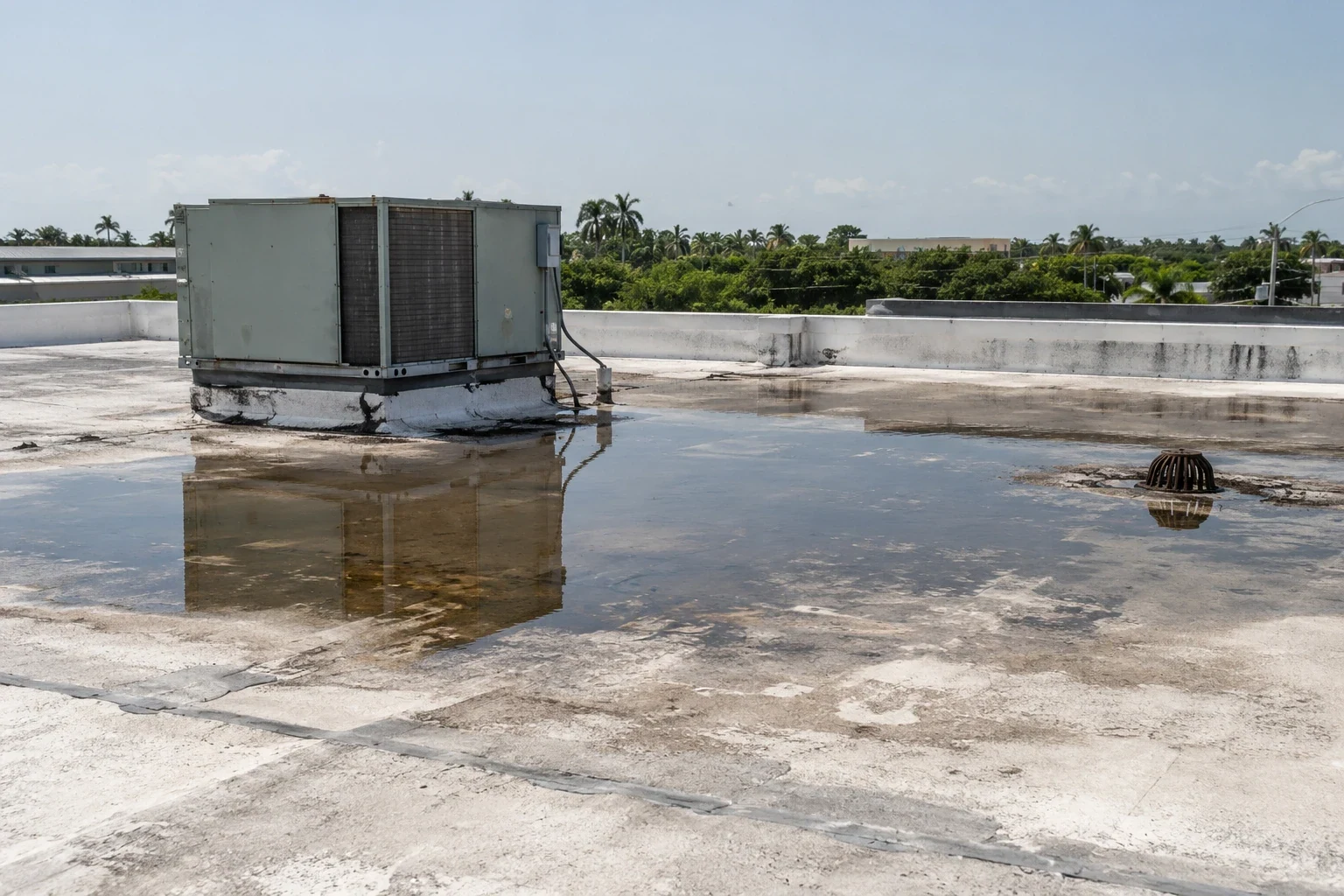
A large roof sends a lot of water to a few outlets. Rain from Hanna totaled 14.40 inches at one northwest Mission gauge, and slow drainage flooded parts of Mission, La Joya, and Sullivan City. Even a short, intense downpour can fill a roof sump faster than a partly blocked drain can empty it.
We clear every bowl, measure standing water with a level, and log scuppers by location. If ponding recurs, tapered insulation, extra drains, or a recovered surface may be proposed, and a ponding water repair weighs the effect on load and seam aging. An overflow opening has to sit low enough that the parapets stay protected when the primary drains stop. Their height, size, and condition are recorded in the owner's file so the next crew knows what protects the building when a drain fails.
Phasing Work Around Shipping
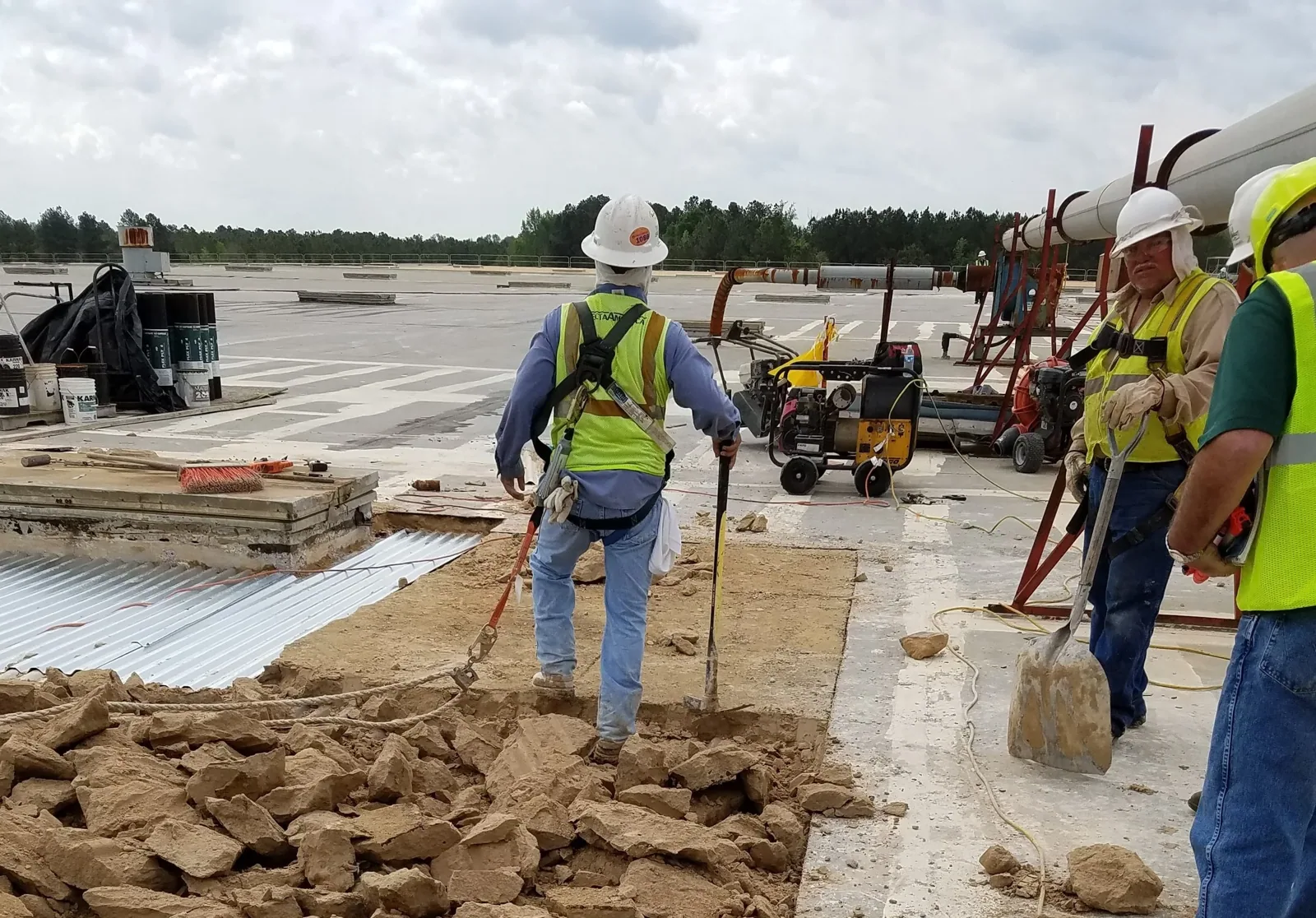
Roofing cannot stop freight, so the schedule follows the operation. High-volume seasons, inbound windows, and outbound cutoffs are mapped before tear-off begins. Work may start over low-activity zones, such as storage for slow-moving stock, and move toward the busy dock end during quieter weeks.
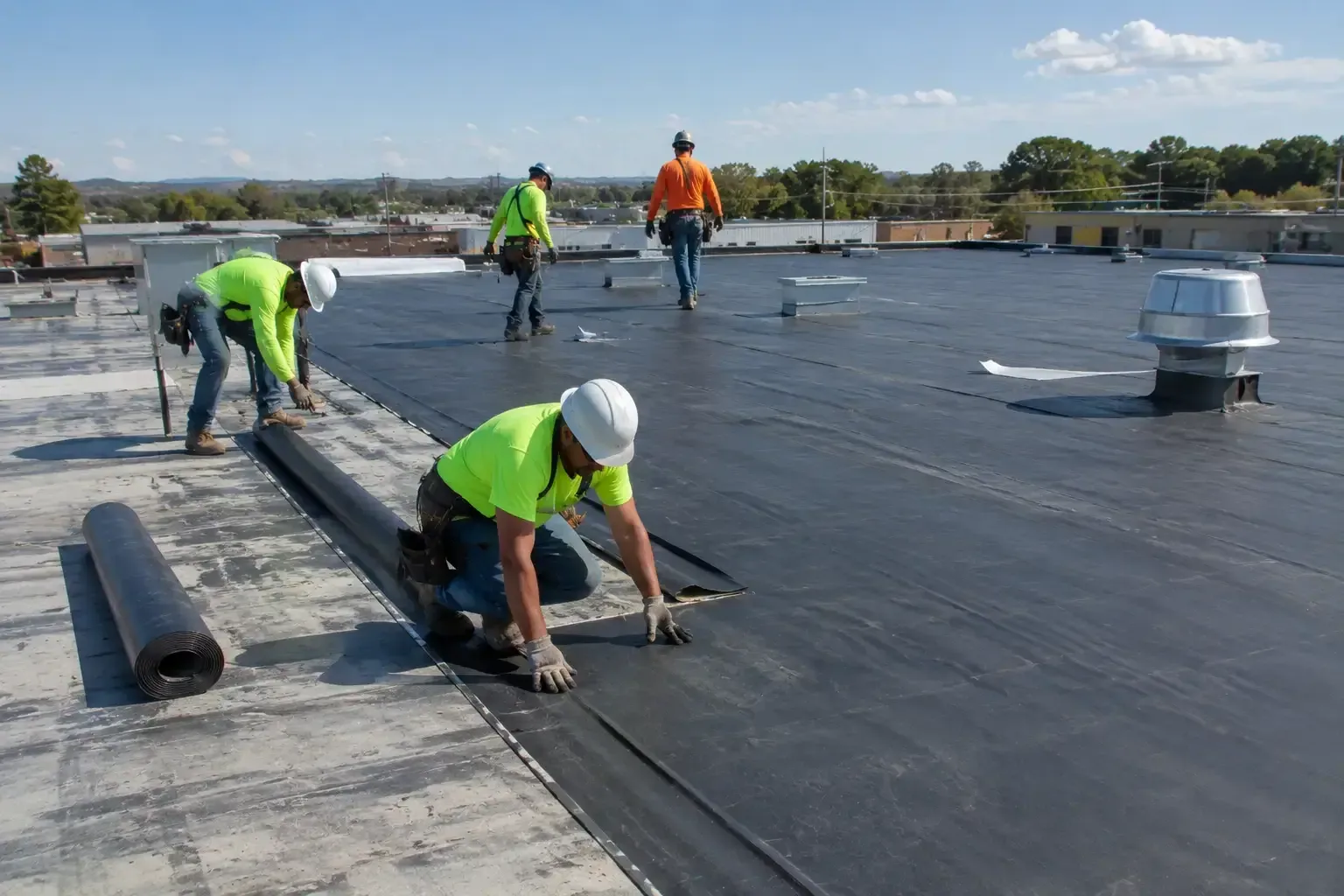
Noise, dust, and fumes are managed near air intakes and office space. Interior protection goes up under open areas, and fire watch follows any hot work. Daily photographs show the opened area, the dry-in condition at day's end, and any change to the plan. That is how occupied building reroofing works on a building that keeps shipping.
Distribution Roofs Across the Metro
Owners in Pharr, McAllen, Hidalgo, and Mission receive the same written record. An owner holding a warehouse and a cold storage building can compare them on one scale, because the same inspection categories apply across both.
Questions and Answers
What does a roof leak cost a fulfillment operation beyond the repair itself?
The larger loss is usually product, schedule, and customer trust. Wet cartons, delayed outbound loads, and blocked aisles carry costs that exceed a membrane patch. That is why the condition summary ranks defects by what sits beneath them and by how quickly each can be isolated or repaired.
How is a roof inspected on a building that cannot stop operating?
We coordinate with the operations manager, choose low-traffic windows, and walk the roof in sections. Interior checks are limited to visible stains and moisture readings near suspect areas. The written summary then lists findings with photographs, so no decision rests on a quick verbal report.
Can sorting equipment and conveyors be protected during roof work?
Yes, by planning. Interior tarps, sealed penetrations, and phased openings limit exposure, and work over sensitive equipment is scheduled for the lowest-risk periods. The crew confirms the dry-in condition each evening, and the facility manager receives photographs before the roof is released for the night.
Why are dock canopies inspected separately from the main roof?
Canopies have their own flashing, drainage, and wind exposure. They connect to the building at a joint that moves, and they sit directly over door seals. A small failure there drips onto the dock plate, so each canopy gets its own line in the log with a photograph.
How do tenants and owners share a roof record?
The same written summary can serve both. It lists defects, exposures, and recommended actions, so a tenant can see risks to inventory while the owner sees capital needs. The file is reusable for budgeting, lender requests, or an insurance conversation after a named storm.
Request a Distribution Roof Review
Ask for a visit to your Mission-area distribution building. We walk the roof by section, tie findings to dock and inventory exposure, and deliver a written condition summary for budgeting or an insurance conversation.