
Roof Systems
TPO Roofing in Mission, TX
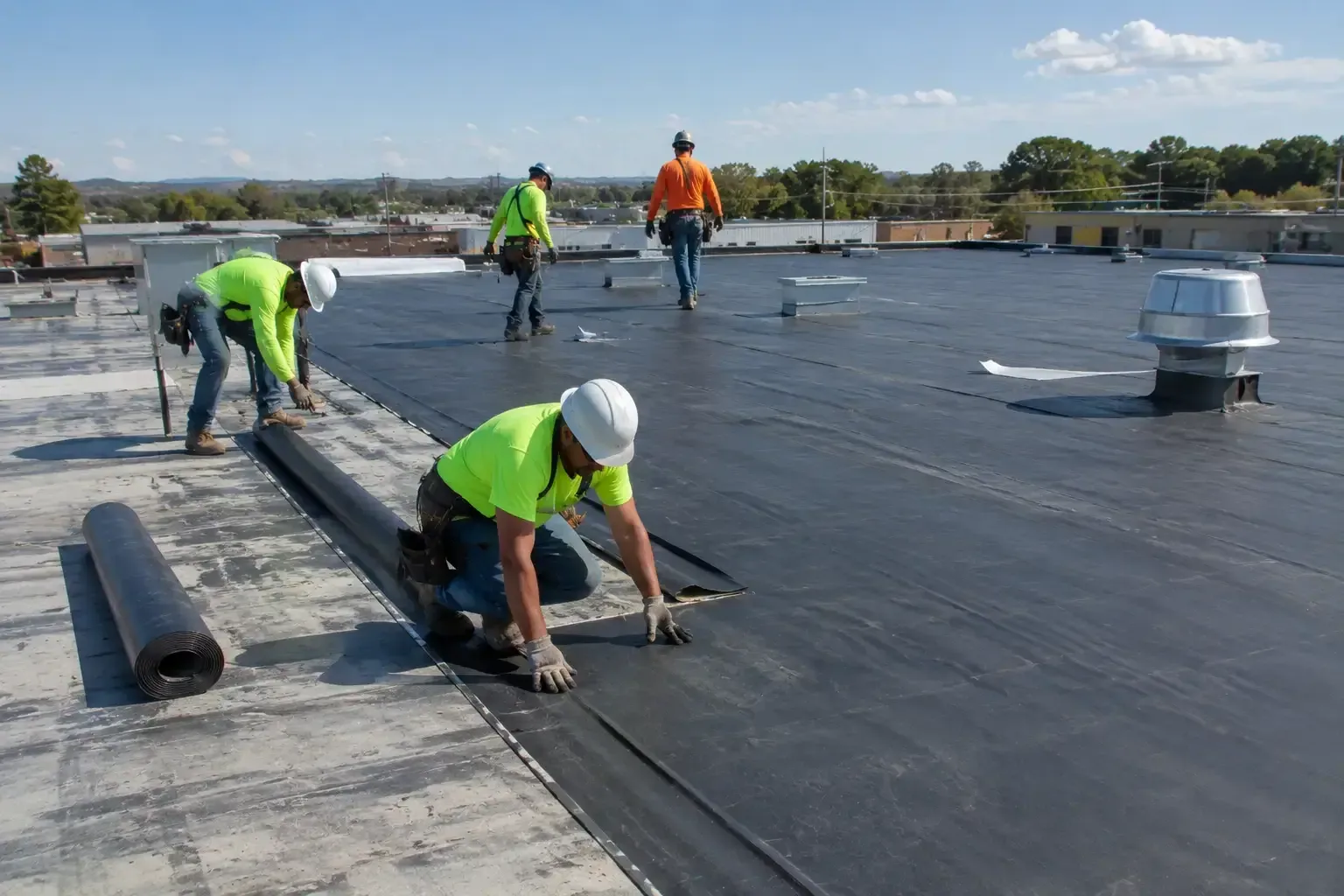
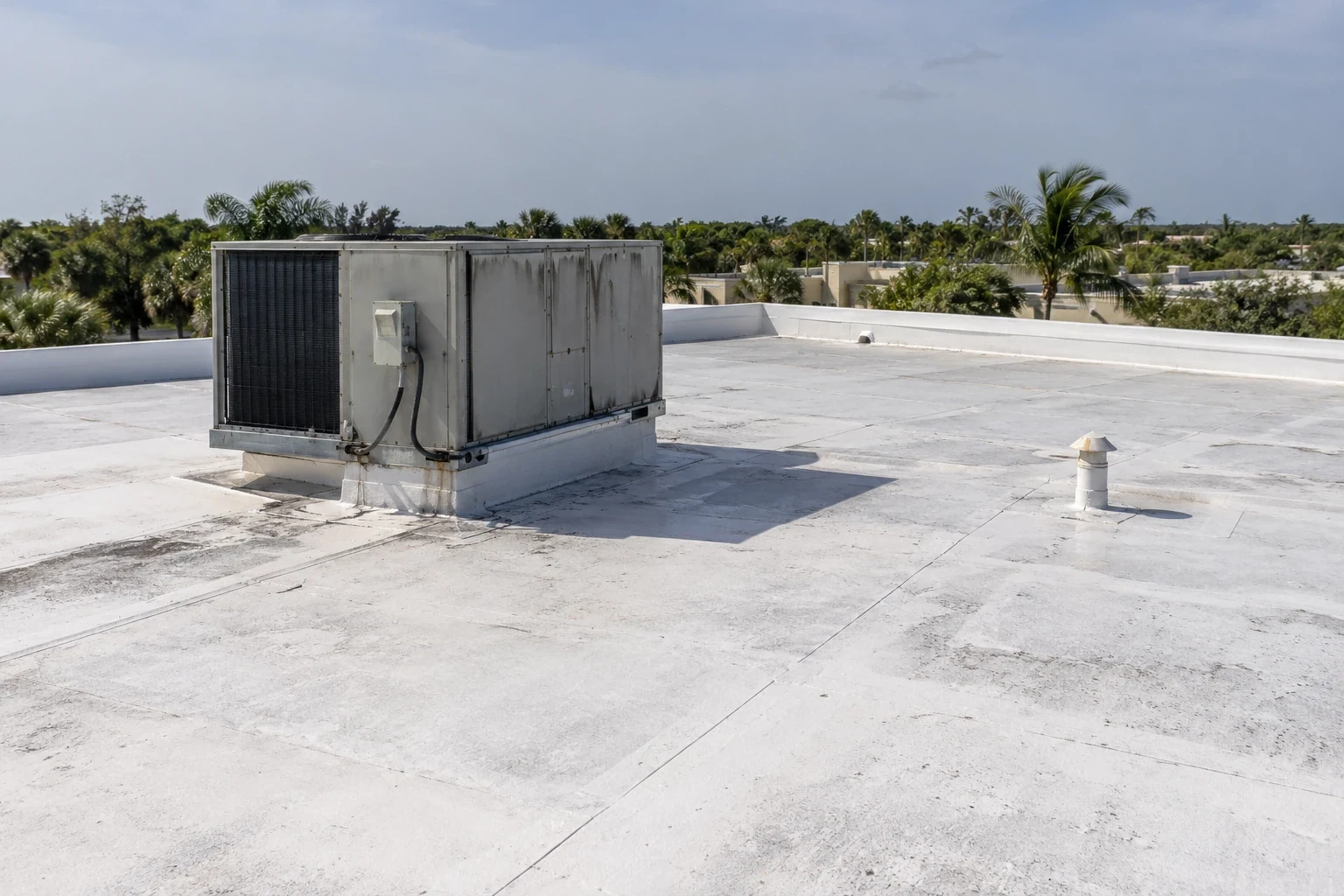
A probe drawn along a TPO seam in Mission, TX tells the inspector more than the white surface does. Where the probe slides in, the weld has not fused. Where it stops, the seam is sound. We photograph each open stretch against the rooftop sketch, date it, and write the finding beside it. That record is the first thing an owner sees when deciding whether a single-ply roof needs a patch, a welded repair line, or a new membrane. TPO is a reflective thermoplastic sheet, and in the Rio Grande Valley its performance is judged by what months of sun have done to the welds.
The Membrane and Its Welds
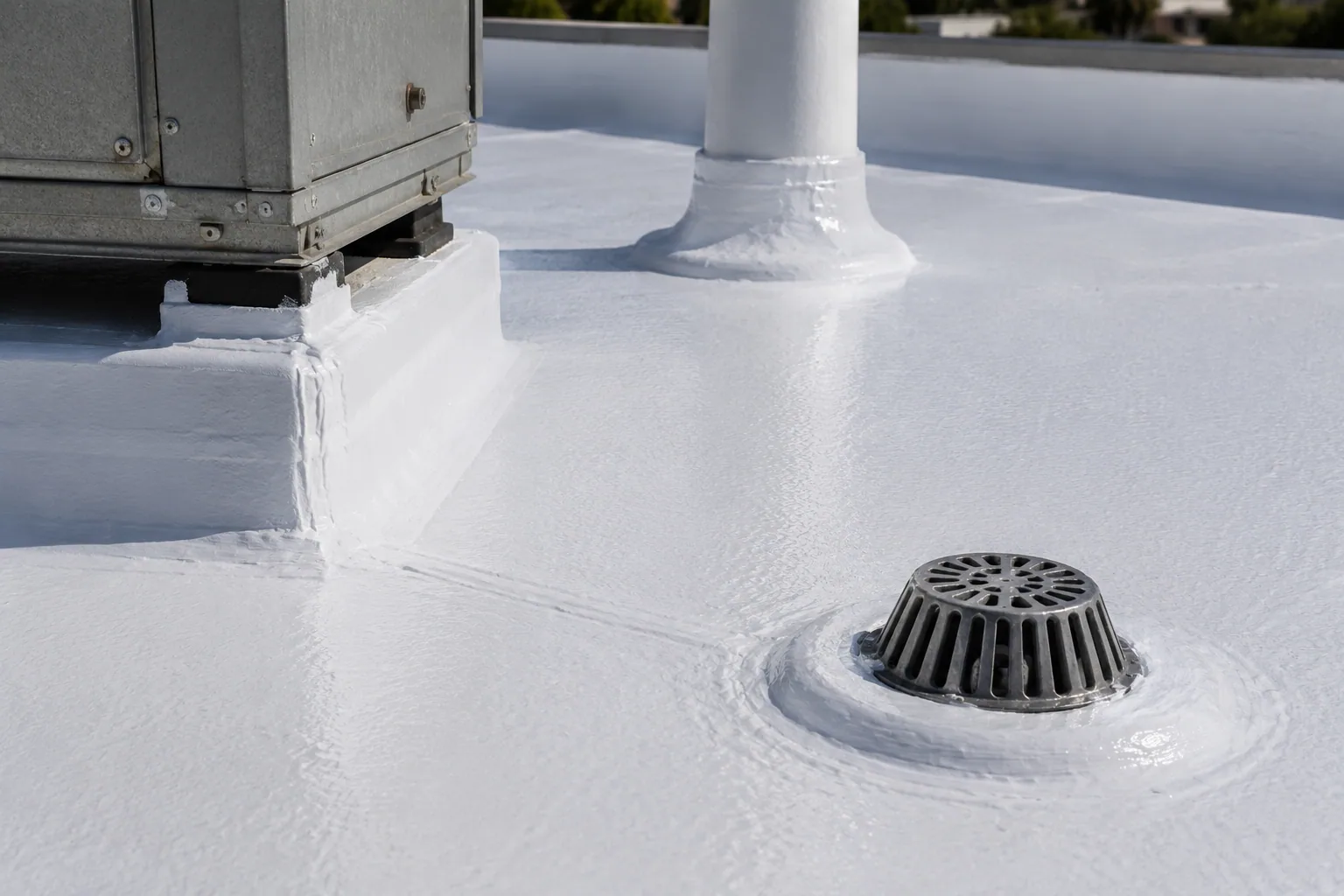
TPO, short for thermoplastic polyolefin, arrives as wide rolls of white or light-toned sheet. Installers join the sheets with hot air, which melts both surfaces so they fuse into one continuous layer. The strength of the roof therefore sits in the welds, not in the sheet itself. A good weld shows a small bead of melted material along the edge, and a poor one shows none.
Fabric reinforcement inside the sheet gives it tear resistance, and the thickness of the top ply sets how much weathering it can absorb before the scrim shows. Thicker sheets give an owner more margin in a hot climate, but the choice also depends on the deck, the insulation below, and how much foot traffic from equipment service the roof will carry.
What May Through October Does to a Weld
Six months of the year, May through October, carry the Valley's heat-safety label from the Brownsville weather service. For a TPO roof, that is six months of surface temperature swings between a hot afternoon and a cool night. Each swing flexes the membrane at laps, curbs, and wall bases. A weld that was marginal at installation opens first.
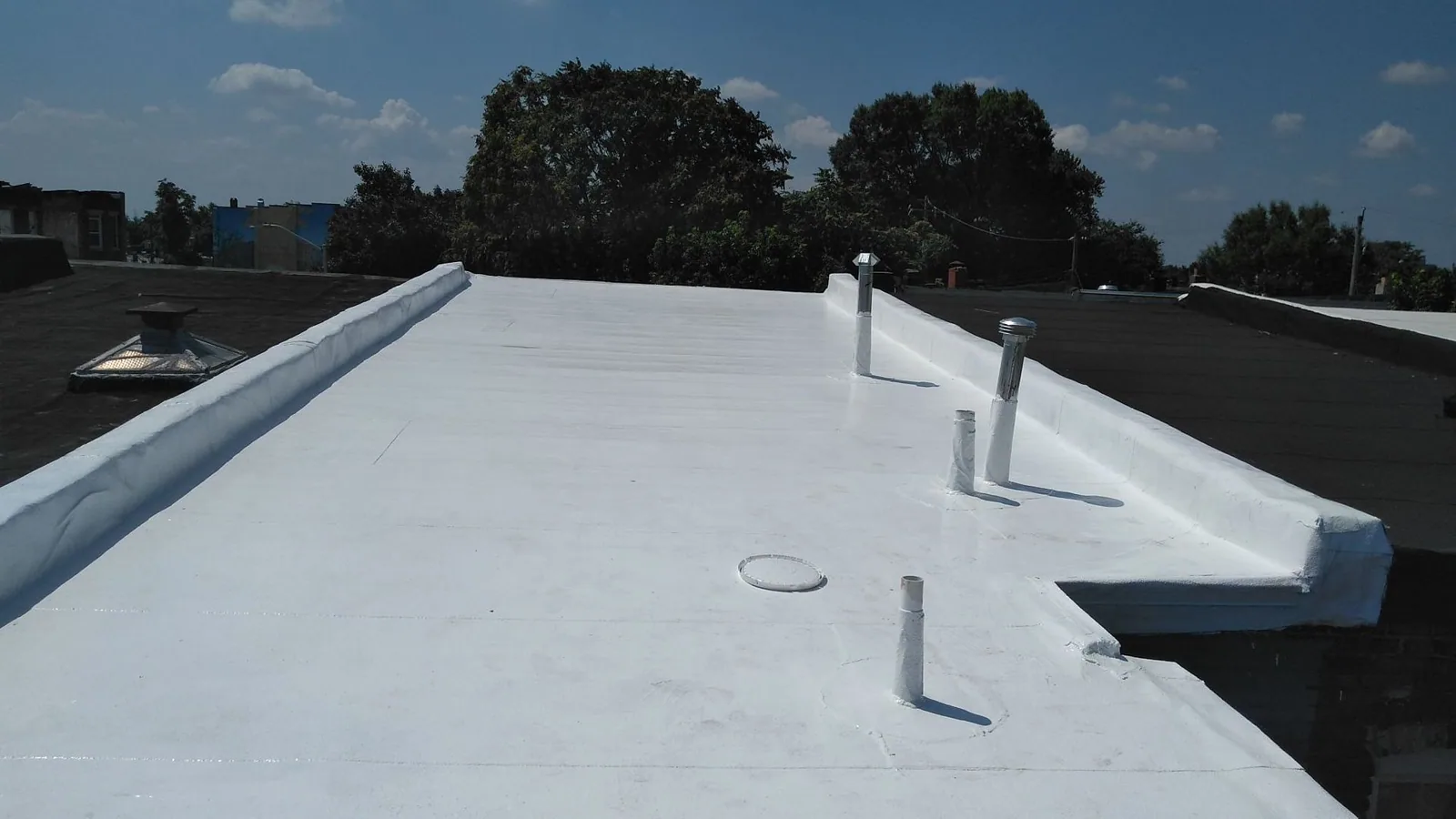
Reflective white sheet runs cooler than a dark membrane, which slows aging of the top ply and reduces strain on the deck below. It does not stop the movement. We therefore look hardest at the places where the sheet changes direction, such as parapet bases, penetration collars, and the corners of rooftop unit curbs. Those details are logged as a coating candidacy input when the field of the roof is still sound.
Attachment Plans for Tropical-Season Wind
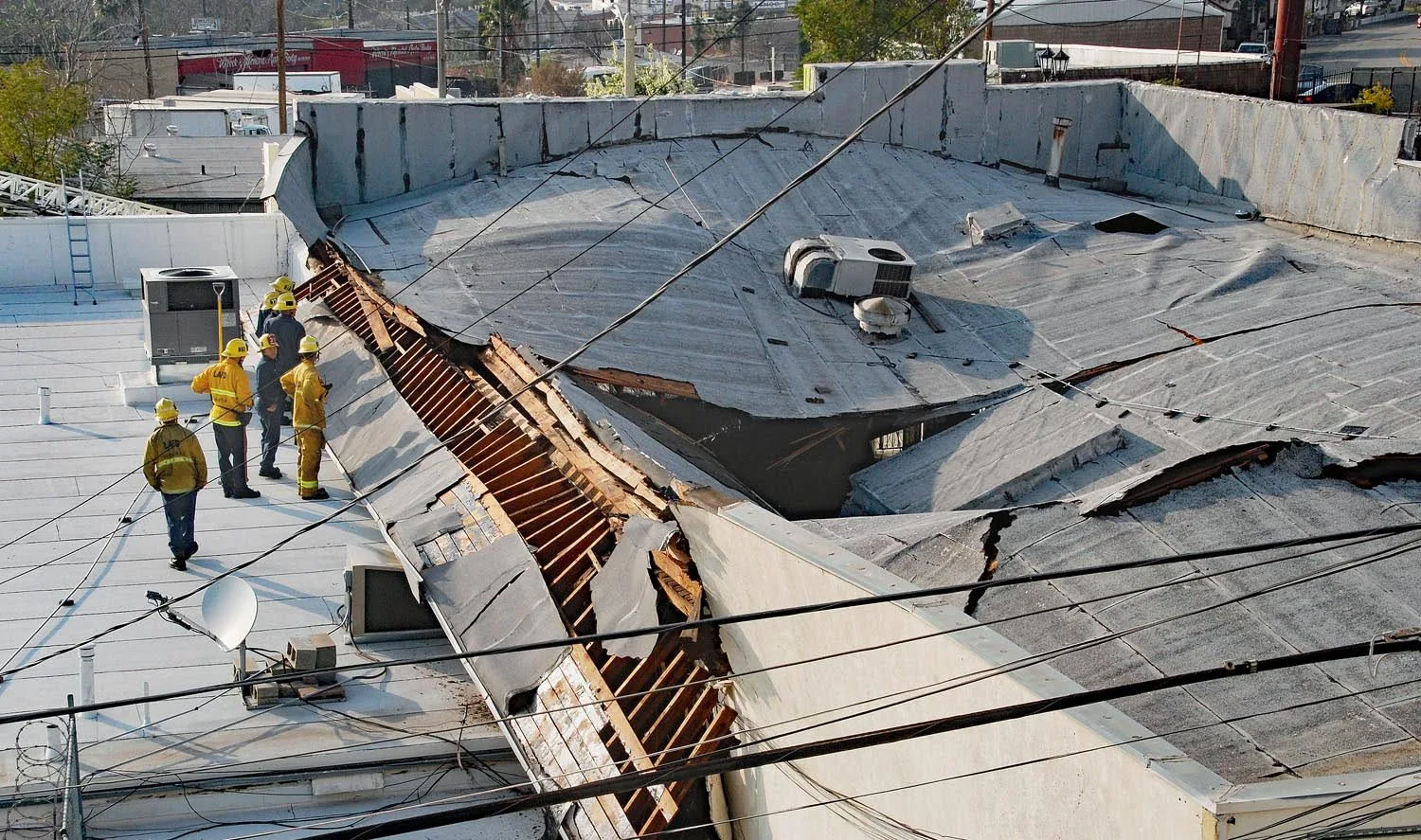
With Hanna in July 2020, estimated 60 to 65 mph winds crossed Mission and McAllen, and the roofs of hundreds of poorly built Valley buildings absorbed most of the harm. That event is a reminder that a single-ply roof lives or dies by how it is held down. TPO may be mechanically fastened through the seam plates, fully adhered with bonding adhesive, or ballasted on suitable decks. Each method has a different edge and corner strategy.
Perimeter and corner zones see the highest uplift, so fastener spacing tightens there and the edge metal must be tied to the substrate. A pre-storm baseline photograph of every termination bar and coping joint makes the post-storm comparison quick. Where a roof lost sections in the past, the wind damage repair findings feed directly into the new attachment layout.
Buildings Where TPO Is Specified
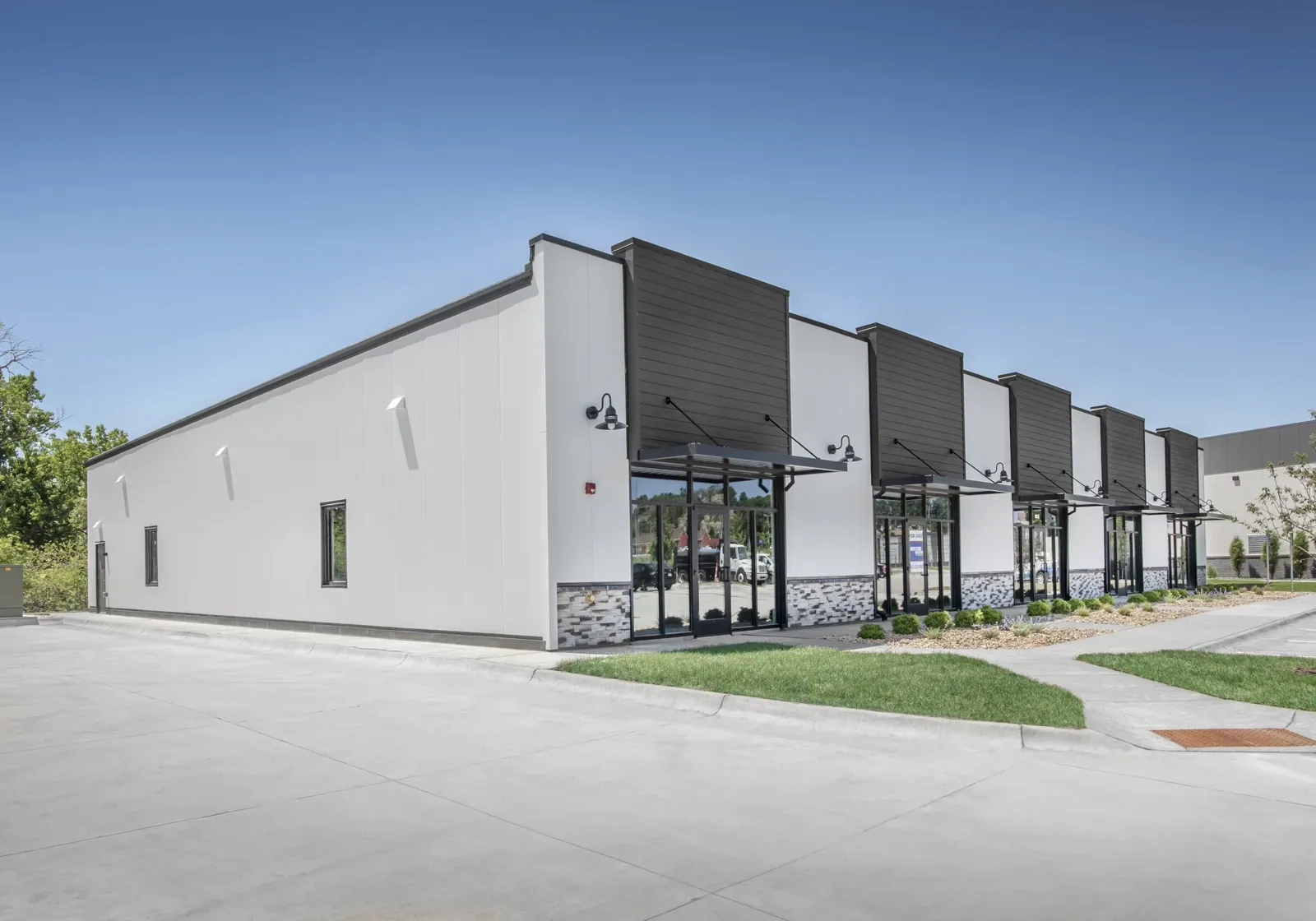
Low-slope warehouses along the I-2 corridor, retail pads, and office buildings suit TPO because the sheet covers large flat areas with few seams per square foot of work. Distribution space tied to the McAllen Foreign-Trade Zone and its pick and pack functions is the kind of roof where fast, clean membrane installation matters. Tenants inside cannot lose racking days to a leak.
For those users, the plan can pair the membrane with tapered insulation to move water to drains. A warehouse that holds grease exhaust or chemical vapors that can attack TPO is a case for the PVC alternative.
Where TPO Is Not the Recommendation
A restaurant roof with heavy kitchen exhaust tends to deposit fats on the membrane, and TPO can soften under that exposure. The scope line in that case names PVC or another grease-tolerant system. Roofs with extreme ponding may also call for a different sheet or a drainage correction first, because standing water ages seams faster.
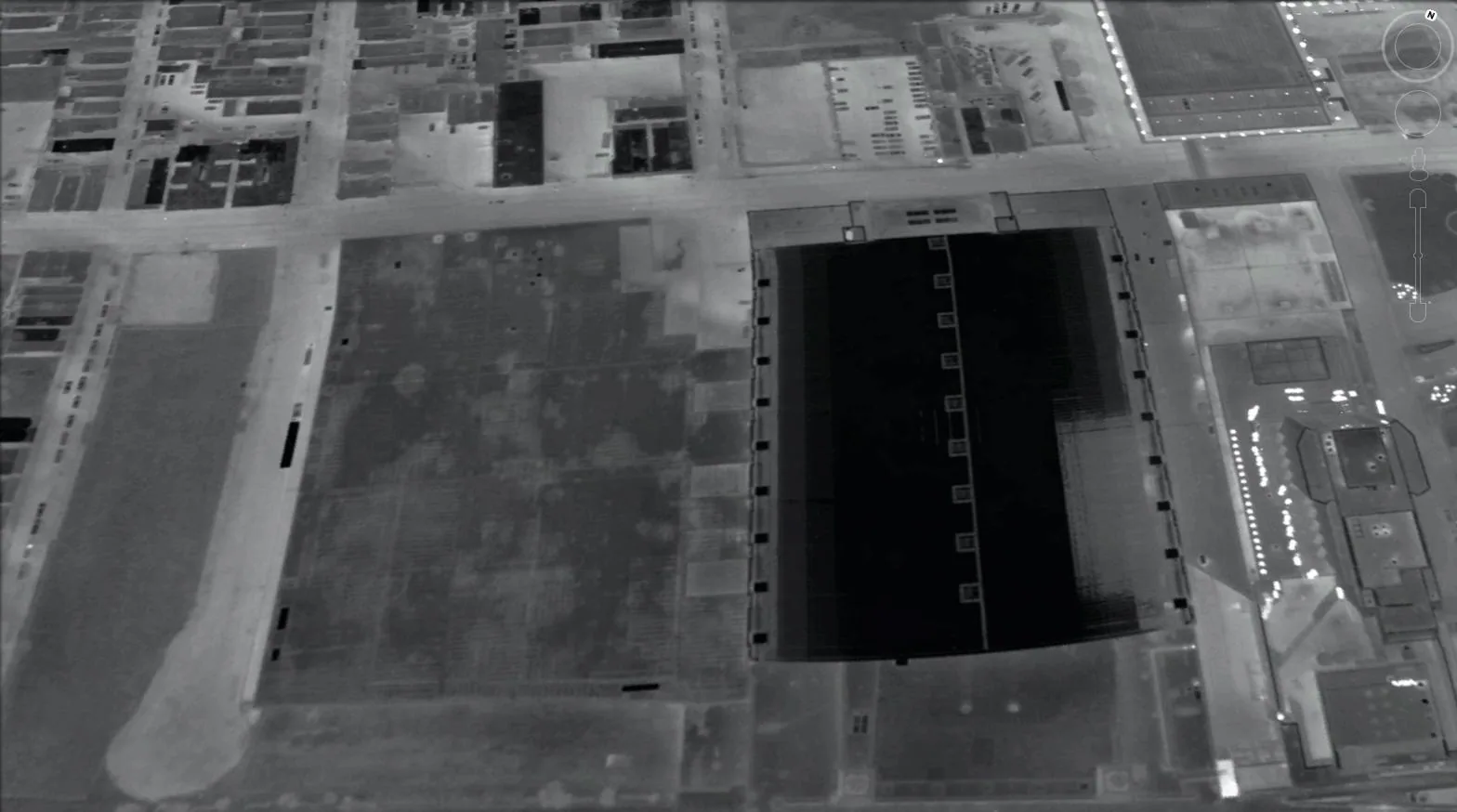
Existing wet insulation under an old roof is another stop sign. A moisture map prepared through an infrared moisture survey shows where saturated board must be cut out before any new sheet is laid. Installing over it only hides the problem for a season or two. Where the field of an older roof is dry but the surface is chalking, a silicone coating or a recover may be compared against a new TPO sheet, and the scope line states which findings drive that choice. Cost and schedule then follow from deck condition, insulation thickness, and the number of penetrations that need new flashing.
The Owner's File After Installation
At closeout, the owner receives tagged deck photographs, the fastener pattern as built, a weld probe log, and the drain and scupper log in one binder. That file supports budgeting, a lender request, or an insurance conversation after a named storm. The same file feeds a yearly visit under preventive roof maintenance. Work runs around occupied space, with tenants informed of noisy phases such as tear-off or hot-air welding near air intakes.
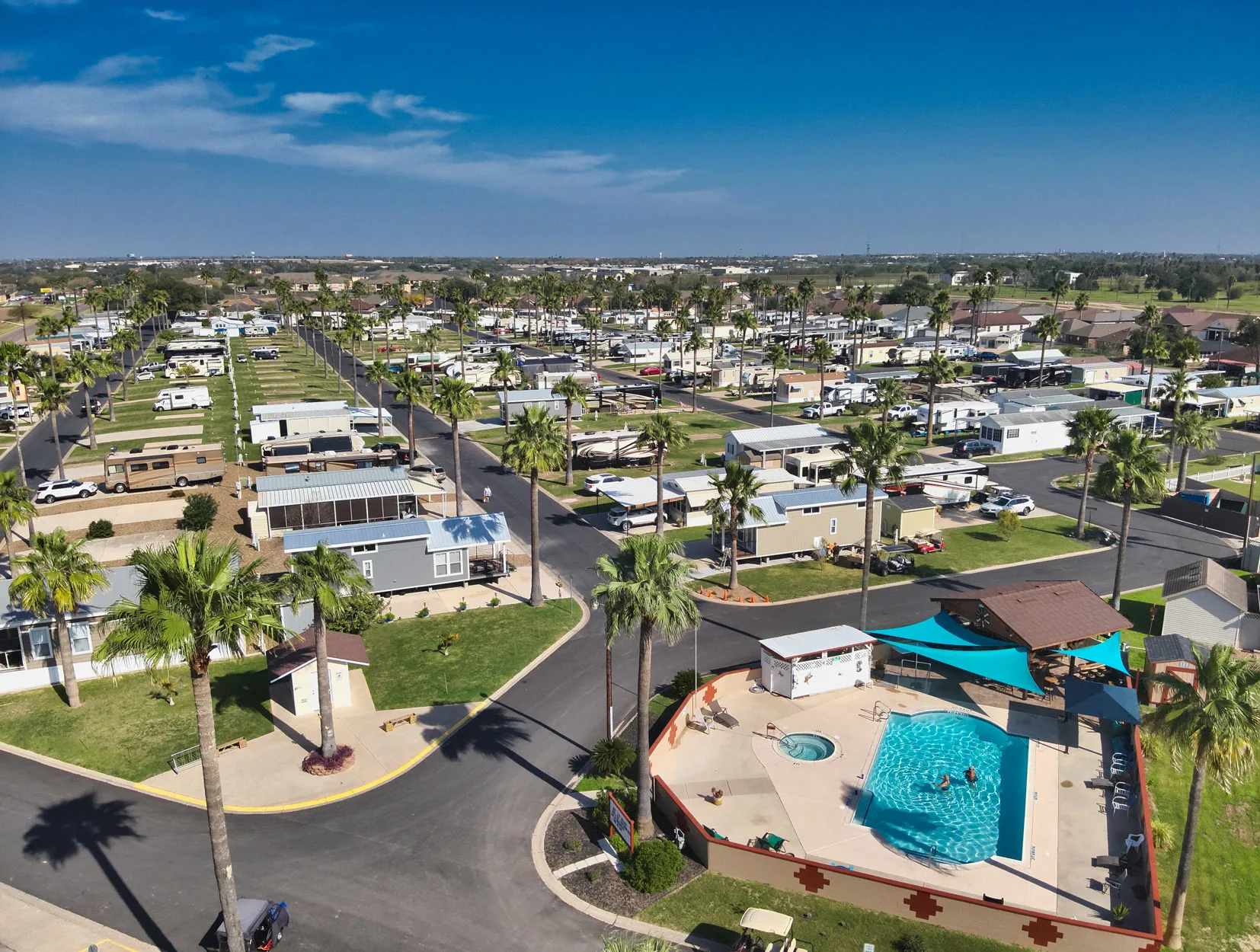
We serve Mission, McAllen, Pharr, and Palmview with the same record format, so a multi-building owner can compare conditions across properties. Visits for properties in Mission are scheduled around the Valley heat and tropical calendar.
Questions and Answers
How do you decide between mechanically fastened and fully adhered TPO on a Valley roof?
The deck, the insulation, and the wind exposure decide it. A fully adhered sheet lies flat and resists flutter, but it needs a clean, dry substrate and mild temperatures during bonding. A mechanically fastened sheet goes down faster over many decks, with fastener rows engineered by zone. We record the chosen method and the spacing in the owner's file, along with the pull-test result on the substrate where adhesion is involved, so the next inspector knows exactly what holds the sheet down at the perimeter and at the corners.
What does a failed TPO weld look like before water shows inside?
Lap edges lift slightly, dirt collects along a thin dark line, and the probe slides under the sheet. After a hard rain, the area beneath may read wet on the moisture map even when the ceiling is dry. Catching it at that stage usually means a hand-welded repair line instead of a section replacement.
Does white TPO lower cooling load for a Mission warehouse or office?
Reflective surfaces reduce the heat the roof absorbs, which can ease the load on rooftop units during the long Valley summer. How much it helps varies with insulation, ceiling height, and equipment age, which is why we leave out a figure. We photograph the existing surface and unit conditions at the start so the change can be compared.
Can TPO be installed over an existing roof in a recover?
Sometimes. A recover works when the old membrane is dry, well attached, and the building structure can carry added weight within code. A cover board or separation layer usually goes between old and new. A core cut and moisture scan decide the matter, and the written proposal lists those findings.
How does TPO hold up after a tropical storm like Hanna or Dolly?
Properly attached sheet usually stays down, while the damage tends to show at edges, curb flashings, and punctured areas from flying debris. After the storm we compare each termination and seam against the baseline photographs, mark any lifted metal, and list repairs by priority so the owner can stage the work across several budget periods if needed. Drains and scuppers get their own entries, because 14.40 inches of Hanna rain in a northwest Mission gauge showed how quickly a blocked outlet turns into a ponding problem.
Request a Documented TPO Inspection
Ask for a visit to your Mission, TX roof and receive a written condition summary with tagged photographs, a weld probe log, and a moisture map. The summary states which findings call for repair, coating, or replacement, and the owner can reuse it for budgeting or an insurance conversation.