
Commercial Roofing Services
Roof Recover and Overlay in Mission, TX
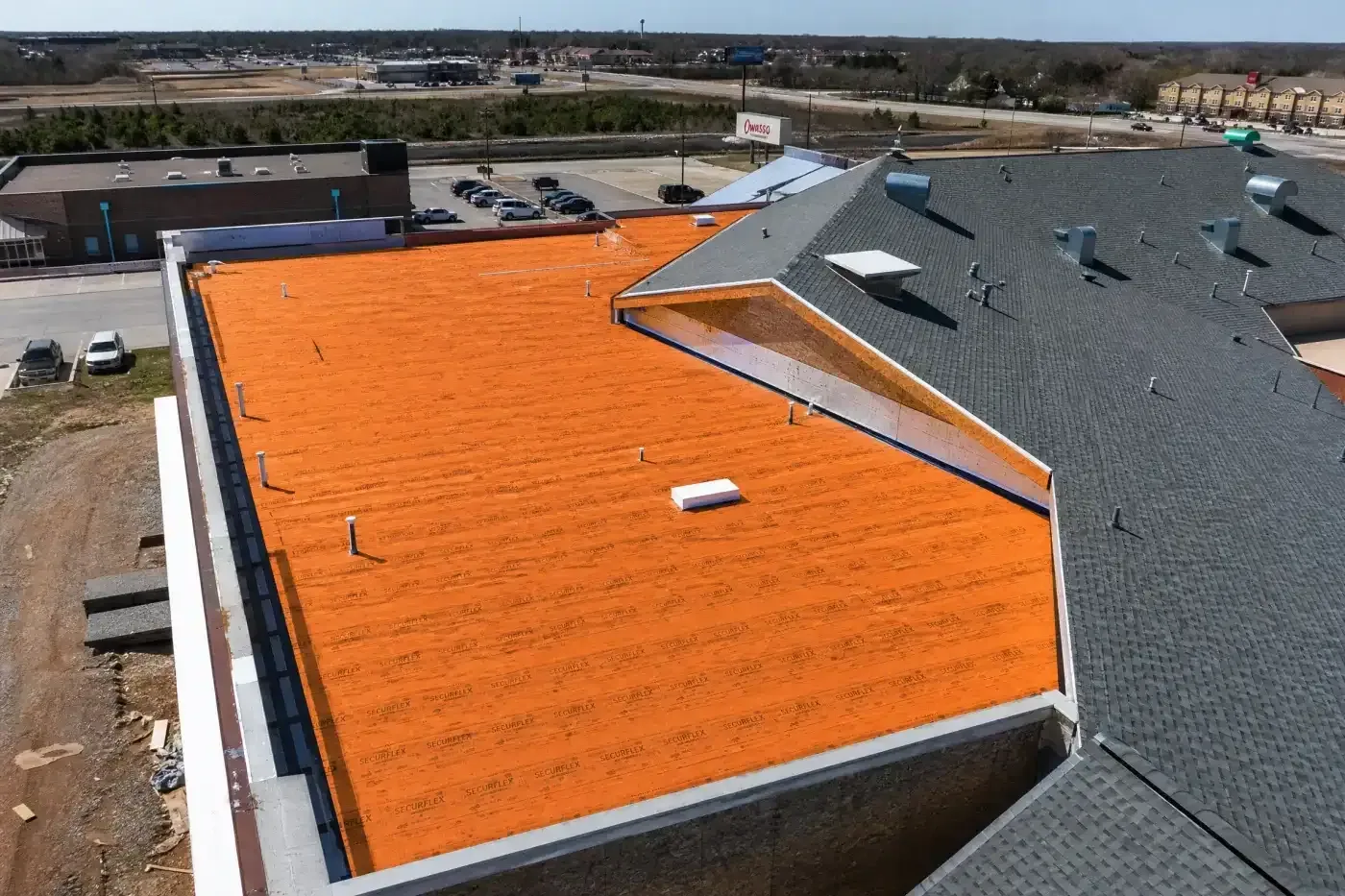
A recover starts with a core sample. On a Mission, TX warehouse or retail strip, a cut through the old membrane shows the layers underneath and whether the insulation is dry, and that single observation decides whether a new membrane can go over the existing roof at all. A recover, also called an overlay, installs a new system above a sound existing one instead of removing it. It saves tear-off labor, keeps the building drier during the work, and avoids landfill volume. It is only appropriate when the record supports it, and the record has to cover moisture, deck condition, roof weight, code limits, and how the new layer will attach.
Roofs That Qualify for a Recover
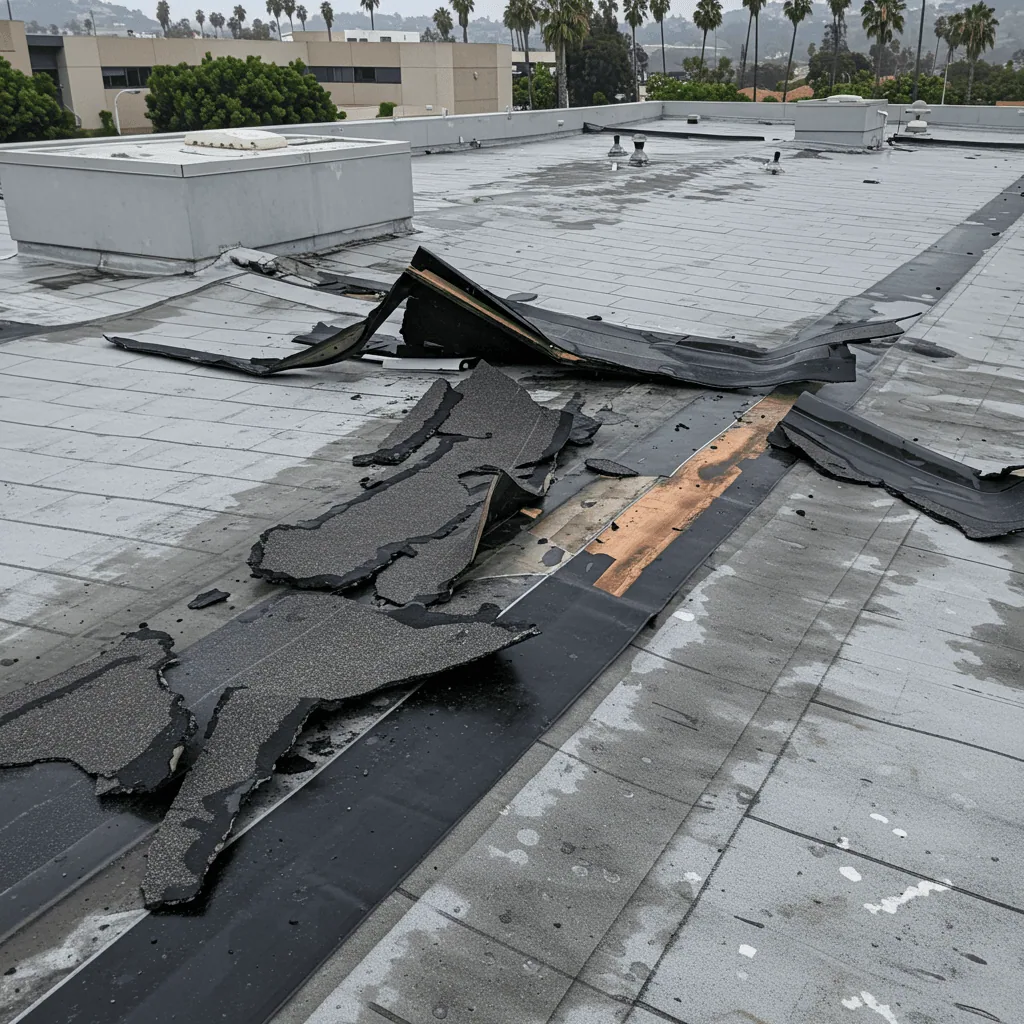
The best candidates for an overlay, whether a distribution building or a medical office, have a single existing membrane layer, dry insulation, a deck that passes a fastener pull sample, and drains that can be maintained after the work. A TPO or PVC roof with weathered but intact seams is a typical case. So is a modified bitumen roof that has lost granules but not its reinforcement. We reject roofs with trapped moisture, multiple prior layers, or a deck that shows corrosion at the underside. Each rejection is written up with the specific finding, so the owner can see why the option was closed and what would reopen it.
The inspection documents each of these conditions with dated photographs and a short sketch. Where one section fails and another passes, the report separates them so the owner can recover the good section now and plan replacement of the weaker one later. That split suits buildings with several additions.
Moisture Mapping Before Any Overlay
Covering wet insulation is the most expensive mistake in this work. Water trapped under a new membrane has nowhere to go, and heat in the Valley drives it into vapor that pushes on seams and blisters the surface. Brownsville's weather office treats May through October as the area's heat-safety season, so trapped moisture stays active for many months.
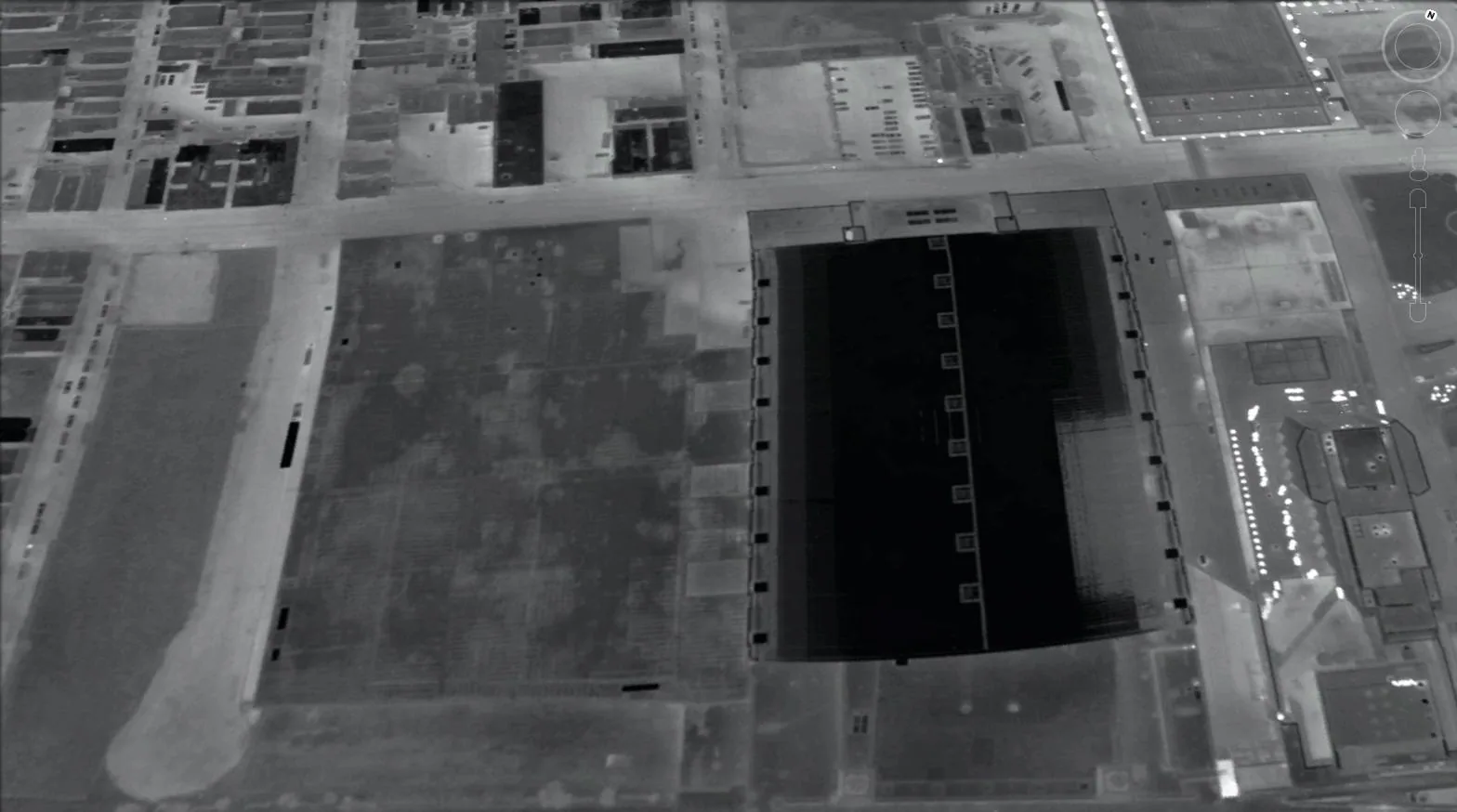
We run an infrared moisture survey in the evening, when wet insulation holds heat longer than dry insulation, and then confirm the anomalies with core cuts. Each core is photographed, labeled on the roof sketch, and patched. If the survey shows wet areas, we remove those areas back to dry material before the overlay begins, and the wet-area boundary is recorded for the owner's file. A recover over partly wet roofs is still possible, but the written scope has to say which areas are being removed and why.
Code Limits and Added Weight
Building code limits the number of roof layers on many structures, and added insulation or cover board changes the load on the deck. The owner's file therefore lists the existing assembly, the proposed assembly, and the checks made against deck capacity, fire classification, and wind uplift. Local code adoption varies by city, and the permit office in each municipality has the final word on whether a recover is allowed.
Wind uplift is the check that matters most here. Hanna's estimated 60 to 65 mph winds in July 2020 covered the McAllen and Mission area, and McAllen reported sheet-metal roofs peeled back. A recover that adds a second layer must be attached so the combined assembly resists uplift at edges and corners, which means the fastener pattern, adhesive, and edge metal are designed together and not copied from the existing roof.
Flashings, Edges, and Drains in an Overlay
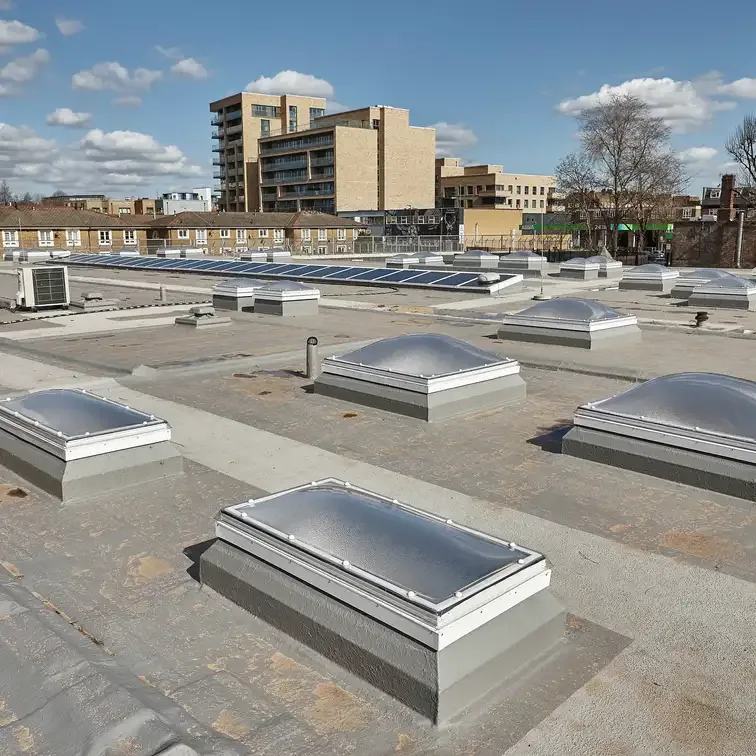
A recover raises the surface of the roof, and every detail that touched the old membrane has to be raised with it. Wall flashings need extension, curbs need new counterflashing or termination height, and drains need sumps or extensions so water does not pond around them. If these are skipped, the new membrane may be sound in the field and still leak at walls, as often happens at skylights and penetrations.
Edge metal deserves its own line in the scope. On a recover, original metal often sits low and cannot hold the new membrane termination. We replace or extend it, secure it to the wall as well as the deck, and photograph the cleat and fastener spacing before the cover is installed. In 2008, Dolly's winds near Weslaco lifted roofs, most of them on older buildings, and the same lesson about strong edges applies to any building that has already survived a storm and carries the repairs from it.
Cost and Schedule Drivers
A recover is usually faster than a tear-off, but the savings depend on preparation, and the scope should show where that preparation time goes before a price is accepted. Drying wet areas, raising flashings, and adding cover board all take time. Schedule also depends on staging: on a building with tenants, the crew works section by section and closes each section before leaving. Weather matters between June and October, when afternoon storms can interrupt work and leave seams unprotected.
The scope names these cost drivers as lines the owner can compare: preparation and cleaning, repair of defects, insulation or cover board, membrane and attachment, flashing and edge extensions, drain work, and walkway pads. Where the survey reveals a hidden condition during the work, a unit price already stated in the scope covers it, so adjustments are limited to measured quantities. An owner weighing a recover against a coating restoration can place both options beside the same moisture map and see which items are common.
Recover Work Across the Metro
An owner in Mission, Palmview, or Weslaco can consider a recover when a roof has one serviceable layer and a budget year that does not allow full removal. The written decision depends on the building and not on the city: each roof gets its own core samples, sketch, and recommendation.
Questions and Answers
Will a recover keep my existing warranty or create a new one?
Warranty terms depend on the existing manufacturer and the system chosen for the overlay. A new system may fall under the terms of its own manufacturer program, and the proposal states which options apply. If the existing roof is under warranty, the original manufacturer should be asked in writing before work, because some programs end when a second layer is added.
How do you know the insulation under a single-ply membrane is dry?
The evidence comes from two sources. An evening infrared scan highlights areas that hold heat, and core cuts then confirm what is under the membrane at representative locations. We photograph each core and mark it on the sketch. A roof that scans clean and passes the cores can be recovered; a roof with scattered anomalies is split into dry and wet areas before the decision.
Is a recover cheaper than replacement in the long run?
It can be when the existing roof is dry and sound, because the owner saves tear-off cost and avoids deck exposure. It becomes more expensive when hidden moisture or deck damage later forces removal of both layers. The comparison that matters is the lifecycle cost shown in the scope, with the recover next to replacement and with the moisture map attached.
What happens at the edges and rooftop equipment on a recover?
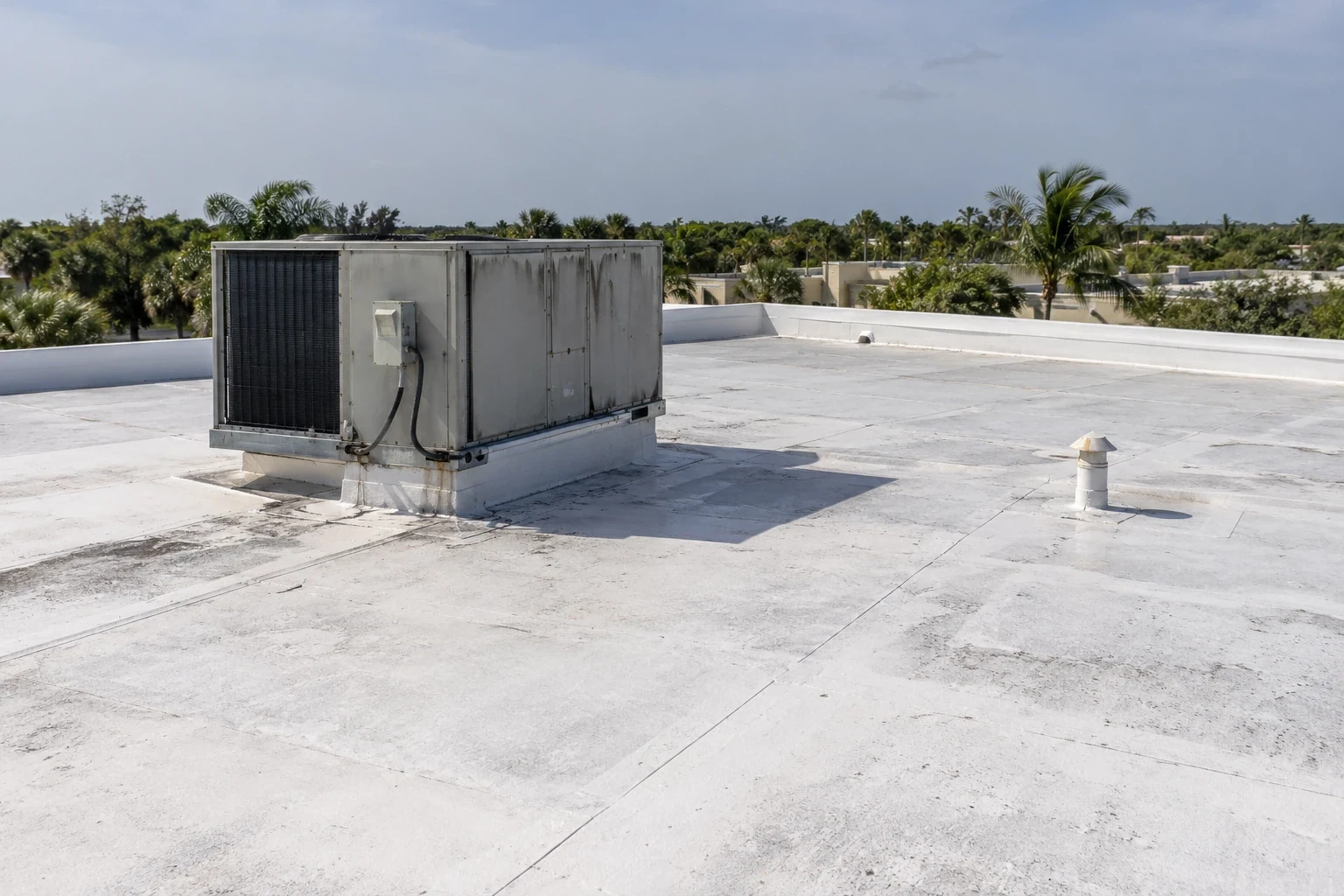
Both are raised or extended. Curbs get new flashing height, equipment supports are lifted or reframed where needed, and edge metal is replaced or extended so the new membrane terminates correctly. The equipment contractor is usually coordinated for disconnects, and the roof sketch shows every item that will be touched. Any rooftop unit that must be lifted is listed with its location, so the schedule reflects the real number of lifts.
Ask for a Core Sample and Moisture Map
Request a documented review of your Mission roof. We will report whether the existing assembly can accept an overlay and what each option would require.