
Commercial Roofing Services
Commercial Roofing Services in Mission, TX
Every service we perform on a Mission, TX roof starts from the same page of notes: a tagged photograph, a moisture reading marked on a sketch, and a line saying what the finding means for the building. Hurricane Hanna in July 2020 put estimated winds of 60 to 65 mph across Mission and McAllen, and the Valley's heat season runs from May through October. Those two exposures decide which work belongs on a roof now and which can wait for the next budget cycle.
Each kind of work begins with what the inspection recorded and moves to the scope that record supports.

More About Commercial Roofing Services
Replacement and Recover Work
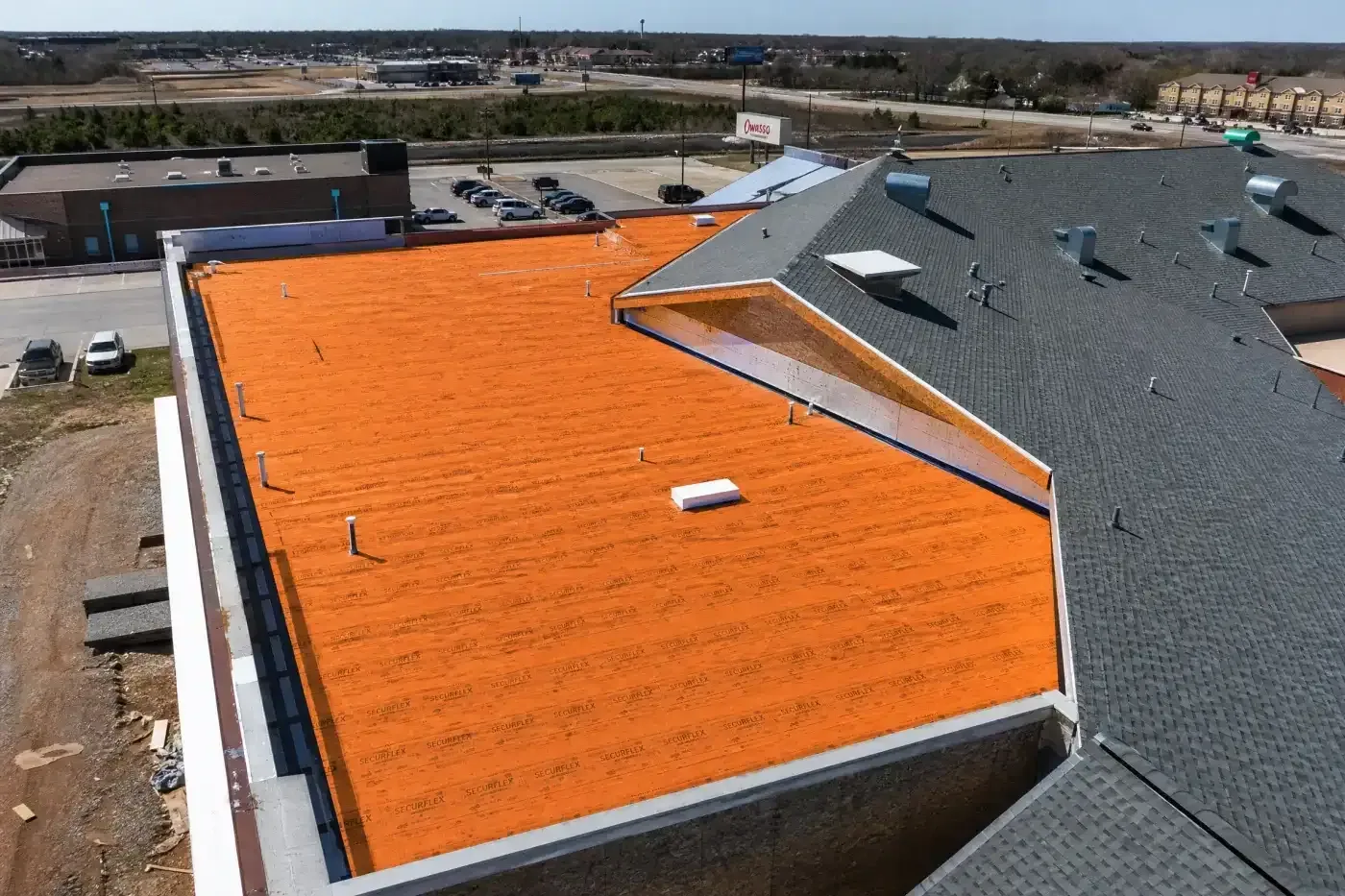
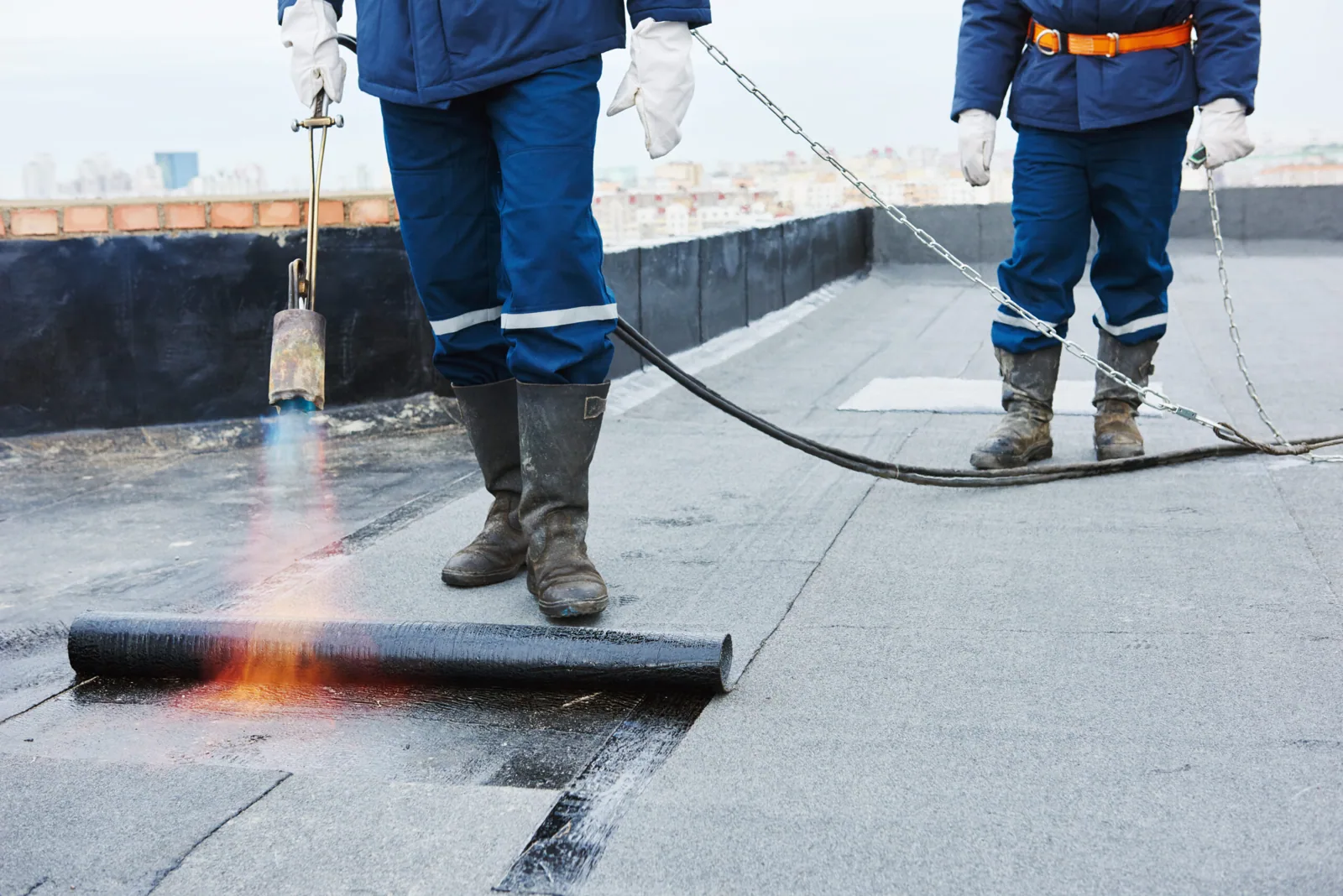
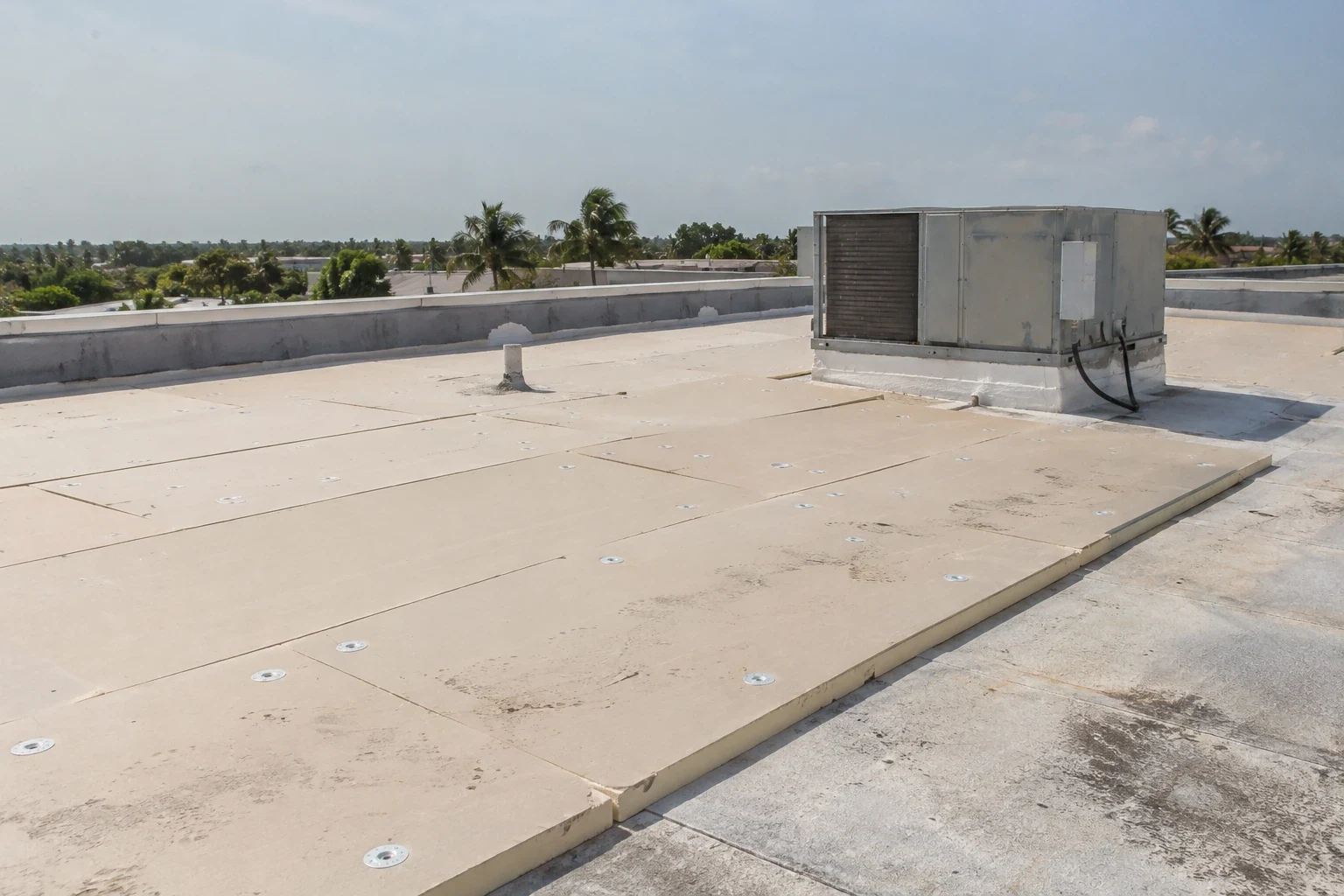
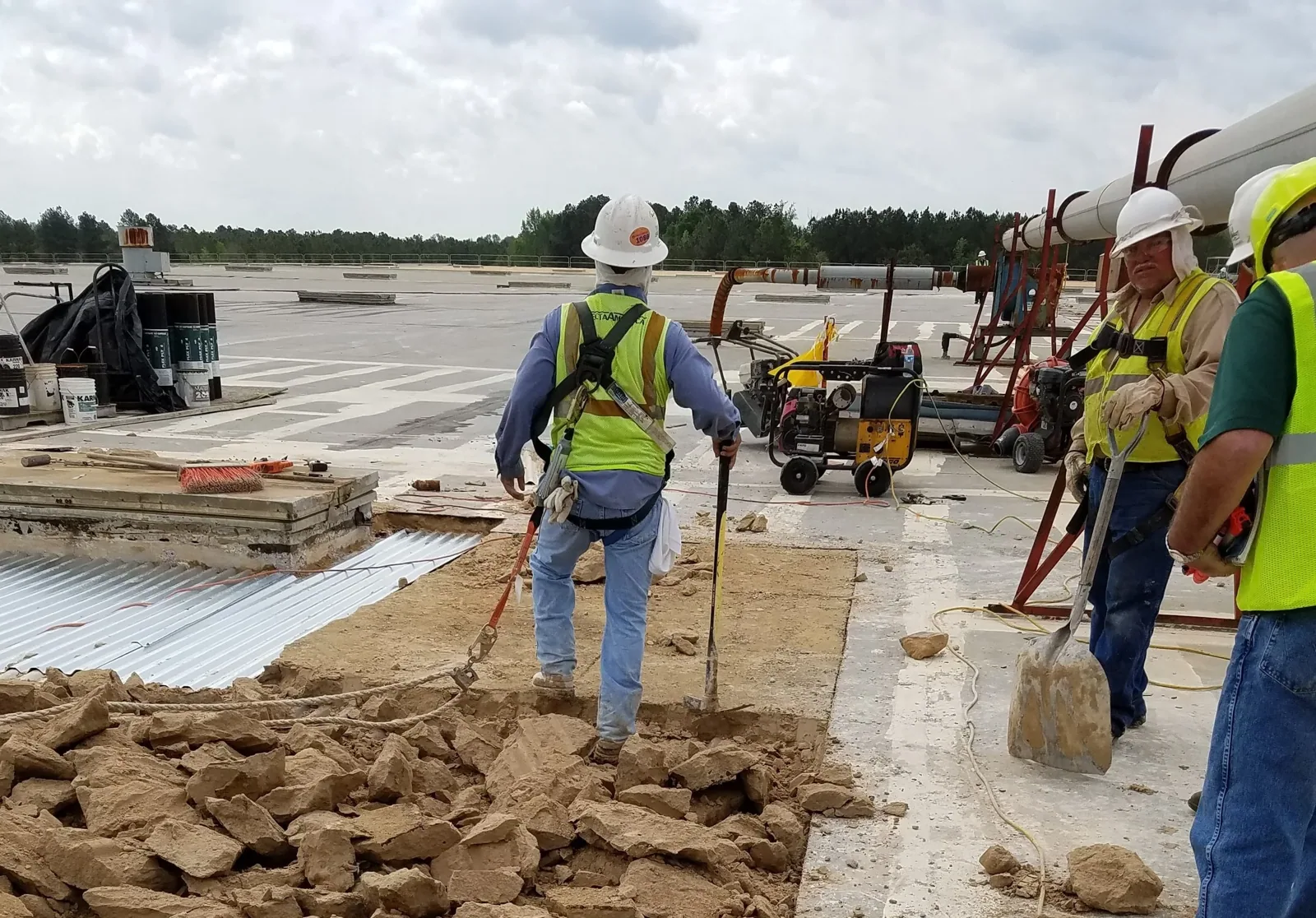
When wet insulation covers a wide share of a roof, or seams have opened across many sections, a full commercial roof replacement is usually the sound answer. Where the deck and insulation test dry and the existing membrane is sound enough to carry a new one, a recover over the existing roof avoids tear-off and keeps the building in use. The scope line states which findings pushed the decision one way or the other.
Repair and Leak Response
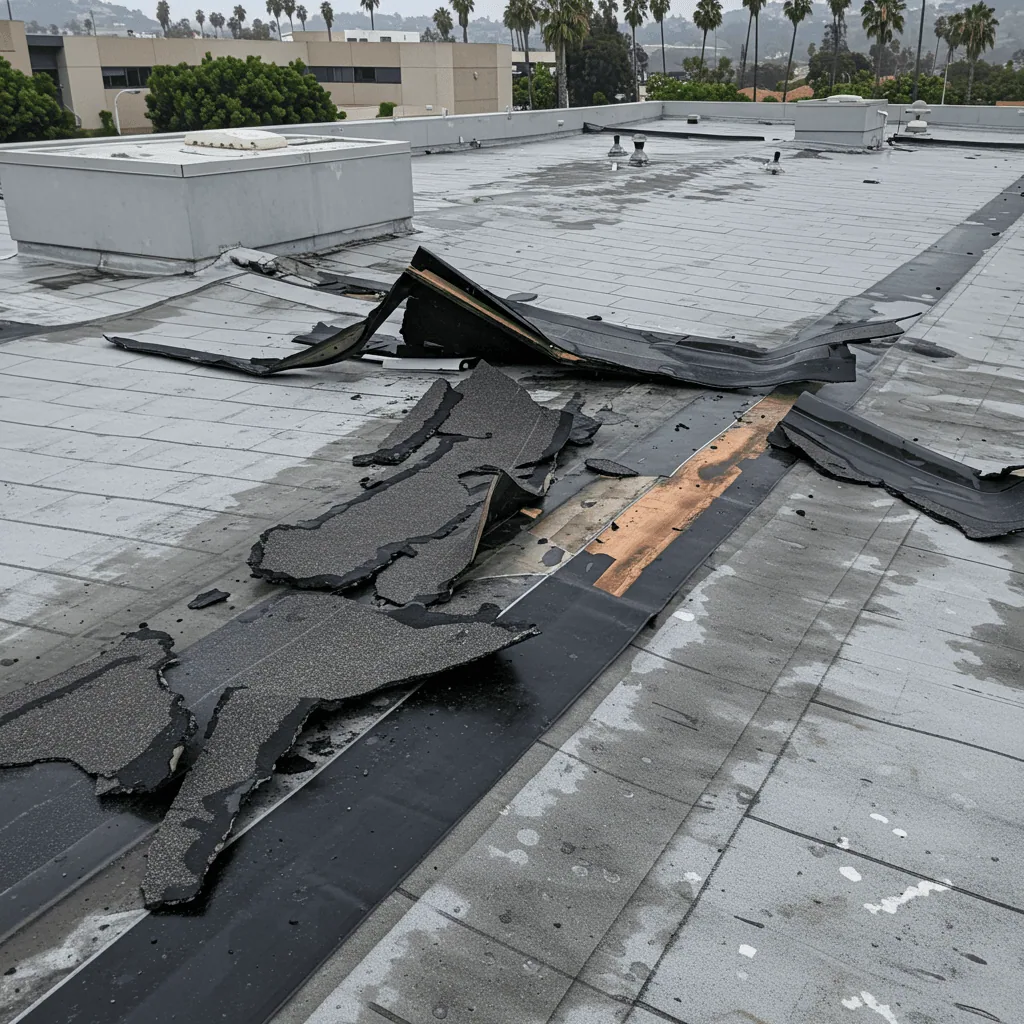
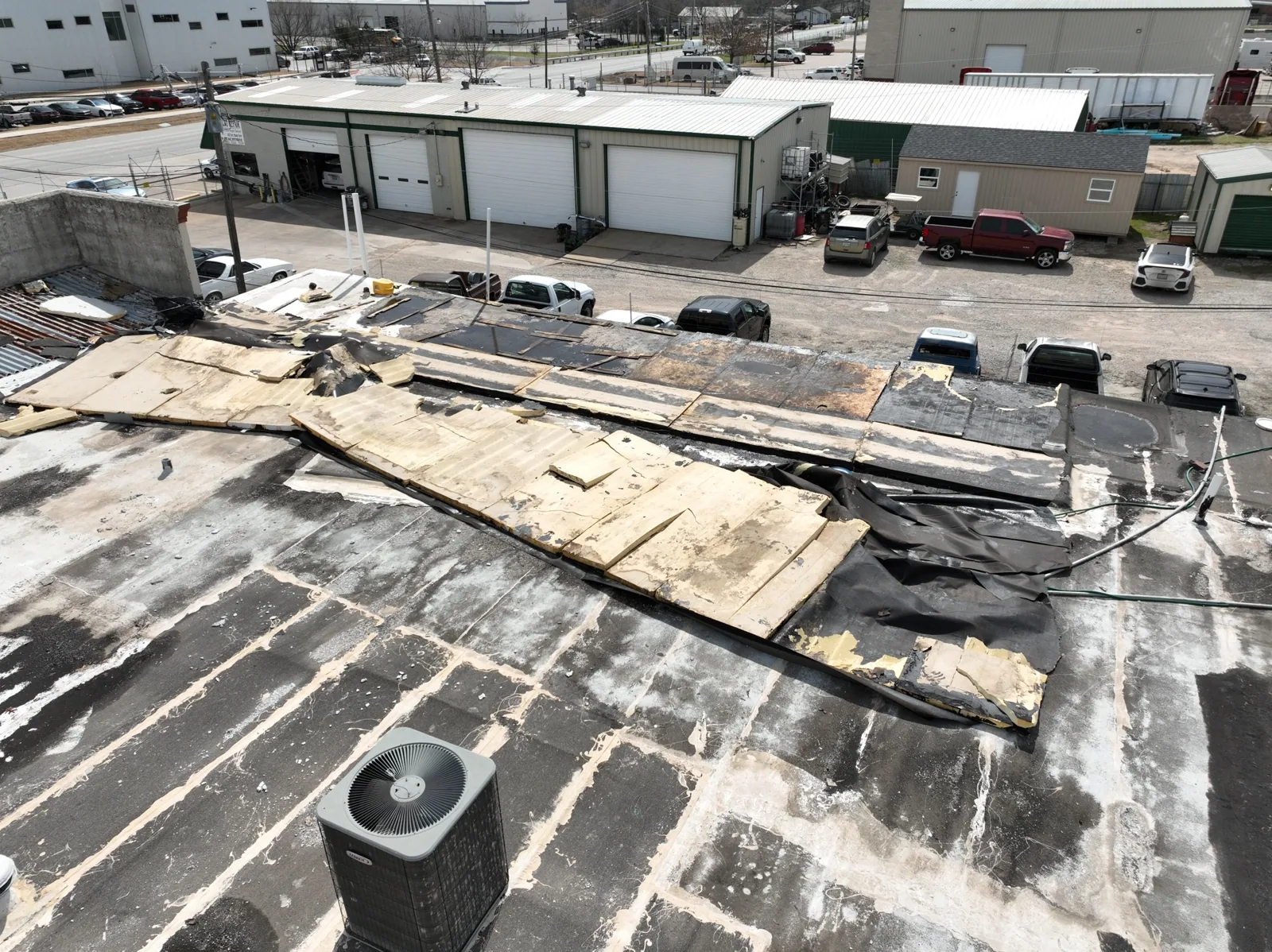
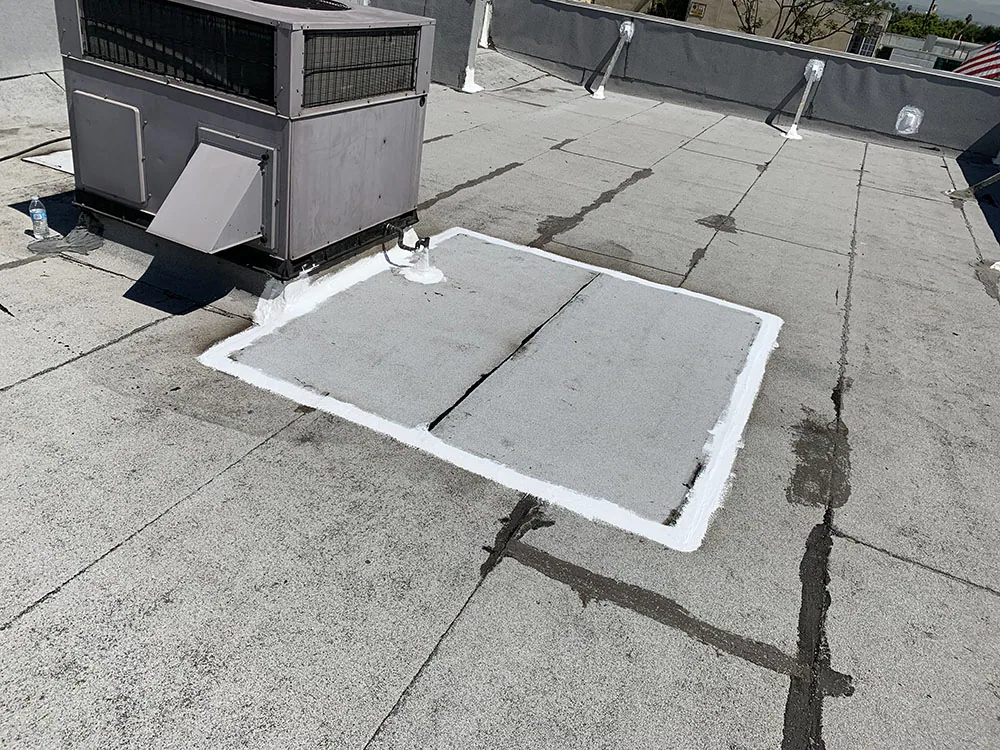
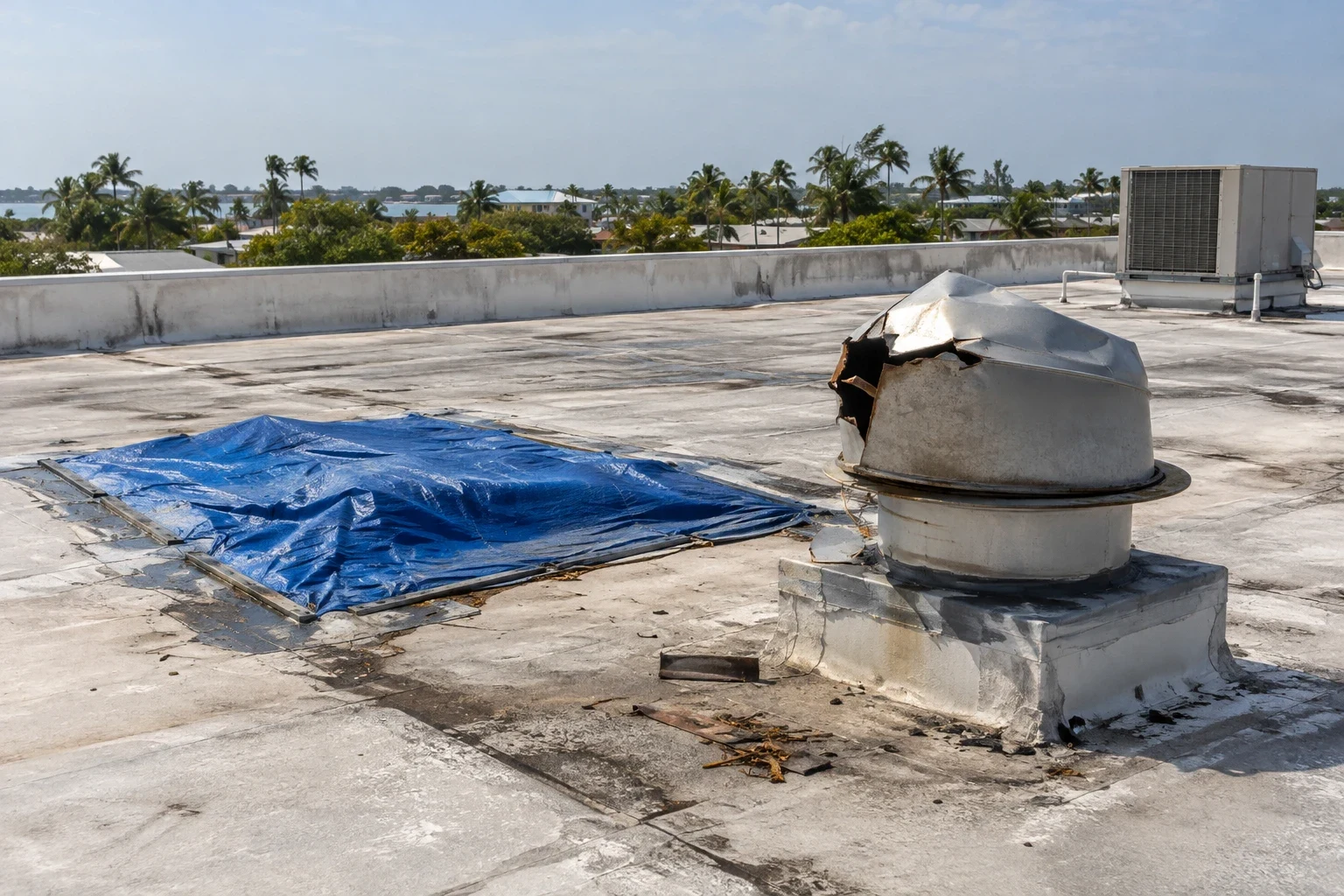
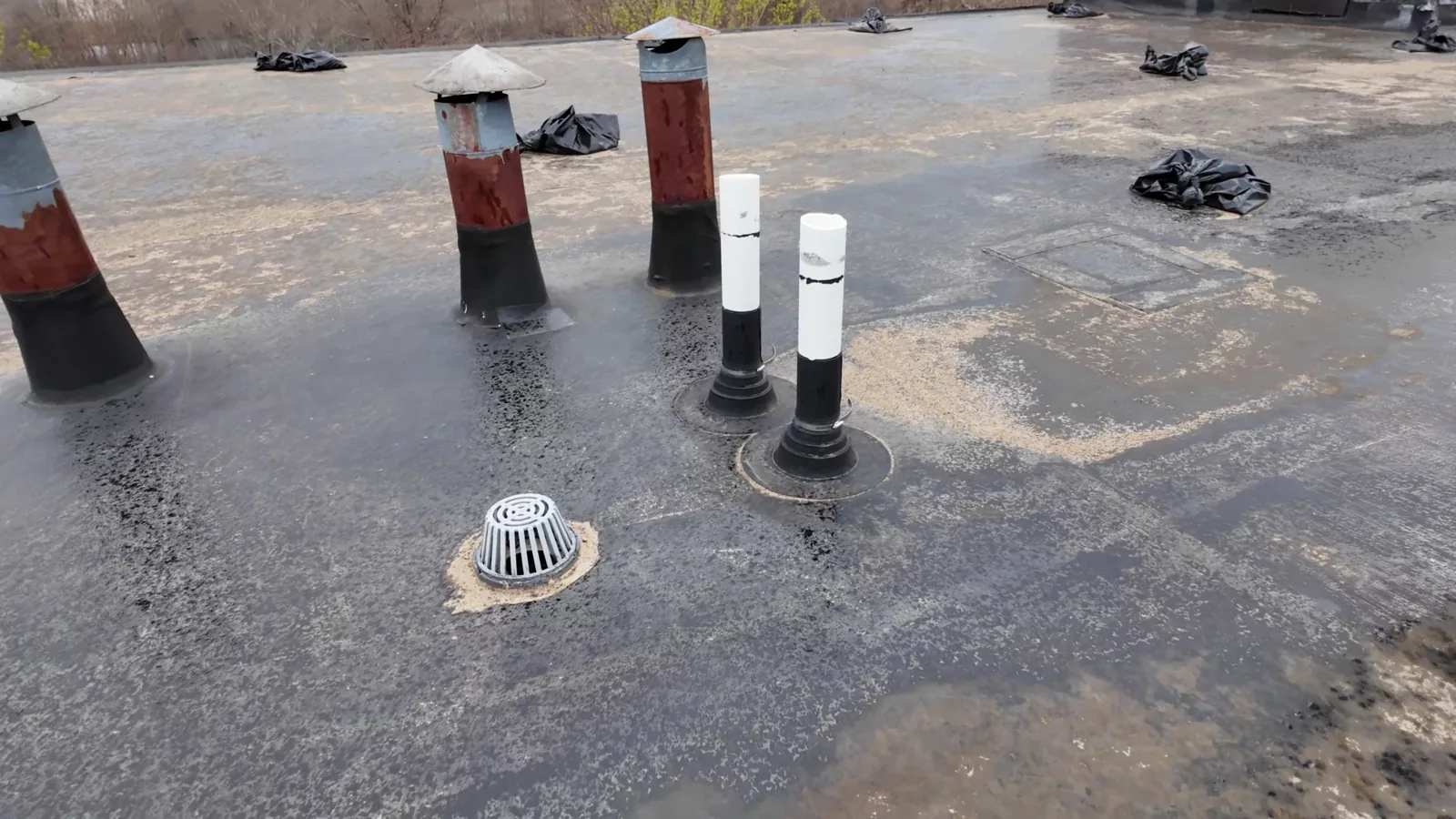
Most repair calls trace back to a small number of details: a seam, a flashing termination, a penetration, a drain bowl. We log each one with its location on the sketch, then fix it at the source through commercial roof repair or, when water is already inside, through targeted leak repair. After a named storm, storm damage repair compares what the roof shows against the earlier baseline, so wind losses are separated from older wear.
Inspection and Condition Records
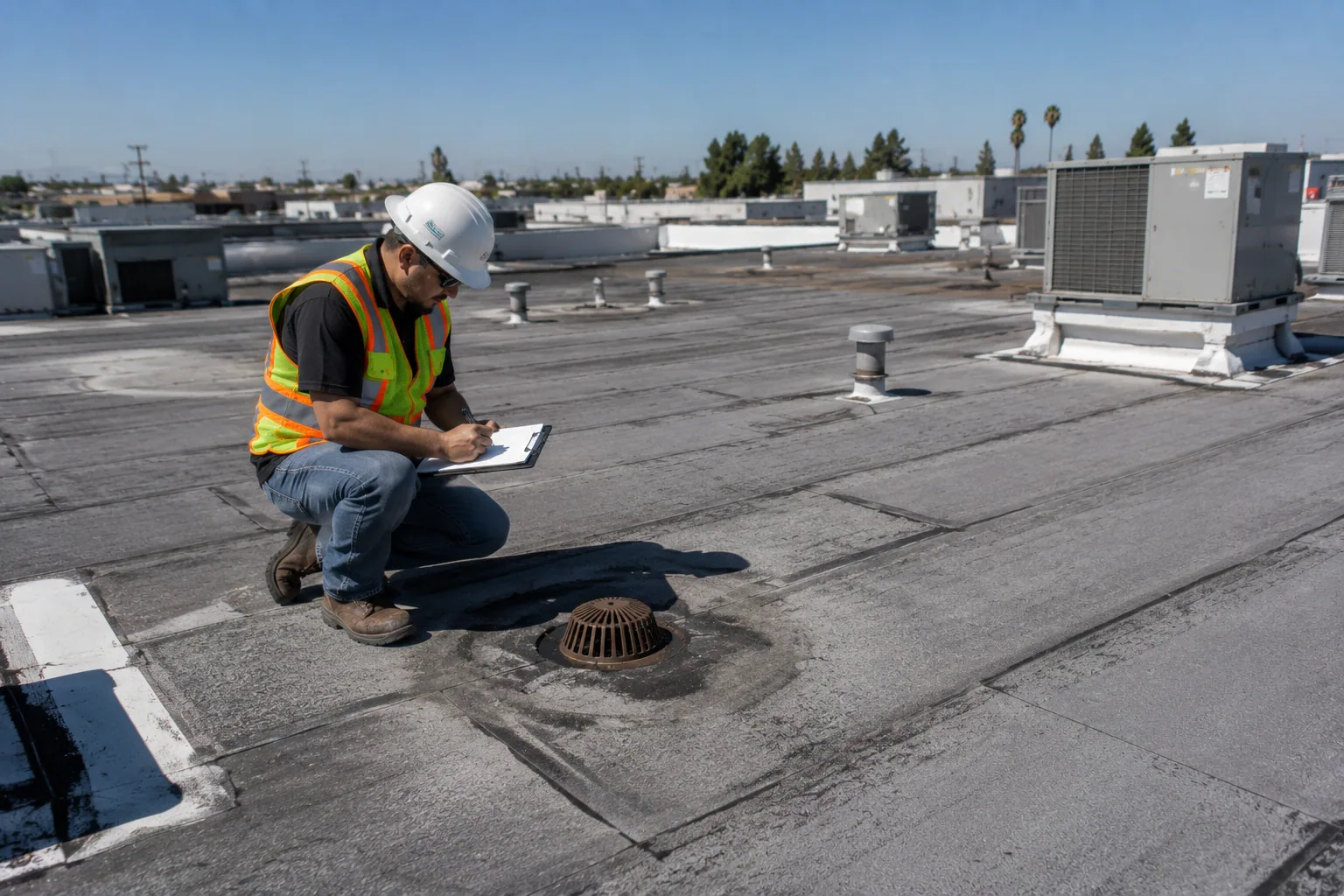
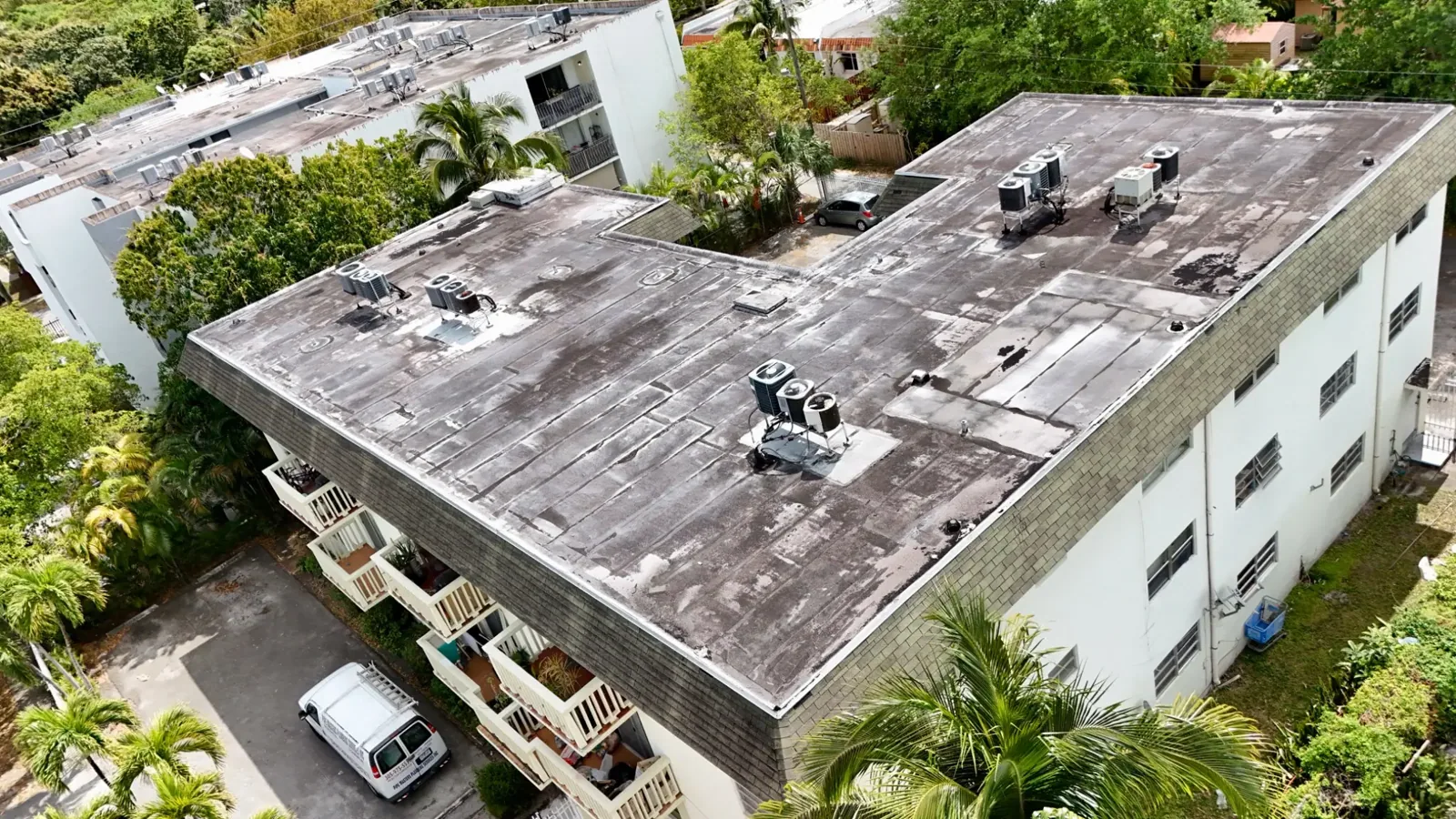
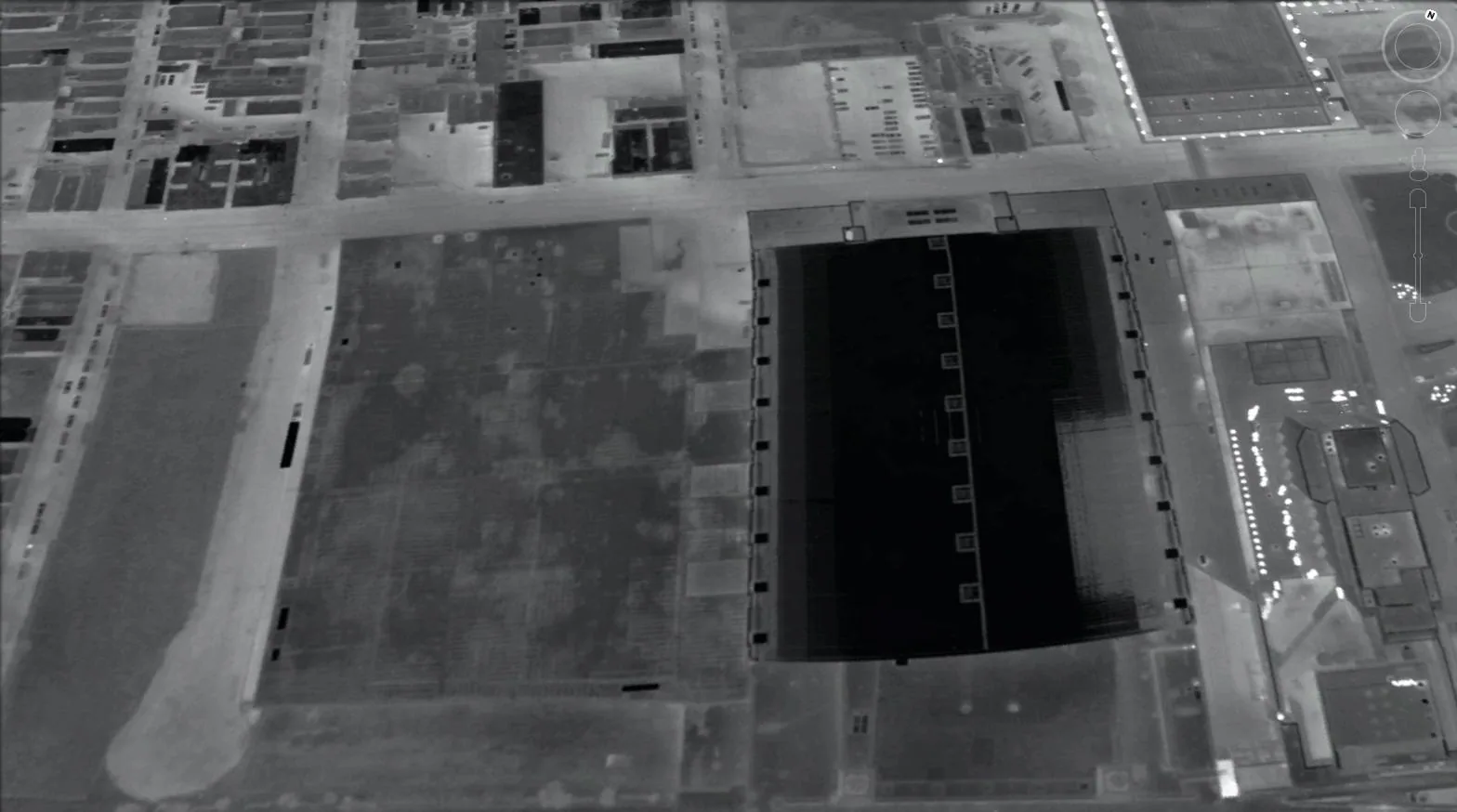
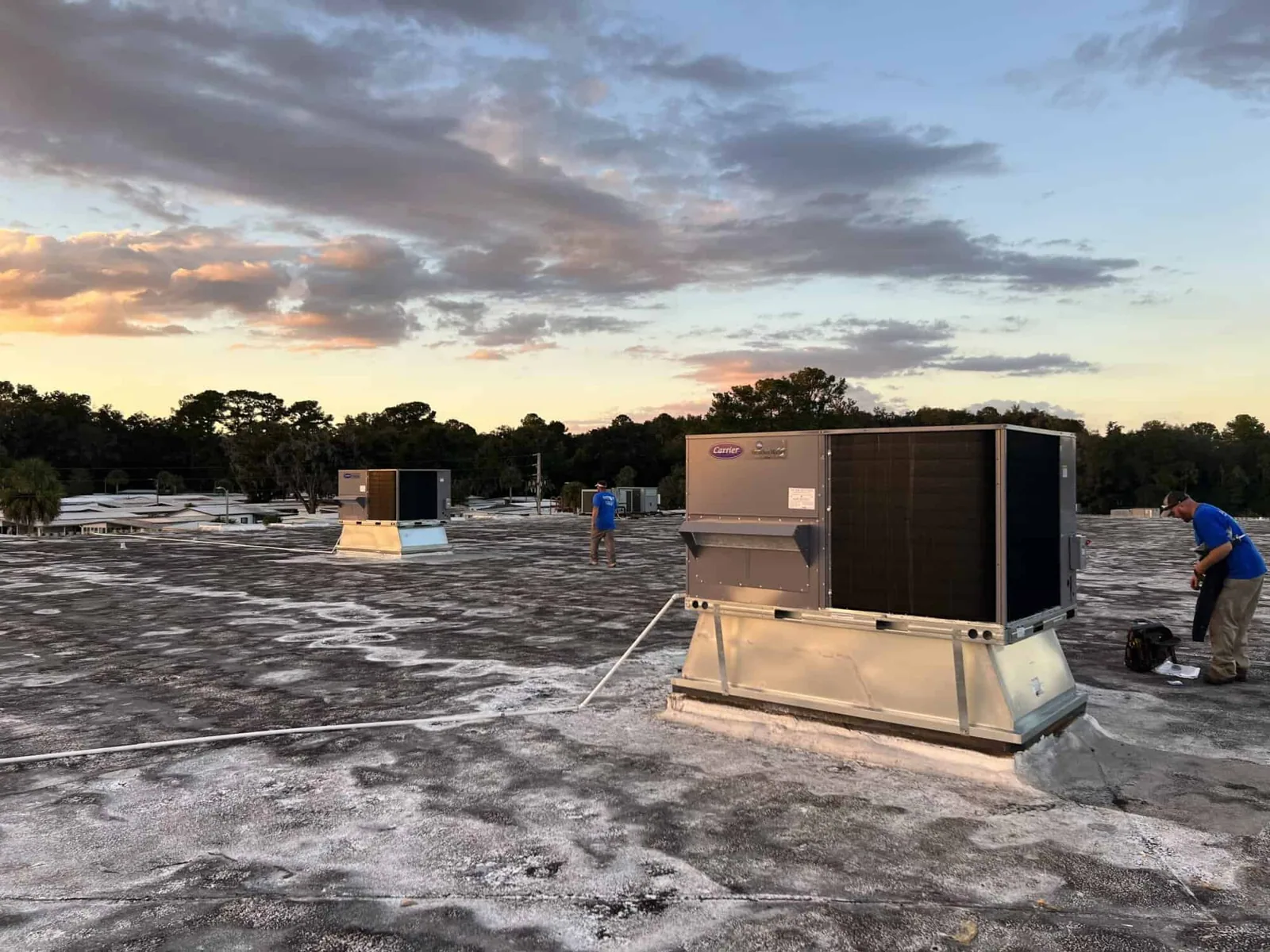
A commercial roof inspection produces the owner's file that every later decision draws on. Where a roof is large or hard to walk, a drone inspection adds overhead photographs, and an infrared moisture survey maps trapped water that visual checks cannot see. Owners who want the record kept current choose preventive maintenance, which logs drains, scuppers and edge metal each visit.
Coatings, Drainage and Detail Work
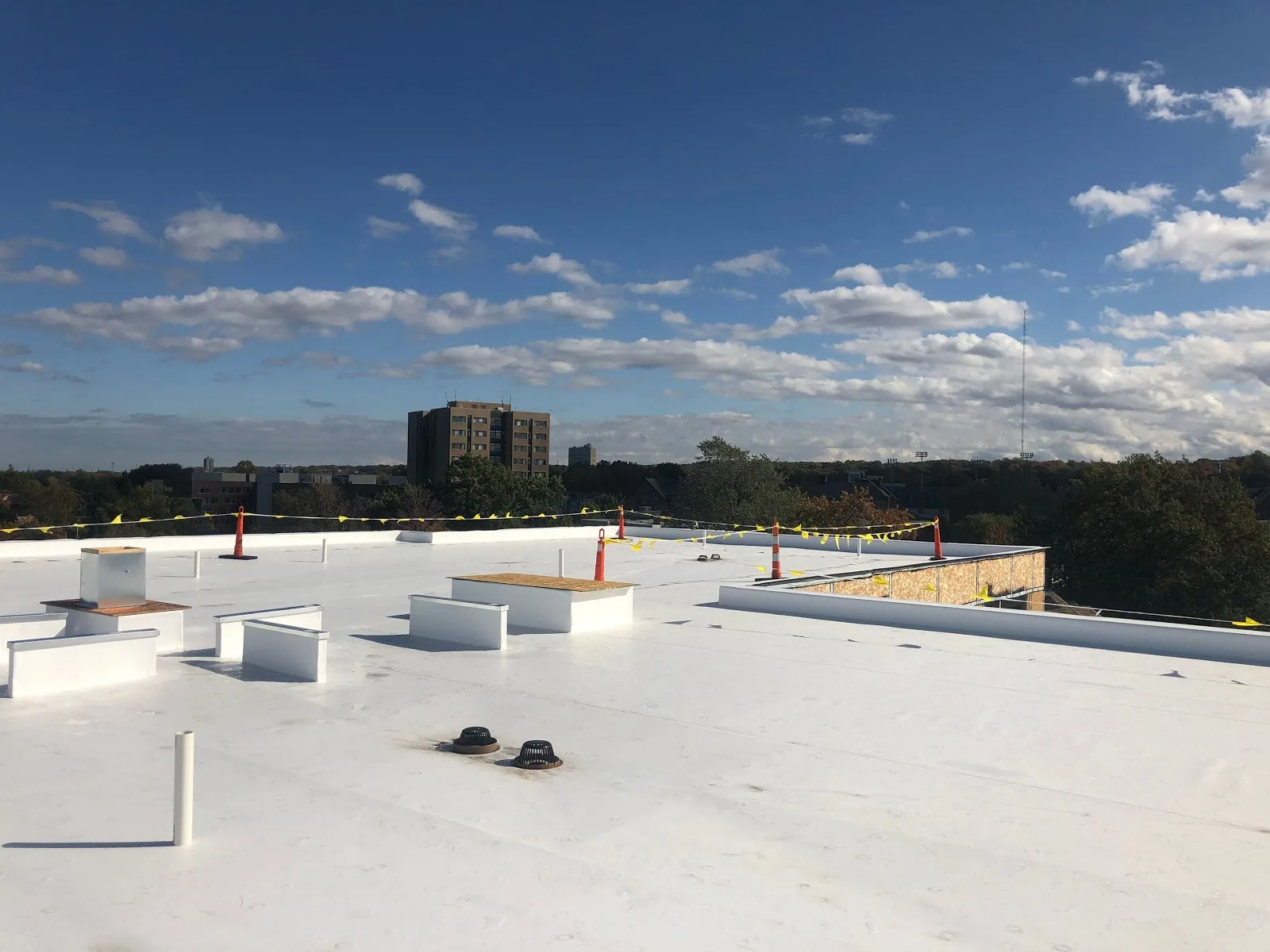
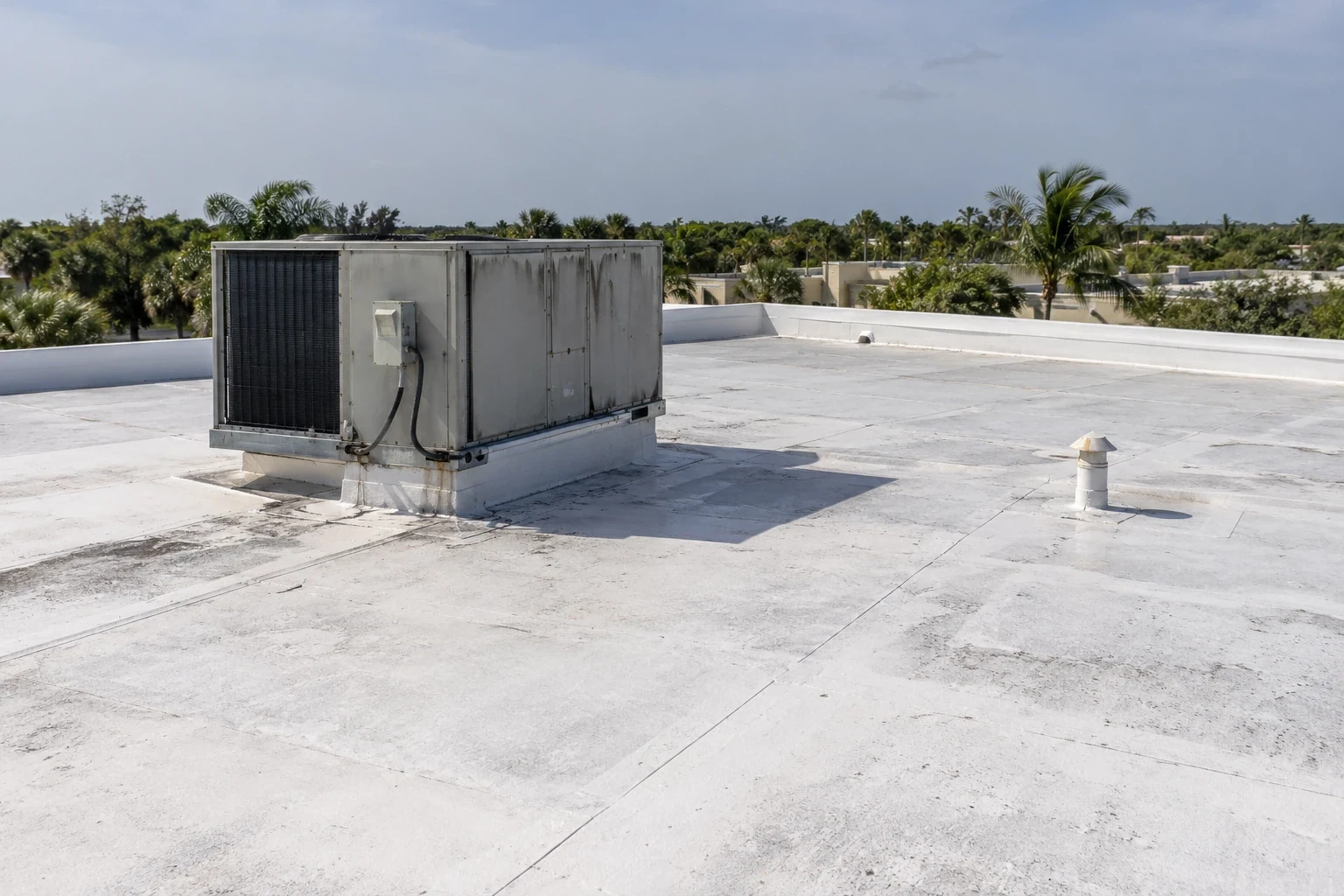
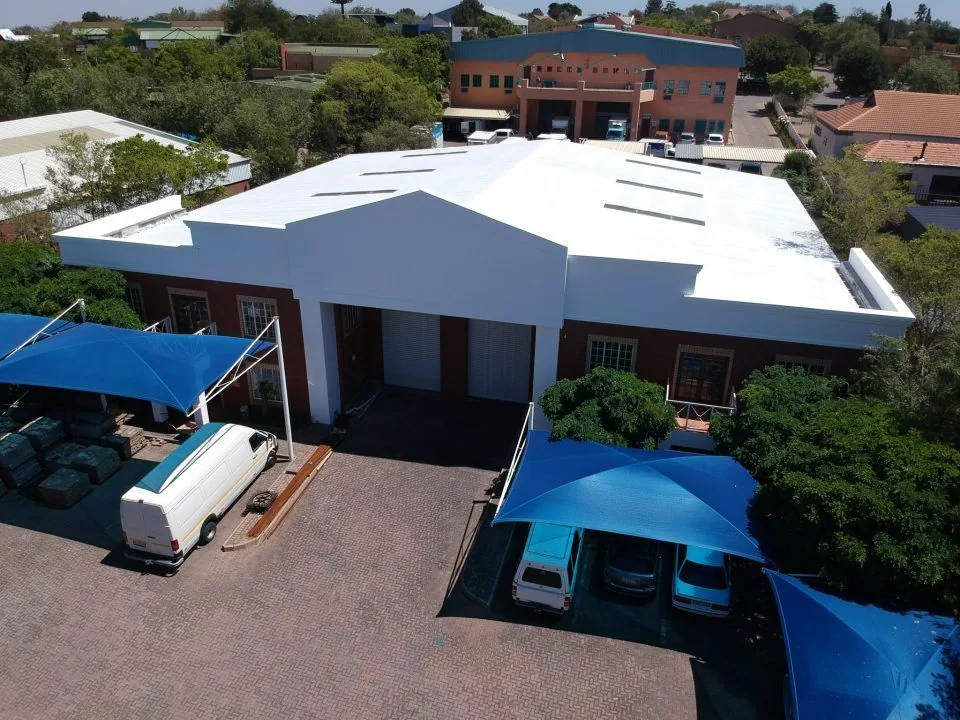
A sound membrane with a weathered surface can often be extended through roof coating restoration, with a coating film check before and after application. Standing water after the heavy rain Mission saw during Hanna, with 14.40 inches measured northwest of town, points to work on drains and scuppers before anything else is priced.
An owner with several buildings can schedule the sequence together, starting from the roofs around Mission and working outward along the freeway.
Commercial Roofing Questions
Which service should come first on an older Valley roof?
The documented inspection comes first, because it separates a localized repair from a wider insulation problem. Its condition summary then supports whichever scope follows, whether repair, coating, recover or replacement.
What does a written condition summary contain when the roof needs only a small repair?
Even a short summary lists the roof sections walked, the dated photographs, the moisture readings marked on the sketch, and the single scope line that names the repair. Owners keep it in the file, so the next visit starts from a baseline rather than from memory.
How do coatings, recover and replacement differ for a roof with scattered wet insulation?
Scattered wet insulation points toward cutting out and replacing those areas before any coating or recover goes over them. If the wet zones are small and the field is dry, a coating or overlay can follow. Widespread saturation moves the recommendation to replacement.
Can roof work be scheduled around the hurricane season window?
Large scopes are usually planned for the weeks before June or after October, when the tropical season has passed. Repairs that stop active water entry do not wait for that window, and we log the condition afterward so the roof has a pre-storm baseline.
Request a Documented Inspection
Send the property address and roof access details. We will walk the roof, record each finding, and return a written condition summary you can use for budgeting or an insurance conversation.