
Roof Systems
Modified Bitumen Roofing in Mission, TX
Granules in a downspout are the first thing a Mission, TX inspector writes down on a modified bitumen roof. A handful of loose mineral grit at the drain means the cap sheet is shedding its protective surface, and the photograph is dated and tagged to the roof section it came from. The next entry is the exposed mat beneath. Between those two findings sits the remaining life of the roof, and the owner needs both before choosing between a repair, a coating, or a new cap sheet.
Layers, Polymers, and the Cap Sheet
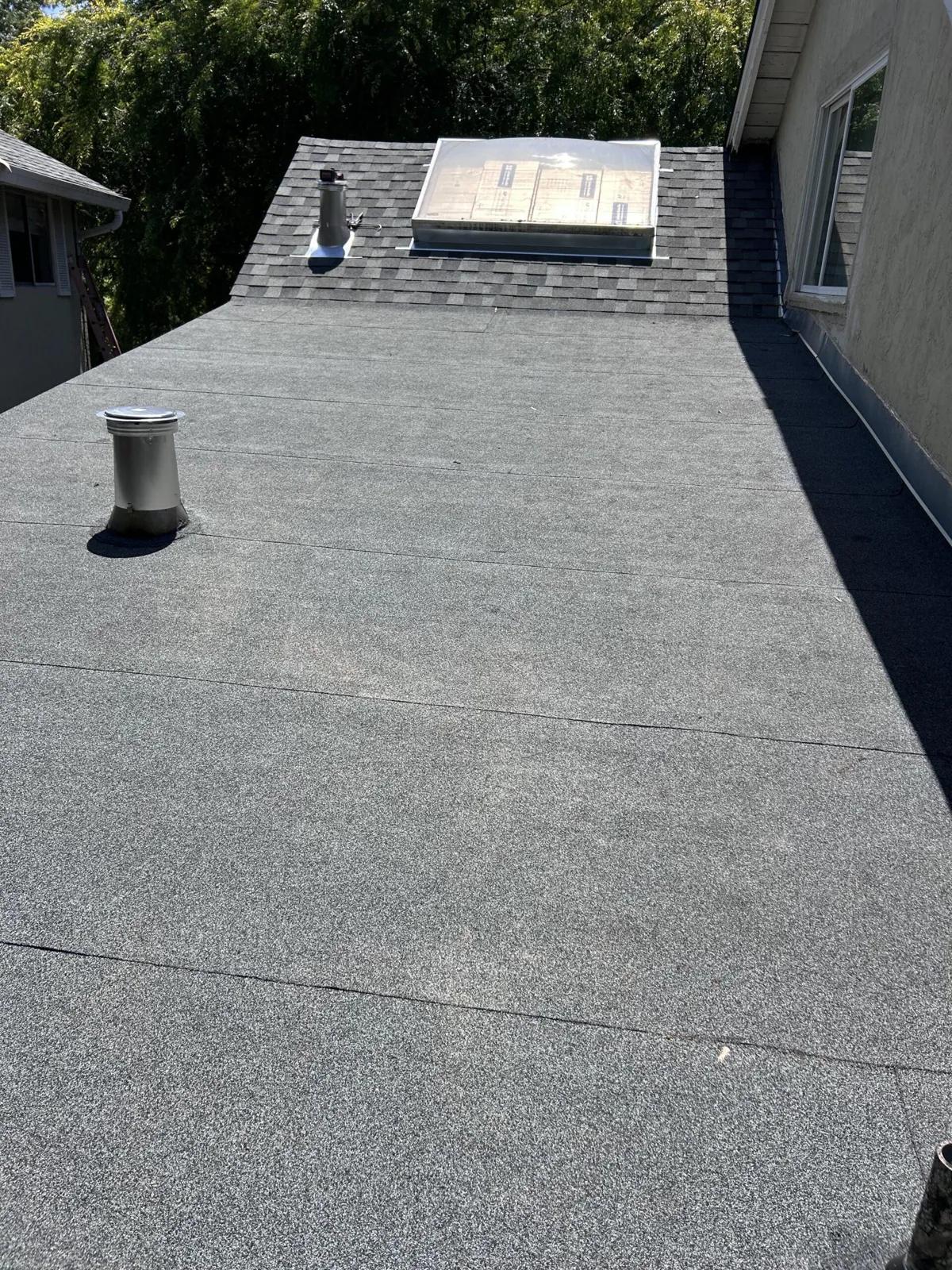
Modified bitumen is asphalt blended with a polymer and reinforced with a fiberglass or polyester mat. Two polymer families dominate commercial work. SBS, a rubber-like additive, gives the sheet elasticity and cold-weather flexibility. APP, a plastic-like additive, gives it higher resistance to heat and ultraviolet exposure. Both are laid in plies, usually a base sheet and a granule-surfaced cap.
The multiple layers give redundancy. A flaw in the cap does not always reach the base, and the mat adds tensile strength against deck movement. That redundancy is a reason owners with rough use, rooftop equipment service, or repeated foot traffic choose the system. It also means a leak may travel between layers before it appears below, so the moisture map matters more than the stain on the ceiling.
Base sheet attachment adds another variable. Some roofs have a mechanically fastened base, some a hot-mopped or cold-adhered one, and the choice affects how the whole assembly behaves in wind. We note the base method wherever a core cut exposes it and record the thickness of each ply, since that detail guides every later repair.
Torch, Cold-Applied, and Self-Adhered Methods
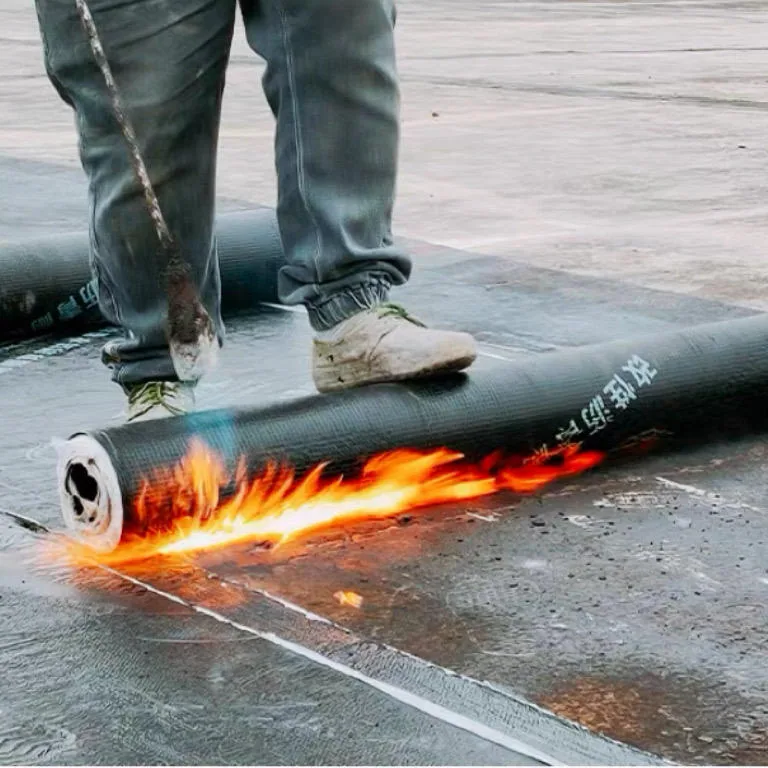
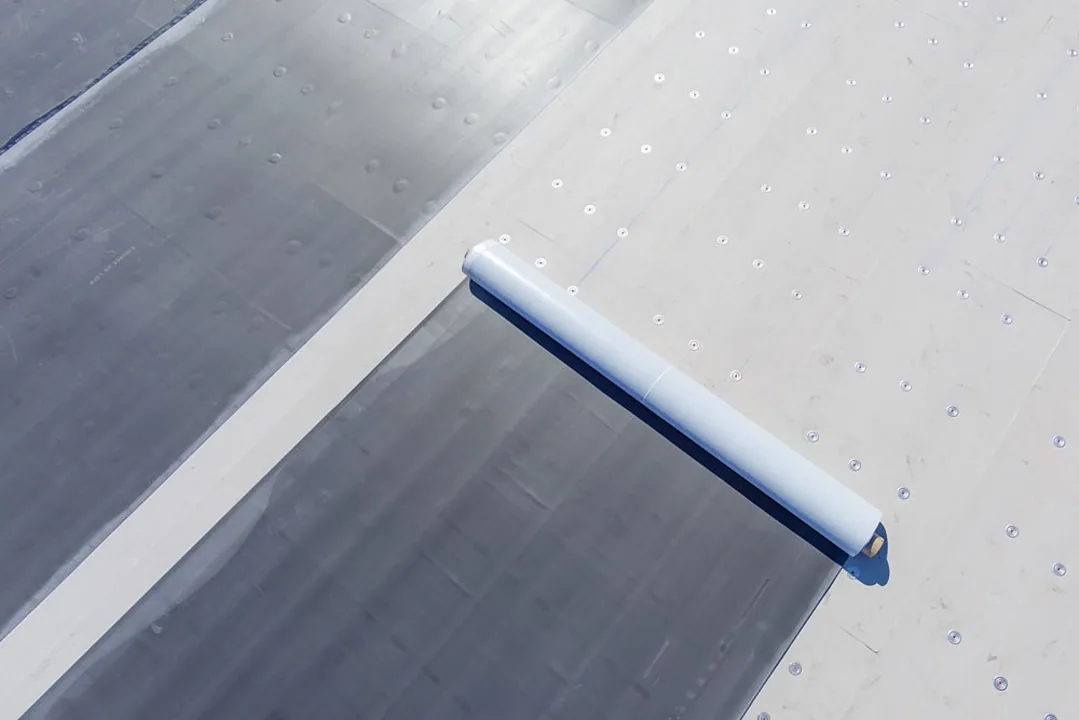
Laps can be fused with a propane torch, bonded with cold adhesive, or self-adhered with a factory-applied sticky back. Torch application produces a strong, visible bead at the lap edge, but it brings fire risk and calls for strict site controls, hot-work permits where required, and a fire watch after work stops. Many occupied buildings, clinics, and food facilities choose cold-applied or self-adhered methods to avoid open flame.
Each method leaves different inspection clues. A torched lap shows the bleed-out bead. An adhesive lap shows a smooth edge and, when poorly bonded, a faint ridge or lift. A self-adhered lap relies on temperature and clean primed substrate, so we record air and deck temperature at installation. The method used goes into the owner's file with the lap photographs.
Cost and schedule follow the method. Torch work is quick on open decks but demands more safety staffing, while cold-applied systems need longer cure windows and good weather. Roofs over combustible decking or with tight parapets steer the choice toward the cold options. We state these drivers in the proposal so the owner knows why each roof area received its method.
Heat-Season Wear on Asphalt Surfaces
Brownsville forecasters name May through October as the Valley's heat-safety season. Asphalt softens in sustained heat, and a dark cap sheet can scuff under foot traffic or slump slightly on a slope. Over years, ultraviolet light dries the surface, loses granules, and eventually exposes the mat.
A white or reflective coating placed over a still-sound cap extends its life and cuts surface temperature. Our roof coating restoration visits begin with a granule loss survey, blister inventory, and core cuts. If the mat is exposed or the insulation is wet, a coating is not the right answer, and we say so in the written findings along with the supporting photographs. Blisters, ridges over insulation joints, and splits at expansion points are counted and mapped, because each tells a different story about how the roof is moving.
Wind, Debris, and Flashing After a Tropical Event
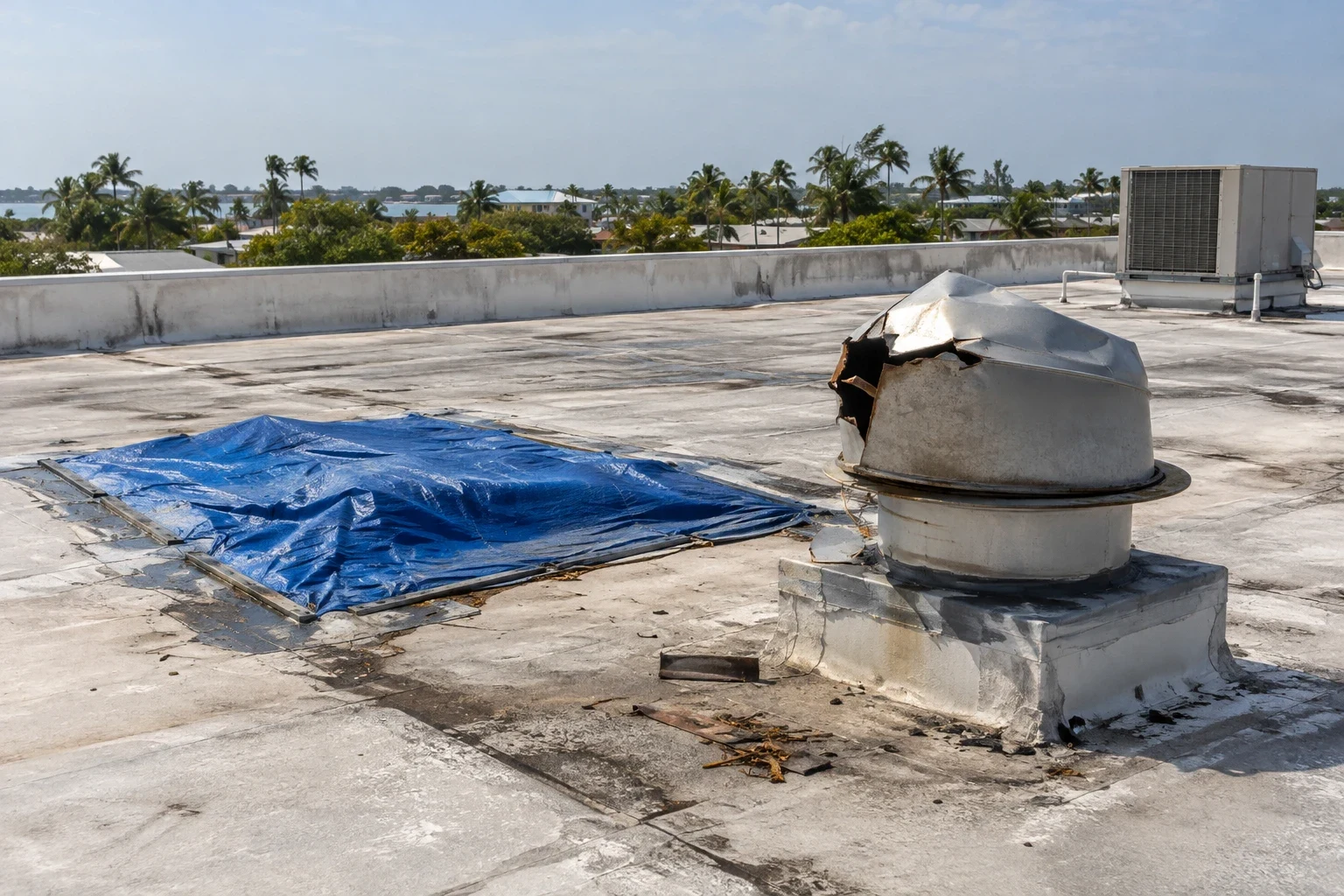
Around Mission and McAllen, Hanna in July 2020 carried estimated winds of 60 to 65 mph, and in McAllen it blew several sheet-metal roofs off or tore them back. Modified bitumen sheets are heavy and well bonded, so they often stay in place, but the edges and flashings take the hit. Gravel-surfaced edges can peel, and base flashings pull away from parapets if the termination is weak. A bar or counterflashing that has loosened lets wind-driven rain behind the sheet, and the water often shows up a long way from the opening.
After a storm, we examine each edge metal joint, each base flashing termination, and each patch from earlier repairs. The pre-storm baseline photographs let us compare condition without relying on memory. Findings are tied to the storm damage roof repair scope, which separates urgent dry-in work from later permanent repairs.
Comparing Modified Bitumen With Other Systems
Against single-ply sheets, modified bitumen is heavier, more puncture resistant, and slower to install. Against a built-up roof, it needs fewer plies and offers easier repair. Against EPDM, it tolerates rougher traffic but holds more heat. The right comparison depends on how the roof is used, how the building is occupied, and what the owner plans for the next ten or fifteen years.
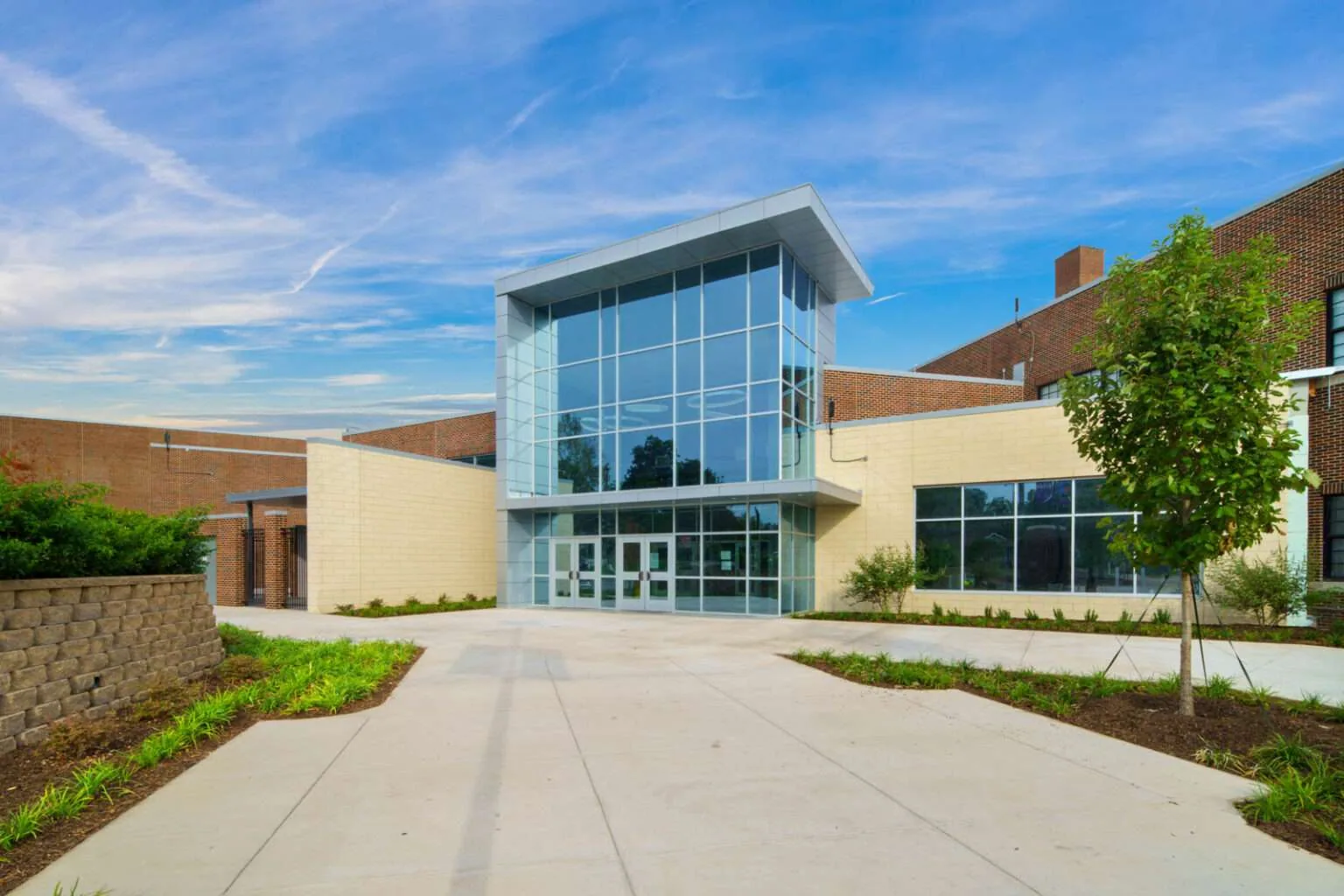
Retail and office roofs with frequent rooftop access, school buildings, and government facilities in the Mission and McAllen area can all be candidates. A school roof shows why: equipment service is regular and torch-free application may be required.
Drainage, Closeout and the Owner's File
Flood-prone conditions deserve their own line. Hanna left 14.40 inches in a gauge northwest of Mission, and weak drainage flooded low ground toward La Joya and Sullivan City. Asphalt roofs tolerate occasional ponding, but long-term standing water speeds granule loss and lap deterioration. Drain bowls, strainers, and overflow scuppers are logged so the owner can show maintenance history.
At completion, the owner receives tagged photographs of every lap method and flashing, the drain and scupper log, and a note of the installation temperatures. The file supports budgeting, a lender request, and any insurance conversation after a named storm. Properties in Palmview, Mission, and the rest of the metro share the same format, so portfolio owners can compare roofs across sites.
Questions and Answers
Which polymer suits a Valley roof better, SBS or APP?
Both perform in the Valley, and the field condition of the deck matters more than the label. APP resists heat and ultraviolet exposure well, which suits unshaded roofs. SBS flexes more readily and can suit roofs with movement or frequent repairs. The inspection sheet lists exposure, traffic, and slope before a polymer is named.
Can modified bitumen be installed without a torch on an occupied building?
Yes. Cold adhesive and self-adhered sheets avoid open flame, which suits clinics, restaurants, and tenant spaces with sensitive operations. Those methods depend on clean substrates and suitable temperatures, so we record conditions at installation and photograph each lap before the roof is released to the owner.
What does granule loss tell an owner about a cap sheet?
Granules protect the asphalt from sunlight. Light loss near drains is normal wear, while bare patches on the field show the asphalt is aging fast. We photograph the worst areas, measure them against the total roof area, and recommend a coating, a recover, or a replacement based on the exposed mat.
How are blisters on a modified bitumen roof handled?
Small blisters that are dry and unbroken may be monitored and photographed. Blisters that are cracked, wet, or located at laps are cut, dried, and patched. A moisture scan shows whether trapped water has spread into the insulation, and that result separates a local repair from a larger scope.
Why does the owner receive a record of air temperature at installation?
Adhesive cure and self-adhered bond depend on temperature. If a lap fails years later, the installation temperature explains whether the cause was workmanship, product, or a later movement. It also helps the next contractor, or the owner, understand how the roof was built and how to repair it.
Schedule a Modified Bitumen Condition Review
Ask for a visit to your Mission, TX roof and receive a written condition summary with granule loss photographs, a lap and flashing log, and a moisture map when needed. The summary supports budgeting and any insurance conversation.