
Commercial Roofing Services
Commercial Roof Inspection in Mission, TX
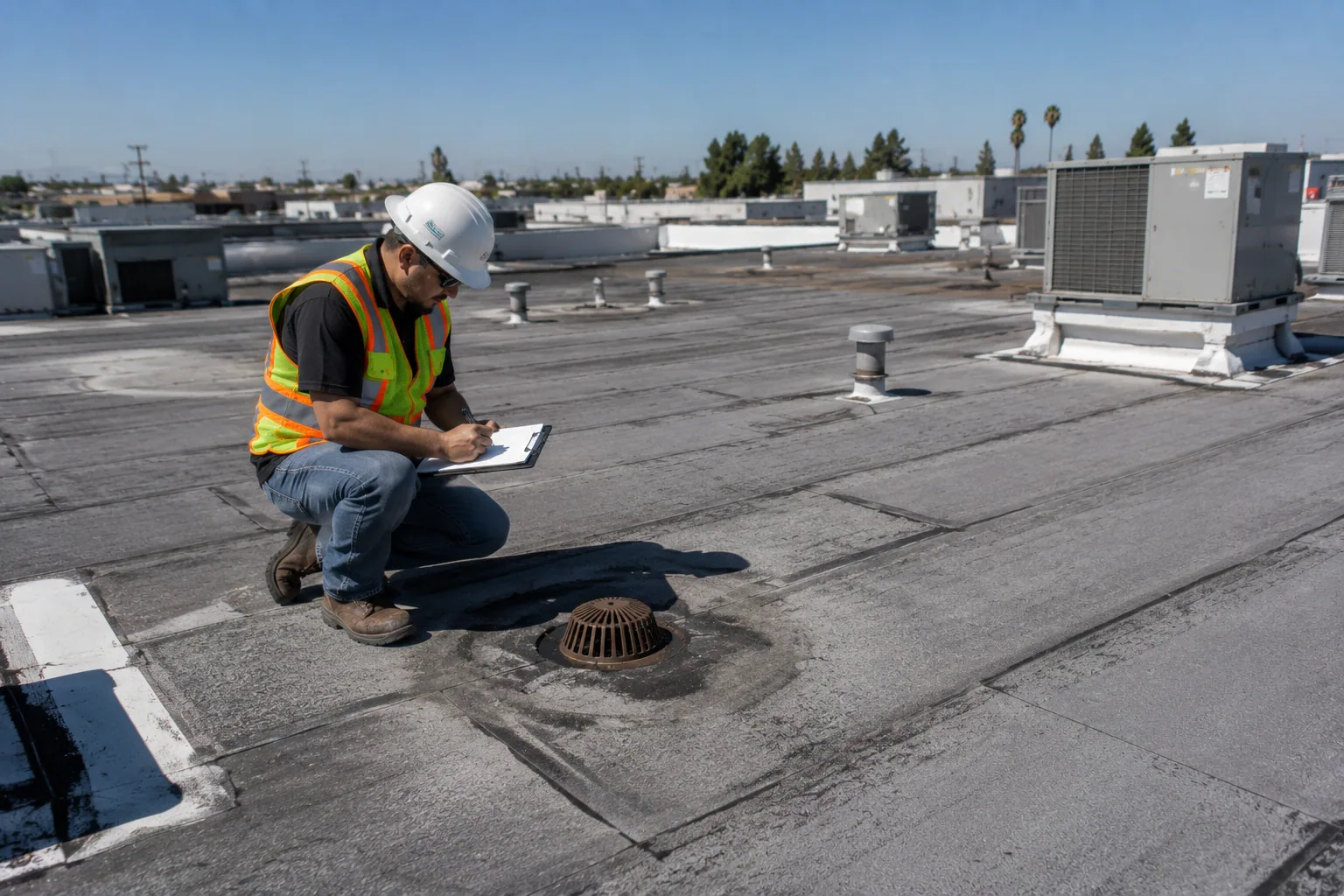
An inspection report for a Mission, TX roof should read like a ledger: each roof section numbered, each finding photographed and dated, each recommendation tied to a finding. We walk the entire roof, not a sample of it, because the defects that decide a budget are usually small and scattered: a lifted corner of metal, a seam with a missing weld, a sealant joint that has split along a curb. The Rio Grande Valley adds two long exposures, heat from May through October and tropical weather from June through October, and the inspection is timed and organized to catch what both leave behind.
How the Walk Is Organized
The inspector begins at the access point and records the overall condition: membrane type, approximate age indicators, previous repairs, and signs of foot traffic around equipment. The roof is then divided into numbered sections, and each section receives the same checklist: field membrane, seams and laps, flashings at walls and curbs, penetrations, drains and scuppers, edge metal, expansion joints, and rooftop equipment supports.
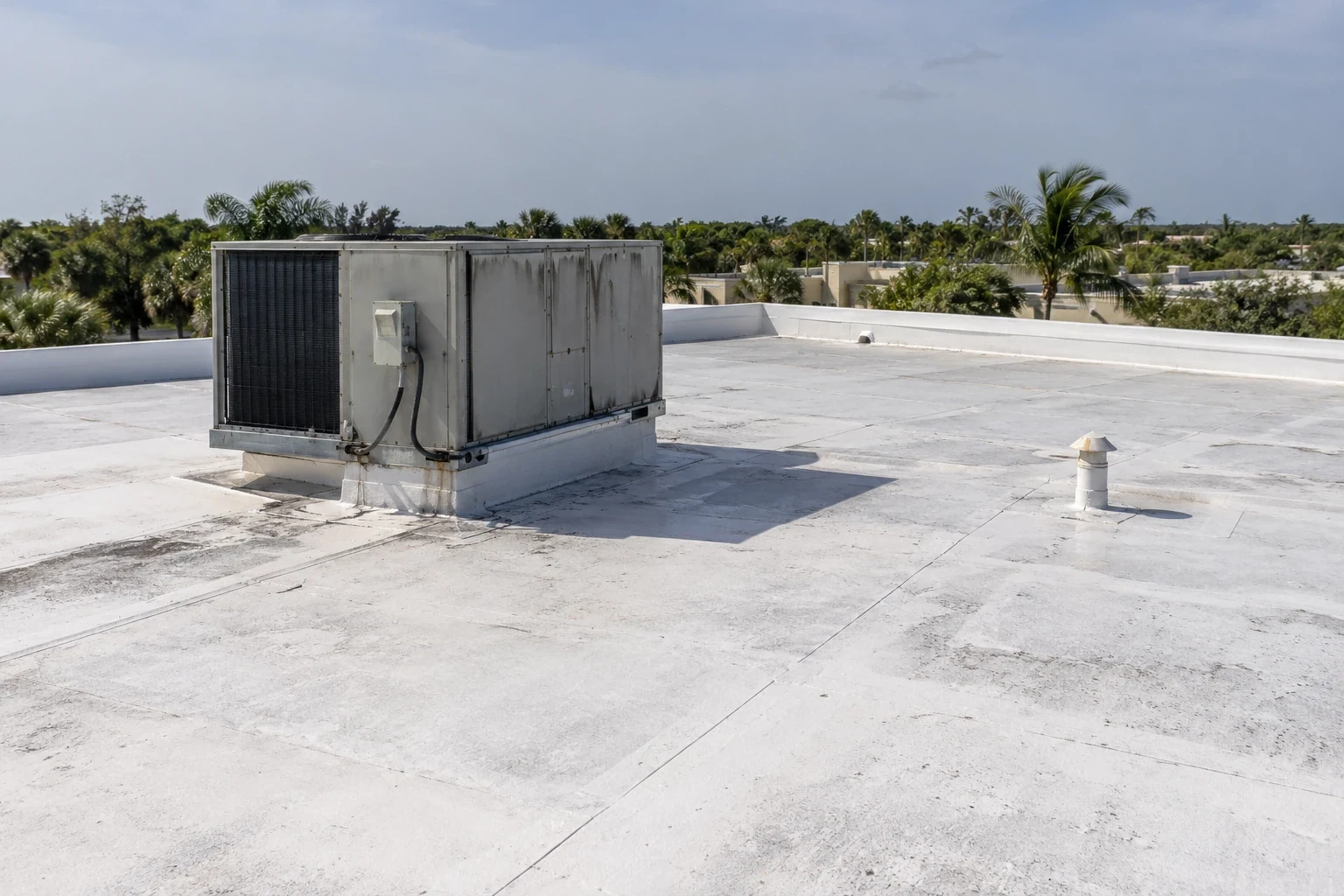
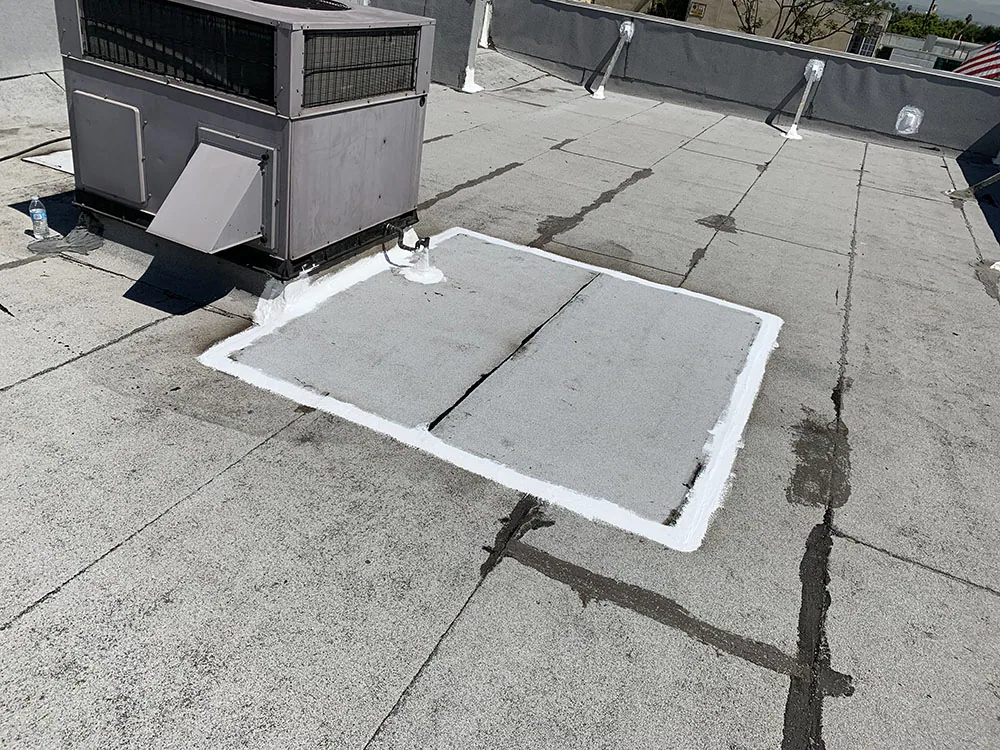
For each item the report records a condition grade, a photograph, and a note on what the inspector did to confirm it, such as probing a seam or pulling a fastener sample. A finding without a measurement or a photograph is marked as an observation, so the owner can tell the difference between what was confirmed and what was only seen. The roof sketch carries the section numbers and the photo positions, which lets a later inspector return to the same spot. Rooftop equipment gets its own entry: location, curb condition, panel fasteners, condensate lines, and the state of sealant where lines and conduits pass through the membrane.
Reading Heat Damage
The Brownsville weather office lists May through October as the Valley's heat-safety season, and roofs spend that entire window under direct sun. Heat shows up in single-ply membranes as shrinkage at terminations, crazing on the surface, and weld lines that have lost strength. In coatings it appears as chalking and loss of film thickness. In metal roofs it appears as fastener back-out and sealant failure at laps.
We test for these conditions instead of assuming them. Seam probes check weld strength, a coating gauge measures remaining film where applicable, and a fastener sample tests withdrawal in a mechanically attached system. The report ties each finding to a recommended action, whether that is monitoring, repair, a coating restoration, or replacement.
Reading Wind and Water Damage
In July 2020 Hanna's winds ran an estimated 60 to 65 mph over the McAllen and Mission area, and sheet-metal roofs were reported torn back in McAllen. Dolly, in 2008, did its worst work near Weslaco, where roofs lifted and the older structures suffered most. Inspections after or between such events focus on edges, coping, and flashings, which fail before the field does.
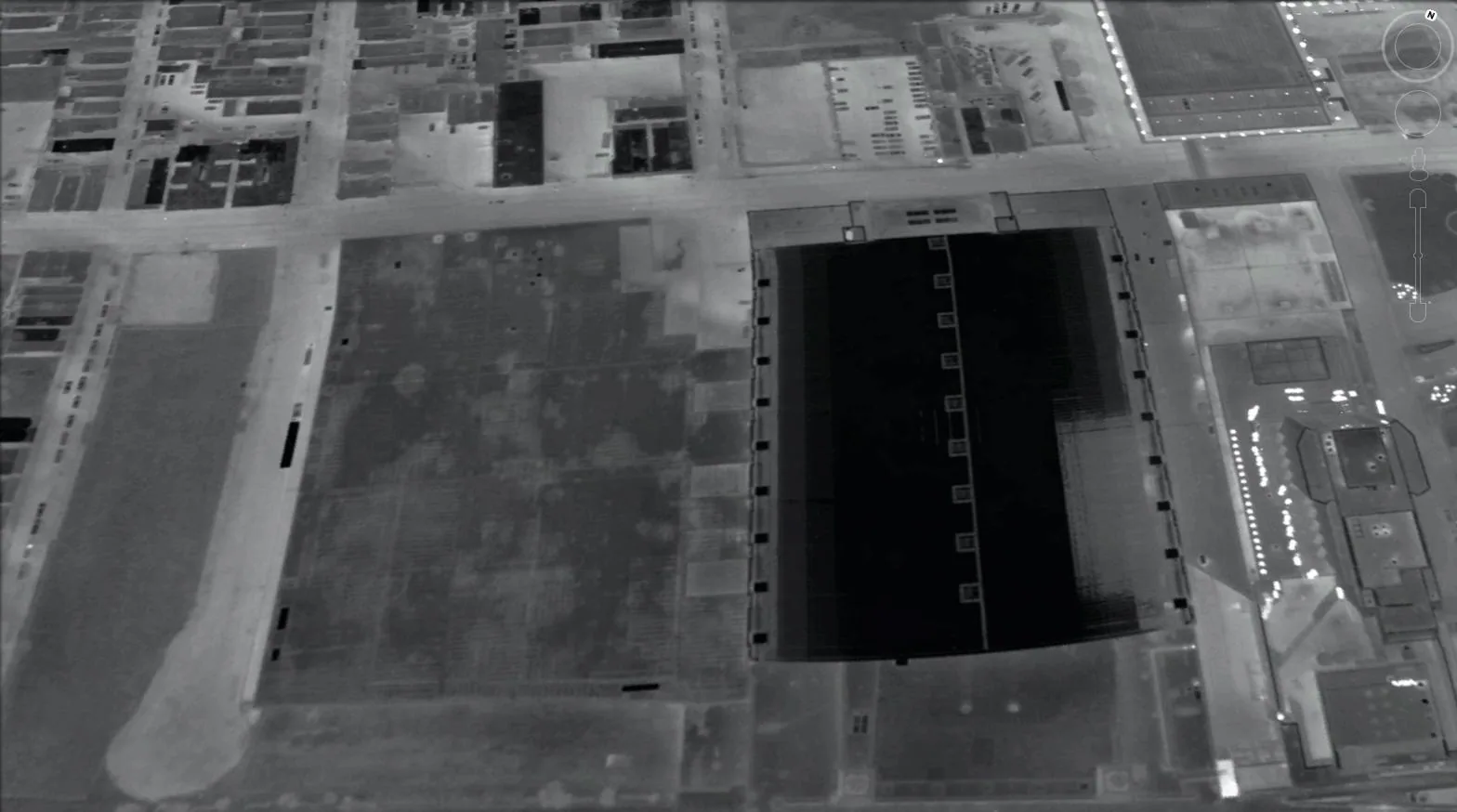
Where the inspector finds displaced metal or exposed substrate, the report states whether water has entered. Moisture meters and, where warranted, an infrared moisture survey test the insulation under suspect areas. Interior conditions are noted when the tenant allows access, since ceiling stains and corroded fixtures can point to an older leak that never reached the roof file. If wet material is found, the recommendation separates the repair of the opening from the removal of wet insulation, so the owner can see both costs.
Drainage and Ponding Findings
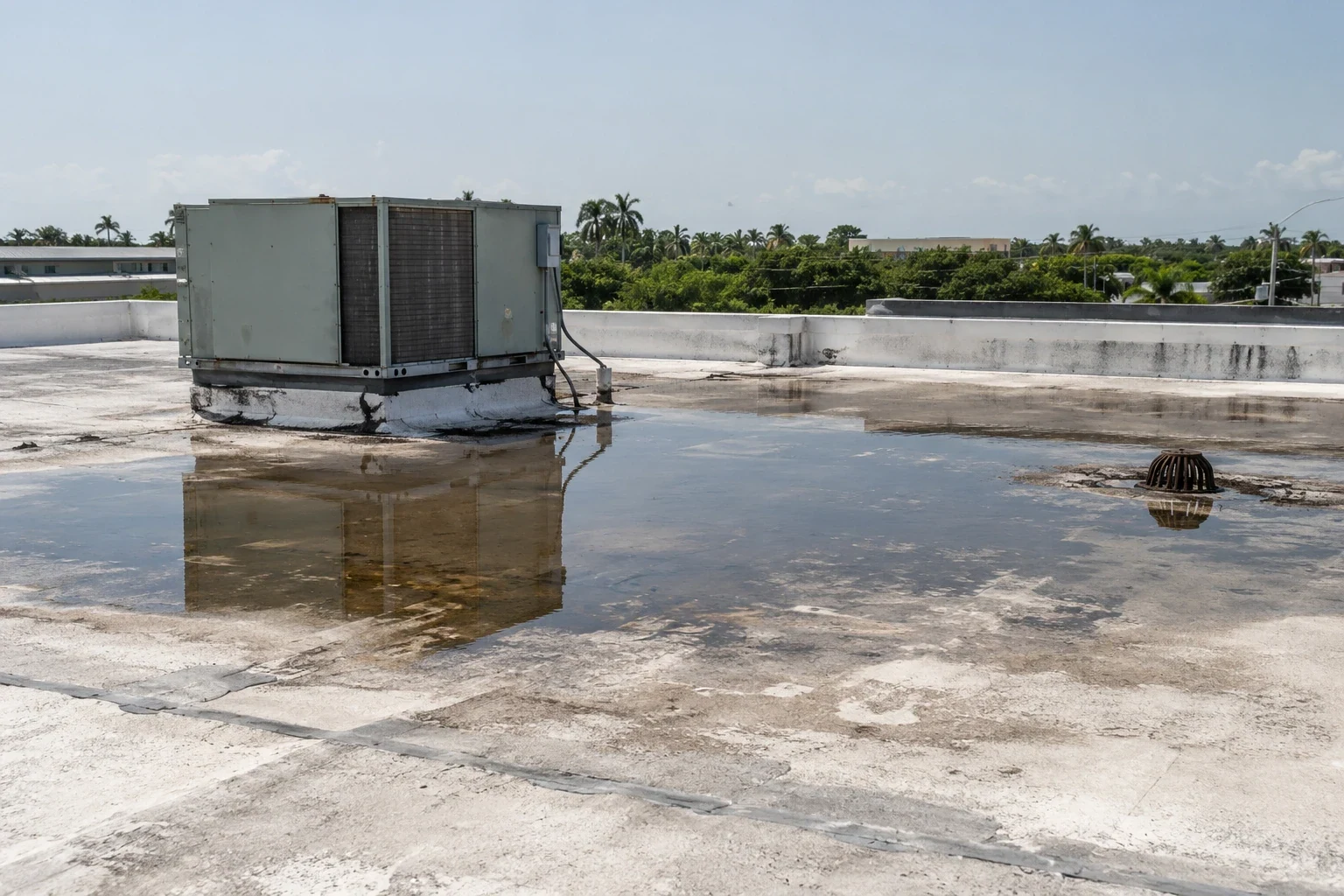
The same storm left 14.40 inches in a Mission-area gauge, and flash flooding covered Shary Road near Griffin Parkway in about 12 inches of water. Roofs face a smaller version of the same problem when drains are blocked or the deck has settled. The inspection records the location of every drain and scupper, the height of overflows, the presence of debris, and any area where water stays for more than a day after rain.
Ponding is measured with a level and photographed after rain when possible, and the depth is noted at the drain and at the low point so the owner can see whether the problem is a blocked outlet or a deck that no longer slopes. Standing water speeds the aging of membranes and sealants and adds weight to the deck. The report names the likely remedy, from cleaning to drain replacement to tapered insulation, and notes whether the issue is a ponding water repair item or part of a larger plan.
What the Written Condition Summary Contains
The summary opens with the roof sketch and a list of findings in priority order. For each finding it gives the location, the photograph, the cause as the inspector understands it, the recommended action, and the cost range in qualitative terms such as minor, moderate, or major. A short section covers the expected remaining service life of each roof section and the maintenance that would extend it. Where the inspector cannot confirm a condition, such as a concealed deck below intact insulation, the report says what test would settle it and when that test should be done.
Owners who manage several buildings can receive the same format for each property, which supports a capital plan and a consistent ranking of urgency. The summary can be used for budgeting, lender review, tenant discussions, and insurance conversations. It forms the starting point for preventive roof maintenance and, where a program is wanted, for a repeating inspection schedule.
Questions and Answers
How is an inspection different from a quick roof walk for a leak call?
A leak walk looks for one entry point and stops when it is found. An inspection records the full roof: every section, seam, flashing, drain, and edge, with photographs and measurements. The product is a dated file the owner can use for decisions and comparisons, instead of a verbal opinion about one problem.
What should be in place before a lender or buyer asks for a roof report?
A current report with a sketch, photographs, and an estimate of remaining service life is the standard request. If the roof has a warranty, the warranty documents and any repair history should be included. Our summary lists open items and costs in order, so a reader can see the roof's condition without reading the entire file.
Do you test for moisture during every inspection?
We use a moisture meter on suspect areas as part of the walk. A full infrared survey or core sampling is added when the findings suggest wet insulation, when the roof is large, or when the owner needs a defensible record for a transaction. The report states which method was used and where.
How soon after a storm should a roof be inspected?
As soon as it is safe, and before the next significant rain. Edge metal and flashings can be loosened by wind and then let water in on a later day. An early inspection records damage with the date and links it to the event, which matters when a claim is considered.
What does an owner receive for a multi-building portfolio?
A single summary table ranks all buildings by urgency, followed by a short file for each property with its sketch, photographs, and recommendations. The table supports a capital plan and shows which properties need repair this year and which can wait.

Request a Documented Inspection
Tell us the property address and roof access. We will walk every section, record each finding, and deliver a written condition summary.