
Industries We Serve
Roofing for Property Management Companies in Mission, TX

What a property manager needs first is a single table: every building, every roof section, one rating and the date of the last photograph. We start there. The table is built from a dated walk of each roof, with each section tagged and each finding photographed, and it replaces a stack of invoices and e-mails that nobody can search at renewal time.
Managers in Mission, TX answer to owners, lenders, tenants and insurers at once, and each audience asks a different question about the same roof. Our condition summary answers all four from one file: what was found, how serious it is, what it will cost to address and what the evidence is.

Findings That Reach the Work-Order Queue
Many roof findings arrive as a tenant complaint: a stained tile, a drip in a stockroom, a smell after rain. The complaint is a symptom, and the inspection traces it to a roof section. A lifted corner of metal, a seam with a missing weld or a split sealant joint along a curb is the usual cause.
We photograph each cause with a date and a tag, and we mark moisture readings on a rooftop sketch. The manager receives a short list of causes ranked by consequence. That list becomes the work-order queue, and each order carries the photograph that justifies it.
Common areas matter as much as tenant bays. A covered walkway over an entry, a trash enclosure roof and a mechanical screen each get an entry, because they are visible to every tenant and customer and they are often skipped on a quick walk.
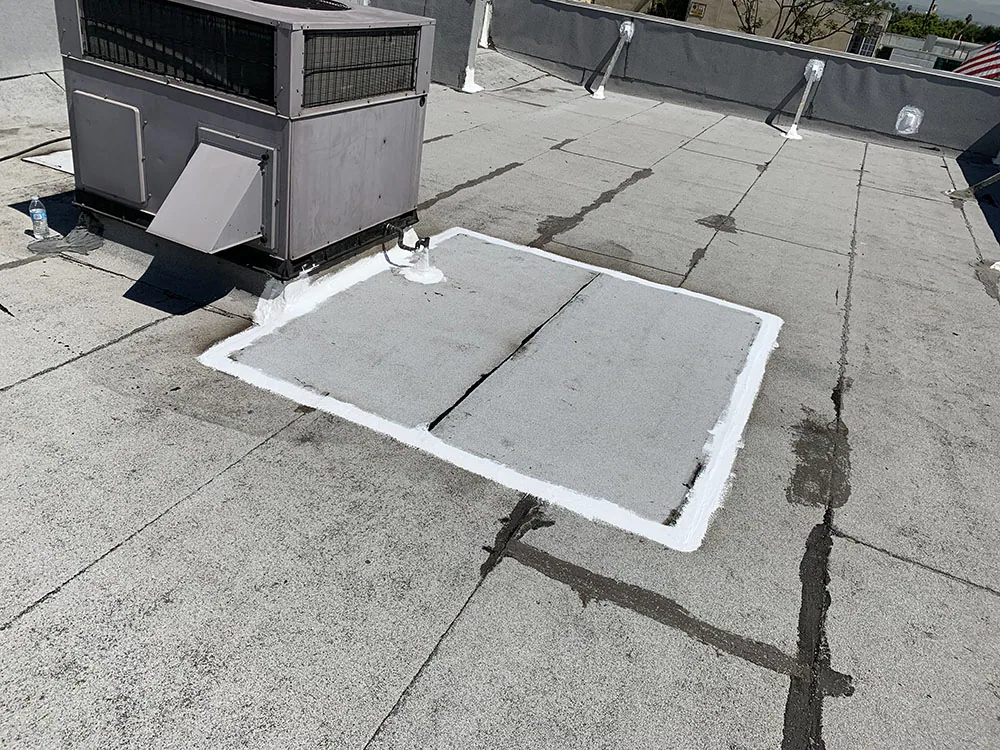
Rooftop units are logged with their curb type, flashing and condition. A tenant who adds a unit without notice leaves a penetration that the manager inherits, and the log shows when it appeared.
The Portfolio Table and the Owner's File
The portfolio table has one row per roof section. Columns show building, section, roof type, approximate age, rating, the finding that drives the rating and the next action. A manager can sort by rating to see the worst roofs and by owner to prepare a report.
Behind the table sits the owner's file for each building: tagged deck photographs, a sketch, a drain and scupper log and the condition summary. When a building changes hands or a manager leaves, or when a general contractor needs the history before a tenant build-out, the file stays, and the next person starts with facts and not a search through old e-mail.
Photographs inside accompany the roof set where the manager can reach the space. A ceiling stain, its room and its date appear beside the roof section above, which makes a tenant conversation specific and short.
Ranked Scope Lines for Budget Season
Scope lines are written so that a budget can use them. Each states the finding, the quantity from the walk and the option, whether repair, coating, section replacement or full replacement. A manager can add the lines for a building and see a range, and add buildings and see a portfolio.
Tenant operations are part of the line. Work over a restaurant avoids the lunch peak, work over an office avoids meeting hours and work over a clinic avoids appointment blocks. A preventive maintenance line is listed beside repairs so that small tasks do not wait for a failure.
Access and hours are part of each line. A lift staged in a customer lane, a crane pick over a service drive and a ladder at a rear wall each have different costs and constraints, and the line names the one that applies.
A Spring Baseline Across the Portfolio
In the Valley the tropical season occupies June through October while flood readiness continues all year. A baseline taken in spring across every building records edge metal, seams, sealants, drains and scuppers while roofs are dry. Pull samples taken from perimeter fasteners show how much holding power is left.
The baseline helps a manager prioritize before a storm. If a system is moving toward the coast, the manager can call the buildings with the weakest ratings first, confirm that drains are clear and secure loose items, and know which roofs have the least margin.
Heat is part of the baseline. Sealants, coatings and seams age through May to October, the span the weather service in Brownsville treats as heat-safety season. Each spring the coating film and the sealant elasticity are logged, so aging is a measurement and not an assumption.
Post-Storm Comparison for Tenants and Insurers
When a named storm has passed, every section is walked again and photographed from its earlier vantage points. Hanna's July 2020 winds along I-2, estimated at 60 to 65 mph, damaged many poorly built Valley structures at the roof, and Dolly in 2008 lifted older roofs near Weslaco. A portfolio with a baseline can sort new damage from old in a day.
The manager then gives each insurer a short, dated list and gives each tenant a plain status of their bay. The comparison also shows which buildings did not change, which is useful information when occupants ask whether it is safe to return.
Gutters, downspouts and canopy drains are walked as part of the comparison. Flooding in the Mission, La Joya and Sullivan City area during Hanna came from poor drainage, and a manager who has the drain log can see at once which outlets failed and which held.
Options, Recommendation and Reporting
For each building the summary lists the options, the finding that favors each and the recommended order. It also says what the manager should do between visits: keep drains clear, log new stains with dates and restrict rooftop access. Those habits cost little and keep the file useful.
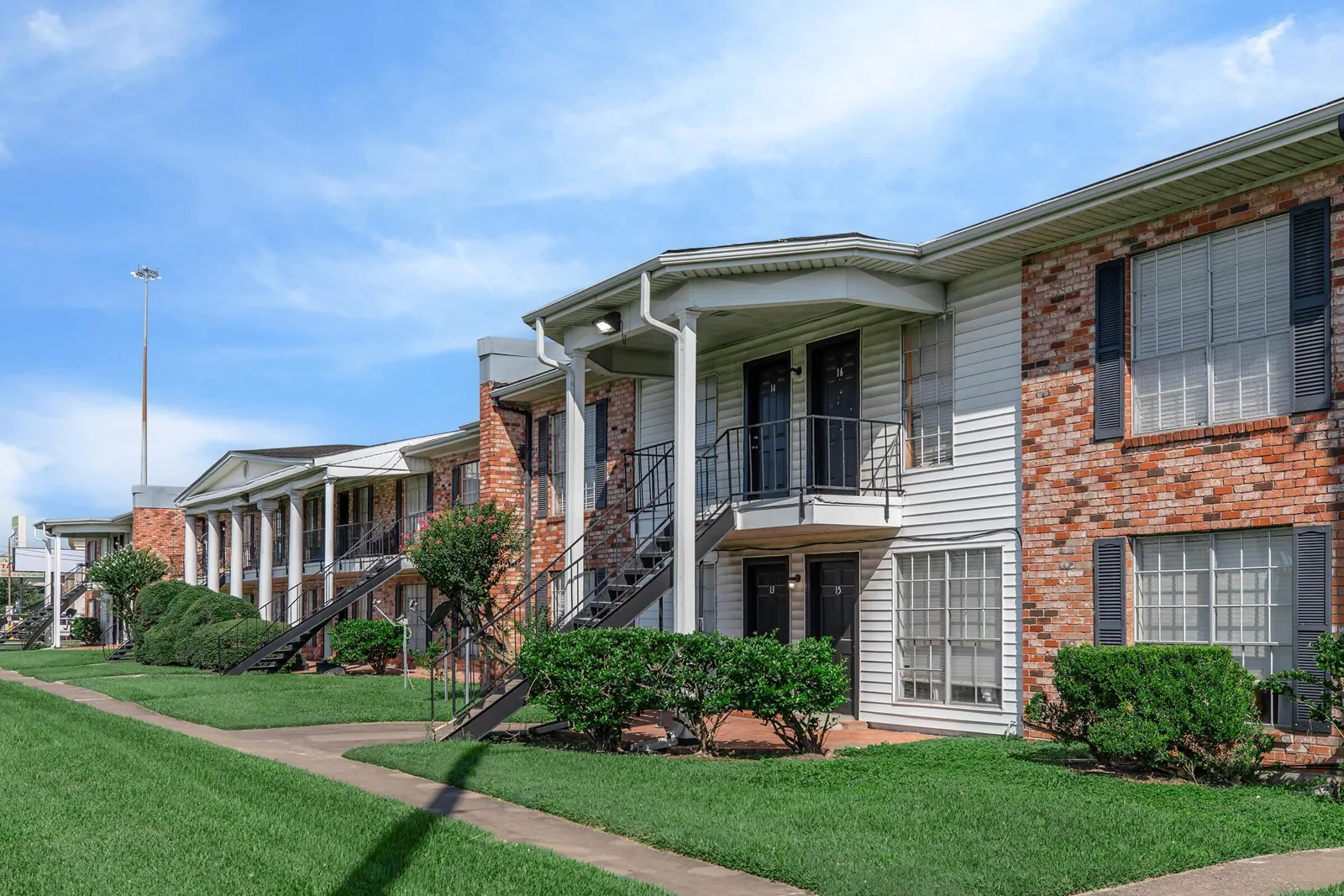
The same format covers office buildings, shopping centers and apartment communities in Mission and McAllen. A multi-site roof program extends it across a metro of roughly 921,500 residents, and owners and investors can read it directly.
Where a manager's budget is tight, the recommendation separates what must be done this year from what can be monitored with dated checks. A monitored finding carries a date and a trigger, such as a second stain or a failed drain test, that would move it to the repair list.
Questions and Answers
How should a manager rank roofs across a portfolio?
By rating and consequence together. We recommend one scale for all buildings, with the finding that drives each rating and the rooms below it. Sort by rating first, then by occupancy, and set the budget from the top of the list.
What belongs in the file for each building?
Photographs with tags, a sketch carrying moisture readings, the drain and scupper log, the latest condition summary and the warranty papers. We recommend keeping a copy with the manager and a copy with the owner.
What visit schedule keeps the portfolio file current?
One walk each spring and another after any named storm or heavy rain, with a short fall pass for drains. Each visit adds to the same file, so trends show.
Can the report be used with an insurer?
Yes. We recommend sending dated photographs from before and after a storm, with the sketch and the scope lines. The record shows exactly what changed.
What if a tenant adds rooftop equipment?
Inspect the area first and log the new curb. We recommend a note in the file of the unit, its flashing and the surrounding membrane, so later leaks can be traced.
Does a coating reduce maintenance?
It can protect a sound, dry membrane from heat and sun. We recommend a moisture map first and a film check after, and a yearly look at drains in either case.

Request a Documented Inspection
Ask for a documented inspection of your portfolio. The written condition summary will include tagged photographs, rooftop sketches with moisture readings, drain and scupper logs and ranked scope lines you can reuse for budgeting or an insurance conversation.