
Service Areas
Commercial Roofing in Pharr, TX
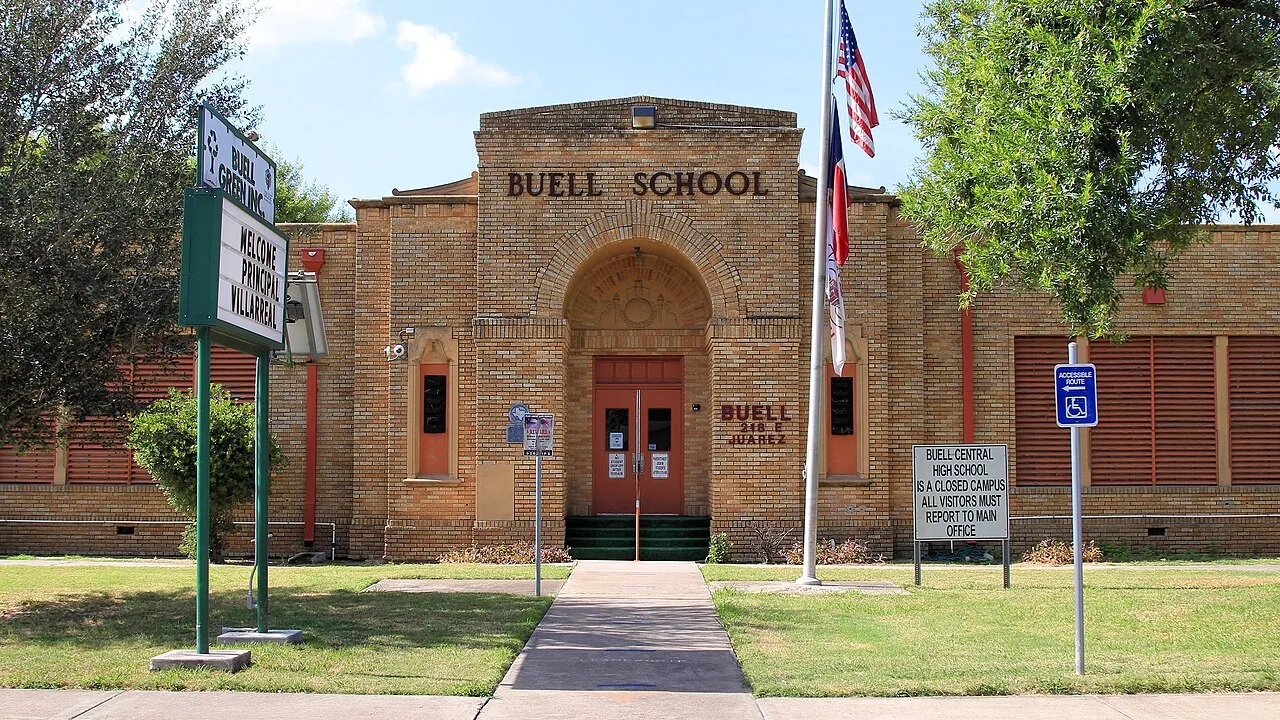
The roof edge nearest the highway gets the first dated photograph on a Pharr, TX sheet. The city had 79,715 residents in 2020 and operates the Pharr-Reynosa International Bridge, so the roads around it carry trucks, and the commercial buildings along those roads range from warehouses to retail centers and offices. Interstate 2 and US 83 run east and west through the city, and US 281 runs north and south, joining I-69C north of the city center. A roof beside busy roads collects dust and exhaust film, and its drains collect the debris.
The record that follows is the same on every building: edge, seam, drain, moisture, then a recommendation tied to the finding.
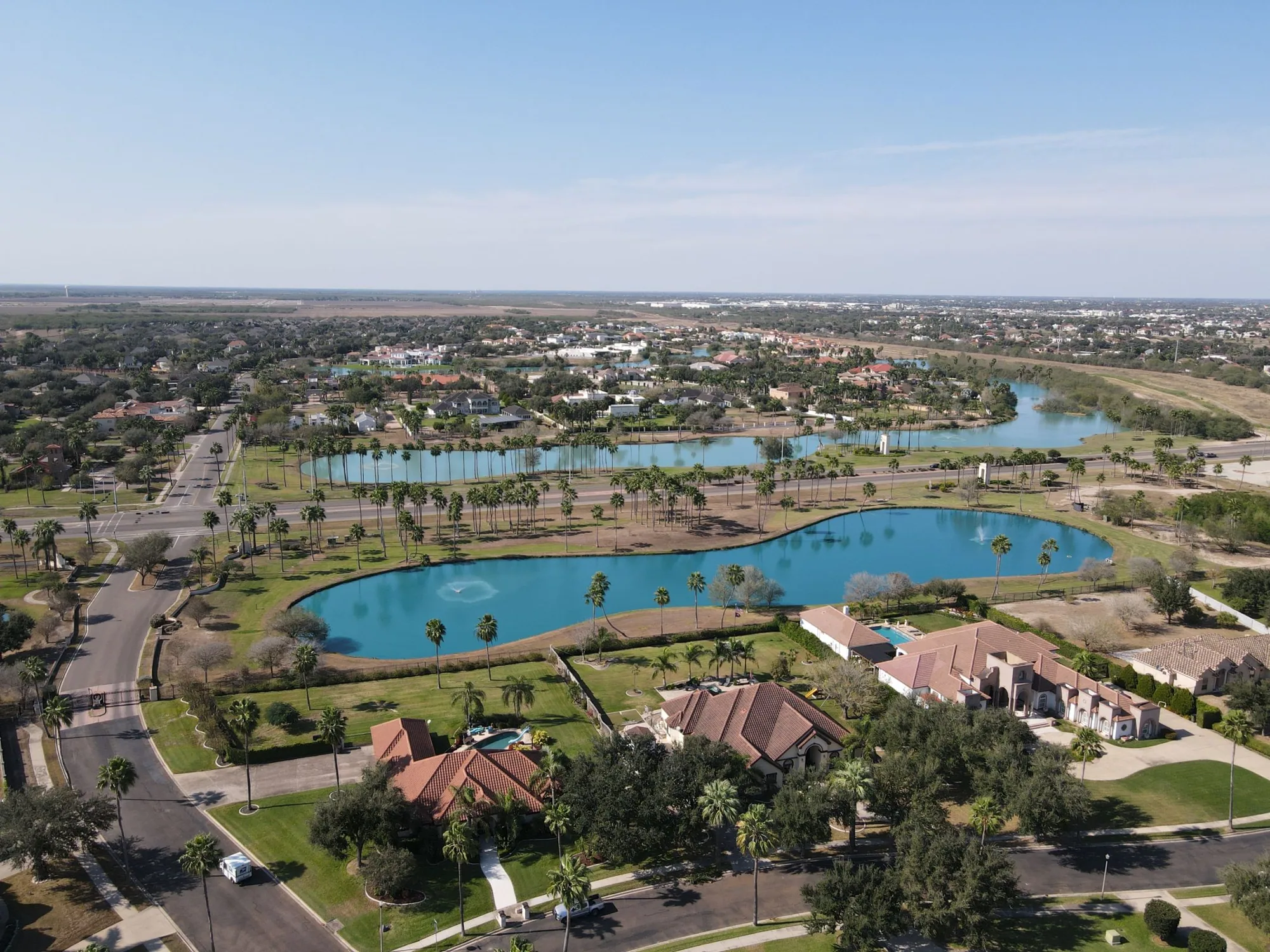
Highway Corridors and the Roofs Beside Them
I-2 curves northeast around Pharr and meets I-69C and US 281 north of the city center. Buildings along those corridors sit beside dust, exhaust and truck movement, and their roofs can collect all three. Dust and soot reduce reflectivity, and clogged drains hold the debris. A surface that has gone gray from dirt absorbs more heat than a clean one, which raises rooftop temperature in the same months when the weather service lists heat-safety concerns across the Valley. We log the condition of the surface, mark the drains and recommend a cleaning schedule where it helps.
Access follows the same roads. A crane needs a lot that can take its outriggers. A dumpster needs a spot that does not block a truck lane. We draw the haul route and the laydown area on the first page of the scope and share it with every trade that will arrive.
On a lot beside a major route, deliveries also need a window. Trucks that arrive during rush hour stack up on the access road, and a crane that waits for a lane to clear costs money by the hour. We schedule material drops for off-peak times, confirm the entrance width with the driver in advance and name a person on site who can direct traffic. The plan is short, specific and posted at the gate.
What Dolly Left on Pharr Roofs
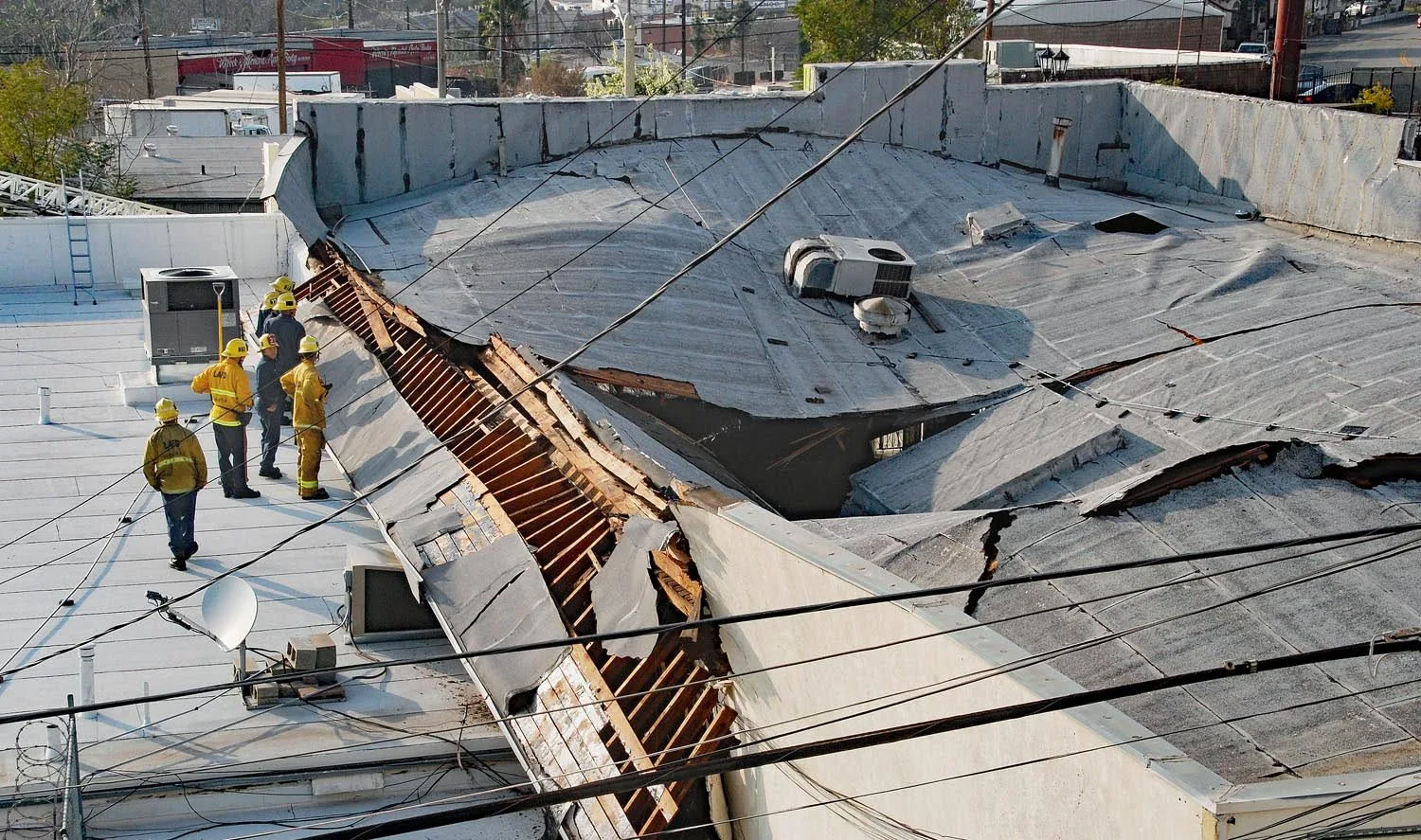
Dolly in 2008 reached Pharr with the same gusts of 50 to 70 mph that crossed populated Hidalgo County, and the damage there was minor. We read the signs of that kind of exposure on today's roofs, which is a short walk along the perimeter with a camera, such as loose edge metal, a curb flashing that has lost its seal or a seam with a small gap, and log them before the next named storm.
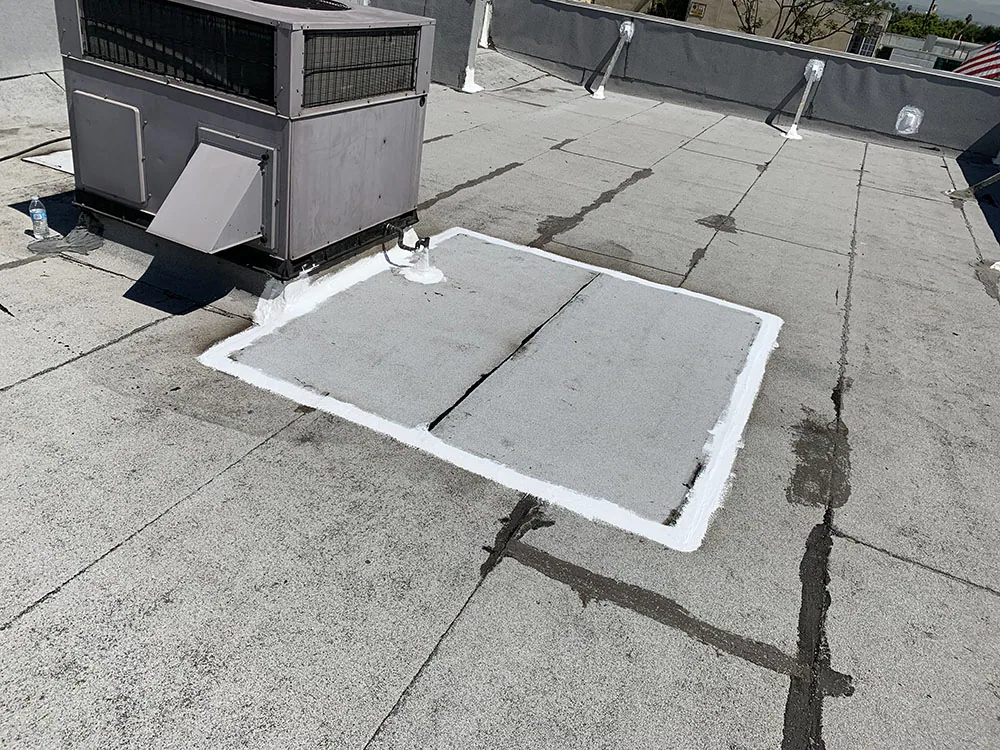
The baseline that results is simple, and it is the same one a wind damage repair estimate starts from. Dated photographs of the perimeter, the corners and every penetration, with fastener pull samples at the edges. After a storm, the comparison shows what moved.
Warehouse and Retail Buildings
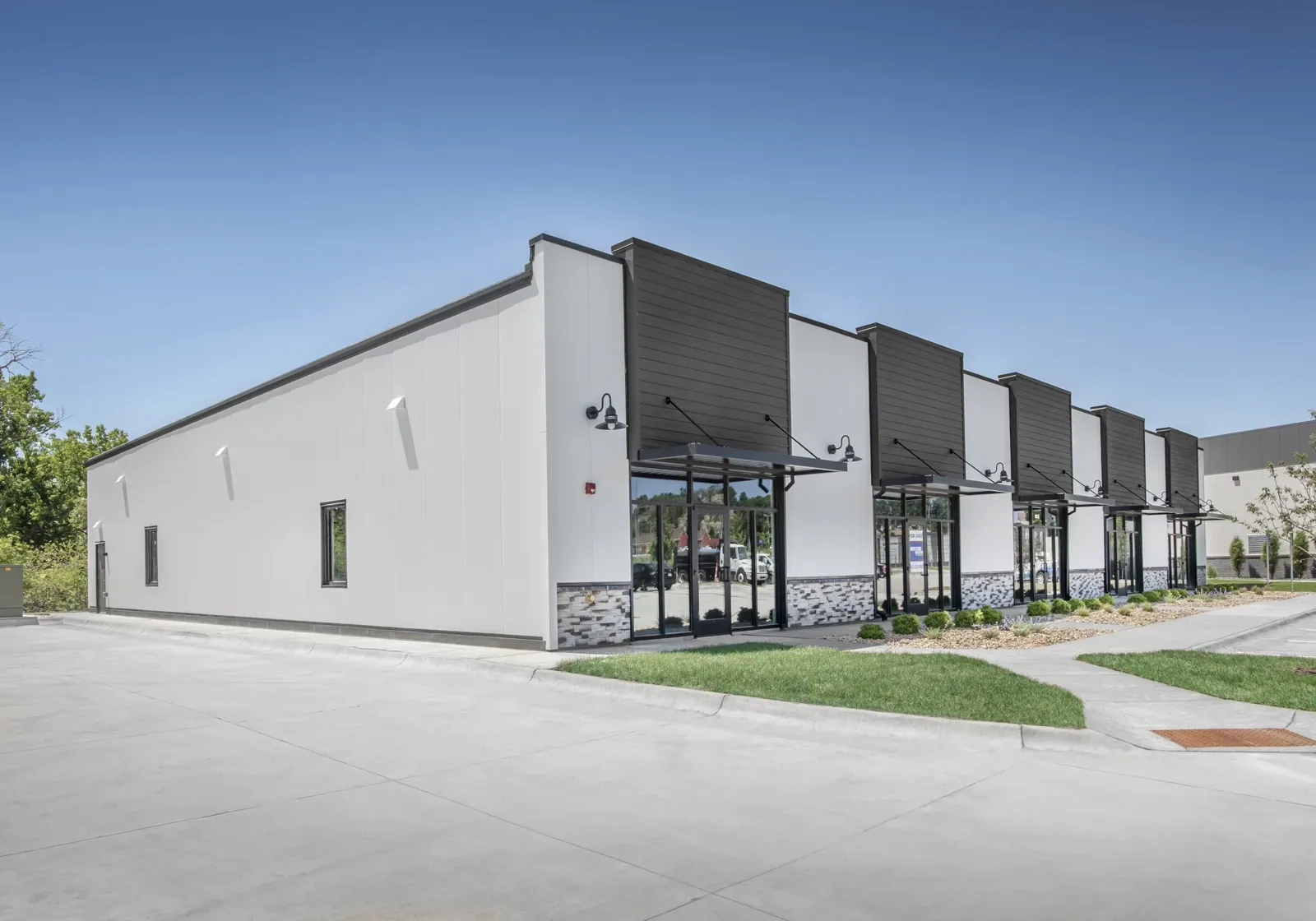
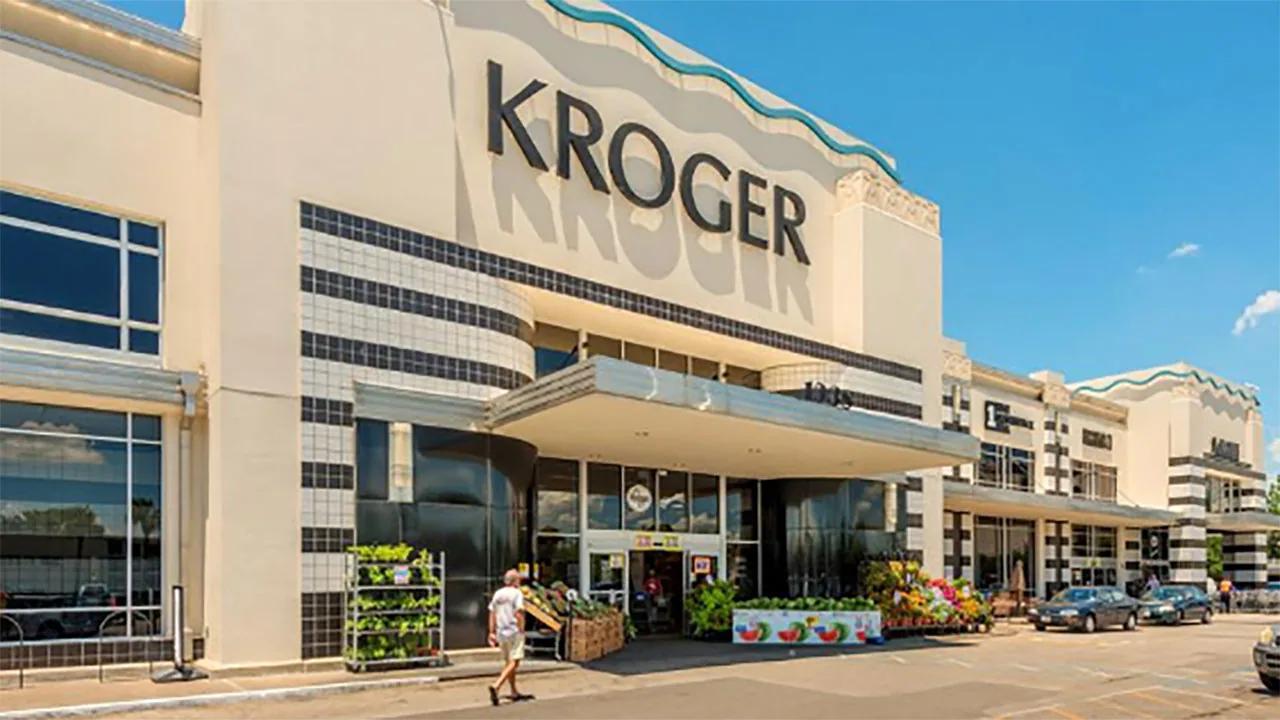
A warehouse roof near the bridge corridor has long drainage runs and few penetrations. A shopping center roof has many penetrations and customers who need the front door. Each needs a different phasing plan: the warehouse is sectioned along its drainage lines, and the retail center is sectioned by tenant. Both plans name who signs the daily closeout, and both give the owner a single page that shows which sections are open, which are dried in and which are finished.
The warehouse plan also tracks the dock doors. A section of roof above a dock needs extra protection during tear-off, because a leak there reaches the goods being loaded. We stage tarps, plan the dry-in for that section first and schedule it for the quietest hours. The retail plan tracks the entrances and the signage, because a tenant who loses a sign loses visibility from the road. A parapet sign that needs to come down is coordinated with the tenant, and a canopy that needs to be flashed is scheduled for a morning when the store is not at peak.
Both also benefit from a preventive maintenance calendar, with drain cleaning before June and a post-storm check in the fall, which is also the moment to confirm that the walk pads are still in place. The calendar names the date of each visit, the items to be checked and the person who receives the report, so the cleaning and the check do not depend on anyone's memory.
Sun, Heat and the Cool Surface
From May through October, the Valley's heat-safety months in the Brownsville forecast office's terms, rooftop temperatures press hard on every seam and coating. Thin areas along walkways and around drains are marked for recoating, and bare membrane is marked for cleaning or protection. A coating that has been applied over a dirty surface will lose adhesion, so a failed coating is cut open for a test patch to find out whether the coating or the substrate is at fault. The answer decides whether a recoat will hold.
Reflective surfaces have value only when they stay reflective. A white sheet that collects soot from nearby traffic needs cleaning, and a gray coating that was once white may be due for a topcoat. We photograph the surface in full sun, note the color, and recommend the cheapest way to restore it.
Options and Cost Drivers
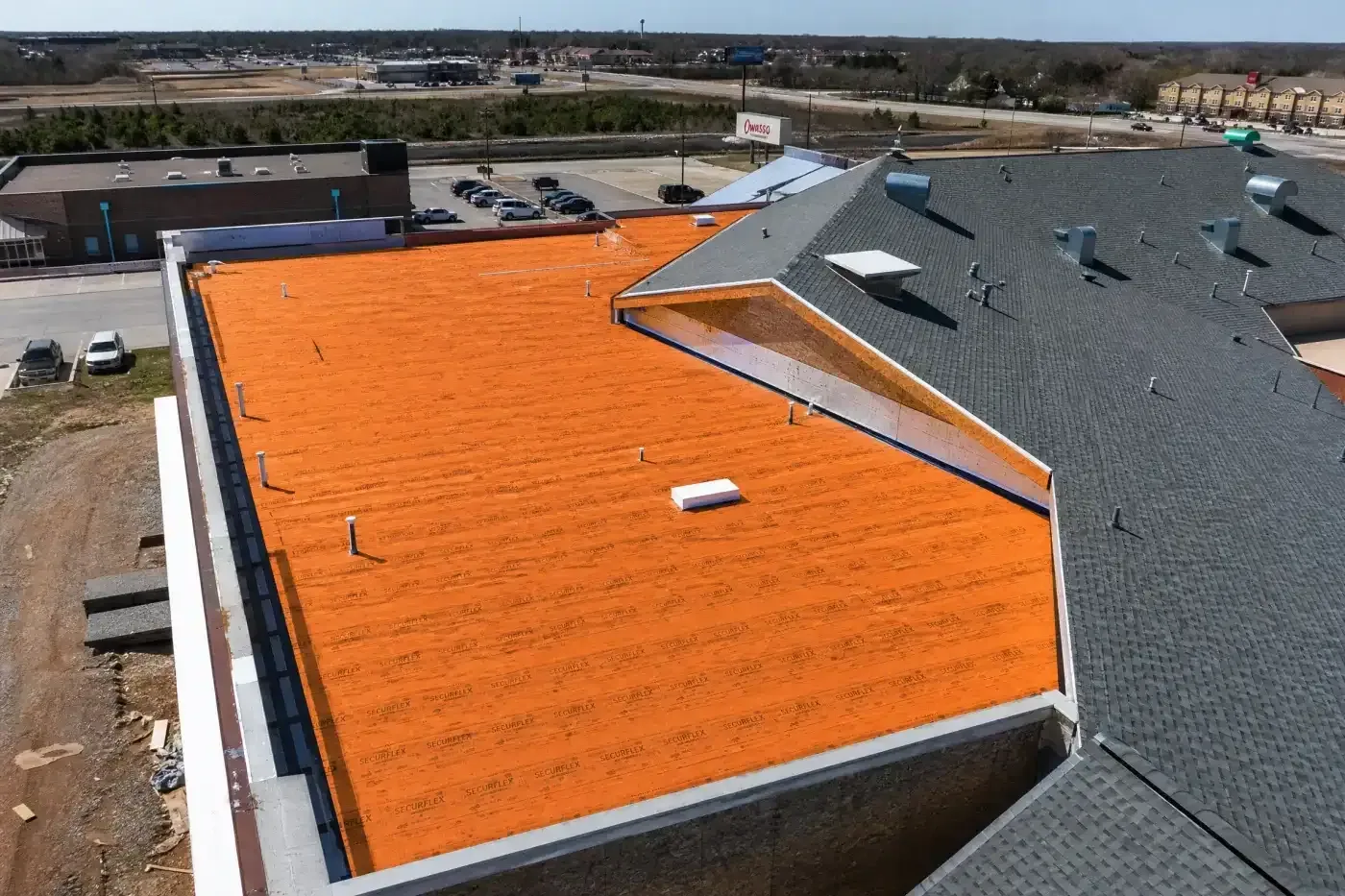
The options follow the findings. A repair for a local defect, a coating for a spent surface, a recover for a dry roof, a replacement for spread moisture. Price depends on area, penetrations, insulation replaced, access and the length of the dry-in window. A recover saves tear-off when the deck and insulation are dry, and a replacement resets the clock and lets the owner correct slope and drainage. Tapered insulation, a re-set drain and a cover board are the usual tools, and each is priced on its own line so the owner can decide how much of the correction to buy now. Where a replacement is chosen, the tear-off is planned in sections, the schedule names the sections and the closeout lists who signs.
For owners with buildings in Mission, McAllen and Pharr, the same condition format applies to all three, which lets them rank the roofs by risk and spread spending across years.
Questions and Answers
How does highway traffic affect a roof?
Dust, soot and exhaust collect on the surface and in drains, reducing reflectivity and holding water. A cleaning schedule and a drain log keep those effects visible, and the surface photographs taken in full sun show how much color has been lost since the last visit.
Why photograph the perimeter before hurricane season?
Edges are where wind starts. A dated set of perimeter photographs before June gives a baseline for comparison after a storm, and a fastener pull sample at the corners shows where the attachment is weakest before wind finds it.
Can a retail center stay open during reroofing?
Yes. The plan sections the roof by tenant, keeps entrances open and schedules noisy work for agreed hours, and each tenant receives a notice naming the day their section opens and the day it is dried in.
What is a coating film check?
A measurement of coating thickness at several points on the roof. Thin spots along walkways and drains are marked for recoating, and the readings are logged so a later visit can show how fast the film is wearing.
When should a replacement be planned?
Plan one when moisture has spread through the insulation or the sheet has reached the end of its service.
Request a Documented Inspection
Ask for a visit to your Pharr, TX roof and receive a written condition summary with tagged photographs, a rooftop sketch and a moisture map. The summary states which findings call for repair, coating or replacement, and it can be reused for budgeting or an insurance conversation. Start from the contact form.