
Industries We Serve
Roofing for Manufacturers in Mission, TX
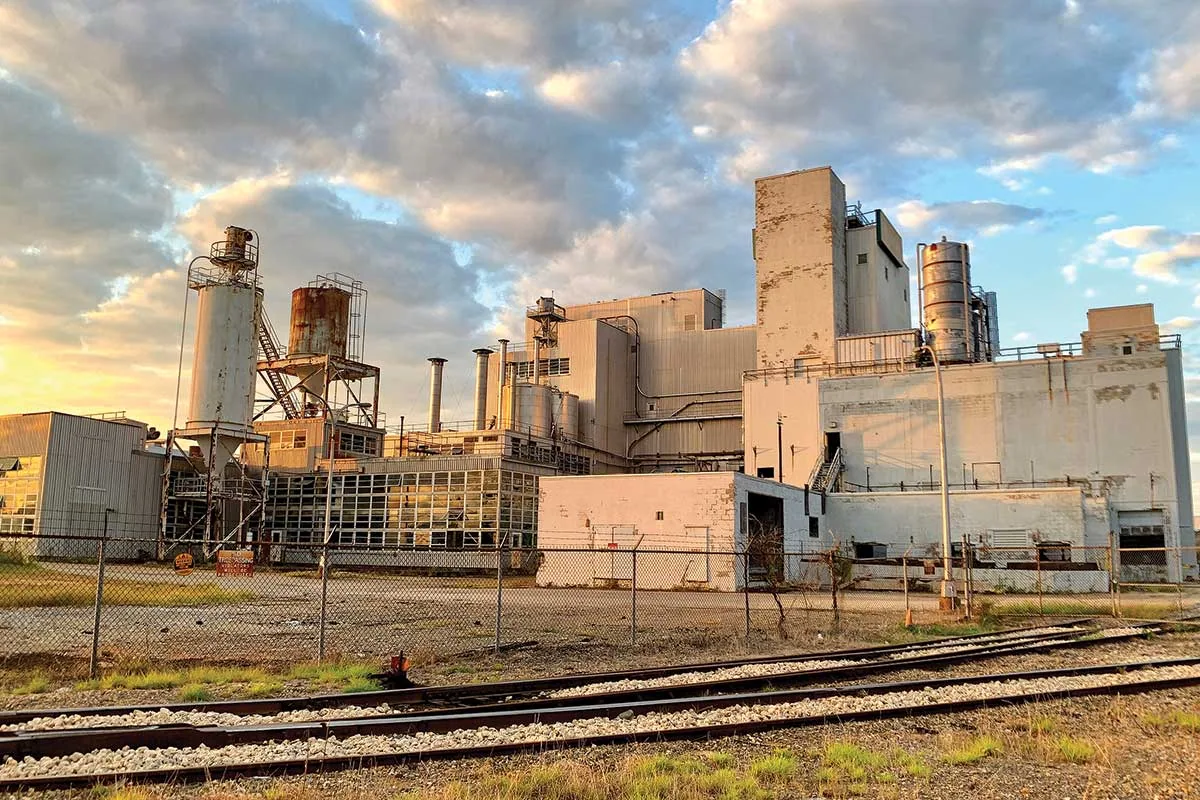
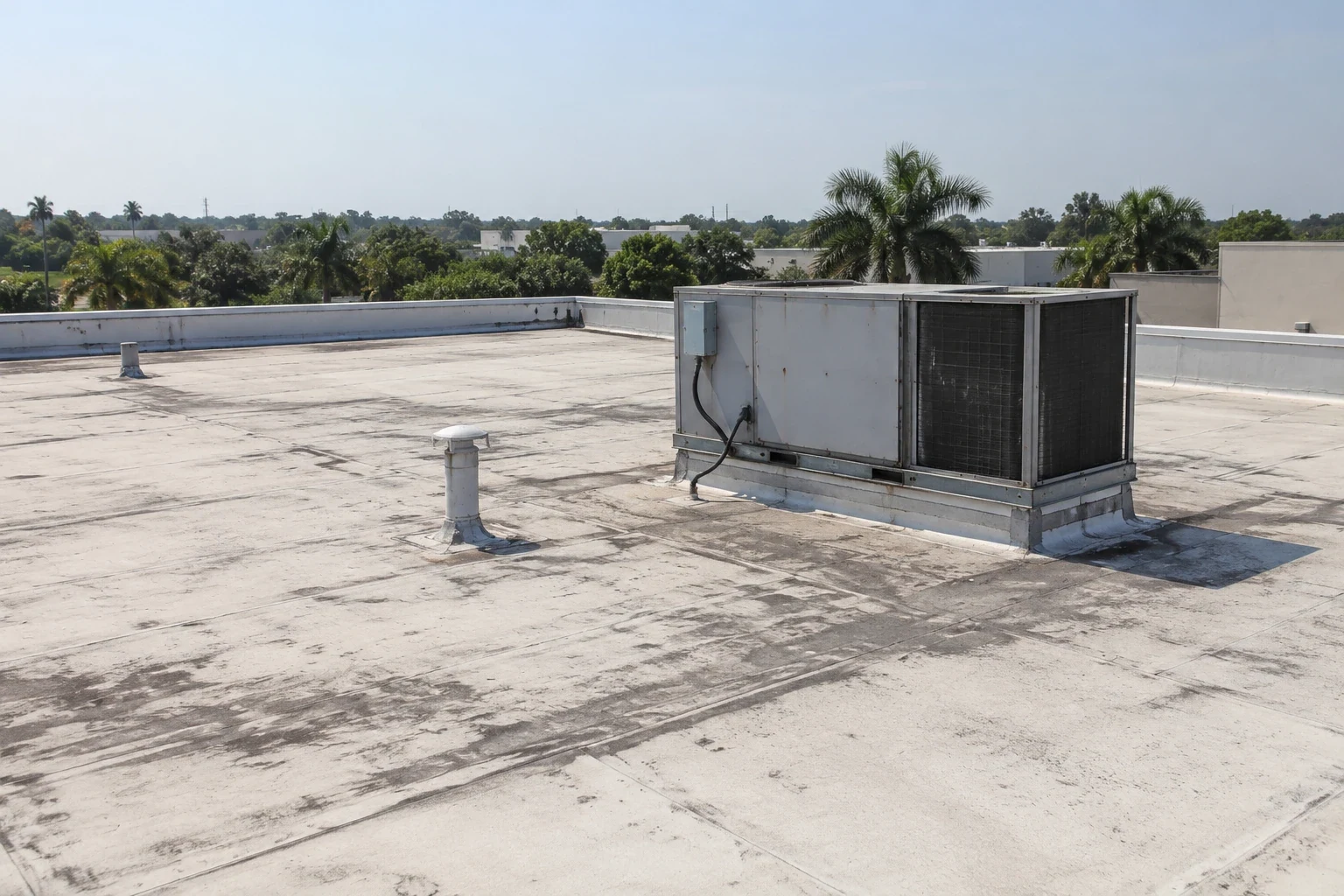
On a plant roof the first dated photograph usually goes to the area around an exhaust fan, where the membrane has changed color or texture. A stained, soft or tacky surface near a discharge point is a finding with a cause, and the inspector writes the location, the size and the reading from the moisture meter before moving on. That entry sets the order of the rest of the walk.
Manufacturers in Mission, TX and the surrounding cities run roofs that carry process exhaust, rooftop units, piping and cable trays across a long heat season. A plant roof is logged one finding at a time: tagged photographs, a sketch of the roof and a drain log, which let a plant engineer and a corporate facilities group read the same record.
Findings Specific to Plant Roofs
Four findings recur. Exhaust discharge softens or stains membrane near fans. Penetrations left by retired equipment were capped quickly and now leak. Service traffic wears the surface along routes to the units. Humidity from inside condenses on the underside of the deck and wets the insulation from below.
Each one is rated separately because each calls for a different repair. A stained membrane may need a protective pad. An abandoned curb needs a proper flashing or removal. Wet insulation needs a moisture map and a core sample to confirm its extent, and the summary gives the area and the likely cause.
Roof drains near process areas are flow-tested. A drain that backs up during a test is logged with the time and depth, since a pond beside heavy equipment loads the deck and can put water on electrical gear after the next storm.
Skylights and smoke vents on older plant buildings are rated individually. A cracked dome over a production area is easy to see and a loose curb is not, so both are photographed and tagged.
The Plant File and the Equipment Schedule
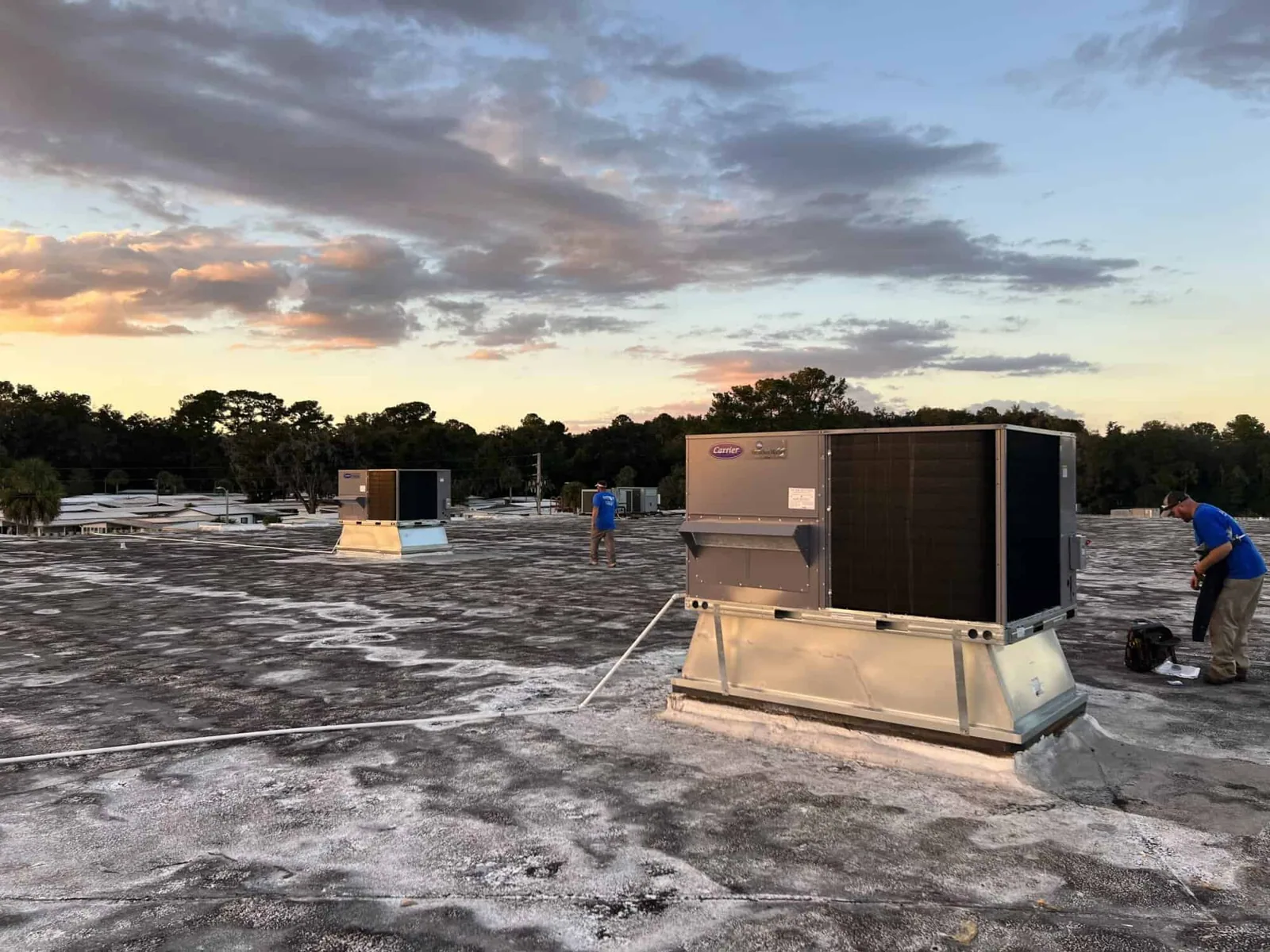
The record is tied to the plant's equipment schedule. Every unit, vent and stack on the roof is listed with its curb, its flashing and its condition, and retired units are flagged. A curb that serves nothing becomes an action item, not a mystery in the corner of the roof.
The condition summary also lists the roof sections by the production area below them. A leak over a sensitive process line or an electrical room ranks above the same leak over storage. A plant engineer can read the ranking and see which repair affects output.
Where a plant has expanded, the record notes the age of each addition where it is known. Newer sections may have different membranes or insulation from the original, and the table shows the difference so repairs use compatible materials.
Photographs of the interior side accompany the roof set where the plant allows it. A stained ceiling panel, its location and its date sit beside the roof section above, so a conversation with the production team starts from the same picture.
Scope Lines Built for Production Windows
Scope lines are written to fit production. Each names the finding, the area from the moisture map, the option and the access method. It also names the constraints the plant sets: lockout rules, hot work permits, quiet hours for sensitive equipment and exclusion zones around active exhaust.
Work over live lines is phased by section with protection below and temporary dry-in ready every evening, whether the plant is a corporate site or a contractor's job led by a general contractor. A rooftop equipment curb and support line adds the reset of units after the membrane is complete, with the shutdown time agreed with the plant's maintenance lead.
Warranty status is checked first. If a maker's warranty is still in force, the scope lists who must be notified and which repairs the maker accepts, since a repair outside those terms can end coverage.
A Pre-Storm Baseline for Plants
A plant that stops for a storm loses output, and one that is damaged by a storm loses more. Edge metal, fasteners, drains, scuppers and the condition of each curb are logged in spring, ahead of the June-to-October tropical season. A fastener pull sample on the perimeter shows what holding power remains.
The baseline lists rooftop equipment that could move in high wind and assigns each item to a person. The Valley's heat-safety season, May through October by the Brownsville weather office's calendar, adds long solar load, and film condition and sealant elasticity are logged each spring to track aging.
Gutters, if the plant has them, and downspouts at loading areas are logged with the drains. A downspout that discharges against a wall during a heavy rain can erode the base or flood a dock, so the log notes where each one ends.
Post-Storm Comparison and Claims Evidence
Once a named storm is over, the sections are walked again and photographed from the same positions used before. Roofs took most of the damage Hanna did to hundreds of poorly built Valley structures in July 2020, and Dolly in 2008 lifted older ones near Weslaco. A plant with a baseline can show an insurer exactly what changed and when.
The comparison produces a short report: new findings, their locations, the likely repair and the production areas affected. It lets the plant decide quickly whether to run, to restrict an area or to call for emergency protection, and it supports a claim with dated evidence.
Interior photographs belong in the set as well. Wet floors, stained panels and damp walls near a production line are tied to the roof section overhead, which narrows the search before anyone cuts.
Options, Recommendation and Capital Planning
Every roof section gets a list of options, each tied to the finding that favors it. A membrane that is dry and sound but weathered at the surface may take a coating. Insulation that is wet in scattered places may justify section replacement. A roof with widespread saturation may need replacement, timed to a planned shutdown.
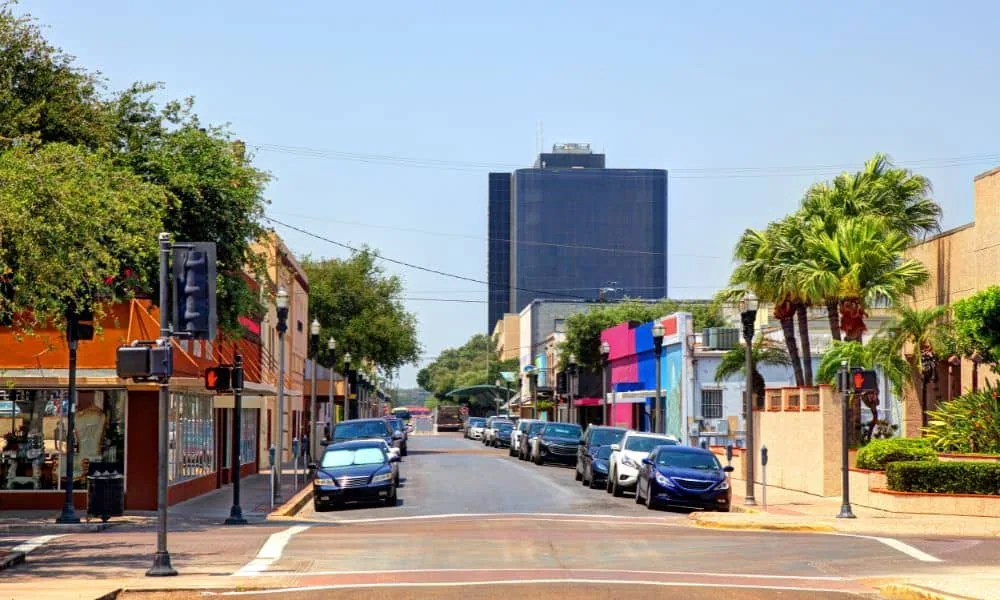
Mission's economic development office names manufacturing among its growth sectors, and the metro's economy leans on trade across the border. The same format serves a manufacturing plant, a flex industrial building or a warehouse in Mission, Donna or Elsa, and logistics operators that share a campus.
The recommendation ends with a short maintenance list: clear drains each season, protect walking routes with pads and log every new stain with a date and an area name. Those habits keep the next inspection short.
Questions and Answers
How does exhaust discharge affect a plant roof?
It can soften, stain or crack the membrane near the fan. We recommend photographing each discharge point, testing the surface and installing a protective pad or a more resistant membrane where the wear is clear.
Can a plant roof be repaired without a shutdown?
Often, in sections. We recommend phasing by area, protecting equipment below and agreeing on stop conditions with the maintenance lead. A planned shutdown suits the largest sections.
What belongs on the roof equipment schedule?
Each unit, vent and stack with its curb, flashing, service path and status. We recommend flagging retired units for removal or proper capping.
How do you find wet insulation under a plant roof?
With a moisture map confirmed by core samples. We recommend mapping before any decision between coating and replacement, since a coating over wet insulation fails early.
Who handles hot work permits?
The plant does. We recommend asking the safety coordinator to review the permit scope with the crew lead before the first shift.
What visit schedule keeps a plant roof file current?
A spring walk and a post-storm walk, plus a short fall pass for drains and equipment curbs, keep the file current. Each visit updates the equipment schedule and the production-area ratings.
Request a Documented Inspection
Ask for a documented inspection of your plant roofs. The written condition summary will include tagged photographs, a rooftop sketch with moisture readings, an equipment schedule, a drain and scupper log and scope lines you can reuse for budgeting or an insurance conversation.