
Service Areas
Commercial Roofing in Palmhurst, TX
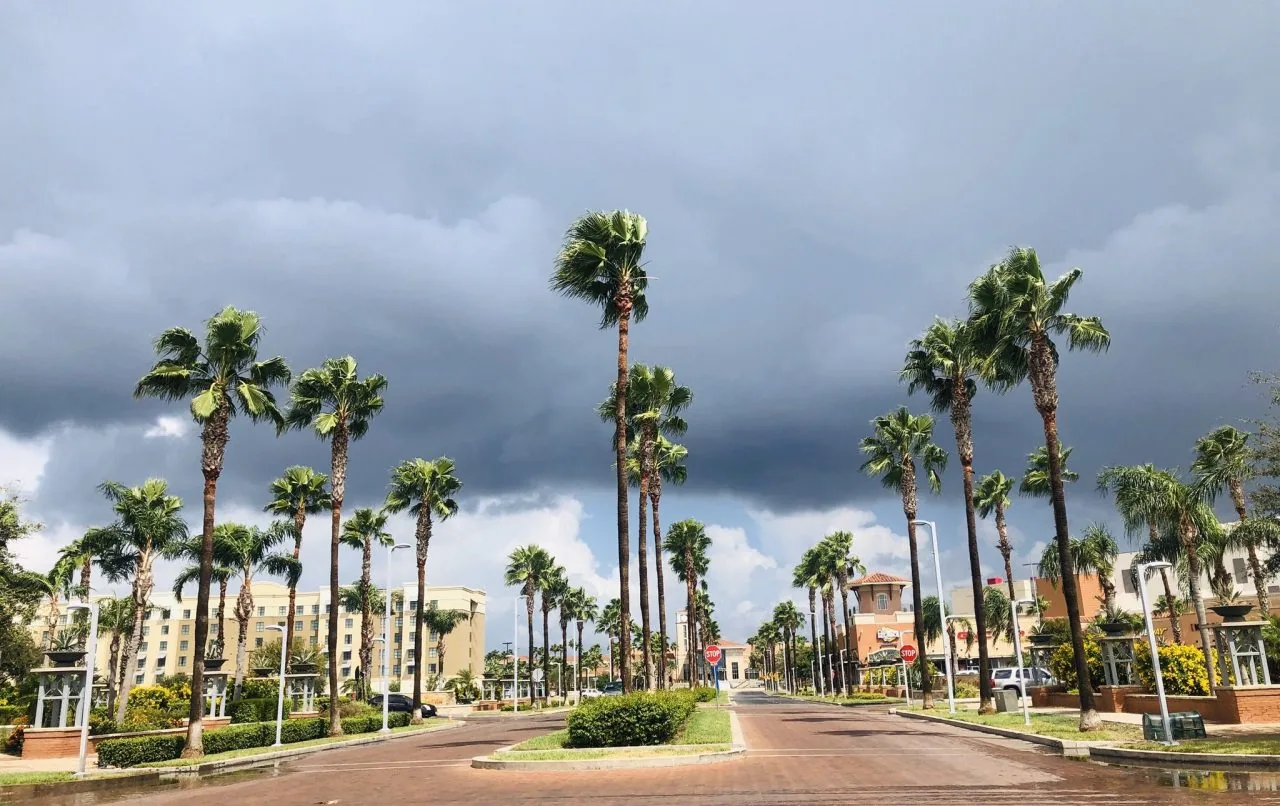
State Highway 107 is the road a crew takes to reach a Palmhurst, TX roof, and it is also the road that decides the day's schedule. Palmhurst had 2,601 residents in 2020 and is bordered by Alton to the north, West Sharyland to the west, Mission to the south and McAllen to the east. Downtown McAllen is about 8 miles southeast, and the Rio Grande about 7 miles south. Whatever the building, the roof is inspected, recorded and priced on its own findings, and the owner receives the sketch and the photographs whether or not a repair follows.
We begin with the edge nearest the highway and move around the building in a fixed order. The fixed order keeps the record comparable from one visit to the next. Edge, corner, penetration, drain, field and seam: six steps, each with a photograph, a date and a note. A property manager who receives the record can open it beside last year's and see in minutes what changed.
Haul Route and Laydown on a Highway Corridor
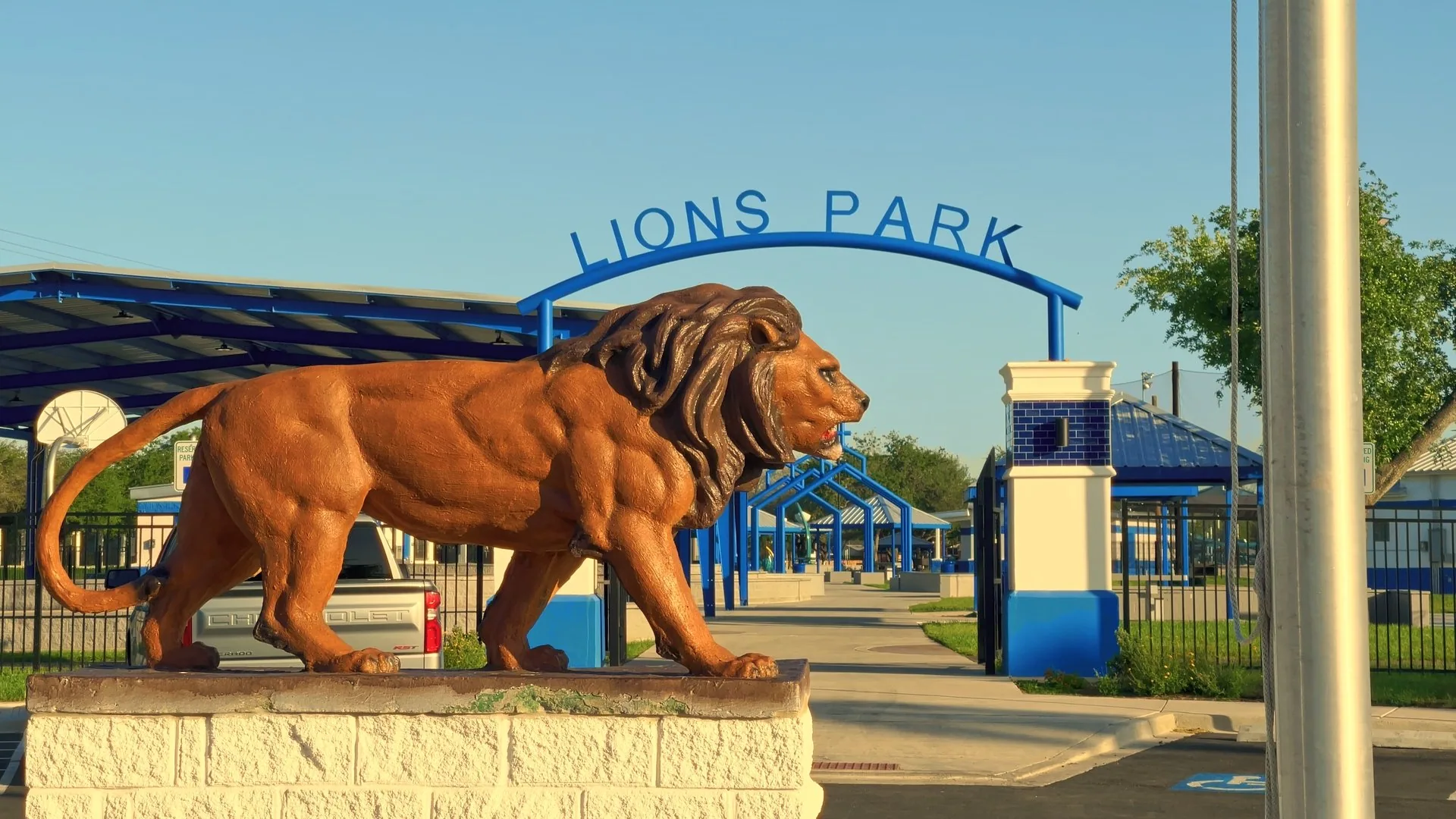
State Highway 107 is the main road through town, so deliveries, crane picks and dumpster swaps all happen on or near it. We measure the lot entrance, check for overhead lines and decide where the truck stops. Material arrives in loads sized to the day's work, and the laydown area sits away from customer parking. If the lot is small, a single flatbed unloads and leaves before the next one arrives. A flagger stands at the entrance during deliveries, and the crew lead walks the route with the driver the first morning. We ask the property manager which tenants receive deliveries by truck, since a roofing flatbed and a supplier's truck should never meet at the same door.
The first page of the scope shows the route, the crane location and the laydown area, and neighbors in McAllen and Alton who share the highway see the same plan. Everyone who will touch the site receives a copy, including the property manager and any tenant whose entrance is affected.
Heat Season Records on a Compact Roof
Between May and October, the Valley's heat-safety season, commercial roofs here take months of steady solar load on membranes, seams and coatings. We photograph each penetration, number it on the sketch and record the condition of the sealant and the sheet around it.
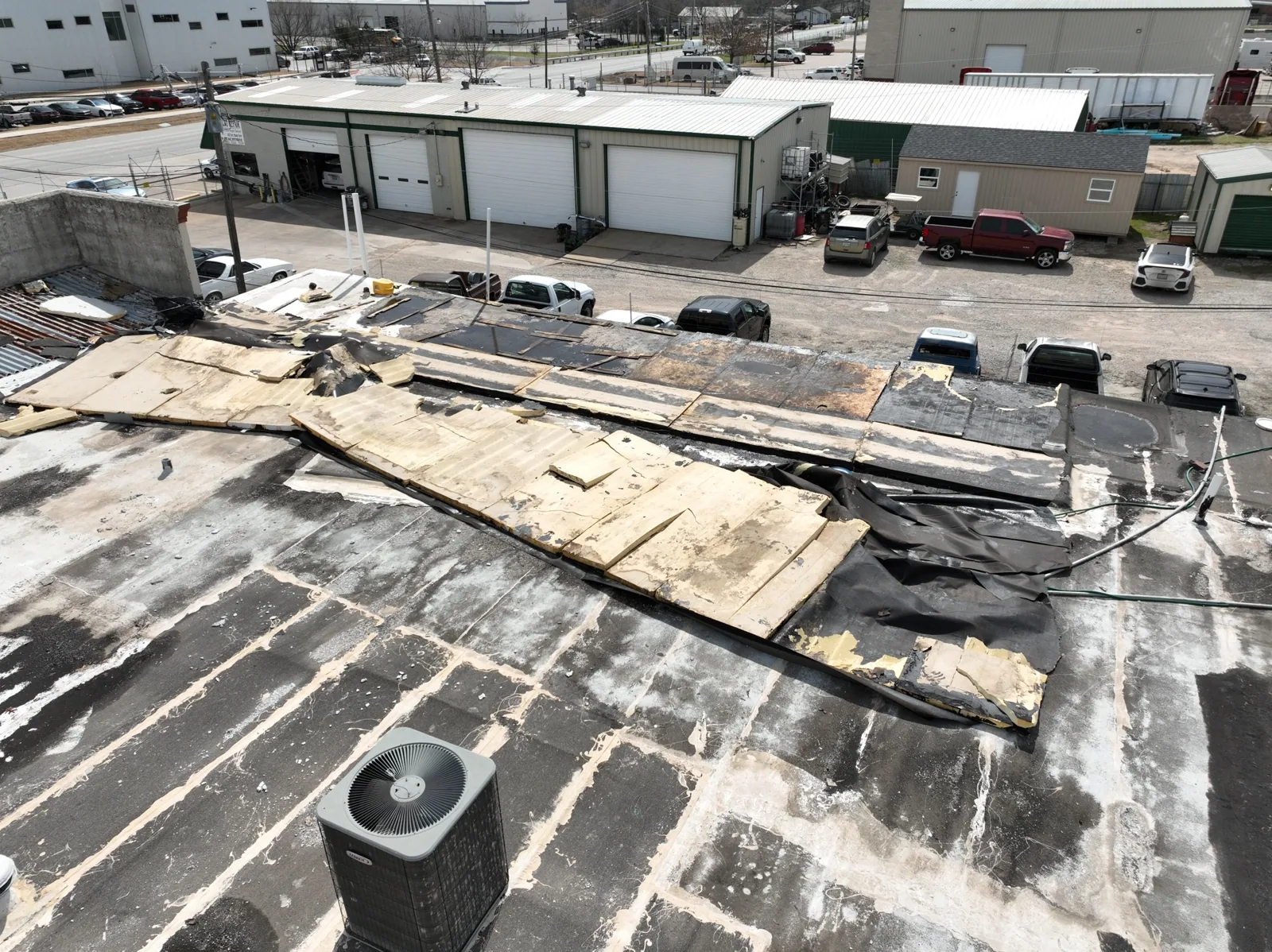
The same sketch carries moisture readings. Small roofs can hide a lot of water in a small area, and a few wet squares near a drain can lift a membrane, and a map of the readings shows whether a stain is local or part of a wider pattern. When the pattern follows a seam or a parapet line, the leak path is probably linear and the repair can be too. When the pattern spreads across the field, insulation is saturated and the conversation turns to replacement, with the map as the evidence.
Surface coatings, where present, are checked at the same visit. Thickness readings taken at several points show where the film has worn, and the thin strips along walkways and around drains are drawn on the sketch. Peeling, blistering and pinholes each get a photograph and a note, because each points to a different cause and a different fix. Each reading is dated and tied to its numbered location, so a second visit can be laid over the first without guessing which curb or seam is meant.
Small Commercial Buildings and Strip Roofs
A strip of storefronts shares one roof, but the tenants do not share the same tolerance for noise or the same hours. We divide the work by tenant, give each a notice and schedule the noisiest steps for the quietest times. A medical office wants the hammering done before the first appointment, and a restaurant wants the roof closed before the dinner rush, with the exhaust fans protected from debris while the sheet is open. The plan names the days and the sections. Each tenant space gets its own entry on the sketch, so a leak in suite C is not recorded against suite D, and the notice that goes out lists the date, the hours and a phone number for the crew lead. Tenants with sensitive equipment, such as a lab or a server closet, are asked to cover or move items below the work, and the crew lead walks the interior with the property manager the day before tear-off to confirm what is protected.
A shopping center roof also has shared drains and shared parapets, so a problem in one tenant space is often a problem in the next. The record shows how far the problem extends before a repair is scoped. Where tenants share a roof, they also share a risk, and a leak that starts above one suite can reach the next through the ceiling plenum. We trace the path, note each affected space and give the property manager a list of which tenants to notify and when.
Storm Season Baselines
The tropical season in the Valley covers June through October, with flood readiness all year, a pattern that also governs emergency roof repair readiness. A roof in Palmhurst takes the same storms as the roofs around it, so the record starts before June: edge photographs, drain and scupper logs, fastener pull samples at corners. After a storm, we repeat the set and compare. If an edge has lifted or a drain has filled, the comparison shows it and the repair line states it. A storm record also protects the owner in a conversation with an insurer, because it shows what the roof looked like before the event and what changed. The adjuster sees the same photographs the owner sees, and the discussion moves quickly to scope and price.
Options and Cost Drivers
A repair fits a local defect on a sound sheet. A coating fits a sound sheet with a spent surface. A recover fits a dry roof. A replacement fits a roof with spread moisture. Pricing rests on the roof area, the penetration count, the insulation that comes out, the access route and the length of the dry-in window.
That is one reason owners with several small buildings in Alton, Mission and Palmhurst can combine them into one program, which spreads mobilization costs and lets the owner schedule all of the roofs in one season.
Questions and Answers
How does a compact town change the schedule?
Distances are short, so crews and material arrive quickly, but lots are small. The plan focuses on laydown and traffic rather than travel.
Why number the penetrations?
Numbers let a facility manager and a mechanical contractor refer to the same pipe or curb. The record then shows the history of each penetration by number.
Can a strip center stay open during roofing?
Yes. The roof is divided by tenant, and noisy steps are scheduled for agreed hours. Each tenant receives a notice and a contact.
What happens to a roof with ponding after rain?
We measure the pond, check the nearest drain and compare the stain with the slope. The finding may lead to a drain correction, a tapered insulation package or both.
When is a small roof worth coating?
A coating pays off only when the sheet is sound, the seams are tight and the insulation is dry. A moisture map confirms this, a film check sets the thickness, and the scope states the cleaning and primer steps that come first so the coating bonds to the surface and stays there.


Request a Documented Inspection
Ask for a visit to your Palmhurst, TX roof and receive a written condition summary with tagged photographs, a rooftop sketch and a moisture map. The summary states which findings call for repair, coating or replacement, and it can be reused for budgeting or an insurance conversation. Start from the contact form.