
Roof Systems
EPDM Roofing in Mission, TX
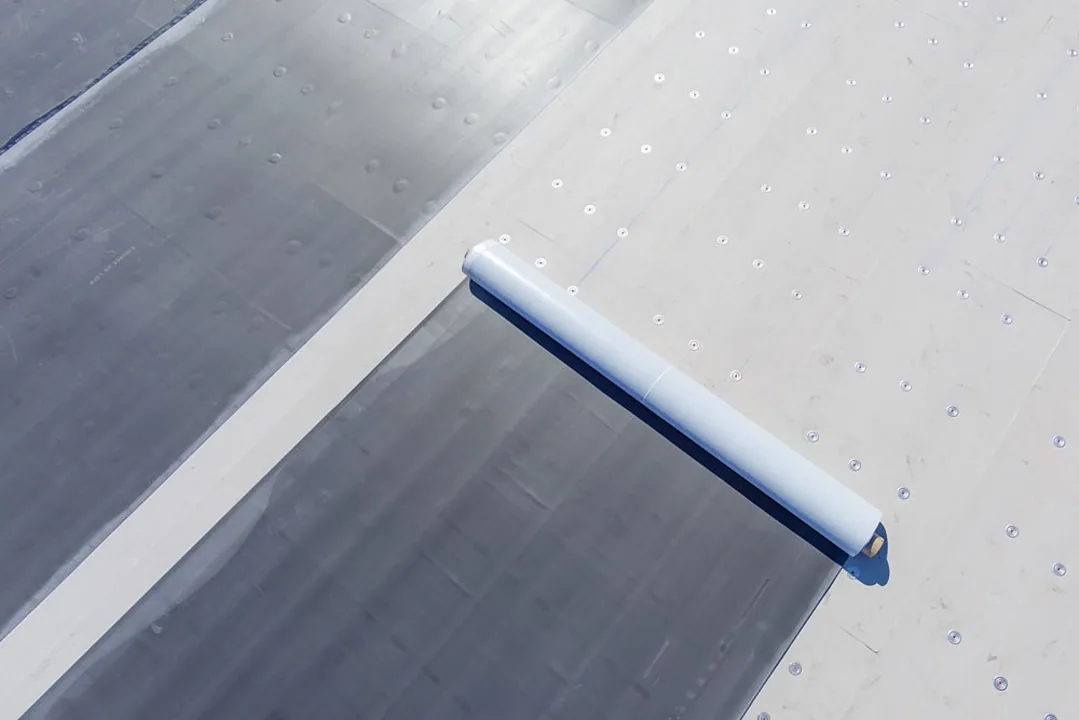
A measurement of shrinkage is the first useful number on an older EPDM roof in Mission, TX. The inspector pulls a tape along a parapet base and notes where the black rubber has drawn back from the wall flashing, then photographs the gap with a dated tag. Shrinkage pulls on every termination and seam in the system. The finding tells the owner whether the roof can be repaired at its details, whether the field is nearing the end of its life, or whether the budget conversation should begin now.
Cured Rubber Sheet and Its Seams
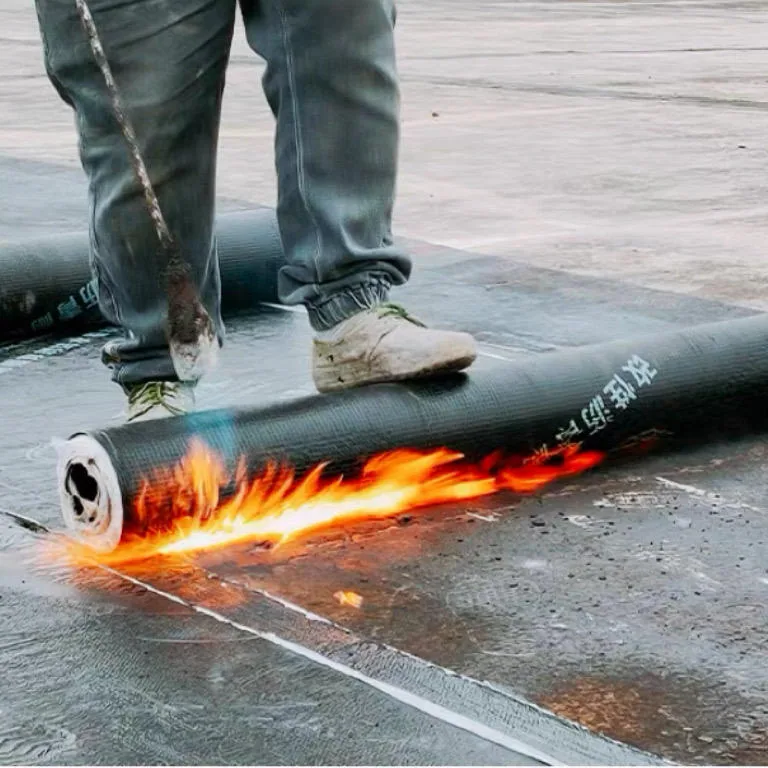
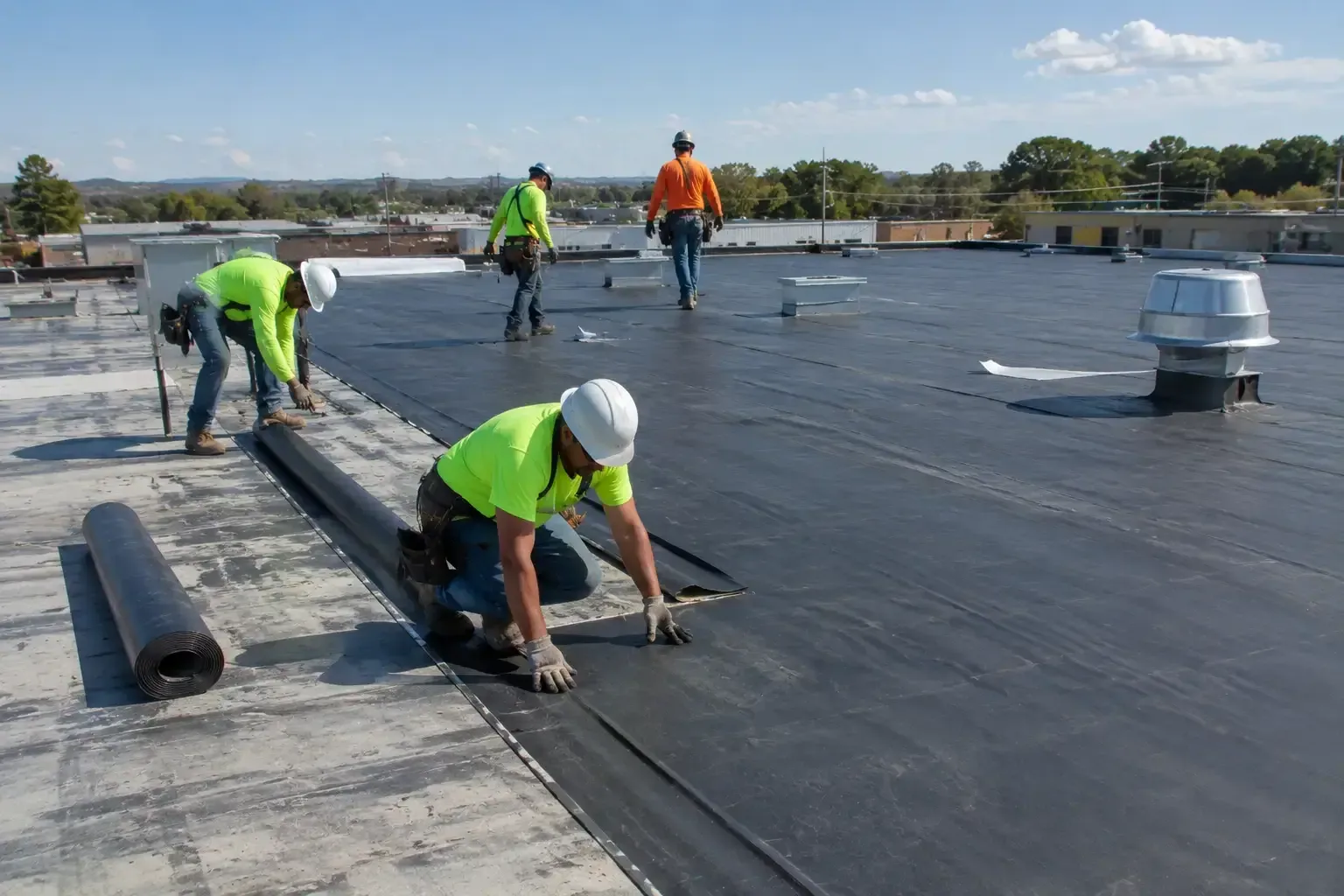
EPDM is ethylene propylene diene monomer, a synthetic rubber vulcanized into large sheets. Because the rubber is cured, it cannot be heat-welded the way TPO or PVC can. Seams are joined with factory seam tape or splice adhesive, and every edge and curb corner receives a separate flashing piece with uncured rubber or a pre-molded boot.
That construction makes seam work the point of attention. A tape seam that has been pressed and rolled correctly can remain tight for many seasons, but a dirty or cold-applied splice can peel open. We probe the lap edges, mark any lifted tape, and log them on the rooftop sketch beside the penetration count. The sketch shows the owner where the rubber is simple and where it is detailed.
Penetrations get the same scrutiny. Each pipe boot, pitch pocket, and curb corner is a place where a separate rubber piece meets the field sheet, and each carries its own bond line. We count them, photograph the worst three, and group the rest by condition so the repair scope can be priced by detail rather than by guesswork. A roof with forty small boots behaves very differently from one with four.
A Black Membrane Through a Valley Summer
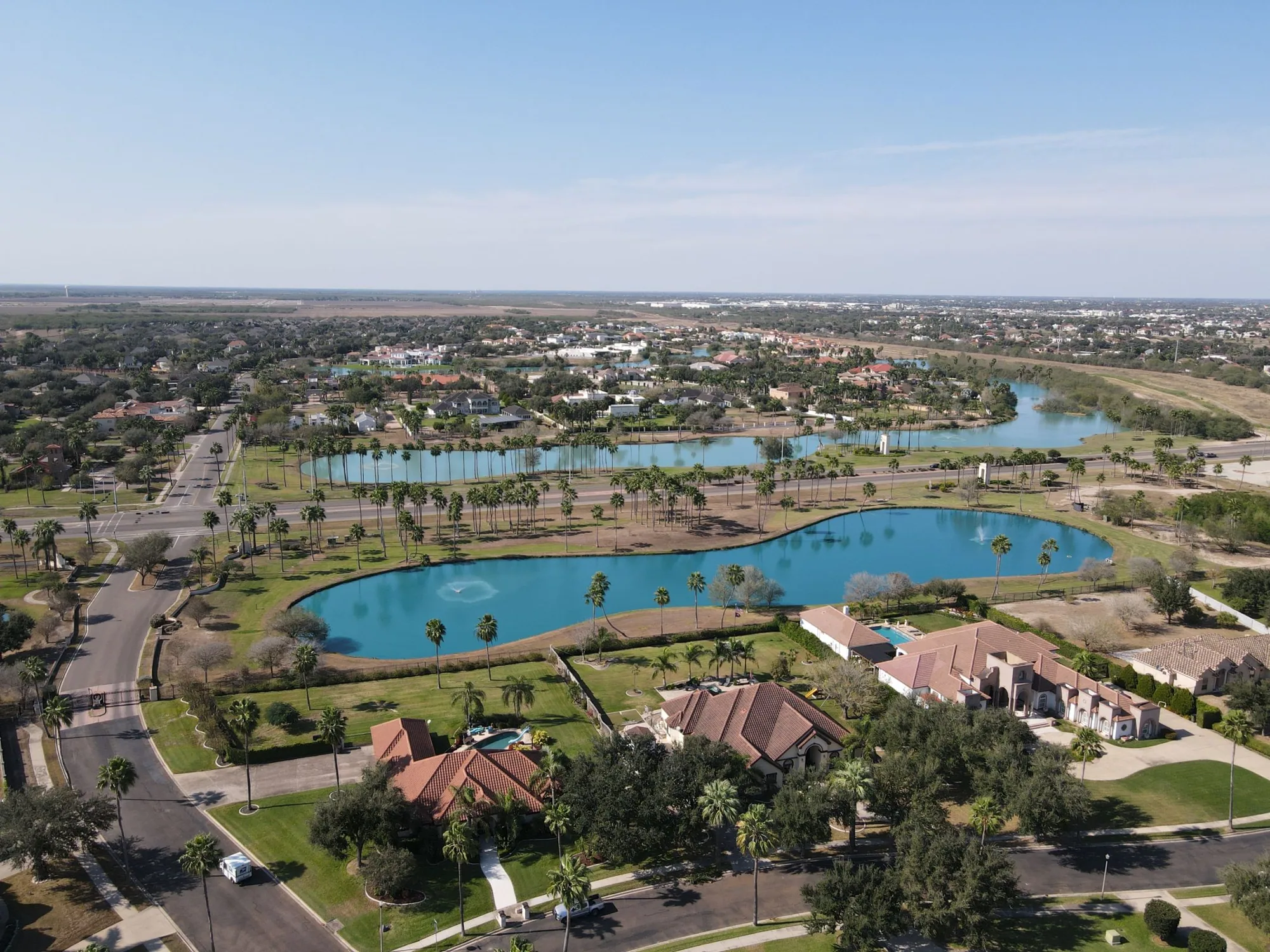
Brownsville forecasters mark May through October as the Valley's heat-safety months. A black EPDM surface absorbs far more solar energy than a white sheet, so surface temperatures run high through that period. The rubber tolerates heat well, which is why old EPDM roofs often outlast other systems, but the building below pays through added cooling load on the rooftop units.
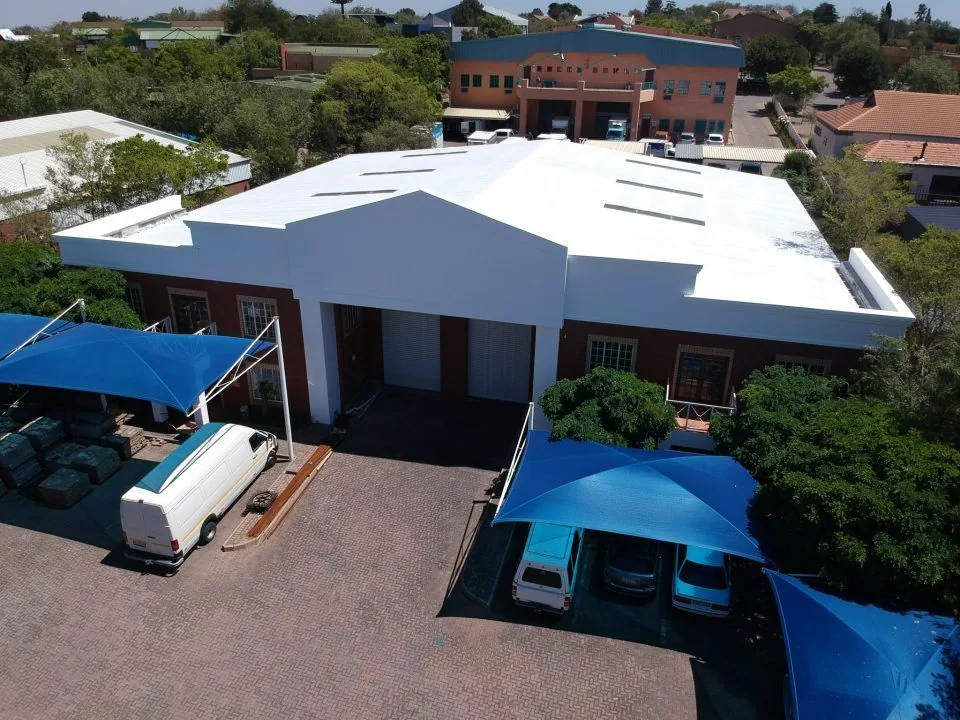
Owners who want to cut that load can add a white EPDM sheet at replacement, or consider an acrylic overlay on a sound black roof. Insulation underneath matters here. Polyisocyanurate board loses some thermal value as it ages, and a cooler surface above it shields the board from the worst of the temperature swings. The comparison appears in the cool roof installation findings, alongside the insulation condition and the remaining life of the existing sheet. We record unit age and ductwork exposure so the effect on the building can be judged afterward.
Ballasted, Adhered, and Mechanically Fastened Options
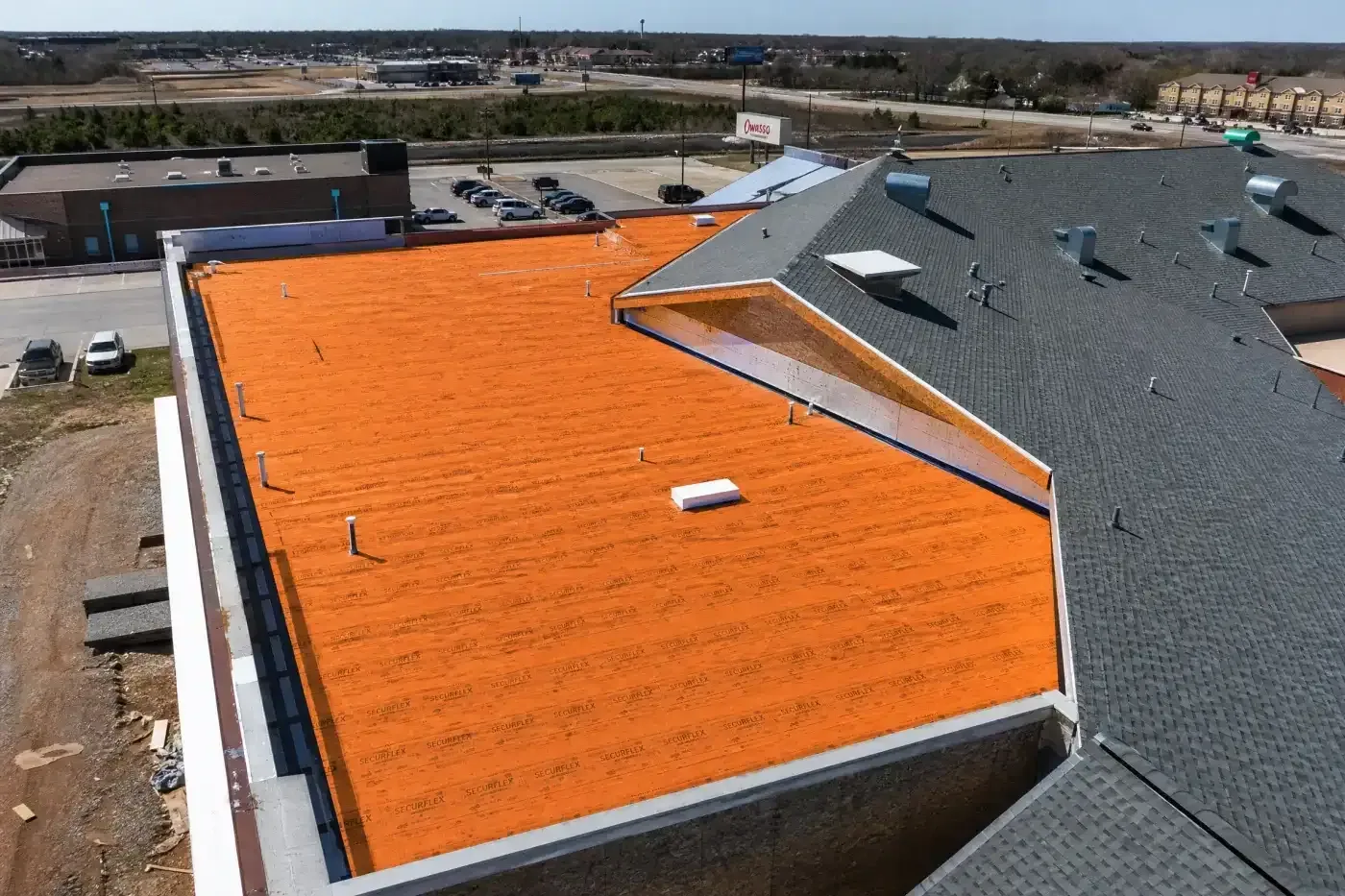
Ballasted EPDM sits under a layer of round stone and relies on weight to resist uplift. That weight must be allowed for by the structure, and stone can migrate toward edges in wind, so the perimeter needs larger stone or pavers. Fully adhered EPDM bonds to the substrate with contact adhesive and shows a smooth face, whereas a mechanically fastened sheet is held at its laps by plates and screws.
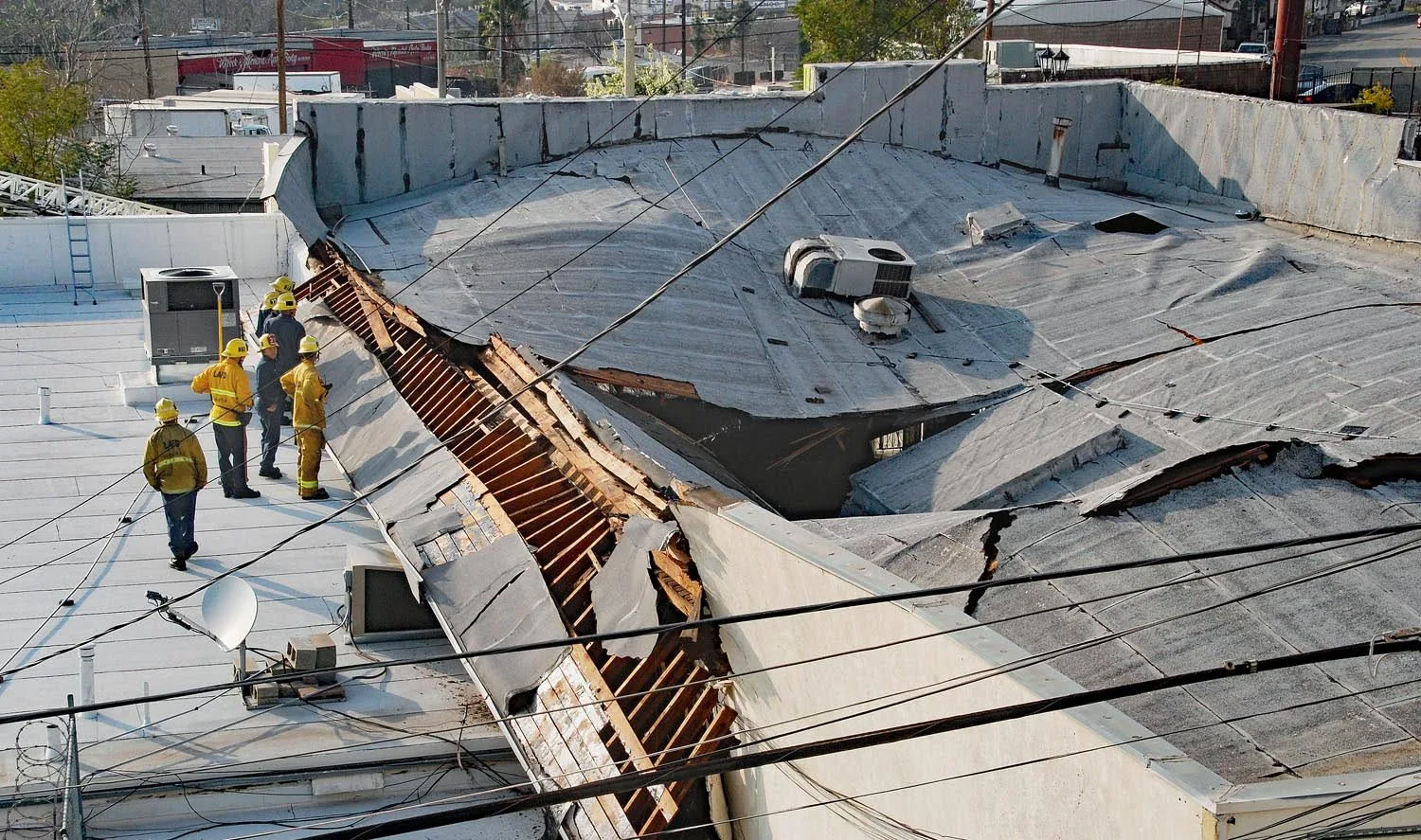
Dolly in 2008 raised roofs on older buildings near Weslaco, and In July 2020 Hanna's damage to hundreds of poorly built Valley structures was concentrated at the roofs. In both cases, attachment and edge detail were the common weak points. The wind damage repair record for each building helps us choose how heavily to secure the perimeter on a replacement.
Drainage After Deep Rainfall
Rubber membranes tolerate ponding better than many sheets, yet prolonged standing water still ages seams and loads the deck. One gauge northwest of Mission caught 14.40 inches of Hanna rain, while bad drainage left water between 18 inches and 4 feet deep in places around La Joya and Sullivan City. Those numbers describe streets and neighborhoods, not roofs, but they show why outlets must be clear before any storm.
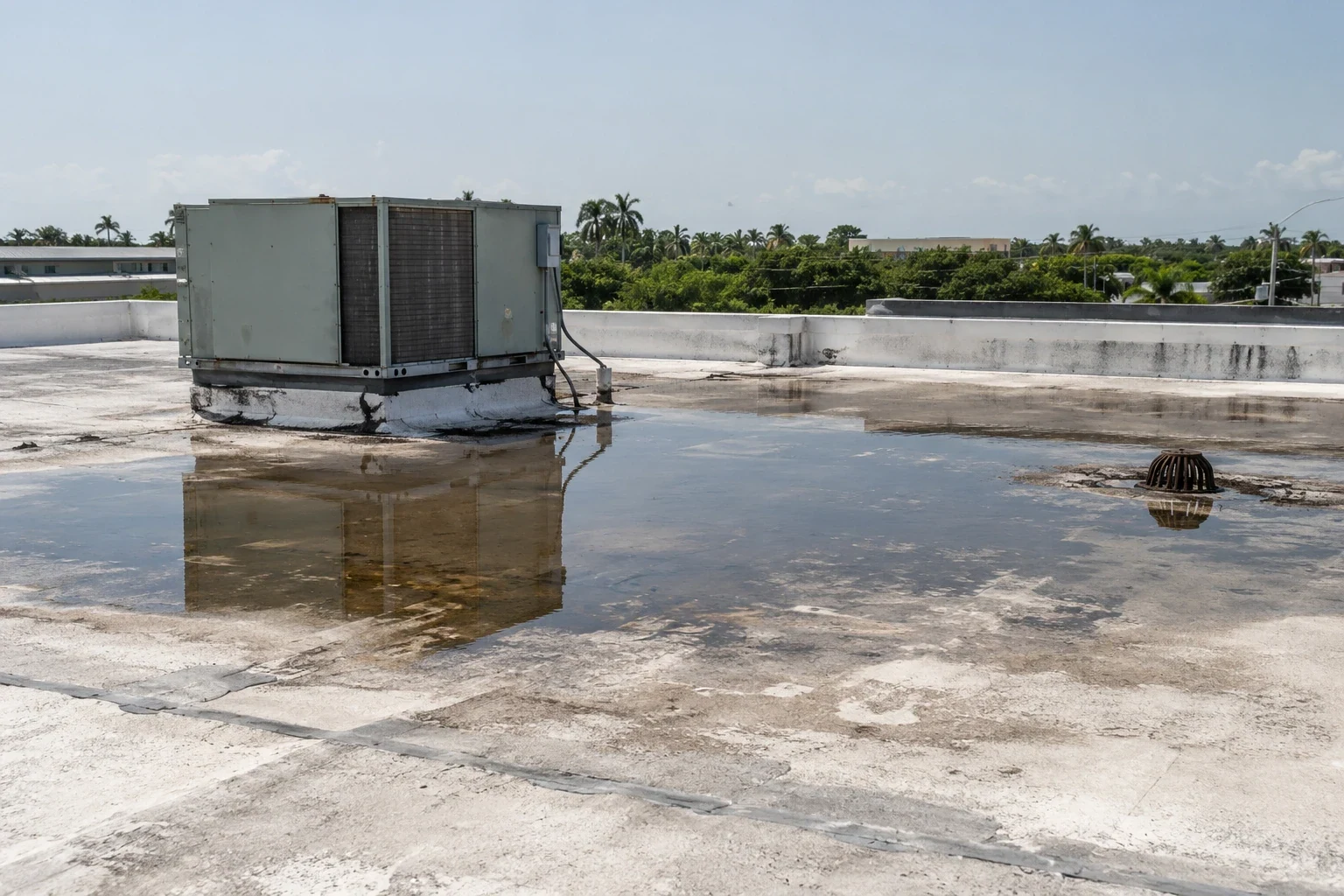
We measure the slope on each roof area, mark low spots, and clear drains and scuppers while logging what we find. Tapered insulation, additional drains, or sumps may be recommended when ponding returns after rain. The ponding water repair options are then priced against the benefit of keeping the roof dry.
Debris is the other drainage finding. Leaves, fronds, and windblown grit collect at the lowest drain bowls during the tropical season, and a half-blocked bowl can overflow in the first heavy rain. The log records what was removed and the date, so patterns show up across visits.
Roofs Where EPDM Remains a Practical Choice
Simple, low-slope roofs with few penetrations are the best fit. Agricultural support buildings, packing sheds, and warehouse space around Alamo and the surrounding irrigated area can be covered economically, as can school maintenance buildings and modest retail strips. The sheet is also easy to repair in the field, since a patch of cured rubber and a primer can close a puncture quickly. That repairability keeps the long-term cost of ownership low when the roof is maintained on a schedule.
Rough use shortens the life of any membrane. Roofs where trades walk to equipment every week need walkway pads, and roofs below tall trees or signage need a closer look for punctures. The inspection sheet names the traffic routes and recommends pad placement where wear is visible.
Modified bitumen suits areas that see rough traffic, and TPO suits an owner whose goal is white reflectivity. When an older EPDM roof is nearly spent, the options of recover or replacement are weighed against the moisture map.
What the Owner Keeps
Closeout follows a set order. The crew finishes flashings, photographs each termination, probes the seams one last time, and clears the drain bowls before demobilizing. The owner then reviews the findings with us, and the file goes into the building's records for the next visit. A yearly visit under preventive roof maintenance keeps the shrinkage measurements current.
The written summary lists seam condition, shrinkage measurements, flashing integrity, drain status, and a recommendation for each roof area. A fastener pull sample is added when the roof is mechanically attached. Owners in Alamo and nearby towns receive the same file, so a portfolio can be reviewed side by side when budgets are set.
Questions and Answers
How can an owner tell whether EPDM shrinkage is cosmetic or a real problem?
A small gap at a parapet base with the flashing still tight is cosmetic. When the rubber pulls the termination bar loose, lifts the sheet from the wall, or stresses a seam tape, it is a defect. We measure the gap, photograph it, and list the corner locations so a repair can be priced.
Why does an EPDM seam fail when the rubber itself still looks fine?
Seam tape and splice adhesive depend on a clean, dry bond line. Dirt, moisture, or cold-weather application can leave the bond weaker than the sheet. Over years of thermal movement the weak spot opens, usually at a lap end or a flashing corner. Probing finds the loose edge before water does.
Is ballasted EPDM a sound option for a roof that sat through Hanna?
Ballast can work if the structure carries the weight and the perimeter stone is sized for the wind zone. After Hanna, we compare stone displacement against the baseline photographs and check whether any ballast moved into drains. Where migration is visible, the plan may shift to an adhered sheet.
What does a black roof add to cooling cost compared with a white one?
Black rubber absorbs more sunlight, so the roof deck runs hotter in the long Valley summer. The amount of added cooling load changes with insulation depth, ceiling height, and equipment age. Rather than quote a figure, we note the unit condition and let the owner compare utility bills after a color change.
Can a leak at an old EPDM roof be fixed without replacing the sheet?
Frequently. If the leak traces to a flashing, a seam, or a puncture, a patch cut from cured rubber, primer, and tape can close it. The moisture map confirms whether the insulation below stayed dry. Where insulation is wet, the patch is temporary and the scope line describes the next step.
Ask for an EPDM Seam and Flashing Review
Request a visit to your Mission, TX roof and receive a written condition summary with shrinkage measurements, tagged seam photographs, a drain and scuppers log, and a recommendation by roof area that supports budgeting or an insurance conversation.