
Roofing Capabilities
Roofing Capabilities in Mission, TX

An owner's file is a set of dated pages, one for each roof, that grows slightly after every visit. In Mission, TX that habit pays off in a specific way: the heat season runs from May through October and the tropical season from June through October, so a roof is judged against its own earlier condition far more often than against a textbook. Planning, reporting and warranty entries all depend on that file staying current and readable.
More About Roofing Capabilities
Tracking and Planning
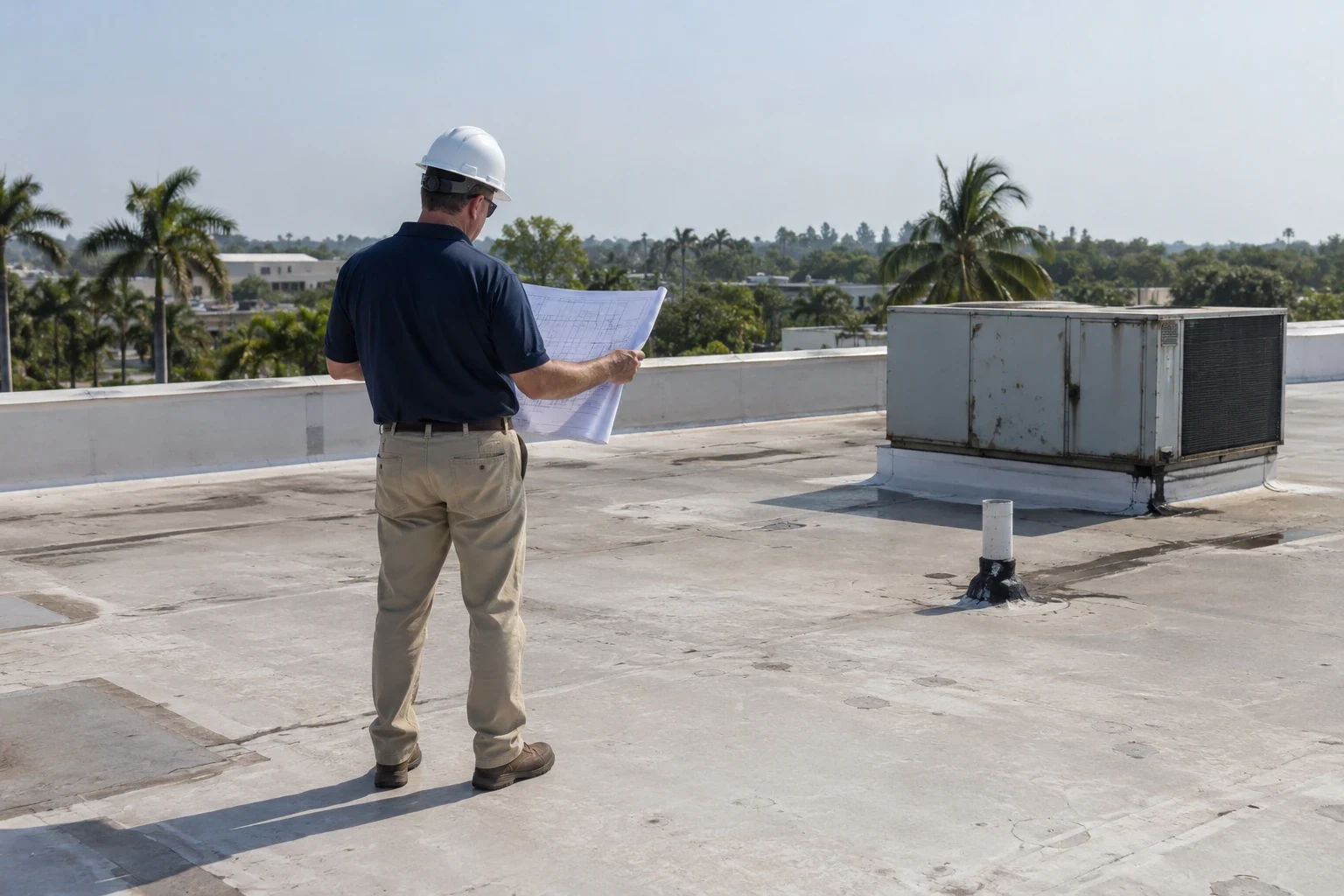
Roof asset management assigns each roof a condition score and a log of drains, scuppers and edge metal. That log feeds capital planning, where findings are converted into a sequence of repairs, coatings and replacements across several budget years.
The same file records what was spent on each roof and what the next visit is expected to find, so a budget meeting can start from facts that were written down months earlier and not from recollection.
Reports and Warranty Records
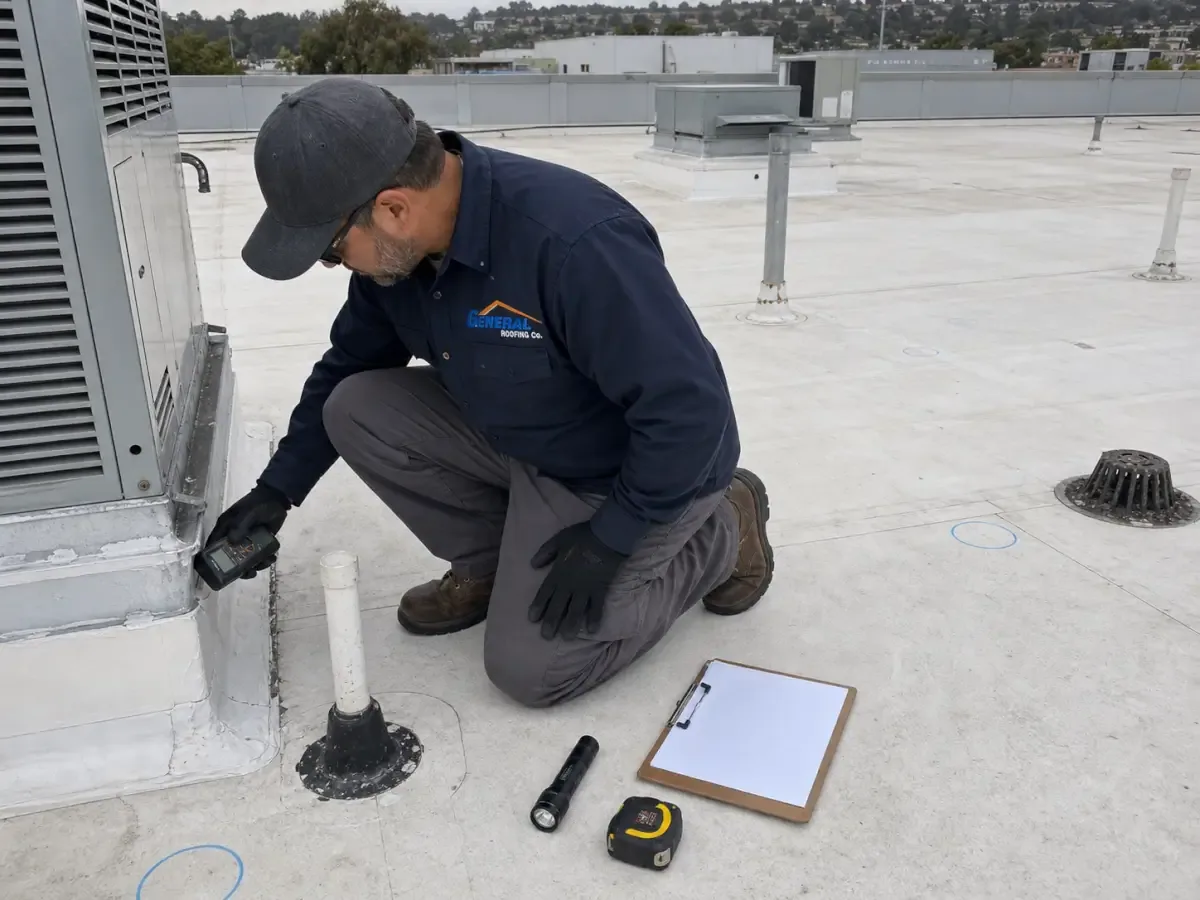
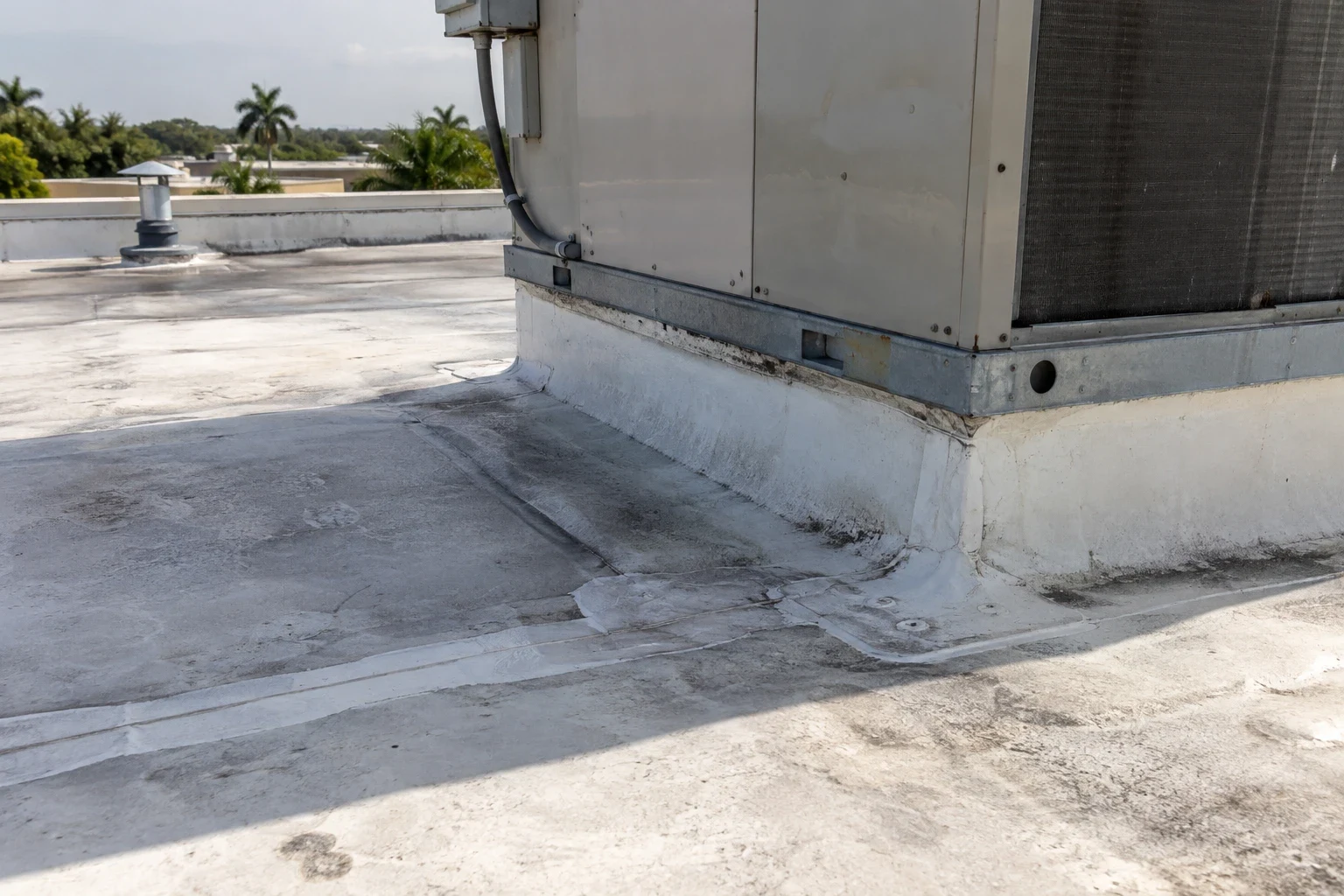
A condition report carries tagged photographs, moisture maps and a scope line, written so a lender, buyer or board member can read it without walking the roof. Warranty management keeps the maintenance entries, repair dates and manufacturer notices in one place, since a warranty that depends on upkeep is only as good as the record of upkeep.
Acquisitions and Multi-Building Programs
Buyers and lenders need a roof opinion quickly, and due diligence roof surveys are written to that timetable. Owners with buildings across Mission, McAllen, Pharr and Edinburg can place all of them in a multi-site roof program with one format and one schedule. I-2 and US 83 link Mission, McAllen and Pharr, which makes it practical to route inspections along the corridor, and Edinburg sits a short drive north.
Where an Owner Starts
A portfolio file usually starts with an inspection of the roofs most likely to cost the owner money, then widen the file as budgets allow. A preventive maintenance schedule keeps the entries current without a second round of onboarding.
A first visit takes the time needed to walk every section. We prefer to finish the walk and photograph the whole roof in one day rather than split it, because a single dated set is easier to compare against later.
Commercial Roofing Questions
What does an owner receive after the first visit to a roof?
A condition summary with numbered roof sections, dated photographs, moisture readings on a sketch and a scope line that separates actions to take now from items to monitor. It becomes page one of the owner's file.
Why track drains and scuppers separately?
Drainage is where water leaves the building, and the Valley's flood preparedness runs year round. A separate log shows when a drain was cleared, what was found and how it behaved after the last heavy rain.
How is a multi-building budget ranked?
Each roof receives the same condition scale, and the scale is combined with remaining service life and the cost of an interior leak at that address. Roofs with failing seams over inventory typically move to the front.
Does warranty record keeping require extra visits?
Usually no. Entries are added during scheduled inspections or maintenance visits, with the dates and the work recorded so a manufacturer or buyer can see the roof was kept up.
Open an Owner's File
Send a list of addresses and we will propose the order of inspection and the format of the written summary for each roof.