
Service Areas
Commercial Roofing in Mission, TX
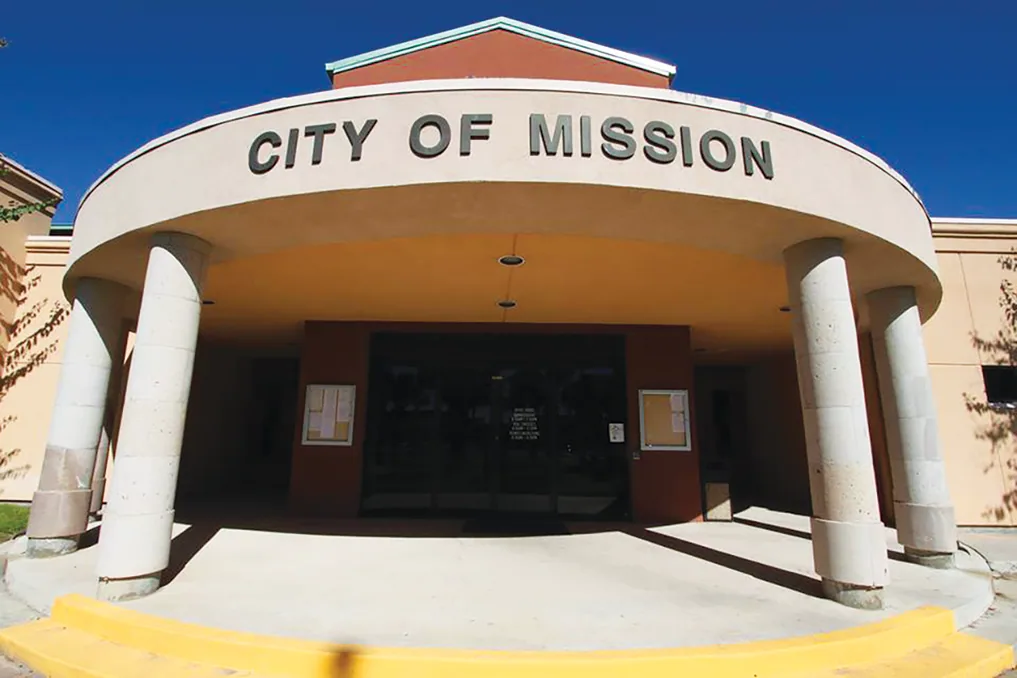
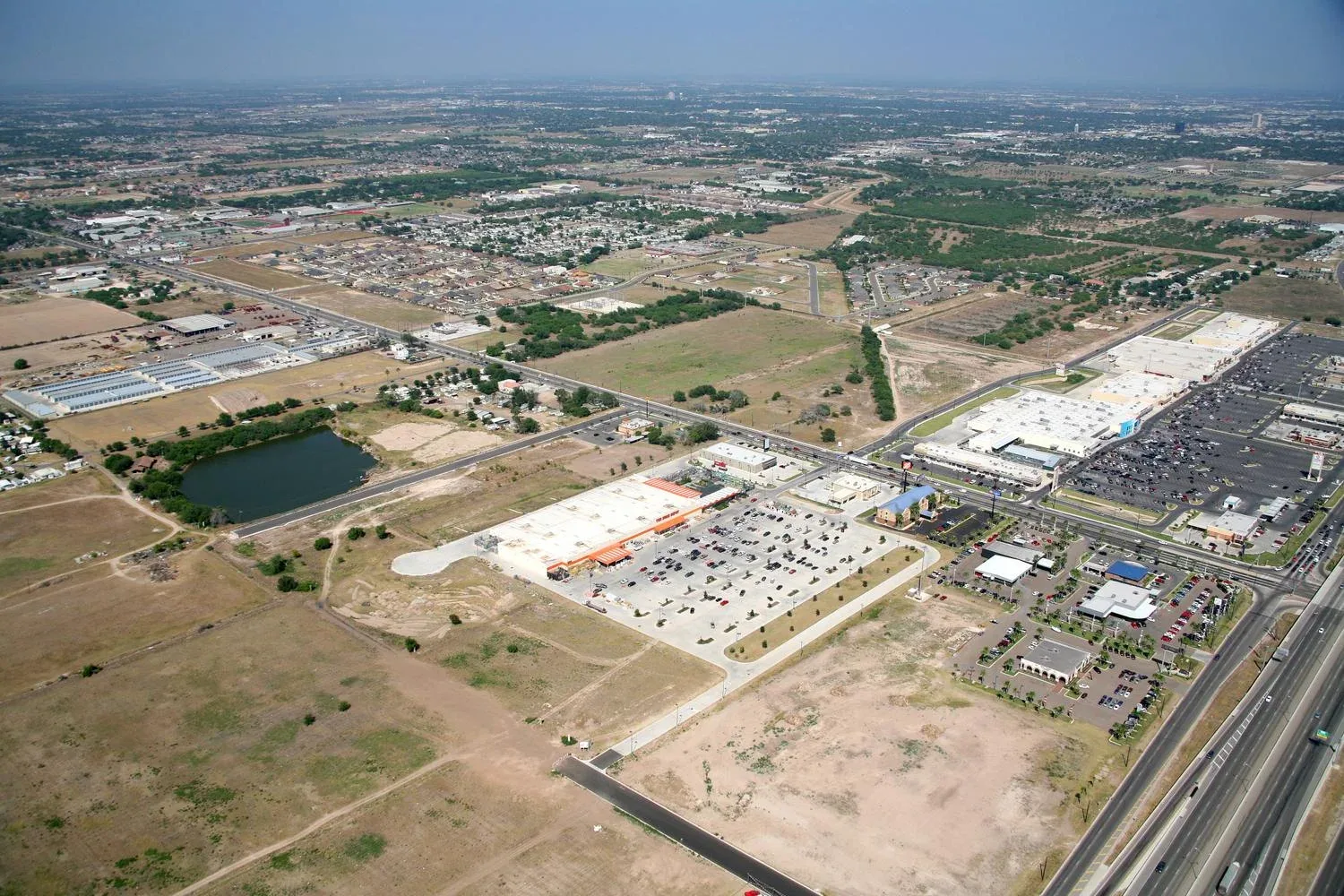
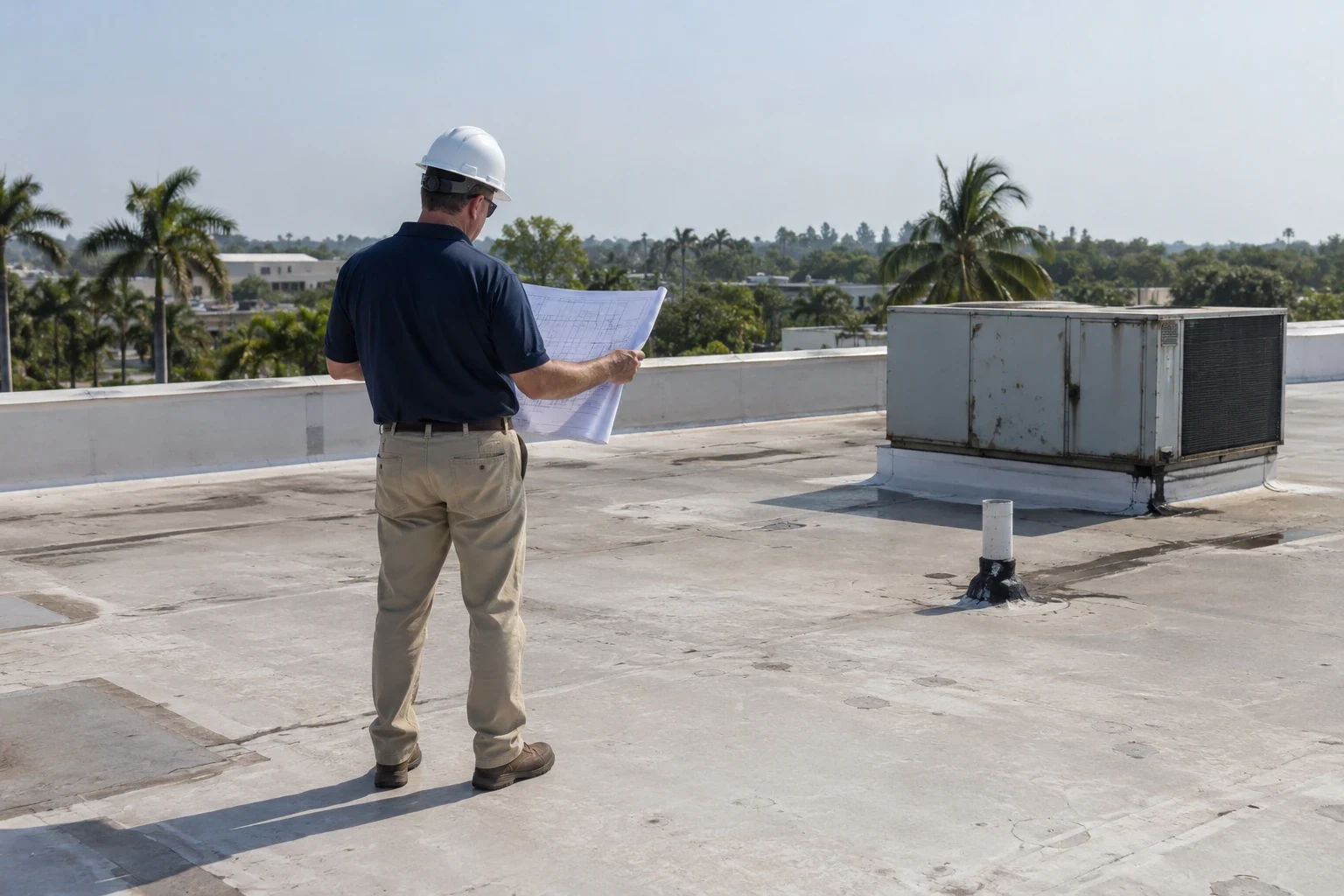
An inspector in Mission, TX starts the sheet with the street the building faces. Interstate 2 and US 83 run through the city south of the town center, about 5 miles west of downtown McAllen, so many commercial buildings here have direct freeway frontage and a roof that is visible from the road. That visibility cuts both ways. A tidy roof signals a cared-for building, and a ponded or patched one can be seen from the road, which makes preventive care easier to justify on that kind of roof. We record what is on the roof, tag it with a dated photograph and say what decision the record supports.
Mission borders McAllen to the east, Palmhurst to the north, Palmview to the west and the Rio Grande to the south, and the 2020 census counted 85,778 residents. The roofs that serve that population run from retail strips and offices to schools, medical buildings and light industrial space.
Inspection Findings on a Mission Roof
The first findings are usually small. A perimeter edge that has lifted a quarter inch. A seam that probes open for a few feet. A drain with a collar of dirt around it. Each goes on the rooftop sketch with a number, and each photograph carries a date. Moisture readings come next, taken in a grid across the field and mapped so the wet areas have boundaries rather than guesses.
Those findings sort into three groups: items that let water in now, items that will fail within a budget cycle and items that need only watching. That sorting is the product, repeated at each visit so the lists stay current.
What Hurricane Hanna Left on the Record
Hanna crossed the Valley in July 2020. A gauge northwest of Mission recorded 14.40 inches of rain, flash flooding put about a foot of water across Shary Road near Griffin Parkway, and several neighborhood streets carried one to three feet of water. Poor drainage was the common thread. A roof that cannot shed water quickly is a roof that adds weight and stress to its seams during exactly that kind of rain.
For commercial owners in Mission, the storm is a reason to check outlets. Every drain and scupper gets a number, a photograph and a condition: clear, partly blocked or blocked. After heavy rain, we compare the log with ponding marks on the surface and see which outlets did their job.
Heat Season and the Sheet
In the Rio Grande Valley the heat-safety season, as listed by the Brownsville weather service office, spans May through October, so a Mission roof carries months of solar load on membranes, seams and coatings. Thermoplastic sheets expand and relax every day. Coatings thin where foot traffic crosses them. Sealants dry and crack at terminations. The cumulative effect shows up at laps, curbs and corners long before it shows on the open field.
We photograph those details in the same order each visit. A seam that opens between May and October is a clear finding, and the date on the photograph carries the weight in a budget meeting.
Coatings get their own check. A film check measures thickness at several points, and thin areas along walkways or around drains are marked for recoating. Where a coating has blistered or peeled, we cut a small test area to see whether the coating failed or the surface under it did, since the answer decides whether a recoat will hold.
Growth Sectors and the Roofs That Serve Them
The local economic development corporation names manufacturing, healthcare, technology and retail as growth sectors, and new construction in those categories adds roofs with different needs. A retail development needs entrances kept open during work. A manufacturing expansion needs sections scheduled around production. A healthcare building needs noise and dust control. A technology space needs a roof that does not leak above equipment. We tailor the survey, the access plan and the closeout to each use.
Records are the other concern. Citrus has been central to Mission since the early 1900s, and the city still hosts the Texas Citrus Fiesta parade along Conway Avenue, so buildings here span many eras, and a building's roof file can fail to survive a change of owner. We identify each roof by cores and fastener patterns when records are missing, then write the first condition summary from scratch.
Options and What Drives the Price
When the findings are written, the options follow. A repair suits a sound roof with a local defect. A coating fits where the sheet is sound but the surface is spent. A recover suits a dry roof. A replacement suits a roof with spread moisture. Cost climbs with roof area and with each added penetration, rises again when insulation must come out, and shifts with the route to the roof and the number of days a section can stay open.
We show those drivers next to each option so the choice is made on the facts. A roof with a few years of service left may need only a repair and a calendar. A roof with spread moisture may need tear-off before the next tropical season, and the earlier the record shows it, the more time the owner has to plan the money. For multi-building owners, the same format applies across sites, which supports a ranked plan in roof capital planning.
Work Across the Neighboring Cities
Owners with buildings in Mission often have others nearby. McAllen sits just east, Palmview to the west and Palmhurst to the north. The weather record is shared across them, and so is the access challenge of the I-2 corridor, where trucks, cranes and dumpsters have to share the frontage roads with customers, and the sketch format is the same, so a portfolio of mixed roofs can be compared by condition rather than by address.
Questions and Answers
What does the first inspection of a Mission roof produce?
The visit produces a written summary of condition: tagged photographs, a rooftop sketch, a moisture map and a scope line for every finding. The summary separates repairs needed now from items that can wait, and it carries dates for the next visits, so the owner knows when the roof will be looked at again and what will be checked first.
Why record drains before the tropical season?
Drains are the first thing that fails in a heavy rain. A log taken before June shows which outlets are clear, and a log taken after a storm shows which were blocked, so the owner can see whether the roof or the maintenance needs attention. A drain that fills with debris within weeks of cleaning points to a nearby source, such as a tree or an unscreened parapet, and the recommendation addresses the source as well as the drain.
Can a freeway-frontage building stay open during roofing?
Yes. The access plan keeps entrances and parking available, and the work is dried in section by section. A roof visible from I-2 is also tidied each evening, with debris removed and edges secured.
How is a roof with no records handled?
We take small cores, read the layers and fastener patterns, and write a first condition summary. That summary becomes the baseline for every later visit.
When is a coating the right answer?
A coating is right only when the sheet is sound, the seams hold and the insulation reads dry, and the file carries the readings that prove each of the three. A moisture map and a small adhesion test confirm those conditions before the scope is written.

Request a Documented Inspection
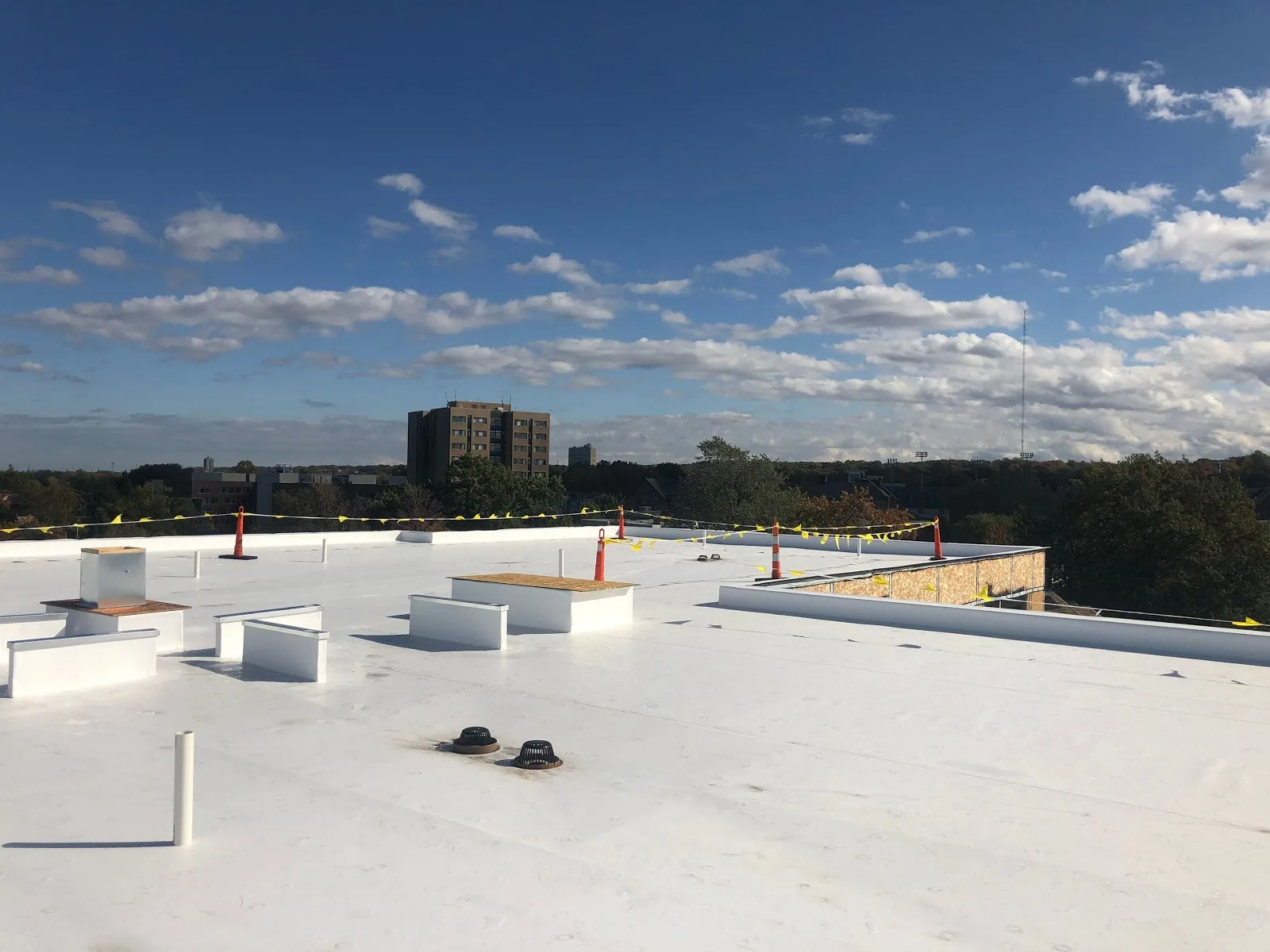
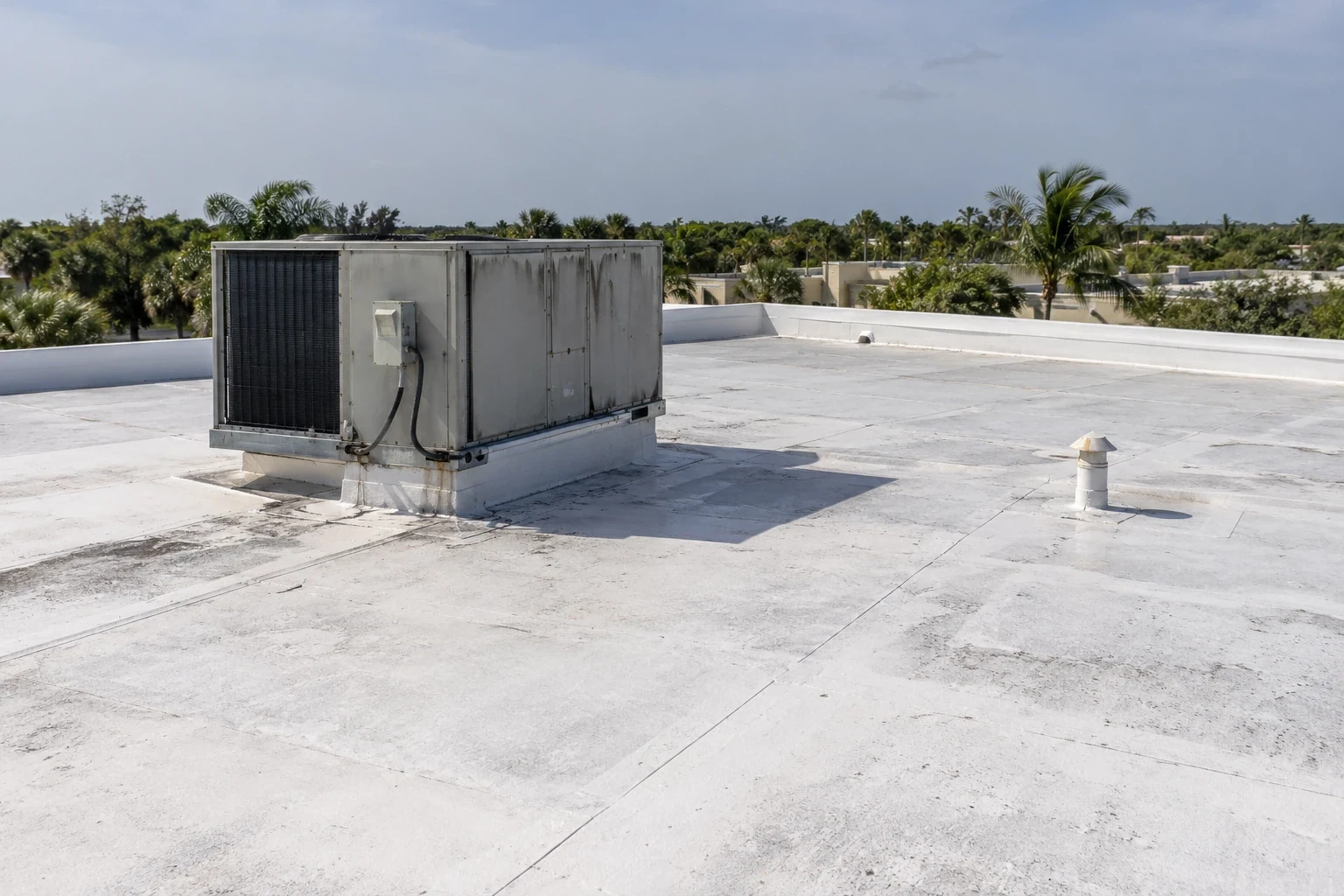
Ask for a visit to your Mission, TX roof and receive a written condition summary with tagged photographs, a rooftop sketch and a moisture map. The summary states which findings call for repair, coating or replacement, and it can be reused for budgeting or an insurance conversation. Start from the contact form.