
Property Types We Roof
Warehouse Roofing in Mission, TX
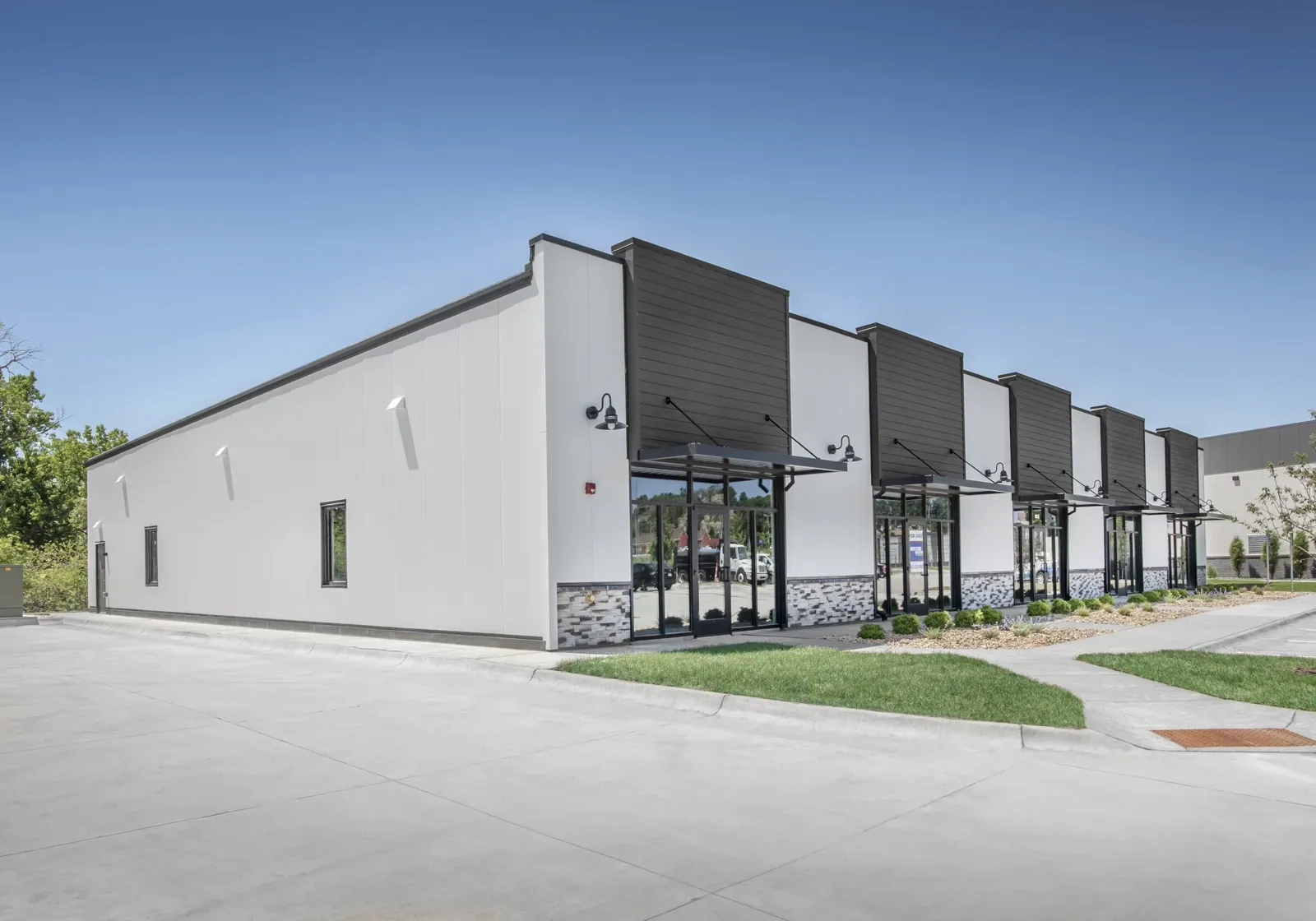
The first photograph on a warehouse roof in Mission, TX is usually taken at a drain, not at a leak. A dated image of the bowl, the strainer, and the water line around it shows whether the roof can move a heavy tropical rain off a large flat area. Warehouses concentrate risk in one place: inventory sits directly under the roof, and a single failed seam can reach racking, pallets, and electrical gear. The written record has to be specific enough to schedule work around active operations.
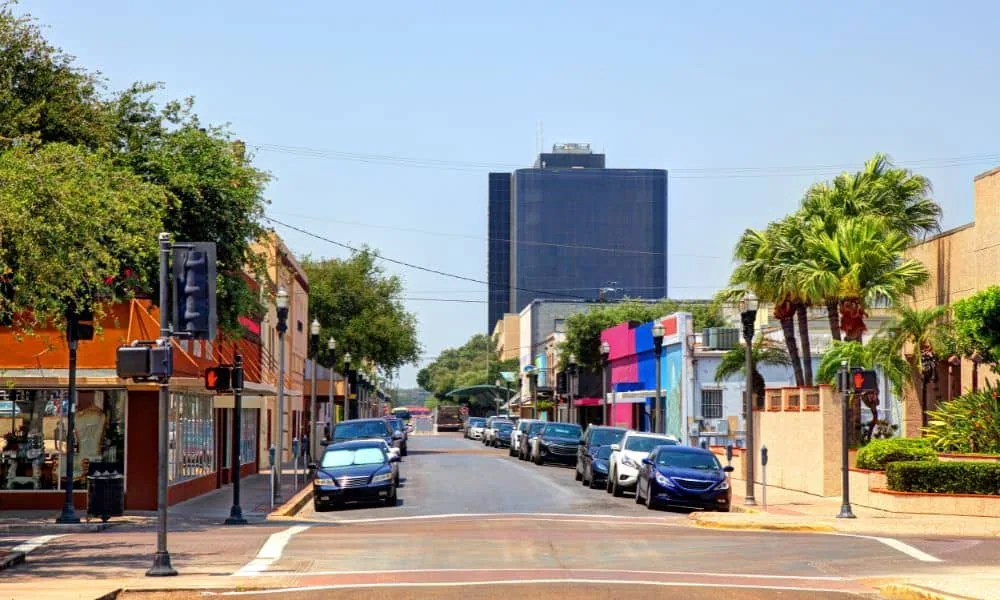
Freeway Frontage and Trade-Zone Demand
South of Mission's town center the I-2 and US 83 freeway corridor sits about 5 miles west of downtown McAllen, so commercial buildings along it enjoy direct freeway frontage. South of McAllen, the Foreign-Trade Zone opened in 1973 as the first inland zone in the country and handles pick and pack, kitting, and inventory work. Both feed the demand for warehouse and distribution space.
That demand shapes roof decisions. A tenant running kitting or storing goods for cross-border movement cannot afford a leak that closes an aisle. The written condition summary therefore ranks findings by the inventory exposed beneath them, and the owner can see which sections of the roof protect the most valuable storage.
Skylights and smoke vents add another category. Plastic domes craze in strong sun, curb flashings crack, and a vent that fails to close can let rain in over racking. We photograph every opening and record its condition, because these penetrations are small in area yet account for a disproportionate share of warehouse leaks.
Reading a Large Roof by Section
A warehouse roof is too big to judge as a single surface. We divide it into numbered areas tied to column lines, dock doors, and rooftop equipment, then record condition for each. Seams, flashings, fastener heads, ponding, and patches are logged by area. A moisture scan follows where findings suggest trapped water.
Dividing the roof makes phased work possible. If the east third shows wet insulation and the west two-thirds reads dry, the owner can replace one section now and coat or monitor the others. The scope line names which findings drive the split, and the sketch shows where each section ends so the transition detail is planned before work begins.
Membrane and Metal Roofs Common on Big Buildings
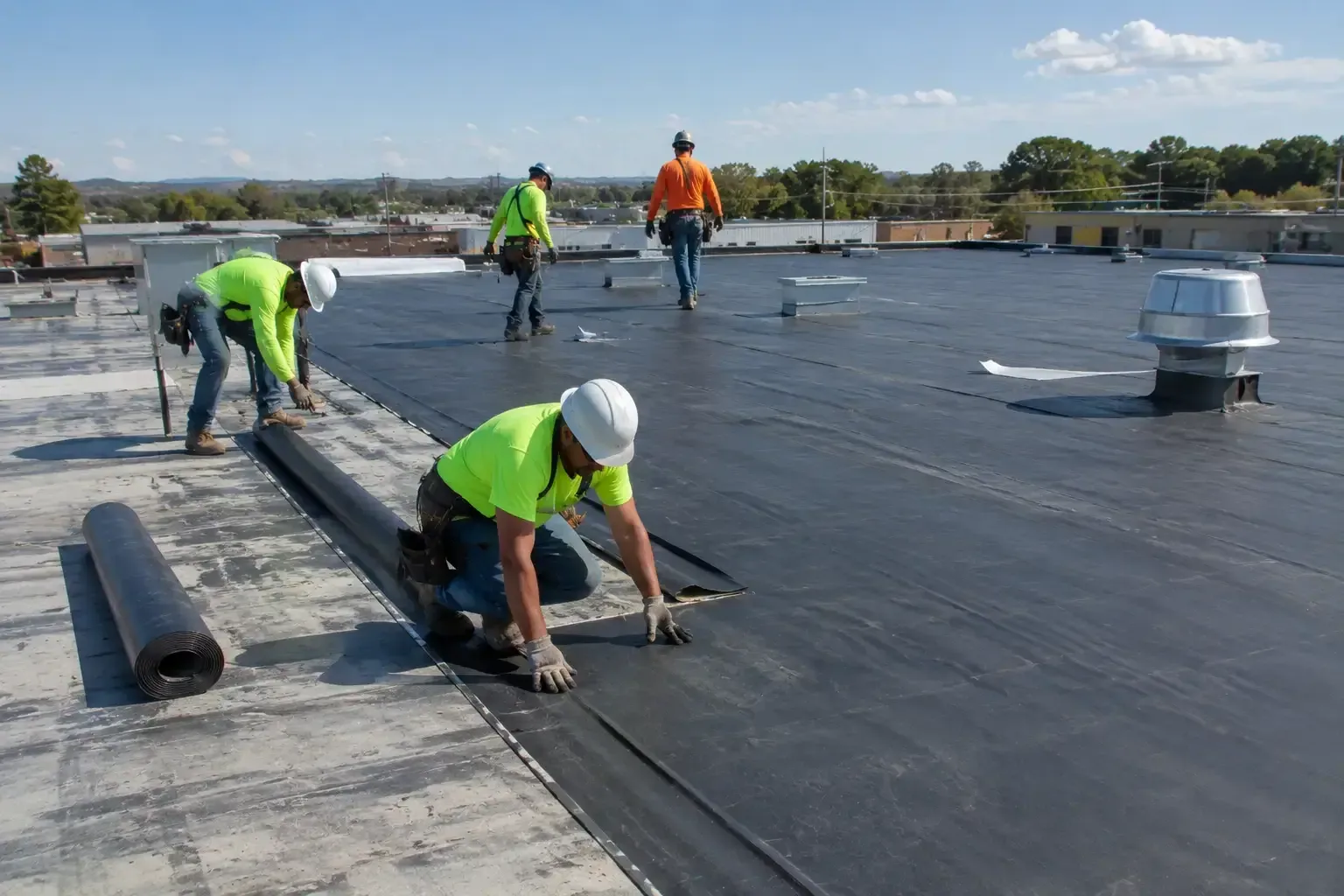
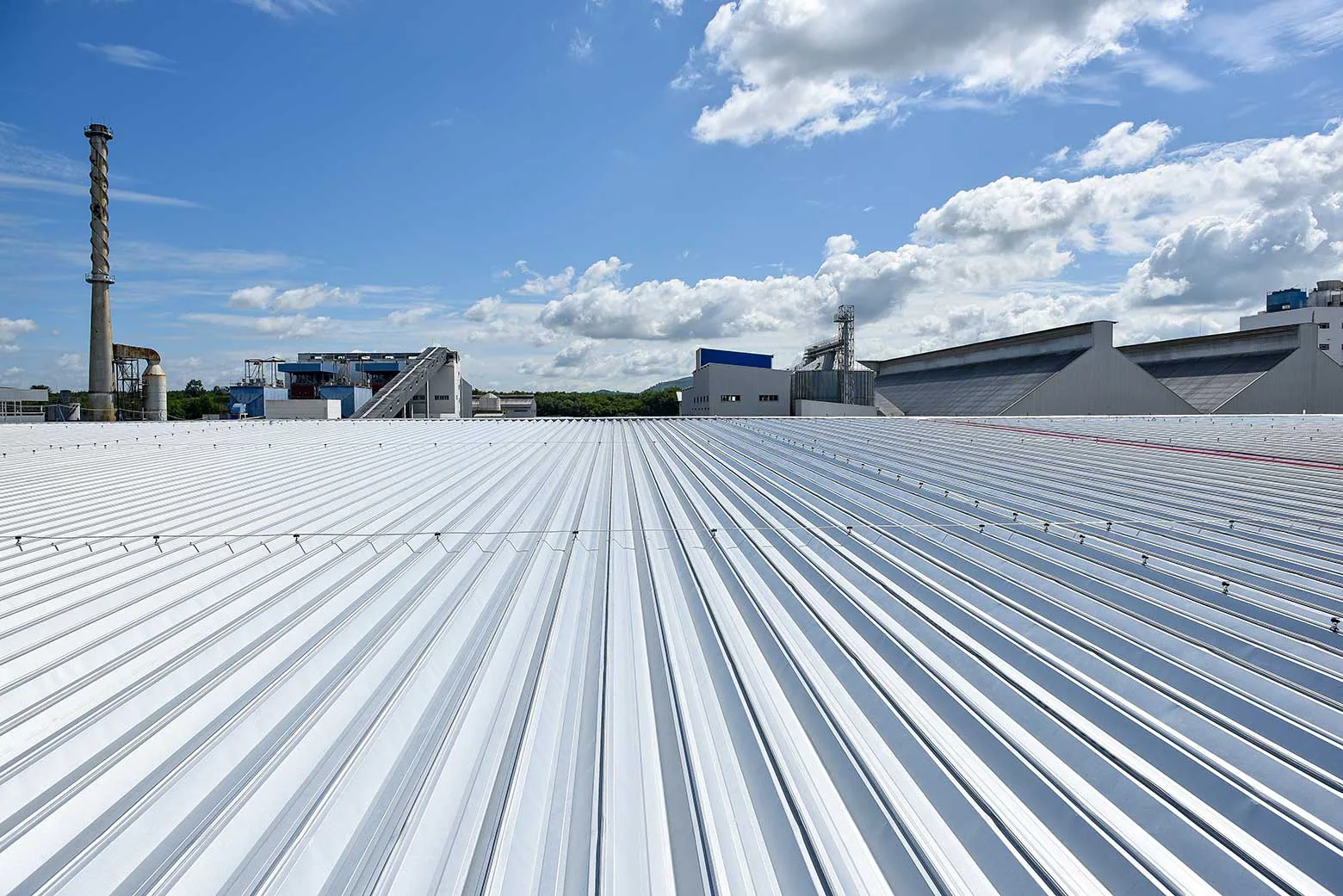
Large buildings typically use either single-ply membranes such as TPO roofing or metal panels. Single-ply sheets suit low slopes and cover wide areas with fewer seams per square foot of work. Metal suits buildings where long service life and low maintenance matter, and exposed-fastener versions need periodic fastener care, a point that also matters when an old roof is covered by a metal roof retrofit.
The best choice follows the existing deck, the insulation requirement, and the wind exposure. Tilt-up concrete shells, steel frame buildings, and pre-engineered metal buildings each take different attachments. We record the deck type with a core cut or an underside inspection and write the result into the owner's file before any system is proposed. Insulation thickness is measured at the same cuts, since energy code requirements can change the build-up when a roof is replaced, and the added thickness changes parapet and curb heights.
Wind at Edges and Dock Canopies
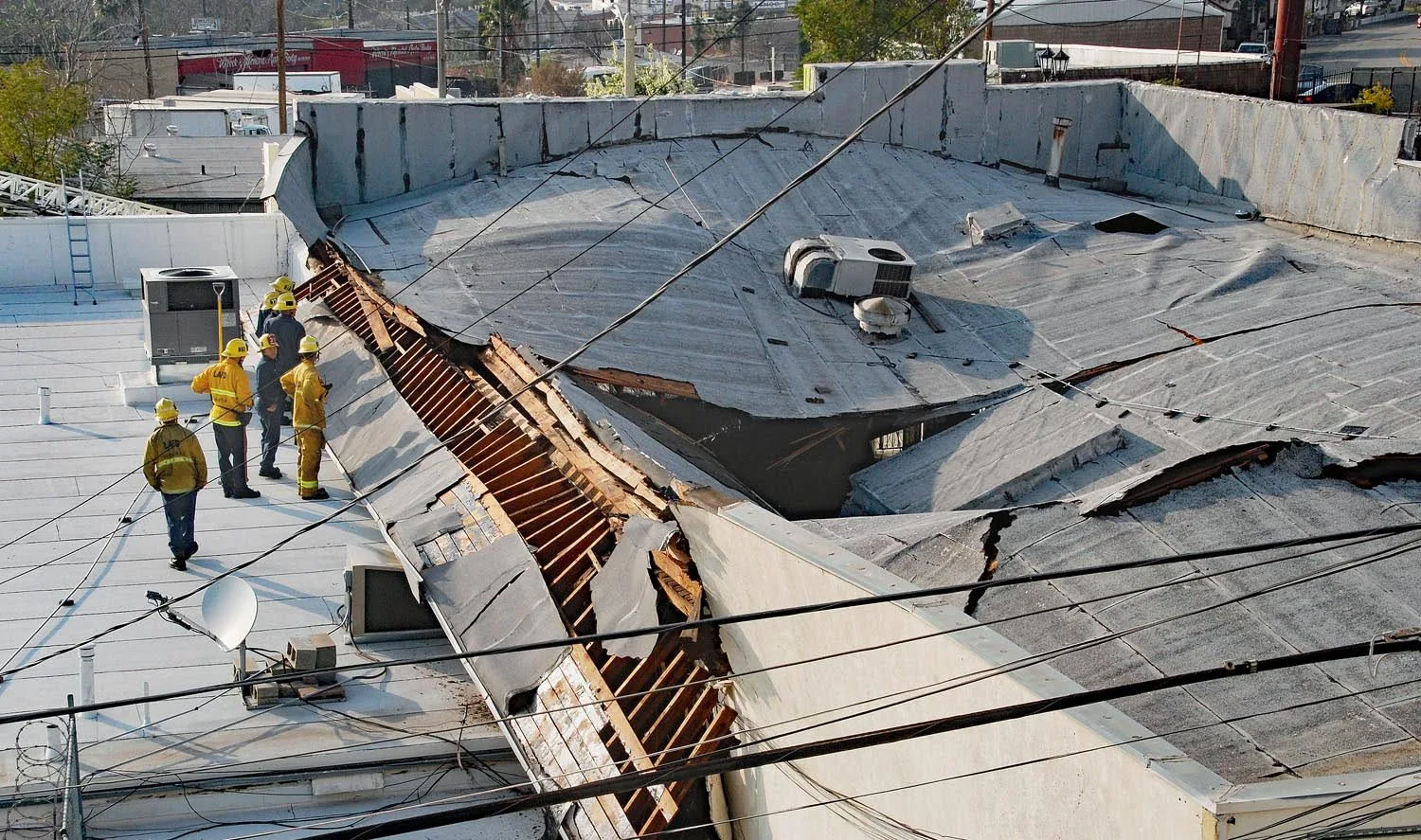
Hanna in July 2020 stripped or tore back several sheet-metal roofs in McAllen, with estimated winds of 60 to 65 mph over Mission as well. A warehouse has large edges, tall walls, and dock canopies that catch wind. Edge metal, coping, and canopy flashings are the first places a storm finds a weakness.
The pre-storm baseline photographs record each coping joint, termination bar, and canopy connection. After an event, the comparison is quick, and urgent items such as lifted metal or exposed insulation are separated from later repairs. The wind damage repair list gives the owner a prioritized path, which also supports documentation for an insurance conversation.
Rooftop equipment on a warehouse is lighter than on an office or hospital, yet exhaust fans, make-up air units, and gravity vents still need secure curbs. Curb anchorage, flashing height, and sealant all get a look, and a unit whose cabinet has moved is marked. Loose equipment is a projectile risk in a named storm.
Drains, Ponding, and the Hanna Rain Total
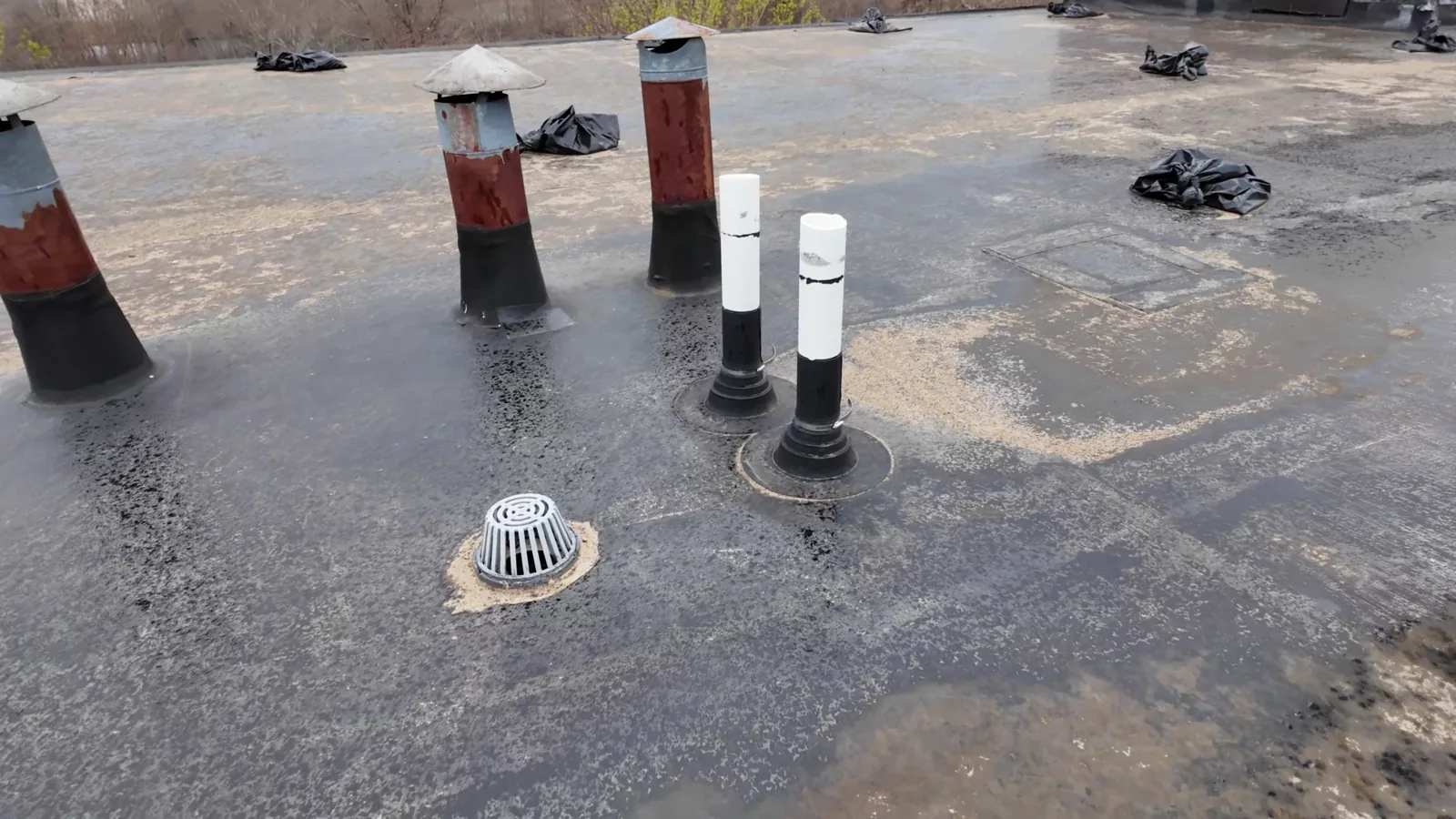
Hanna put 14.40 inches into a gauge northwest of Mission, and sluggish drainage flooded ground toward La Joya and Sullivan City. A warehouse roof may have only a handful of interior drains for tens of thousands of square feet, so a few blocked bowls can load the deck with water. Overflow scuppers become the last line of protection.
We clear and log every drain and scupper, measure standing water with a level, and mark low spots for correction. The roof drains and scuppers scope may add outlets or tapered insulation. In the heat-safety season from May through October, ponded water also accelerates seam aging, so the log notes how long water remains after each rain.
Working Over Active Inventory
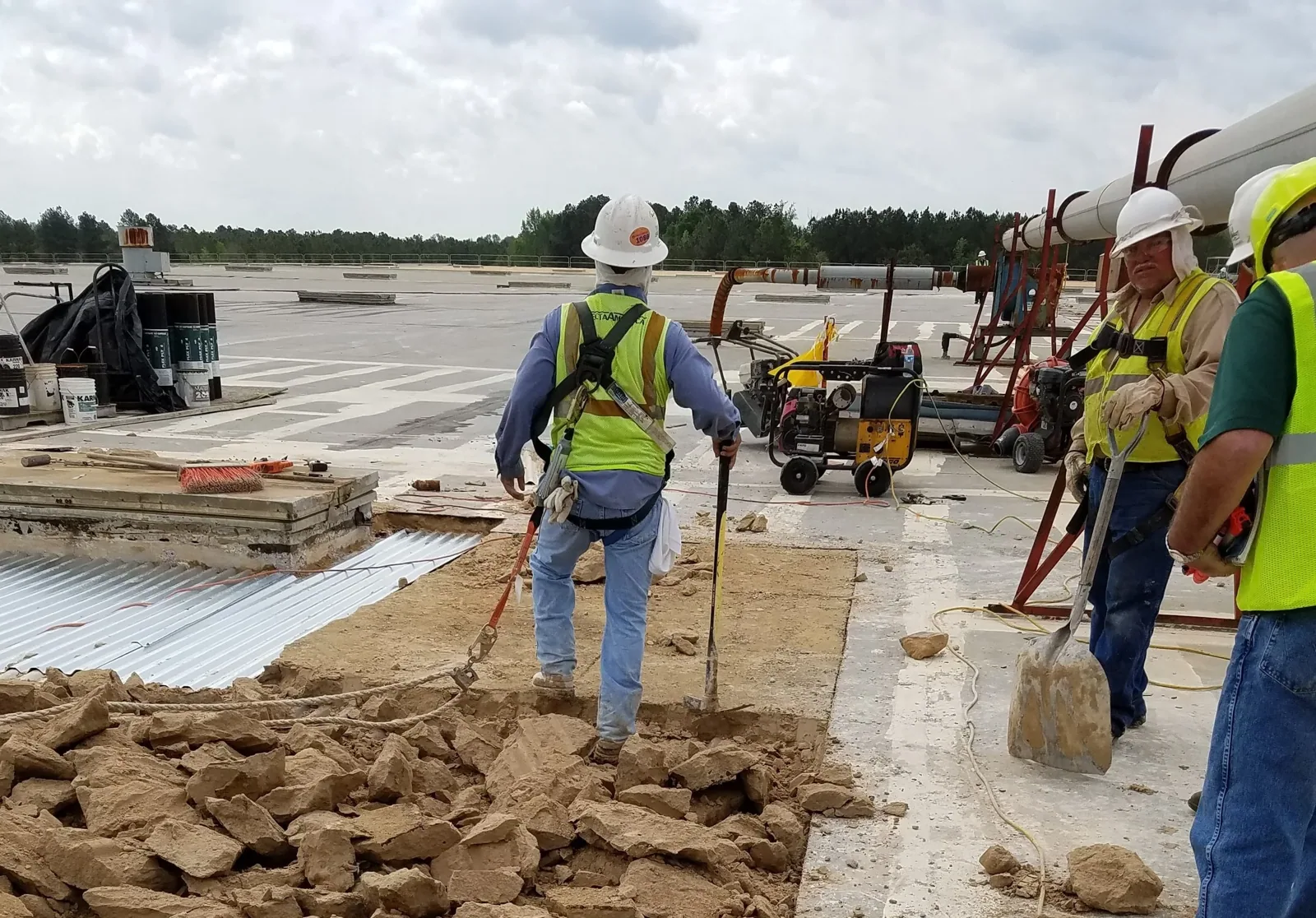
Reroofing a warehouse means planning around trucks, forklifts, and sprinklers. Dock hours, receiving windows, and sensitive storage zones shape the schedule. Interior protection such as tarps below work areas, debris chutes kept clear of dock doors, and dust control near stored goods are discussed in advance with the facility manager.
Fire safety receives special attention when hot work is involved. Torch-free methods are used where the owner or insurer prefers them, and a fire watch follows any open-flame work. Tenants receive a calendar of noisy phases, and each day's progress is photographed so the owner can follow the roof through completion. This approach keeps occupied building reroofing moving while shipping continues.
Warehouse Work Across the Metro
Owners in McAllen, Pharr, Mission, and Palmview receive the same written format. A related type of building, the distribution center, adds conveyor and loading-dock complications, while manufacturing plants add exhaust and process loads. A portfolio owner can compare these buildings side by side when budgeting.
Questions and Answers
How do you protect inventory when a warehouse roof is opened up?
Work is staged so only a small area is open at a time, with a dry-in plan if weather changes. Interior tarps and sealed edges protect goods below, and sprinkler and lighting lines are marked. The facility manager receives a daily summary of what was opened, covered, and left for the next shift.
Which warehouse roof section should be fixed first?
The section with wet insulation or open seams over the most valuable storage. The moisture map and the area-by-area log rank them. A dry section with minor wear can wait and be monitored, while an area with active leaks over racking moves to the front of the schedule.
Does a larger roof mean a larger drainage risk?
Usually, because each drain serves a wider catchment. A single blocked outlet can send water to the nearest low point, loading the deck and straining seams. We record outlet count against roof area, check overflow height, and recommend added drainage where the numbers are thin.
Can rooftop solar or heavy equipment be added to an older warehouse roof?
Possibly, if the roof is in good condition and the structure carries the added load. We examine membrane age, insulation, and deck, then identify what must be repaired first. Penetrations for supports are flashed as part of the same record so future inspections can find them.
What does a written summary of a warehouse roof include?
It lists each numbered roof area with dated photographs, seam and flashing findings, drain status, moisture results, and a recommendation of repair, coating, or replacement. Owners use it for budgeting and for lender or insurance requests, and it becomes the baseline for the next visit.

Schedule a Warehouse Roof Condition Review
Ask for a walk of your Mission, TX warehouse roof. We divide it into numbered sections, log drains, map moisture where needed, and deliver a written condition summary for budgeting or an insurance conversation.