
Roof Systems
Built-Up Roofing in Mission, TX
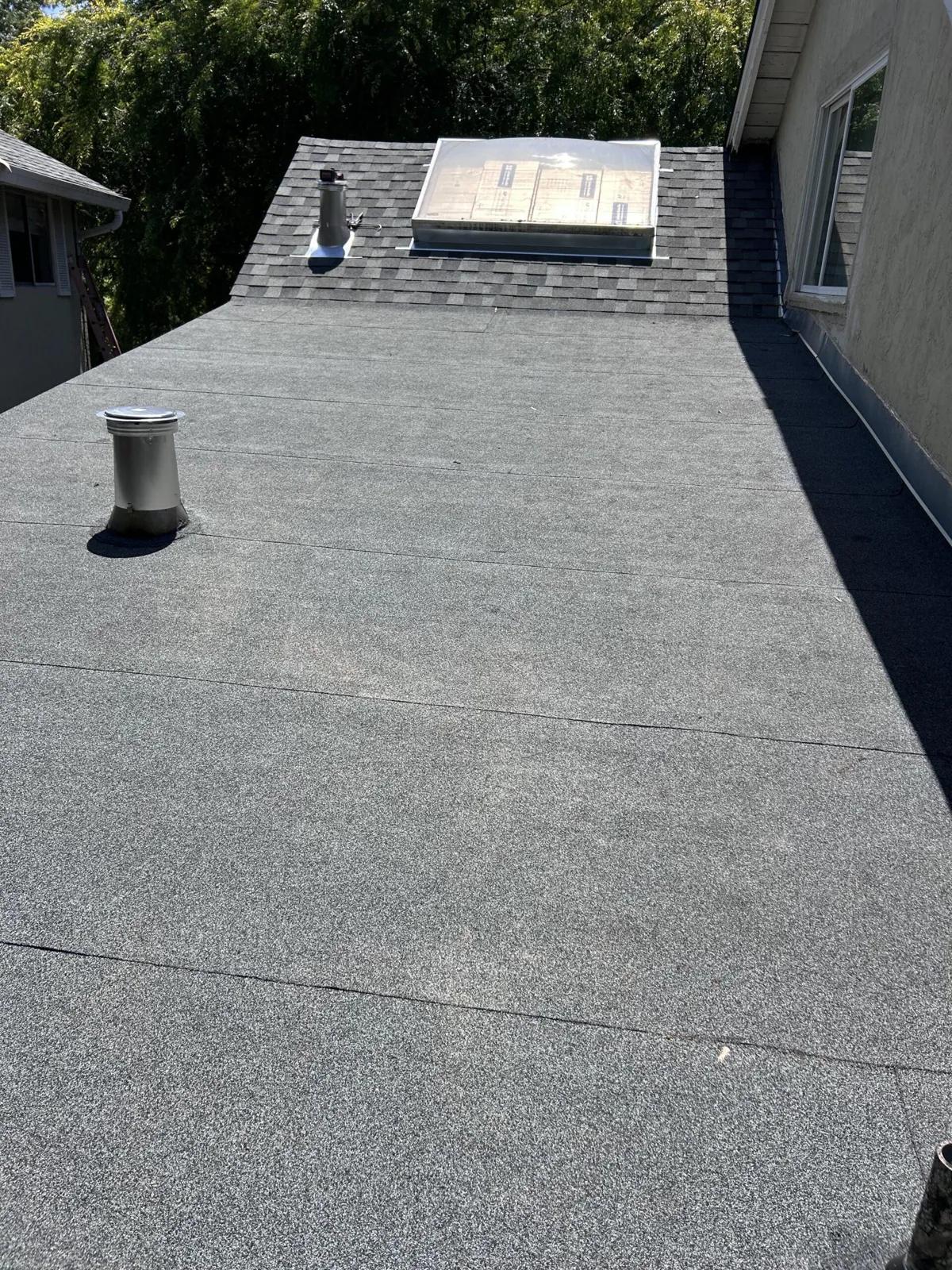
A core cut through a built-up roof in Mission, TX reads like a page of a ledger. Gravel on top, then bitumen, felt, bitumen again, felt again, and finally the insulation or deck. The inspector counts the plies, measures their thickness, notes whether the layers are dry, and photographs the cut beside a tape. That single sample explains how the roof was built, how much protection remains, and whether the owner should repair, restore, or replace.
Plies, Bitumen, and the Surfacing Layer
A built-up roof, or BUR, is assembled on site from alternating layers of bitumen and reinforcing felts. Asphalt or coal tar pitch serves as the waterproofing, and glass-fiber or organic felts reinforce it. The top surface is protected by gravel embedded in a flood coat of bitumen, by a mineral-surfaced cap sheet, or by a reflective coating. Each layer adds redundancy, so a single flaw seldom opens a direct path to the deck.
That multi-ply construction gives BUR a long record on flat commercial roofs. It also means repairs can be tricky: the layers hide moisture, and a stain on the ceiling may sit far from the entry point. A moisture scan followed by core cuts usually finds the real path faster than a visual search of the surface.
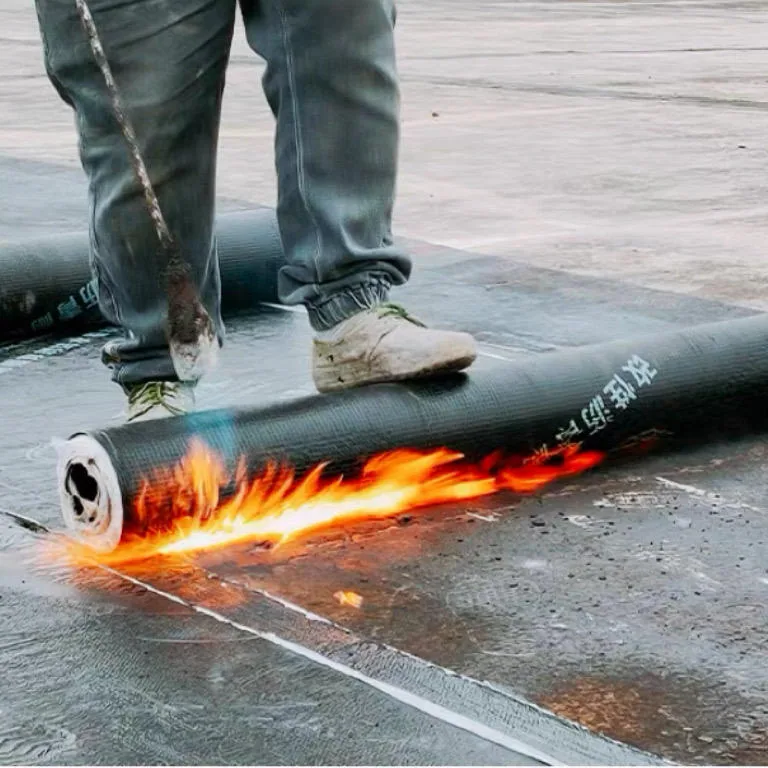
Hot asphalt is the traditional bonding agent, heated in a kettle on site and mopped between felts. Cold-applied adhesives and torch-applied cap sheets are alternatives where kettles are restricted. Each method has its own signs of workmanship, from the evenness of the mopping to the width of the lap, and we read those signs when a core cut is open on the roof. A modified bitumen cap over a BUR base is a common hybrid and shows up as a distinct top layer in the sample.
Gravel Surfaces, Wind Scour, and Drains
Gravel-surfaced BUR resists foot traffic and shields the bitumen from ultraviolet light, but gravel can move. Estimated winds of 60 to 65 mph reached Mission and McAllen with Hanna in July 2020, and gusts of 50 to 70 mph crossed populated Hidalgo County with Dolly in 2008. Wind scour on a gravel roof pushes stone toward the edges and sometimes into drains.
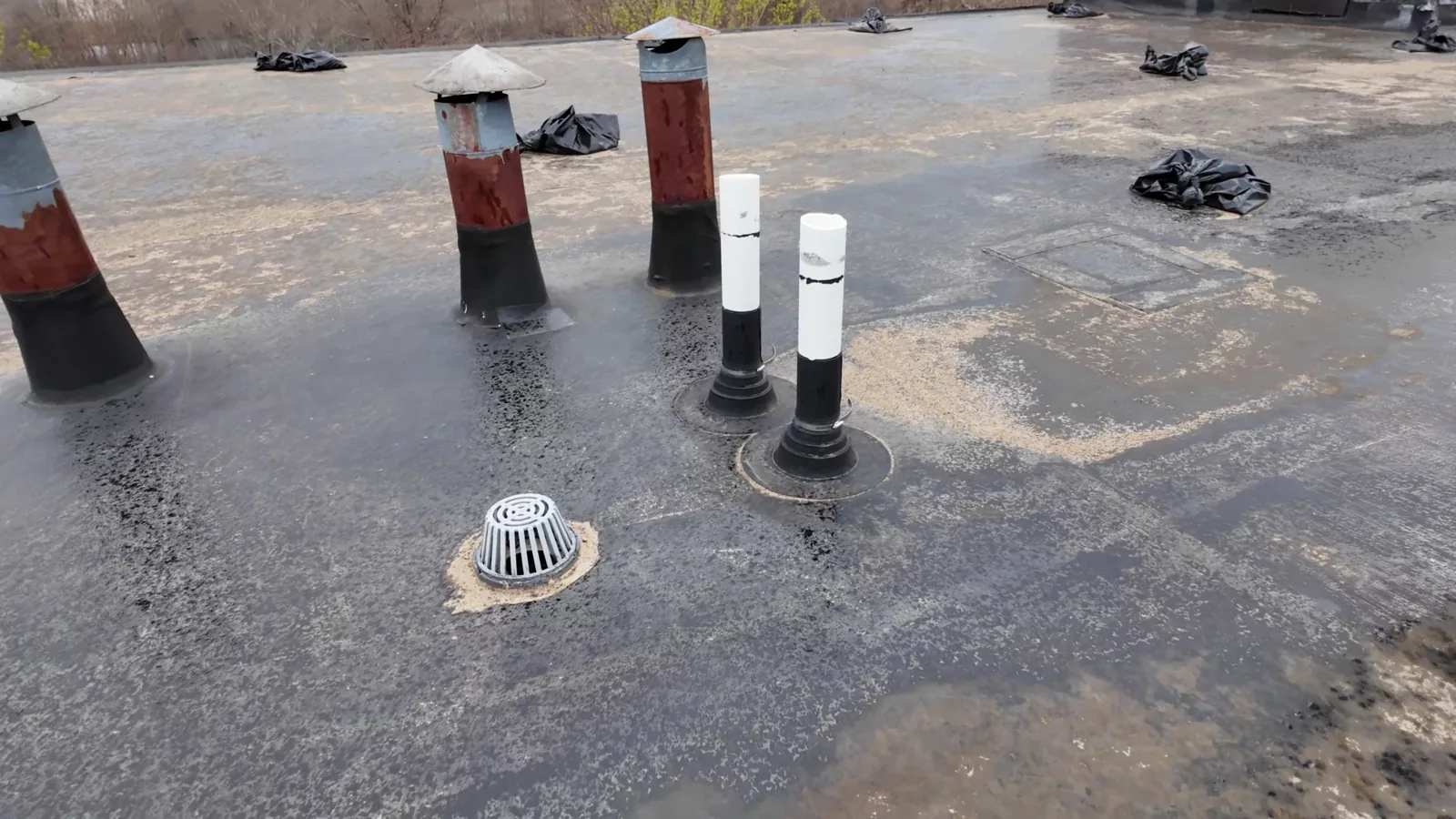
We photograph bare spots in the gravel, measure how much stone has collected at the perimeter or against curbs, and clear the strainers. Exposed bitumen ages quickly in the Valley sun, so bare patches are marked for re-embedding or recoating. The roof drains and scuppers work is combined with that task, since a clogged bowl and bare stone are linked problems.
Heat-Season Aging of Asphalt
The Brownsville weather service calls May through October the Valley's heat-safety season. Asphalt oxidizes and hardens under heat and light. A BUR surface that was flexible in its first years becomes brittle, cracks at the felt edges, and checks across the surface in a pattern the inspector calls alligatoring.
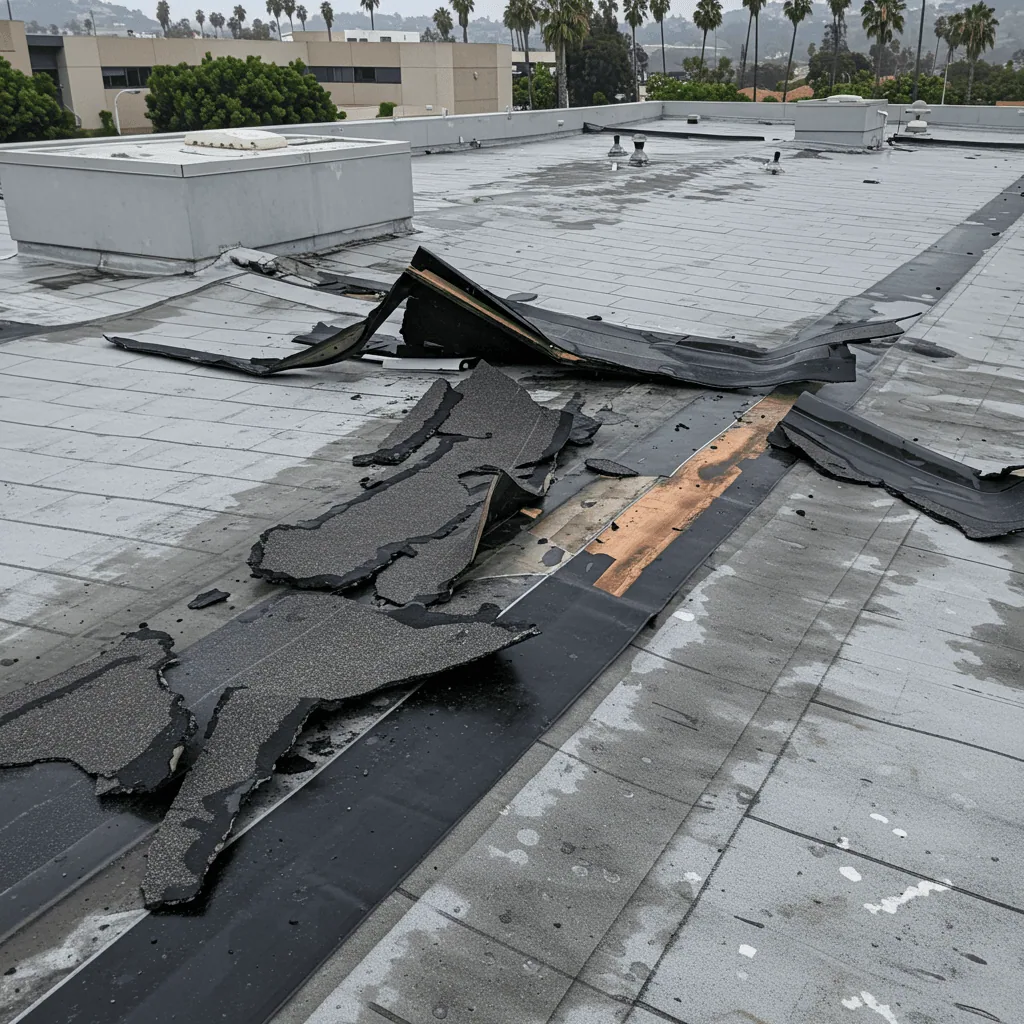
Alligatoring that stays in the surface layer is a maintenance matter, since a coating can seal it. When the cracks reach the felts, water enters the system and the insulation below begins to hold moisture. We record crack depth, extent, and location on the rooftop sketch and compare it to last year's photographs. The comparison shows how fast the roof is declining and gives the owner a dated basis for planning the capital budget.
Flashings age faster than the field. Base flashings at parapets and curbs take the most movement, and the felts there are often only a few plies thick. Cracked mastic, a split at a corner, or a loose termination bar are all logged with photographs, and small repairs are priced from the list. Delaying those repairs through a tropical season can turn a minor flashing item into a wet insulation problem.
Trapped Moisture and Wet Insulation
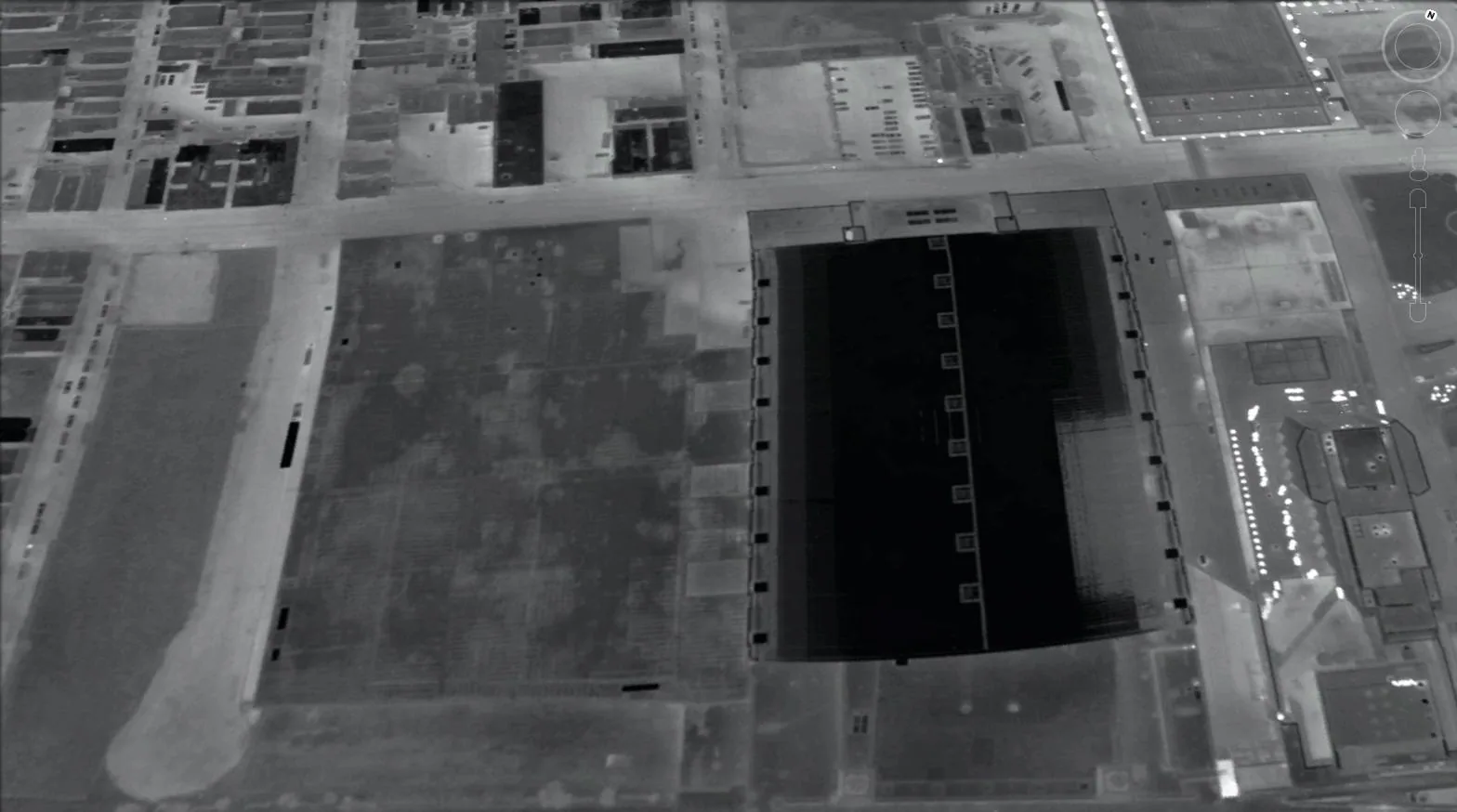
Water trapped between plies or in the insulation does not always show on the ceiling. A roof can feel firm underfoot while holding moisture across a third of its area. An infrared moisture survey, flown in the evening when wet areas hold heat longer, outlines the suspect zones, and core cuts confirm them.
The moisture map sets the scope. Dry zones may stay in place with repairs and a coating. Wet zones must be cut out, replaced, and tied back into the old system with staggered plies. After heavy rain like the 14.40 inches Hanna delivered at Mission 3.5 NW, the map becomes more important, because water entering through one flaw can spread under the roof for weeks.
Repair, Recover, or Replace
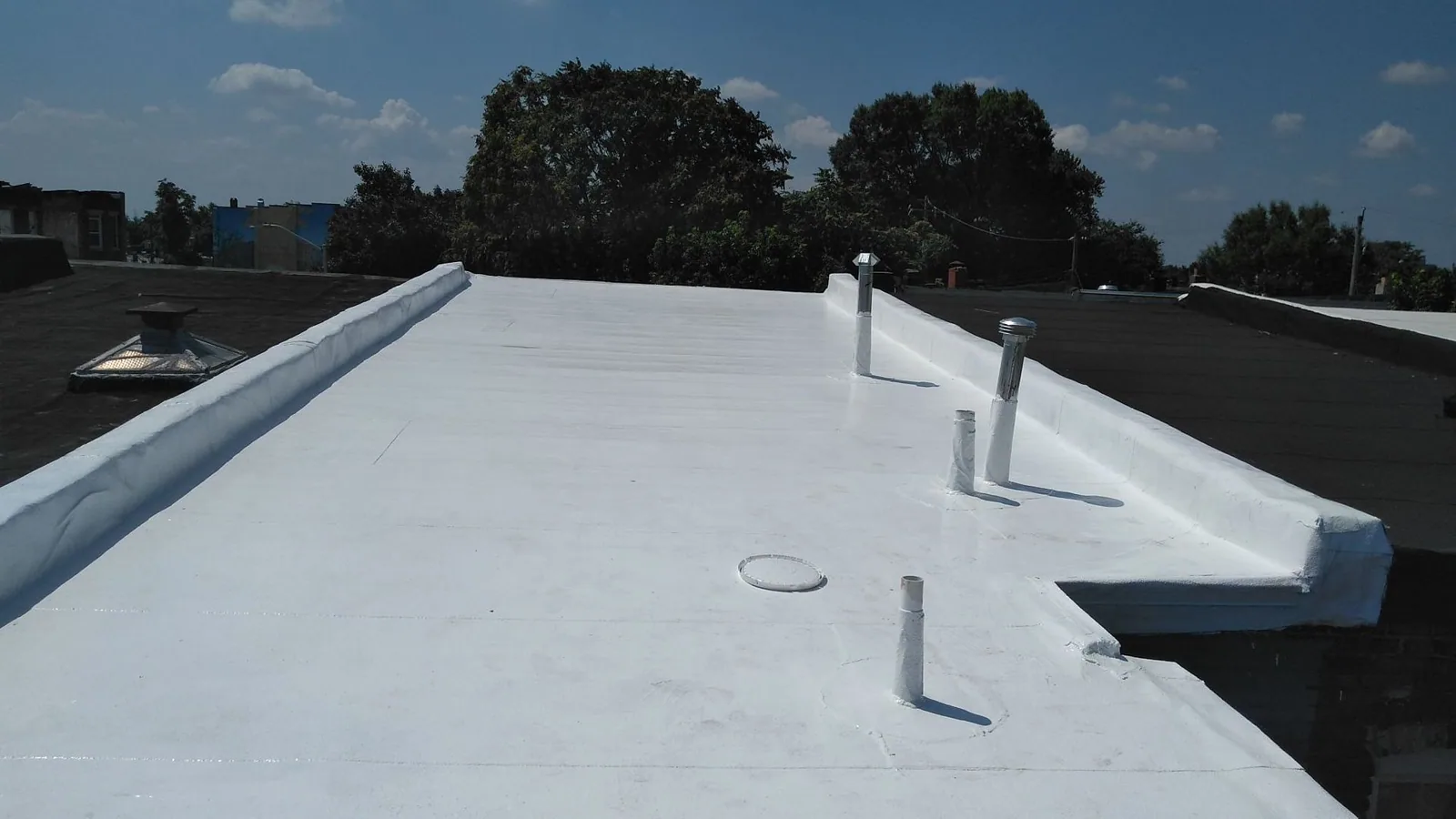
Isolated flashing failures and blisters are repair items. A dry roof with a worn surface can be restored with a silicone coating or a recover. A roof with wet insulation across most of its area, widespread splits, or many failed laps needs replacement. The written findings state which condition applies to each roof section, and the owner may phase the work across budget periods.
Weight is a factor when replacing with another system. Removing gravel and felts changes loads on the deck, and the new system must be selected with the structure in mind. A lighter single-ply or modified bitumen sheet may be chosen, with insulation sized for the energy code in force and the deck verified by fastener pull tests.
Where BUR Still Appears
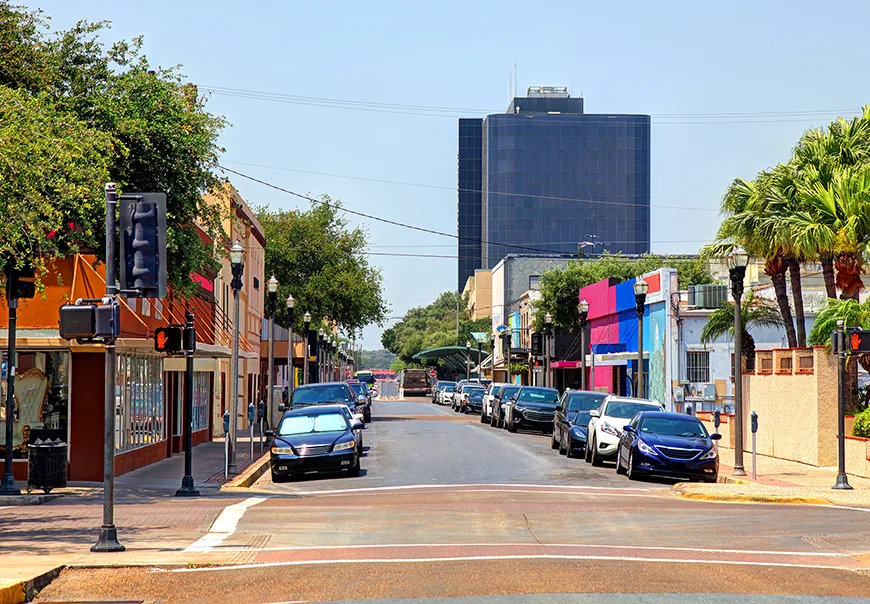
School buildings, government offices, and older commercial blocks in the McAllen, Edinburg, and Mission area may have BUR roofs. The record taken at the first visit tells the owner what the roof is, how thick it is, and what it will accept, and the reroofing plan builds on it. Roof access and staging matter on these buildings. Older blocks may have only a ladder or a hatch for access, parapets of uneven height, and equipment placed close to edges. We plan the hoisting of materials, the protection of walkways and landscaping below, and the routing of debris chutes before tear-off starts. Tenants receive notice of the noisiest days.
Owners across the metro, including those in Edinburg, receive the same format of written condition summary.
Questions and Answers
How can I tell if my flat roof is built-up rather than single-ply?
Look at the surface. Gravel or a granulated cap sheet usually indicates BUR or modified bitumen, while a smooth white or black sheet suggests single-ply. A small core cut settles the question and reveals the plies. We photograph the cut and record the layer count for the owner's file.
Is alligatoring a sign that the roof must be replaced?
Not by itself. Surface crazing that has not reached the felts can often be sealed with coating after cleaning. Cracks that expose the felts, or that sit over wet insulation, point toward larger work. The core cut and moisture scan together tell which case applies.
What should happen to the gravel when a BUR roof is repaired?
Loose gravel is swept back from the work area, the repair is made, and the stone is re-embedded in fresh bitumen so it stays put in wind. Leaving gravel loose invites scour at the next tropical event. We photograph the area after the repair and record it in the log.
Can a BUR roof be coated rather than torn off?
If the insulation tests dry and the felts are intact, a reflective coating over a repaired surface can extend the roof's life. A pull-off adhesion test on a small patch confirms the bond. Coating over wet material traps the problem, so the moisture survey comes first.
Why is the number of plies recorded in the written summary?
Ply count and thickness show how much waterproofing remains and how a repair should be tied in. A four-ply roof with a worn cap behaves differently from a two-ply roof, and a later contractor needs that fact. The count also helps in a budget conversation or an insurance review.
Request a Built-Up Roof Core and Moisture Review
Ask for a visit to your Mission, TX building. We cut a sample, map moisture, and deliver a written condition summary with dated photographs and a repair, coating, or replacement recommendation the owner can use for budgeting or an insurance conversation.