
Industries We Serve
Roofing for School Districts in Mission, TX
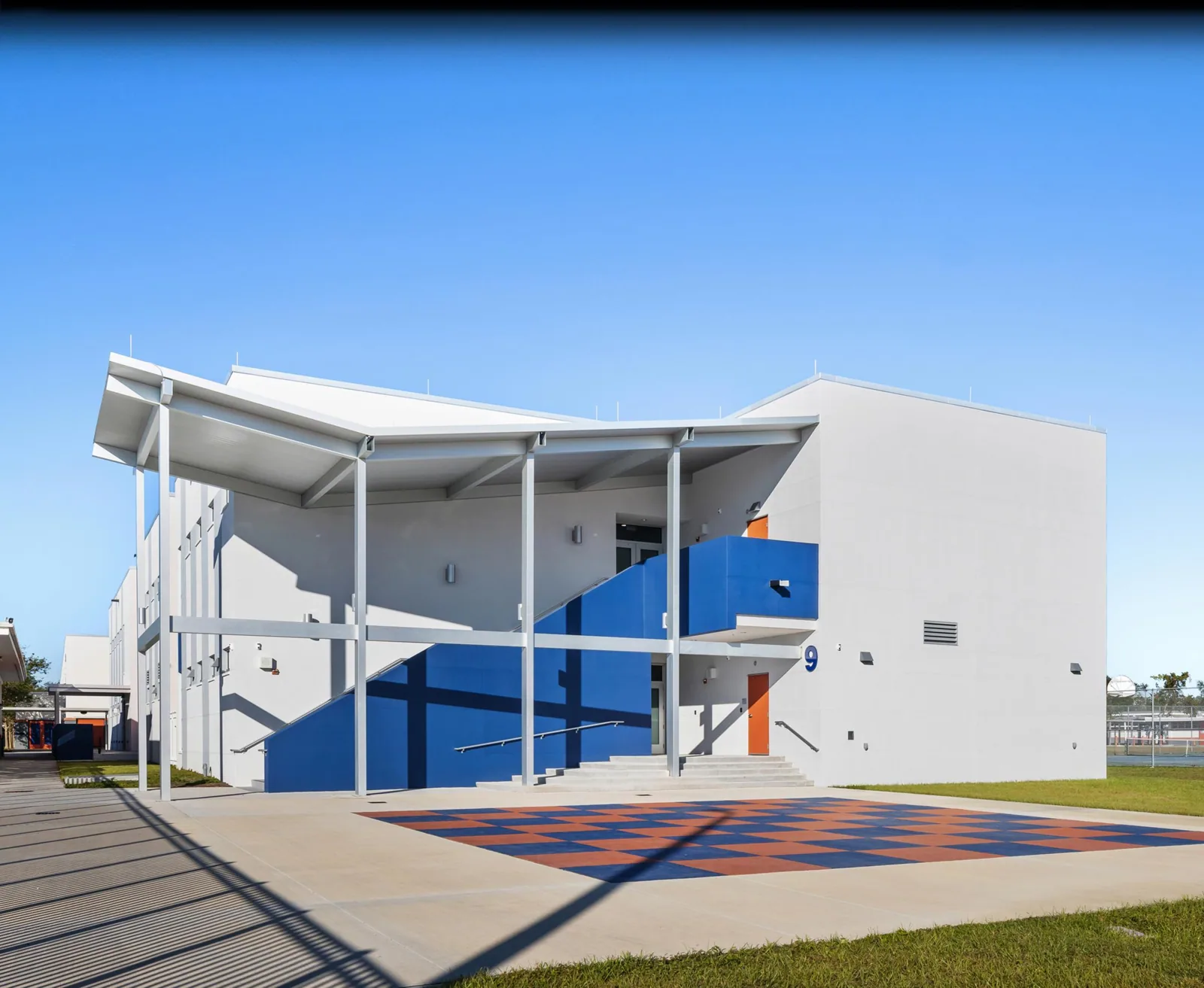
A district roof file opens with a campus table: every campus, every building, every roof section and the date of the last dated photograph. The table is the document a facilities director shows a board, and everything behind it, the tagged photographs, the moisture map and the drain log, is there to support a line in that table. Without one, budget decisions rest on memory.
School districts serving Mission, TX have added campuses as nearby cities grew, and growth means newer campuses beside older ones, each with its own roofs. A district's roofs are recorded one finding at a time, each with a rating, a consequence and a recommendation, so a board can fund the right buildings in the right order.
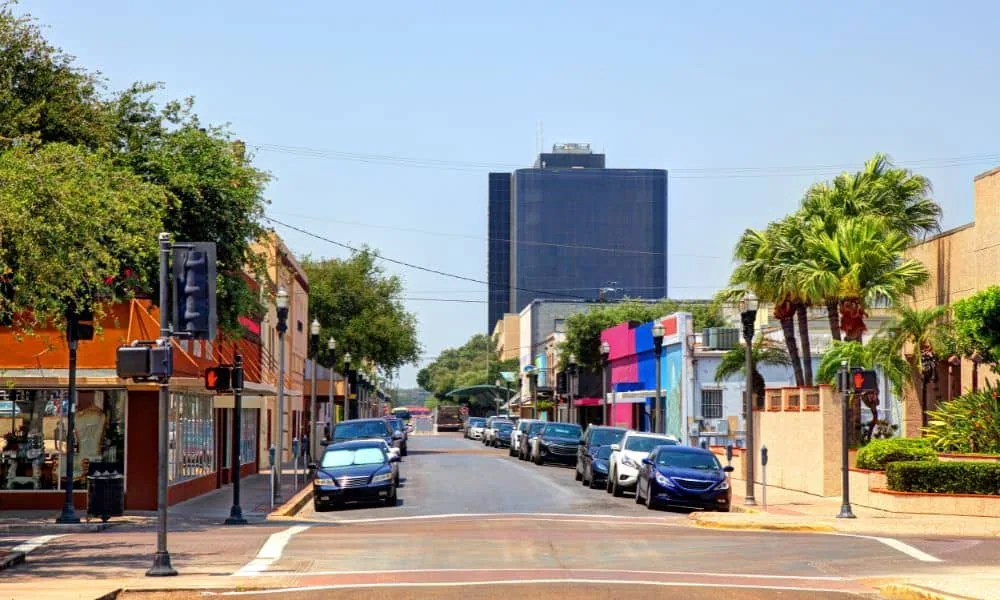
Findings Across Old and New Campuses
Older campuses show the findings of age: aging surfaces, open seams, split sealants, rusted fasteners and drains that no longer carry the load. Newer campuses show construction-era findings: unsealed penetrations, poorly detailed flashing and ponding where drains were set high. Both get the same walk.
Gyms, cafeterias and auditoriums have long spans and large rooftop units, and their roofs are walked in full. For every finding the log holds a dated photograph, the section tag and a rating that notes what sits below. A leak over a library carries a different consequence from one over a storage room, and the table says so.
Covered walkways connect many buildings on a campus, and their roofs take heavy foot traffic beneath them. A split seam or a clogged scupper over a walkway is a safety and comfort issue, so each is rated and photographed.
Portable classroom roofs are small but numerous. They are walked quickly, with a tag per unit, since a single leaking unit can close a classroom on short notice.
The Campus Table and the District File
The record is a table with a row for each roof section. Columns show campus, building, section, system type, approximate age, rating, driving finding and recommended action. A facilities director can sort by rating to see the worst roofs or by campus to prepare a visit.
The district file also holds the drain and scupper log, the rooftop sketch and the last condition summary for each building. A roof capital plan built from the table gives the board a multi-year schedule with evidence behind every line, which makes a bond or a budget discussion more concrete.
Where a building has no drawings, the record builds a sketch from the walk. The sketch shows section boundaries, drains and units, and it stays with the file when staff change. A new facilities director can use it on the first day.
Scope Lines Written Around the School Year
Scope lines use the school calendar. Summer is the main construction window, so large sections are scheduled then, with material ordered and permits obtained earlier. Smaller repairs are scheduled for breaks. Each line pairs its finding with the moisture-map area and the option chosen.
Student safety shapes the plan, and a general contractor on a campus renovation receives the same staging map. Staging and hoisting stay away from entrances, bus lanes and playgrounds, and a daily protection routine covers open cuts. A recover overlay may suit a sound, dry deck and shorten the schedule. A tear-off is specified where moisture is found, and the core record explains why.
Warranty status is checked before lines are final. An active maker's warranty brings two entries into the scope: the notice required and the repairs the maker accepts, since the wrong material can end coverage.
Access is stated in each line. A lift for a gym roof, a crane pick for a cafeteria unit and a ladder for a portable each have different costs, and the line names the one that applies and the hours it can be used.
A Baseline Before the Tropical Season
Schools open in August, in the middle of a tropical season that runs from June through October. A baseline taken in spring, before summer work begins, records edge metal, fasteners, drains and scuppers on every campus. Fasteners pulled as samples along the perimeter show the holding power that remains.
The baseline matters because a district building may be needed after a storm, and a leaking roof removes that option. Rooftop equipment and loose items that wind could move are listed too, each with the staff member who secures it before a named storm.
Heat is part of the baseline. Roofs over gyms and cafeterias run hot for months: the Valley's heat-safety season, as the Brownsville office frames it, is May through October. Coating film and sealant elasticity are logged each spring.
Post-Storm Comparison for Reopening Decisions
After a named storm, a district must decide quickly which campuses can reopen. Each section is walked again and photographed from the baseline vantage points, then laid beside the earlier images. In July 2020 Hanna's estimated 60 to 65 mph winds along I-2 did their damage to hundreds of poorly built Valley structures mostly at the roof, and poor drainage left water standing across parts of Mission, La Joya and Sullivan City.
The comparison lists, campus by campus, which roofs are unchanged, which have new findings and which need emergency protection. That list supports reopening decisions, state reporting and insurance claims, and every entry carries a date.
Interior photographs complete the comparison. A stained tile or a damp wall in a classroom is matched to the roof section above, so a repair crew goes where the opening is.
Options, Recommendation and Board Reporting
A list of options accompanies each building, each tied to the finding that favors it: repair, coating, section replacement or replacement. The recommendation orders the work by consequence and condition, and it names the maintenance between visits. A board can adopt the order and revisit it each spring.
Growth has reached communities such as Alton, which a Census Bureau report called the fastest-growing city in Hidalgo County, and Palmview, where new schools followed a rise from 4,107 to 15,830 residents. The same format covers a campus school roof, a college building, and joint-use facilities that public agencies share with districts.
The recommendation ends with habits that suit a district: clear drains before school starts, restrict roof access to named staff and date every new stain with its room. They cost little and keep the file useful from year to year.
Questions and Answers
How should a district prioritize roofs across many campuses?
By rating and consequence together. Use one scale for every campus, with the driving finding for each rating and the rooms beneath it. Sort by rating, then by occupancy, and let the top of the list set the budget.
When should roof work be scheduled?
Large sections in summer, small repairs at breaks. We recommend ordering material and obtaining permits in spring, so summer days go to installation and not to waiting.
What does a board need from a roof report?
A table, photographs of the worst sections, a plain rating and a cost range with stated assumptions. We recommend keeping the technical file behind it for questions.
Should a district install a recover or replace a roof?
It depends on the moisture record. We recommend core samples and a moisture map first. A recover suits a dry, sound deck, while saturated insulation calls for removal.
How do you protect students during roof work?
With separate haul routes, fencing, timed deliveries and daily protection over open cuts. We recommend a written safety plan that the principal and the facilities director both approve.
What belongs in the district roof file?
The campus table, tagged photographs, sketches, drain logs, warranty papers and the last condition summary. We recommend updating it each spring and after each named storm.
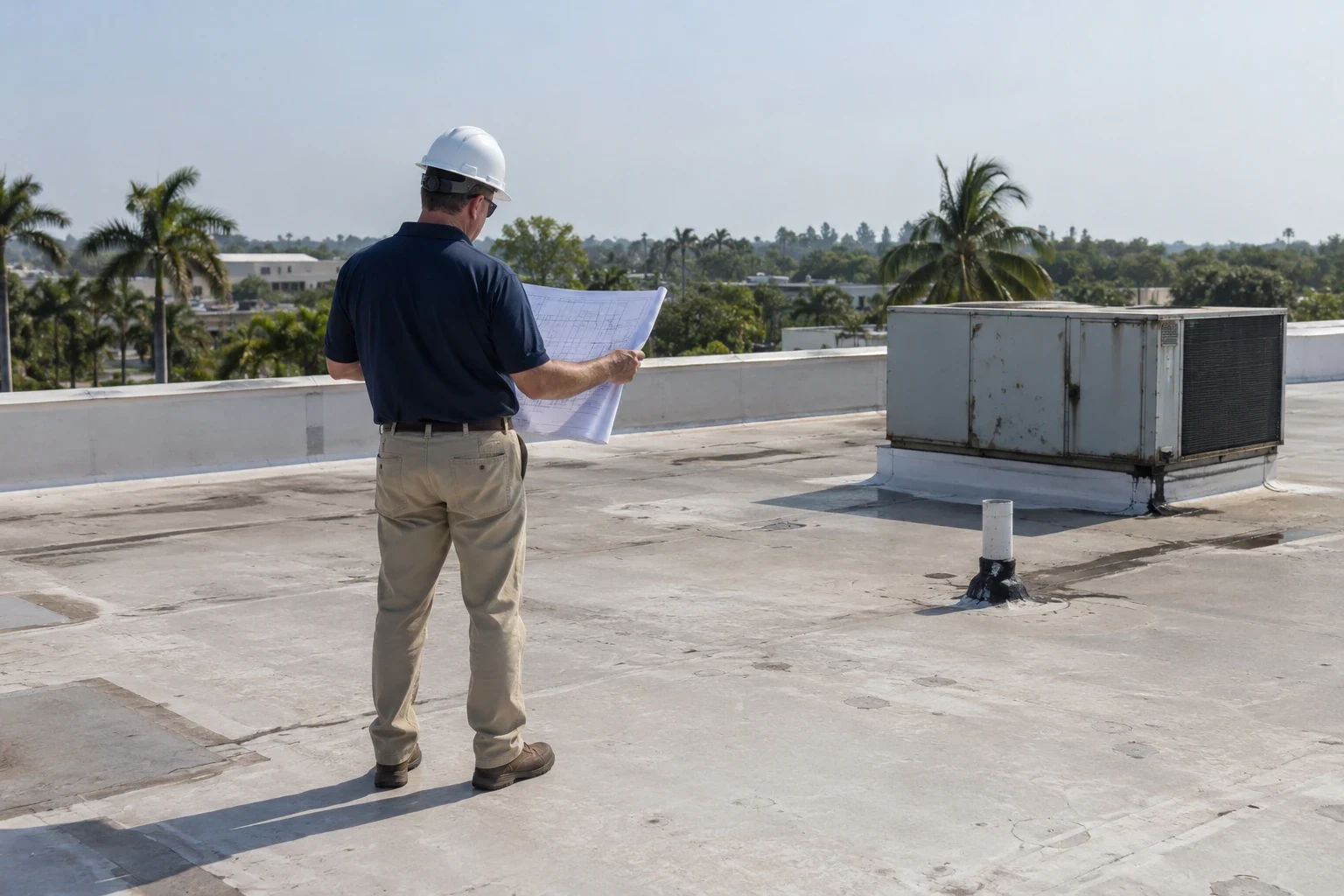
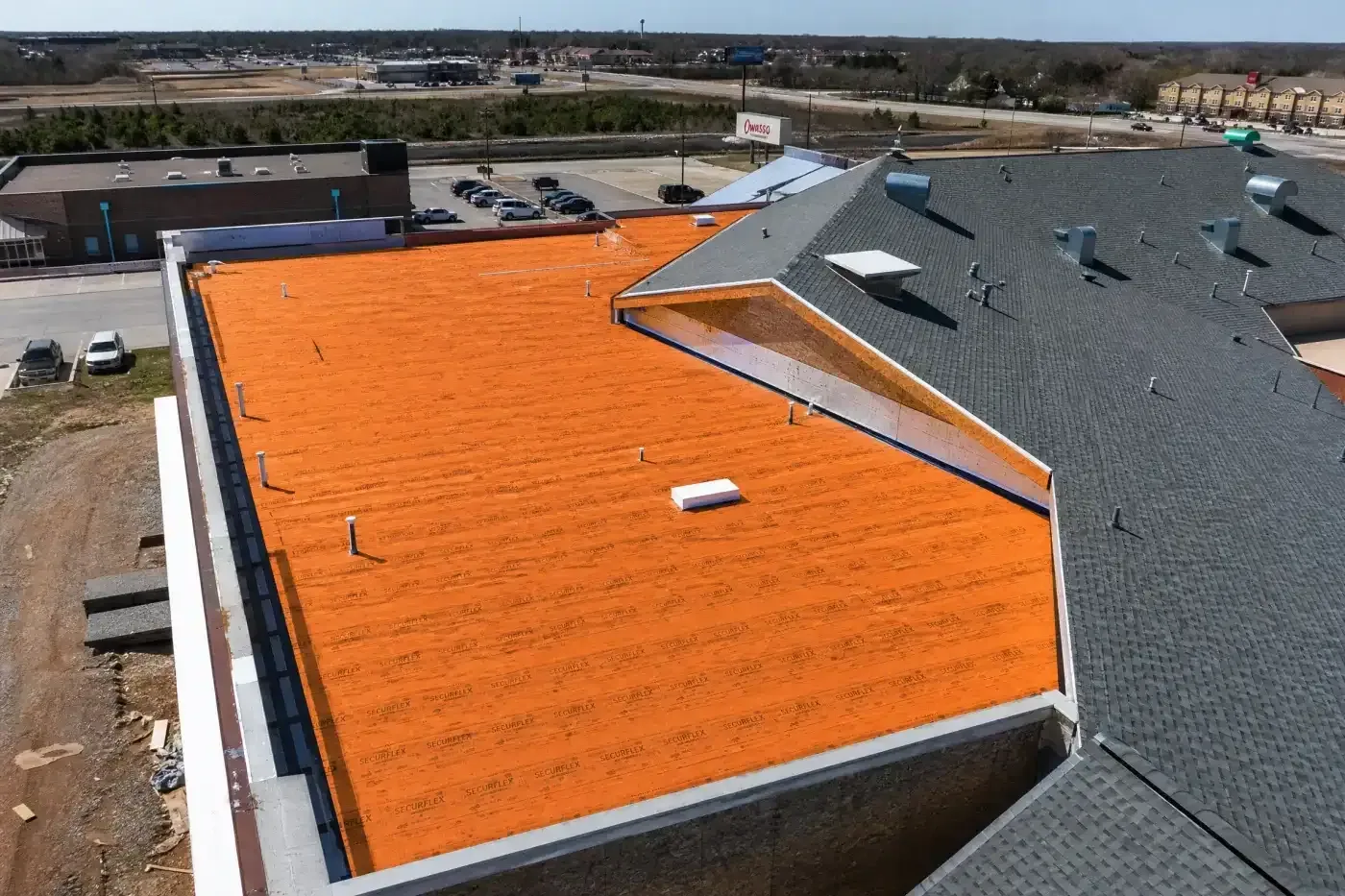

Request a Documented Inspection
Ask for a documented inspection of your campuses. The written condition summary will include tagged photographs, rooftop sketches with moisture readings, drain and scupper logs, a campus table and scope lines you can reuse for budgeting, bonding or an insurance conversation.