
Commercial Roofing Services
Commercial Roof Leak Repair in Mission, TX

A leak call in Mission, TX opens a file with three entries: the date and weather when water first appeared, the interior location, and a photograph of the ceiling or wall. Those entries guide where the inspector starts on the roof, because water follows deck joints, ductwork, and insulation seams before it shows inside. The work that follows is a search with a record, not a guess: we trace the water path backward from the interior, test each suspect detail, and repair only what the evidence confirms. Rain in the Rio Grande Valley can arrive fast and heavy, and a leak that appears once may return with the next system unless the actual entry point is closed.
Tracing the Water Path
The first step is a walk of the interior. We note the size and shape of the stain, whether the ceiling is wet or dry now, and which fixtures, ducts, or walls are nearby. Then we go to the roof and work outward from the area above the stain, checking seams, penetrations, drains, flashings, and edge metal in that order. Water tends to enter at a detail, travel along the deck, and drop at a low point or a joint, so the entry can be many feet away from the stain.
Where the path is not obvious, we use a controlled water test: a hose on one small area at a time, starting low and working upslope, with someone inside watching. The test is photographed and timed. A confirmed entry gets a mark on the roof sketch and a number in the file, so repeat visits can be compared against the same map.
Common Entry Points on Commercial Roofs
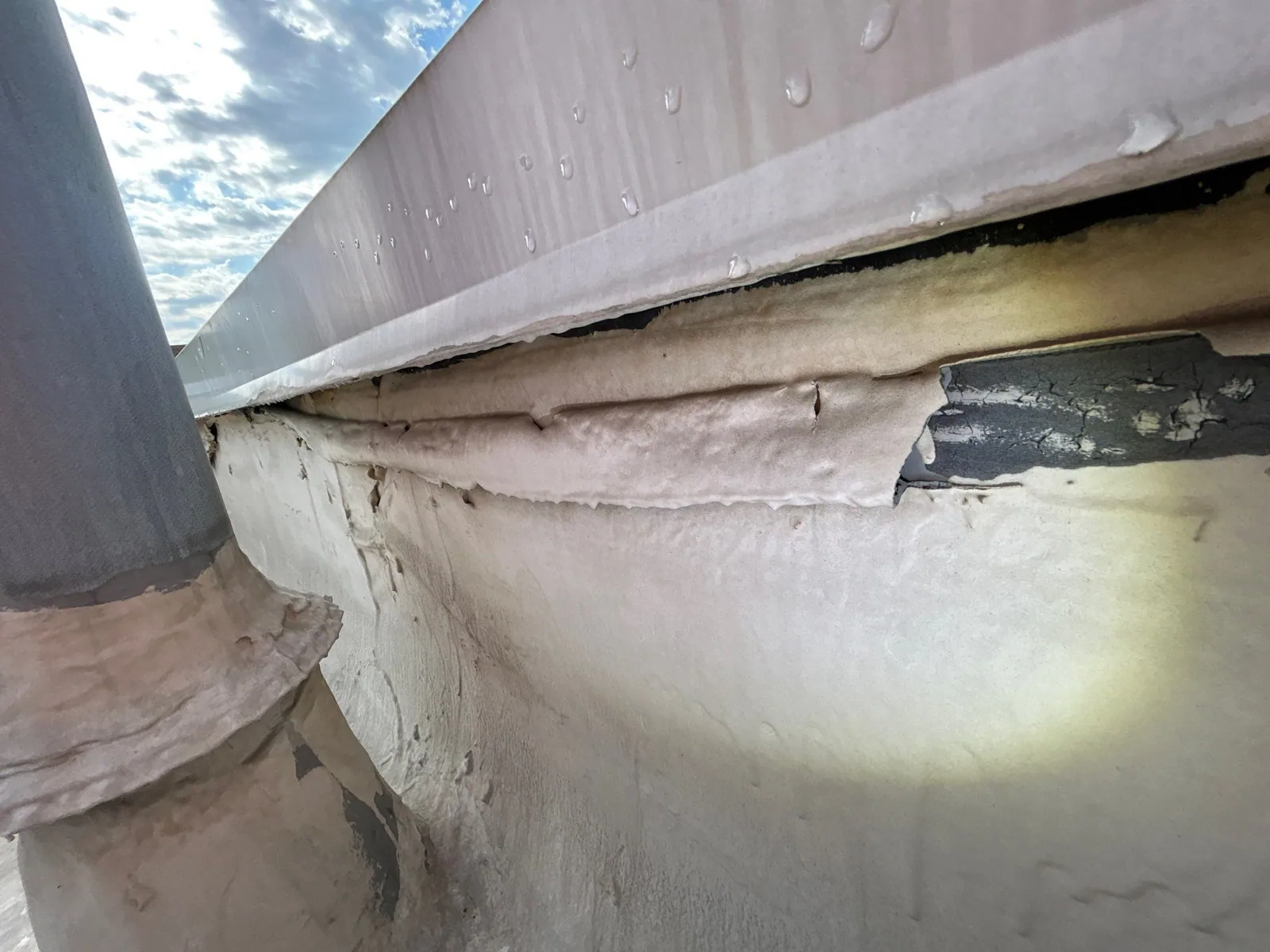
Penetrations lead the list: pipe boots, conduit supports, and curb corners where sealant has cracked. Next come seams that have opened under heat cycling, drains where the membrane has pulled away from the clamping ring, and walls where counterflashing no longer covers the membrane. The National Weather Service describes May through October as the Valley's heat-safety season, and a sealant joint that expands and contracts through those months gives up long before the membrane does.
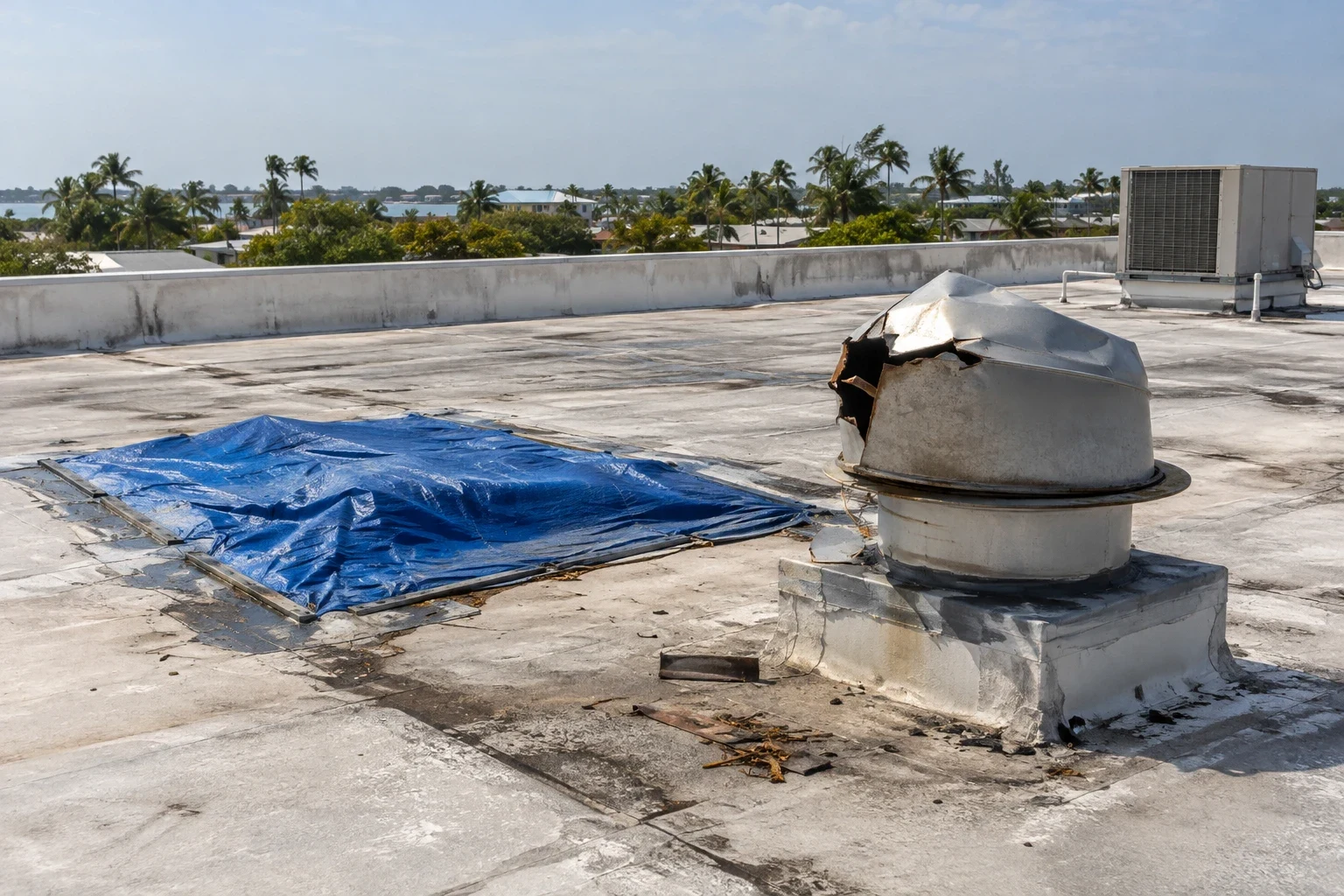
Edge metal is another source. In July 2020, Hurricane Hanna peeled metal roofing in McAllen, and a district maintenance shed in Mission lost part of its roof. On a building that has seen wind, a leak after the next rain often traces to a displaced edge or coping joint, which is why storm history belongs in the leak file. We ask the owner for any earlier photographs, repair invoices, or tenant complaints, because a leak with a long history is read differently from one that appeared last week. Where the pattern points to storm damage, the work continues as storm damage roof repair.
Checking for Wet Insulation
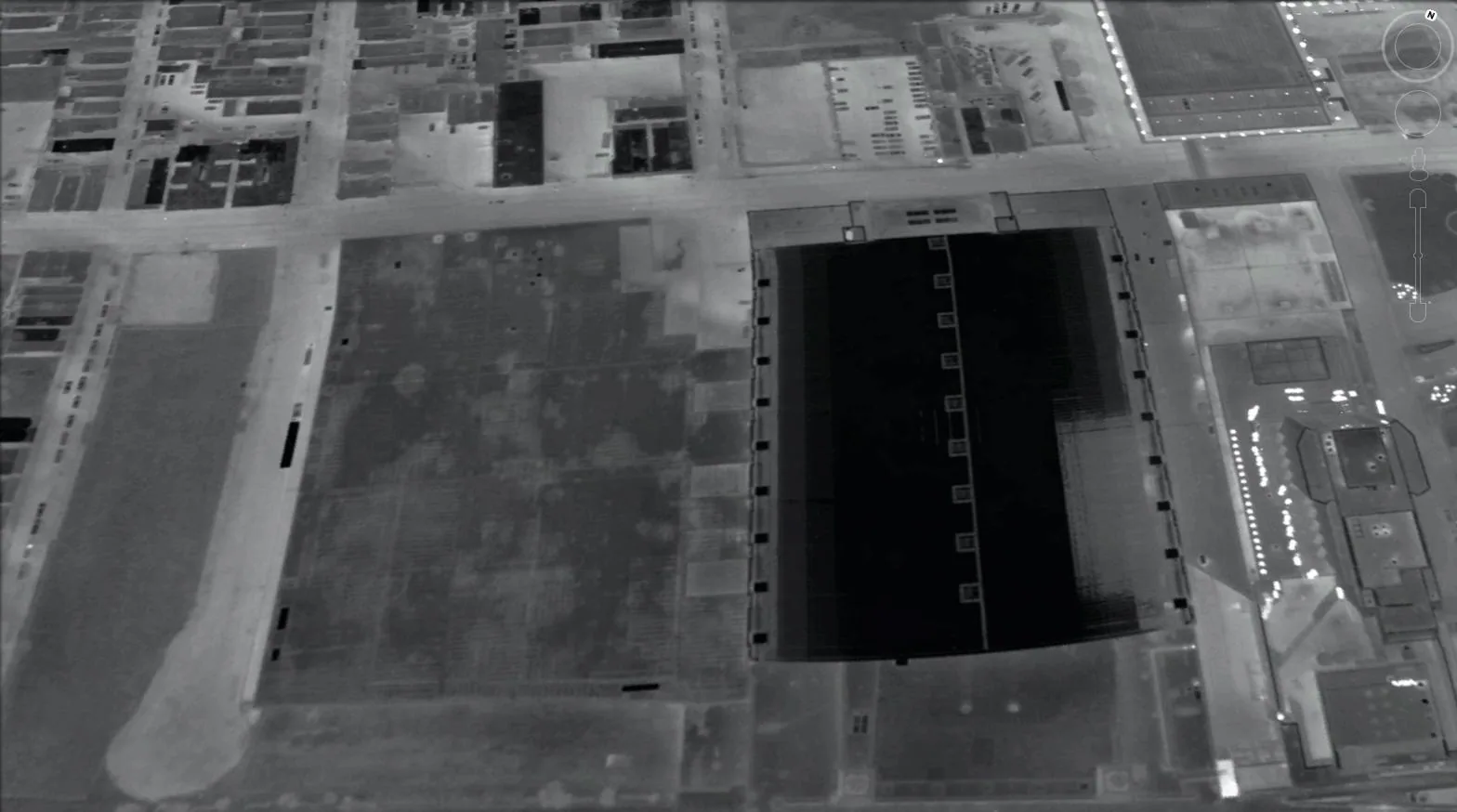
Closing the entry does not end the job if insulation under the membrane has absorbed water. Wet insulation keeps feeding a stain after the leak stops, and it reduces thermal performance and adds weight. After a repair, we use a handheld moisture meter and, when the roof is large, an infrared moisture survey to find the extent of wet material.
If the wet area is small and close to the repair, we cut it out and replace it with dry material as part of the leak repair. If it is larger, the report says so and lists the choices: partial replacement of the wet section, a coating over dry areas, or a broader project. The choice goes in the owner's file with the moisture map, so the cost of waiting is visible beside the cost of acting.
Rain Volume, Drains, and Ponding
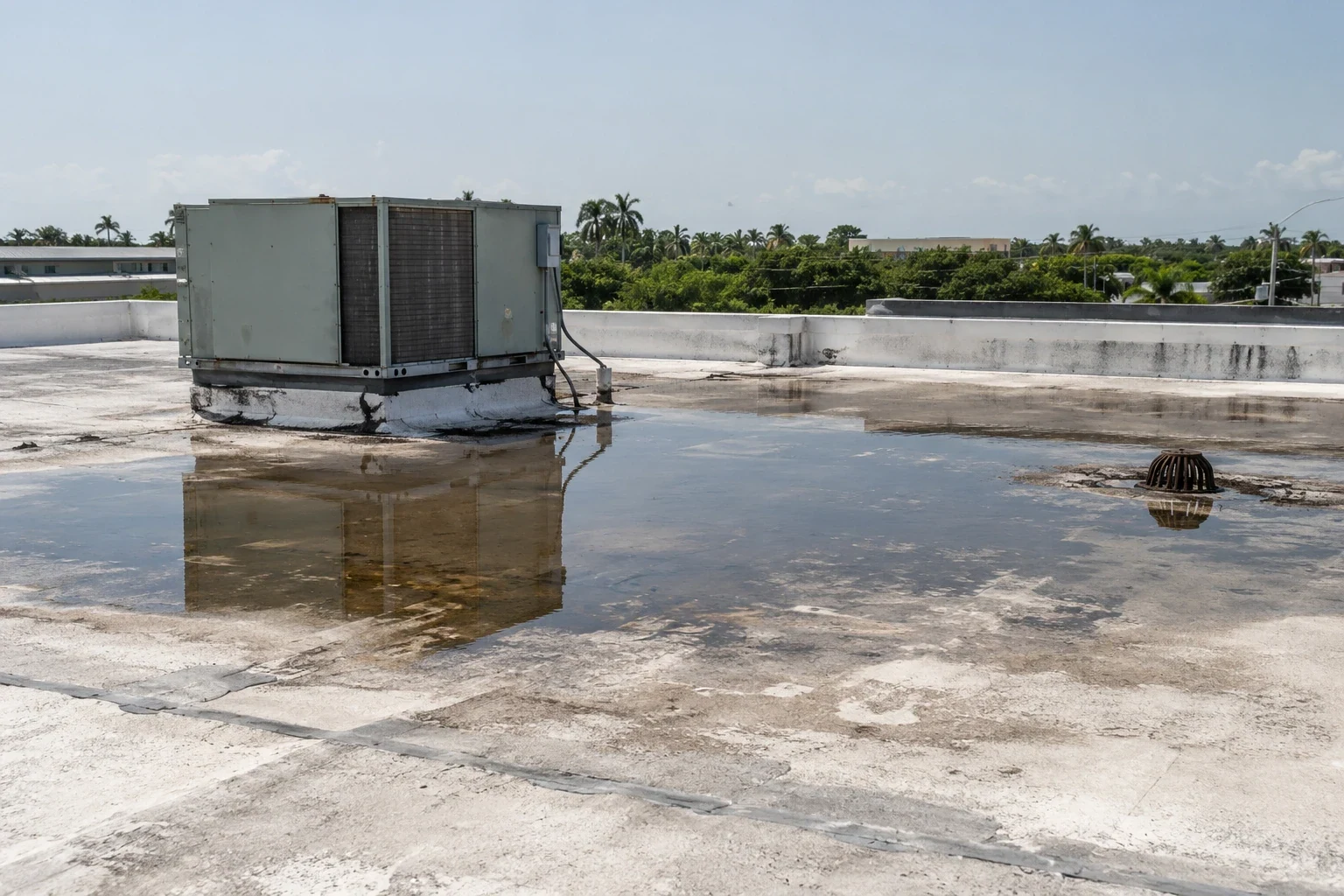
Rain totals in Hanna reached 14.40 inches at a gauge northwest of Mission and 13.92 inches at La Joya, and parts of the Mission, La Joya, and Sullivan City area saw water from 18 inches to up to 4 feet deep because drainage could not keep pace. A roof that drains slowly holds water on its seams longer, so leaks that appear only in heavy rain often start at ponded areas around drains and low spots.
For that reason every leak visit includes a drain and scupper check: debris, clamping ring condition, overflow height, and whether the surrounding membrane is flat or tapered. If standing water lasts more than a day after rain, the report adds it to the list of conditions and names the likely fix, whether cleaning, a new drain body, or ponding water repair using tapered insulation.
Temporary Protection and Permanent Fix
Sometimes the roof cannot be repaired the day we find the leak: material is not on hand, the surface is wet, or the roof temperature is wrong for adhesives. In that case, a temporary seal goes on the confirmed entry, labeled in the file as temporary, and a follow-up visit is booked for the permanent repair within the next dry window. This keeps water out without letting the temporary fix become the repair of record.
The permanent fix is chosen for the material and the detail. A cracked pitch pocket gets rebuilt, an open seam gets a heat-welded or bonded patch, and a failed flashing gets replaced with compatible material, as covered by flashing failure repair. Each repair is photographed before and after, and the roof is revisited after the next significant rain so the file records whether the repair held. If the repair did not hold, the revisit starts from the earlier test points instead of beginning the search again, which keeps the second visit short and the cost contained.
Leak Calls Across the Metro
We take leak calls from owners in Mission, McAllen, La Joya, and neighboring cities. The same file format applies on every building, from a single-tenant shop to a multi-suite center, and the interior photographs we request from the tenant help narrow the search before the crew arrives.
Questions and Answers
Why does a leak sometimes reappear after a patch?
The patch may have closed a secondary opening while the primary entry stayed open, or the insulation under the membrane may still be wet and releasing water. We address both by testing the area around the patch and checking moisture before leaving. If the leak returns, the file shows which details were tested and which remain candidates, so the second visit starts with a shorter list.
Can you find a leak when the roof is dry?
Often yes. A dry-day inspection looks for open seams, cracked sealant, displaced flashings, and ponded residue. Where those signs are not enough, a controlled water test confirms the entry point. For large roofs with several suspects, an infrared scan after sunset can show wet insulation even when the surface is dry.
Who should be notified when ceiling tiles are wet?
The property manager and the tenant should both be told, and the facility team should photograph the interior with a date. Those photographs are paired with the roof findings in our file. If a claim might follow, we also record the weather on the date water first appeared, since the claim history depends on when the damage began.
When is a leak repair not enough?
When moisture surveys show widespread wet insulation, or when the same roof has several leaks in different sections, a series of repairs becomes more expensive than a larger scope. The recommendation compares both, with the number of leaks, the wet area, and the cost of each option listed so the owner can decide with the record in hand.

Report a Roof Leak
Tell us where water appeared and when. We will trace the path, test the entry points, and document the repair so the file is ready for the next rain.