
Property Types We Roof
Flex and Light-Industrial Roofing in Mission, TX
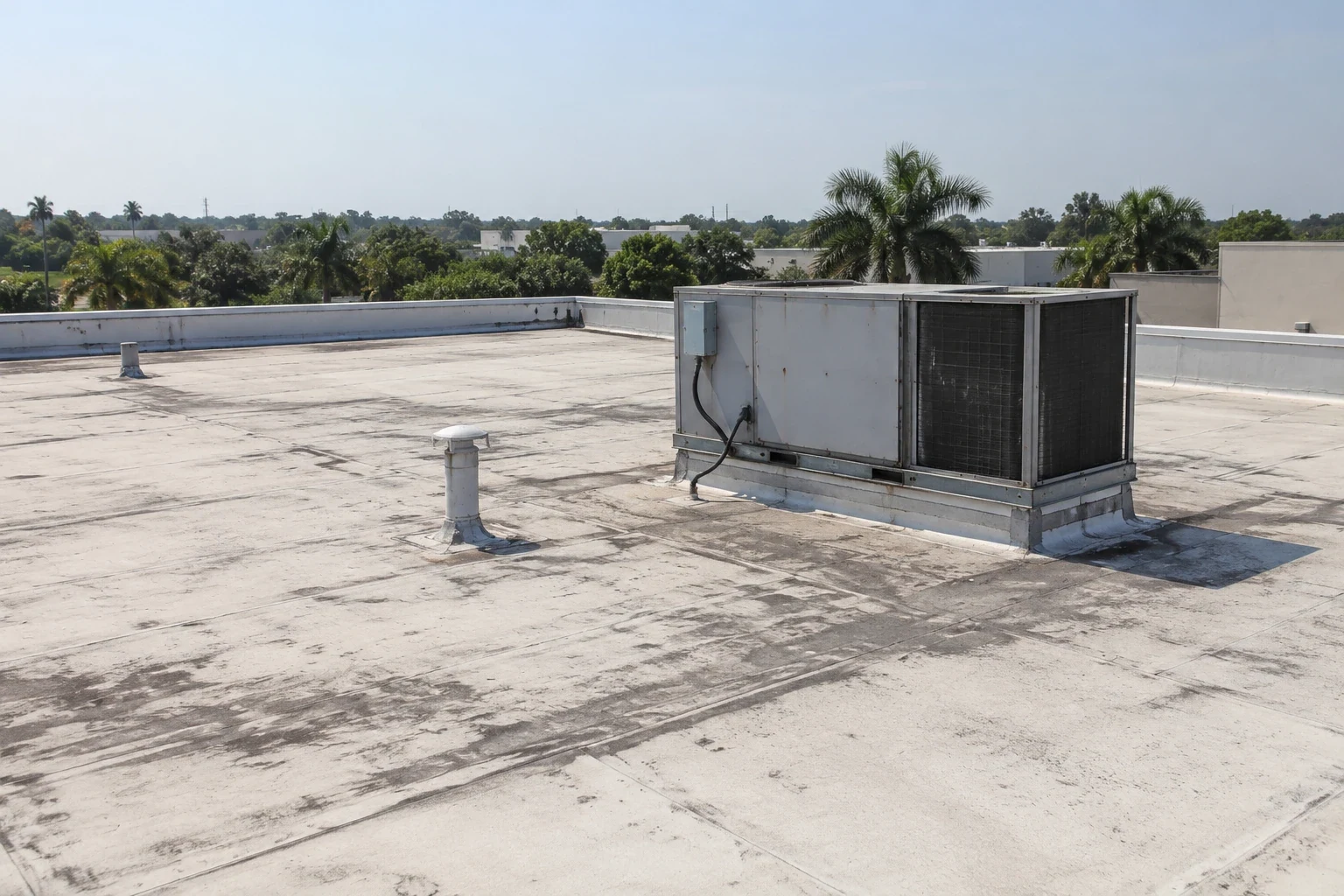
A flex building inspection sheet opens with a tenant bay number beside a roof section number. A flex building is one roof over several tenants, each with its own use, its own rooftop equipment and its own complaints, and a record that ties a roof finding to a bay is the only way to settle whose roof is leaking. The photograph, the moisture reading and the bay number go on the sheet together.
Flex and light-industrial buildings in Mission, TX mix office fronts, warehouse space and sometimes small production. Each finding is recorded with tagged photographs and a rooftop sketch by bay, so a landlord, a property manager and a tenant read the same facts and agree on what to do.
Findings Across Shared Roofs
A shared roof collects the habits of every tenant. One bay adds a rooftop unit, another adds an exhaust fan, a third removes equipment and leaves an open curb. Each addition is a penetration, and each penetration is a place for sealant to fail.
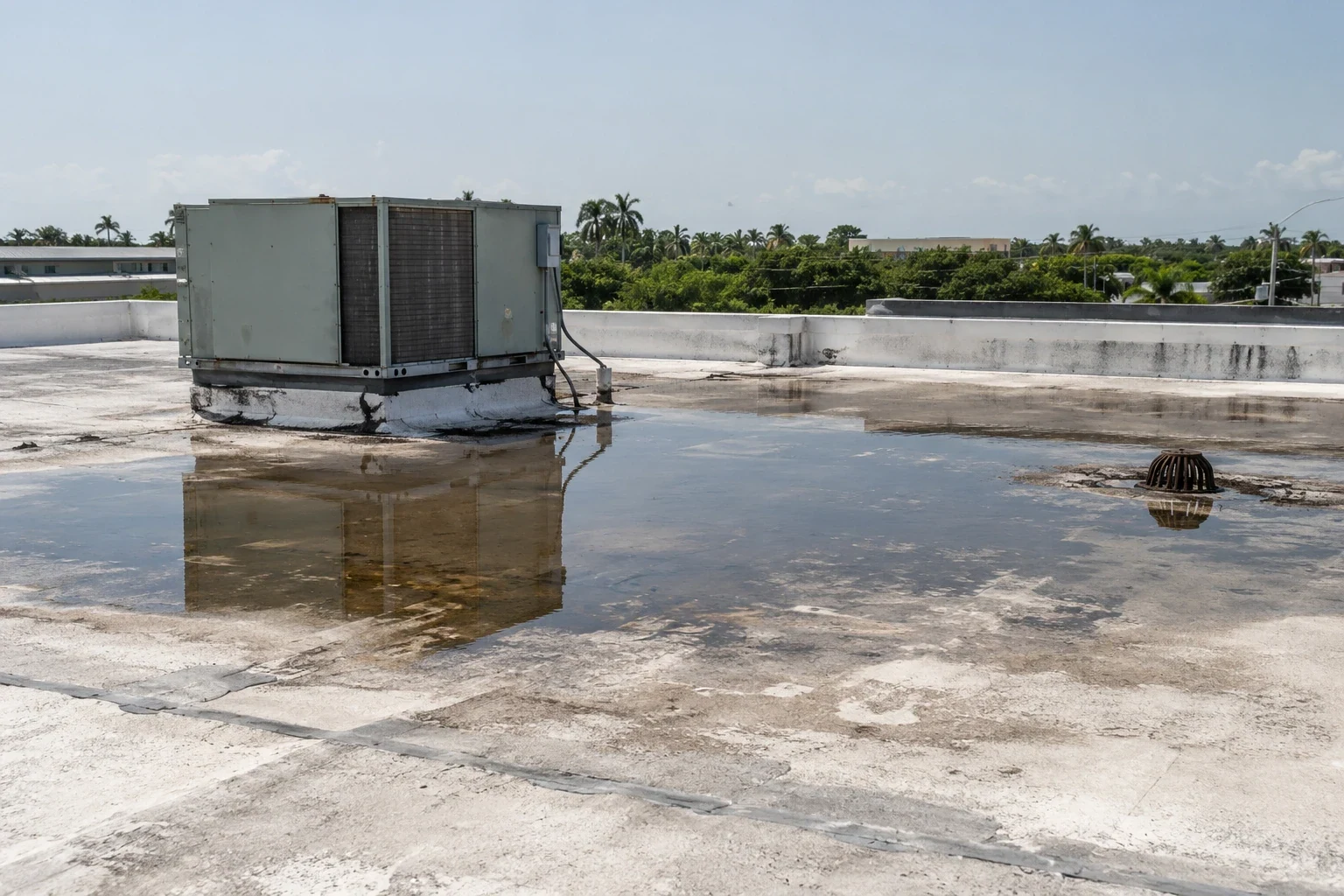
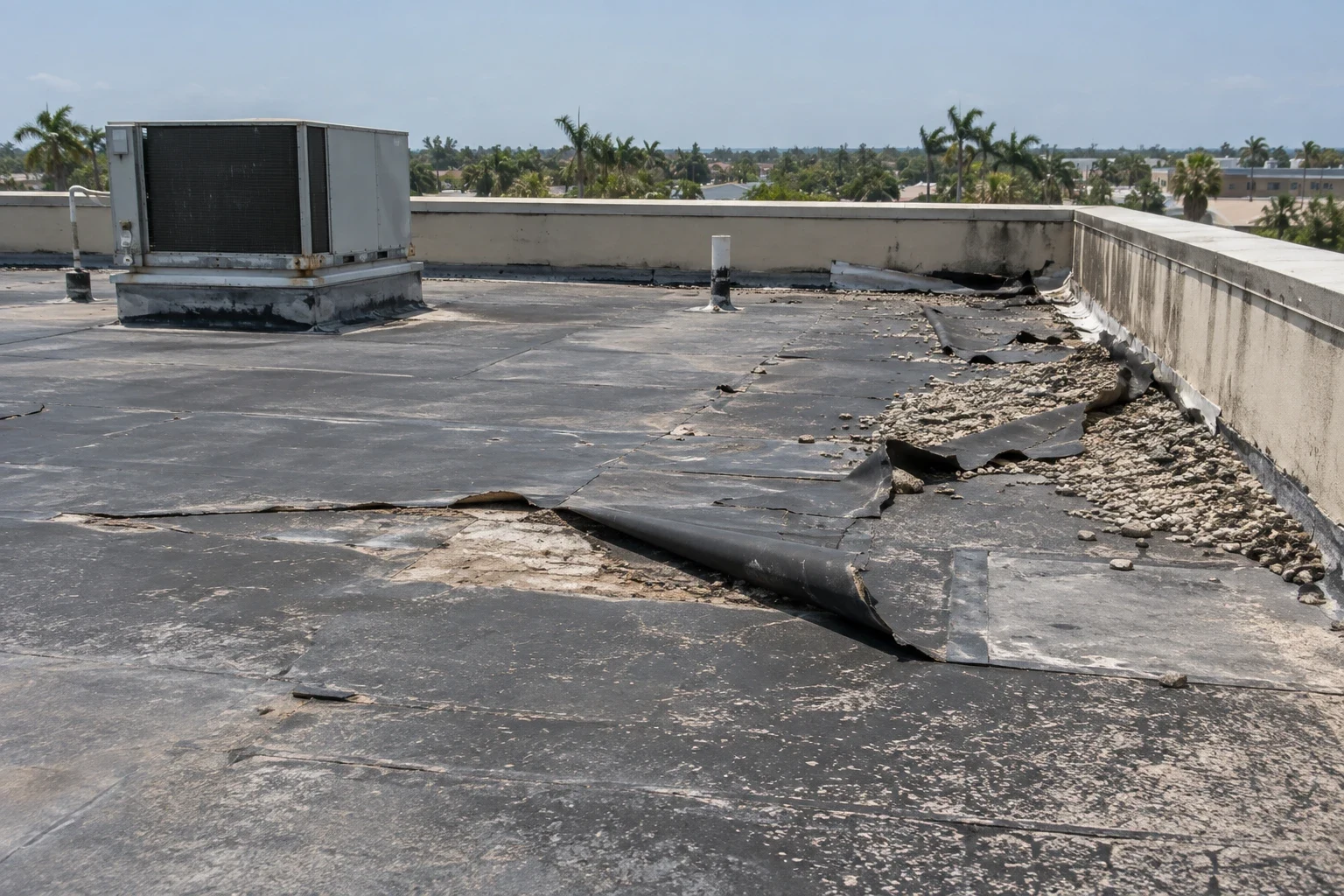
We walk the whole roof and log seams, flashing, curbs, drains, ponding water and edge metal by bay. Abandoned curbs and unsealed conduit entries turn up on flex roofs, and they are photographed and rated like any other finding. Dated photographs show a landlord which problems came with which tenant change.
Parapets and roof edges are checked on every elevation. Flex buildings often have front and rear parapets of different heights, and the lower one tends to carry the drainage. A cap that has lifted or a joint that has split is photographed and tagged to its bay.
Skylights and smoke vents, where present, are rated individually. An obvious opening such as a cracked dome over a warehouse bay and a quieter one such as a loose curb are both logged.
Roof access is logged with each tenant bay. A locked hatch, a missing ladder or a blocked stair is a finding too, since a roof that cannot be reached safely will not be inspected or repaired promptly.
A Record That Serves Landlord and Tenant
The condition summary is organized by bay and by section. A landlord sees the roof as an asset with a rating and a cost range. A tenant sees only the bay above its space, with the findings, the photographs and the repair status. Each reader gets the part that matters.
The record also includes a penetration log. Every rooftop unit, vent and conduit is listed with its bay, its flashing type and its condition. When a tenant requests a new unit, the log shows whether the roof beside it is sound and whether the landlord should repair the area first.
Where a tenant improvement changed the roof, the record notes it with a date. Knowing that a unit was added in a given year helps explain a repeated leak at the same curb and helps assign the repair.
Scope Lines for Occupied Flex Space
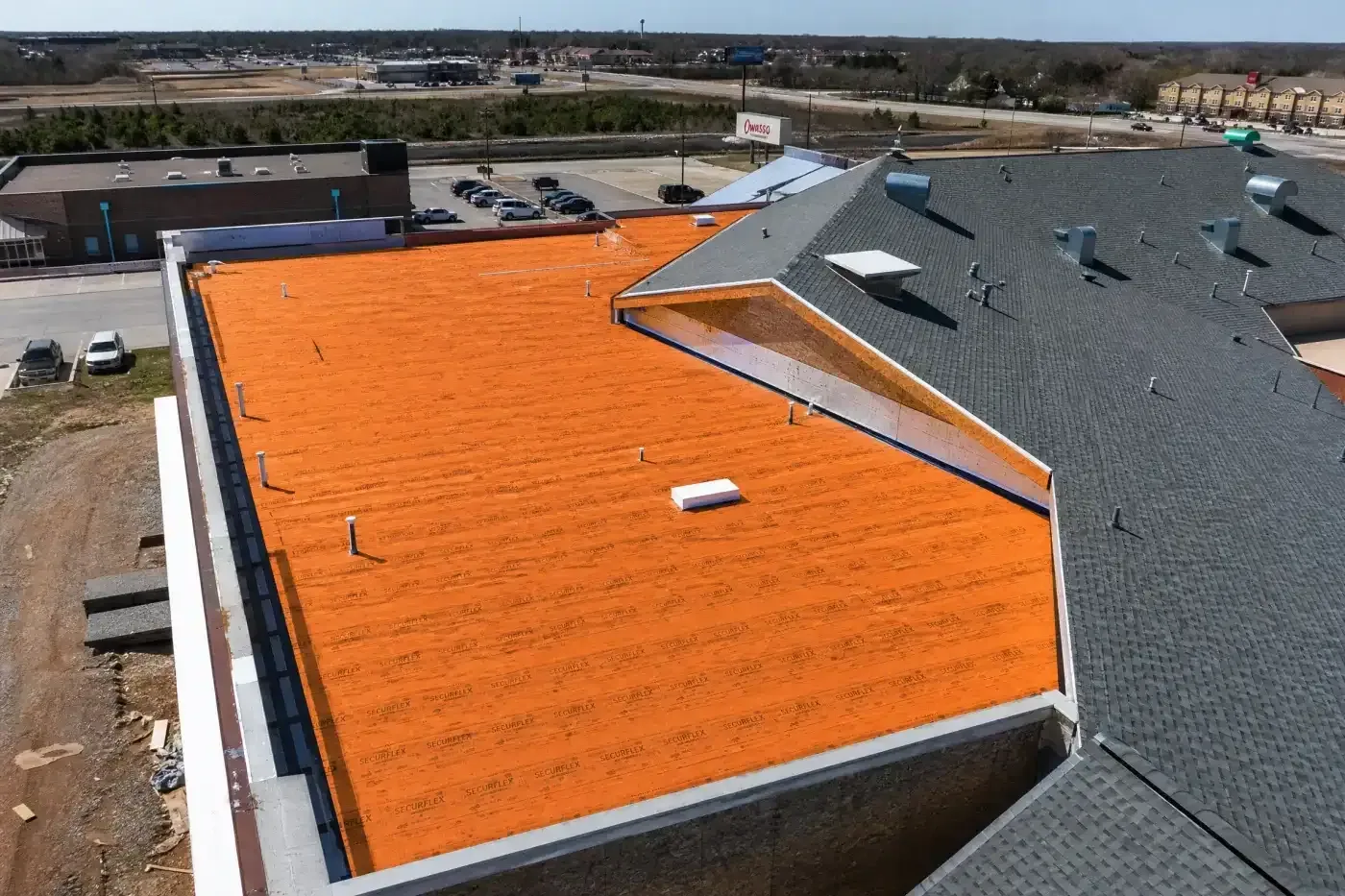
Scope lines address the roof as a whole and by bay. A recover overlay may suit a sound, dry deck, while a section replacement may suit a bay with wet insulation. Each line gives the finding, the wet area drawn on the moisture map and the crew's route to it.
Tenant operations shape the plan. Warehouse bays have dock doors and forklift traffic, office fronts have customers, and small production bays may have vibration-sensitive work. The scope lists the hours and protection for each, and it separates quick fixes that can be done at once from work that needs coordination.
Warranty status is checked before work. A roof under a maker's warranty needs a notice step and an approved repair list, because an improper repair can end coverage.
The Pre-Storm Baseline Across Tenants
The Valley's hurricane season runs from June through October, and flood preparedness applies year round. A baseline taken in spring records edge metal, seams, drains and scuppers on every bay while the roof is dry. A pull sample along the perimeter measures the holding power left.
The baseline also lists rooftop equipment that could move in high wind, and it assigns each item to a tenant. When a named storm approaches, the landlord has a list of who must secure what, and the roof record shows the condition beforehand.
Drains and scuppers get their own log. Flex roofs often drain to a few outlets, and a clogged one turns a normal rain into a pond. The log records the outlet size, the flow when tested and the debris found.
Post-Storm Comparison and Responsibility
Hanna's July 2020 damage to hundreds of poorly built Valley structures was mostly at the roof, which is why hurricane damage records matter, and Dolly in 2008 lifted older roofs near Weslaco. A flex building with a baseline can show which damage was new, where it was and which bay it affected.
That clarity matters in a multi-tenant building because responsibility depends on the lease. The record does not decide the lease question, but it gives landlord and tenant the same dated photographs and locations, which keeps the conversation on the roof.
Inside photographs complete the comparison. A stained tile, a wet pallet or a damp wall in a bay is matched to the roof section above it, so the search for the opening starts in the right place and the cause is recorded before the repair hides it.
Options, Recommendation and Shared-Cost Planning
Options run from targeted repairs, through a coating or recover, to replacement by section. Each option is matched with its favoring finding, and the order of work puts the worst bays first. A multi-year plan spreads cost, and the condition summary supports a shared-cost discussion.
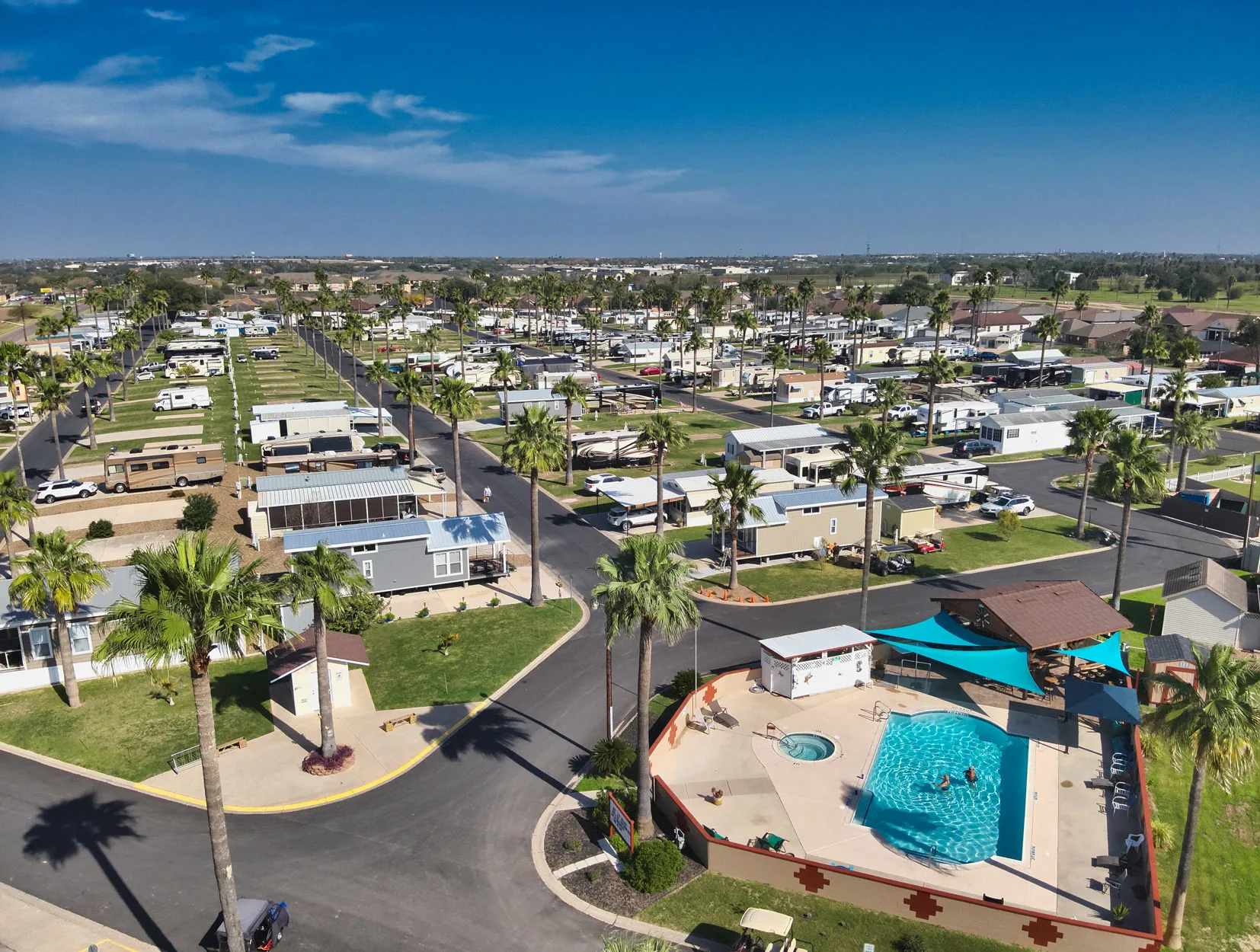
Mission and McAllen sit on a metro of roughly 921,500 residents, and the economy leans on manufacturing, healthcare, technology, retail and trade, with warehouse and distribution work near the border. A warehouse, a distribution center or a manufacturing plant in McAllen or Mission can use the same format.
A short habit list for the property manager ends the summary: keep drains clear, limit roof access and date every new stain with its bay.
Questions and Answers
Who pays for roof repairs on a multi-tenant flex building?
The lease decides, and we do not interpret it. We recommend a bay-by-bay record with dated photographs so that landlord and tenant argue from the same facts.
How do you find which tenant's equipment is causing a leak?
By tagging each penetration to a bay and checking the flashing at each. We recommend a penetration log and a moisture map, which together point to the opening.
Can a tenant add rooftop equipment without a roof check?
It is better not to. We recommend an inspection of the area before a new unit is placed, so the curb is flashed properly and the surrounding membrane is sound.
Is a recover practical on a flex roof?
On a dry, sound deck it can be. We recommend core samples and a moisture map before committing, since a recover over wet insulation fails early.
How does the Valley heat season affect a flex roof?
May through October is the heat-safety season, and sealants and membranes age under sustained sun. We recommend logging sealant elasticity and seam bonds each spring.
What belongs in the building's roof file?
Tagged photographs, the rooftop sketch by bay, the penetration log, the drain log and the last condition summary. We recommend keeping warranty paperwork with them.
Request a Documented Inspection
Ask for a documented inspection of your flex building. The written condition summary will include tagged photographs, a rooftop sketch by bay, moisture readings, a penetration and drain log and scope lines you can reuse for budgeting or an insurance conversation.