
Roof Damage Repair
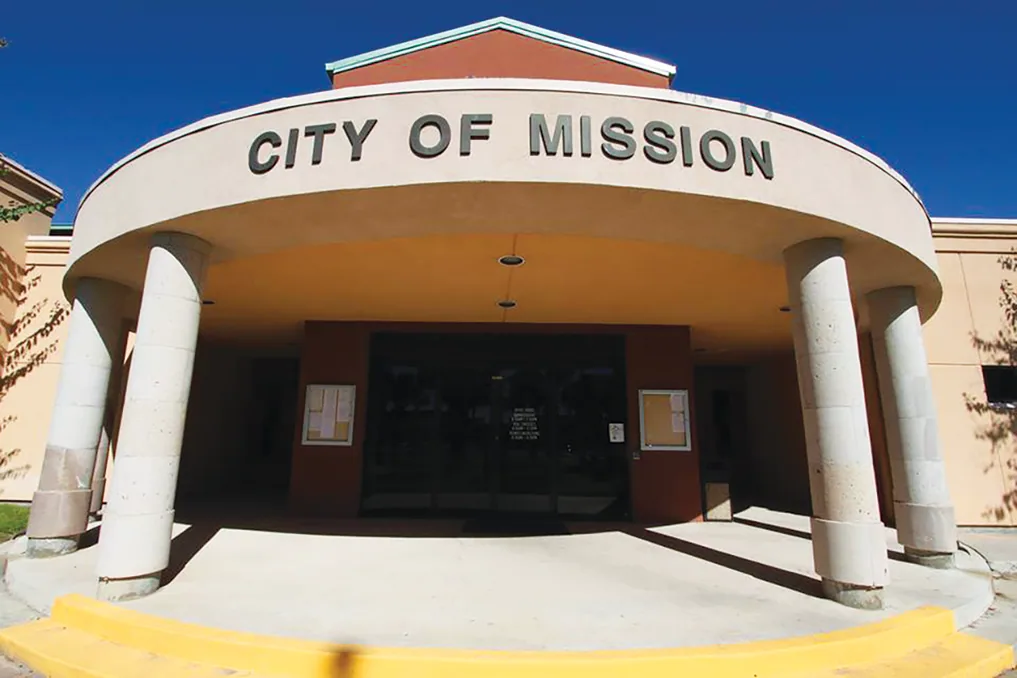
Hurricane Damage Roof Repair in Mission, TX
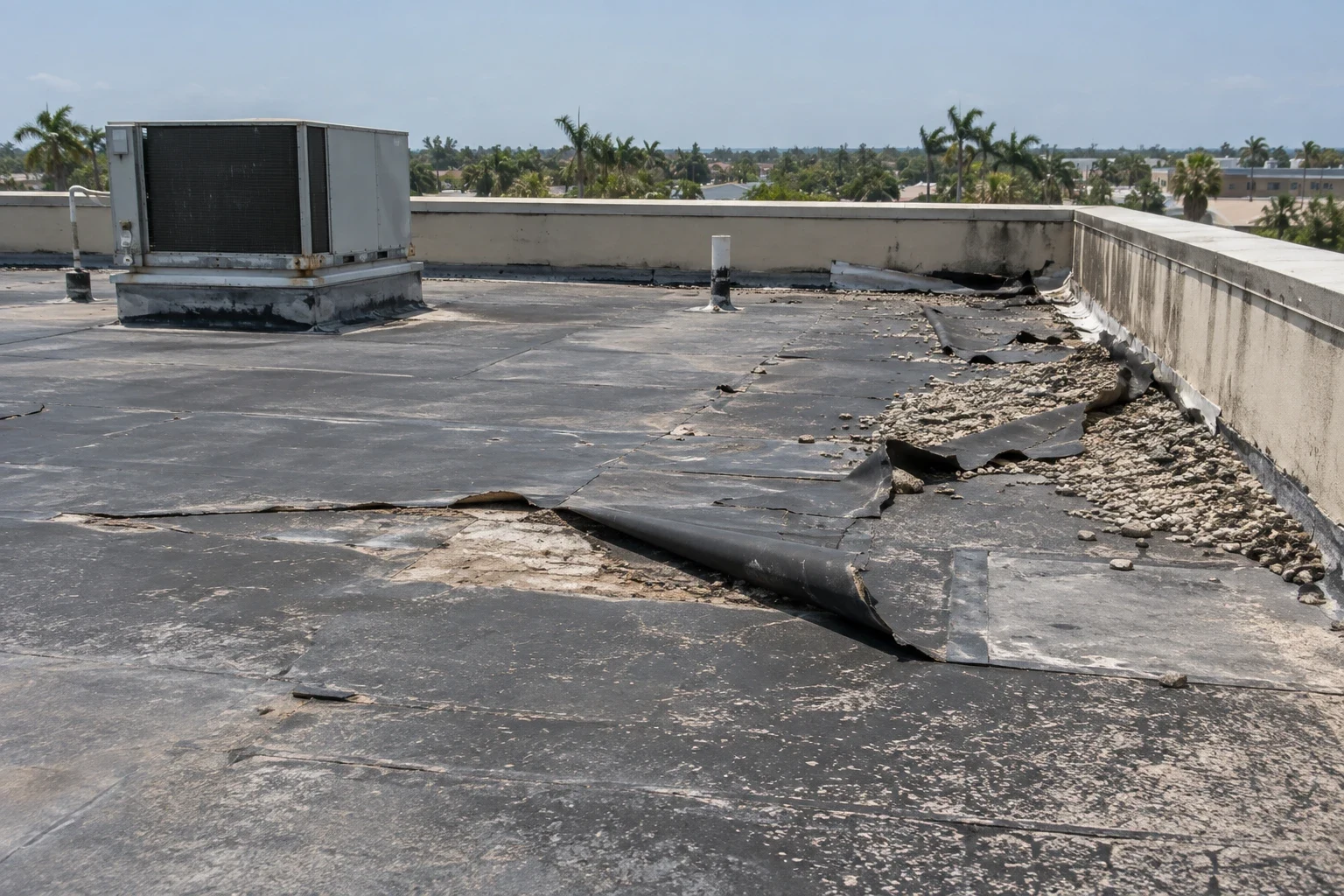
The most useful entry after a tropical storm is a comparison: the same edge, the same seam and the same scupper, photographed on the same angle as before the storm, with the difference written beside it. Wind and rain leave many marks on a roof, and the marks that matter are the ones the storm added.
On a commercial roof in Mission, TX, hurricane season runs from June through October, and the records taken before and after each event decide how quickly a repair can be scoped and how clearly it can be explained to an insurer. The order of work runs from the baseline, through the comparison, to the final scope.
The Pre-Storm Baseline
A baseline is a dated inspection done before the season. We log edge metal tightness, seam condition, sealants, flashings, drains and scuppers on every roof section, and we photograph them with a scale card and a roof section tag. Moisture readings are marked on the sketch, so wet areas known to exist before the storm are on record.
The baseline takes one walk and settles questions that otherwise stay open. After a named storm, an owner who has one can state exactly what changed. An owner who does not has to build a before-and-after from memory and from whatever photographs happen to exist. For roofs with limited access or a long history of patching, a baseline also shows which details have already been repaired.
What Hanna Did to Valley Roofs
Hanna's July 2020 landfall brought estimated winds near 60 to 65 mph to the I-2 corridor and north of it, with McAllen and Mission both in the path. Hundreds of poorly built Valley structures took their damage mostly at the roofs, and power outages reached as many as half of county customers. In Mission, a school district maintenance shed lost roof sections, and on Shary Road near Griffin Parkway the flood water stood about 12 inches deep.
Rain was heavy as well. A gauge northwest of Mission recorded 14.40 inches, and the La Joya gauge recorded 13.92. Where drainage was poor, that rain became flooding in Mission, La Joya and Sullivan City. For a roof, the combination of wind that opens details and rain that enters through them is the damage pattern to look for.
Dolly as a Second Reference
Hurricane Dolly in 2008 followed a different path. Dolly's gusts ran 50 to 70 mph in populated parts of Hidalgo County, and near Weslaco the damage approached hurricane force, with roofs lifted and some walls collapsed, mostly on older buildings. In Pharr and Edinburg, damage was minor.
The two storms together give owners a useful range. Even a moderate event can find weak attachment, and a stronger one can lift roofs on older buildings. The pre-storm baseline for older roofs therefore includes fastening and edge metal as well as seams, and the Weslaco record is a reminder to check them before the season.
Post-Storm Comparison
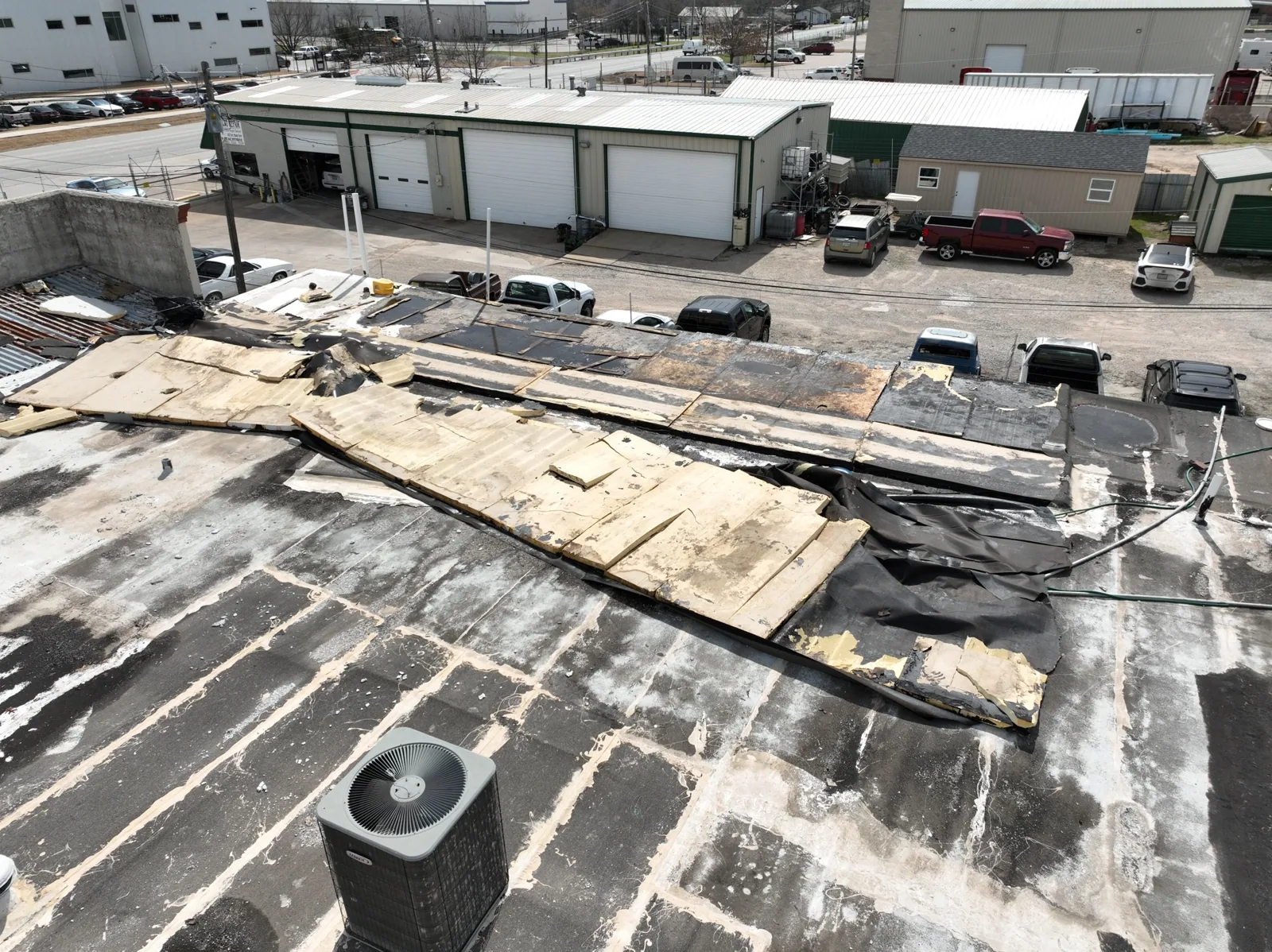
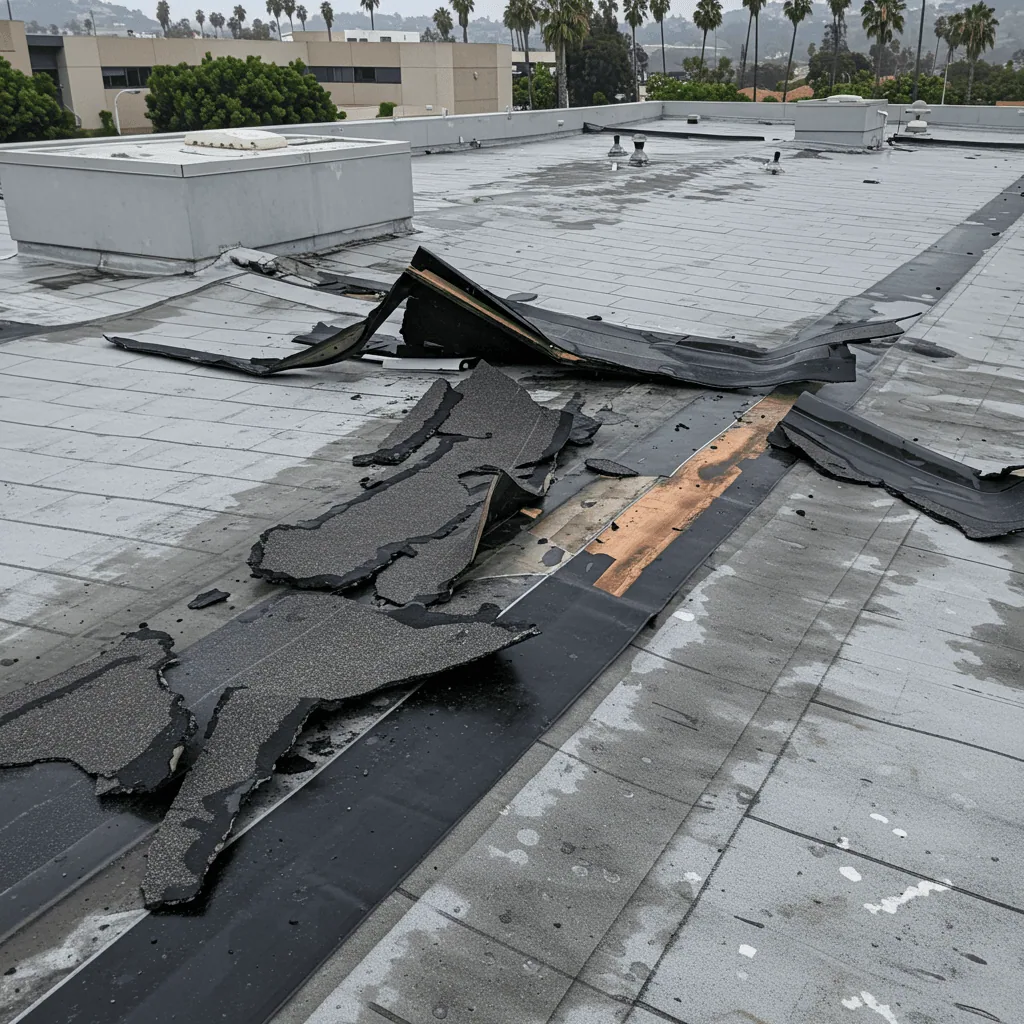
When the roof is safe to walk, we repeat the baseline inspection and set the two records side by side. New findings are marked: lifted edge metal, displaced coping, opened seams, torn membrane, debris against parapets, blocked drains. Each is photographed, tagged and dated.
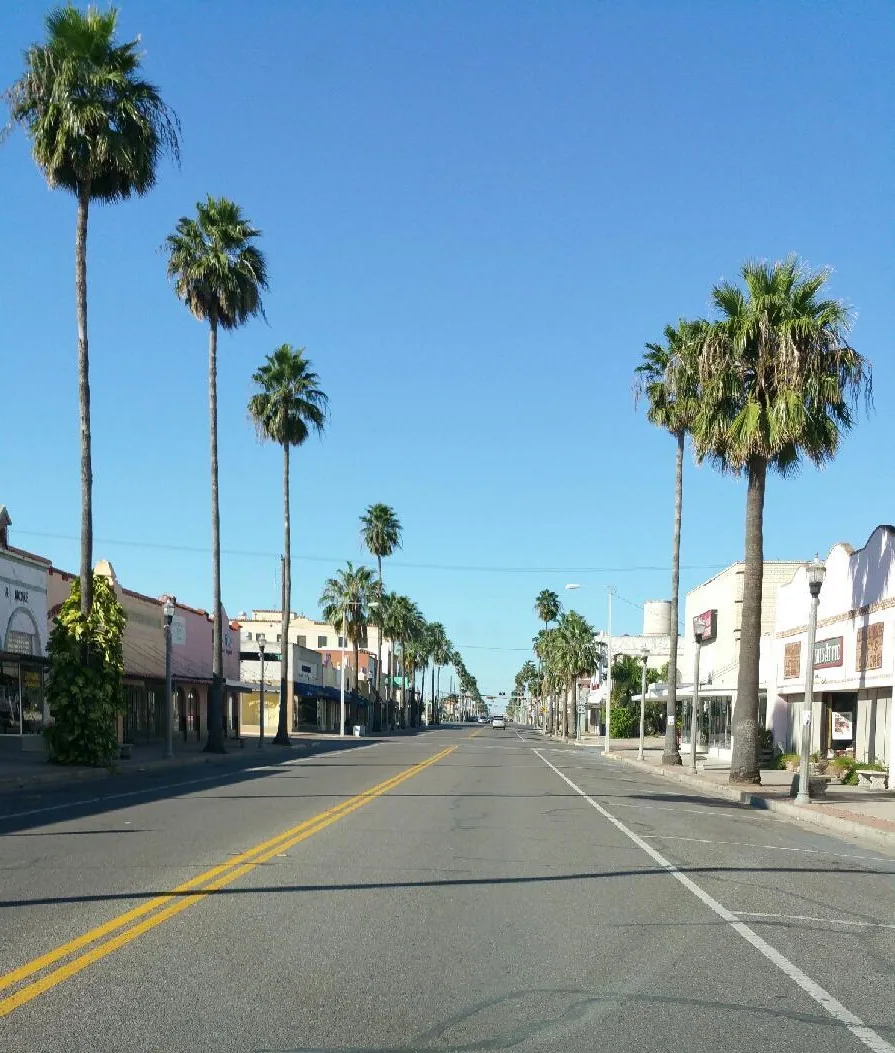
We then probe for water. Seams and flashings near the new findings are tested, and a moisture survey identifies wet insulation. An infrared moisture survey is useful after a storm because rain that entered through a small opening can spread under the sheet. The result is a map that separates dry areas from wet ones, and the repair scope follows the map.
Drainage and Early-Warning Details
Rainfall totals matter less to a roof than how fast the water leaves. Drains, scuppers and gutters are logged as their own record before and after the storm. After Hanna, numerous Mission neighborhood streets held one to three feet of water, and the same poor drainage showed up in the Sullivan City and La Joya area. Roofs that drain slowly hold water that finds every weakness, and ponding water in a new location after a storm is a finding to measure at once.
Debris is the usual cause of a new pond. A scupper blocked by a displaced panel or a drain basket full of gravel can hold water against a parapet for days. Clearing is the first step, and the follow-up visit records whether the pool returned after the next rain. If it does, the cause is drainage design, not debris.
Flashings and terminations show wind and rain effects before the field of the roof does. A sealant bead that cracked, a counterflashing that shifted or a pipe boot that split lets water in during the next event. The flashing failure checks use the same photographs as the baseline, which makes new gaps easy to find.
Rooftop equipment is the other early indicator. Units that moved on their curbs, disconnected conduit and displaced panels are logged and handled with the mechanical trade. A unit that has shifted can damage the roof around it long after the storm has passed.
Emergency Measures and Permanent Repair
The first action is to stop water. Emergency repair uses temporary patches, tarps secured at the edges and cleared drains. Each measure is logged. The permanent repair comes next: edge metal re-secured or replaced, torn membrane patched or sectioned out, seams reopened and rewelded, flashings rebuilt, and wet insulation removed.
Where a storm exposes widespread attachment problems, the scope may be partial or full replacement. The recommendation lists the findings that decide the path, the items kept under watch and the cost of each option. Work in progress is tracked in the same file as storm damage repair.
Documentation for Claims
A claim after a hurricane draws on the baseline, the post-storm record, the moisture map and the repair log. Dated, tagged photographs make the damage easy to describe. Our claim documentation arranges them so that findings caused by the storm are separate from older wear, which keeps the conversation with an adjuster on facts.
The condition summary is short. It lists what was found, where, and what repair is recommended, and the owner can reuse it for budgeting. Wind findings such as a lifted coping or wind damage at an edge go into the same file, and a roof in Mission or McAllen gets the same format.
Questions and Answers
When should a pre-hurricane roof inspection be scheduled?
Before June, ahead of the tropical season. That leaves time for repairs found during the inspection. A baseline taken in May is more useful than one taken after a storm warning is issued.
What should be documented right after a hurricane?
Dated photographs of edges, seams, flashings and drains, any interior leaks, and moisture readings. If a baseline exists, the same positions are photographed again so the difference is clear.
Can a roof survive a hurricane and still need replacement?
Yes. A roof can look intact and hold wet insulation or have opened seams. The moisture survey and probes tell whether the damage is localized or spread across sections.
Does hurricane damage always mean replacement?
No. Localized damage, such as lifted edge metal or a few torn sections, can be repaired. Widespread attachment loss or large wet areas move the scope toward replacement.
How soon after a storm can repairs begin?
Emergency measures can begin as soon as access is safe. Permanent repairs follow the moisture survey and a dry window, and the schedule is set in the written recommendation.

Request a Documented Pre-Storm Inspection
Send us the building address before the tropical season. The written condition summary will record edges, seams, drains and moisture as a baseline, and it can be reused for budgeting or an insurance conversation.