
Commercial Roofing Services
Roof Coating Restoration in Mission, TX
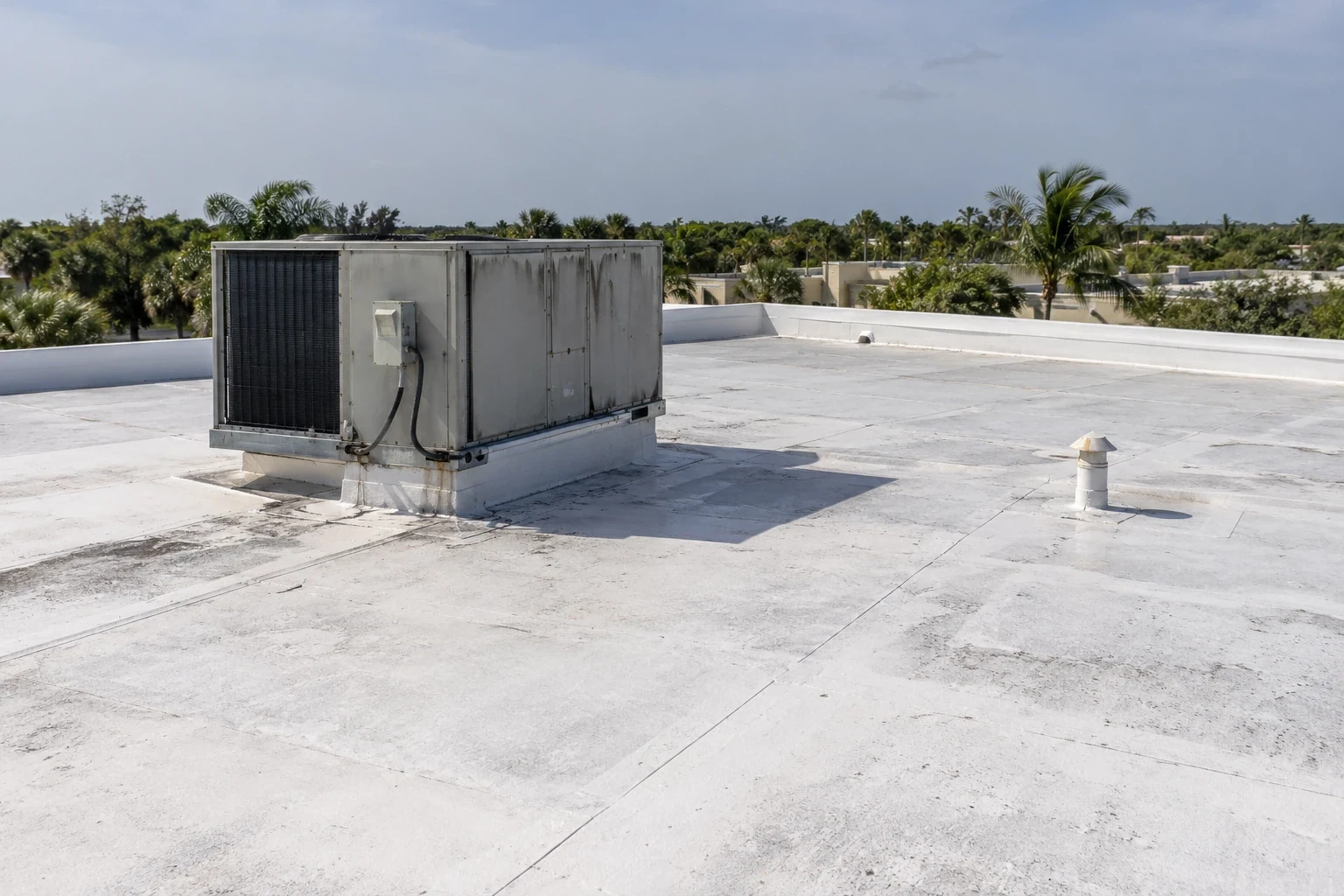
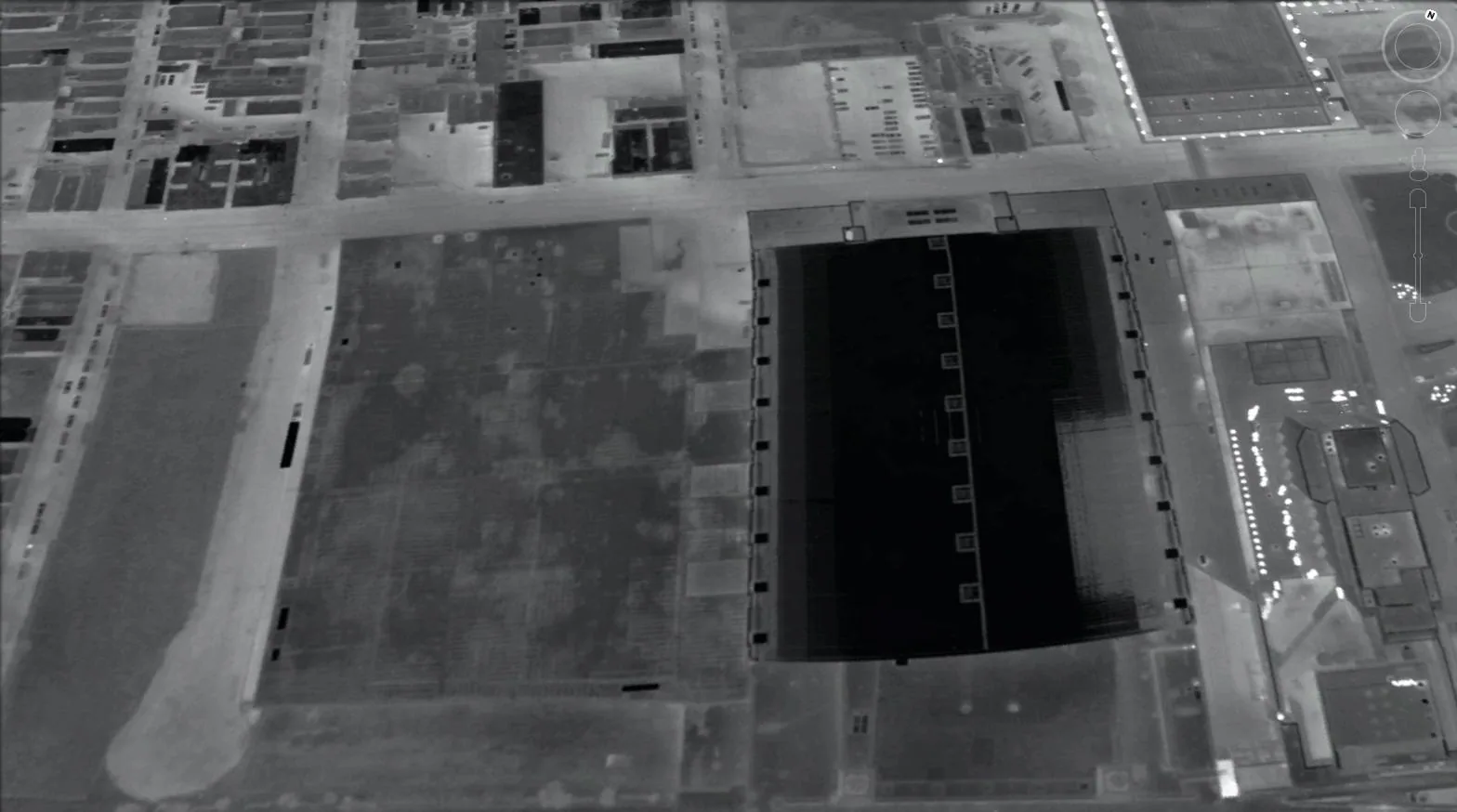
Before a coating goes on a Mission, TX roof, the inspector needs two measurements: how much of the insulation is dry, and how well the existing surface will hold a bond. A coating is a restoration tool, not a rescue. It extends the service life of a roof whose membrane and insulation are still sound, and it does little for one that is soaked. The first visit is therefore a diagnosis, with a dated moisture map and adhesion test results that decide whether coating is a fair recommendation at all.
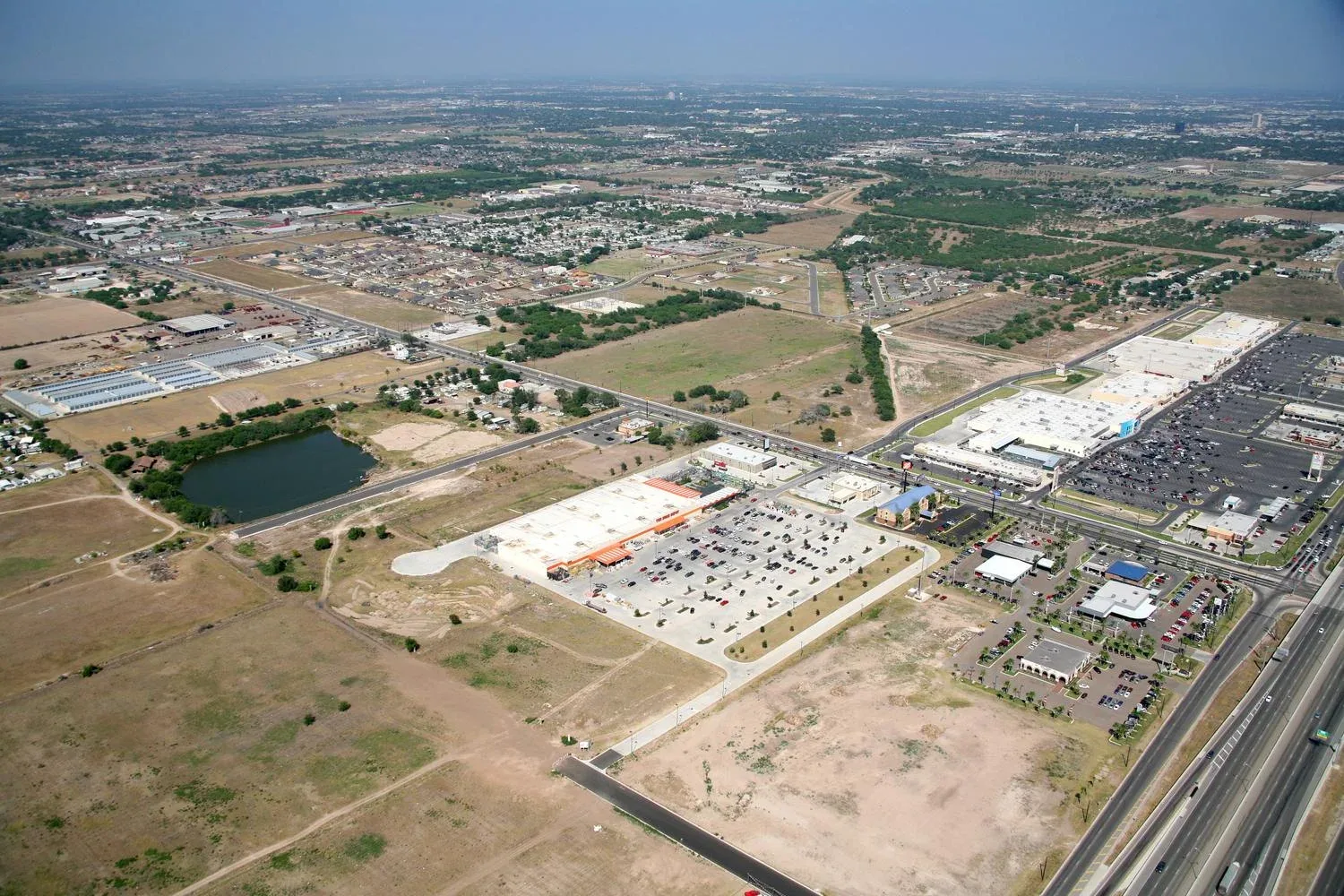
Roofs That Qualify for a Coating
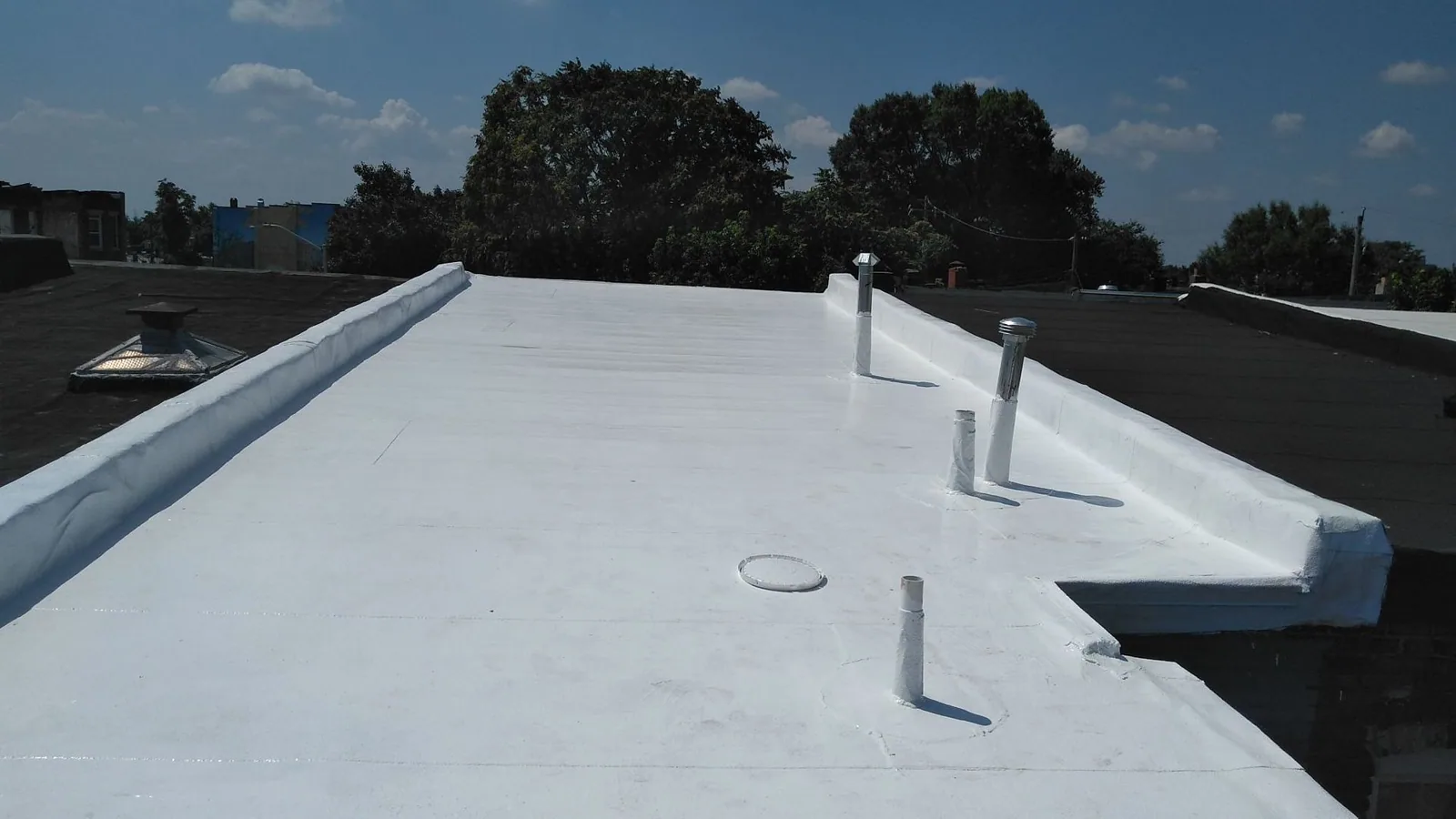
Good candidates share a profile. The membrane is intact and well attached, the seams are closed or can be sealed, and the insulation reads dry across nearly the whole roof. Metal roofs with sound panels and tight fasteners also qualify, and so do aging single-ply and modified bitumen surfaces that show surface wear but no structural failure. The deciding evidence is a moisture survey confirmed by core cuts, since coating over wet insulation traps the moisture and shortens everything that follows.
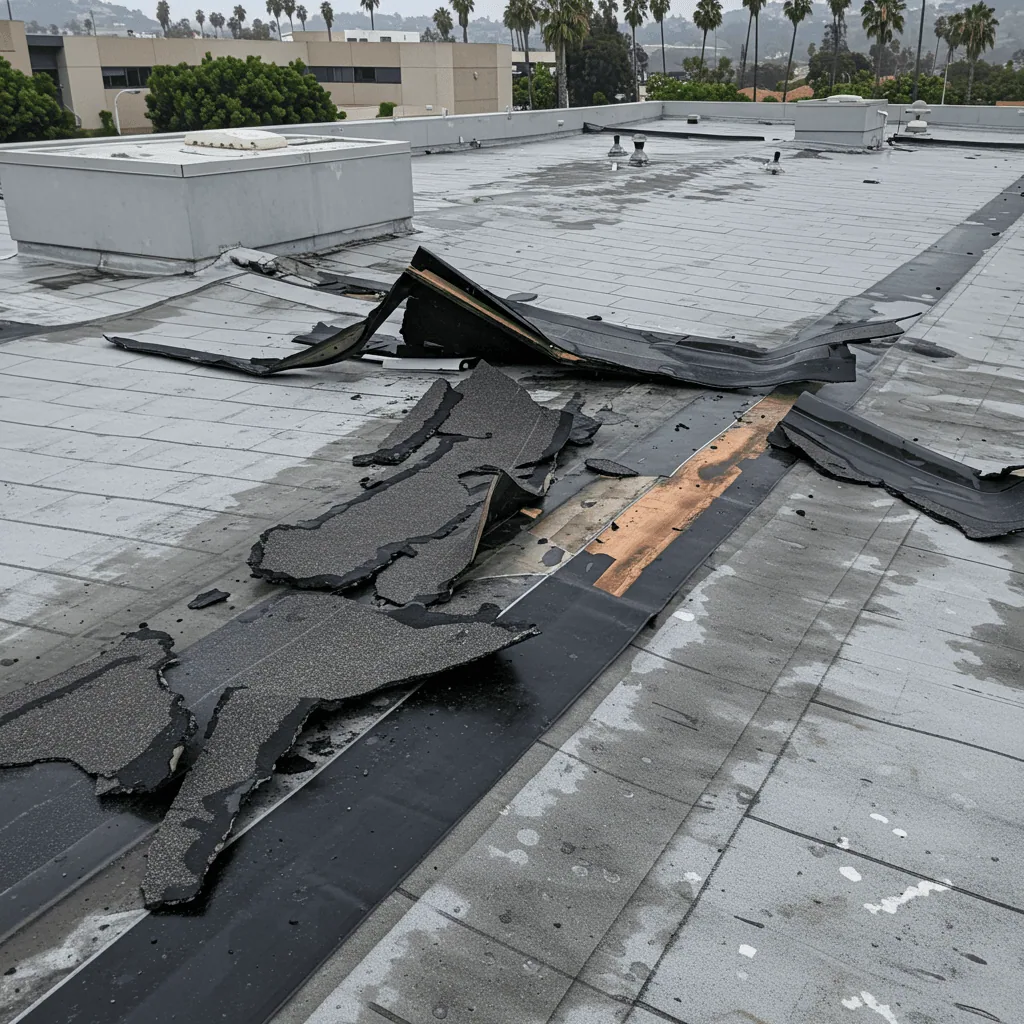
Roofs that do not qualify are told so in writing. Widespread blisters, saturated insulation, or a membrane that cracks when flexed point to replacement or a recover instead, and the owner receives the findings that support that recommendation.
Why Heat Season Makes the Case
Heat-safety season in the Valley, per the Brownsville forecast office, covers May through October. For a dark or aged membrane, that is half a year of roof surface temperatures that cycle hard every day. Heat ages plasticizers out of single-ply sheets, dries asphalt surfaces, and drives expansion and contraction at every seam and termination.
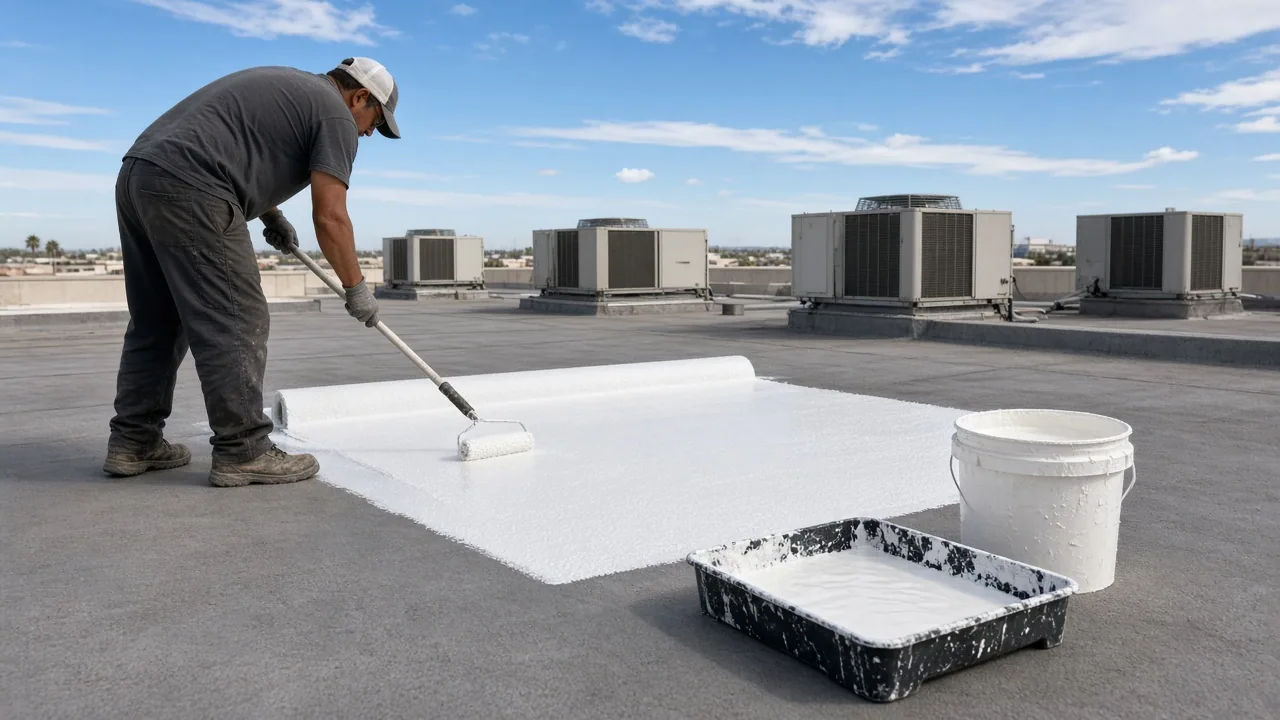
A reflective coating lowers the surface temperature of the roof, which reduces that cycling and slows the oxidation of what is underneath. A cooler deck can also ease the load on rooftop units that have been working against a hot surface. We do not put a number on energy savings, since building use and equipment vary, but we record the roof condition at the start so any change is visible afterward.
Silicone, Acrylic, and the Substrate Question
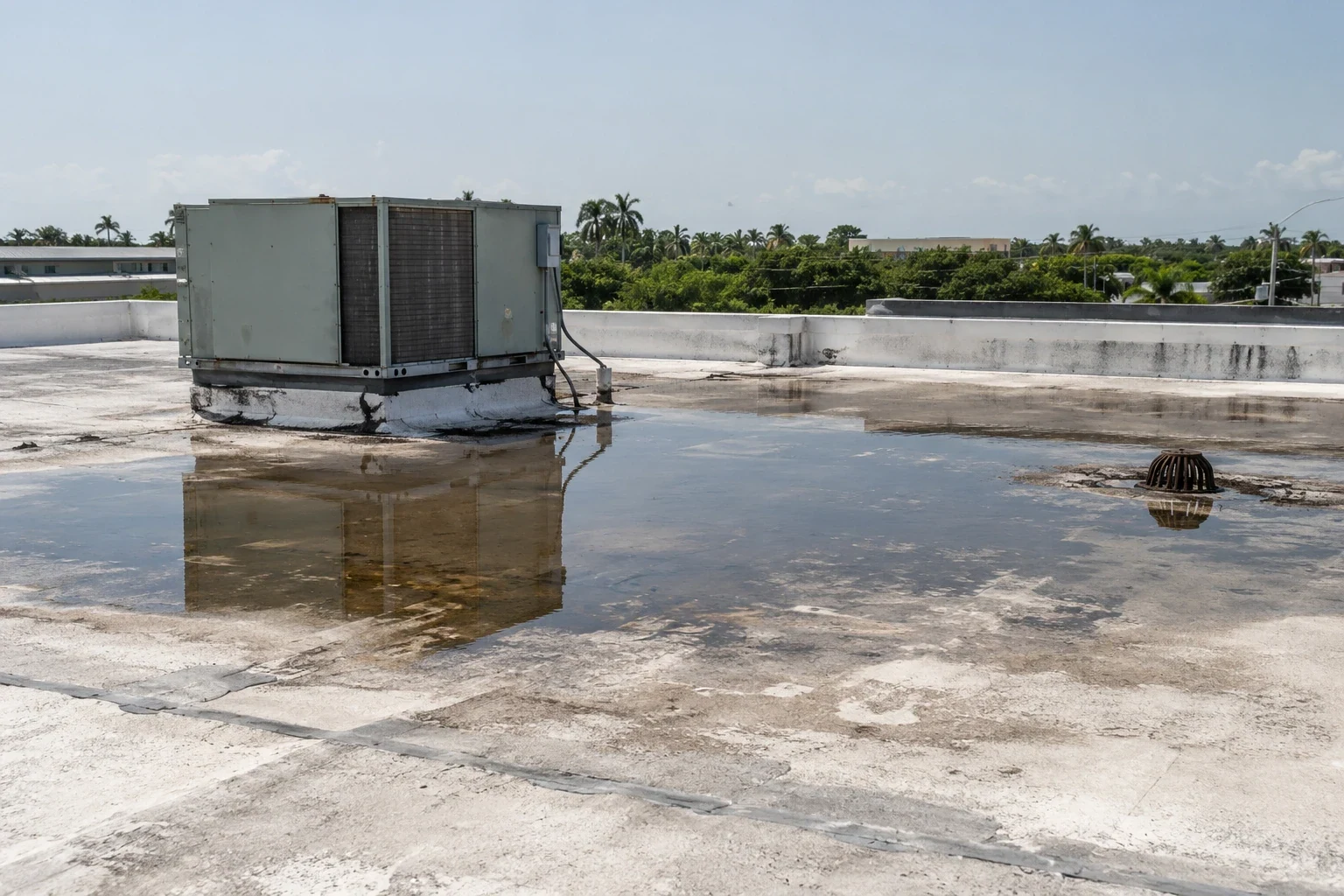
Two coating families dominate commercial work. Silicone coatings tolerate standing water well and cure into a flexible film, which suits roofs with ponding areas that cannot be corrected cheaply. Acrylic coatings are water-based, reflect well, and cost less on roofs that drain reliably, though they prefer dry surfaces and do not perform where water lingers.
The existing substrate narrows the choice further. Some single-ply surfaces need a specific primer, a few metal roofs need rust treatment first, and old bituminous surfaces may need cleaning and a base coat. A small test patch with a pull-off check, done before the full job, tells us whether the chosen product bonds. The patch result goes into the file with a photograph and the date.
Surface Preparation and Seam Work
Most coating failures trace to preparation, not to the product. Before coating, the roof is pressure washed to remove dirt, chalk, and biological growth, and every seam, fastener head, flashing edge, and penetration is inspected. Open seams are reinforced, loose fasteners are reseated, and cracked sealant is cut out and replaced. Skipping that work leaves weak points under a thin film, and they reopen quickly when the roof flexes.
We also check drains and scuppers before coating, because the film will seal their edges. A drain that was partly blocked becomes a permanent problem once the coating is cured around it. Where ponding is a recurring finding, the owner can settle ponding water repair first and then choose the coating type.
What a Coating Does Not Resist
A coating adds protection against sun and water, but it does not add attachment strength. After Hurricane Dolly in 2008, near-hurricane-force damage near Weslaco lifted roofs mainly on older structures, and the same logic applies to any roof whose attachment is weak. If the existing system is loosely fastened, the coating does not change that. We check attachment in the diagnostic visit and tell the owner when fastening or edge metal should be corrected first.
Hanna's July 2020 winds, estimated at 60 to 65 mph, left most of their damage on the roofs of hundreds of poorly built Valley structures. Older buildings with weak perimeters are where coating decisions need the most care. Work on the edge detail, in the manner of edge metal and coping repair, often precedes the coating itself.
Film Checks, Cure Time, and the Owner's Record
Coating is applied in measured coats, and the film is checked as it goes down. We record the wet film thickness during application, note ambient temperature and humidity, and photograph each section after cure. Rain within the cure window can wash out an acrylic, so the schedule waits for a clear forecast. A coating film check a few months later confirms that the film is intact and still bonded at seams and details.
The result is a record the owner can use at the next budget meeting or insurance review. It shows the roof condition before coating, the products and thicknesses applied, and the dates of each follow-up photograph, so nobody has to reconstruct what was done. Where a manufacturer warranty on the coating is available, the application records matter, and the warranty management file keeps them in one place. Buildings in Mission and Weslaco can follow the same routine from one season to the next.
Questions and Answers
How do you decide whether my roof can be coated or needs something else?
Start with a moisture map and several core cuts. If insulation is dry across most of the roof and the membrane is intact, coating is a fair option. If wet insulation covers a large share of the area, we recommend a recover or replacement and show you the readings that led there. Coating is not offered over trapped water.
How long does a coating extend a roof's service life?
The extension depends on the substrate, the coating family, the film thickness, and how well the roof drains. We do not promise a number of years, since they would be invented. What we provide is the starting condition, the film thickness actually applied, and follow-up checks, so the owner can see how the coating is wearing.
Will a coating stop the leaks I already have?
Leaks tied to open seams or cracked flashing are repaired during preparation, and the coating then seals over those repairs. Leaks from wet insulation or failed drains are handled first, because a coating cannot fix a source it does not cover. Each known leak location is marked on the sketch, and we check it again after the job.
Is silicone or acrylic better for a flat roof with ponding?
Silicone is the usual choice where water stays on the roof for a day or more, since it keeps its properties under standing water. Acrylic works best on roofs that drain well. If the ponding is deep and recurring, fixing the drainage or adding tapered insulation may be a better long-term answer than any coating.
Can tenants stay in the building during coating work?
Yes, in most cases. Liquid coatings produce some odor, which differs by product, and we plan around air intakes by shielding or temporarily shutting them with the facility manager's agreement. Work is scheduled in sections so access to entrances stays open, and tenants receive notice of each phase. Roof hatches and loading doors stay clear for deliveries where the operation requires it.
Request a Coating Assessment
Tell us the address and the roof type. We will map moisture, test the surface for adhesion, and give you a written condition summary showing whether coating, repair, or replacement fits the findings.