
Roofing Capabilities
Roof Capital Planning in Mission, TX
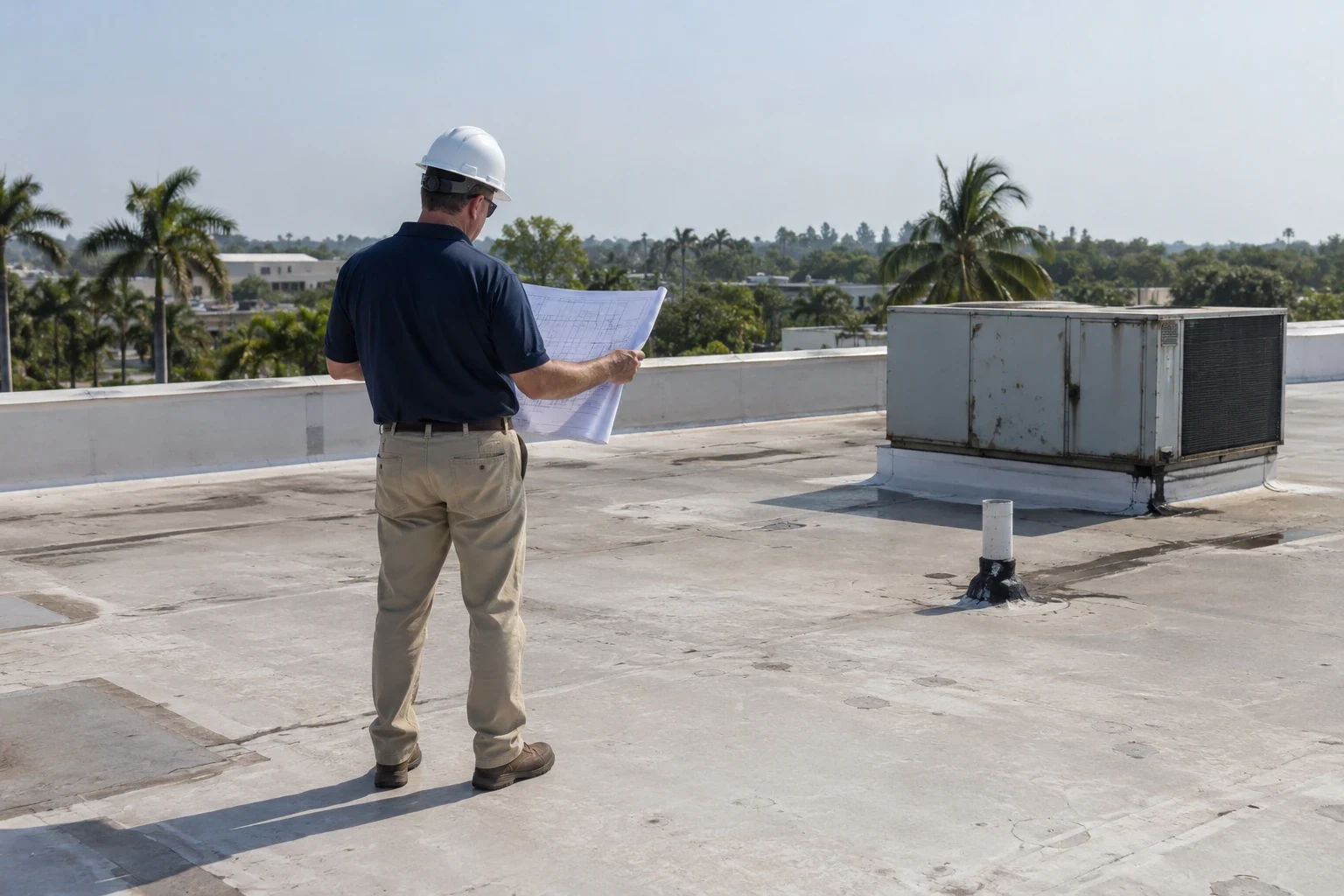
A capital plan begins with a table of findings: roof section, system, observed condition, moisture result and the action each finding supports. The table is short, and every row traces back to a dated photograph. Budget numbers come after the table, not before it, because a number without a finding cannot be defended.
In Mission, TX the plan has to allow for a long heat season and a tropical season that runs into it. A roof does not age evenly under those conditions, and a plan that assumes it does will either replace too early or wait for an emergency. The findings turn into a schedule in a fixed order.
What Goes into the Plan
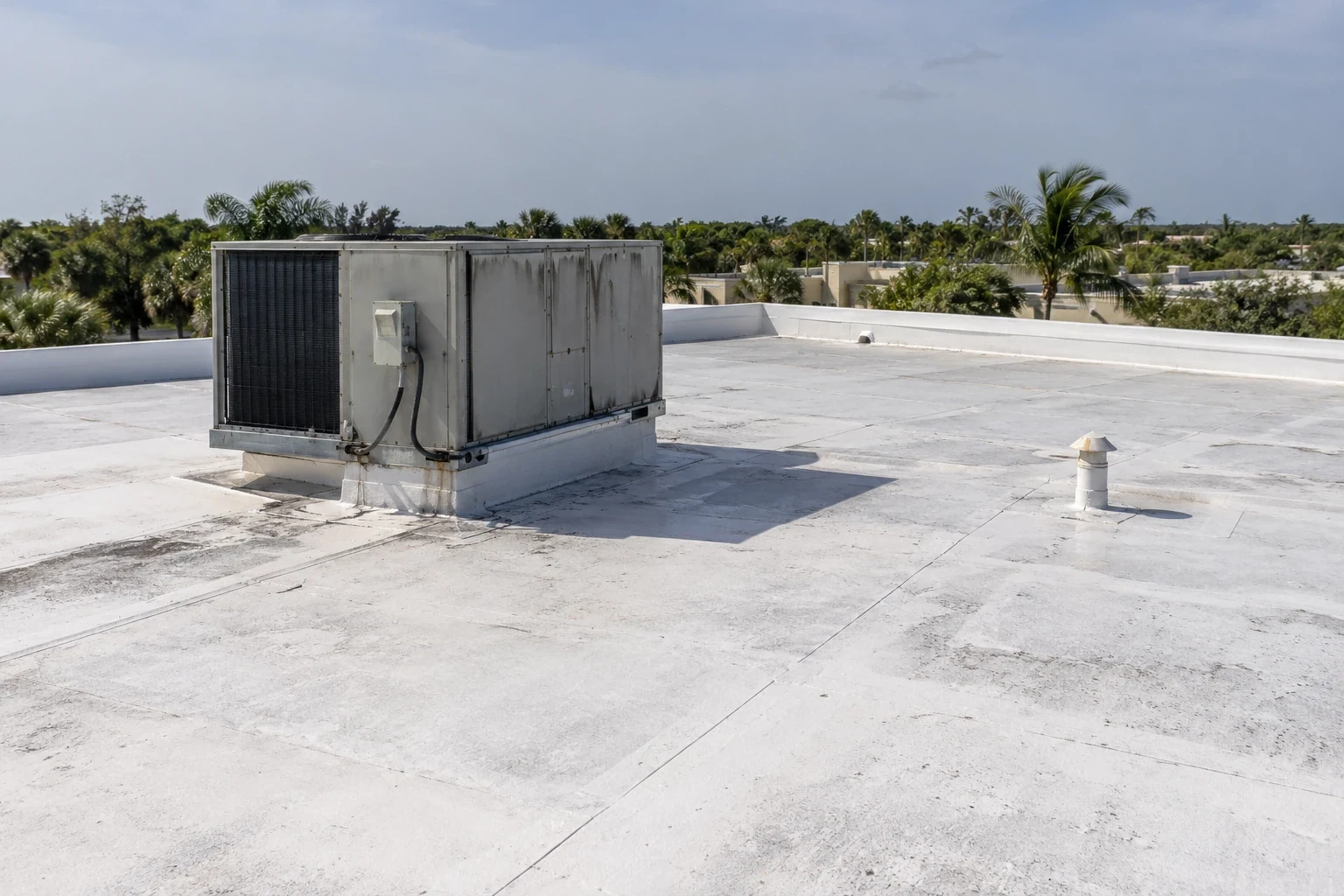
Four sets of facts feed the schedule. The first is the condition record from a documented inspection: membrane, seams, flashings, edges and drains, with a rooftop sketch. The second is the moisture map, which separates dry roofs that can be coated or repaired from roofs with wet insulation that will need larger work. The third is the history: past repairs, warranties and known storm damage. The fourth is the building: what is under the roof and what a leak would cost.
Each fact is written down with its date. When a roof has been inspected more than once, the plan uses the trend, since a roof that has held steady for years is on a different path from one that has declined quickly. The plan also notes what is not known. An estimated age or an unverified insulation type is flagged so it can be confirmed at the next visit.
Allowing for Heat and Storm Exposure
Heat-safety season in the Valley covers May through October. That is months of solar load on membranes, seams and coatings, and it sets the pace of surface wear. A plan for Valley roofs therefore expects chalking, shrinkage and sealant hardening and budgets for sealant and flashing work between larger projects.
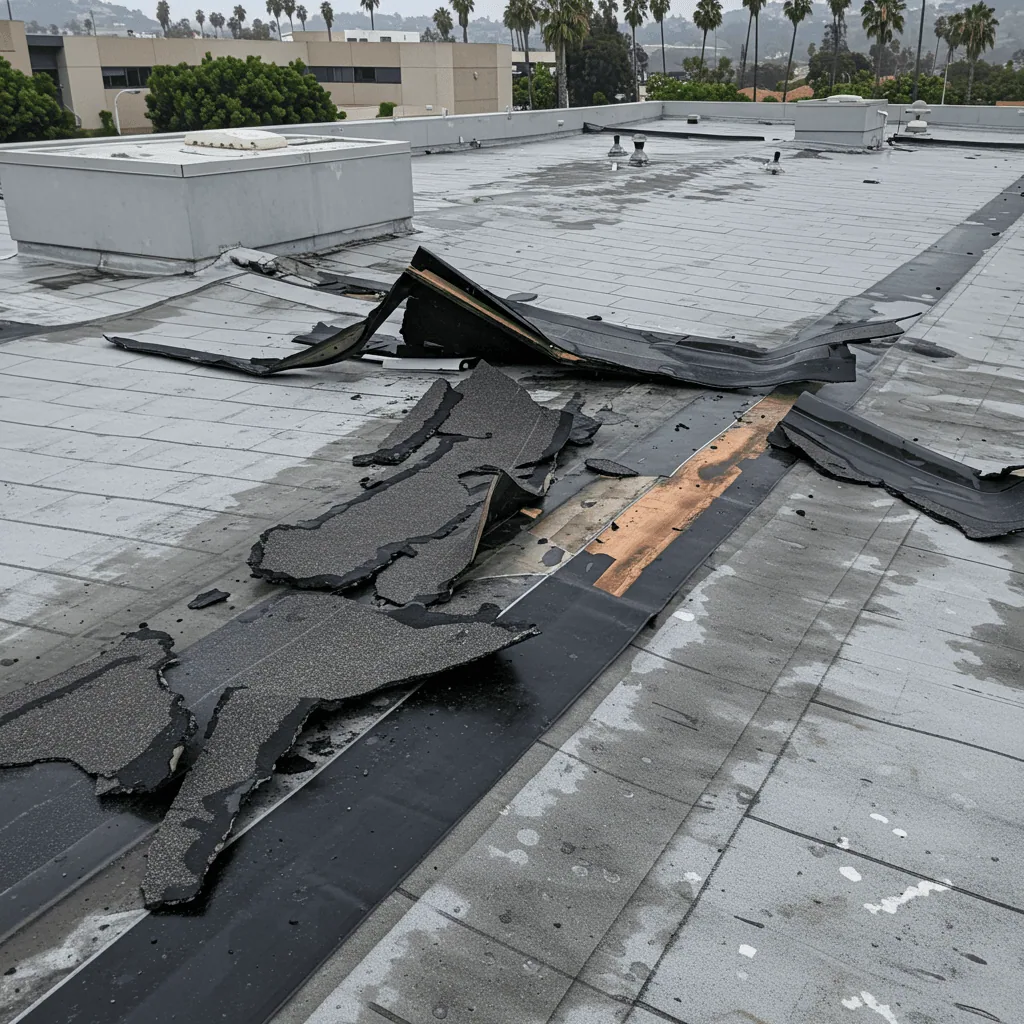
Storms add a second line. Hurricane season runs June through October. When Hanna arrived in July 2020, hundreds of poorly built structures were damaged, mostly at the roofs. The plan keeps a reserve for post-storm repair and sets the order of work so that roofs with weak edge metal or open seams are handled before the season starts.
Repair, Coat, Recover or Replace
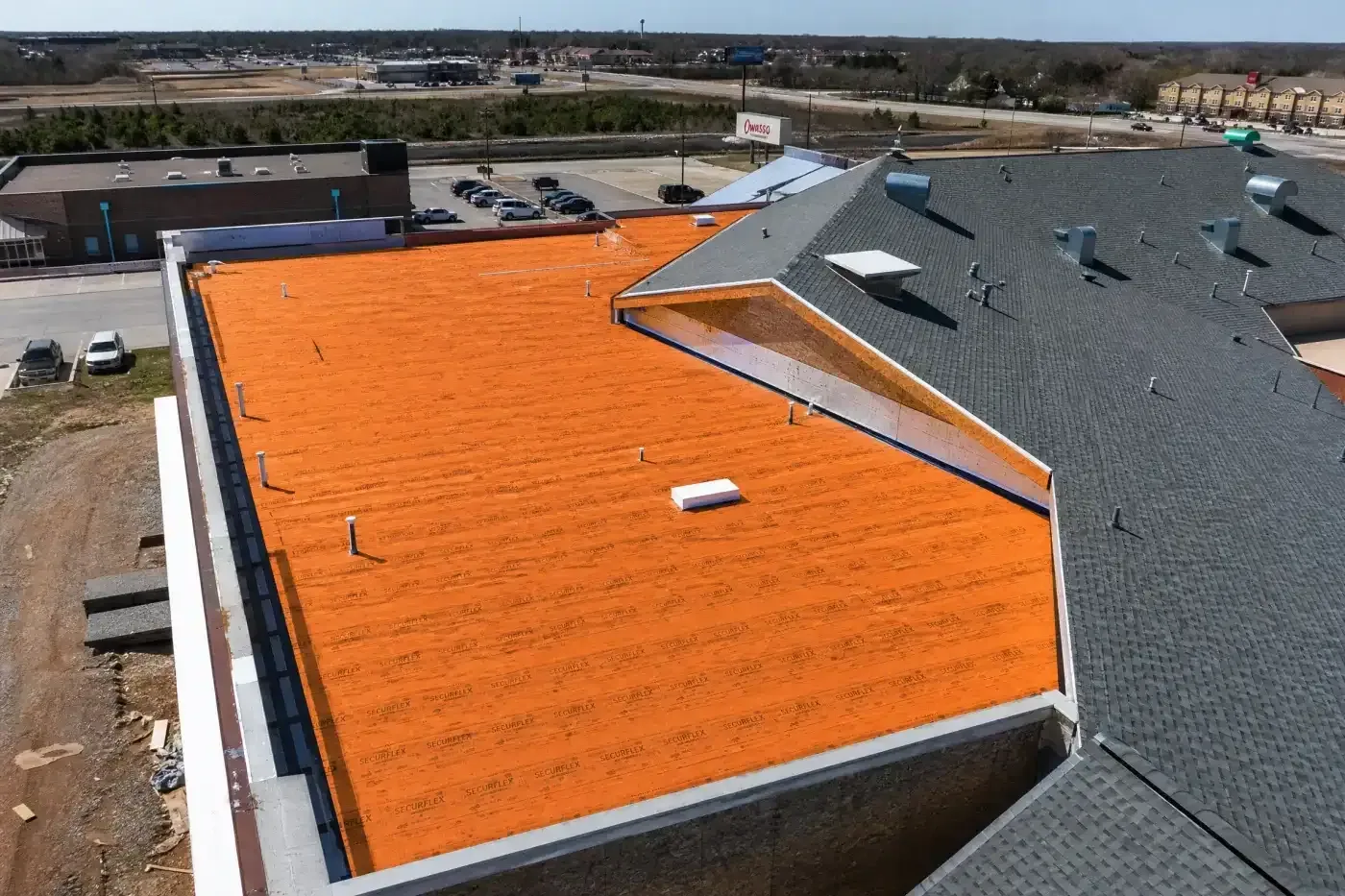
Each roof receives one of four paths. Repair applies where defects are limited and insulation is dry. Coating restoration applies where the membrane is sound but worn and the insulation is dry. A recover applies where the existing roof can carry a new membrane over it. Replacement applies where insulation is widely wet, where the system has failed or where attachment is inadequate.
The written recommendation states which findings drive the path and which are only monitored. It also shows the next path. A roof that qualifies for coating this year may need replacement in a few years, and the plan notes when the choice narrows, so the owner is not surprised by a change in options between one budget cycle and the next. That information prevents spending on a coating when replacement is the only sensible option.
Timing within the year matters as well. Work that needs dry weather and a clear schedule is best placed between the end of the tropical season and the start of the next heat season, with emergency capacity held back for storms. The plan marks each project with a target quarter and the finding that sets it, so a delay can be judged against the evidence rather than against a calendar date alone.
Sequencing Across Buildings
Owners with more than one building rank the roofs by two scores: condition and consequence. Condition comes from the inspection. Consequence comes from the owner, who knows which tenants, stock and operations sit under each roof. A high-condition-risk roof over inventory or tenants who pay well goes ahead of an equal roof over an empty bay. Sequencing then considers access, tenant calendars and the weather window. Work that must be done before June moves to the front.
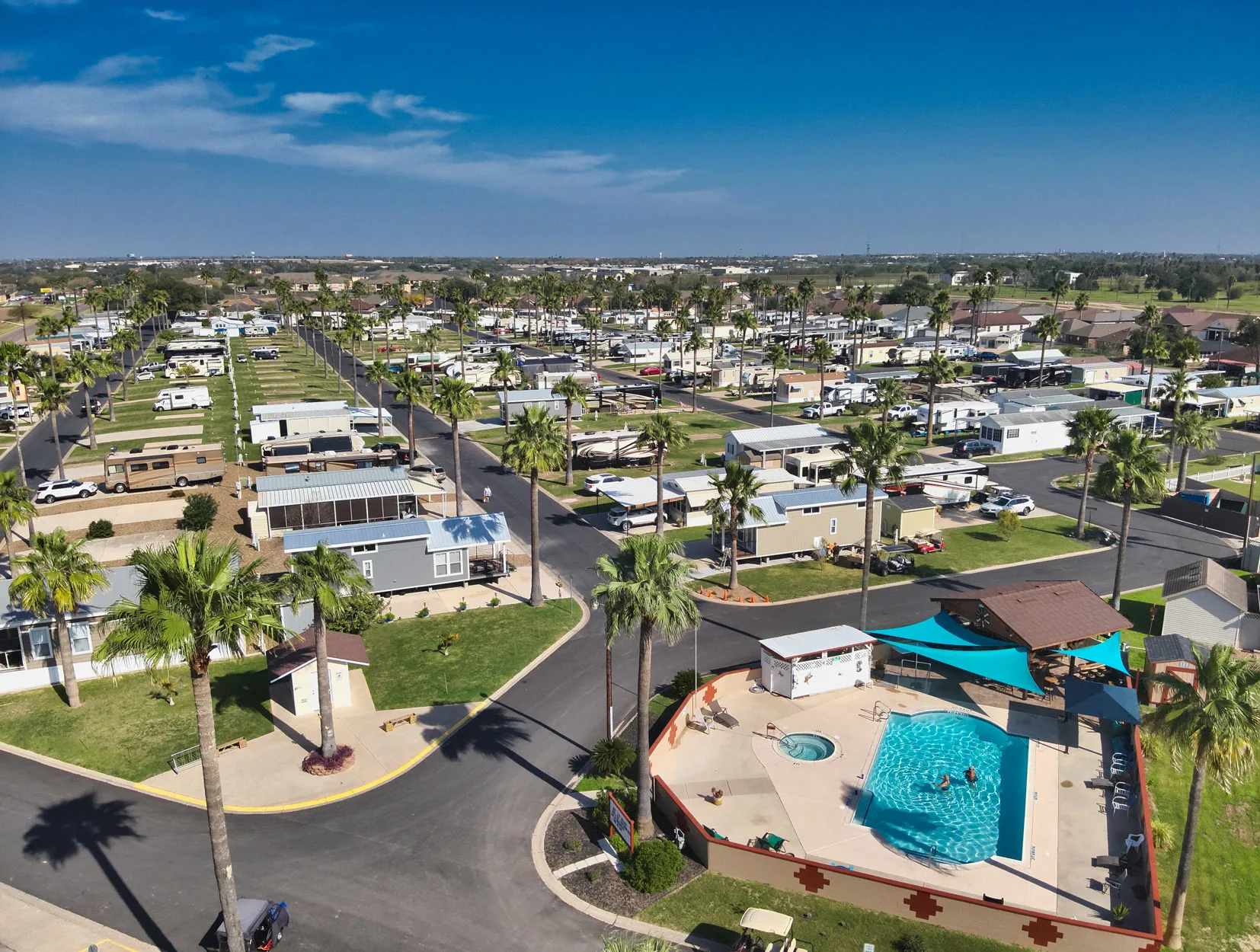
The metro around McAllen, Edinburg and Mission had an estimated 921,549 residents in 2025, and Mission's position on Interstate 2 / US 83 gives its commercial buildings direct freeway frontage. Owners with buildings across Mission, McAllen and Pharr can use one plan with one format, which makes the schedule easier to read and to compare year to year.
Budget Lines and Reserves
The plan splits spending into three lines. A maintenance line covers drains, sealants, small repairs and the annual inspection. A project line covers coatings, recovers and replacements, set by year. A reserve covers storm repairs and unexpected findings. Dollar amounts come from written estimates, not from rules of thumb, and each estimate is dated so it can be refreshed.
Costs for a given roof depend on its area, system, insulation condition and access, along with building use and schedule. We do not quote a price before the inspection, since the findings decide the scope. The plan updates the numbers after each visit, and the summary can be handed to a finance committee, a lender or an insurer with the photographs attached.
Where a roof will be replaced within a few years, the plan also separates spending that preserves the roof from spending that will be thrown away. A patch on a roof scheduled for tear-off next year has to earn its cost in avoided damage in the meantime. Where a roof will stay for a decade, the same patch is part of a longer maintenance line. The recommendation says which case applies.
Reviewing the Plan Each Year
A plan that is not reviewed becomes a shelf document. Each spring, before the heat and tropical seasons overlap, the roofs are inspected again and the plan is adjusted. A roof that declined faster than expected moves up. A roof that held moves back. After a named storm, the post-storm comparison feeds directly into the plan, and the owner can see how the event changed the schedule.
The same file supports roof asset management and the paperwork for roof warranty management. When the plan points to a sale or refinance, a due diligence roof survey uses the same findings in a format a buyer or lender expects.
Questions and Answers
How far ahead should a roof capital plan look?
Five years is a practical horizon for most commercial roofs, reviewed annually. Roofs near the end of service life may need a closer view, and newer roofs can be placed on a maintenance-only line with a recheck date.
Can I get a plan without a full inspection?
A plan built without an inspection rests on assumptions. A documented inspection with moisture readings costs far less than a wrong replacement decision, so the inspection comes first.
What happens to the plan after a hurricane?
The post-storm inspection is compared with the baseline, new findings are added and the schedule is adjusted. Emergency items move to the top, and the reserve line covers storm repairs.
Does a capital plan commit me to work?
No. It is a document for decisions, with options and costs. The owner chooses what proceeds and when, and the file shows the findings behind each choice.
How does the plan handle roofs with warranties?
Warranty dates, notice requirements and maintenance duties are entered with each roof. The plan places repairs and replacements so that coverage is preserved wherever possible.

Request a Documented Inspection for Your Plan
Send us the building addresses and the roofs you want planned. The written condition summary will include findings, moisture maps and the options for each roof, and it can be reused for budgeting or an insurance conversation.