
Roof Damage Repair
Wind Damage Roof Repair in Mission, TX
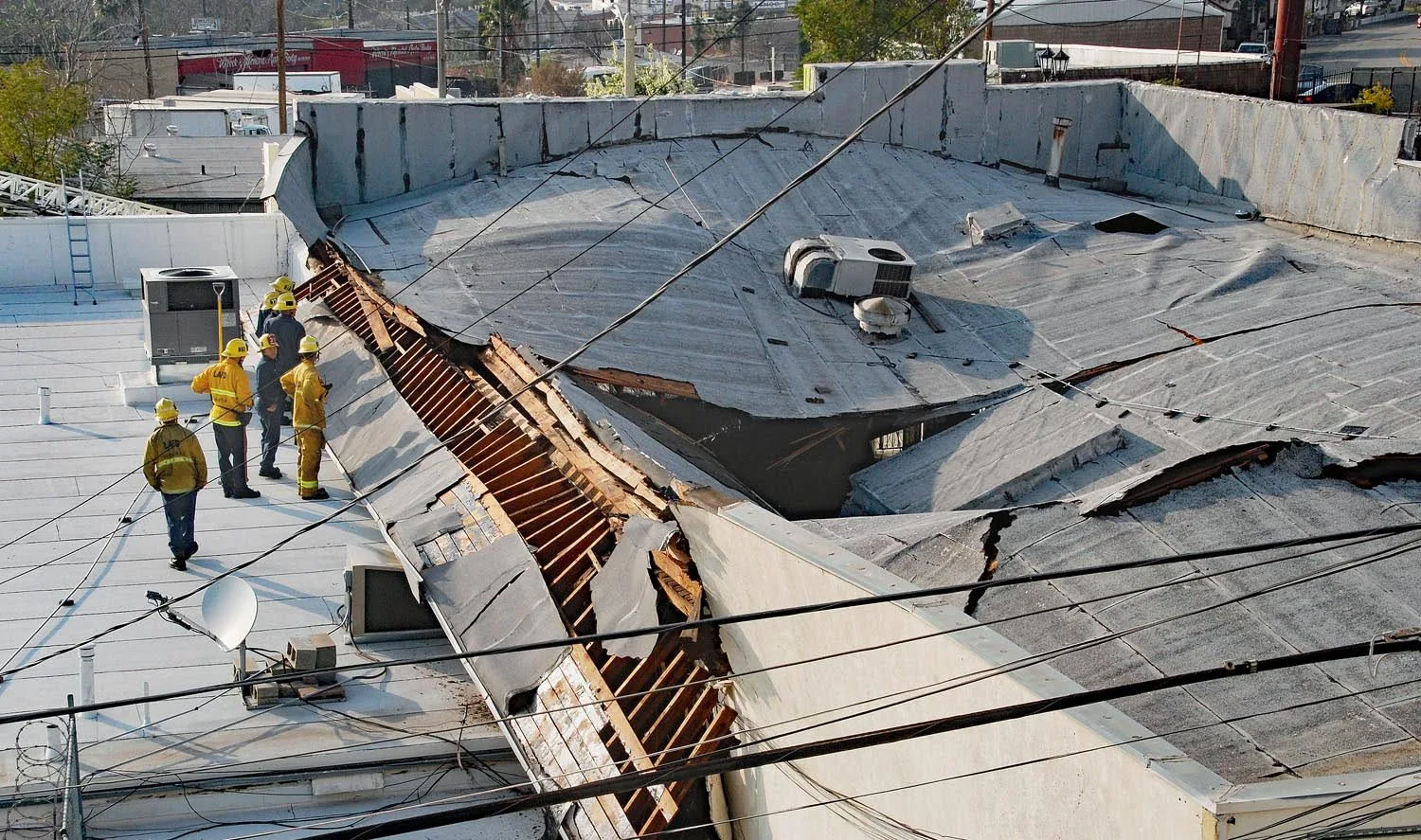
After a wind event, the first line on the sheet is usually a measurement: how far the perimeter edge metal has lifted from the substrate, taken at several points along one elevation. Wind does not damage a roof evenly. It finds the corner, the edge and the weakest fastener row, and it leaves a pattern that a careful inspection can read.
On a commercial roof in Mission, TX, that pattern becomes the basis for a repair scope, an insurance conversation and a comparison with the next storm.
What We Record First
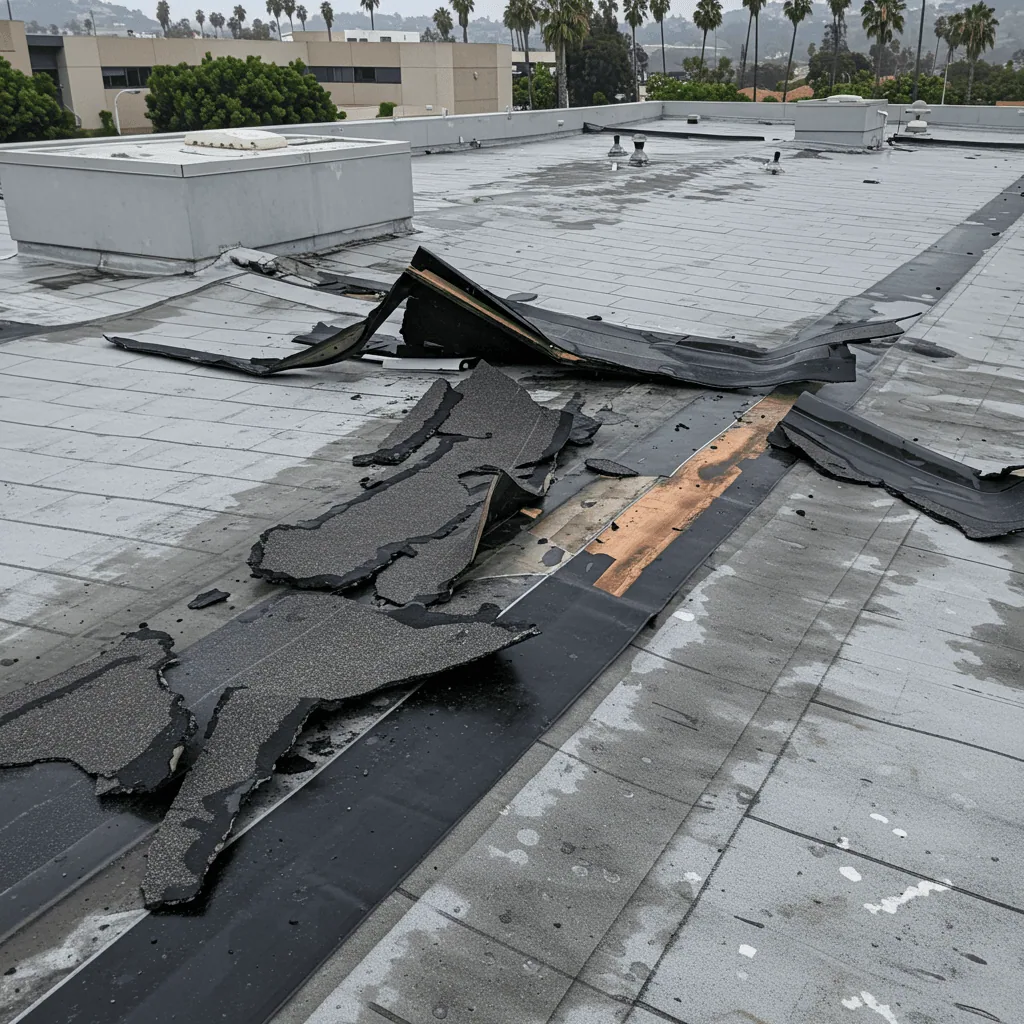
We start at the perimeter because that is where uplift pressure is highest. Each edge is walked, and every section of coping, drip edge or fascia gets a photograph tagged to the roof section it belongs to. We note whether the metal is tight to the substrate, whether fasteners have backed out, and whether the membrane under it has curled or pulled loose from its adhesive.
Field damage is logged separately: torn or fluttering membrane, displaced ballast, lifted insulation boards, and panels that have shifted at the seam. Each item receives a location on a rooftop sketch so a second inspector could find it again. The sketch matters later, because a lifted edge that looks minor on the day of the storm can open a path for the next rain. Rooftop equipment gets the same treatment. Curbs, unit supports and conduit runs are checked for movement, since a unit that shifted on its curb can tear the flashing around it even when the roof field is untouched.
Fastener pull samples are taken at representative points along the edge when the substrate allows it. A low pull value is a finding in its own right, because it tells the owner that the attachment was marginal before the storm and will be again after a repair that only replaces the metal.
Hanna and Dolly as Reference Events
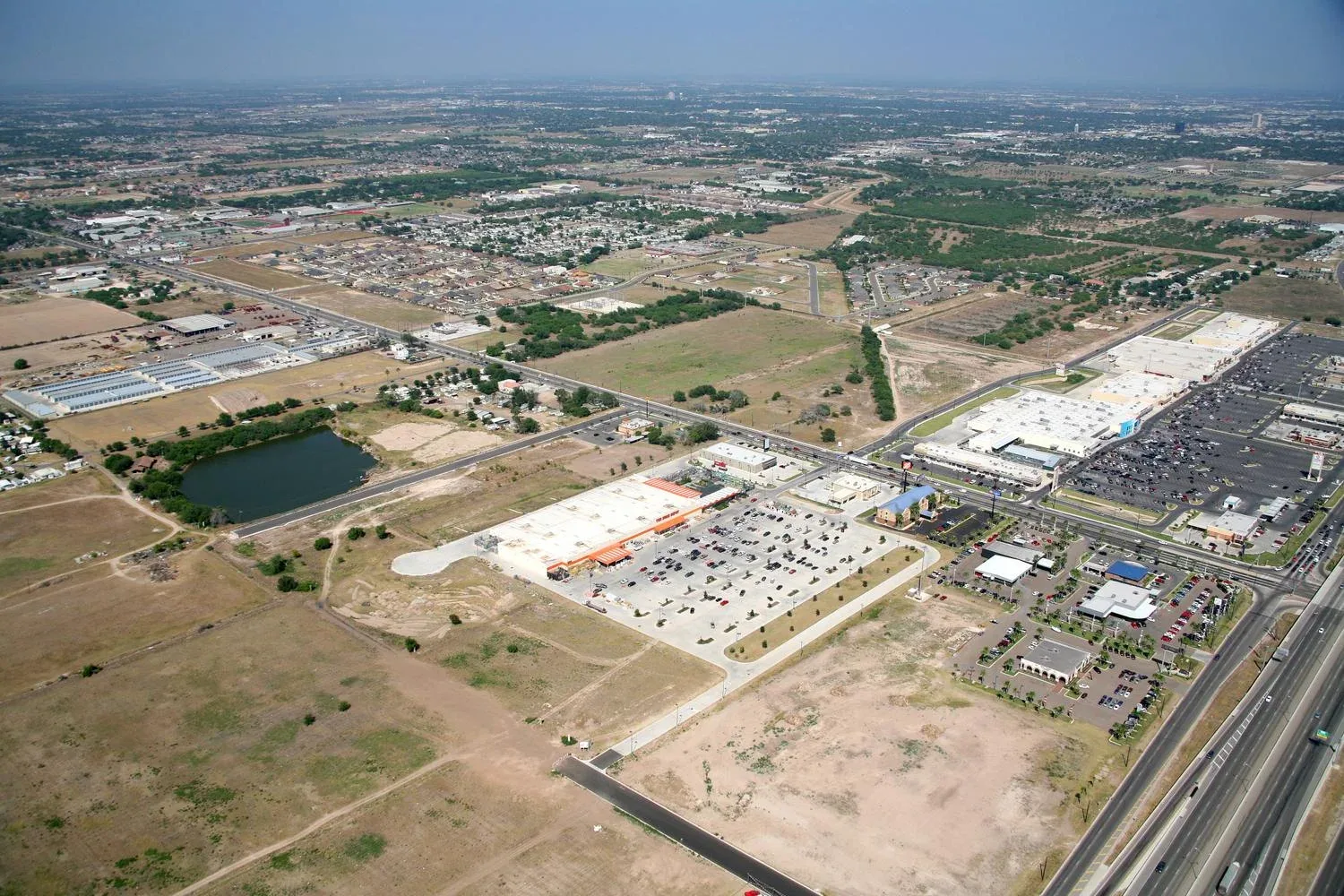
The Valley has useful reference points for wind. Hanna's July 2020 winds ran an estimated 60 to 65 mph, strongest from the I-2 corridor northward, McAllen and Mission included, and the roofs took most of the damage to hundreds of poorly built structures. Hanna blew several sheet-metal roofs off or tore them back in McAllen. In 2008 Dolly's gusts of 50 to 70 mph crossed populated Hidalgo County, with near-hurricane-force damage near Weslaco, where the lifted roofs were mainly on older structures.
The lesson an owner can use is practical. Hanna's damage landed mostly at the roofs of poorly built structures, so the edge and the fastening pattern deserve attention before the season, not after.
Repair Methods by Component
Edge metal is repaired by re-securing with the fastener pattern the assembly calls for, replacing bent or cracked sections, and sealing the joints with a compatible material. If the cleat holding the metal has pulled out of its blocking, the blocking is the repair, not the metal, and the edge metal and coping detail is rebuilt to match.
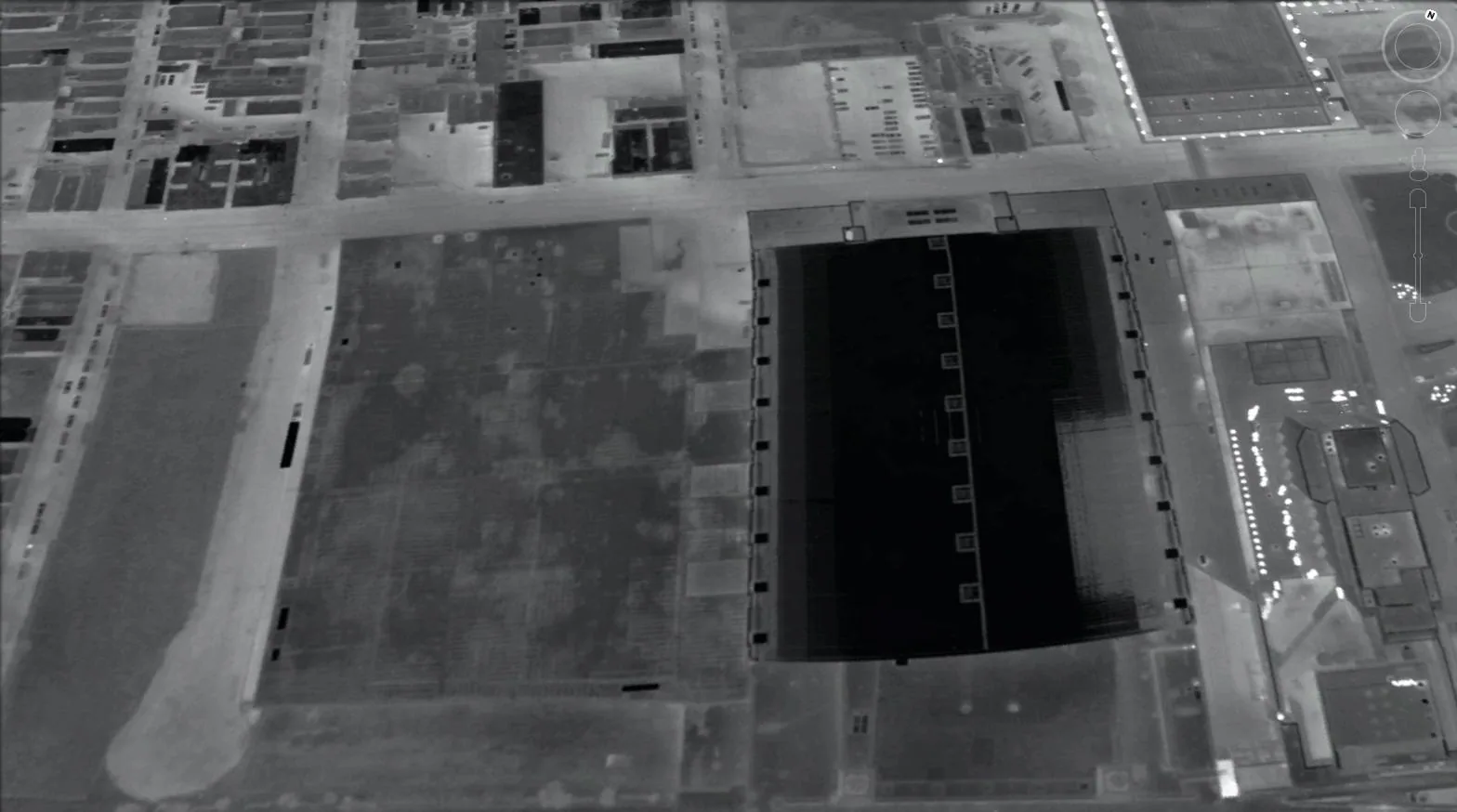
Single-ply membranes that have lifted are cleaned, re-adhered or mechanically secured, and their seams are probed along the full length. Metal panels that have shifted are reset, and screws at the affected rows are replaced with ones sized for the substrate. Torn sections are patched with a method compatible with the existing system, and the patch location goes back on the sketch. Ballast that has been displaced is returned to the pattern the design calls for, with attention to the corners and perimeter zones where wind loads are heaviest, and loose gravel is removed from drains before it travels. Where a lifted edge has let water under the sheet, a failed flashing often sits beside it. Where wet insulation is suspected, we recommend an infrared moisture survey before closing the roof up, since sealing a wet layer only delays the next leak.
Wind-Driven Rain and Drainage
Wind in the Valley rarely arrives alone. Hurricane season runs June through October, with flood preparedness a year-round matter, so wind-driven rain comes with the same event. During Hanna, flash flooding left about 12 inches of water on Shary Road near Griffin Parkway in Mission, and several neighborhood streets held one to three feet.
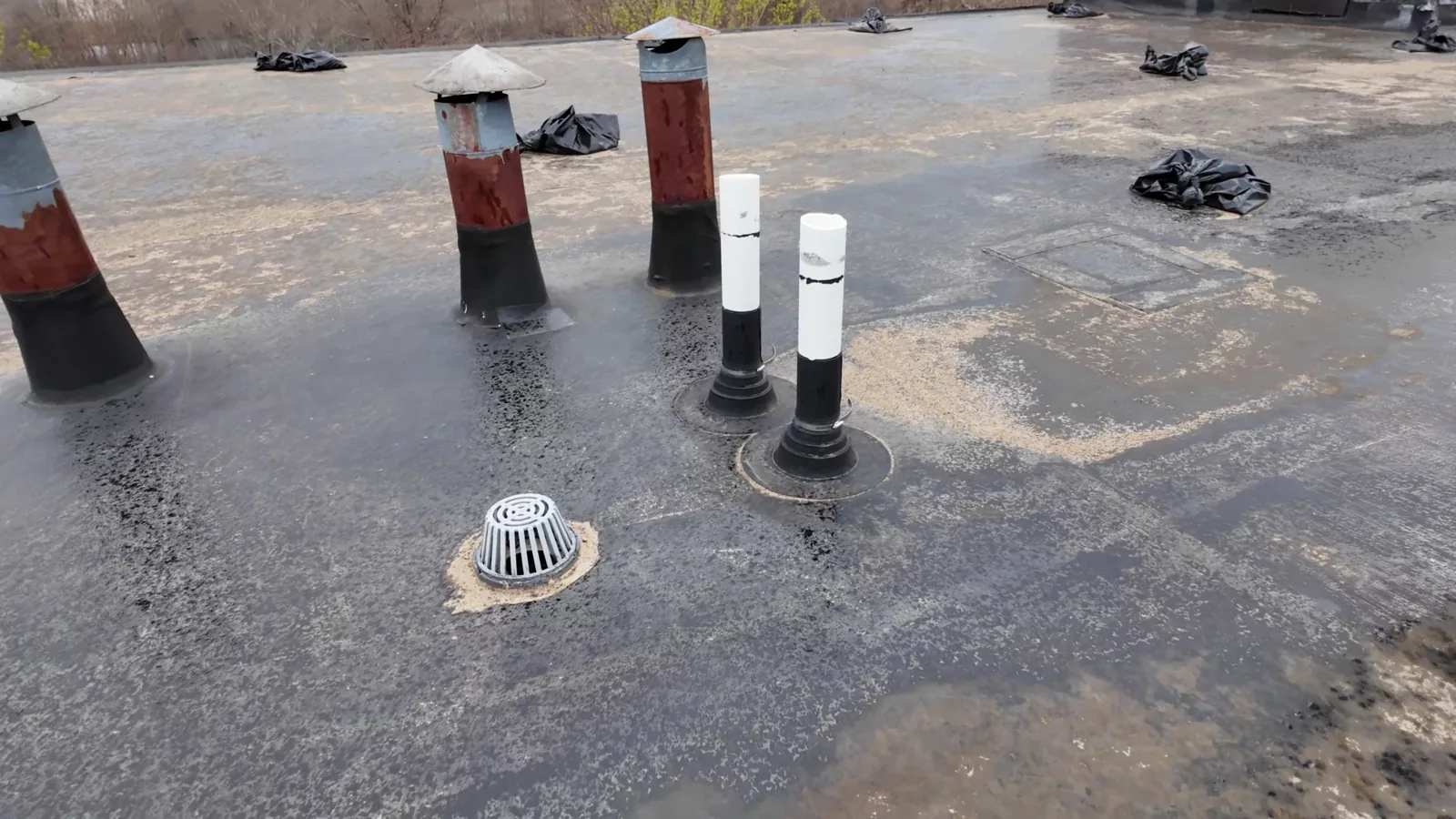
On a roof, that rain finds every opening the wind created. We log drains and scuppers in their own record and check for debris blown in during the event. A scupper blocked by a displaced panel or torn membrane holds water against the parapet, and a lifted edge near it lets that water travel under the sheet. Coordinated work on roof drains and scuppers belongs in the same visit.
The Pre-Storm Baseline
A repair is easier to defend when a baseline exists. Ahead of the tropical season, we recommend a dated inspection that records edge metal tightness, seams, sealants and drain condition on each roof section. One dated walk gives the owner and any adjuster a fixed point to measure from.
After a named storm, the same inspection is repeated and the two records are set side by side. Differences are marked on the sketch: an edge that moved a quarter inch, a seam that opened, a scupper that now holds standing water. The comparison shows the owner and any adjuster what the storm changed, and it keeps the repair scope limited to what actually changed. Roofs without a baseline can still be inspected after a storm, but the record then starts from the damage rather than from the roof as it was.
Repair, Partial Replacement or Replacement
A repair is the right scope when damage is confined to edges, a few panels or a localized membrane tear and the remaining roof passes seam probes and moisture readings. When damage spreads across several roof sections, when the attachment itself was inadequate, or when a moisture survey finds widespread wet areas, the scope moves toward partial or full replacement. The recommendation names the findings behind the choice and lists the rest as watch items.
For roofs that were repaired after a storm, we suggest a second inspection after the next named event. The earlier record turns that visit into a comparison, which is faster and gives the owner a clearer basis for a claim, a budget request or a decision to move to a full replacement. A roof that has been through a tropical event is also a candidate for hurricane damage repair planning before the season returns.
Questions and Answers
How soon after a wind event should the roof be inspected?
As soon as the roof is safe to walk. Photographs and measurements taken early show which damage came from the storm and which was already present, and an open edge can let in the next rain while a claim is still being prepared.
Can wind damage be repaired without replacing the roof?
Often yes, when the damage is limited to edges, a few panels or a torn membrane section and the insulation below is dry. The moisture readings and seam probes decide, and the written recommendation lists both the repair cost and the replacement cost.
What records help with an insurance conversation after a storm?
Dated photographs tagged to roof sections, the rooftop sketch, moisture readings and a short condition summary. If a pre-storm baseline exists, the comparison shows what changed. Our claim documentation follows that order.
Why check the edge metal if the field of the roof looks fine?
Edges take the highest uplift, and loose metal is often the first thing a storm moves. A tight field with a loose edge is worth catching, since the fix is smaller before the next wind event than after it.
Does older construction fare worse in a Valley wind event?
The Dolly record suggests it can. Dolly damage near Weslaco in 2008 fell mainly on older structures, so older edge metal and fastening are checked first. Age alone is not a finding, though, and each roof is judged on what the inspection shows.


Request a Documented Wind Inspection
Send us the building address and the date of the event. The written condition summary will list edge, seam and drainage findings with photographs and can be reused for budgeting or an insurance conversation.