
Roofing Capabilities
Due Diligence Roof Surveys in Mission, TX
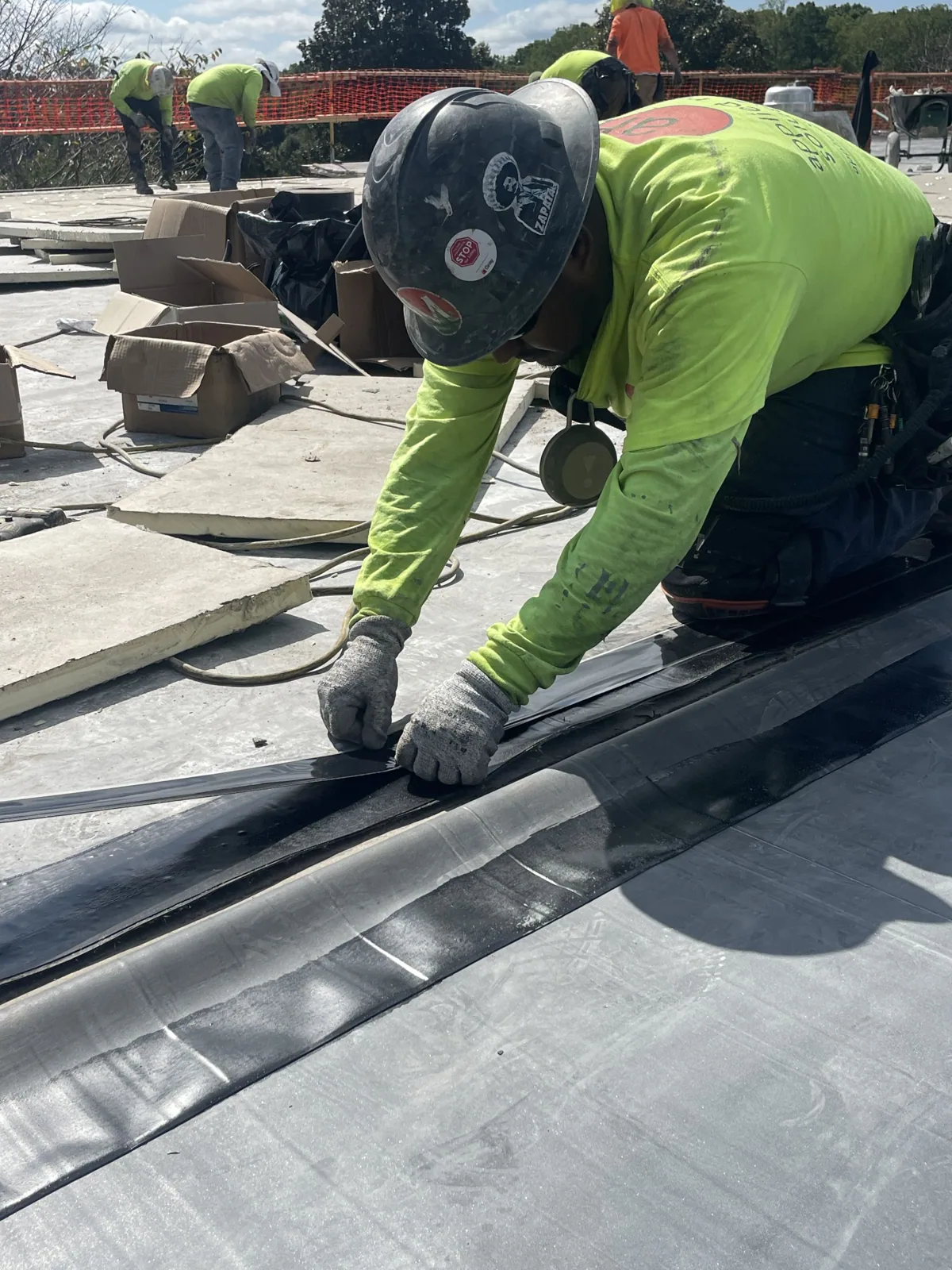
The first thing a buyer's consultant asks for is a number with a basis: what will the roof cost over the next five years, and what in the building supports that figure. A due diligence roof survey answers with a table of findings by roof section, each tied to a dated photograph and a moisture reading, and a cost range for each action the findings support.
For buyers, lenders and sellers in Mission, TX, the survey has a short window. A purchase contract or a loan commitment sets the days available, so the work follows a fixed order and delivers a report that can be read quickly by people who are not roofers. The survey does not value the property. It documents the roof so that others can.
What the Survey Covers
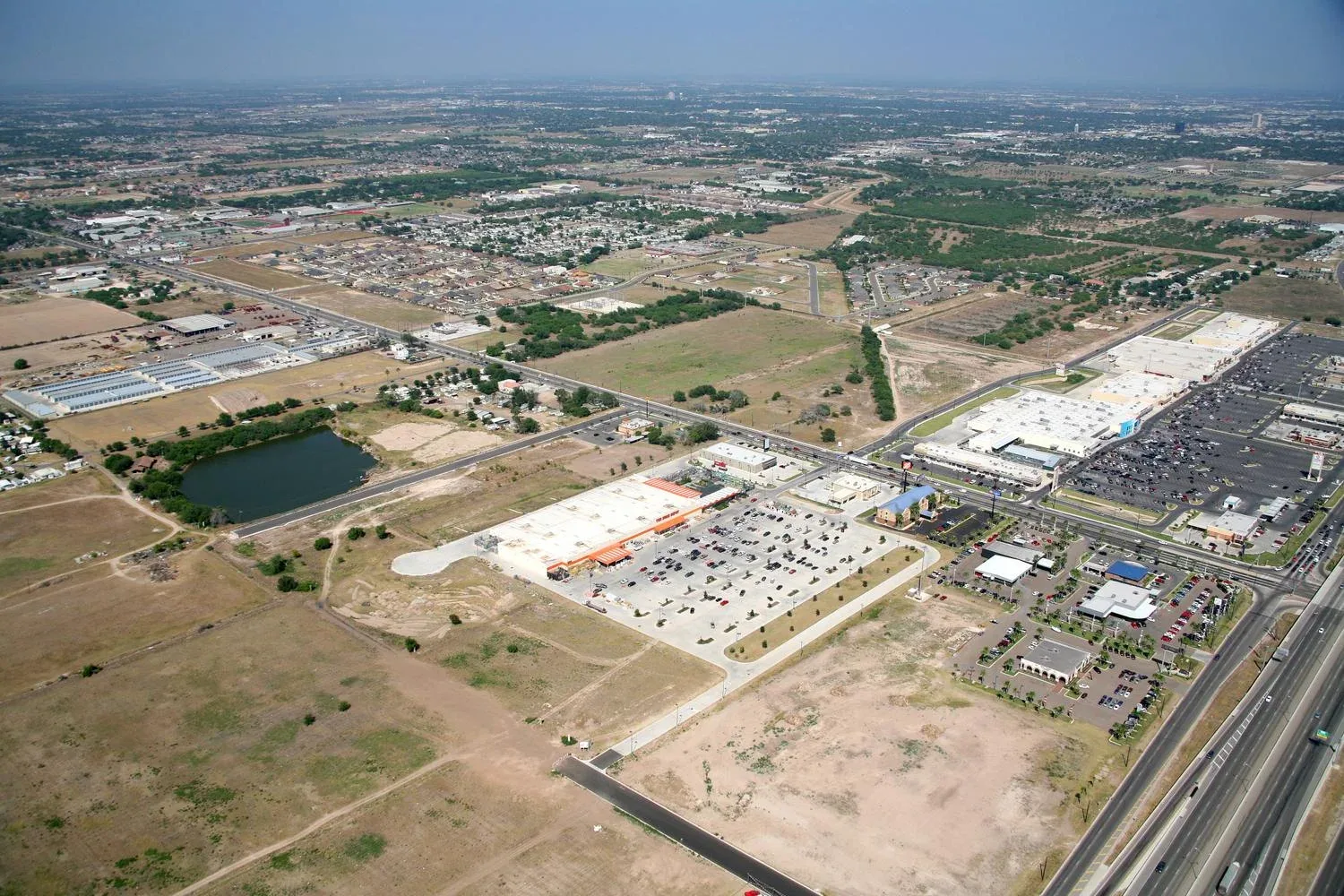
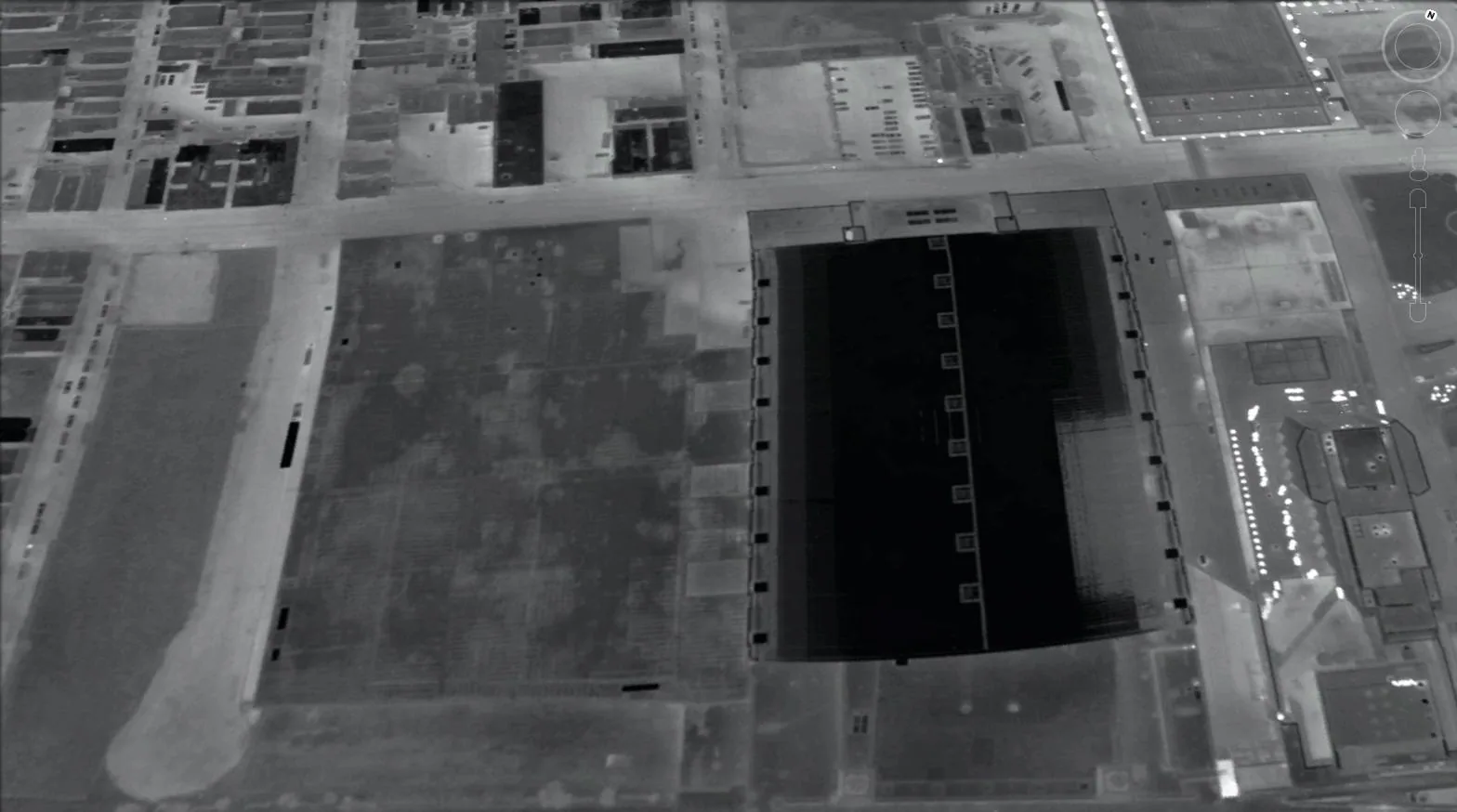
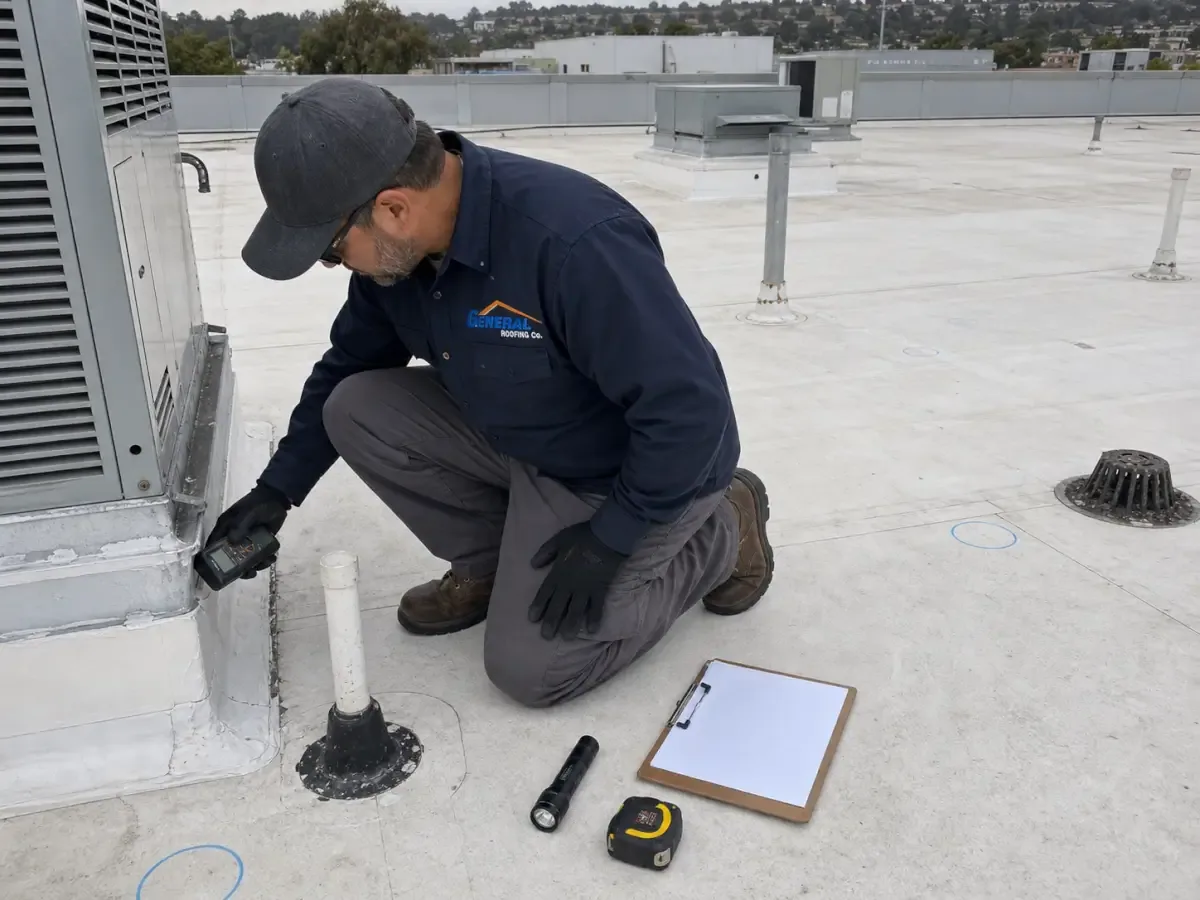
Every roof section on the property is walked, and the survey reviews the surface, seams, terminations, perimeter metal, drains, penetrations and equipment supports. Photographs carry a scale card and a section tag, and the sketch shows where each one was taken. Moisture is checked with probes and meters, and with an infrared moisture survey where the roof size or history calls for it.
Records are requested alongside the walk, ideally before it, so the inspector arrives knowing what to look for: warranties, past repair invoices, drawings, previous reports and any known leak history. The survey notes what was supplied and what was missing. A roof with no records is not a failed roof, but it is a roof whose age and system must be estimated, and the report flags those estimates so that the buyer's consultant can weigh them.
Reading a Roof Against Valley Conditions
A survey in the Rio Grande Valley reads each roof against the climate it has been through. Because the heat-safety season runs May through October, surface wear, sealant hardening and seam movement are expected findings. Hurricane season runs June through October, and wind-driven rain and drainage checks apply across Hidalgo County all year.
The records of recent storms add context. Hanna in July 2020 brought estimated winds near 60 to 65 mph along I-2 and 12 to 14 inches of rain across parts of Mission and McAllen, and it damaged hundreds of poorly built Valley structures. Dolly in 2008 lifted roofs on older structures around Weslaco. A survey notes whether a roof shows signs of an earlier event, such as repaired edges or patched membrane, and asks whether the repairs were documented. Where no record exists, the report says so and treats the repair as an unknown rather than a fix.
Drainage gets close attention. During Hanna, deep water stood in parts of Mission, La Joya and Sullivan City because of poor drainage, and a roof with slow drains holds its own water in a similar way. The survey logs each drain and scupper, notes any ponding and records the condition of the sumps and outlets.
How Findings Become a Cost Outlook
The report sorts findings into three groups. Immediate items are defects that let water in or threaten the roof within a season: open seams, failed flashings, blocked drains, lifted edges. Near-term items are conditions that will need work within a few years: widespread surface wear, aging sealants, minor ponding. Long-term items are the system's remaining life, expressed as a range with the factors behind it.
Each group receives a cost range and the findings that support it. The report gives both the repair cost and the replacement cost where each is a realistic option, so a buyer can see what a repair-only plan would delay. Ranges are tied to the scope line, not to rules of thumb. If wet insulation is found, the report says how much, where, and what removing it would involve.
The report also states what the survey could not see. A roof covered in standing water, a section closed off by a tenant or a membrane too hot to probe safely are noted by location, with a recommendation for follow-up. A buyer reads the limits as carefully as the findings, since an unknown on a roof is a risk to be priced or resolved before closing.
Building Types Across the Metro
The metro has a mix of roofs. The McAllen-Edinburg-Mission area had an estimated 921,549 residents in 2025, and Mission itself sits on Interstate 2 / US 83. Growth sectors named locally are manufacturing, healthcare, technology and retail, and the McAllen Foreign-Trade Zone adds warehouse and distribution buildings. Each building type shows different roof stresses: equipment-heavy medical and office roofs, long-span warehouse roofs, and retail roofs with many penetrations.
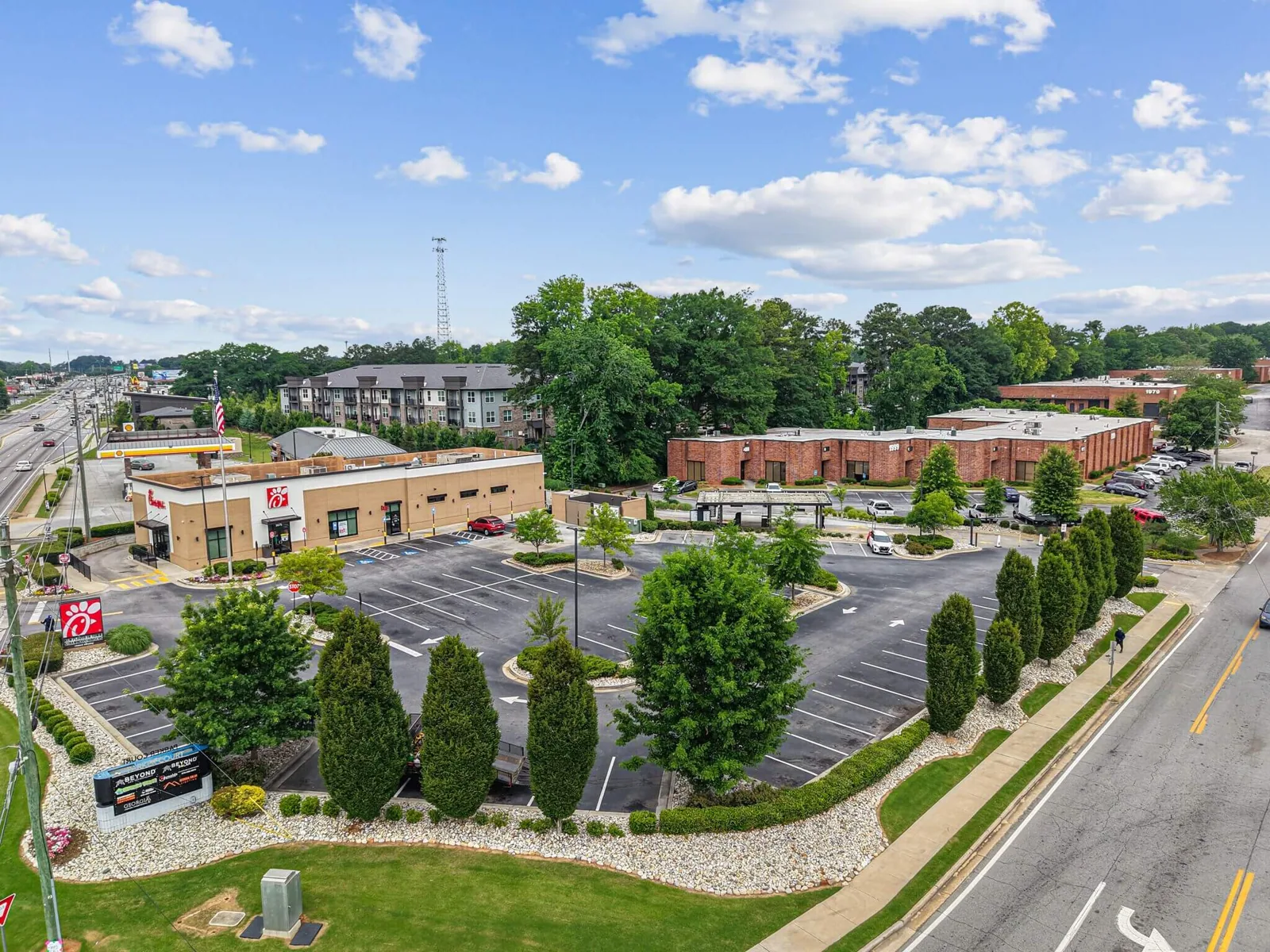
The survey format is the same for all, with the details adjusted. A distribution building gets particular attention to dock-area drainage and perimeter edges. A medical office gets close review of rooftop units and flashing. A retail center gets seam probes along its long runs, and a note on tenant access. In each case the report uses the same rating scale, so a buyer comparing several properties can read them side by side without translating between formats.
Using the Survey for Refinancing
Lenders usually want to know three things: whether the roof is likely to fail during the loan term, whether the owner has a plan and budget for the work, and whether insurance coverage is intact. The survey gives each of those a page. The condition table speaks to the first. The cost outlook speaks to the second. The record of storm events and repairs speaks to the third.
The same report can feed roof capital planning after closing, and the file becomes the starting point for roof asset management. When the property is a portfolio, a multi-site roof program places every roof on one format, which makes underwriting simpler for a lender who sees several of them.
Scheduling and Access
Surveys depend on access to the roof, the building and the records. We ask for a contact who can open hatches and gates, and for any rules from tenants about timing or noise. Where several buildings are involved, we sequence the walks to fit the contract window and report progress as each is completed. Owners in Mission, Pharr and Edinburg can be covered in one trip when the properties are close together.
Questions and Answers
How long does a due diligence roof survey take?
It depends on the number of buildings and roof sections. The walk is scheduled within the contract window, and the written report follows with photographs, sketch and cost ranges. We state the timetable before work starts.
Is a roof survey the same as an appraisal or engineering report?
No. It documents roof condition, moisture findings and likely repair or replacement scope. Valuation and structural evaluation belong to other professionals, and the report can be given to them as a source.
What if the seller has no roof records?
The survey proceeds from the physical evidence. We identify the system, estimate age as a range and list the records that would confirm it. The report marks which findings are observed and which are estimated.
Can a survey affect the purchase price?
It can, since findings and cost ranges may support a request for repairs, a credit or a change in price. That decision belongs to the parties, and the report supplies the facts they negotiate from.
Will the survey cover storm damage?
Yes, if it is present. Findings from earlier named storms are noted along with whether repairs were documented. Fresh damage is tied to the date of the event, which helps with the insurance conversation.
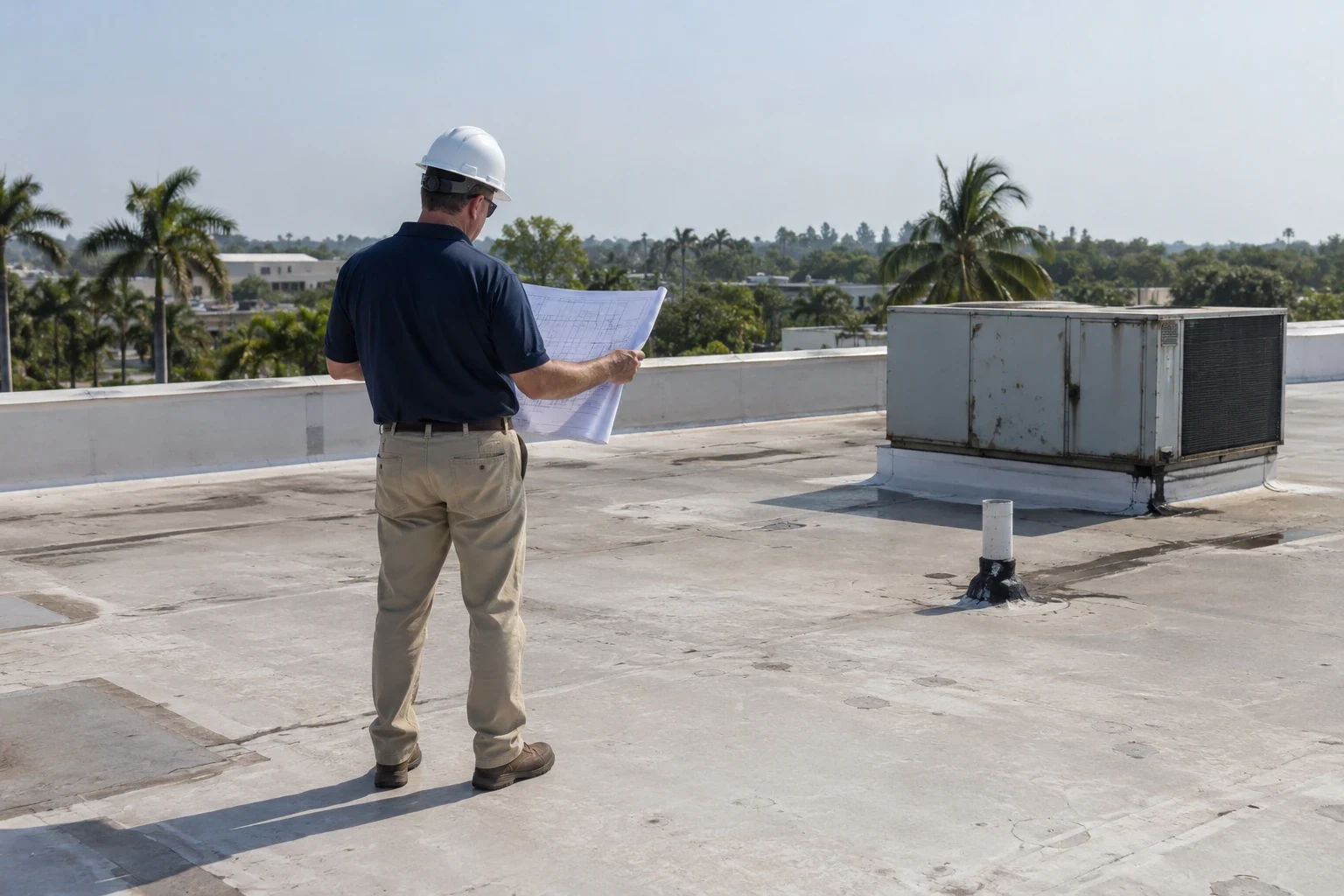
Request a Documented Due Diligence Survey
Send us the property address, the contract or commitment date and the number of buildings. The written condition summary will include photographs, moisture readings and cost ranges, and it can be reused for budgeting or an insurance conversation.