Roofing Manufacturers
Carlisle SynTec Roofing Systems in Mission, TX
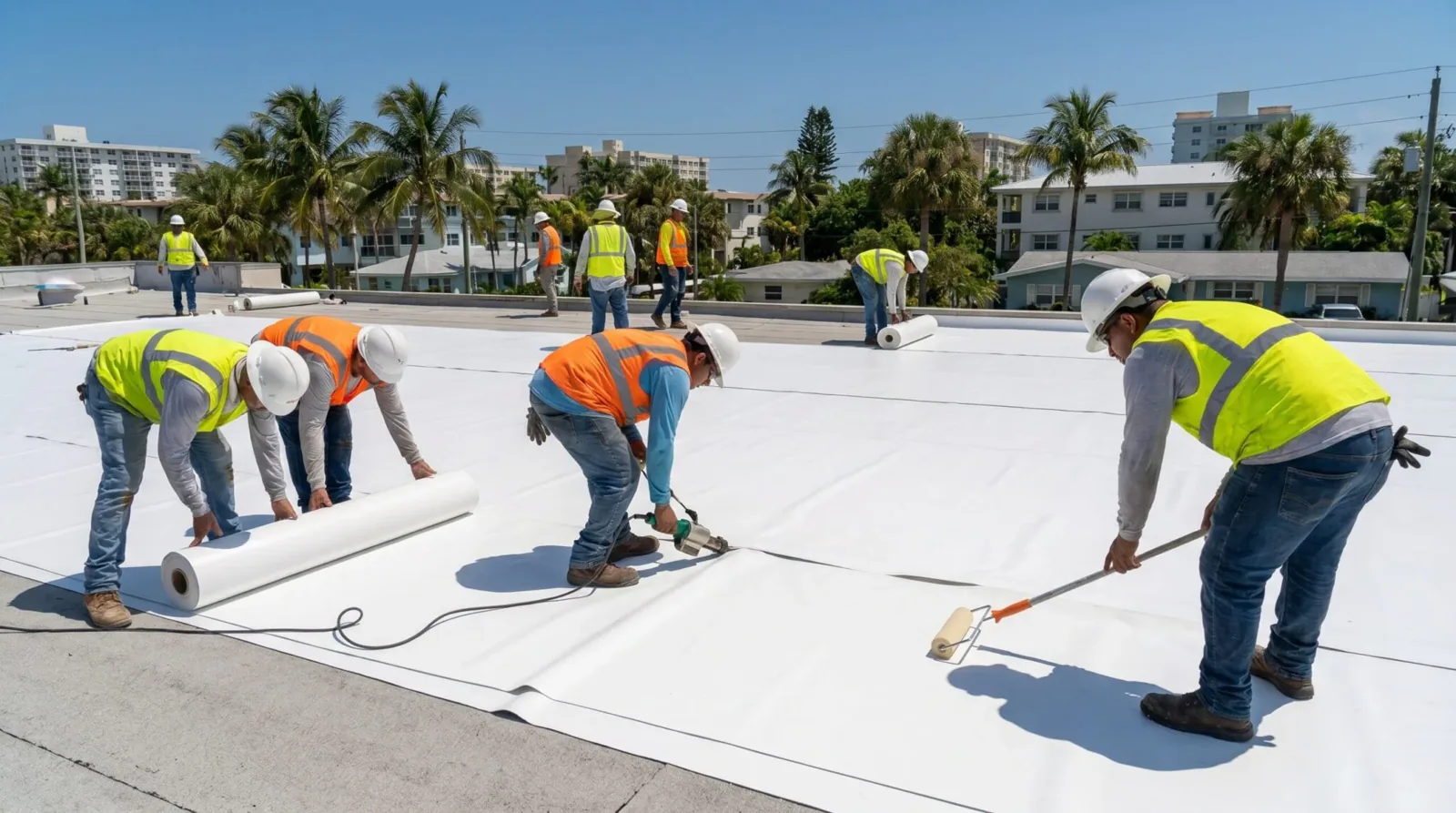
The weld probe is the first tool out of the bag on a Carlisle SynTec roof in Mission, TX. A thin blunt tip drawn along each seam tells the inspector which stretches have fused and which have not, and the inspector marks the open stretches on a rooftop sketch. Carlisle SynTec makes single-ply systems in TPO, EPDM and PVC, and each has a different seam and a different repair. Reading the roof starts with identifying which sheet is on it.
From that first identification the record builds in order: seam findings, flashing findings, drain findings and moisture readings. Each entry carries a date and a photograph, and the owner can follow the chain from observation to recommendation without a site visit.
Three Sheets, Three Seam Methods
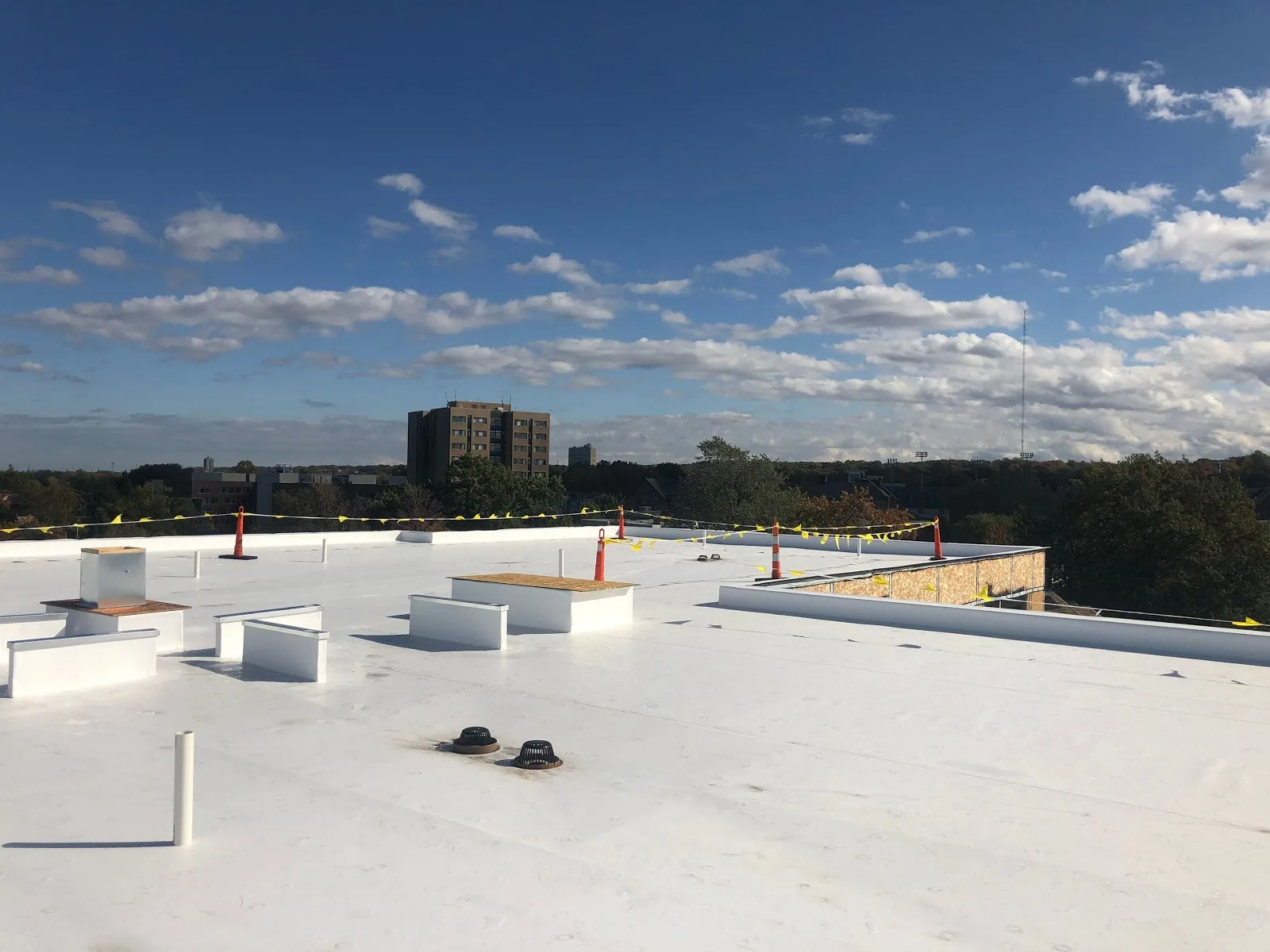
TPO and PVC seams are welded with hot air, so a probe finds the unfused gaps. EPDM seams are joined with adhesive or tape, so a probe finds lifted edges and weathered splice tape instead. Flashing details differ as well. A TPO or PVC curb flashing is heat-welded to the field sheet, while an EPDM flashing relies on primers, tapes and sealants. Our records name the sheet, the seam type and the detail so a later repair uses the right method.
The distinction saves money. A patch made with the wrong method may look sound for a month and open at the next heat cycle, and the second repair costs more than the first because the substrate is now contaminated. We also note the age of any previous patch, since a patch laid over a patch can hide a leak path and trap moisture, and we cut it out when the readings call for it.
Sure-Weld TPO in the Valley Sun
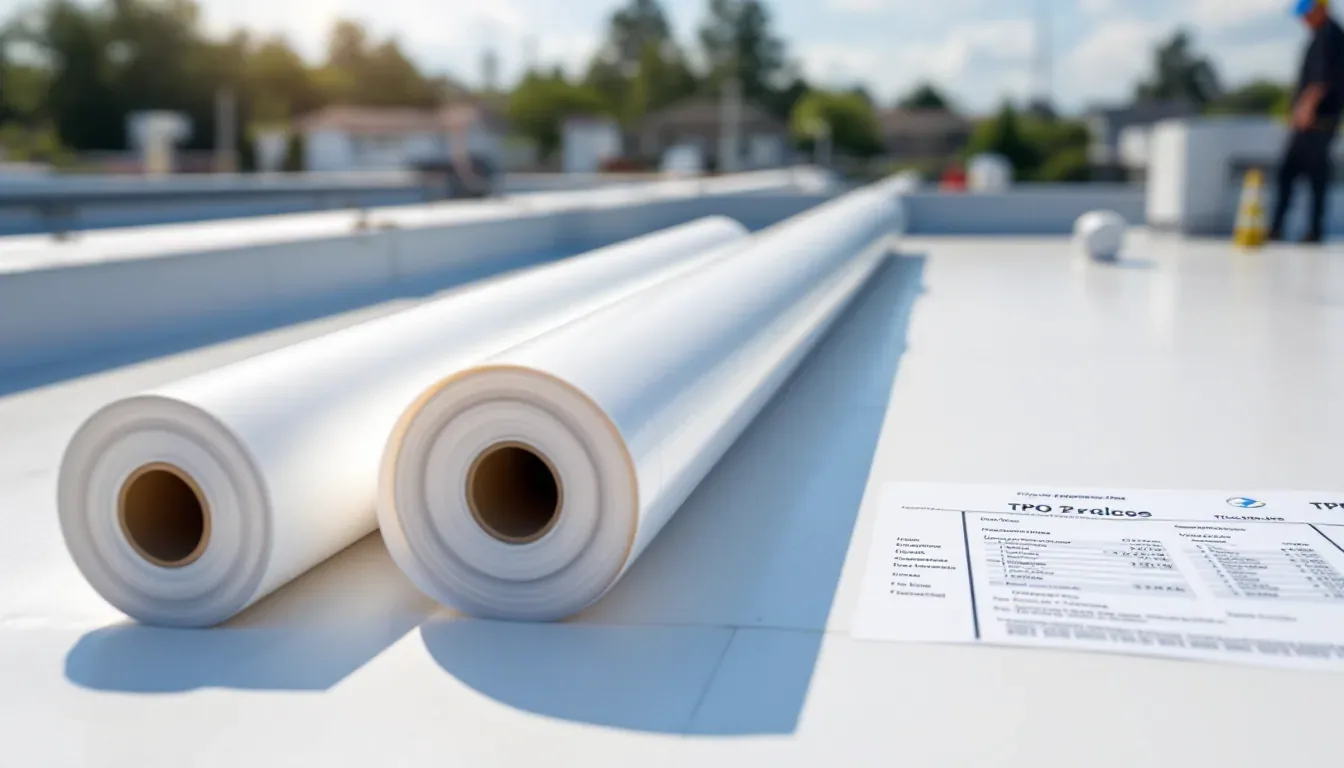
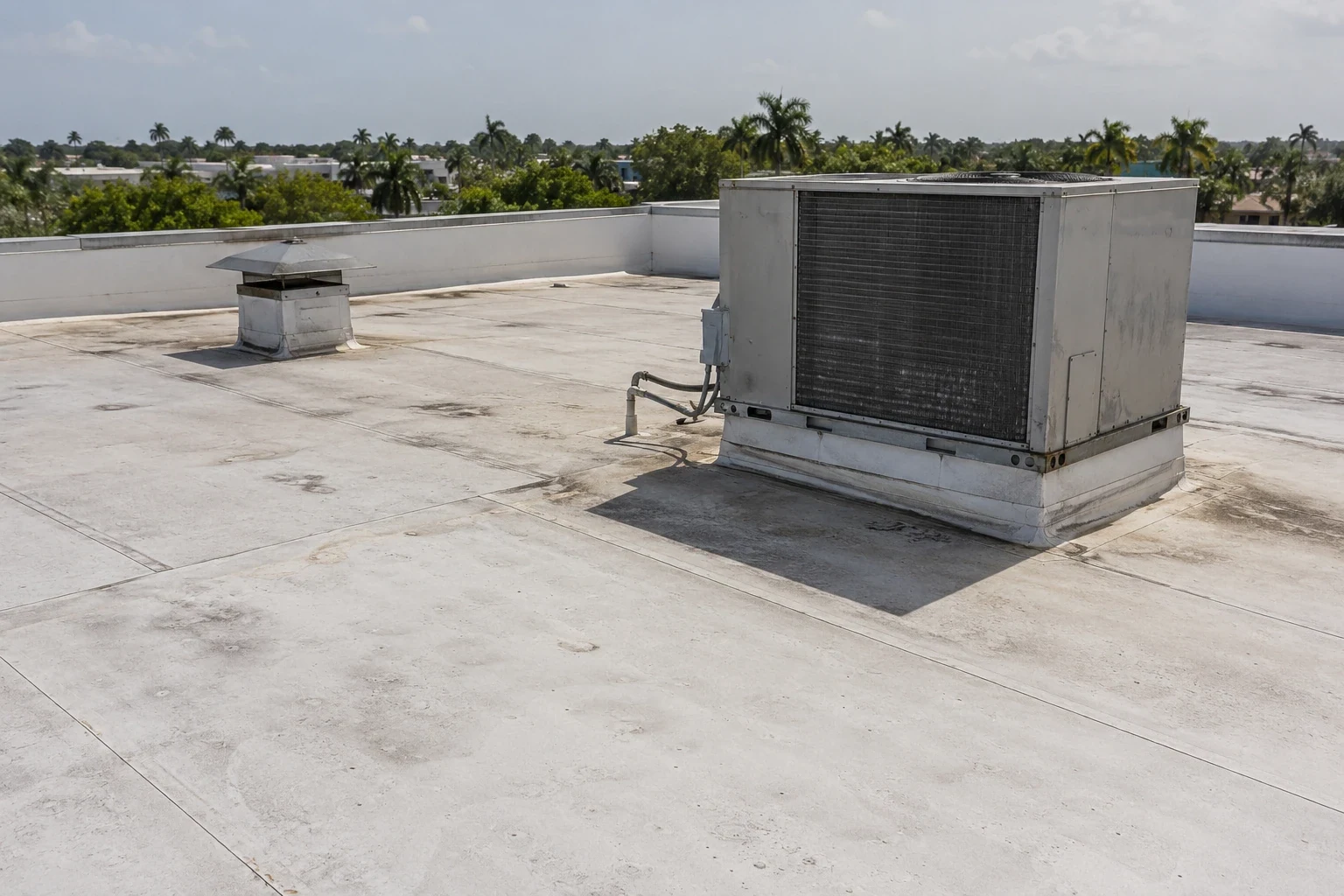
Sure-Weld is Carlisle's TPO membrane. White thermoplastic surfaces reflect sun, which matters through the long Valley heat season that the Brownsville weather office dates from May to October. Reflective sheets still move with temperature, and the welds at laps and corners are where the movement shows. We photograph the weld line at each lap, test it, and note any area where the seam has not fully fused or the surface has chalked.
Dirt matters as well. Dust and algae in a low spot keep a TPO weld from fusing until the surface is cleaned, so every repair line opens with cleaning and a trial weld on scrap. The result of that trial goes into the file. Where a roof has taken many small repairs over the years, we map them on the sketch with their dates, so the owner can see the pattern and decide whether the next repair is still the right answer or whether the area has reached the point where a section replacement costs less than another patch.
EPDM Roofs and Their Aging Signs
EPDM is a rubber sheet that can last many years when drainage is good. Signs of age include shrinkage at walls, splice tape edges that have lifted, cracking at flashing and surface checking. A shrunken sheet pulls on its terminations, so we measure the gap at the wall and note it. A repair may be a new splice, a new termination bar or a section replaced with a compatible patch.
EPDM also shows ponding more clearly than other sheets, because algae and dirt stain the low spots. We map the stains and compare them with the drains, which tells us whether the slope is wrong or a drain is blocked. Where slope is the cause, tapered insulation under a new sheet can move water to the drain, and we price that option beside a plain recover so the cost of better drainage is visible.
Wind and Water Events on the Record
Hanna's July 2020 crossing filled a gauge northwest of Mission to 14.40 inches, and estimated winds ran 60 to 65 mph over the I-2 corridor. Poor drainage then put standing water into parts of Mission, La Joya and Sullivan City. Fastener pull samples and perimeter edge photos show how the system held against wind, and the numbers are written beside each section of the sketch so a weak area is easy to find on the next visit.
After a named storm, we compare the new photographs with the pre-storm baseline. Laying the new photographs over the baseline separates storm damage from older wear, so a small repair is not billed as a storm loss.
Repair, Recover or Replacement
A commercial roof repair is the first option when the sheet is sound and the damage is local. A recover adds a new sheet over a dry roof. Replacement is the scope when moisture has spread or the sheet has reached the end of its service. What drives price is the area, the penetration count, the insulation replaced, access and the dry-in window. We show each driver so owners can compare bids on the same basis.
Moisture decides the path. Infrared and probe readings show whether the insulation under a stained area is wet, and the answer changes a patch into a section replacement or a section replacement into a full tear-off.
Buildings Where Single-Ply Appears
A single-ply sheet suits a warehouse with long drainage runs just as well as a retail center crowded with curbs and penetrations, and the survey changes with the building. Long runs get slope and drain checks. Busy roofs get a curb and penetration log. Along I-2 the Pharr and Mission buildings share one record format, so an owner holding addresses in both Pharr and Mission can set the sheets side by side. Mixed portfolios work the same way: Versico sheets get the same entries for sheet type, seam log and moisture map, so a set of mixed roofs reads in one format. Owners with many addresses often fold them into a multi-site roof program, which ranks buildings by condition and spreads the spending across budget years.
The Owner's File
The closing paperwork covers the sheet type, the seam probe log, the moisture map, the fastener pull results and the next visit dates. It lets an owner request a budget line or answer an insurer without another walk. A building roofed in Sika Sarnafil sheet gets the same entries in the same order.
Questions and Answers
How do you tell TPO from EPDM on an unmarked roof?
TPO is typically white and heat-welded, while EPDM is black or white rubber with taped or glued seams. A small sample and a look at the flashing details confirm the type before any repair is chosen.
Do weld probes damage a membrane?
A blunt probe does not cut a sound weld. It finds gaps, and any scratch is sealed during the same visit.
Can EPDM be repaired in the heat season?
Yes, once surface temperature is watched, since adhesives and tapes behave differently on a hot roof. Work is scheduled for the cooler hours of the day, and primers are applied only when the surface is dry and within the temperature range the product allows.
What does a fastener pull sample show?
A pull sample shows how well the fasteners hold the membrane or insulation. Weak samples change the attachment plan for a replacement, and the locations of the weak samples are shown on the sketch so a heavier pattern can be drawn for exactly those zones.
Why clean a seam before welding?
Dust, algae and oils prevent a thermoplastic weld from fusing. A trial weld on a clean scrap area proves the method before the repair line is run, and the result is written into the file with the date, so a later inspector can see that the method was tested and how the weld held.
Request a Documented Inspection
Ask for a visit to your Mission, TX roof and receive a written condition summary with tagged photographs, a seam probe log and a moisture map. The summary can be reused for budgeting or an insurance conversation. Start from the contact form.