
Roofing Capabilities
Multi-Site Roof Programs in Mission, TX
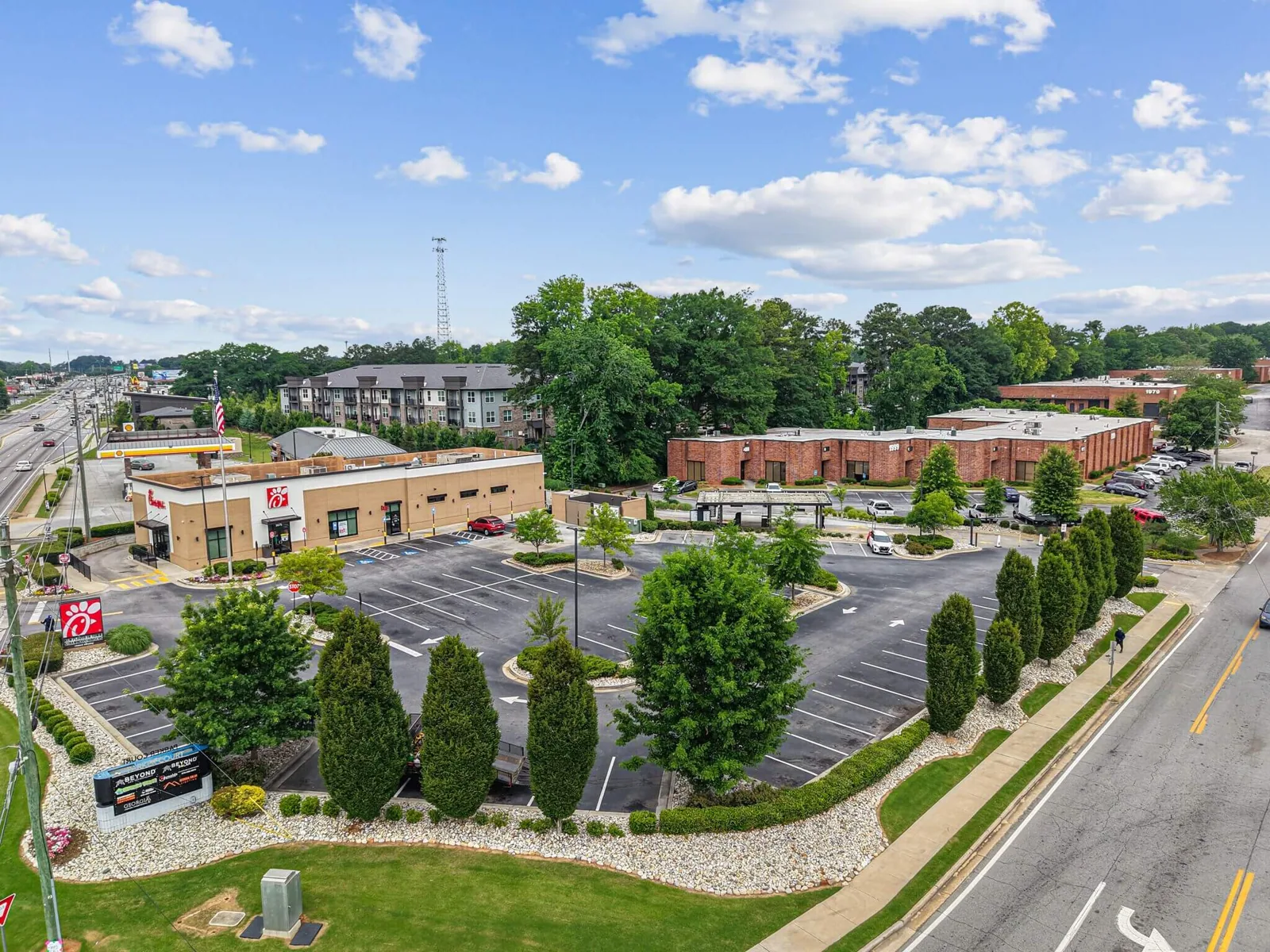
A program begins with a register: a single list of buildings, each with an address, a roof count, a system, a date of the last inspection and a status. The register is short to read and long to build, and its value is that every building on it is recorded in the same terms. An owner can then ask which roofs are due, which are failing and which have not been seen in two seasons.
For owners and property managers in Mission, TX, a multi-site program also has to deal with distance and weather. Buildings spread across a metro share a climate, so a heat season or a named storm touches all of them at once. A program organizes the response so that the same inspection, the same records and the same decisions apply everywhere.
The Building Register
Each property is entered by name, address and contact, with its roof sections beneath. For each section it records the system, the approximate area, the age if known, any warranty, the date of the last inspection and the current rating. Notes cover access, hours, tenant rules and rooftop equipment. The format is the same for a retail center, a warehouse, a clinic or an office.
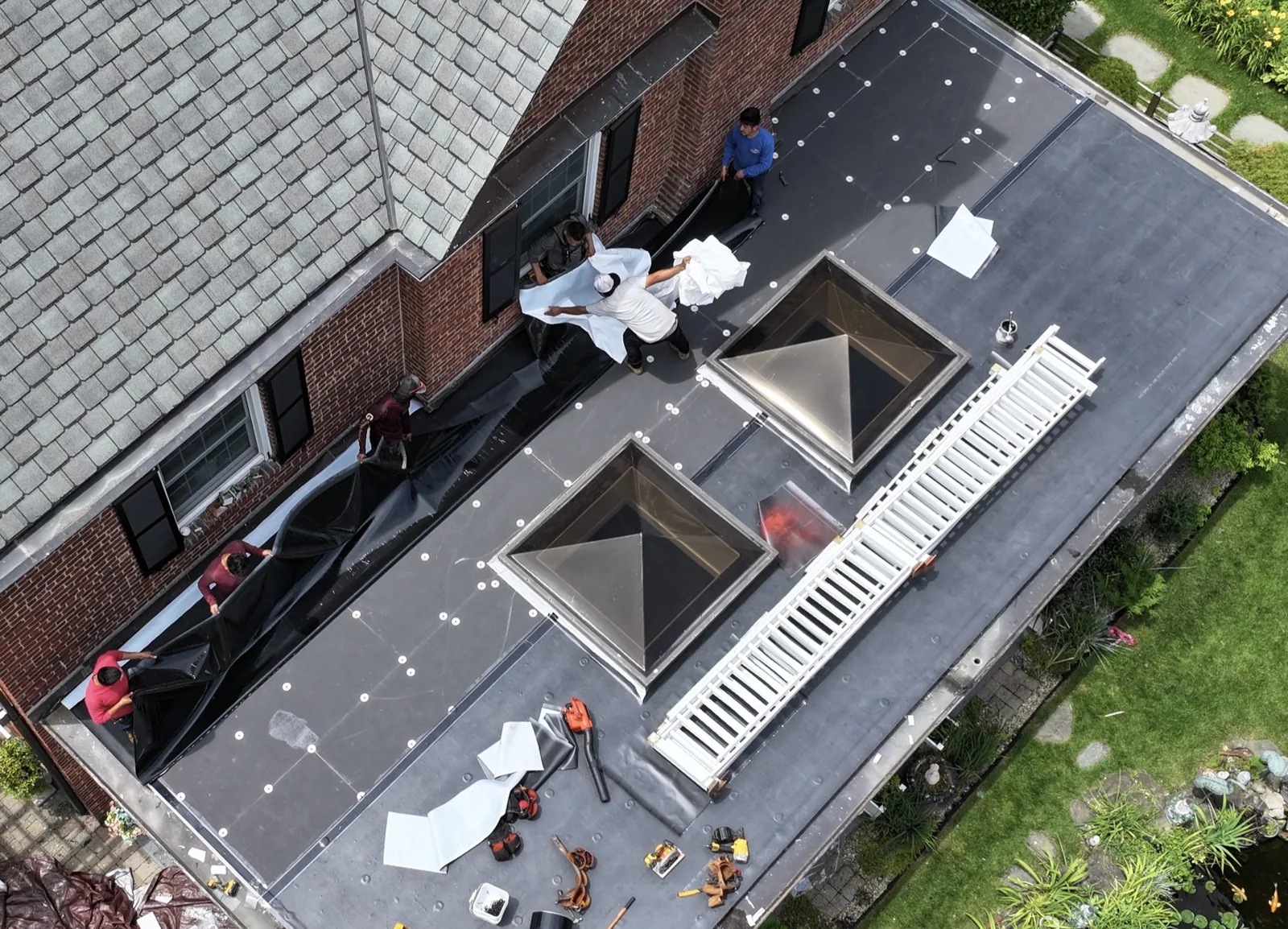
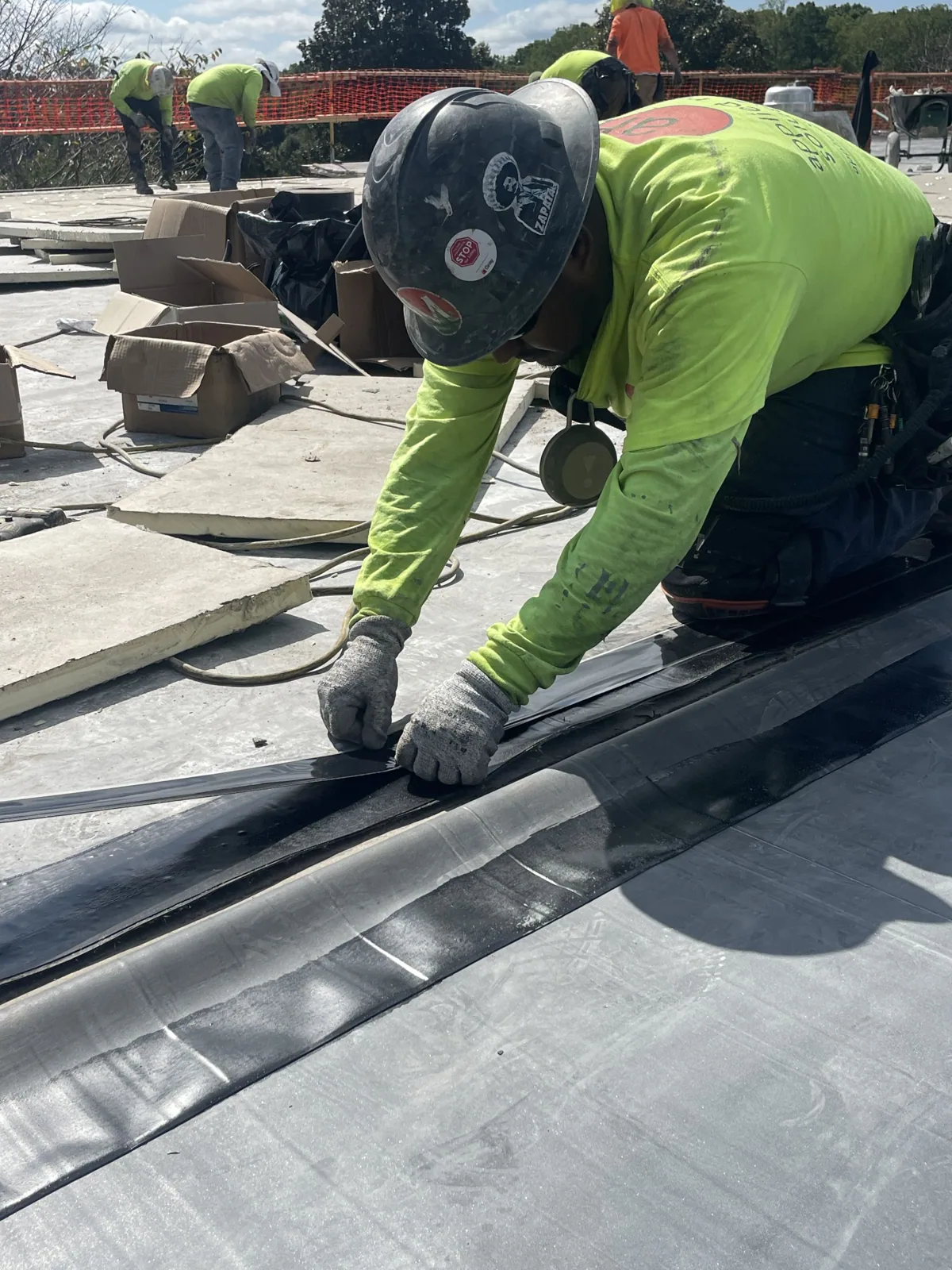
New buildings are added by documented inspection. We walk the roof, photograph and tag each condition, take moisture readings and produce a roof condition report that becomes the first page for that building. Where records exist, they are folded in. Where none exist, the inspection starts the file. The register is kept current in one place, and each building's pages are linked from it.
Buildings Spread Along the Valley Corridor
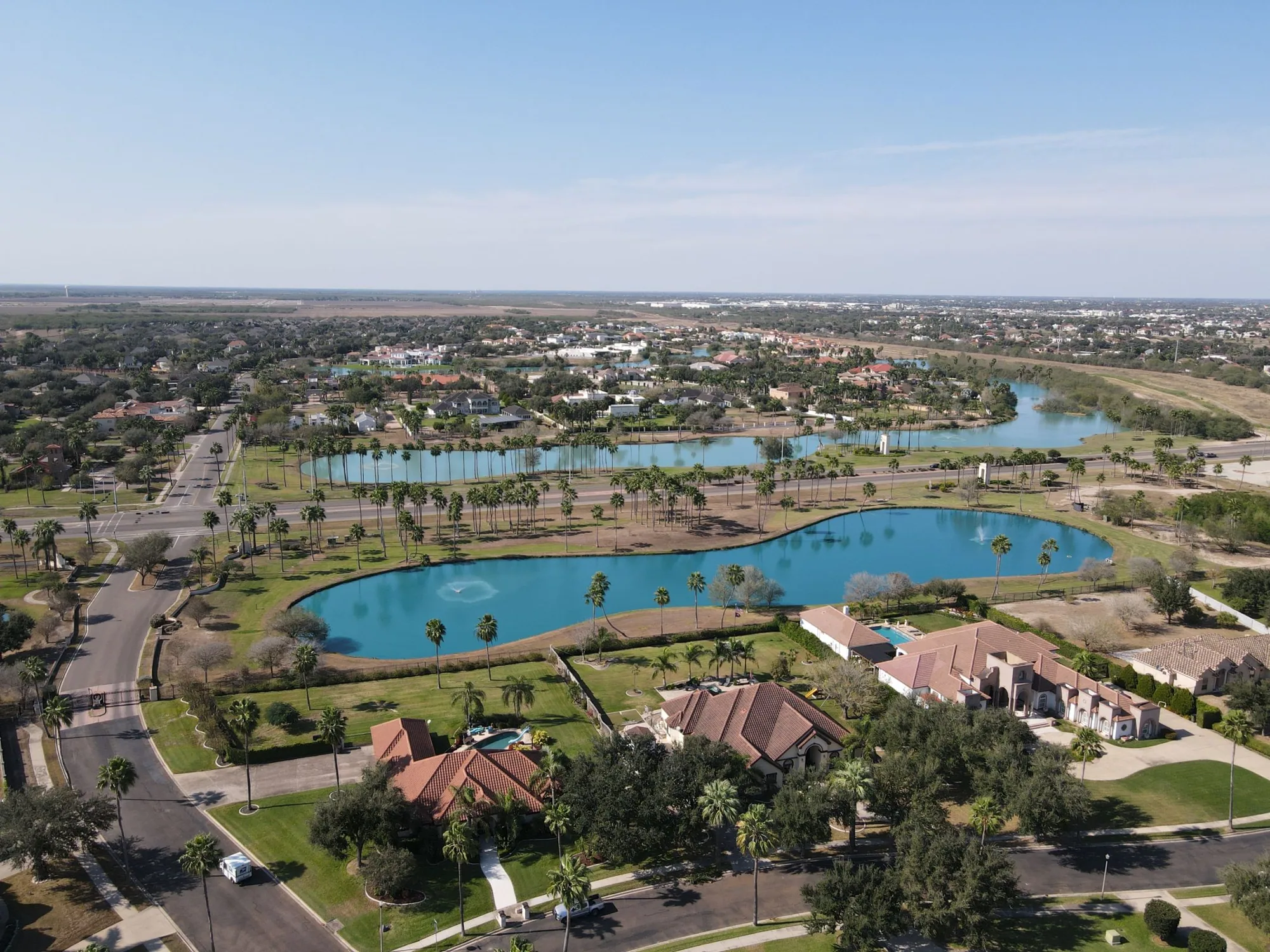
Interstate 2 / US 83 runs 46.8 miles through Hidalgo County, starting at Showers Road in Palmview and curving around Mission and McAllen, then passing Pharr, San Juan, Alamo, Donna and Weslaco. Many commercial buildings sit along that corridor, and US 281 and State Highways 107, 336 and 495 connect other parts of the county. A program for buildings along those roads can be sequenced by drive route, so inspections for Palmview, Mission, McAllen and Pharr fall on the same day where schedules allow.
The mix of buildings along the route varies. Around the McAllen Foreign-Trade Zone, warehouse and distribution buildings are part of the mix, and Mission's freeway frontage on Interstate 2 / US 83 serves other commercial uses. Seasonal-visitor and agricultural buildings are common in places like Alamo. The register notes the use of each building because use sets the consequence of a leak.
Distances are logged too. The route between buildings, the time needed on site and the access rules for each are recorded so that the schedule can be built with real durations. A roof that needs a lift or a crane, or one that can only be reached after business hours, is flagged in the register before the first visit.
One Climate, One Calendar
Two overlapping seasons set the calendar: heat-safety from May to October and hurricanes from June to October. A program schedules around both. Spring brings the baseline inspection of every roof: edges, seams, flashings, sealants, drains and scuppers, with moisture readings. Autumn brings the follow-up, after the tropical season has passed.
If a named storm arrives, the same calendar tells the owner what to do. Hanna's 2020 winds of 60 to 65 mph and 12 to 14 inches of rain in parts of Mission and McAllen, and Dolly's roof damage near Weslaco in 2008, show the same weather reaching many sites at once. The program responds in order: buildings with known weak details first, buildings with the highest consequence next, then the rest, each compared against its spring baseline.
Reporting Across the Portfolio
Each inspection feeds a portfolio summary. One page lists every building with its rating and its change since the last visit. A second page lists open repair items with their locations and dates. A third lists monitored items and their next check. A fourth shows the budget lines: maintenance, projects and reserve.
The summary lets an owner or a finance committee see the whole portfolio without reading every building's file. Trend lines show the portfolio's direction over several years: how many roofs moved up a rating, how many held, how many declined, and what the repair spending was against the budget line. If a question arises about one building, its pages are one step away. The same structure supports a lender's request, an insurer's review or a buyer's due diligence, and the pages can be pulled out for any of them. A due diligence roof survey for a single building uses the same ratings.
Planning Across Buildings
With every roof on one scale, the plan can compare them. Condition and consequence give a rank. The schedule places the work in order, with tenant calendars, access limits and weather windows in mind. Roof capital planning converts the ranks into a multi-year budget, and the register shows how each year's projects change the ratings.
Standardizing helps in other ways. A repair method that works at one building can be specified for similar details at another, which saves time in scoping and gives the owner one set of materials to track. A vendor's performance on one roof can be judged against the file. A warranty table shows which roofs are covered and which duties are open, in line with roof warranty management. The program is also the home for roof asset management records, since the same file serves both.
Starting with a Pilot
Owners need not enroll every building at once, and the first inspections can change which buildings come next. A workable start is three to five buildings chosen for variety or risk, inspected with the full format, and compared. The pilot shows what the records look like, how long inspections take and what the summary reveals about the weakest roofs. It also tests the working relationship: who opens the hatch, who approves repairs, who receives the report, and how quickly tenants are told when a crew is coming. If it is useful, the register grows. If a building turns out to need immediate work, the pilot has already identified it. The scope, term and schedule are set in writing before work starts.
Questions and Answers
How many buildings are needed for a program to make sense?
Two or three are enough to benefit from a common format and schedule. The value grows with the count, but even a small portfolio gains from comparing roofs on the same scale.
Can buildings in different cities be part of the same program?
Yes. Buildings in Mission, McAllen, Weslaco or elsewhere in the metro can share a register. Routes are planned so that inspections in the same area fall in the same visit where possible.
How is a program billed?
The scope sets the inspection count, report format and any repair work, with each element priced in writing. An owner can start with inspections only and add repair or planning services later.
What happens after a named storm?
Every building is checked against its baseline in an order set by known weak details and consequence. Emergency items are handled first, and the post-storm records are filed for each building.
Can the program include buildings that already have other contractors?
Yes. The register records existing contractors and warranties, and the inspection format works on any roof. Repairs are coordinated with the warranty terms and existing relationships.
Related Roofing Work

Request a Documented Inspection for Your Portfolio
Send us the building addresses and the roof counts. The written condition summary will include a register, tagged photographs and moisture readings for each building, and it can be reused for budgeting or an insurance conversation.