
Roofing Manufacturers
GAF Commercial Roofing Systems in Mission, TX
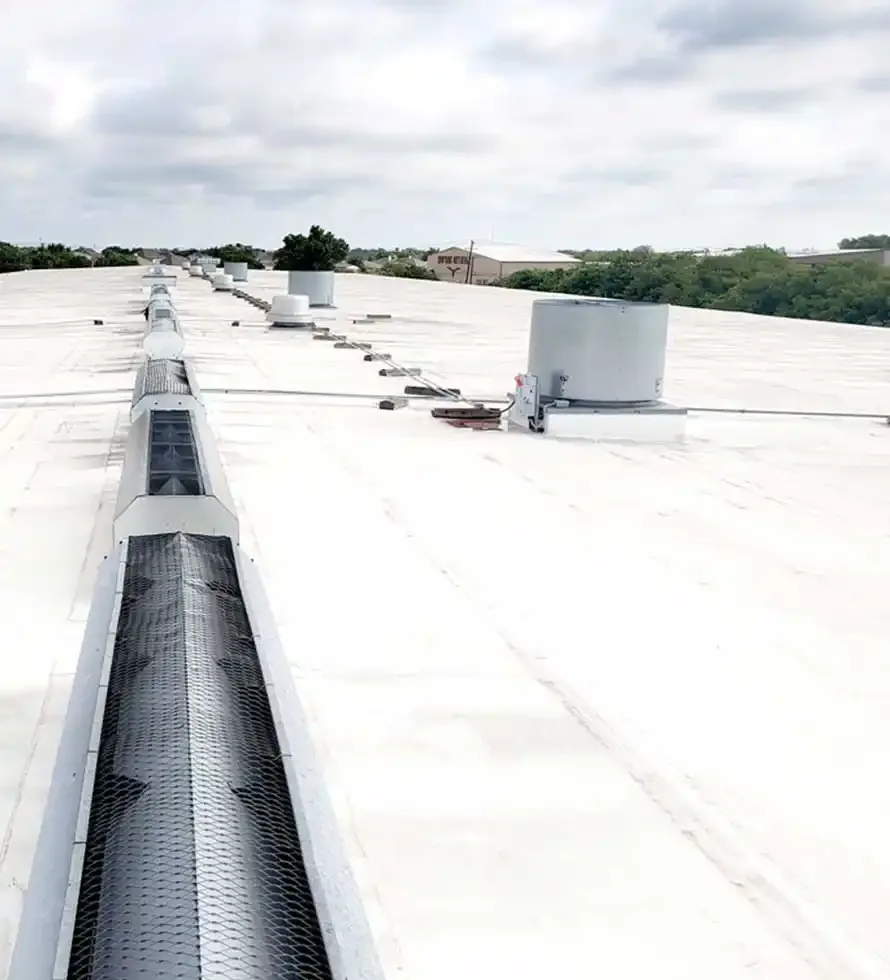
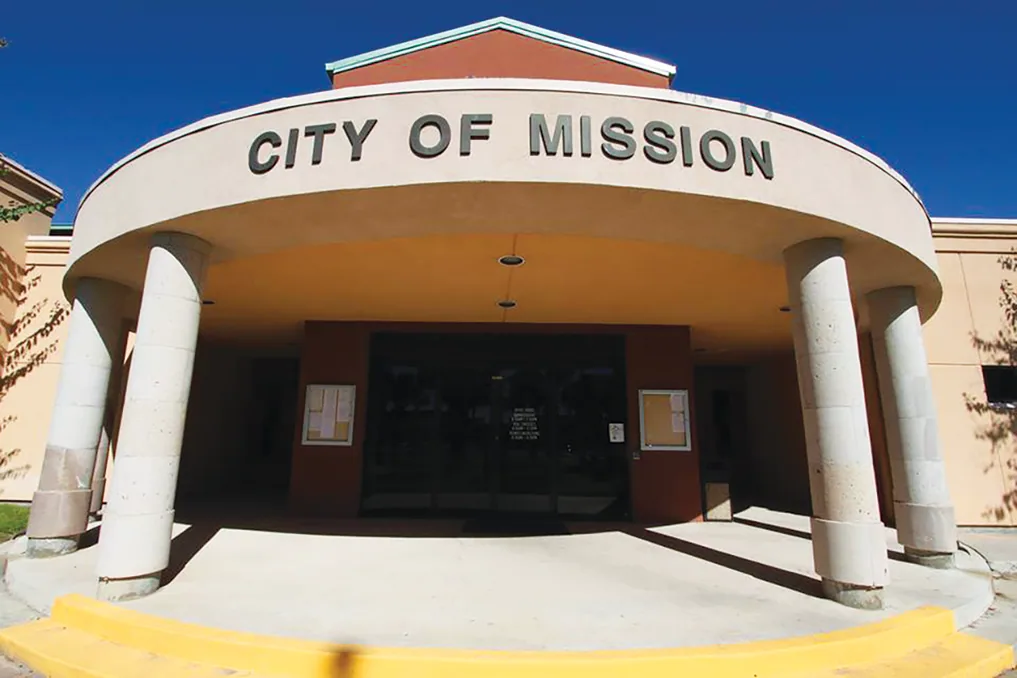
A GAF label on a roof in Mission, TX tells an inspector which family of materials sits under the gravel or the white surface, and that label is the first line on the condition sheet. GAF manufactures low-slope commercial systems, including thermoplastic single-ply membranes, asphalt-based modified bitumen sheets and liquid-applied coatings. The label does not describe the roof's present condition. Seams, flashing, drains and edge metal do that, and we record each one with a dated photograph before we recommend a repair, a coating or a replacement.
That order of work matters to an owner. A record made before the repair is the reference for every conversation afterward, whether the conversation is about next year's budget, a lender's question or an adjuster's visit after a storm.
Material Families Behind the Name
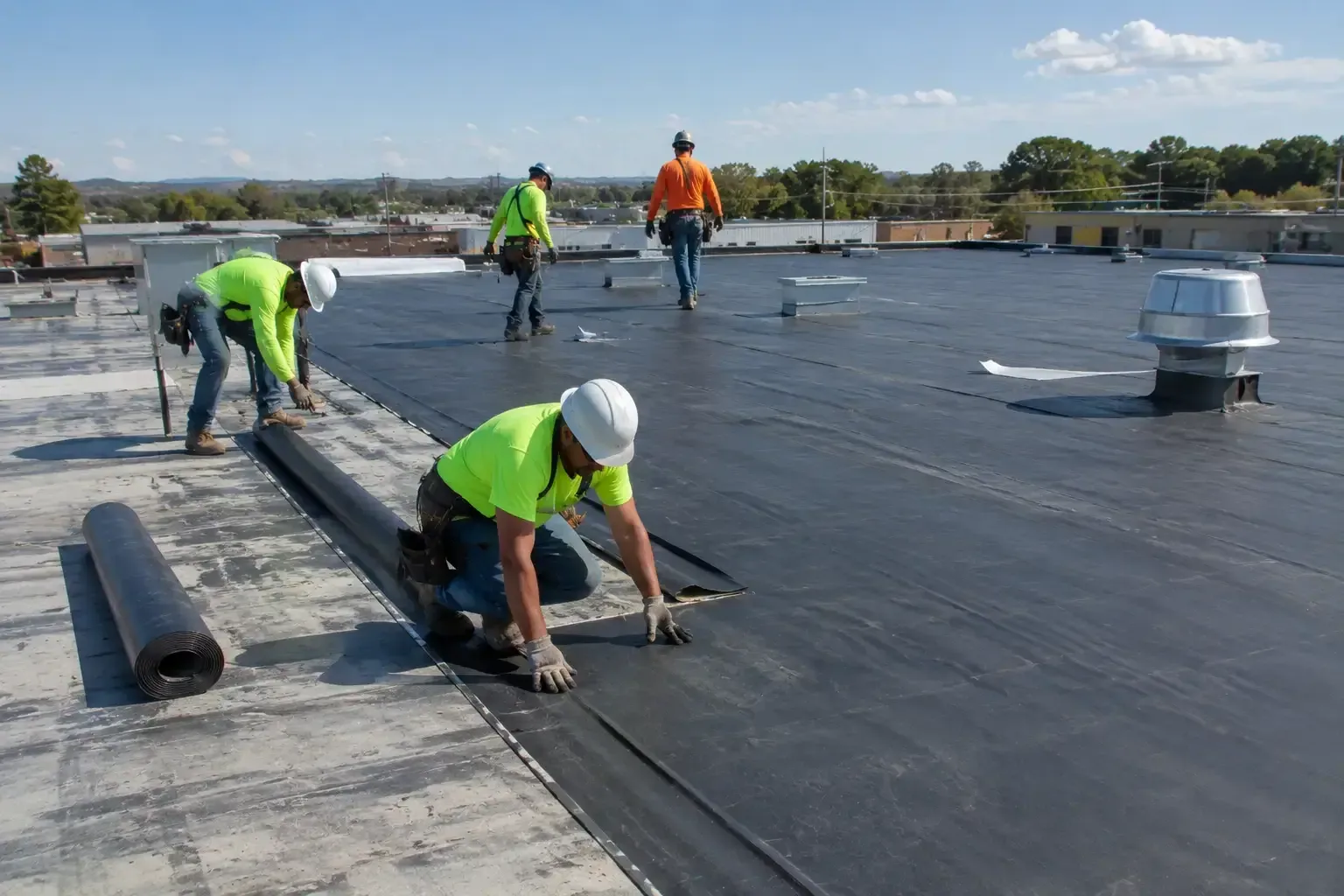
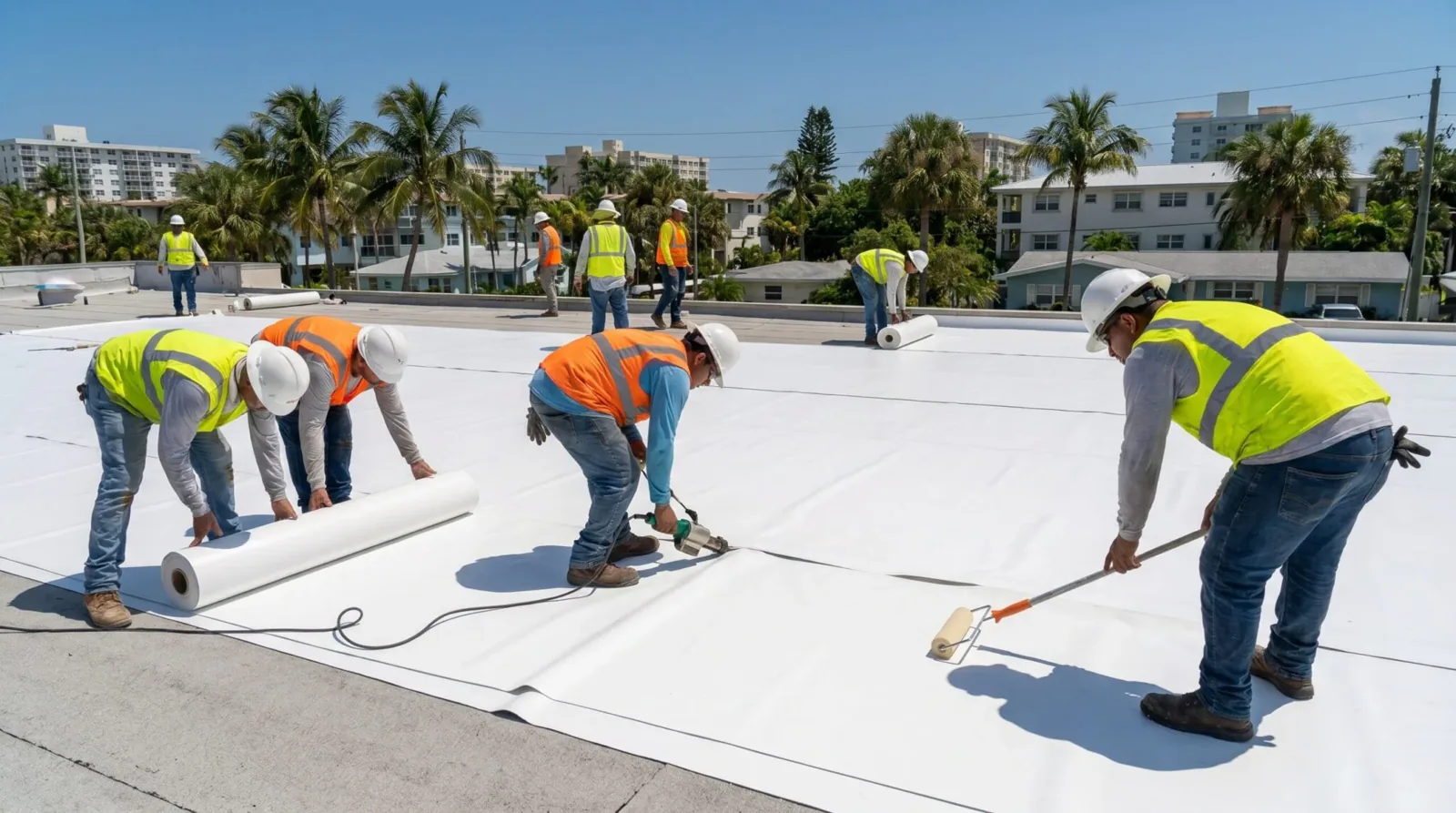
A manufacturer name covers more than one roof type. A building labeled with a GAF product may carry a heat-welded thermoplastic sheet, a torch-applied or self-adhered bitumen membrane, or a coating system applied over an older base. Each behaves differently under sun, wind and standing water, and each repairs differently. Before we write a scope line, we identify which family is on the roof by reading the field, the seams and the flashing, and by taking a small core where the records are missing.
We install, repair and maintain systems of these types, and the choice of system follows the building rather than the brand. A strip center with many rooftop units asks for different details than a long warehouse roof with few penetrations, and the manufacturer's published methods guide how each detail is built.
Sun Load From May Through October
The Brownsville weather office dates the Valley's heat-safety stretch from May through October. Over those months a roof surface takes sustained solar load, and the membrane expands and contracts with every daily cycle. Thermoplastic sheets can show open welds at laps and curb corners. Bitumen sheets can show granule loss, blistering and splits at seams and laps. Coatings can show chalking, thin spots and pinholes.
We log each condition on a rooftop sketch with moisture readings, so the owner sees where the heat has done its work and where it has not. The same sketch is reused at the next inspection, which makes changes easy to spot. When a seam closes in May and gaps by October, the owner has a dated reason to put a repair line in the budget.
Fastening and Edge Metal After a Named Storm
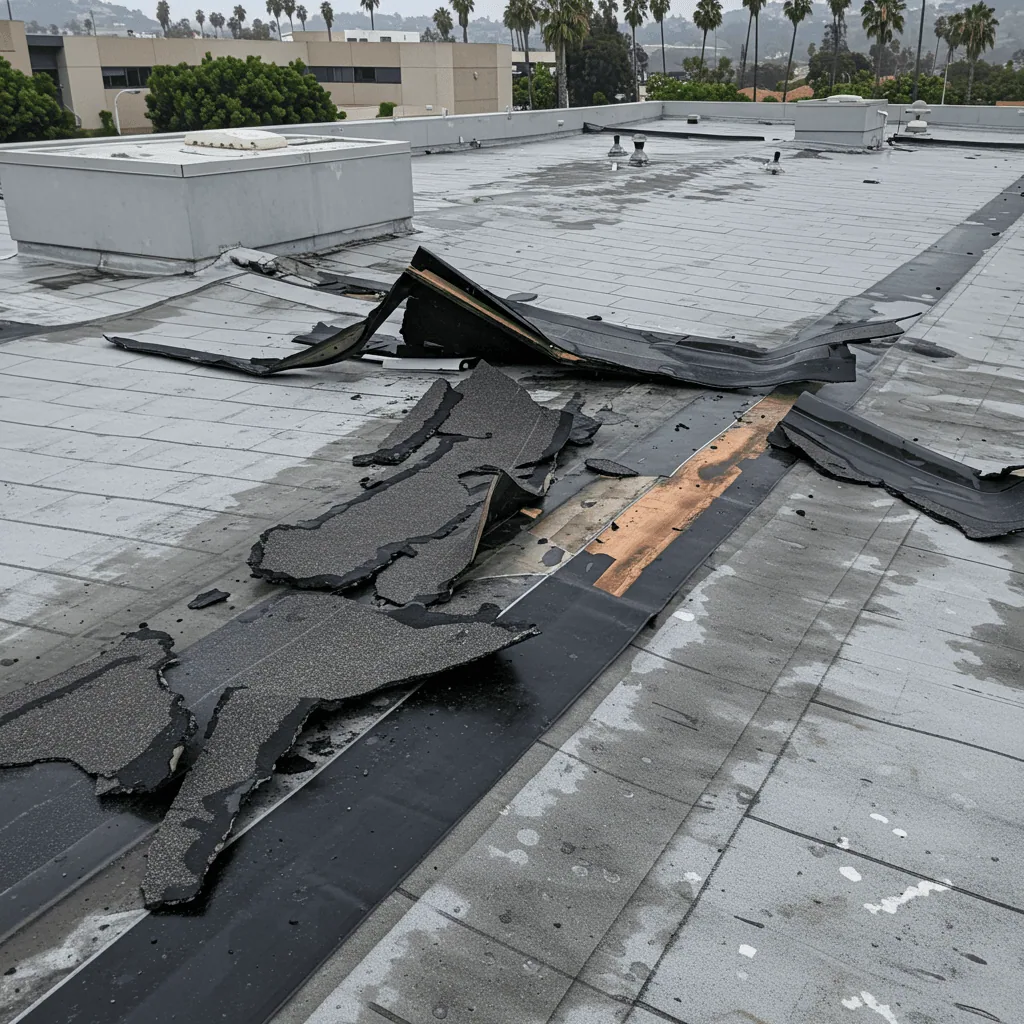
Hanna's estimated winds of 60 to 65 mph crossed Mission and McAllen in July 2020, and the harm to hundreds of poorly built Valley structures was mostly at their roofs. Edge metal and fasteners are where wind finds a roof first, so we run a pull sample on fasteners and check the termination of every perimeter edge. We note loose copings, open sealant lines and any place where the membrane has started to lift at the edge.
Photographs taken before the season become a baseline for the next named event. The post-storm comparison shows what changed, which is the difference between a storm repair and a repair that was already due.
Repairs That Match the Existing System
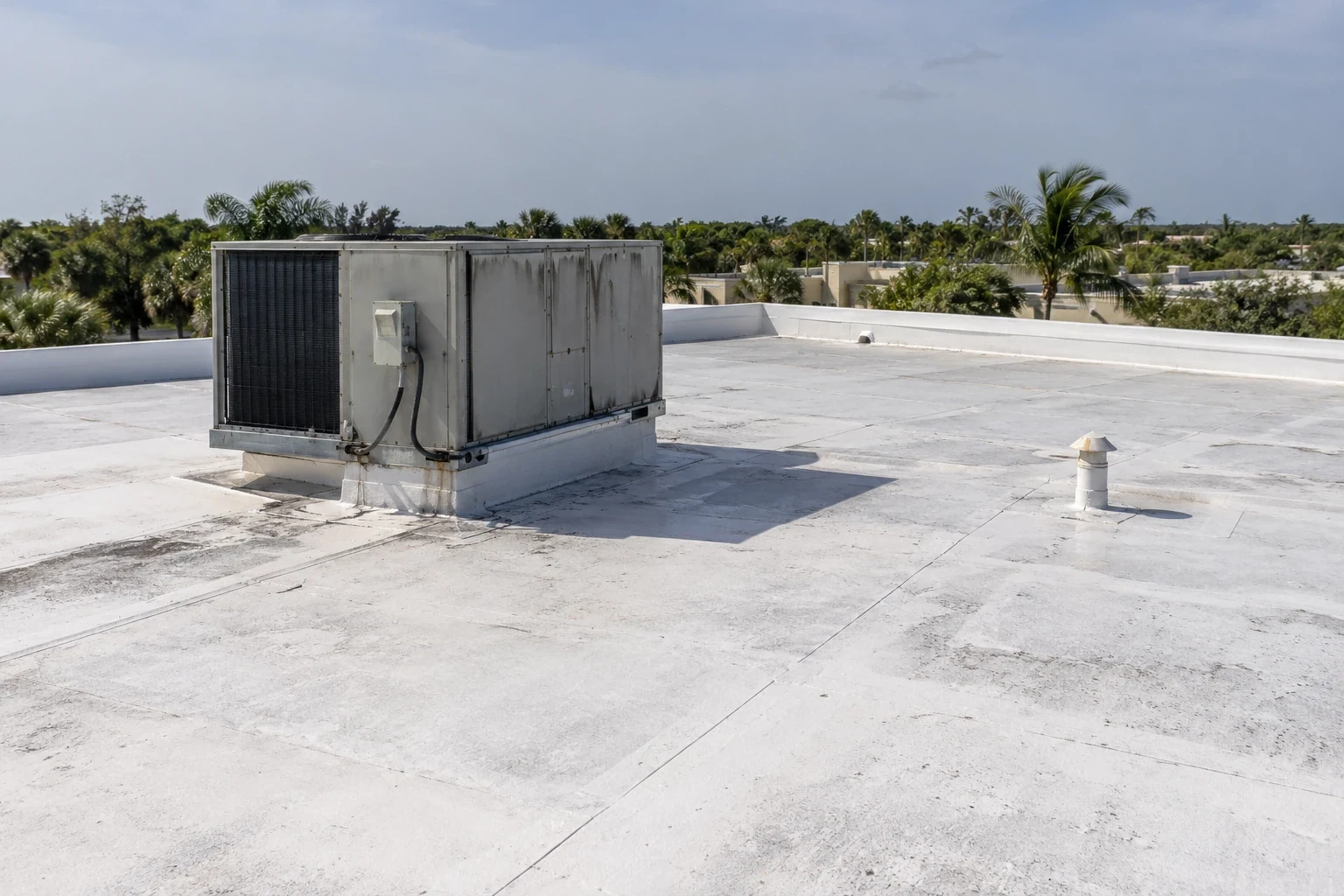
A patch has to bond to what is under it. A thermoplastic patch needs a clean, weldable surface, while a bitumen patch needs compatible adhesive and heat control around the insulation. Dissimilar materials can fail at the edge of the patch, so the scope line names the material, the method and the area. Small defects are logged and monitored. Wider moisture patterns, found with infrared or a probe, move the recommendation toward coating or replacement.
The same discipline applies to flashing. A termination bar that has pulled away, a pitch pocket that has dried out and a curb flashing that has split each get their own entry, with a photograph and a recommended fix.
Coating, Recover or Replacement
When the sheet is sound and the insulation is dry, a coating can extend service life and lower surface temperature. When the base is dry but the surface is spent, a recover can add a new sheet over the old one. When moisture has spread, tear-off is the scope. Cost follows area, penetrations, the depth of insulation to be replaced, access to the roof and the length of the dry-in window.
The written options show each path with its drivers, so budget and insurance discussions use the same numbers. An owner who has to choose between a coating this year and a replacement in three years can see the cost of each and the findings that separate them.
Insulation is part of that comparison. Polyiso boards that have taken on water lose thermal value and soften, so we probe for them before pricing and list the square footage of board to be replaced as its own scope line. Cover board is another line: a rigid board between insulation and membrane protects the sheet from fastener stress and foot traffic, and we show its cost beside the benefit, so the owner decides with both in view.
Buildings Along the Valley Corridor
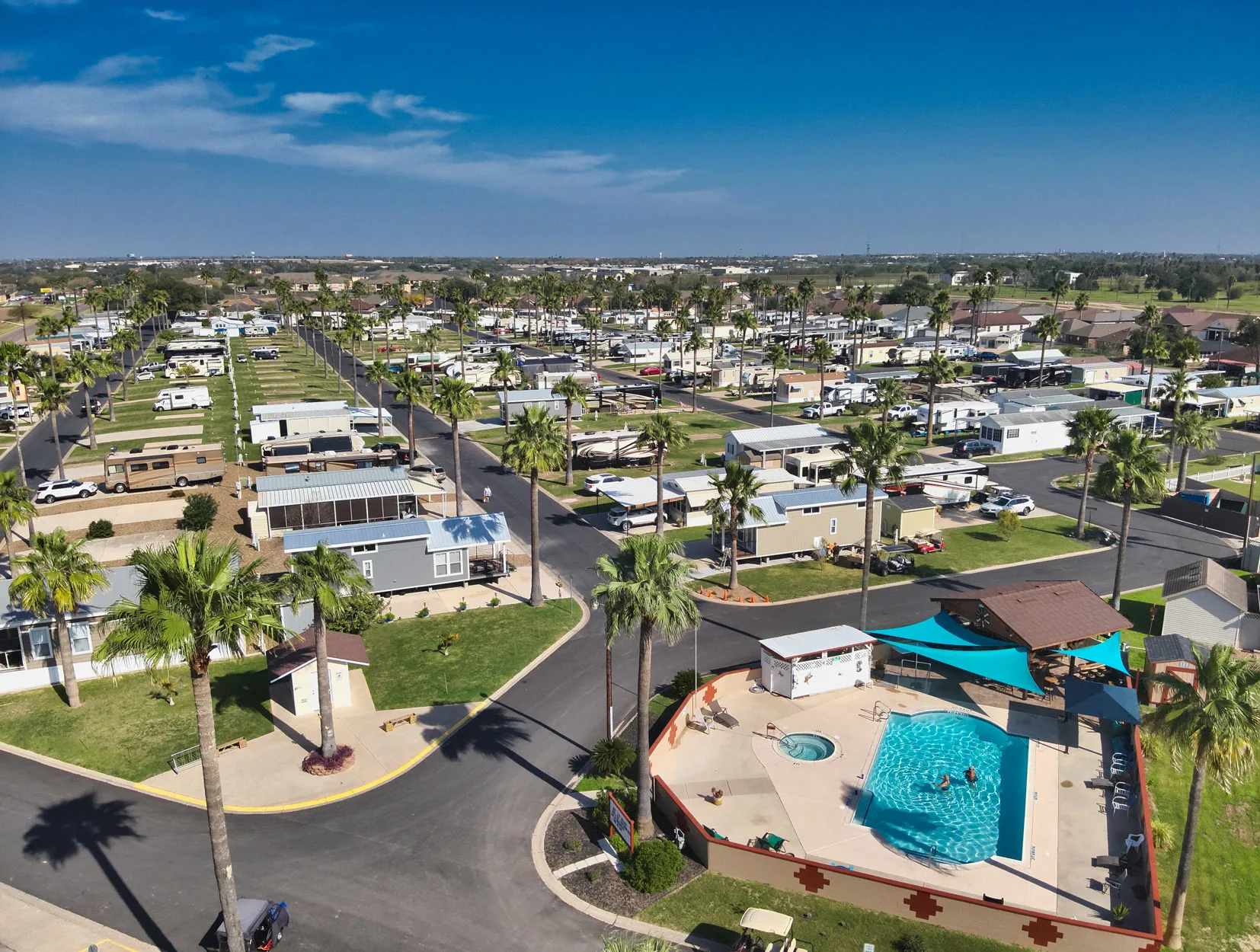
Retail strips, warehouses, offices and schools along I-2 each have different roof access. A strip center needs entrances kept open. A warehouse needs dock traffic protected. A school needs work during breaks. The phasing plan names which section is open, which is dried in and who signs the daily closeout. Buildings in Mission and neighboring McAllen sat under the same Hanna wind, but each building gets its own sketch. A tenant calling about a drip in a corner office gets a different answer than a property manager asking for a five-year plan, and the record serves both. The tagged photograph of the ceiling stain, the roof sketch of the area above it and the moisture reading under the membrane arrive in one package.
The Owner's File
At the end of the job the owner receives tagged photographs, the sketch of the roof, the moisture map, a log of drains and scuppers, a list of materials and the dates of the next inspections. The file supports a budget request, a lender question or an insurance conversation without a new site visit. A heat-welded TPO sheet gets seam probe entries, a bitumen roof gets lap and surfacing entries, and a roof carrying Carlisle SynTec or Johns Manville material is logged the same way.
Questions and Answers
Does the GAF name on a roof change how a repair is done?
The name is a starting point, not a method. We identify the membrane family and the condition of the seams, then choose a repair that bonds to that surface. The scope line states the material and the method.
How is a bitumen roof inspected differently from a single-ply roof?
A bitumen roof is read for surface wear, blisters, laps and flashing splits, while a single-ply roof is probed along welded seams. Both receive moisture mapping, since hidden water drives the recommendation.
Can a coating be applied over a GAF roof?
A coating can be applied when the membrane is sound and the insulation is dry. A moisture map and a small adhesion test confirm that before the scope is written.
What should be recorded before hurricane season starts in June?
Edge metal, seam condition, drains and scuppers should be photographed and logged by section. That baseline lets an owner compare conditions after a named storm.
What happens when no records exist for the roof?
We take a small core, identify the layers and write a first condition summary from scratch. That summary becomes the owner's baseline for every later visit.

Request a Documented Inspection
Ask for a visit to your Mission, TX roof and receive a written condition summary with tagged photographs, a moisture map and a scope line for each finding. The summary can be reused for budgeting or an insurance conversation. Start from the contact form.