
Roofing Manufacturers
Johns Manville Roofing Systems in Mission, TX
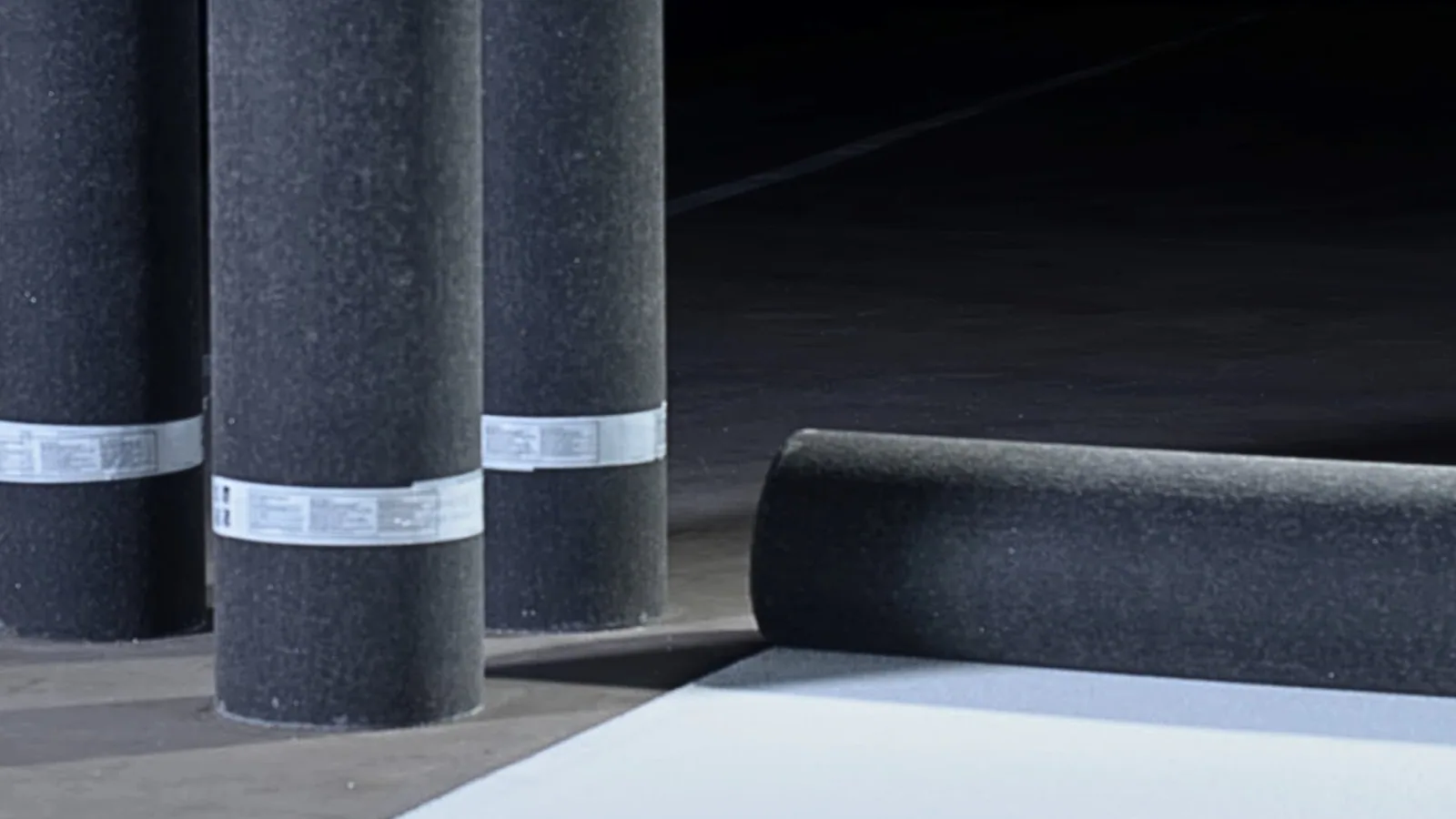
The moisture map is the first drawing made on a Johns Manville roof in Mission, TX, and it is drawn before any repair is priced. Johns Manville makes thermoplastic and rubber single-ply membranes, built-up roofing components, modified bitumen and rigid insulation boards, so one name can sit over several different assemblies. Where the insulation is wet, the membrane above it matters less than the decision about the board below, and that decision belongs on paper with a reading beside it.
We install, repair and maintain these system types, and every project begins with a survey that separates surface conditions from hidden ones. The survey is what lets an owner choose between a repair this season and a replacement next year with dates and numbers in hand.
Assemblies Under One Name
A roof is an assembly of deck, vapor layer, insulation, cover board and membrane. A manufacturer may supply two or three of those layers, and the layers behave as a unit. Polyisocyanurate board that has taken on water loses thermal value and softens, and a membrane over it will blister, split or lift. We identify the assembly from cores and fastener patterns, record each layer and note which ones are wet.
Built-up roofs add another dimension. Layers of felt and asphalt with a gravel or cap surface hold heat and show failures as blisters, ridging and splits at laps. We read those signs on the sketch and mark the areas that will need a section replacement. Gravel surfacing is lifted in a test square to see the felts underneath, and the test square is photographed, labeled and patched the same day. The result tells us whether the plies are still bonded or whether the surface only looks sound.
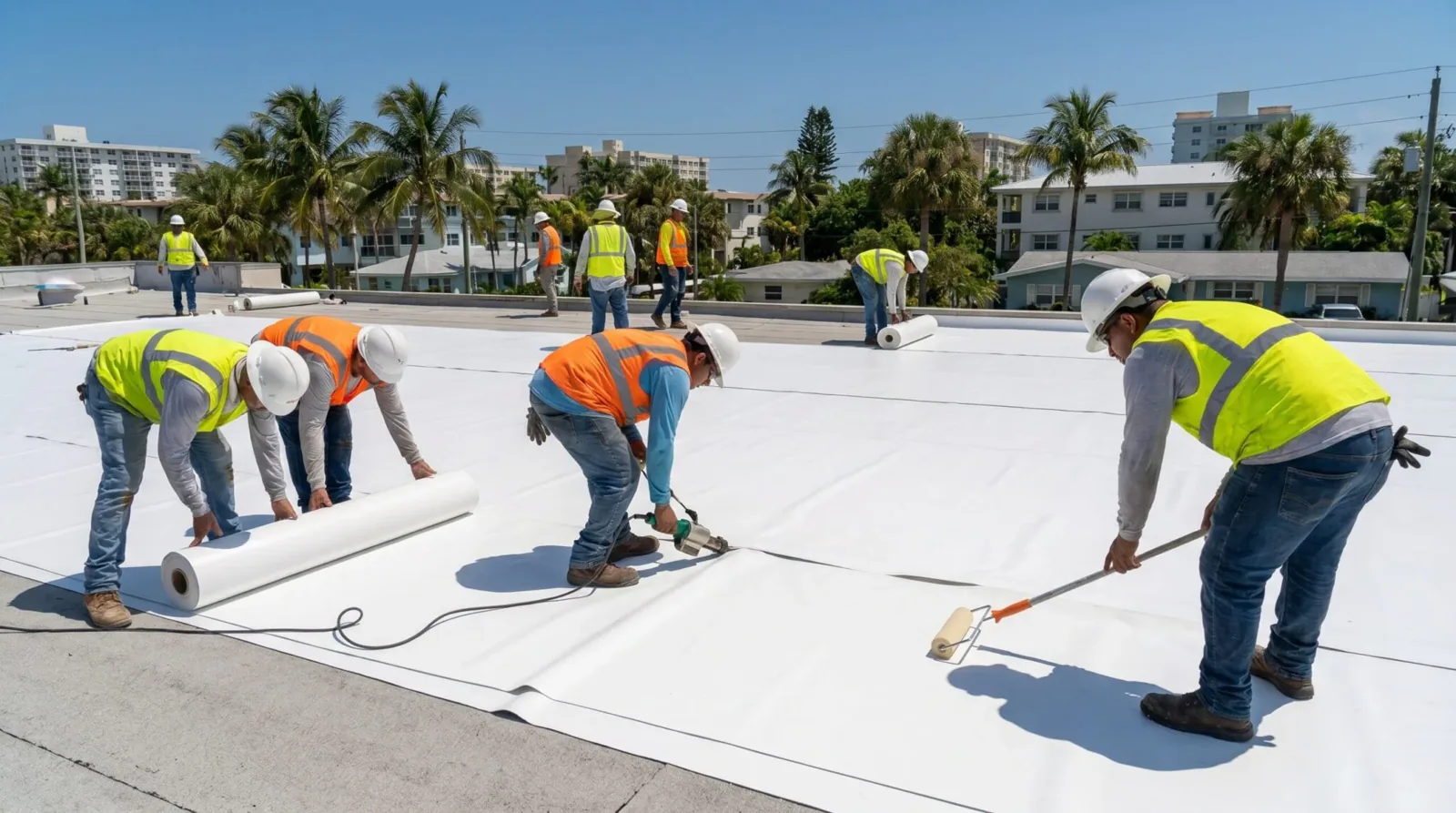
Single-ply sheets from this manufacturer are read by their seams, the same way a Carlisle SynTec sheet is read, and both records can sit on one sketch when a building carries more than one roof section.
Heat Season Records Across the Valley
The Brownsville weather office puts the Valley's heat-safety season at May through October, and roofs carry months of sustained solar load. Insulation boards shrink and warp under that load, and membranes move over them. Those movements open seams at curb corners and drag flashing from walls. We photograph the corners and the wall terminations in the same order each visit, so a change from one season to the next is visible in a side-by-side comparison.
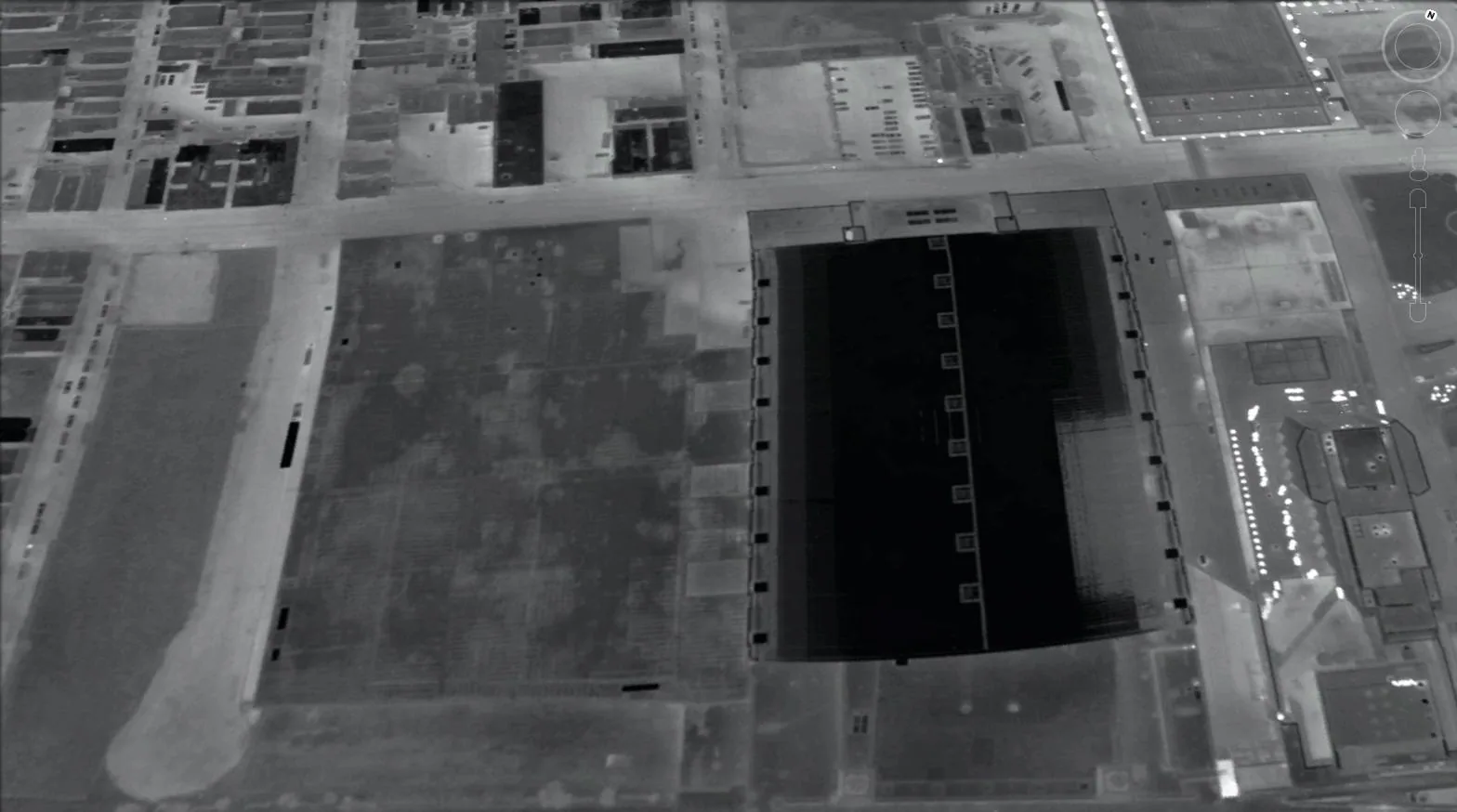
We also record surface temperature differences where light and dark patches occur. Dark patches that stay warm after sunset often point to wet insulation, and an infrared pass confirms the reading. The pass is run at dusk, when wet areas hold heat longer than dry ones, and the image is overlaid on the sketch with the probe readings that confirm each patch. Where the probe finds dry board under a warm spot, we note the mismatch rather than force a conclusion, and we repeat the pass after rain.
Tropical Season and the Comparison Record
The tropical season runs June through October, and flood readiness never lapses. Hanna, in July 2020, pushed 60 to 65 mph winds along I-2 and points north, and parts of McAllen collected 12 to 13 inches of rain. Several sheet-metal roofs there were blown off or torn back. A roof with a clear baseline is easier to evaluate after an event like that, because every edge, seam and drain can be compared with the photograph taken before the season.
When insulation is found wet after a storm, the question is how far the water has spread. We map it by the grid, mark the edges and recommend a section replacement or a full tear-off based on the extent. The map also supports a conversation with the insurer, because it shows the boundary between wet and dry and the date each reading was taken. A repair limited to a quarter of the roof is easy to scope and price once the boundary is drawn, and a wider spread tells the owner to plan for tear-off before the next season.
Insulation, Cover Board and Slope
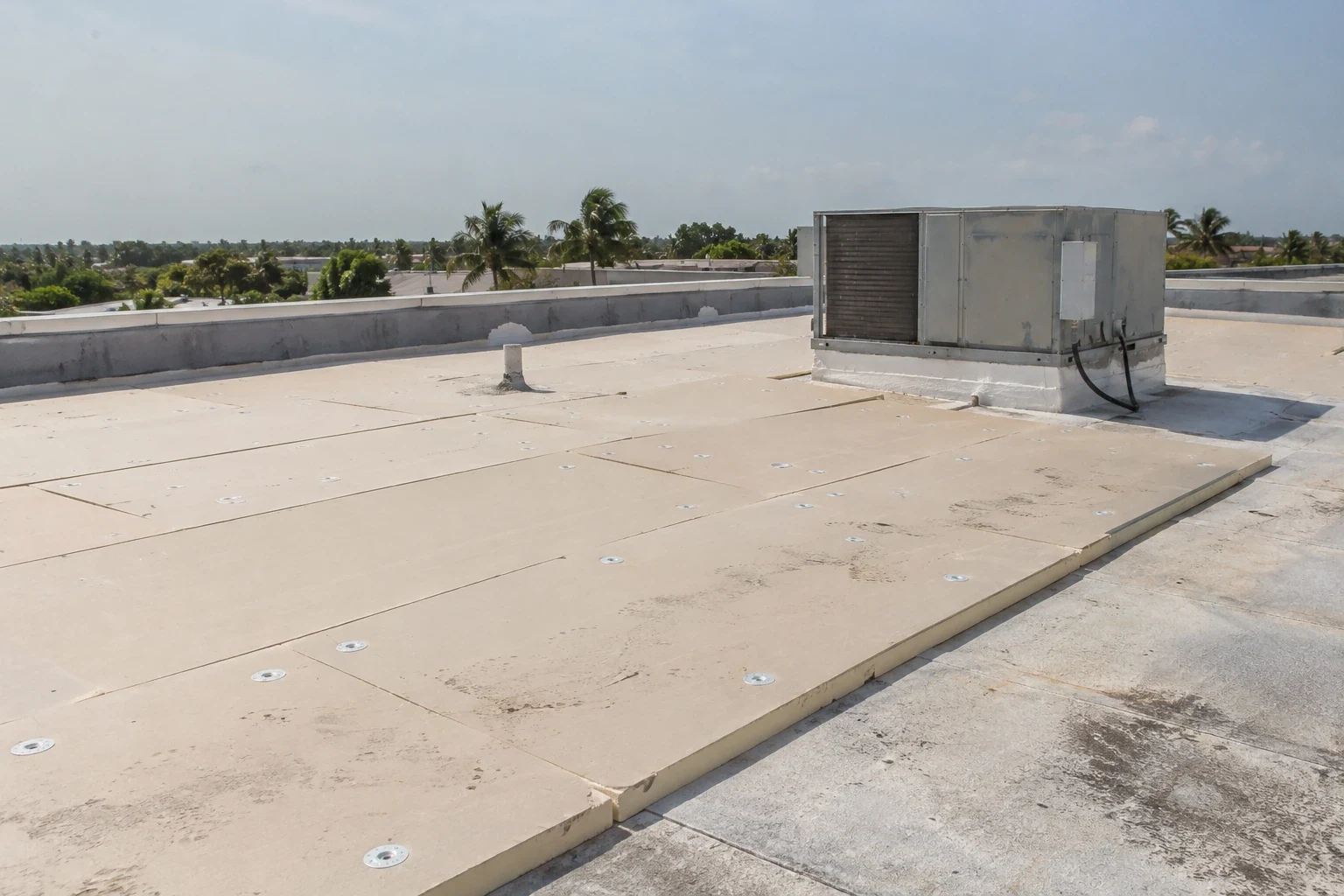
Rigid insulation and cover board do work that the membrane cannot. They set the thermal value, resist fastener stress and, when tapered, move water toward drains. Where ponding stains the surface, a tapered package may solve the problem for less than repeated patching. We price the board, the cover board and the taper as separate lines, and we show the effect of each on the drainage plan. The insulation and cover board scope is written in the same format as the membrane scope. Fastener patterns matter here too: a pull sample on the deck fasteners tells us whether a new attachment plan can reuse the existing deck or whether corroded or loose fasteners will force a different design. The sample is logged by location so the plan can name which sections need heavier attachment.
Repair, Recover or Replacement
If the board is dry, the sheet can be repaired or recovered. If the board is wet in patches, a partial replacement may suffice. If it is wet across the field, tear-off is the scope. Pricing tracks the area, the penetration count, the depth of insulation, access and the dry-in window. A moisture survey before pricing turns a guess about wet board into a drawn boundary, which is the strongest tool an owner has when comparing bids.
Owners with several buildings in McAllen and Mission can set priorities by comparing their maps.
Buildings Where These Assemblies Appear
Built-up and single-ply assemblies serve offices, medical buildings, schools and warehouses alike, and each use sets its own constraints. A school roof brings summer scheduling and safe access for staff. A warehouse brings long runs and dock traffic. An office brings rooftop units and tenant comfort. We build the access plan, the dry-in plan and the closeout around those constraints. On a school roof in Pharr or an office roof on the I-2 corridor, the phasing plan would name the section that comes off first, the section dried in by evening and the person who signs the daily closeout. If weather moves the schedule, the plan shows the new date for each handoff.
The Owner's File
The file at closeout holds the assembly description, the moisture map, the core photographs, the fastener pull results, the drain and scupper log and the dates of the next visits. A roof carrying GAF material is recorded in the same order, so mixed portfolios read as one set.
Questions and Answers
Why start with a moisture map?
Hidden water decides scope. A map shows how much insulation is wet and where, which separates a repair from a replacement before any quote is written.
Can wet insulation be left in place under a new sheet?
Wet board loses value and holds water against the deck, so we recommend replacing it. Leaving it in place usually means the new roof fails at the same locations.
Where does a recover stop and a replacement start?
A recover adds a new membrane over a dry existing roof. A replacement removes the old layers and rebuilds the assembly, and it resets the clock on insulation and slope.
How are built-up roof blisters handled?
Small blisters are logged and monitored. Large or broken blisters are cut, dried and patched with compatible material, and clusters point to moisture in the layers beneath.
What goes into a drain and scupper log?
Each outlet is photographed, numbered on the sketch and described as clear, partly blocked or blocked. After heavy rain, the log is compared with ponding marks on the surface.

Request a Documented Inspection
Ask for a visit to your Mission, TX roof and receive a written condition summary with tagged photographs, a moisture map and a scope line for each finding. The summary can be reused for budgeting or an insurance conversation. Start from the contact form.