
Roofing Manufacturers
Holcim Elevate Roofing Systems in Mission, TX
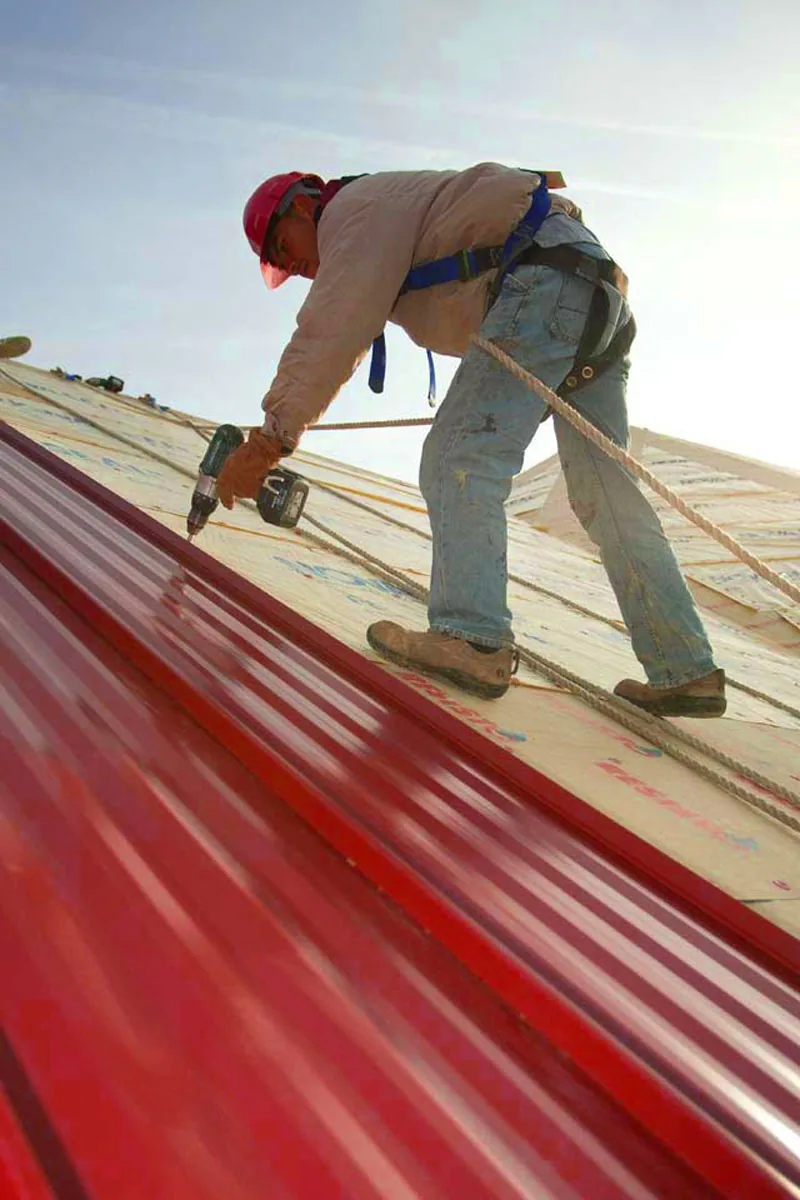
Older paperwork for a Holcim Elevate roof in Mission, TX may carry the former name, Firestone Building Products, and the first entry on our inspection sheet reconciles the two. The owner's file may list one name, the roof label another, and an invoice a third. We write the system type beside the date of installation if it is known, because the system type, not the name on the paper, decides how the roof is repaired. Holcim Elevate makes single-ply systems in EPDM and TPO, along with related accessories.
With the identity settled, the inspection proceeds in a fixed order: a finding, the evidence, the consequence and the recommendation. Each entry gets a photograph, a date and a location on the sketch.
Old Name, New Name, Same Roof
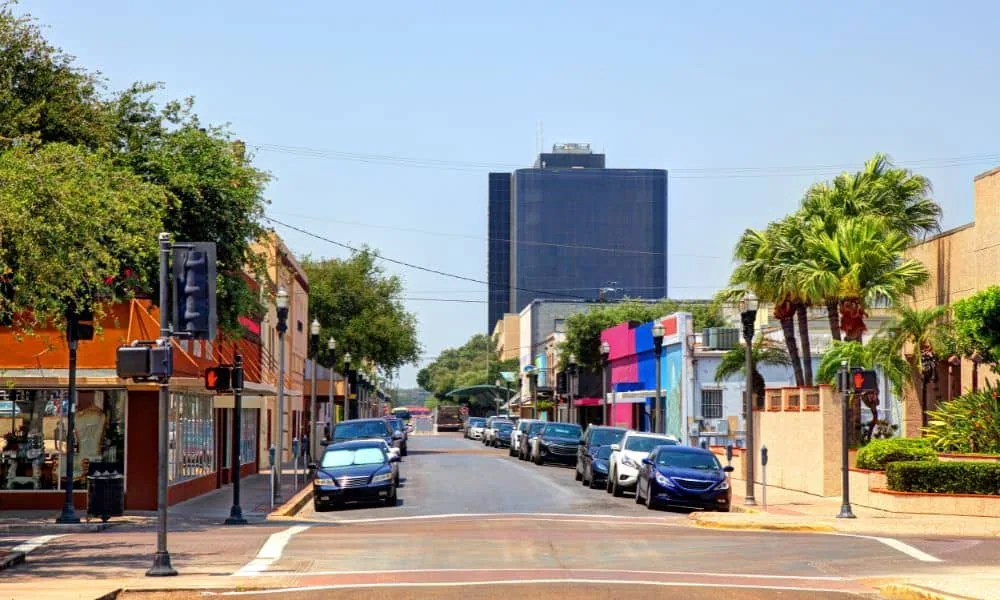
When a manufacturer changes its name, the roofs do not change. A building with a membrane installed under one brand name still carries that membrane, and the repair has to work with it. We look for a label, a seam pattern, a fastener plate and a thickness reading, then confirm the sheet type with a small sample where needed. The finding goes at the top of the condition summary, so every later entry builds on it.
An owner who holds documents under the older name does not need to restate anything. The file we build lists both names in one line and attaches the photographs of the labels.
EPDM and TPO Sheets in Valley Conditions
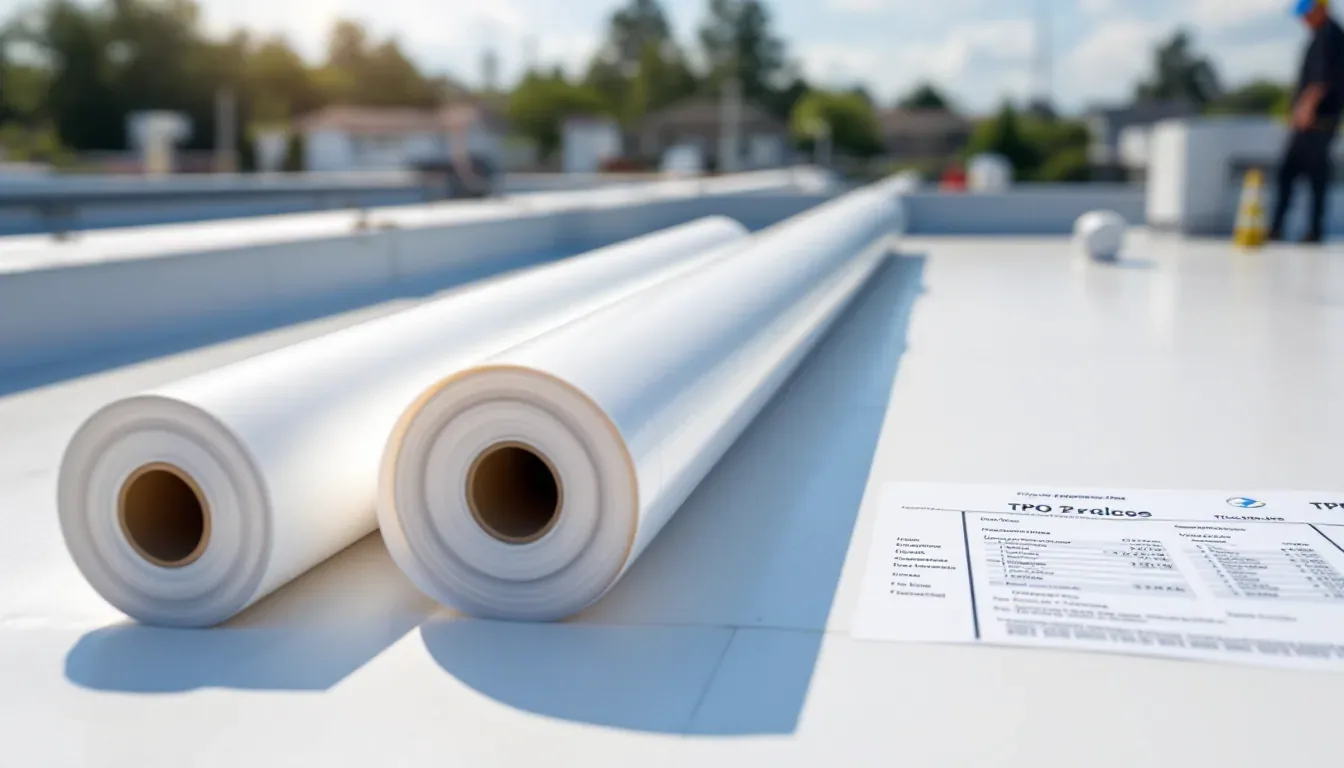
UltraPly is the manufacturer's TPO line, while its EPDM sheets sit under a different product name. White TPO reflects sun, and black or white EPDM stays flexible through temperature swings. Both take months of heat load from May to October in the Rio Grande Valley, and both show the strain at laps, curbs and corners. We record seam probes for welded sheets and splice checks for taped ones, then mark any area that has lifted, shrunk or split.
Ponding gets the same treatment. A stain line on the surface shows where water sat, and a depth measurement shows whether the slope or a drain is the cause. A shallow stain that dries in a day is a note on the sketch. A deep one that remains after two days of sun is a finding, and it moves to the drain log and the slope survey for a cause.
Lap condition receives the same care. We test with a blunt probe that does not cut a sound weld, and we mark any lap that shows lifting, chalk or dirt in the seam. Where a repair is needed, the repair line names the method, the cleaner and the trial weld or primer used.
What Hurricane Dolly Showed About Older Roofs
Dolly in 2008 is the Valley's older benchmark, with gusts of 50 to 70 mph through populated Hidalgo County and roofs lifted near Weslaco, mainly on older structures. The lesson for an inspector is simple: age and attachment matter. On a roof that has been in place for many years, we pull fastener samples, check the termination at walls and edges, and log any place where the sheet has started to lift. That record is the owner's best argument for a replacement budget when the numbers support one.
A newer roof benefits from the same discipline. A baseline of edge photographs taken before a named storm shows what changed afterward.
Repair or Replace on Documented Findings
A repair suits a roof whose sheet is sound and whose damage is local. A recover suits a dry roof whose surface is spent. Replacement suits a roof with spread moisture or a failed attachment. Cost follows the area, the penetrations, the insulation replaced, the access and the length of the dry-in window. Each finding in the report points to one of these paths, so the owner sees why a recommendation was made.
For a roof near the end of its service, a replacement scope includes tear-off, deck repair, insulation, cover board, the new sheet and all flashing. For a younger roof, preventive maintenance keeps drains clear and seams checked. A replacement scope also names the deck repair allowance, so a soft spot found at tear-off has a price per square foot agreed in advance. The crew photographs the deck before insulation goes down, and those photographs join the file.
Scheduling Around the Tropical Season
The Valley's hurricane season runs June through October. A replacement started in May has a long exposure window, while one started in November has a longer calm stretch before the next season. We plan the tear-off in sections that can be dried in each day, stage tarps and temporary seals on the roof and keep the material under cover. If a named storm approaches, the open area is sealed before the crew leaves.
The schedule is shared with the owner, the general contractor and any tenants. Each day's schedule names the opening section, the section closed by evening and the person who signs the closeout. If the forecast changes the sequence, the schedule is reissued with the new dates, so no one learns of a delay from a phone call at night. Materials arrive in loads sized to one or two days of work, which keeps rolls, adhesives and insulation from sitting in the sun or the rain on the lot, and the laydown area is cleared each evening.
Where These Roofs Appear in Hidalgo County
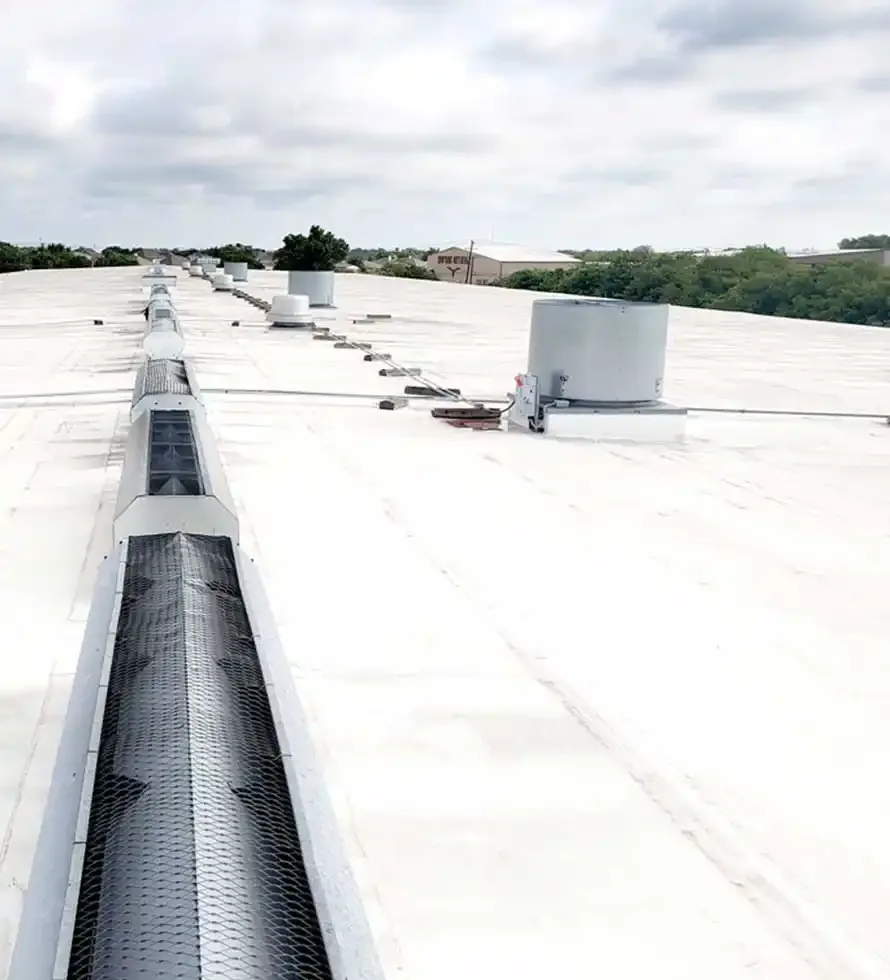
Single-ply membranes suit retail centers, warehouses, schools and offices, and the access plans differ by use, a difference the records reflect from McAllen to Pharr and Mission. A retail center keeps entrances open. A warehouse keeps dock traffic moving. A school finishes before the first day of classes, and a retail center with seasonal sales keeps its peak weeks free of noisy work. For each, the closeout names who signs the daily dry-in.
The Owner's File
The closeout file includes label photographs, a sheet identification, the seam log, the moisture map, the drain log, the fastener pull results and the next visit dates. When a lender or an insurer asks a question, the answer is already in the file. A roof that carries Versico sheet is documented with the same entries, and one that carries GAF material gets the same log.
Questions and Answers
Does the name change affect an existing roof?
The roof is the same membrane it was before. What changes is the paperwork, so we record both names and focus on the sheet type and its condition.
Can TPO and EPDM be repaired the same way?
No. TPO is welded with hot air, and EPDM is repaired with adhesives and tapes. The scope line names the method for the sheet on the roof.
How does age change an inspection?
Older roofs get fastener pull samples and closer checks at walls and edges. The results shape the attachment plan if a replacement is recommended, and weak samples may call for a heavier pattern at the corners and perimeter where uplift is greatest.
What should an owner keep from an installation?
Keep the materials list, photographs from tear-off through completion, the drain log and the inspection dates. Those records answer most questions that come up later, from a lender asking about condition to a buyer asking when the last repair was made, and they save a second visit to rebuild what was already known.
Is a recover possible over an older single-ply roof?
A recover is possible when the deck and insulation are dry and the attachment is sound. Moisture readings and pull samples decide that before the scope is written.

Request a Documented Inspection
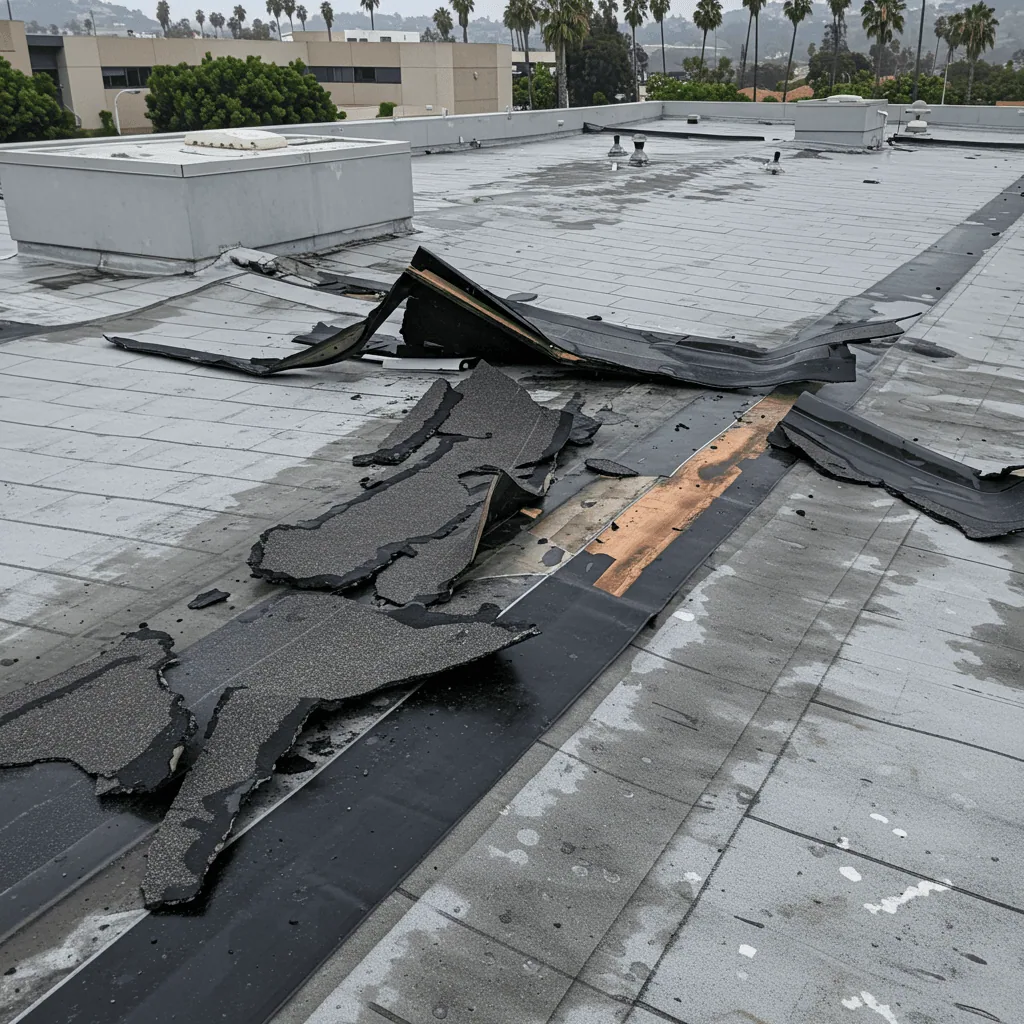
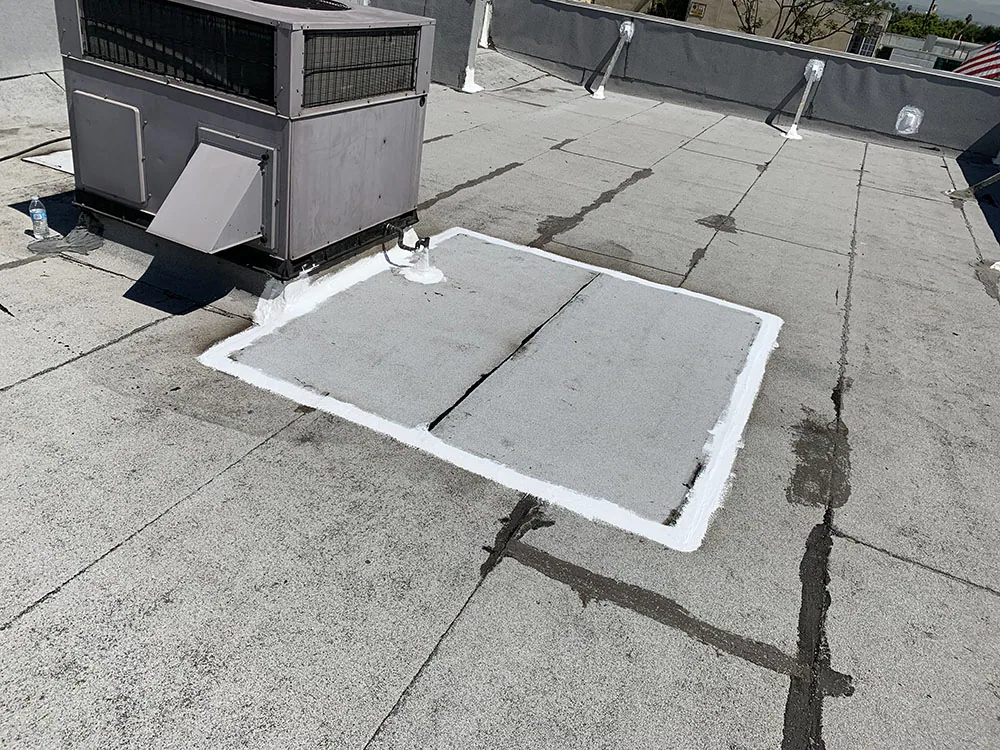
Ask for a visit to your Mission, TX roof and receive a written condition summary with tagged photographs, a seam log and a moisture map. The summary can be reused for budgeting or an insurance conversation. Start from the contact form.