
Commercial Roofing Services
Preventive Roof Maintenance in Mission, TX
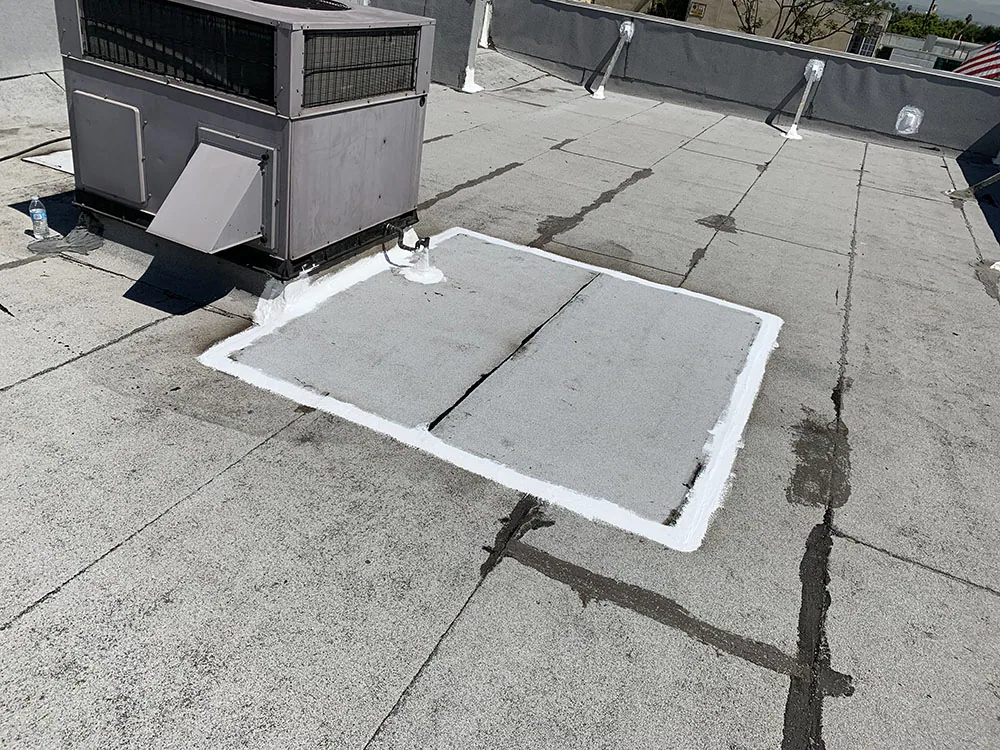
A maintenance visit on a Mission, TX roof starts with a number and a date: how many drains were found, how many held standing water, and what the sealant looked like on the day the crew arrived. Those entries are small. Over three or four visits they become a trend line the owner can read without climbing a ladder. Preventive work is the practice of catching a split sealant joint or a clogged scupper while it is still a twenty-minute correction, and writing it down so the next visit can be compared against it.
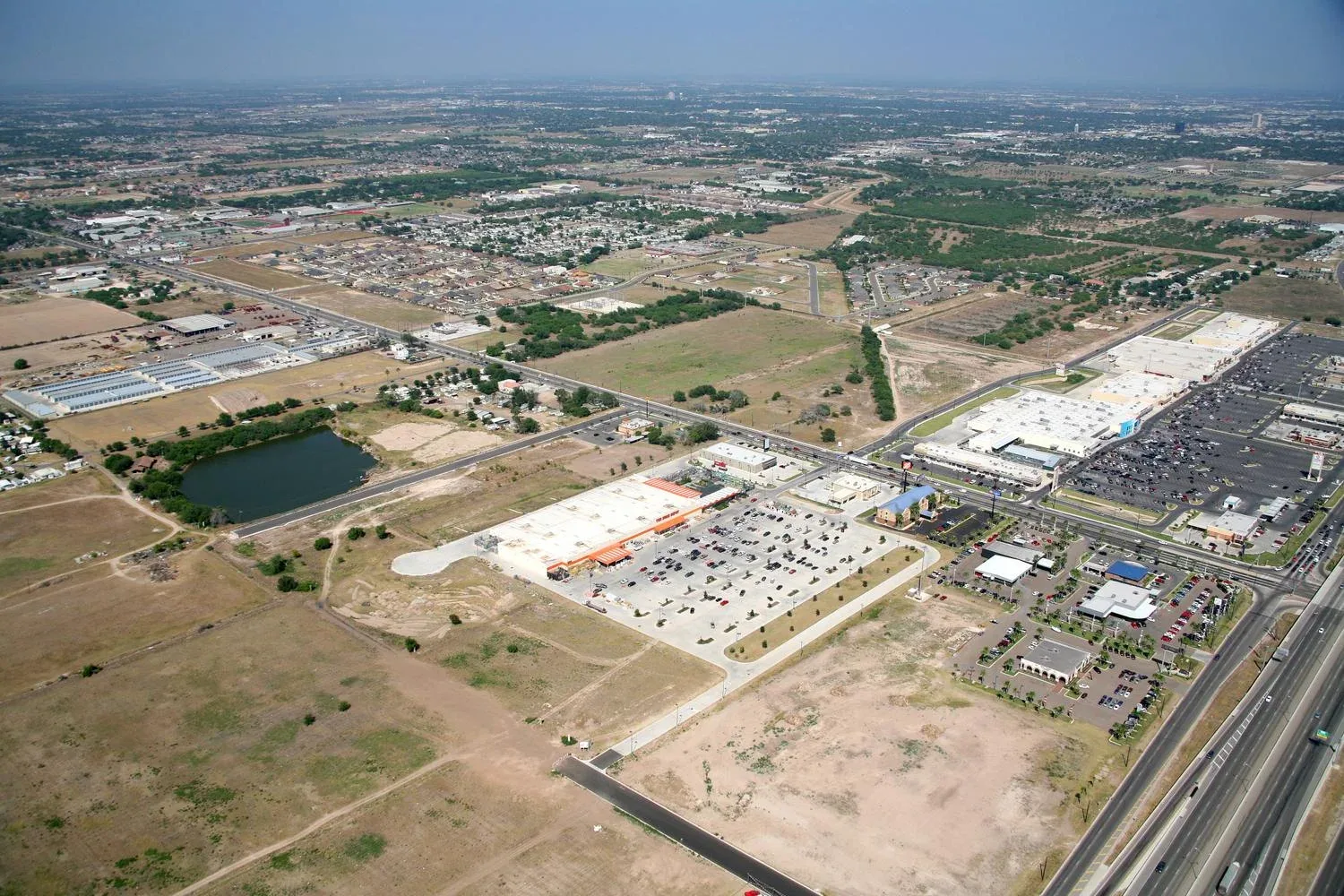
Visits Timed to the Valley Calendar
Brownsville forecasters mark May to October as the Valley's heat-safety stretch and June to October as the tropical window, so the two overlap for five months. A maintenance calendar that ignores that overlap leaves the roof unchecked at the moments it is most stressed. We place one visit in the weeks before May, when heat load begins, and a second after the season turns, so seams and sealants are read at both ends of the cycle.
Owners with larger or older buildings can add a third visit in early June, just ahead of hurricane season, focused only on drains, edge metal, and loose equipment covers. That visit is short. Its value is the dated photograph of each drain bowl and each perimeter run, which becomes the pre-storm baseline if wind and rain arrive in July or August.
What Each Visit Records
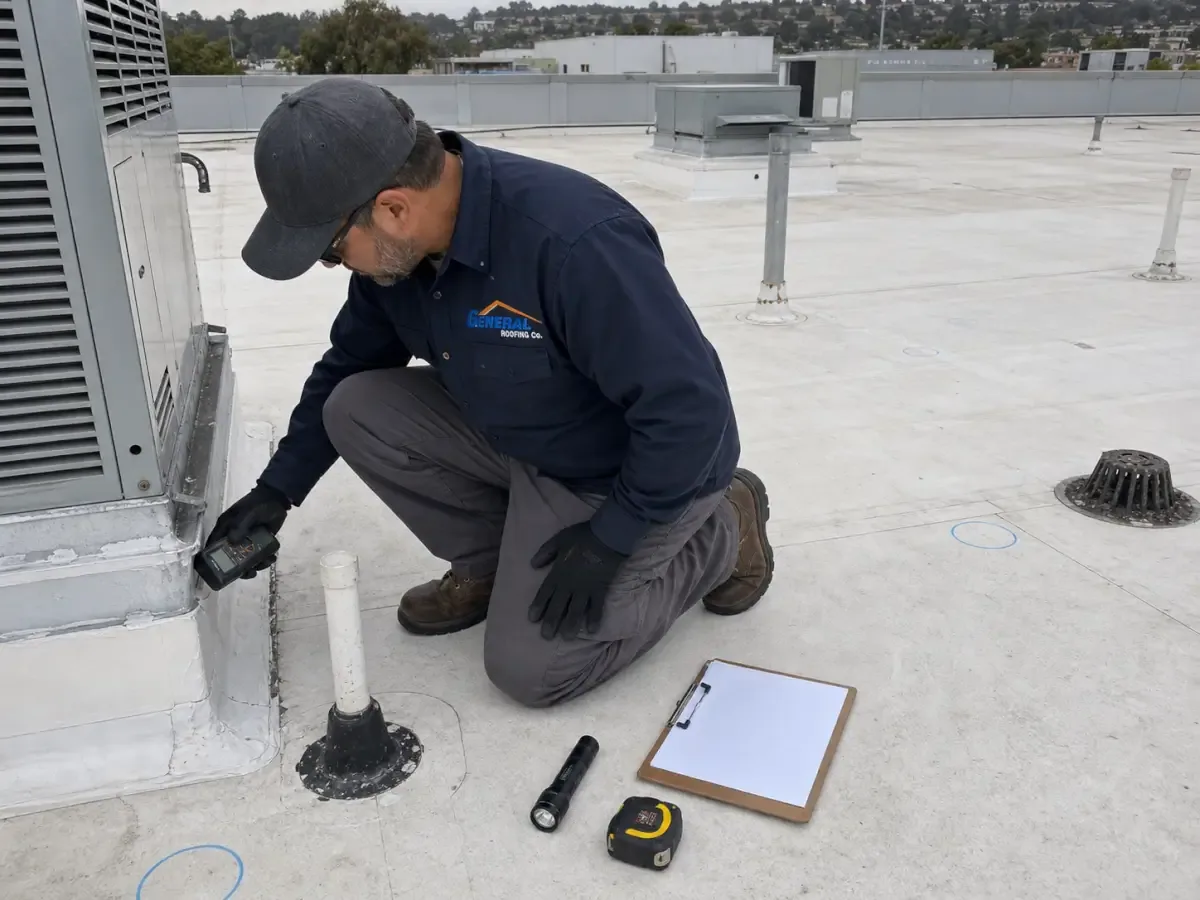
Every visit follows the same order so entries compare cleanly from one season to the next. A standard sheet includes:
- Tagged deck photographs of each roof section, taken from the same positions each time.
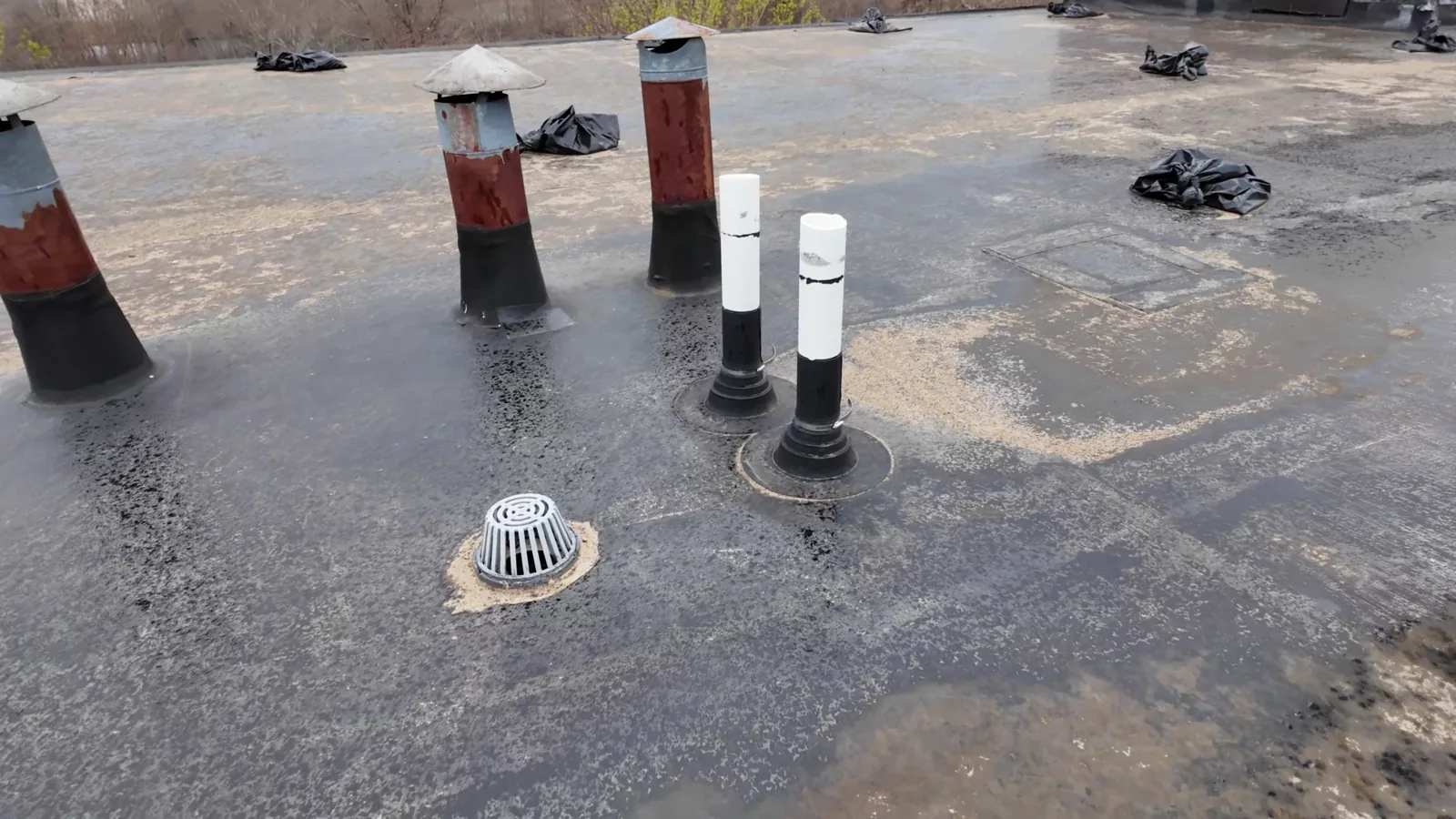
- A drain and scupper log noting debris, standing water depth, and strainer condition.
- Seam, lap, and flashing condition, with open or lifting areas marked on the rooftop sketch.
- Sealant condition at penetrations, curbs, and terminations.
- Fastener pull samples on metal roofs where panels or trim look loose.
Minor corrections are made on the spot and logged as done. Anything larger becomes a scope line carrying a suggested timing, so the owner decides whether it belongs in this quarter or next year's budget.
Drains, Scuppers, and the Hanna Lesson
Drainage is where maintenance earns the most. During Hurricane Hanna in July 2020, a rain gauge about 3.5 miles northwest of Mission recorded 14.40 inches, and poor drainage put water across Shary Road near Griffin Parkway at roughly 12 inches. A roof sees that same pattern in miniature: when the primary drains cannot keep up, water climbs, finds the lowest laps, and tests every seam it can reach.
A debris-filled strainer turns an ordinary downpour into that situation. On a maintenance visit we clear each drain, note what was removed, and check that overflow scuppers sit clear of caulk, gravel, or old patches. Where a roof area is holding water more than a day after rain, the finding goes onto the sketch. A single recurring puddle is often a sign for a drain and scupper correction rather than another seasonal clean-out.
Heat Wear on Membranes and Coatings
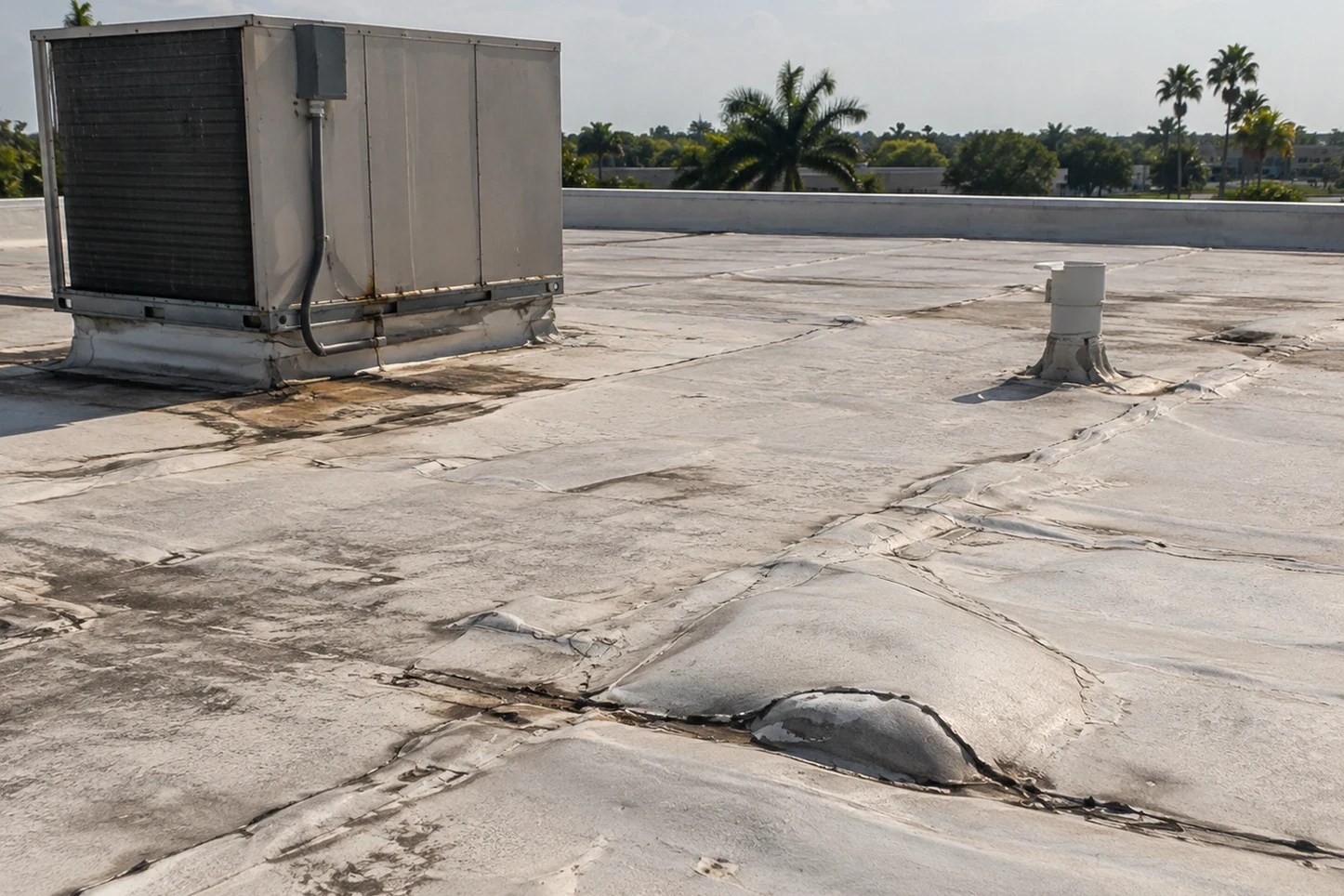
Months of sustained sun do slow, cumulative work on a membrane surface. Reflective coatings chalk and thin, thermoplastic seams creep under thermal cycling, and flashing terminations pull as the roof expands and contracts each afternoon. On a TPO roof the telltale is a seam edge that has lifted a few millimeters. On a coated roof it is a film that has worn through at traffic paths.
We photograph these conditions and compare them with the previous visit. Gradual change is the useful signal, because it shows how fast the roof is aging and lets the owner plan for heat and sun damage repair before it becomes a leak call. A roof that holds its readings season after season earns a longer interval between spending decisions.
Edges, Equipment, and Wind Readiness
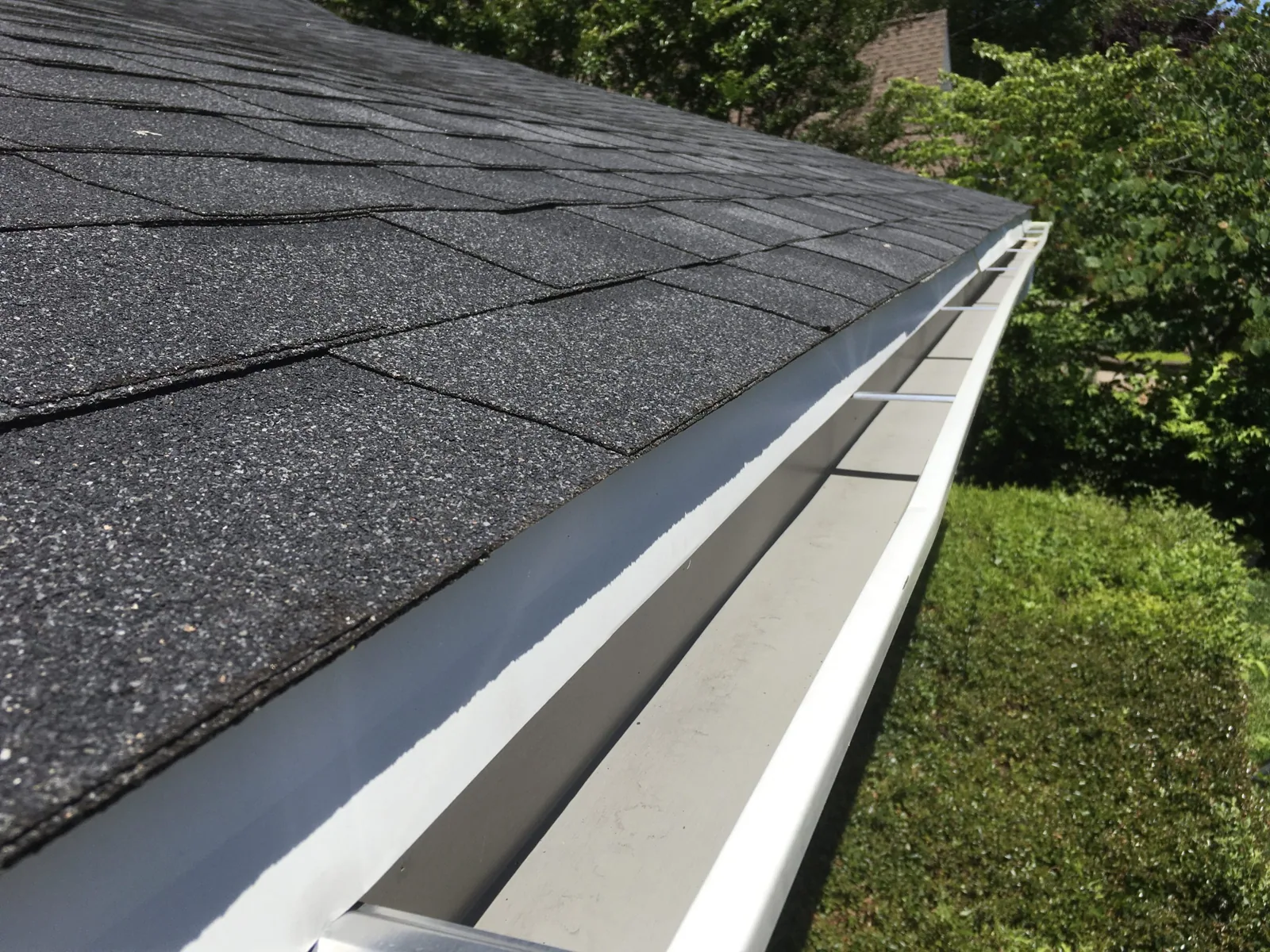
Hanna's July 2020 winds, estimated at 60 to 65 mph, reached Mission and McAllen, and the Valley's hundreds of poorly built damaged structures were hit mostly at the roofline. Wind begins its work at the perimeter. A coping cap with one loose fastener or a gutter strap that has backed out is the opening a gust needs. On each visit we tighten what can be tightened, record what cannot, and photograph the full edge run so a before-and-after comparison is possible.
Rooftop units and conduit supports get the same attention. Loose panel latches, missing fasteners on equipment covers, and cracked pitch pans are logged. Details like edge metal and coping usually deserve their own line in the owner's file, because they are the first components wind tests.
The Owner's File and Budget Planning
After each visit the owner receives a condition summary with the photographs, the sketch, and the drain log. Over time that file supports budgeting: a roof that needs only drain clearing and sealant touch-ups each year is in a different financial category from one showing growing moisture. Property managers who carry several buildings can rank them by finding and fund the weakest first, which is the working method of roof asset management.
The same file is useful if an insurance conversation ever starts. Dated images from before a storm, kept in the owner's file, show what condition the roof was in when the weather arrived. We keep the format consistent across buildings so a manager in Mission or McAllen can compare sites without translating between reports.
Questions and Answers
How many maintenance visits does a Mission roof need in a year?
Two is the working minimum: one before the heat season begins in May and one after hurricane season closes in October. A building with many penetrations, a tree line, or an older membrane can justify a third short visit in early June. We recommend the interval after the first walk, based on how fast the drains fill and how quickly the sealants are changing.
What is actually done on the roof during a visit?
The crew clears drains and scuppers, tightens loose fasteners and trim, reseals small open joints, and photographs each section from fixed positions. Corrections that take minutes are made right away. Larger findings go on the rooftop sketch with a recommended timing, so nothing larger than a minor repair is done without the owner approving it.
Does a maintenance program help with a manufacturer warranty?
Many manufacturer warranties expect the owner to keep the roof reasonably maintained, and dated visit records are the plainest evidence of that. We cannot speak for any manufacturer's terms, so the owner should confirm the exact requirements with the warranty document in hand. What we provide is a consistent file of photographs and corrections that answers the maintenance question quickly.
Can maintenance extend the life of a roof that is already old?
It can slow certain kinds of wear, particularly the drainage and sealant problems that shorten a membrane's service life. It cannot reverse wet insulation or a membrane that has lost its flexibility. When the readings show those conditions, we say so, and the same file helps the owner time a coating or replacement discussion with real evidence behind it.
What should a property manager with several buildings expect from a program?
A standard sheet for every roof, a single schedule, and a short ranking of buildings by finding. Roofs showing standing water or open seams move to the top of the list. Roofs with clean readings stay on the lighter interval. The ranking gives the manager a defensible basis for allocating repair dollars across the portfolio.
Set Up a Maintenance Schedule
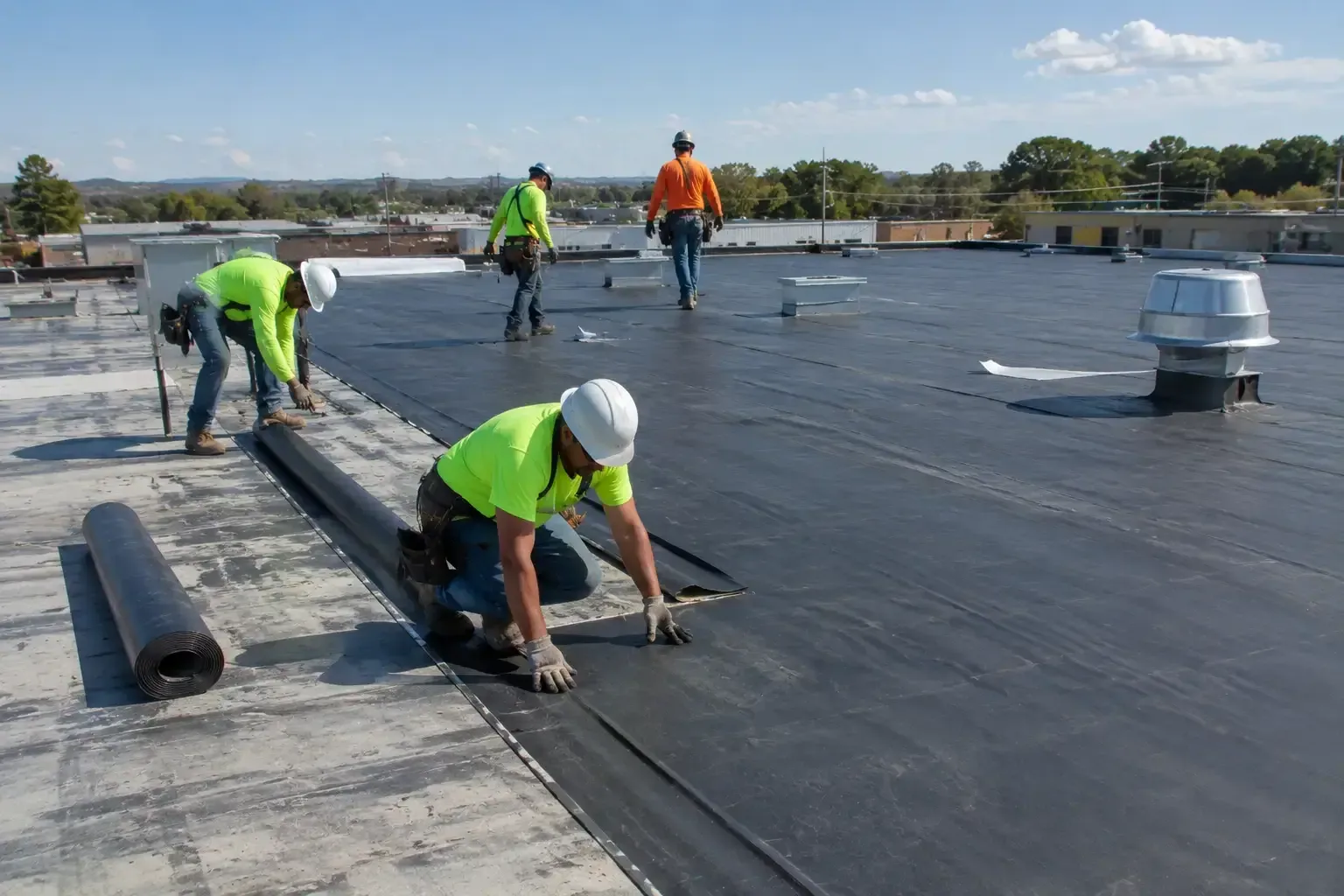
Send us the building address and the roof sections you manage. We will walk the roof, record drains, seams, and edges, and give you a written condition summary with photographs that can be reused for budgeting or an insurance conversation.