
Roof Systems
Silicone Roof Coatings in Mission, TX
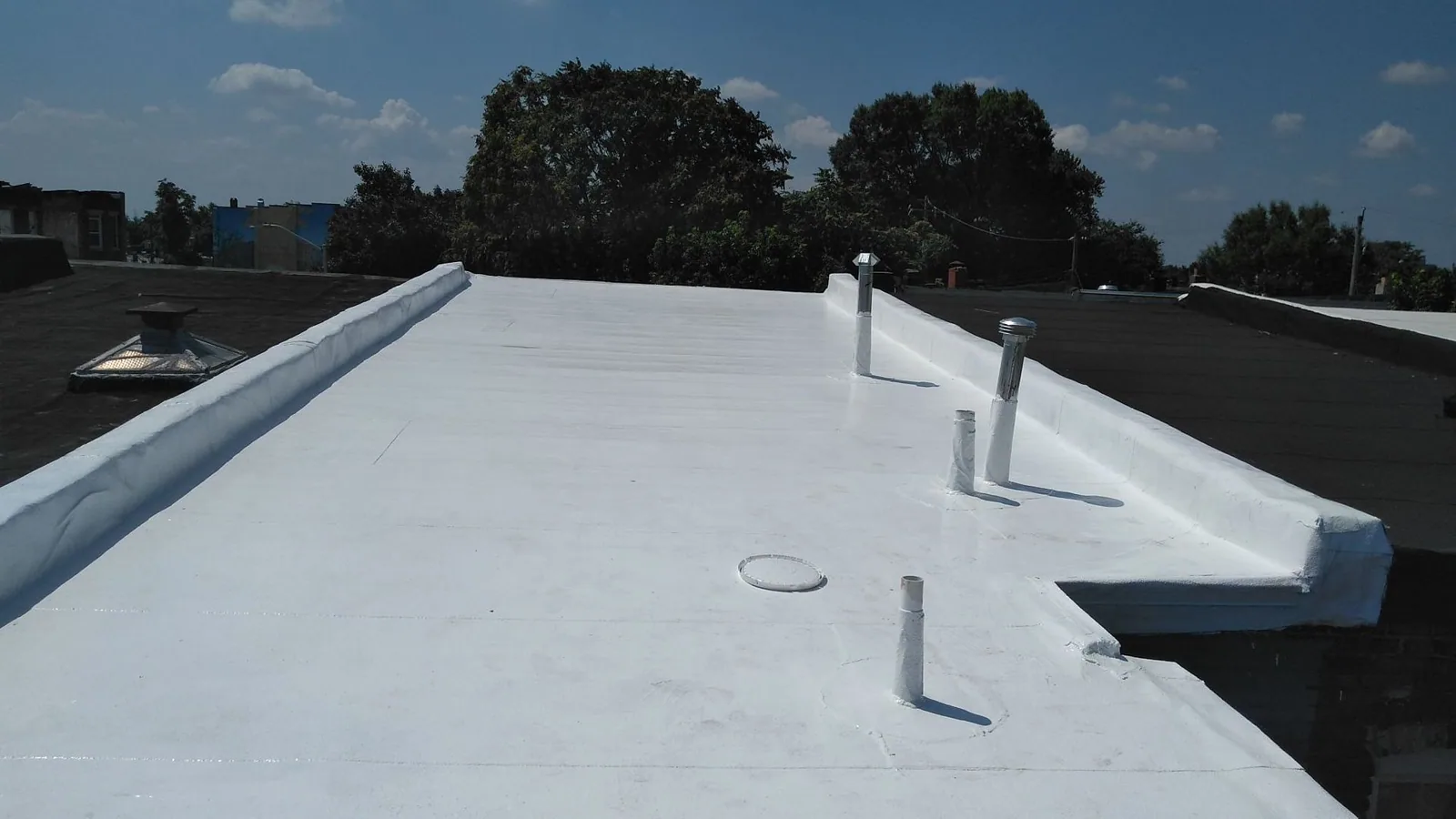
A water line on a roof surface is a dated record of what the drains failed to move. On a Mission, TX roof, the inspector photographs the ring left by a pond, measures its depth with a level, and tags the picture to the section. Those rings frequently decide whether a silicone coating makes sense. Silicone cures into a flexible film that keeps its integrity under standing water, which is why it is chosen for flat roofs whose structure or drainage cannot be corrected cheaply.
What Silicone Does and Does Not Do
A silicone coating is a liquid polymer that cures with moisture from the air into a rubber-like layer. It is highly reflective in white, stable under sunlight, and unusually resistant to ponded water. The film stays elastic through temperature swings, so it can bridge small cracks as the roof expands and contracts.
It is not a structural repair. The coating adds no strength to a deck, no insulation to a wet roof, and no attachment to a loose sheet. Dirt can cling to the surface, and the film is slippery when wet. Most important, once a roof has been coated with silicone, other coating types will not bond to it without special preparation. The choice should therefore be made carefully.
Cost drivers are easy to name. Surface preparation labor, the number of coats, the thickness specified, and the amount of seam and flashing reinforcement account for most of the price. Rooftop obstructions slow application, and large unobstructed roofs go faster. Compared with replacement, coating avoids tear-off, disposal, and tenant disruption, which is why the first question is always whether the roof is dry enough to qualify.
Standing Water After the Valley's Heavy Rain
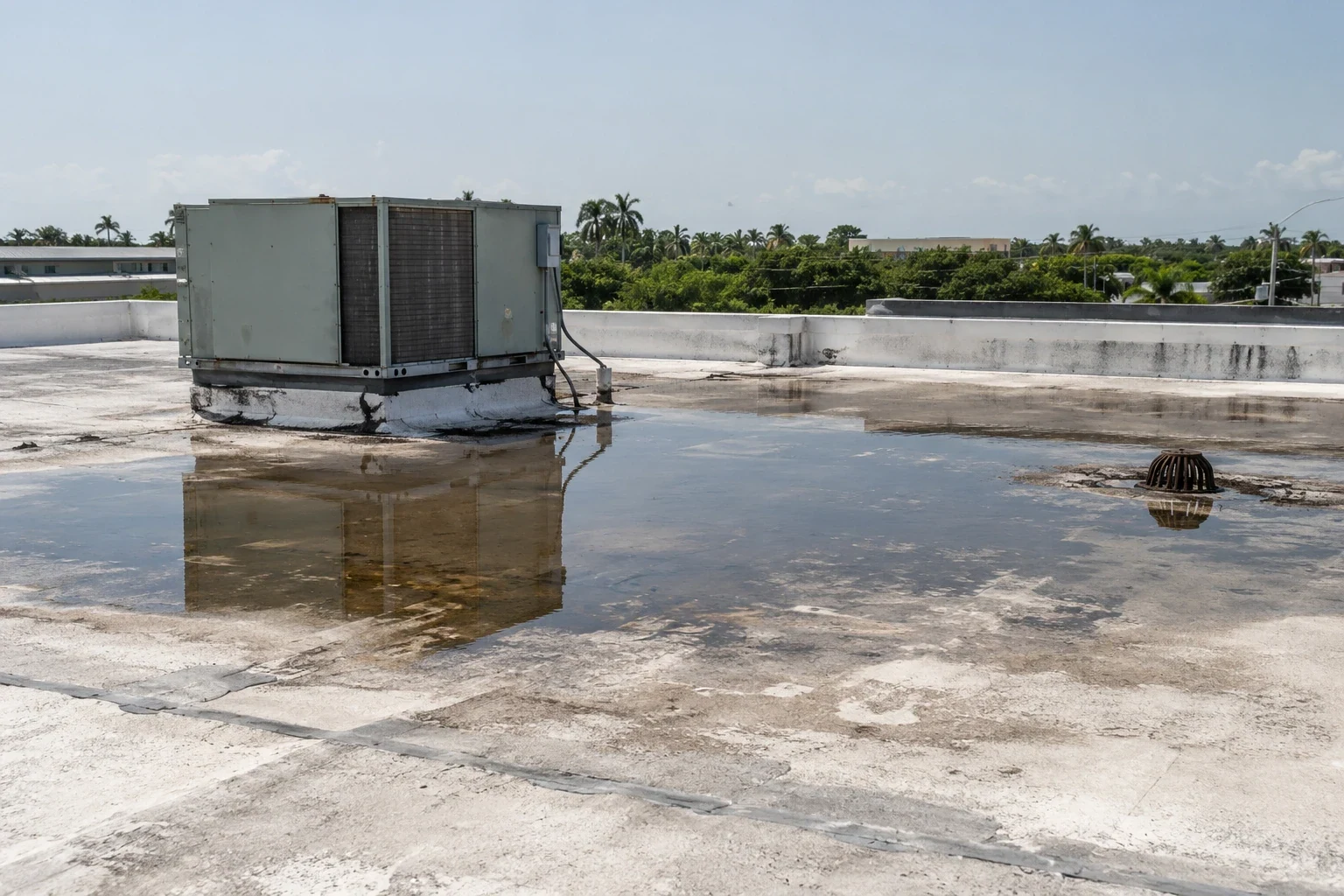
During Hanna in July 2020, a gauge northwest of Mission read 14.40 inches and La Joya's read 13.92, with slow drainage leaving some blocks around Sullivan City deep in water. Roofs on flat commercial buildings can hold their own ponds after such events, especially where decks deflect between supports.
The first step is still drainage. We clear and test outlets, look for added scuppers or sumps, and compare the cost of slope correction with the benefit. Where water will linger regardless, silicone offers a coating that tolerates it. The ponding water repair findings document each low area with a measured depth and the number of days it stays wet.
Roofs That Qualify and Roofs That Do Not
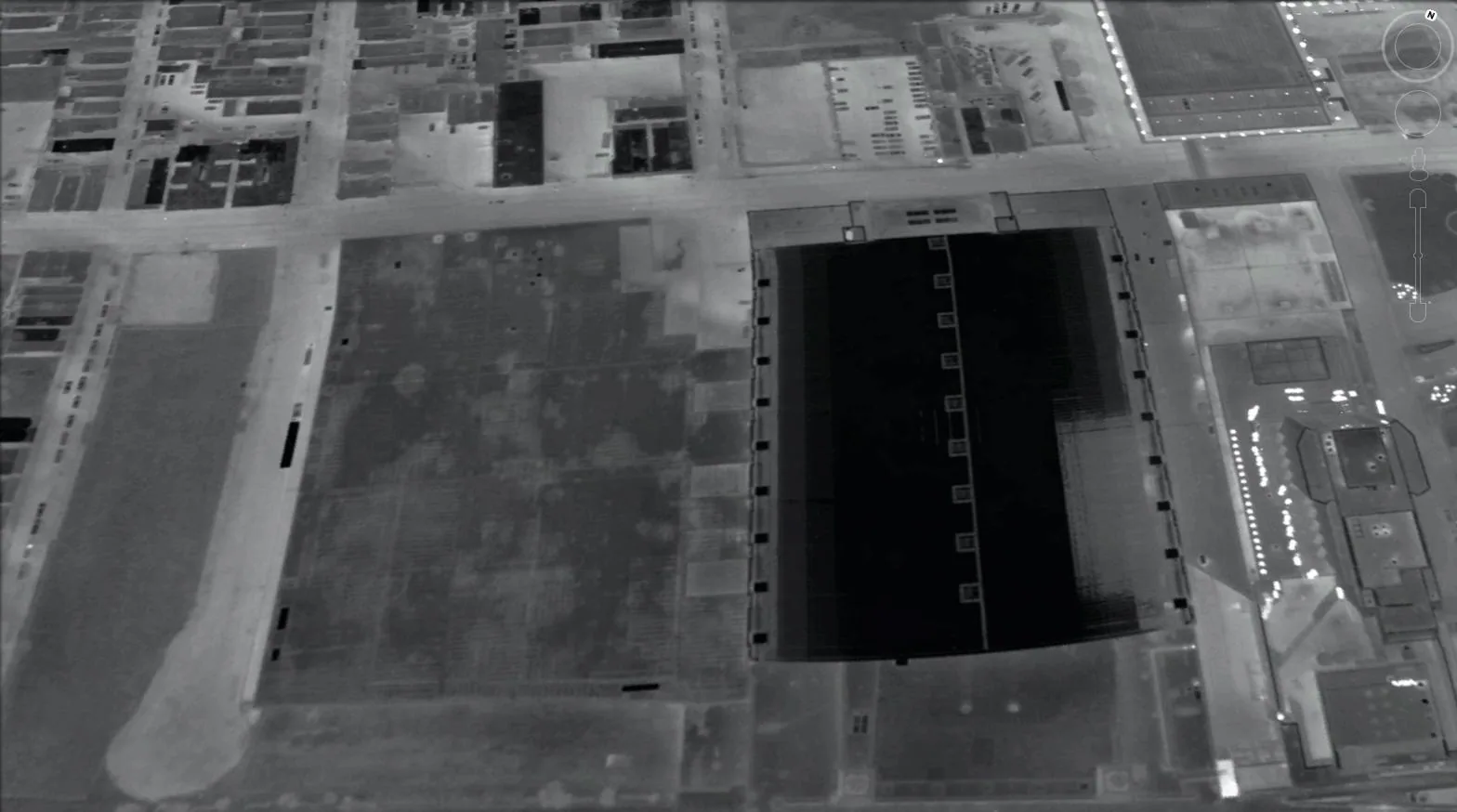
Good candidates have a dry, well-attached substrate: single-ply membrane in fair condition, sound modified bitumen, a built-up roof with intact felts, or a metal roof with tight fasteners. An infrared moisture survey with core cuts confirms dryness before coating begins. Wet insulation under the coating would trap moisture and shorten the life of the roof.
Roofs with widespread blisters, open seams that cannot be reinforced, or membranes that crack when flexed do not qualify. The written findings say so, with photographs and moisture readings, and point the owner toward a recover or replacement. A coating applied to the wrong roof postpones the decision and adds cost.
Metal roofs follow their own checklist. Rust is treated and primed, fasteners are replaced with oversize screws, and laps are sealed with reinforcing fabric before the coating goes on. Panels that have lost thickness to corrosion are marked for replacement instead. The metal roof retrofit options are compared against the coating when fastener failures are widespread.
Preparation, Primers, and Adhesion Tests
Cleaning is the most important step. The surface is power washed to remove dirt, chalk, biological growth, and oils, and then allowed to dry fully. Seams are reinforced, loose fasteners are reseated, and open flashings are repaired. Many substrates need a primer, and some need a specific one. Old EPDM, for example, may call for a specific tie coat.
Ahead of the full job, we coat a small test patch, let it cure, and pull it to check adhesion. The result is recorded with a photograph, the date, and the weather. If the patch fails, the substrate or primer changes. This small step prevents peeling across a whole roof, and it gives the owner a record that the system was matched to the surface, not assumed.
Film Thickness, Cure, and Heat Season
Brownsville forecasters call May through October the Valley's heat-safety season. Silicone cures well in warm weather but needs a dry window, since rain on uncured film can wash or blister it. Application plans follow the forecast and the dew point. Early morning dew can leave a film of moisture on the roof, so work often starts after the surface has dried and ends well before evening dampness returns. Tropical-season afternoons bring pop-up rain, and the crew keeps enough tarps and time in hand to protect a partly coated section.
Protection depends on film thickness, so we measure wet film during application and dry film after cure at marked test points. The readings go into the owner's file. They tell the next inspector where coverage is thin, such as around drains and penetrations, where a brush-applied extra coat is usually added. Our roof coating restoration proposals list the thickness targets and the number of coats for each roof area before the work starts.
Buildings Where Silicone Is Considered
Warehouses and distribution buildings, office blocks, schools, and shopping centers in the McAllen metro can all be candidates when the roof is dry and worn. Owners compare it with acrylic coatings for roofs that drain well, and with spray foam when added insulation is wanted. Properties in Sullivan City, Mission, and nearby towns receive the same written record. Multi-building owners can line up film readings, adhesion results, and drain logs across sites, which turns separate roofs into one budget schedule and shows which building needs its maintenance coat first.
Questions and Answers
Why does silicone suit a roof that holds water better than an acrylic coating?
Silicone cures into a film that does not break down in long contact with water, while water-based acrylics can soften or lose adhesion if they sit wet. After heavy rain such as Hanna's, a roof that ponds for days tests that difference. We still recommend improving drainage where it is practical.
Can another coating be applied later over silicone?
Generally another silicone can be added, but most other coating families will not bond without special surface preparation or a dedicated tie coat. The owner should know this before choosing. We record the product family and the date in the owner's file so future work starts from facts.
What do you test before coating a single-ply roof?
We check moisture in the insulation, seam strength, surface cleanliness, and adhesion of a small test patch. A single-ply membrane that is brittle or full of open seams may not hold a coating. The test results and photographs go into the written findings.
Does a silicone coating add wind resistance?
It adds little attachment strength. Dolly lifted older roofs near Weslaco, and Hanna left hundreds of poorly built Valley structures damaged, mostly at the roofline. A coating protects the surface from sun and water, so loose edges and weak attachment are repaired before coating, not hidden by it. Edge metal is checked for tight fastening, and a fastener pull sample on a metal deck or a roof edge shows whether the attachment still has reserve.
How often should a silicone-coated roof be checked?
At least once a year, and again after named storms. Each visit looks at dirt pickup, film thickness at test points, and the condition of drains and seams. The record builds a history that shows when a maintenance coat is due, which supports budgeting.
Request a Silicone Coating Evaluation
Send us the building address and any history of ponding. We inspect the Mission, TX roof, map moisture, test adhesion on a small patch, and provide a written condition summary that supports budgeting or an insurance conversation.