
Property Types We Roof
School Roofing in Mission, TX
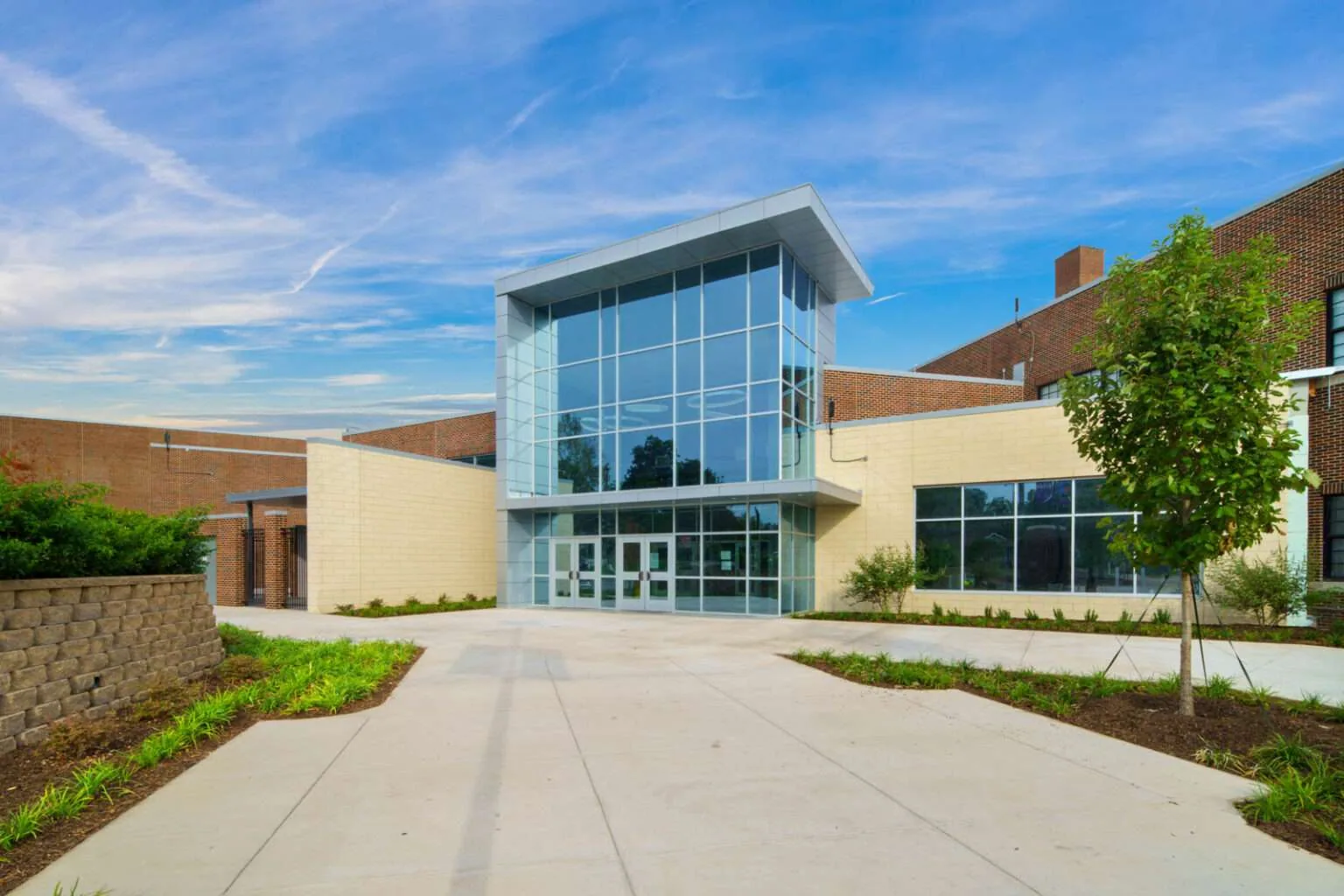
A school roof sheet in Mission, TX starts with a date, because the date tells a district how much of the summer is left to act on what the sheet says. The inspector writes the day, the roof section and the first finding, usually a drain strainer or an edge termination, and then records what the finding means for the next school term. Schools carry a deadline that other buildings do not: the roof must be dry and sound before students return, and a repair planned in March can be done in June, while one found in August cannot.
The condition summary that follows is written for a facilities director and a board, finding by finding, with the photographs attached.
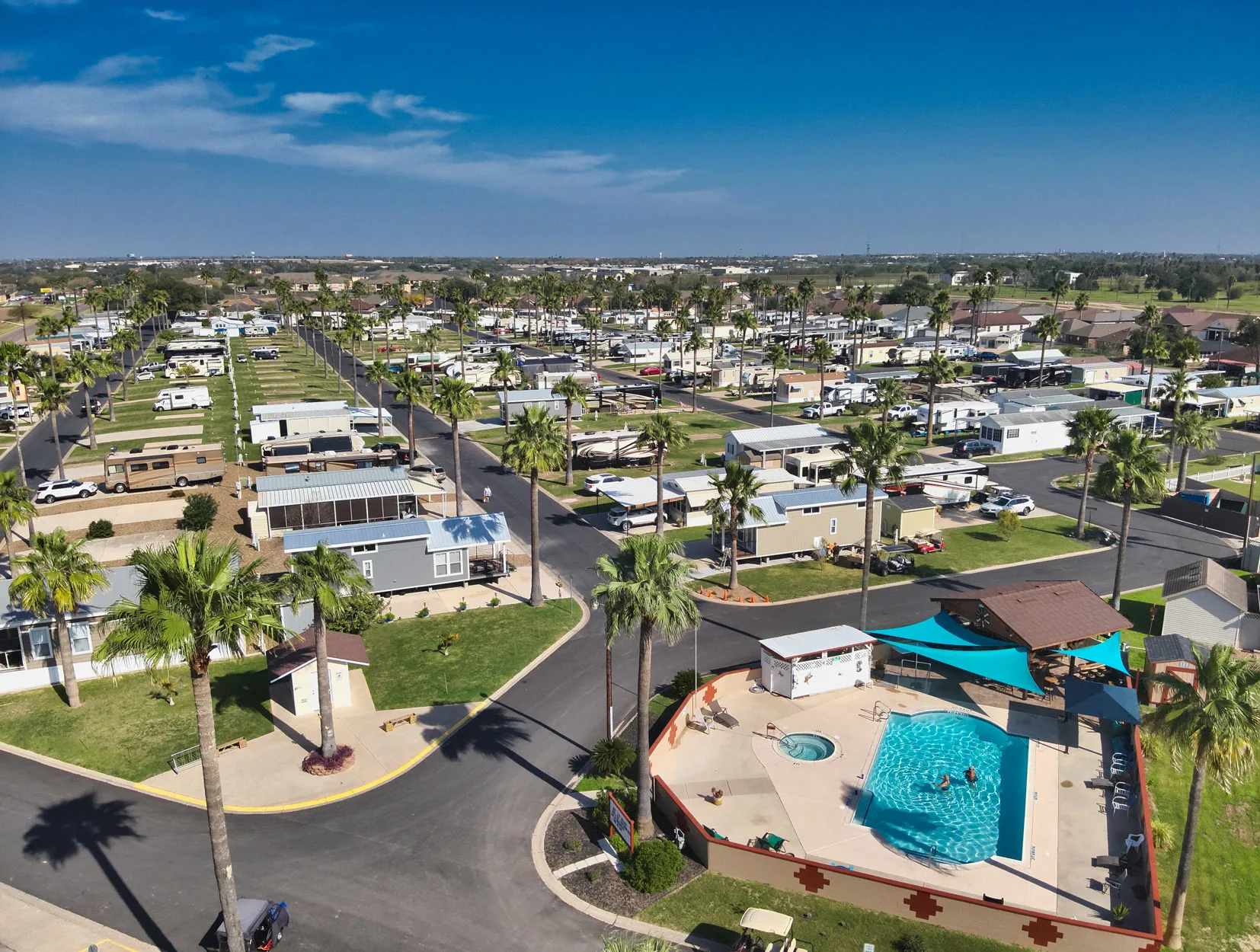
What the Inspection Sheet Records
A campus usually has more than one roof, built at different times and joined by covered walkways. Each section gets a number, a sketch and a set of tagged deck photos. Seams, flashings, penetrations, drains and the edge metal around gym and cafeteria roofs are logged one by one, with a note on the sealant and the fasteners.
Low-slope sections over classrooms and corridors are checked for trapped moisture with a meter and, where readings are high, with a scan that produces a moisture map. The map shows the wet area in feet, not in impressions, and that figure becomes the scope line. A district can then compare the cost of replacing one wing with the cost of coating the rest.
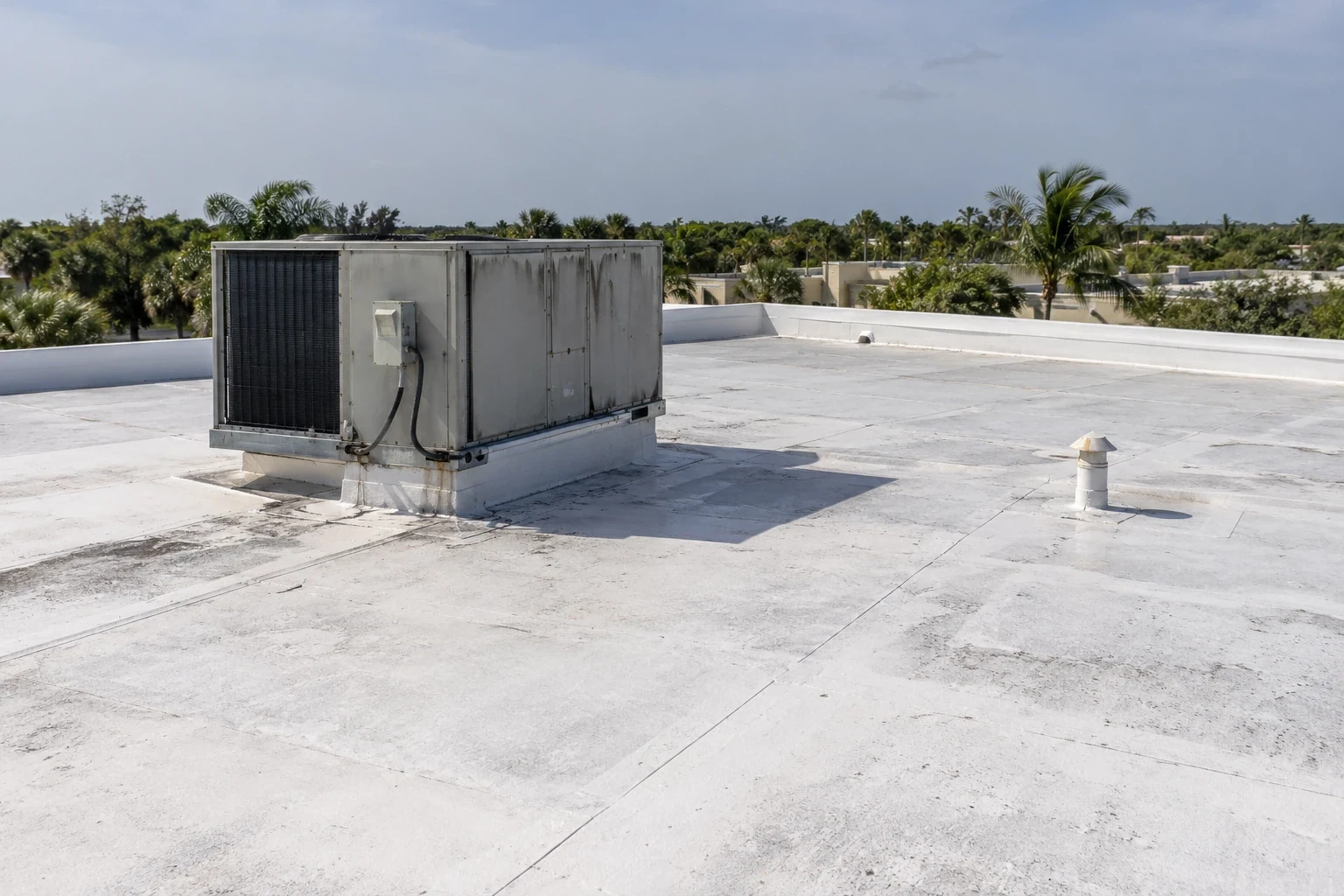
Rooftop units for classroom cooling are logged as well. Each curb, each condensate line and each supporting rail is photographed, since a leaking unit curb is a common source of ceiling stains that look like membrane failure.
Summer Heat and the Tropical Season
Forecasters in Brownsville call May through October the Valley's heat-safety season and June through October hurricane season. A school roof therefore sits under months of sustained sun while students are away, and the same months bring the highest risk of a named storm. That overlap is why summer work is scheduled around two limits: the heat on the crew and the forecast.
Membrane seams, sealants and coatings age fastest in that heat, and the spring inspection is the one that shows how much. A seam that was tight in the fall may be open by June, and a roof coating restoration only works if the film is applied over a sound, dry surface. The coating film check after application confirms thickness, and the record goes into the owner's file.
Gym, Cafeteria and Covered Walk Roofs
The roofs that differ most from the classroom wing are the long spans over a gym or cafeteria and the light covered walks between buildings. A gym roof has few penetrations but many fasteners, and a fastener pull sample on a metal panel or a deck screw shows whether the attachment still holds the panel down. A covered walk has short runs, low edges and gutters that fill with leaves, so its drain and scupper entry is the first line on the log.
Where a gym roof meets a taller classroom wall, the flashing at the junction takes water from a large surface. The inspector photographs that wall base from the same position each year, since a hairline gap in the sealant there is the sort of finding that becomes a ceiling stain after the next heavy rain. For a district comparing campuses, these details explain why a young building can have a worse sheet than an older one.
Pre-Storm Baseline for a Campus
Before hurricane season the inspector builds a baseline: dated photographs of each edge, each drain and each unit curb, all taken from marked positions. In 2008, Hurricane Dolly brought gusts of 50 to 70 mph to populated Hidalgo County, and roofs lifted near Weslaco were mostly on older structures. On a campus with older wings, the older roof sections are the first to check for weak attachment.
The baseline also lists loose items that a storm could move: vent caps, antenna mounts, signs and the covers on rooftop equipment. Securing those items is inexpensive, and the list names who is responsible for each one.
After a storm, the same sections are photographed from the same positions. The comparison separates storm damage from earlier conditions, which matters for a district's insurance conversation and for the board's decision on emergency spending.
Options for Summer Work
For each section the summary offers options and states the finding that favors each. A section with dry insulation and an aging surface may suit a coating. A section with trapped moisture over a classroom needs partial replacement, and one with widespread seam failure may justify a full commercial roof replacement.
Timing is part of the recommendation. Lead times on membrane and insulation can run several weeks, bids and board approvals take time, and a summer break is only a few weeks long. The summary therefore shows the last date by which a decision must be made to finish before the first day of school.
When work spills past the break, the plan keeps the occupied wings protected. Noisy steps are placed outside testing windows, debris chutes stay away from play areas, and the lot is staged so buses and pickup lanes keep their routes.
Work Beside Occupied Wings
Some campuses cannot empty a wing for the summer, because of summer programs, enrichment classes or administration. Those buildings fall under occupied building reroofing: the roof is opened in sections, each section is closed the same day, and interior protection goes up under any area being worked. The schedule shows which wing is under the crew each week and where the noise will be.
Access and staging are planned with the principal and the transportation office. Material is stored away from bus lanes and play areas, hoists and lifts have fenced bases, and the lot is walked for debris at the end of each day. A district that keeps one project contact for the roofing crew finds that questions are answered the same morning.
The Owner's File for a District
The owner's file holds the sketch, the moisture map, the drain and scupper log, the photographs and the scope lines for every campus roof. A district with several schools can use the same format across buildings in Mission, McAllen and Weslaco, and rank the roofs by finding rather than by age. The file also supports a roof capital plan that spreads spending over several summers. Owners who also manage a college campus or a government building can keep all of their roofs in one record, so budget requests across departments use the same findings.
Questions and Answers
How early should a district schedule a school roof inspection?
Early in the spring semester, so the findings reach the board before budget decisions and the work can be bid and ordered for summer. An inspection in July leaves too little time for materials.
Can part of a school roof be replaced and the rest coated?
Yes, when the moisture map shows wet insulation confined to one area and the remaining sections are dry. The scope lines name which findings drive the split, and the coating film check follows the work.
What does a district receive after the inspection?
A written condition summary with a roof sketch, tagged photographs, moisture readings, a drain and scupper log and scope lines that can be used in budget requests or an insurance review.
How are classrooms protected during roof work?
With interior protection under open areas, noise limited to agreed hours and debris chutes kept away from entrances. The plan is shared with the principal before the first day on site.
What happens to the roof record after a named storm?
The same positions are photographed again and compared with the baseline. New findings are separated from older ones, and the repair scope lists only what changed.

Request a Documented Campus Inspection
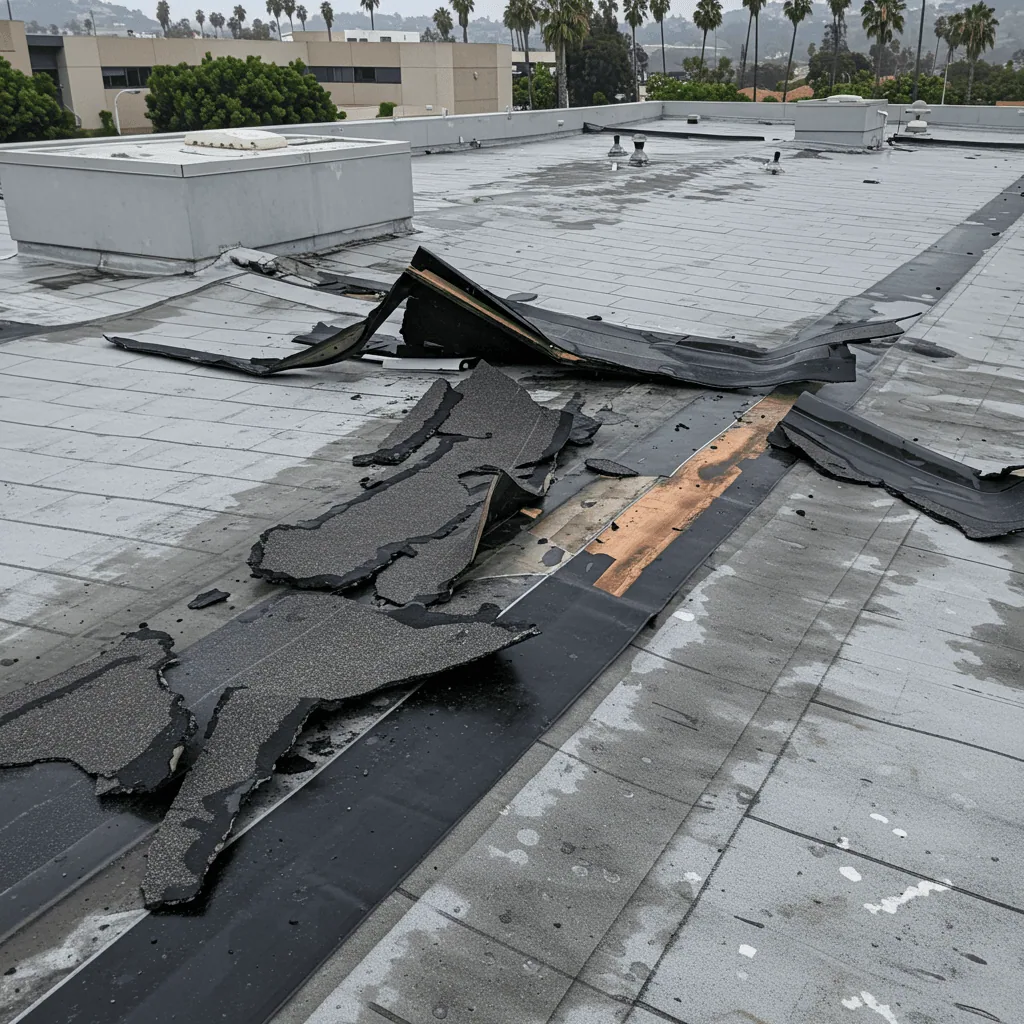
Ask for a documented inspection of your school roofs. The written condition summary will include tagged photographs, a rooftop sketch with moisture readings, a drain and scupper log and scope lines your district can reuse for budgeting or an insurance conversation.