
Commercial Roofing Services
Storm Damage Roof Repair in Mission, TX
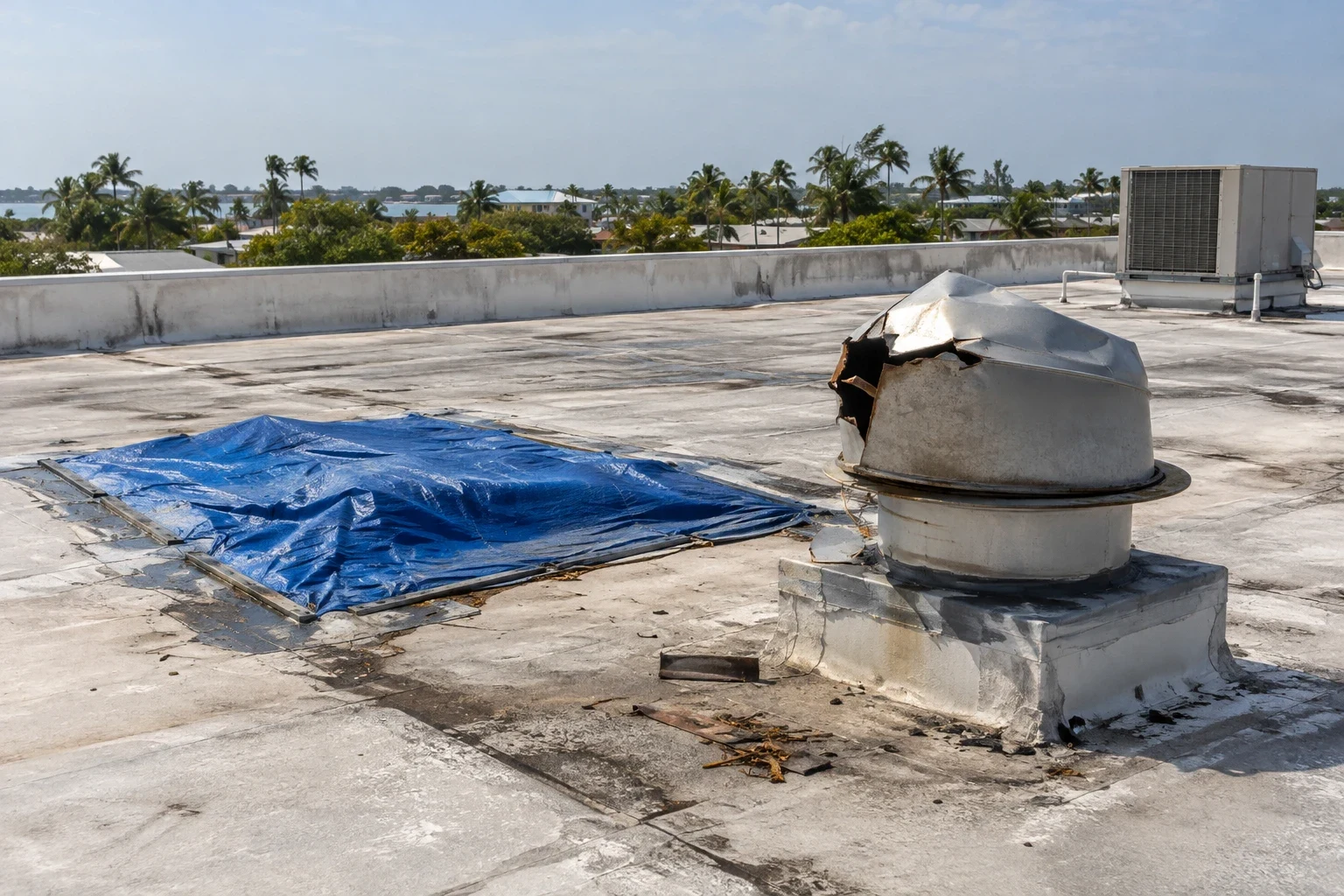
The most useful photograph after a storm is the one taken from the same spot as the photograph before it. On a Mission, TX roof, that pairing shows exactly which edge strip lifted, which sealant joint opened, and which drain filled with debris. Storm repair begins with that comparison, because repair scope follows the evidence of change. A roof with no earlier baseline is still assessed, but the record takes longer to build and the conclusions carry a little less weight.
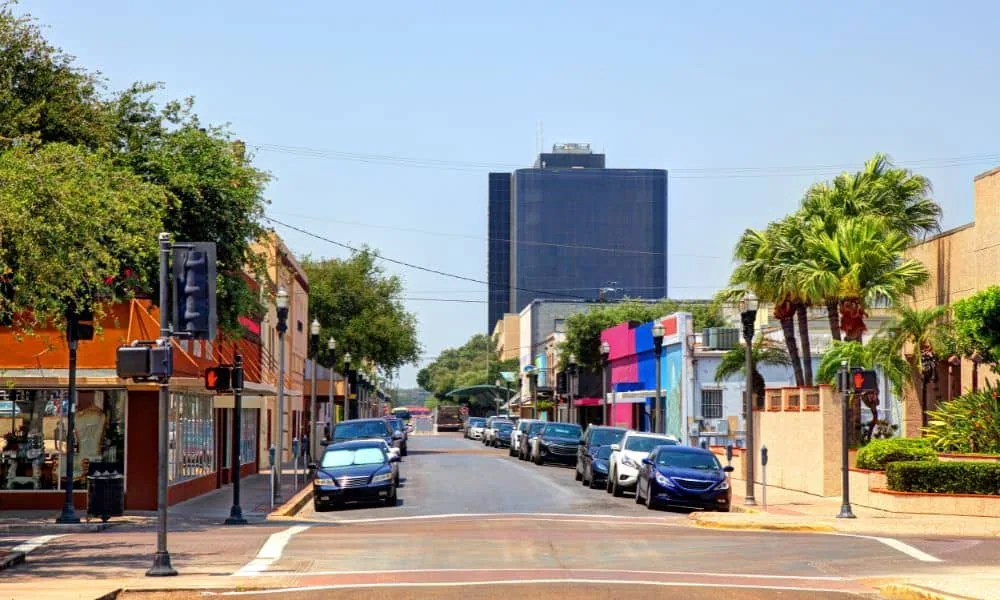
The Post-Storm Sweep
Our first visit after a wind and rain event is a structured sweep, not a quick look. The inspector starts at the perimeter and works inward, recording loose or displaced coping, bent edge metal, torn flashing, lifted membrane, and unseated fasteners. Next come the rooftop units, vent stacks, skylights, and curbs, which take wind loads of their own. Last are the drains, scuppers, and low areas where water collected. On a building with a tall parapet or a mechanical screen, we also check the back side of those walls, where wind-driven rain tends to find an unsealed termination.
Every finding is tagged to a roof section on the sketch and photographed with a visible date. Anything that threatens the interior gets a temporary dry-in the same day. The rest is written as a scope line with a recommended order, so repairs that stop active water entry come before cosmetic corrections.
What Hanna and Dolly Left Behind
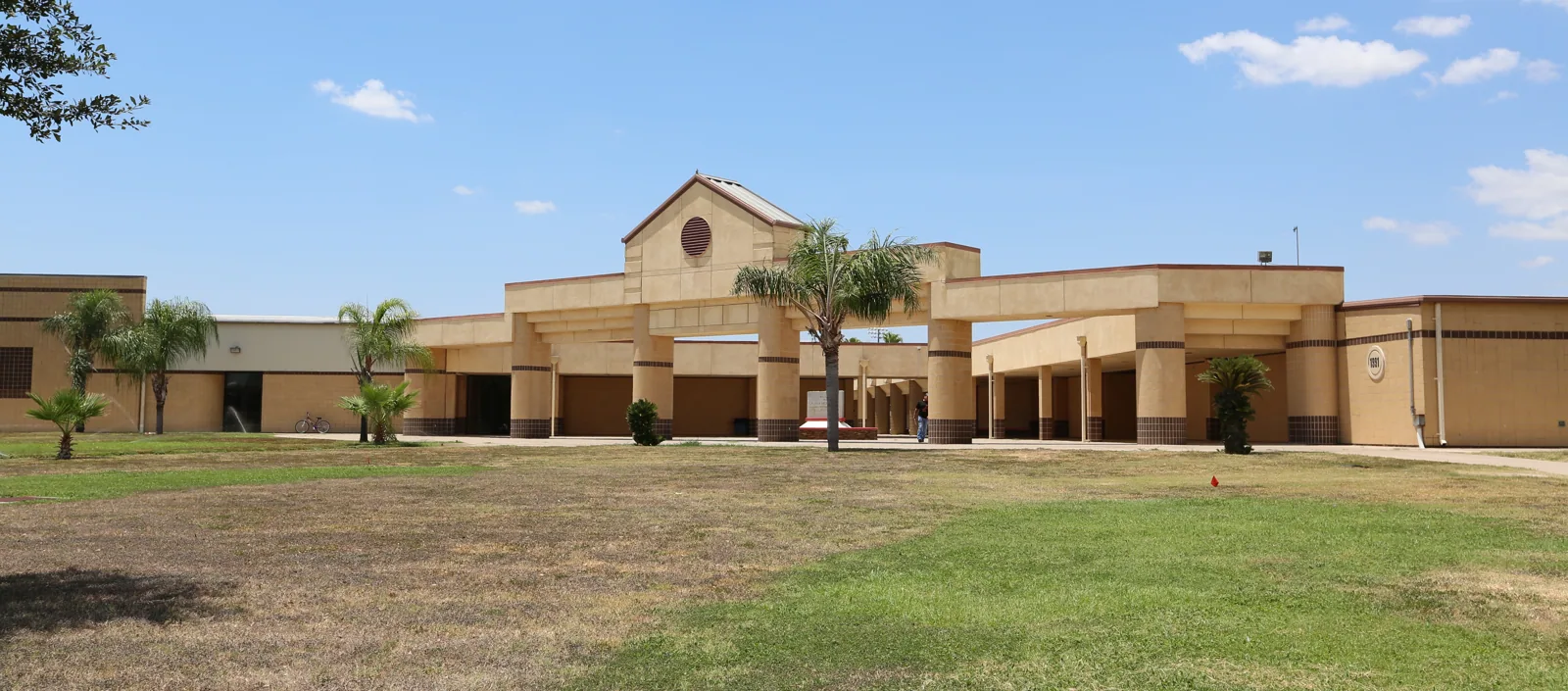
Two named storms give Mission owners a concrete reference. In July 2020 Hanna crossed the Valley with estimated winds of 60 to 65 mph, left hundreds of poorly built structures damaged mostly at the roofs, and cut power to as many as half of county customers. A school district maintenance shed in Mission lost sections of roof. In McAllen, several sheet-metal roofs were blown off or torn back.
Hurricane Dolly in 2008 brought gusts of 50 to 70 mph across populated Hidalgo County and near-hurricane-force damage near Weslaco, where roofs lifted mainly on older structures. Both events point to the same weak spots: perimeter metal, thin or aged roofing, and light-gauge panels. We look at those details first on any building in the path of a tropical system, and we record the roof attachment type so the repair matches how the roof was held down in the first place.
Wind Findings and Their Repair Methods
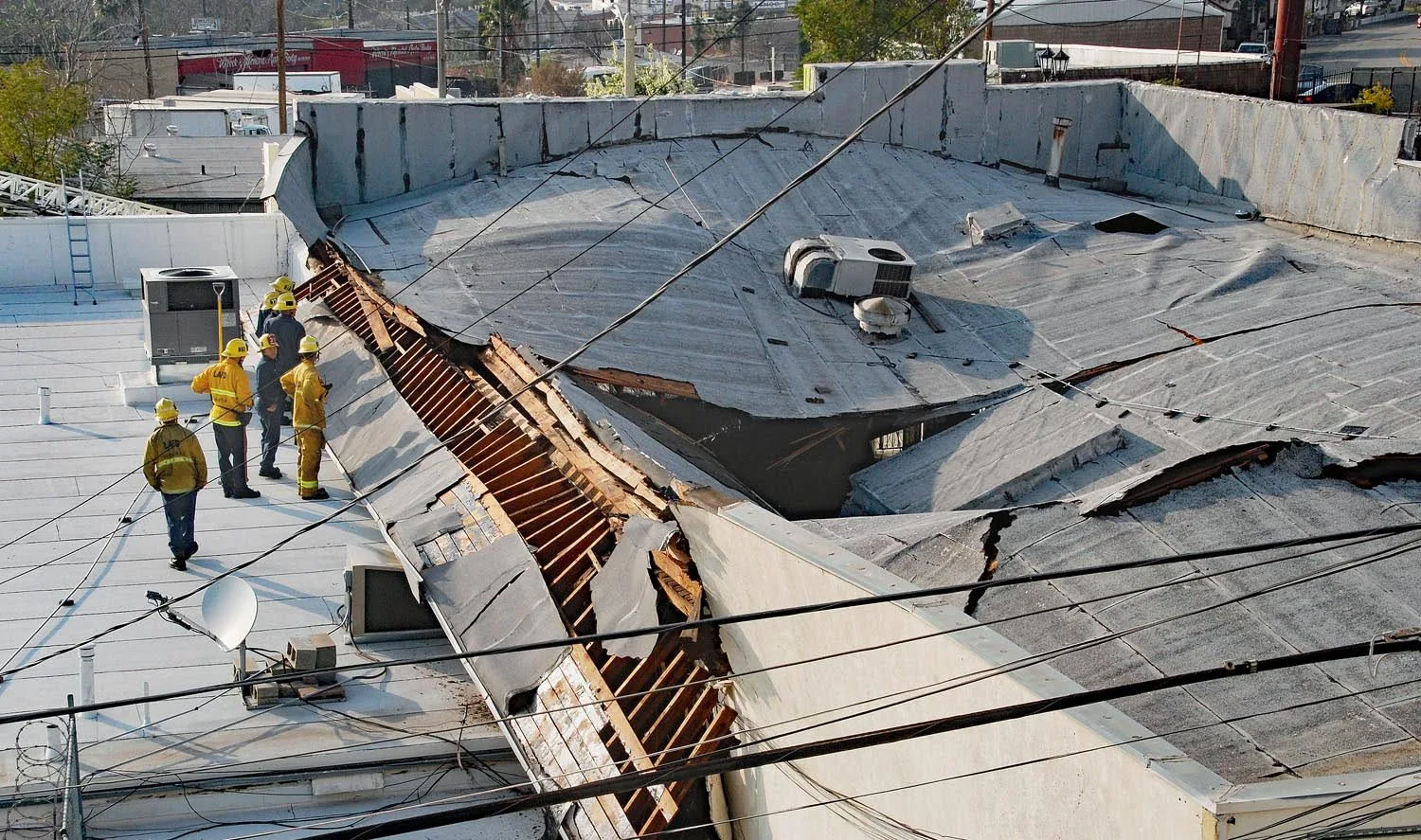
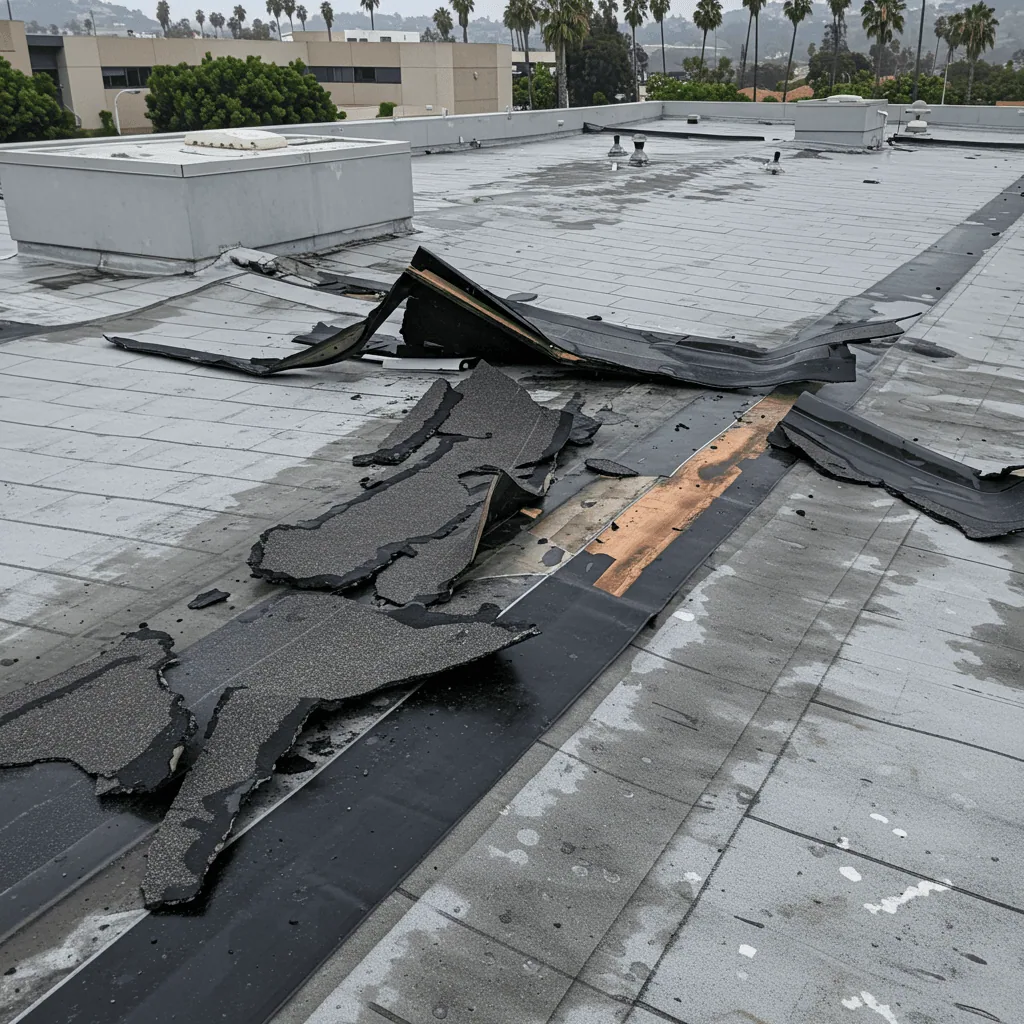
Wind damage has a recognizable order. It starts at corners and edges, where uplift pressure is highest, then spreads to the field if the attachment is compromised. A detached coping cap can be replaced with fasteners at the correct spacing. A peeled membrane edge is cut back to sound material, reattached, and sealed with compatible flashing. Torn metal panels are repaired or replaced depending on how far the damage extends along the seam.
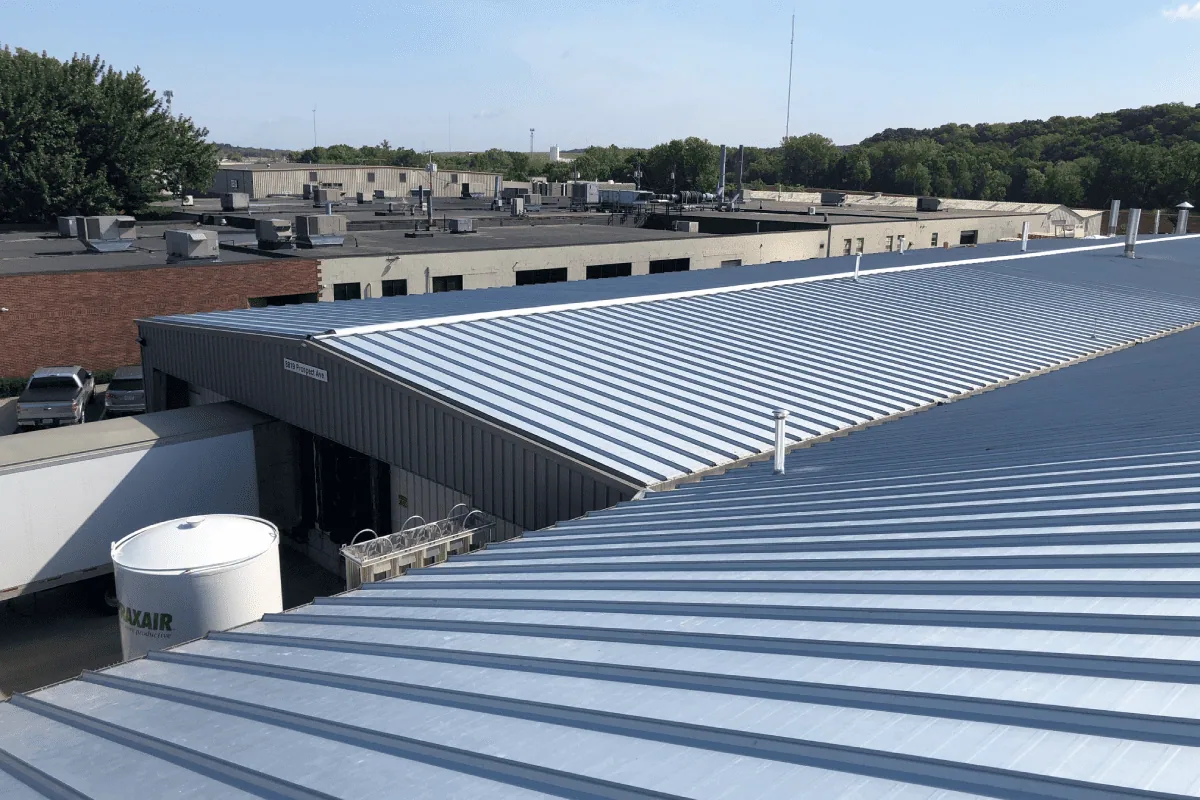
On a wind-damaged roof the order is the same every time: stabilize, document, then correct the cause of failure rather than the visible symptom. Standing seam and corrugated metal panels usually need clip, seam, and trim checks along the full panel run, since one loose clip at a corner can let a whole panel flutter.
Rain, Flooding, and Drain Findings
Hanna's rain also filled a Mission-area gauge to 14.40 inches and a La Joya gauge to 13.92, and poor drainage flooded parts of Mission, La Joya, and Sullivan City. Flash flooding put around 12 inches of water across Shary Road near Griffin Parkway. On a roof, the equivalent is water that cannot leave quickly: ponding at low spots, overflow at scuppers, and seams that sit submerged for days.
After heavy rain we clear debris from every drain, record standing water depth, and check the laps and penetrations at low areas for new leaks. If the insulation took on water, a moisture survey follows, since wet insulation can hide behind a membrane that looks intact. Roofs in La Joya and Mission face the same lesson about drains: a rain gauge reading is a warning about how much water a roof has to move.
Temporary Protection and Permanent Repair
When the building is open to the weather, the first goal is to stop water. Tarps, sealed membrane patches, and temporary flashings are installed in the order that protects interiors, equipment, and inventory. These are interim measures and are labeled that way in the file. Securing a tarp on a windy day needs proper ballast and edge fastening, since an improperly secured tarp becomes part of the damage.
Permanent repair follows once the roof is dry enough to bond. Where the damage is local, the repair is local. Where several sections are affected, the recommendation may move to partial replacement or, in some cases, to full roof replacement. The reasons are written out so the owner and any adjuster can see which findings drive the choice.
Storm Records That Support a Claim
A storm repair file contains the dated before-and-after photographs, the sketch with every finding marked, the drain log, the temporary protection record, and the scope line with the recommended permanent repair. Those pieces matter if the owner opens an insurance claim. We document the condition and the work; we do not decide coverage, and we do not tell an owner what an insurer will approve.
Owners who already keep a baseline from routine roof inspection or an aerial survey find this step faster. A drone flight can also show the roof surface quickly when conditions are unsafe for walking.
Questions and Answers
How soon after a storm should the roof be checked?
As soon as it is safe to reach the roof, ideally within a few days. Water that entered through a lifted edge or an open seam keeps spreading into the insulation until it is dried or removed. A quick check also gives the owner the earliest possible date on photographs, which helps if a claim follows.
Do we need a repair if the roof looks fine from the ground?
Ground views miss a great deal. Coping that has loosened a fraction, a flashing that has opened at a corner, and a clogged drain are all invisible from the lot. A walk or drone pass costs little against the leak that appears two weeks later, after the ceiling tile has already stained and the insulation has had time to soak. If the survey finds nothing, that result is recorded and filed as a clean baseline.
What does a temporary repair cost compared with a permanent one?
Temporary measures are priced by the area covered and the materials used, and permanent repair is priced from the scope line. We give both figures in writing before any work starts. The temporary item is usually the smaller number, but it is a stopgap, and the permanent repair is where the long-term outcome is settled.
Can storm damage be repaired without replacing the whole membrane?
Often it can, when the damage is limited to edges, flashings, or a few membrane sections and the insulation is dry. If moisture has spread widely or the membrane has been stripped from large areas, partial or full replacement becomes more practical. The moisture readings and the damage map show which path fits the building.
Who decides whether the storm caused the damage or age did?
The insurer or its adjuster makes the coverage call. Our part is to describe what the roof looks like, mark where fresh damage meets older wear, and compare against any earlier photographs. A dated baseline from before the storm gives the clearest answer, so we encourage owners to start a file before the season opens.

Schedule a Post-Storm Assessment
Send us the address and a short description of what the weather did. We will walk the roof, photograph every finding, and give you a written condition summary and scope line that can be used for repair planning or an insurance conversation.