
Roof Systems
Standing Seam Metal Roofing in Mission, TX
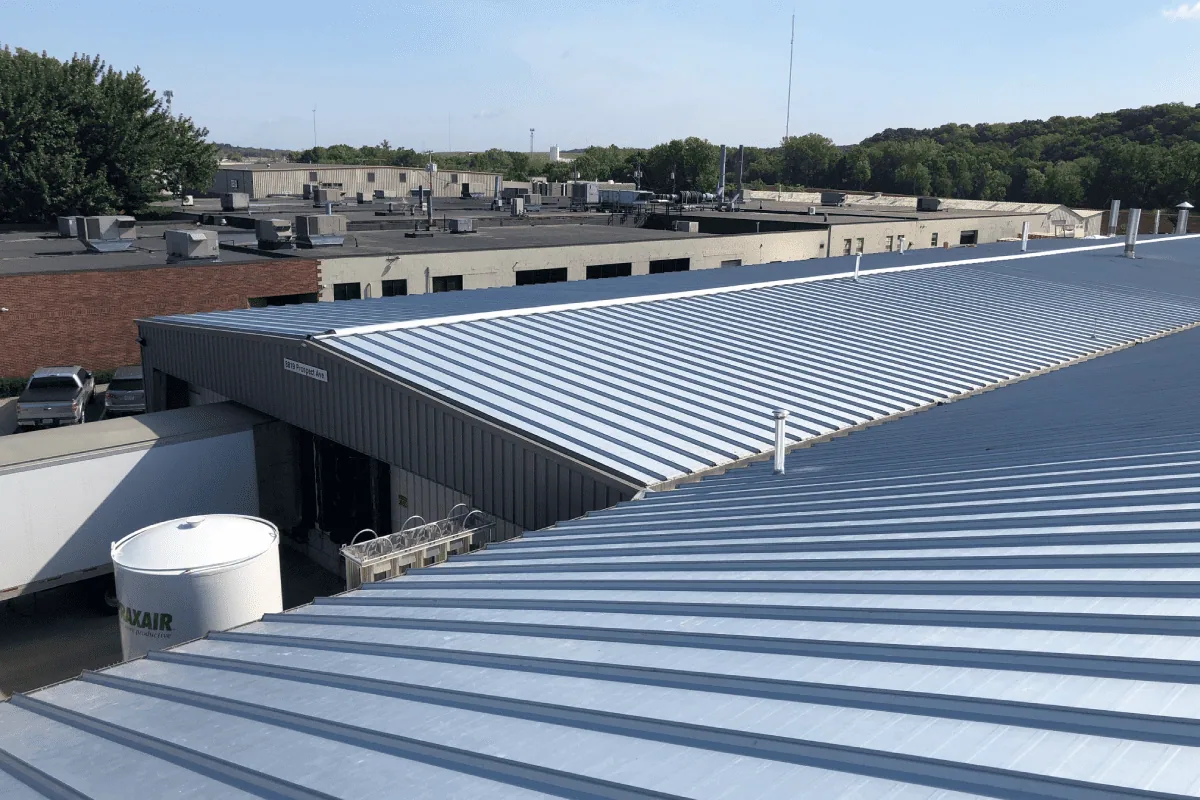
Where a standing seam panel meets the eave, the inspector kneels and checks three things: the seam crimp, the clip beneath it, and the closure at the edge. A photograph of each, tagged to the roof section and dated, opens the file on a Mission, TX metal roof. Concealed fasteners hide the weak points from the ground, so the written findings are the only way an owner learns whether the panels are tight to the substrate or working loose after the last storm.
Panels, Clips, and Concealed Fasteners
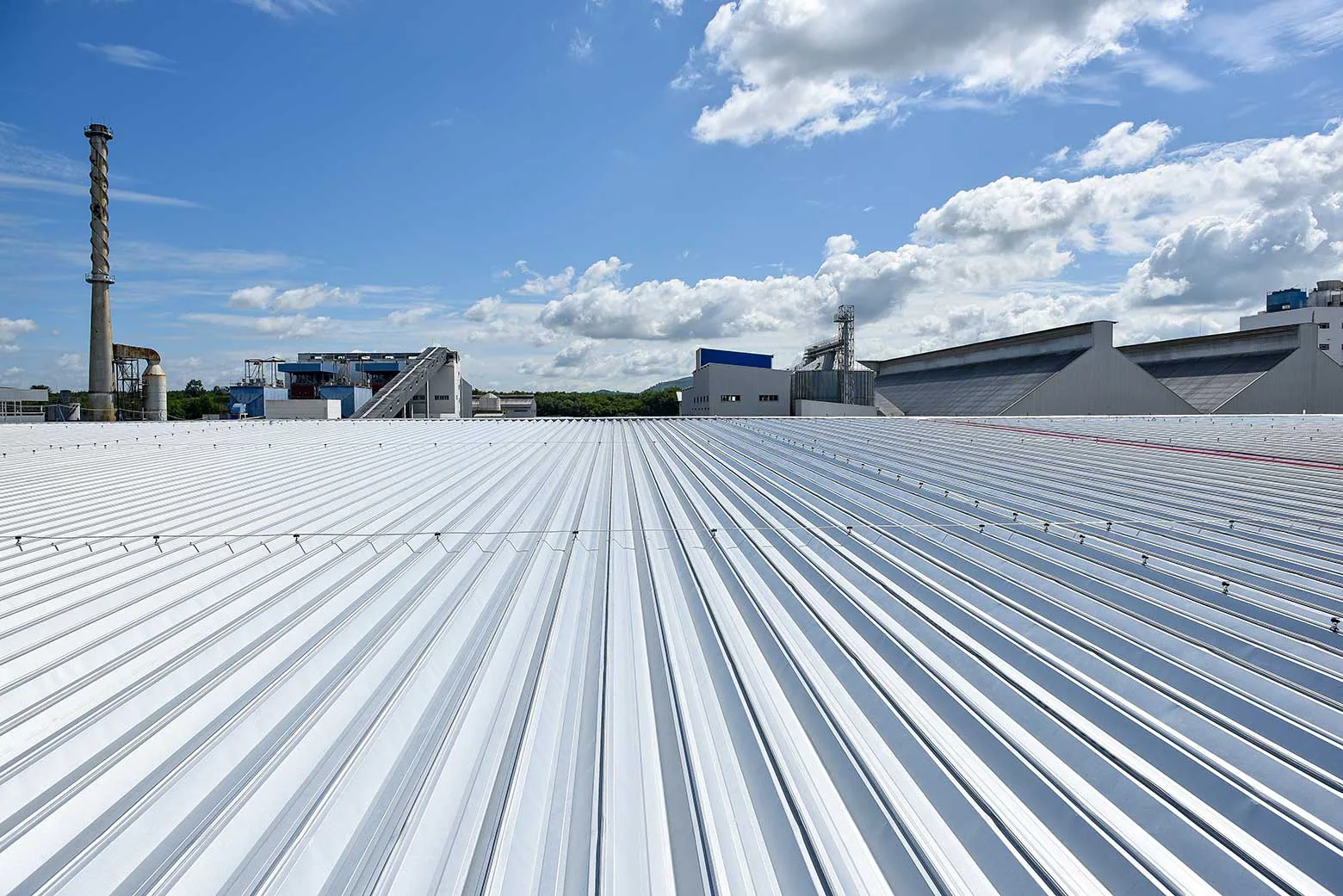
A standing seam roof is made of long metal panels with raised seams that interlock or are mechanically crimped. The panels attach to the deck with clips hidden beneath the seam, so no fastener penetrates the exposed surface. That arrangement removes the most common leak path of exposed-fastener metal, but it moves the structural load into the clips and the seam.
Two seam styles are common. Snap-lock seams press together by hand and suit moderate wind. Mechanically seamed panels are crimped by a machine and offer higher uplift resistance and better weathertightness on low slopes. The choice follows the wind zone, the roof slope, and the importance of the building, and we record the style in the owner's file with a photograph of a sample seam.
Gauge and finish also enter the file. A heavier gauge resists denting from dropped tools and foot traffic, and a better finish holds color through the Valley's strong sun. Panel length is limited by shipping and by how much movement the clips must absorb, so long runs on large buildings are usually broken with expansion joints. Each of those choices is written down at completion.
Thermal Movement Through a Valley Day
Metal expands and contracts faster than almost any other roofing material. In the heat-safety season the National Weather Service Brownsville office lists from May through October, a panel can lengthen noticeably between a cool dawn and a hot afternoon. Floating clips allow that movement, and a clip that is pinned or corroded stops it.
When a panel cannot move, the stress shifts to the seam and the panel ends, producing oil-canning, buckled ribs, or fatigue cracks at fasteners. We inspect for sheared clips, scuffed panel ends, and signs of sticking such as paint transfer or dirt trails. Sealant at end laps is checked as well, since it carries more movement than any other detail. The written findings list which panels show restricted movement.
Fasteners at trim are the most common place where metal fights the structure. A rake closure screwed through both the trim and the panel pins the two together, and a season of heat will tear the hole oversize. Slotted holes, floating trim cleats, and sealant that stays flexible address the problem, and we check each of them at the corners of a building where movement is largest.
Uplift, Edge Zones, and Named-Storm Records
Metal roofs fail in wind at the edges and corners. Hanna in July 2020 blew several sheet-metal roofs off in McAllen or tore them back, and estimated winds of 60 to 65 mph also reached Mission. Dolly in 2008 raised roofs near Weslaco, mainly older ones. The pattern in both events is the same: weak attachment at the perimeter starts a failure that peels the rest of the roof.
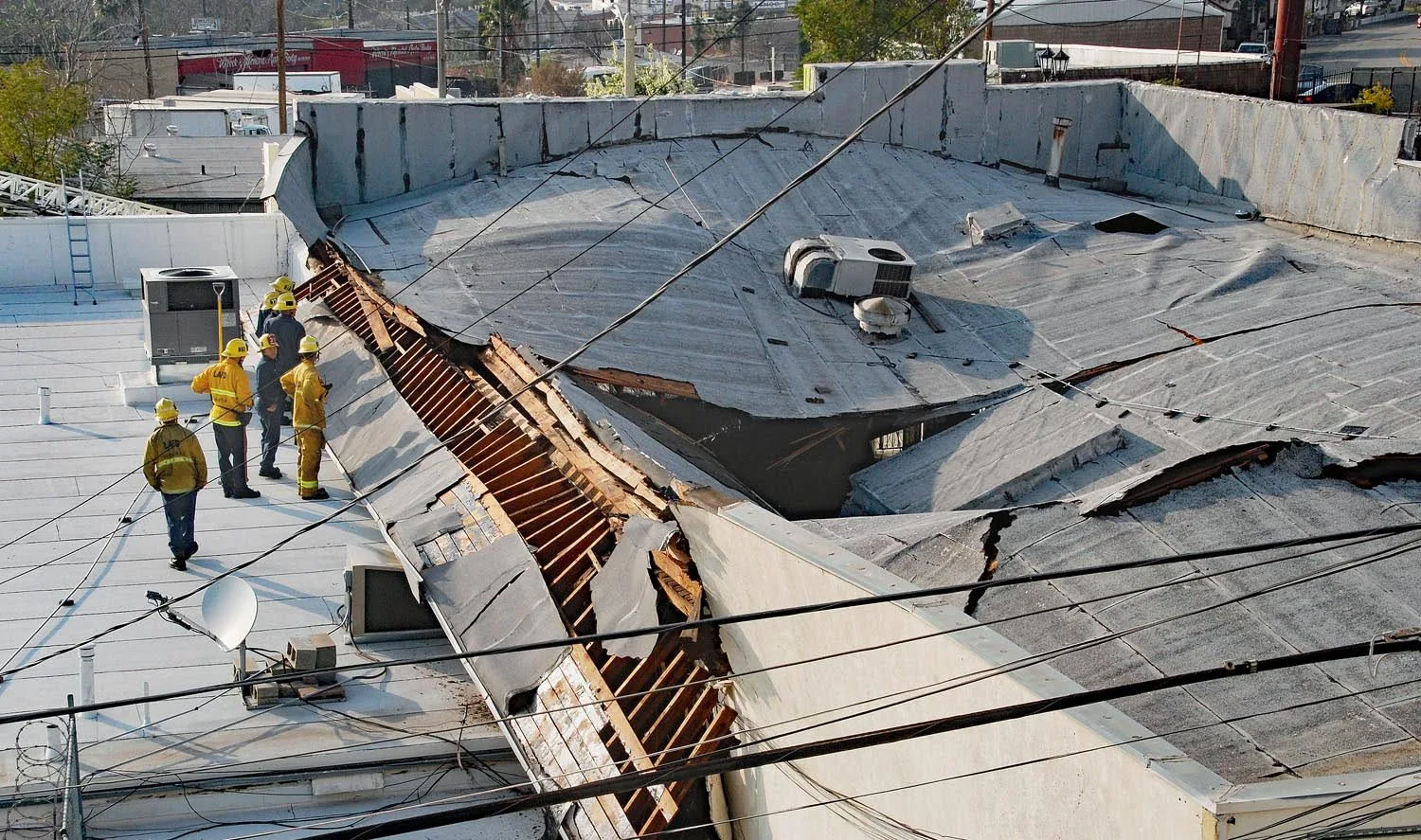
On a standing seam roof, the perimeter zones get closer clip spacing, heavier clips, and edge trim fastened to the structure. We take a fastener pull sample from the substrate before design so the numbers match the real deck. After a named storm, the comparison with pre-storm photographs of every rake, ridge, and eave shows where metal has lifted. The wind damage repair list ranks those items by urgency.
Ridge and hip caps need the same attention. They take wind from several directions, and the foam or rubber closures under them can degrade, letting wind-driven rain enter at the peak. Closures are inspected and replaced when compressed or cracked. Where a commercial roof inspection shows widespread loosening, the owner can phase the fix by elevation, treating the windward side first.
Penetrations, Curbs, and Water Management
Every opening in a standing seam roof requires a detail that allows the panels to move. Rooftop units sit on curbs fabricated with cross-panel flashing, pipes pass through boots that float with the metal, and skylights are framed to the seam pattern. Failures concentrate at these points, not in the flat of the panel.
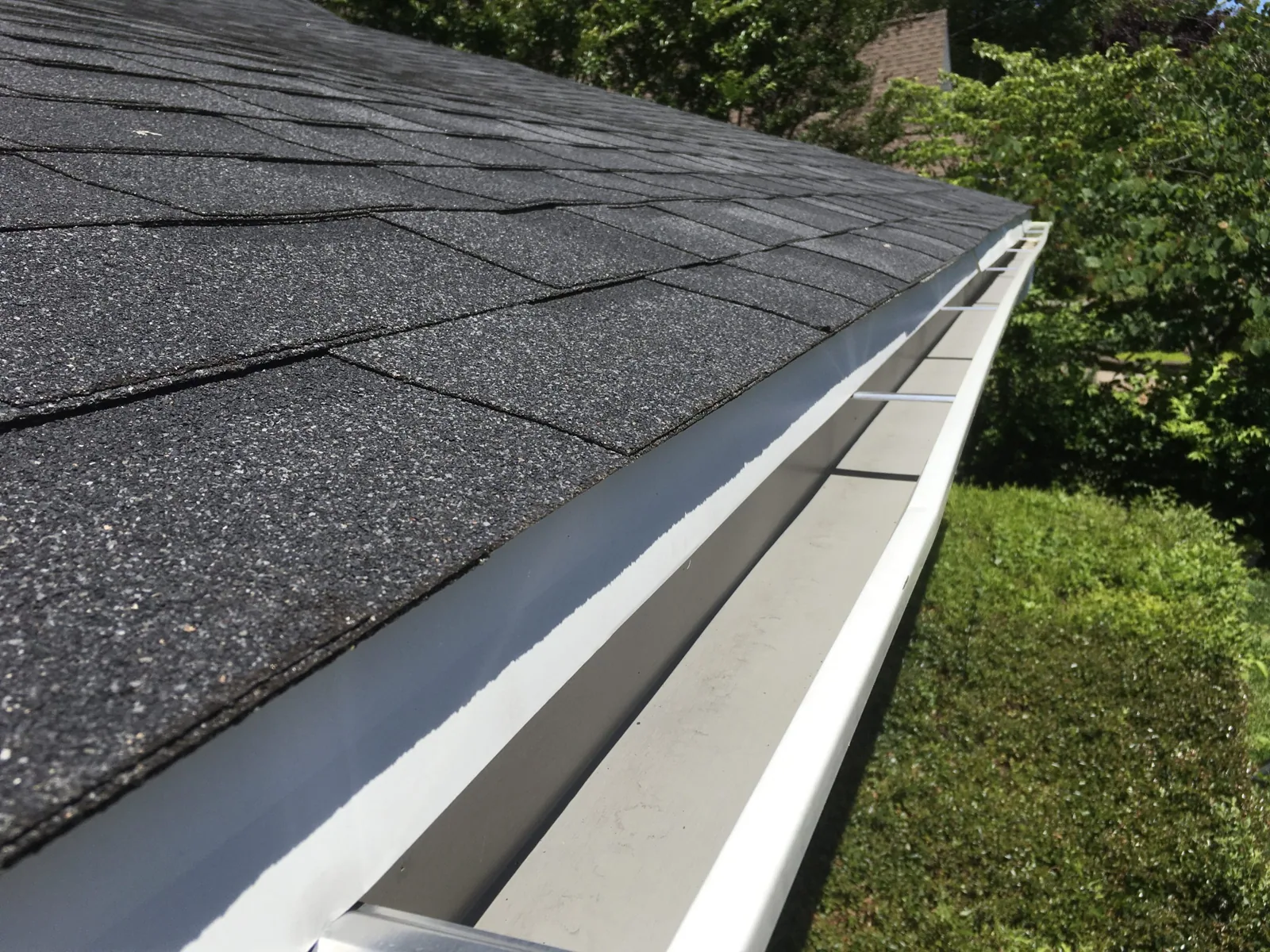
Drainage on a metal roof relies on slope and gutters. Hanna dumped 14.40 inches at Mission 3.5 NW, a volume that tests any gutter or downspout. We measure the outlet capacity, check the hangers, and clean debris from valleys. The edge metal and gutter work is included in the same scope when the existing trim does not match the new roof.
Coatings, Finish, and Service Life
Factory finishes carry most of the weathering burden. Chalking, fading, and scratches expose the substrate over time, and rust may appear at cut edges. Where finish has failed but panels are sound, a fluid-applied restoration coating can renew the surface, and an older exposed-fastener roof raises the same choice between recovery and replacement that a metal roof retrofit addresses.
Insulation under standing seam is usually a blanket or board system with a vapor control layer. Condensation on the underside of panels is a design item that we raise at the start, because it can mimic a leak. A good project records the insulation type, the vapor layer, and any moisture reading at completion.
Galvanic action is another consideration. Dissimilar metals in contact, such as copper pipes through galvanized panels, corrode at the joint, and runoff from some materials stains or eats at the finish below. We note adjacent metals during inspection and specify isolation where needed so the roof does not damage itself.
Buildings Where Standing Seam Is Considered
Warehouses and distribution buildings, schools, churches, medical offices, and retail strips with architectural roof lines can be candidates. An owner in McAllen, Mission, or Pharr who ranks long service life and low maintenance above first cost can weigh the system against TPO for low-slope sections. A warehouse roofing plan may include skylight panels and ridge ventilation alongside the metal.
Questions and Answers
Why do the clips matter more than the panel surface on a standing seam roof?
Clips hold every panel to the deck and carry wind uplift into the structure. A sheared or corroded clip leaves a panel free to move, and the seam it supports can open. Because clips sit under the seam, a roof can look perfect while its attachment is compromised, so we check a sample.
Can an existing flat roof be covered with standing seam?
Sometimes, with a framing system that creates slope and holds the panels above the old membrane. The structure must carry the added load, and the old roof must be dry. A moisture scan and an engineer's review set the limits, and the written scope names what can stay and what must be removed.
What does oil-canning mean, and is it a defect?
Oil-canning is a visible waviness in flat metal panels. It is usually cosmetic and linked to panel width, gauge, and installation stress, not to leakage. It matters when it signals restricted movement, so we look for stuck clips or pinned fasteners beside any distorted panel.
How are metal roofs inspected after a tropical storm?
We walk the edges first, then the ridges and penetrations. Lifted trim, disturbed sealant, displaced clips, and dents from debris are photographed and compared with the baseline set. Repairs are sorted into dry-in items and permanent fixes, which helps an owner schedule work and prepare documentation for a claim.
Is a standing seam roof quieter or louder in rain than a flat membrane?
Metal can carry more rain noise than a membrane, depending on the insulation and the deck below. Blanket insulation, solid decking, or acoustic underlayment reduce the sound. For schools, clinics, and offices, we note the occupancy and propose a build-up suited to it.
Request a Standing Seam Roof Inspection
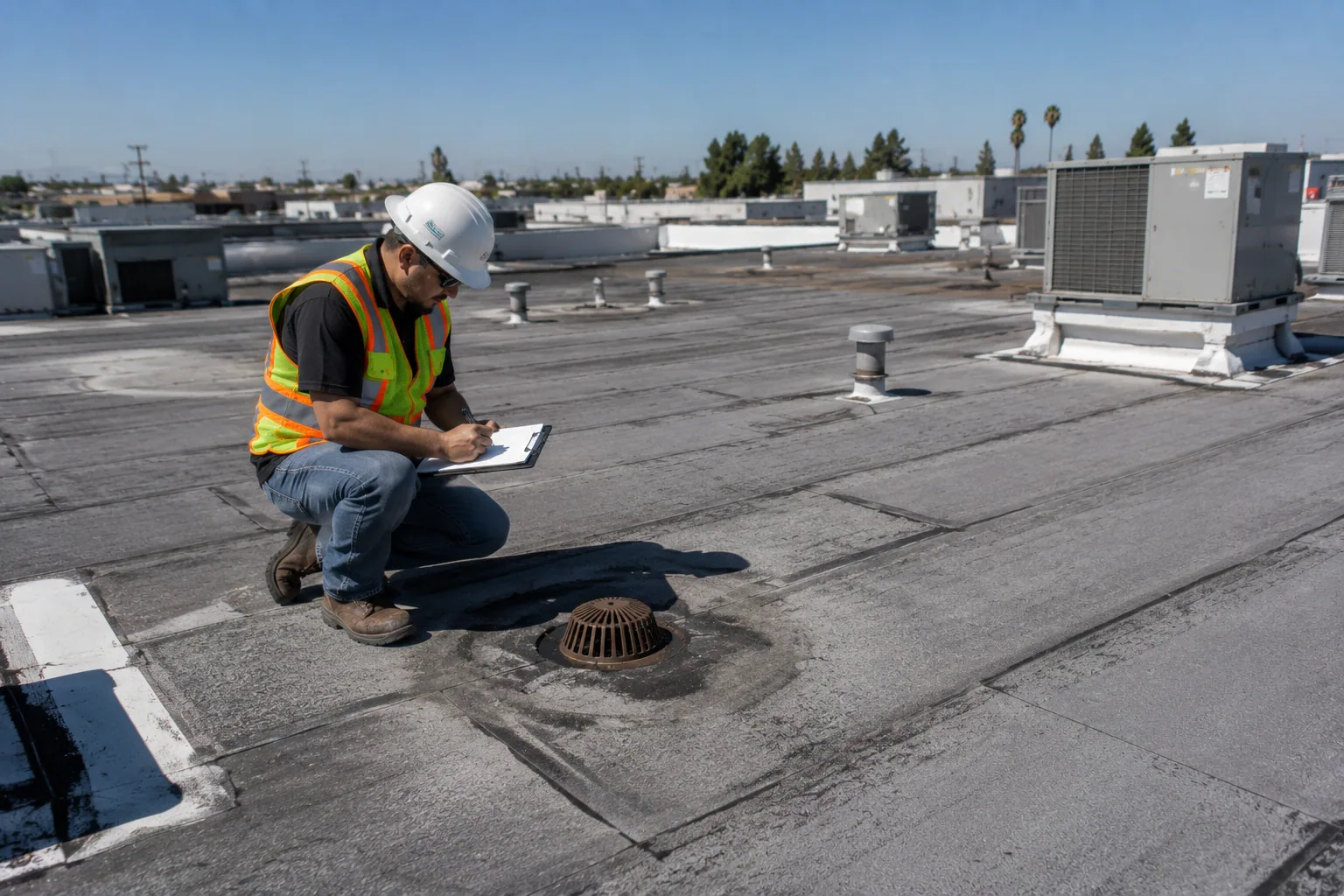
Arrange a visit to your Mission, TX building and receive a written condition summary with clip, seam, and edge photographs, a drain and gutter log, and a clear recommendation by roof area for budgeting or an insurance conversation.