
Roof Systems
Metal Roof Retrofit in Mission, TX
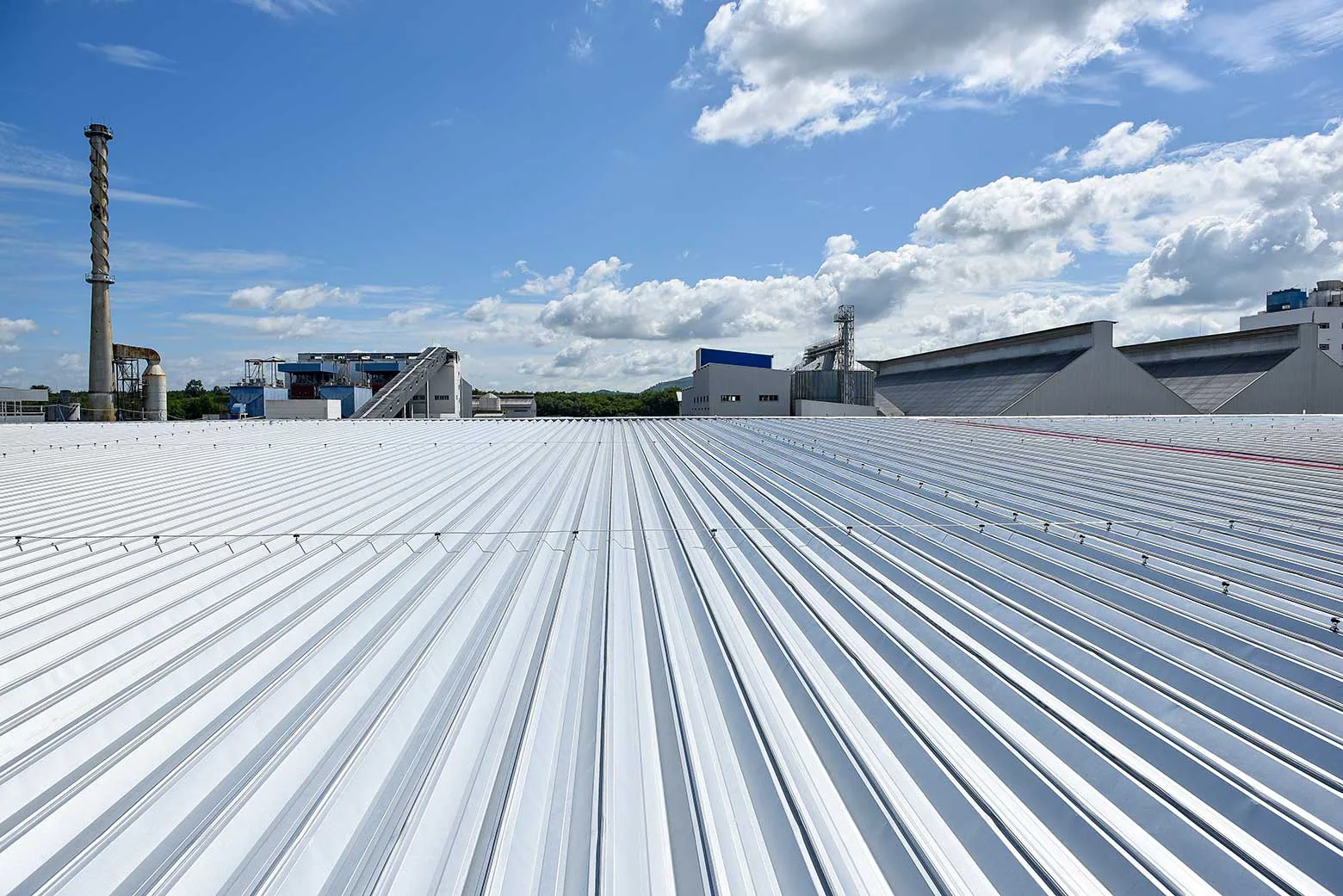
A backed-out screw with a split washer is the standard first finding on an exposed-fastener metal roof in Mission, TX. The inspector marks it on the rooftop sketch, photographs the stained panel rib beneath it, and then repeats the exercise over several hundred feet of roof. The count of loose or failed fasteners, set beside a pull test on a sample, tells the owner whether the roof can be tightened and sealed, restored with a coating, or retrofitted with a new layer.
Why Exposed Fasteners Fail First
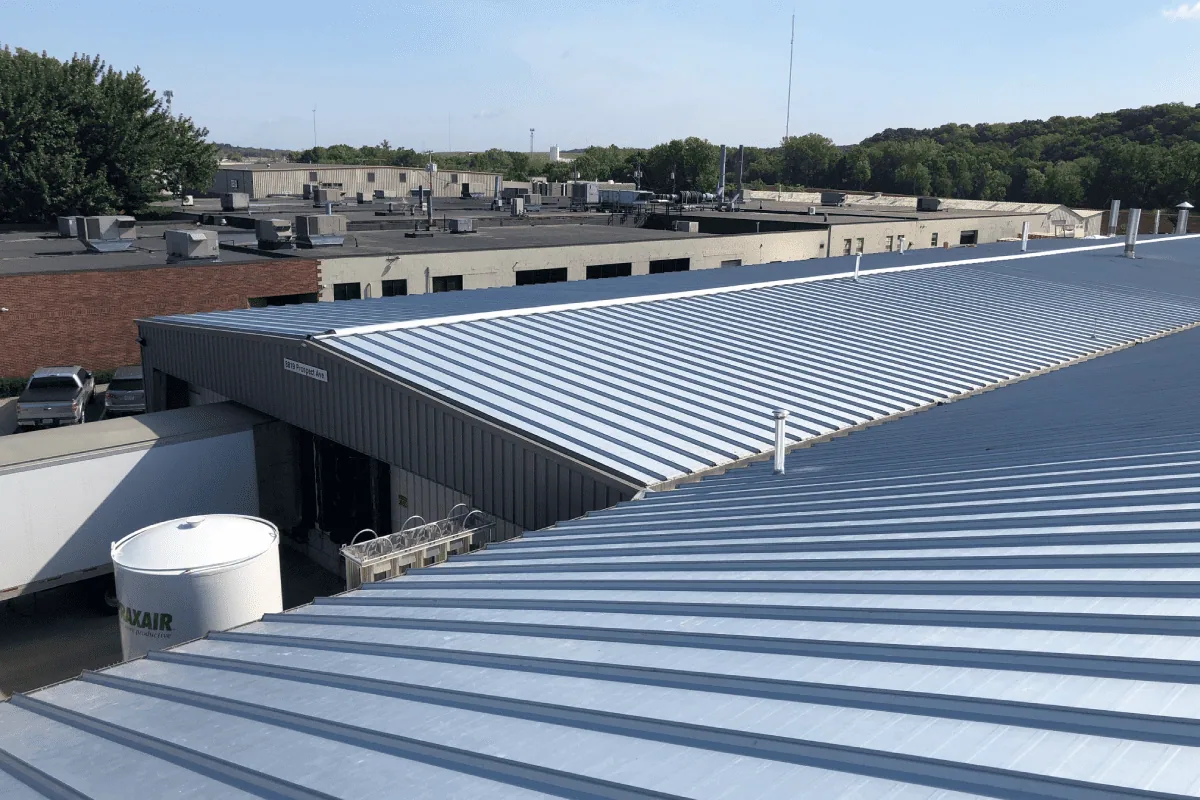
Exposed-fastener panels, often called R-panel or corrugated metal, are attached with screws driven through the flat of the panel. Each screw carries a rubber or neoprene washer that seals the hole. In the long Valley sun, the washer dries, cracks, and loses compression. Thermal cycling then works the screw, and the hole opens a little more with each hot day and cool night.
The result is a roof with hundreds of potential leak points. Panels may still be sound, yet water enters at fasteners, at end laps, and at ridge and eave closures. A visual survey finds the obvious ones. A water test or moisture scan finds the rest, and the written findings count each category separately so the owner can see where the failures cluster.
Ridge caps, eave closures, and wall flashings deserve a separate count. Foam closure strips under the ridge shrink and let wind-driven rain enter at the peak, and sidewall flashings tied into masonry often have cracked sealant. Those details can leak even when every field screw is tight, so the log lists them by elevation and by building face, with photographs.
Wind History and Panel Attachment
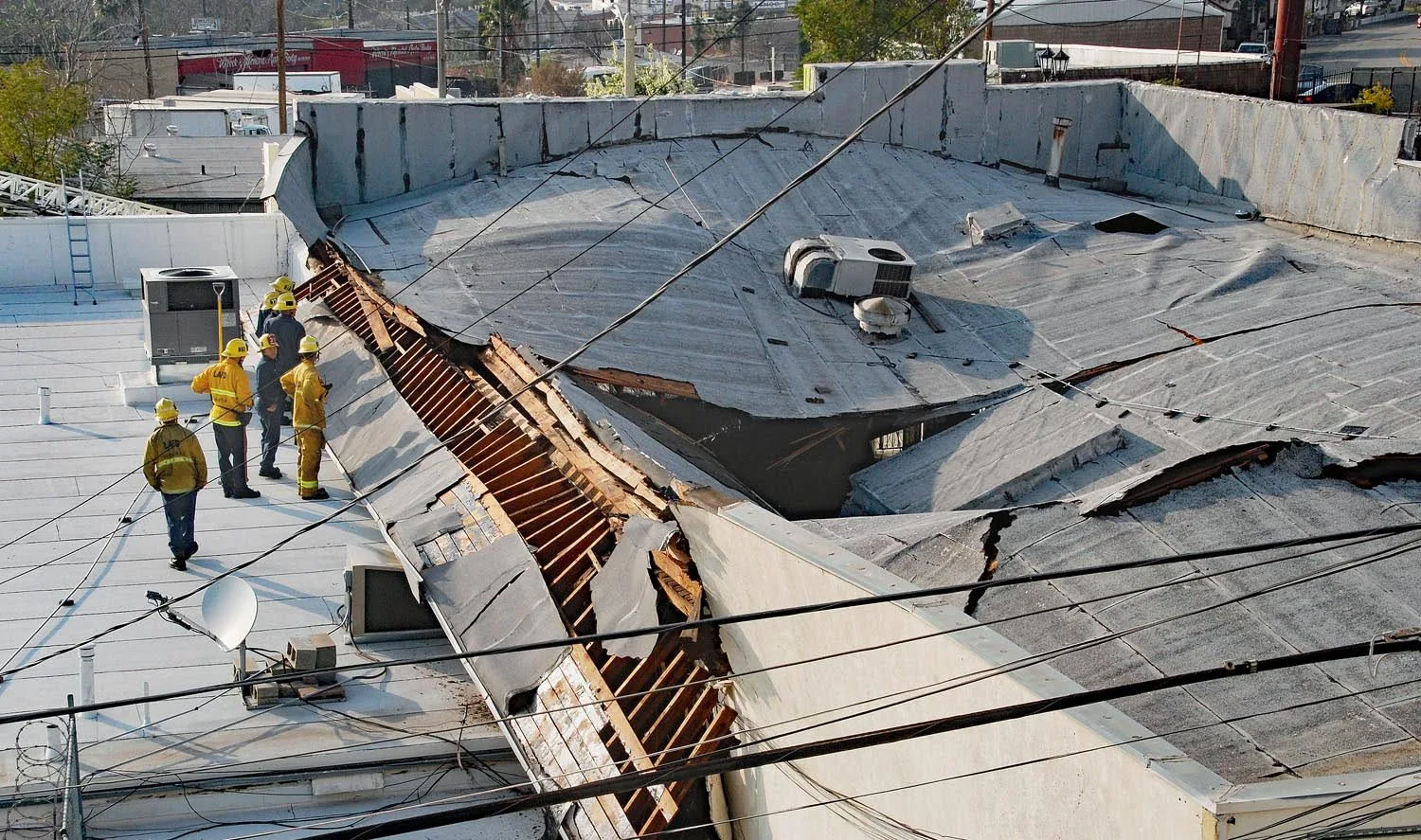
Hanna stripped or peeled back several sheet-metal roofs in McAllen in July 2020, and Dolly in 2008 had already raised roofs on older buildings near Weslaco. Exposed-fastener roofs are prone to that kind of damage when screws have backed out, because the panel is no longer held by a full set of fasteners. The first line of defense is a thorough fastener replacement or reinforcement.
We take pull samples from purlins to see whether the substrate can hold a new screw. Rusted or undersized purlins may need reinforcement before any retrofit. Edge zones get closer fastener spacing, heavier trim, and sealed closures. After a storm, we compare the record against pre-event photographs and list any displaced panels or trim, so the wind damage repair scope is clear.
Debris impact is the other tropical-season item. Flying branches and loose equipment dent panels and cut the finish, and the exposed steel beneath begins to rust within a season or two. We photograph each dent that breaks the coating, mark it for touch-up, and group the marks by roof slope so the repair crew can work in one pass.
Three Retrofit Paths
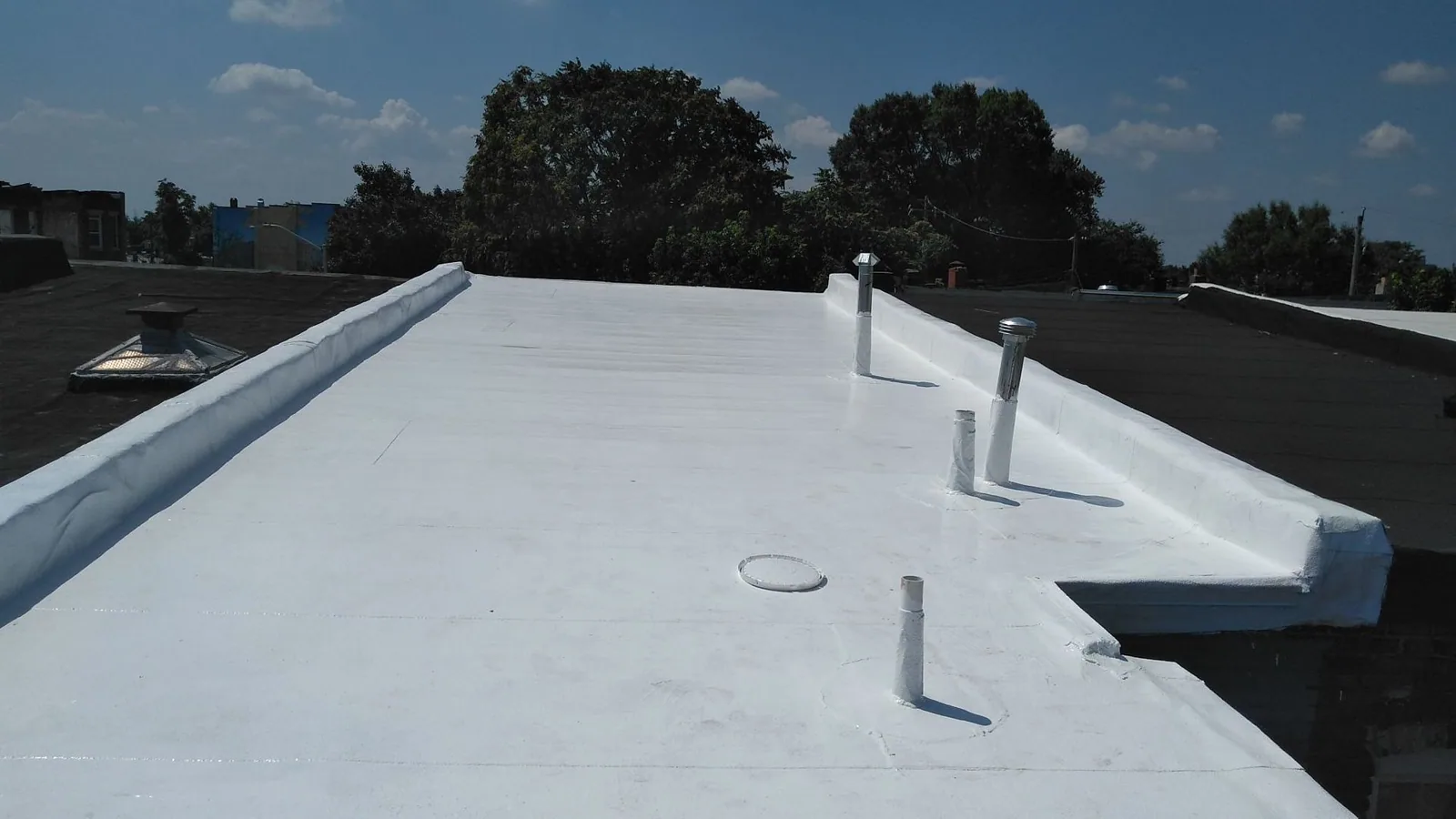
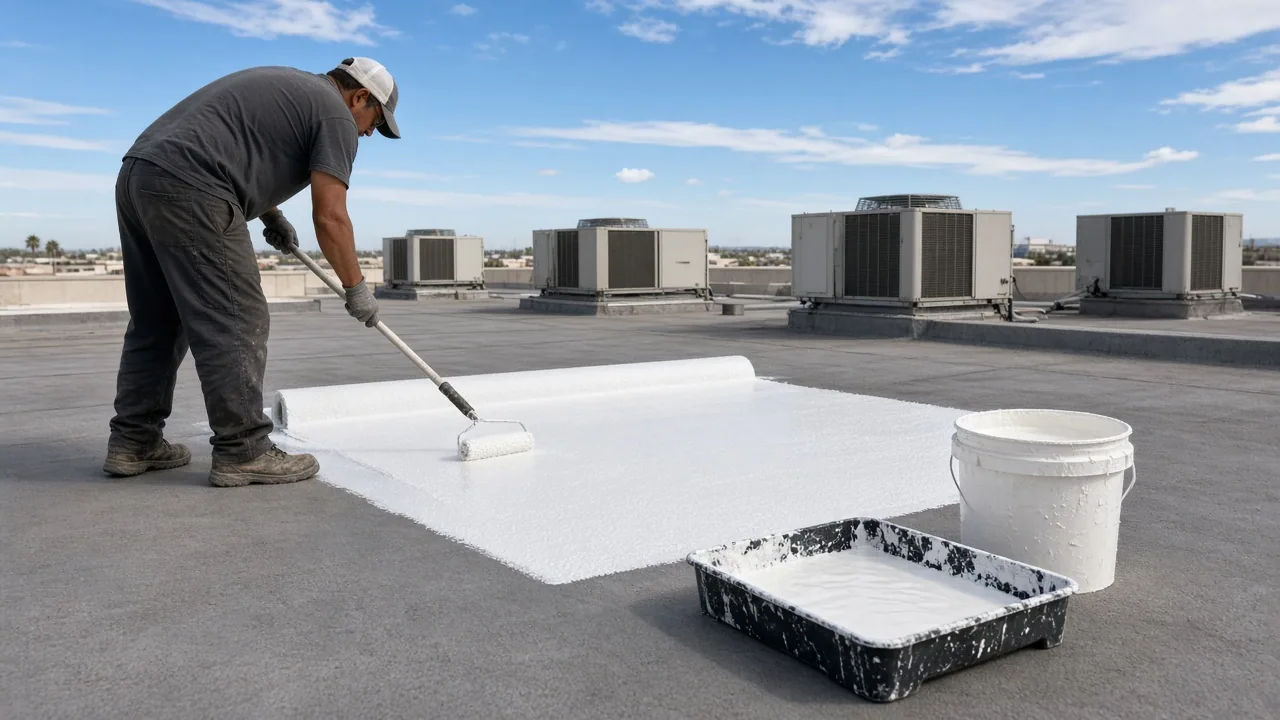
The first path is repair and restoration: replace failed fasteners with larger oversize screws and new washers, seal laps and penetrations, treat rust, and apply a fluid coating. The silicone coating and acrylic coating families both bond to properly prepared metal, and the choice follows drainage and rust condition.
The second path is a retrofit with new standing seam panels over sub-framing, which creates a new weathertight roof above the old one without a tear-off. The third is full replacement when panels are too corroded, the purlins are compromised, or insulation below is wet. The written scope shows the findings behind each option and the order of cost, so the owner can pick the path that matches the building plan.
Access and sequencing differ among the three. A coating job needs several dry days and a clean surface, a cover-over needs a crane or hoist for long panels, and a tear-off exposes the building to weather and calls for a dry-in plan. Occupied buildings, stocked warehouses, and shops with open bays all shape the schedule, and we write the sequence into the proposal before work begins.
Corrosion, Cut Edges, and Substrate Health
Rust starts at cut edges, scratches, and fastener holes. On galvanized or Galvalume panels, a small rust spot may be cleaned and primed, but widespread scaling means the coating has failed and the base metal is thinning. A magnet and a probe tell us how far the damage extends, and a tap test shows where the metal has lost thickness.
Purlins and decking below also matter. A leak that has run for years may have corroded the support steel, and a retrofit over bad steel is a poor bargain. We inspect from below when access allows and record any section loss. Where support steel needs repair, the retrofit scope includes it.
Heat Season, Reflectance, and Interior Conditions
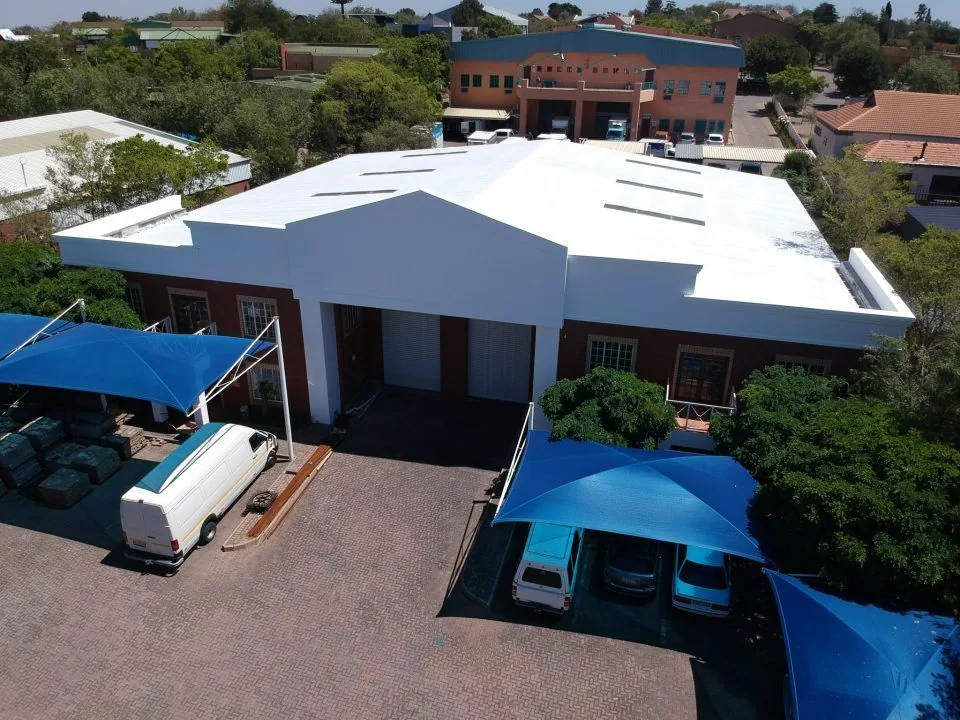
May through October is the heat-safety season for the Valley, according to Brownsville forecasters. Bare metal absorbs heat, then radiates it into the space below, and unconditioned buildings such as sheds, workshops, and agricultural storage can become very hot. A reflective coating or a light-colored new panel cuts that load. Our cool roof installation assessment looks at insulation, ventilation, and ceiling conditions so any change can be compared afterward.
Condensation is the other interior issue. Metal that cools at night while humid air sits below can drip, which mimics a leak. We distinguish the two with moisture readings, and the recommendation addresses the cause, which may be ventilation or a vapor barrier, since an extra coat of sealant will not stop moisture that forms inside the building.
Buildings Where Retrofit Is Considered
Agricultural support buildings around Alamo and the surrounding irrigated area, light industrial shops, equipment sheds, and older retail structures can carry exposed-fastener metal. Owners can compare the retrofit with standing seam replacement using the same inspection record. Properties in Alamo, Mission, and the surrounding towns receive the same written format, which makes budgeting across several buildings straightforward.
Questions and Answers
How many loose screws justify a full fastener replacement on a metal roof?
There is no fixed count. When backed-out screws show up across most panels and washers are cracked on a large share of the rest, spot repairs only chase the next failure. We sample several areas, count the defects, and present the result so the owner can compare a spot repair with a full pass.
Will a coating stop leaks at fasteners and seams?
A coating can seal small gaps and cover repaired fasteners, but it needs a prepared surface and sound panels. We reseat or replace screws first, seal laps with reinforcing fabric where needed, then coat. Cutting corners on preparation leaves weak spots beneath a thin film, and they tend to reopen during the first hot months.
Can new panels go over the old exposed-fastener roof?
Yes, when the structure can carry the added weight and the old roof is dry beneath. A sub-framing system holds the new standing seam panels above the old surface. Any wet insulation or damaged purlins are corrected first. The proposal lists which findings allow a cover-over.
What does a pull test tell us before we retrofit?
It shows how much force a fastener can resist in the existing purlin or deck. A low number points to corroded steel or an undersized member, which changes the design. We record each reading with its location on the sketch and use the results to set fastener size and spacing.
Why do some metal roofs drip even when the panels are intact?
Moisture can condense on the underside of cool metal when warm, humid air rises from the building. The drip appears below a perfect panel. Readings taken on the underside and in the insulation separate condensation from a leak, and the fix then targets ventilation or a vapor control layer.

Ask for an Exposed-Fastener Roof Survey
Request a visit to your Mission, TX metal roof and receive a written condition summary with fastener counts, pull test results, rust photographs, and a recommendation among repair, coating, retrofit, or replacement for budgeting or an insurance conversation.