
Service Areas
Commercial Roofing in Doffing, TX
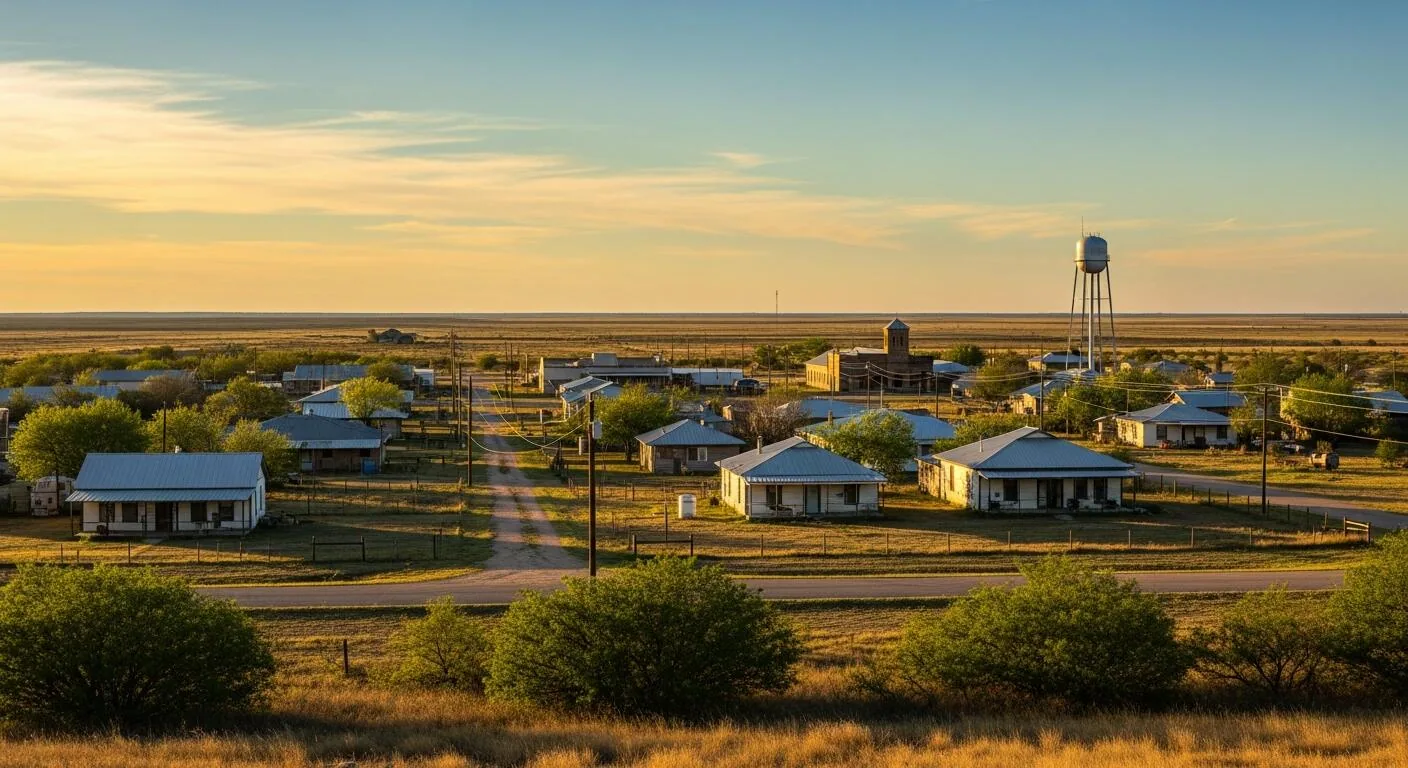
A roof's age is the first thing an inspector tries to establish, and in a growing community it is often the hardest. Doffing, TX is a census-designated place of 4.3 square miles whose population rose from 4,256 in 2000 to 5,618 in 2020. In a community that has grown like this, commercial buildings of different ages can sit near each other, and each carries its own system, its own warranty position and its own pattern of wear.
La Joya ISD zones schools in the area, including several elementary campuses and two high schools, and buildings in a community of this size can range from small offices to service and retail space. We start every visit by identifying the roof system and estimating its age from evidence, so that the findings are read against the right expectations.
Establishing System and Age
When records exist, we read them: drawings, invoices, warranties, past reports. When they do not, we identify the system on the roof by surface, seam type and thickness, take a core where the findings call for it and record the insulation and deck. Age is entered as a range with the evidence behind it, and the file marks it as estimated until confirmed. A later invoice or drawing can narrow the range, and the file is updated when it arrives.
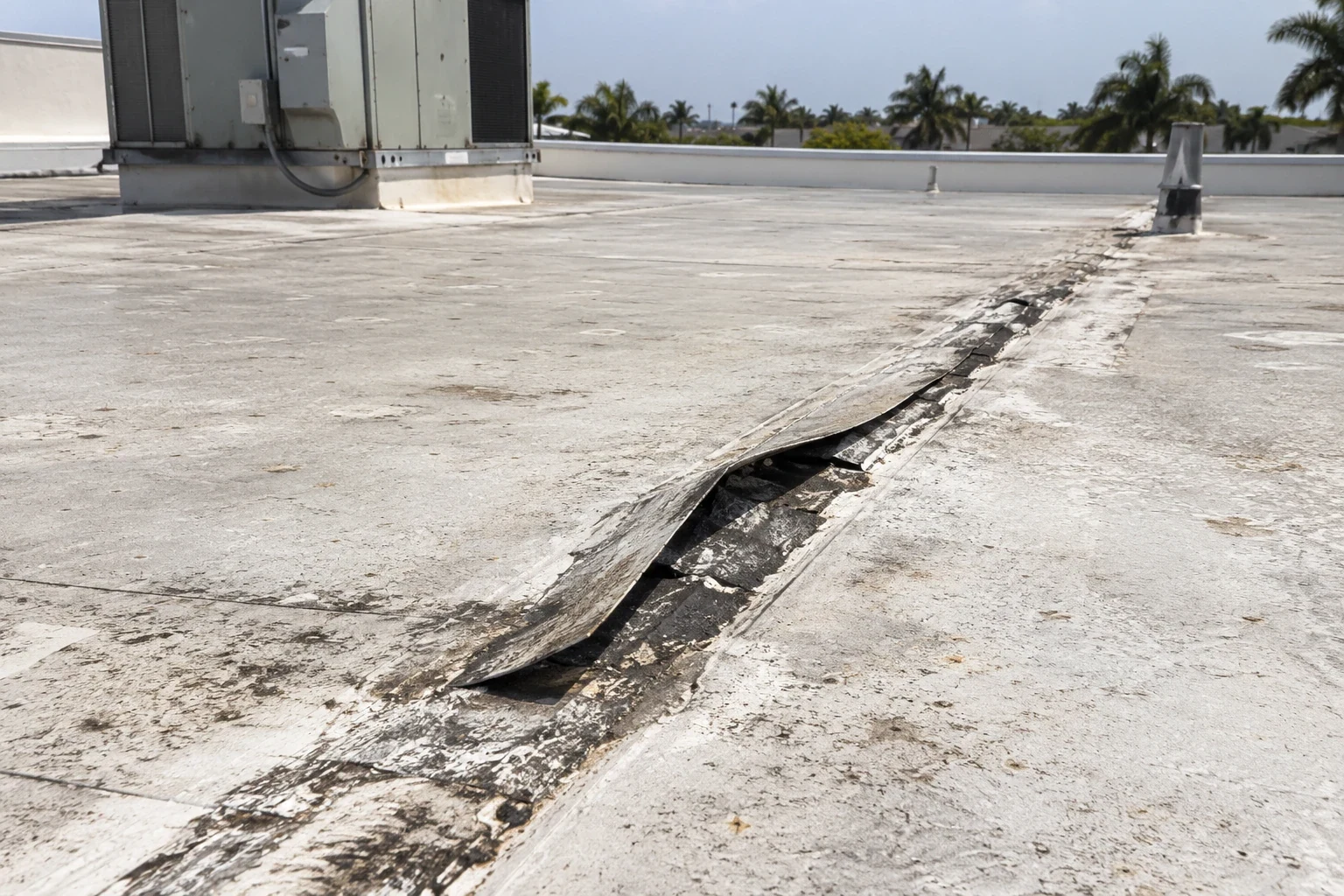
This matters because a seam defect on a roof in its first years suggests a different cause from the same defect on a roof that has been through many heat seasons. Early failures point to workmanship or material, and a seam failure on a young roof is the usual example. Late failures point to age and exposure. The recommendation depends on which, and it is written down with the observations that support it.
Roofs in Their Early Years
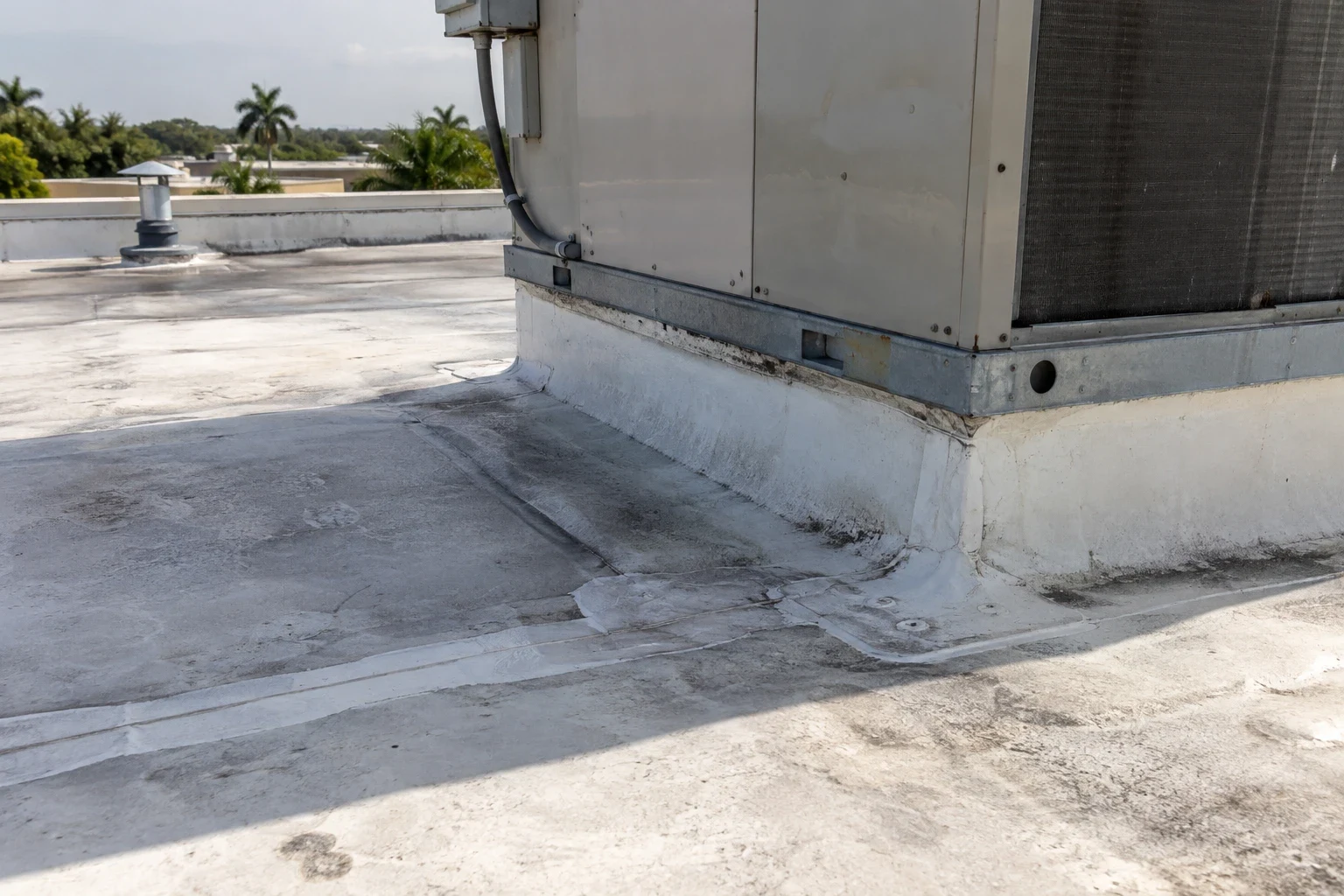
For a building from the growth years, the first visits are about catching problems while they are still covered by someone else. We check for open seams, unsealed penetrations, missing fasteners, poorly terminated flashings and drains set too high. Each is photographed and dated, and the owner receives a list that can be sent to the installer or the issuer of a warranty.
Warranty dates are checked early. A defect reported in time is the installer's or manufacturer's concern, and one reported late may fall to the owner. We note the start date, the notice period and any maintenance duties, and we place the first inspection so that findings can still be reported inside that window. Keeping that paperwork in step with the roof is the work of roof warranty management.
Punch Lists and Handover Records
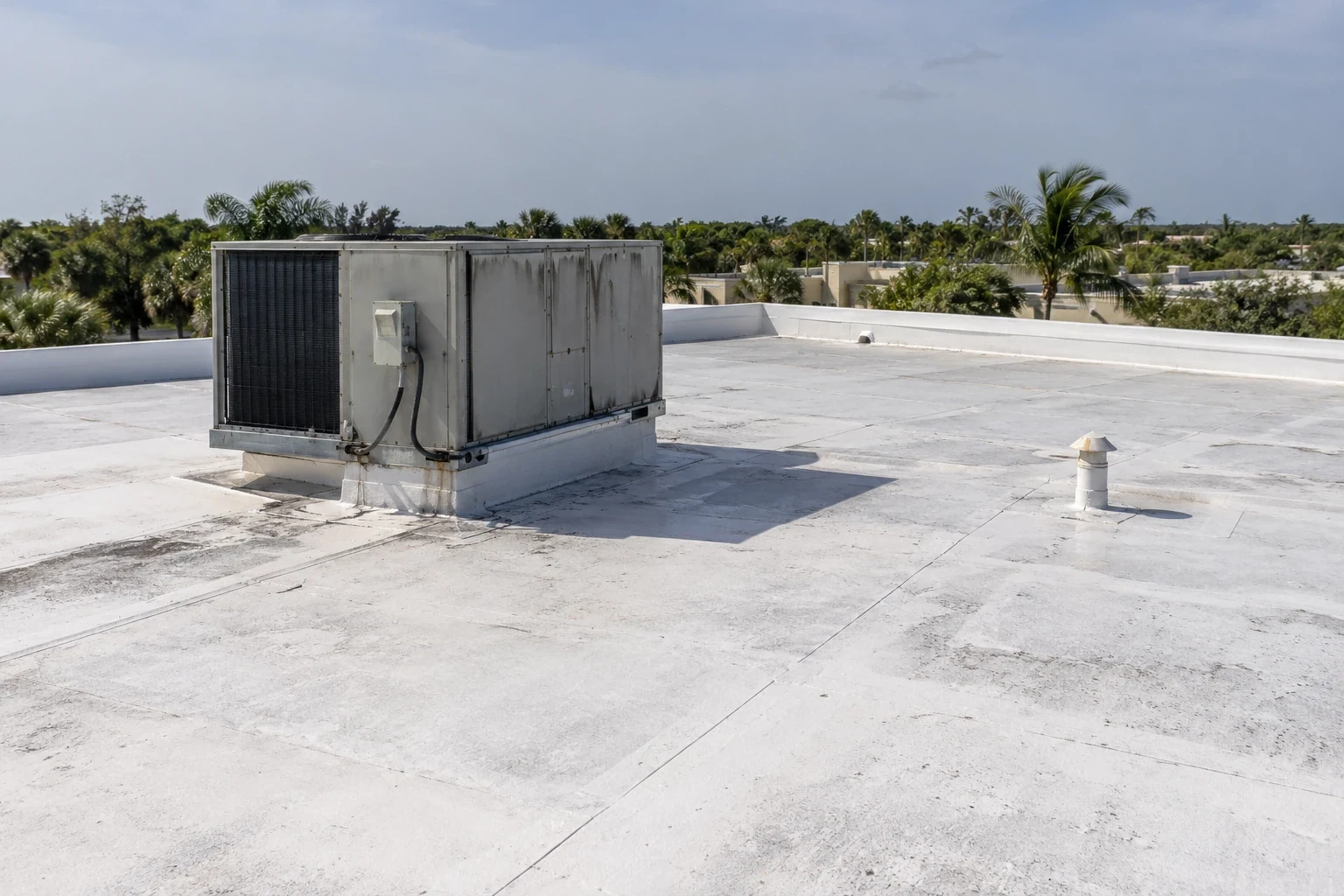
When a building changes hands, or a tenant takes over a space, the roof can be the least documented part of the transfer. A handover inspection fills that gap. We walk the roof, photograph the existing conditions and list open items: unsealed penetrations, loose trim, missing walkway protection, standing water, debris in drains. Each item has a location, a photograph and a proposed action.
The list works as a punch list for the party responsible, whether that is a contractor finishing work, a seller or a landlord. It also gives the new owner a baseline that begins on a known date. Months later, a stain inside can be compared against the handover record to see whether the roof changed or the stain was already there. That comparison saves arguments and shortens repairs.
Where the handover includes a change in rooftop equipment, such as new units or relocated lines, the record notes each new penetration and the sealant used. Those details are the most frequent sources of early leaks.
Heat Season Wear and Coating Checks
Heat-safety season in the Valley runs May to October, and membranes, seams and coatings spend those months under direct sun. Sealants harden, surfaces chalk and thin spots in coatings open up. We photograph each condition and measure what can be measured: crack width, shrinkage at walls and, where a coating is present, film thickness at several points.
A coating that has thinned along walkways or around drains is marked on the sketch with the readings. Peeling, blistering and pinholes each point to a different cause, and each gets its own note. The decision to recoat, repair or replace comes from the combination of coating condition, membrane condition and moisture, which is why coating restoration is scoped only after the survey.
Storm Season in a Growing Community
The tropical season runs June to October, and flood readiness is a year-round matter. Hanna's 2020 rainfall in Mission and McAllen ran a foot or more, and winds along the I-2 corridor were estimated at 60 to 65 mph. The baseline and comparison method works the same wherever the roof sits.
We record edges, seams, flashings and drains in the spring and again after a named storm. Moisture readings go on the sketch. If the second record shows new openings, they are repaired and photographed. If it shows none, the owner has documentation that the roof came through unchanged, which is useful to a lender or insurer. Roofs in Mission and Palmview follow the same steps.
Repair, Recover or Replace
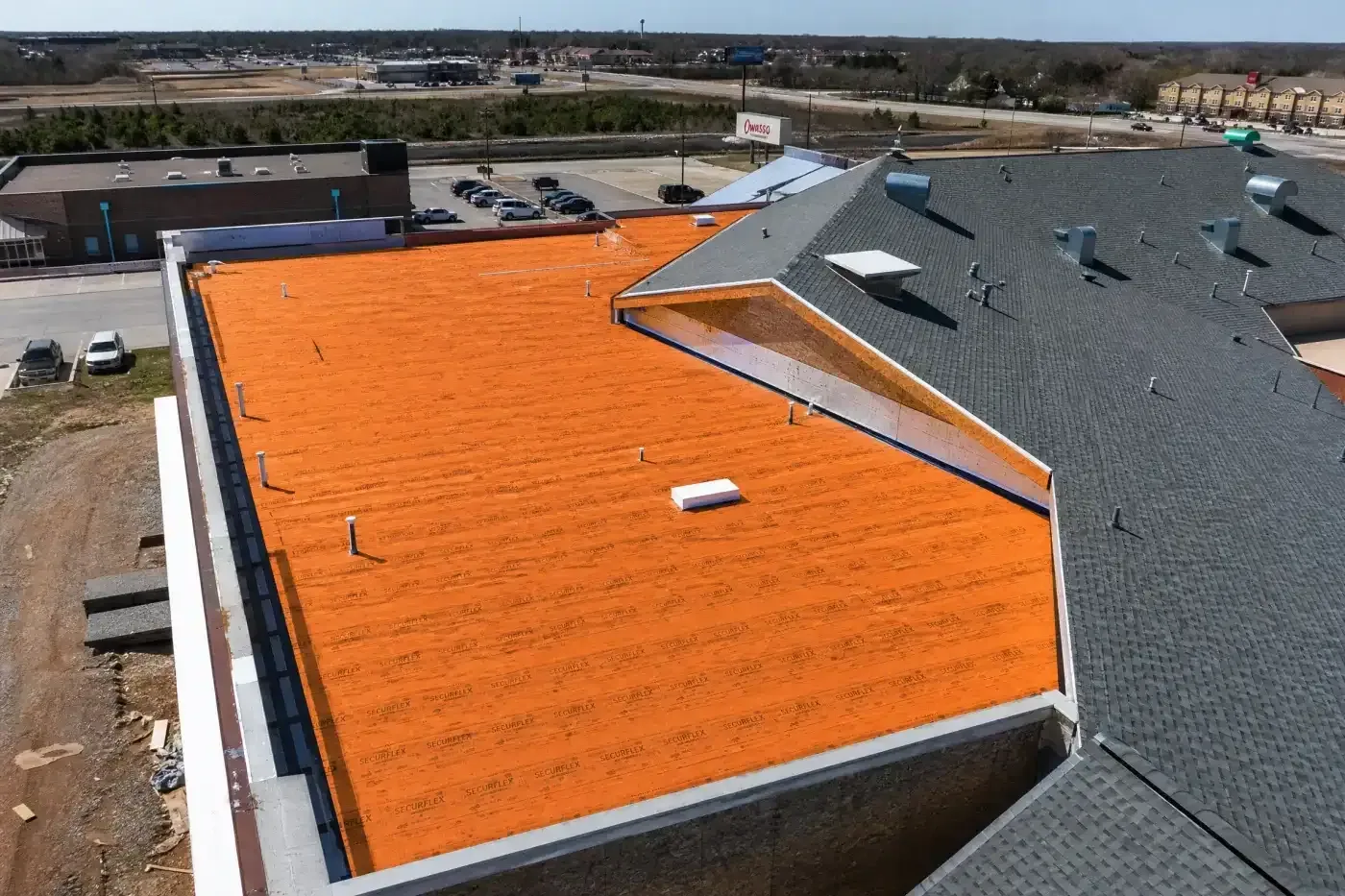
The decision follows the findings. A roof with limited defects and dry insulation is repaired. One with sound membrane and worn surface may be coated. A roof that can carry a second membrane and has dry insulation can be covered with a recover. A roof with wide wet areas or failed attachment is replaced.
Cost depends on area, system, insulation condition, access and the schedule. School calendars and tenant hours narrow the working windows in a community with several campuses, and we state them in the recommendation. The written summary lists each option with its cost and the findings that support it, so the owner can see what would change the choice. A roof that qualifies for repair this year may qualify for coating or replacement next year, and the summary notes the findings that would move it, such as spreading wet areas or a second failed seam in the same section.
Questions and Answers
Why does the age of a roof matter to the repair plan?
Age tells us what failures to expect. A seam that opens in the first few years suggests workmanship or material, while one that opens after many heat seasons suggests aging. The repair, the warranty claim and the budget differ for each.
What if I do not know when the roof was installed?
We estimate from the system, surface, core samples and building history, and record the result as a range. The file marks age as unconfirmed until a record turns up, and the recommendation does not depend on a single guess.
When should a newer roof be inspected?
Early, while any warranty is in force. A first inspection in the first years finds problems that are still the installer's or issuer's responsibility. After that, an annual spring inspection keeps a baseline.
How is coating condition measured?
By film thickness readings at several points, plus visual checks for peeling, blistering and pinholes. Thin areas along walkways and around drains are marked on the sketch.
Can work be scheduled around school calendars?
Yes. Major work is planned for breaks where schools or school-dependent businesses are involved, and emergency repairs are available whenever needed.
What belongs in a handover roof record?
A dated set of tagged photographs, a rooftop sketch, a list of open items with proposed actions, and the system and warranty details if known. It gives a new owner or tenant a starting point that later leaks can be measured against.
Request a Documented Inspection
Ask for a visit to your Doffing, TX roof and receive a written condition summary with tagged photographs, a rooftop sketch and moisture readings. The summary states which findings call for repair, coating or replacement, and it can be reused for budgeting or an insurance conversation. Start from the contact form.