
Roofing Capabilities
Roof Warranty Management in Mission, TX
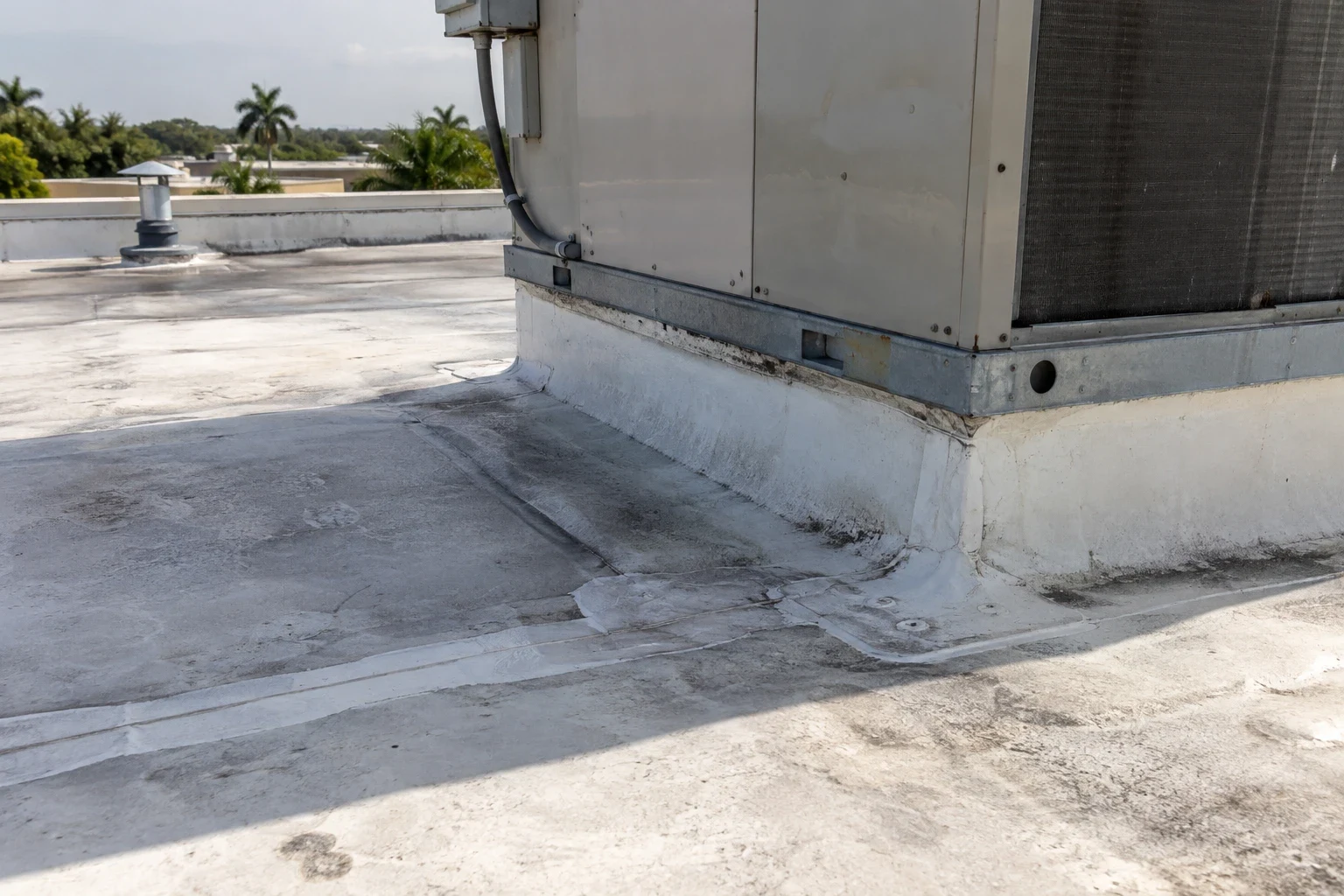
The first entry in a warranty file is a copy of the warranty itself, with three dates highlighted: the start of coverage, the end of coverage and the notice period for a claim. Next to it goes the list of duties the owner has accepted, such as annual inspection, prompt notice after repairs or restrictions on who may alter the roof. Those lines decide whether a covered problem is actually covered.
For owners and property managers in Mission, TX, warranty management is a records task more than a roofing task. A warranty is a contract, and the roof's condition record is the evidence that the owner kept to it. We build that evidence as the roof is inspected and repaired, so that a claim, a sale or a renewal starts from a complete file.
Reading the Warranty First
Before any repair is scoped, the warranty is read for four points. What is covered: materials, workmanship or both, and whether weather events are excluded. What is excluded: ponding water, foot traffic, rooftop equipment work, unapproved repairs or storm damage over a stated wind speed. What the owner must do: inspect, maintain, report, and use approved contractors for certain work. And what the claim process is: who to notify, in what form and by when.
We summarize these points on one page and place it at the front of the roof file. Where a warranty is unclear, we say so and recommend that the owner confirm the reading with the issuer. Coverage is read as the document states it, and questions about meaning go back to the issuer.
The Maintenance Record That Backs the Warranty
A warranty claim depends on proof that the roof was cared for. The record that supplies the proof is made up of dated inspections, photographs tagged to roof sections, repair invoices with the materials used, and drain logs. Gaps in this record are where claims get disputed.
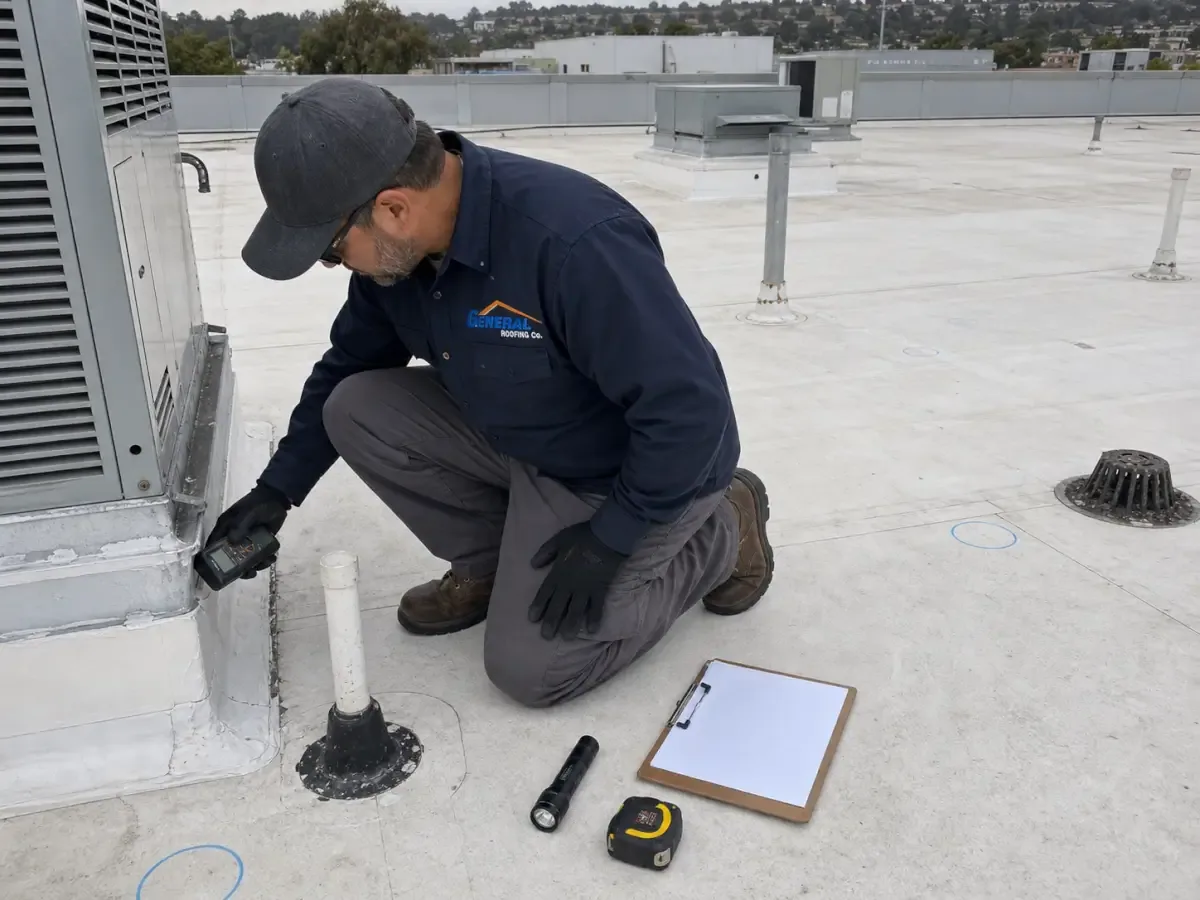
Each inspection adds an entry. We log the condition of seams, flashings, edge metal and drains, and note any change from the last visit. When a repair is made, the entry names the system, the method, the material and the date. Photographs before and after are stored with it. If the warranty requires the issuer's approval for a repair method, the approval is attached to the entry.
Drains get their own log because blocked drains and standing water appear as exclusions in many warranties, so the owner needs proof of clear outlets. A dated record showing clear outlets before and after each storm is direct evidence that the owner kept the roof drained, and it costs a few minutes at each visit. The same log shows when a drain was last cleared before the June-to-October tropical season began, which becomes the date that matters after a heavy rain.
Notice Dates and Storm Events
Many warranties require notice within a stated number of days after damage or a leak is discovered. A missed notice can reduce or end coverage even where the underlying problem is covered. The file therefore carries a calendar of notice requirements, and any finding that may be warranty-related triggers a check against it.
Storms raise the stakes. Hurricane season in the Valley runs June through October. Hanna in July 2020 left hundreds of poorly built structures damaged, with most of the harm at the roof. A roof under warranty that is damaged in such an event needs two tracks at once: temporary protection to stop water and a notice to the issuer. We run both, and we photograph the damage before it is disturbed.
Valley Heat and Warranty Wear
The Valley's May-to-October heat-safety season bears on what a warranty is worth, because the sun exposure is long. Surface wear, shrinkage and sealant failure appear on roofs with long sun exposure, and some warranties distinguish normal weathering from defects. The condition record helps separate the two: a dated trend of gradual wear looks different from a seam that opened early.
We note in the file whether findings are consistent with age and exposure or point to a possible defect. That judgment is a recommendation for the owner to take to the issuer, not a determination of coverage. In either case, the photographs and moisture readings give the issuer the information it needs.
Repairs That Protect Coverage
The wrong repair can end a warranty. Some issuers require specific materials or methods, and some require their approval before work begins on a covered roof. Others limit alterations such as new penetrations, rooftop equipment and coatings. Before a roof repair or a coating restoration goes forward, we check the warranty terms against the proposed work.
When a repair is outside the terms, the owner is told before it is done, with the options. Sometimes the right answer is to let the issuer handle a claim. Sometimes the warranty is nearly over and the repair should proceed. Sometimes a roof with a long record of clean inspections is better served by a claim than by a repair paid for out of pocket. The decision belongs to the owner, and the file records it with the reasoning, the date and the people who were told, so the choice can be explained later to a buyer, a lender or the issuer.
Warranty Tracking Across Buildings
An owner with several roofs may have a spread of warranties with different start dates, terms and duties. The file lists them together in one table: building, roof section, issuer, expiration and open duties. A date approaching expiration triggers an inspection while the issuer's coverage still applies, which gives the owner a chance to raise defects before the coverage ends. The inspection is scheduled early enough that a finding can still be reported inside the notice period, and the photographs are taken with that report in mind.
The table feeds roof capital planning, since expiring coverage is one input to replacement timing, and it works alongside roof asset management. Owners with buildings in Mission, Alton and Palmview can keep all of it in one file. When a sale is near, a due diligence survey turns the same file into a statement of roof condition for the buyer.
Questions and Answers
Which gaps in the file put a warranty claim at risk?
Missing inspection records, late notice and repairs made outside the issuer's terms are the gaps that put a claim at risk. A dated inspection and repair log, kept from the start, closes most of them.
Do I need to inspect the roof every year to keep a warranty?
Many warranties require periodic inspection or maintenance, though terms vary. We read the document and set the schedule it calls for, with a spring visit before the heat and tropical seasons overlap.
What should I do first if the roof is damaged and under warranty?
Protect the roof from further water, photograph the damage before anything is moved and check the notice requirement. Then contact the issuer in the form the warranty requires. We help assemble the record.
Can a coating be applied over a warranted roof?
Only if the warranty permits it or the issuer approves. Some warranties end when a coating is applied. We check the terms before recommending one and put the answer in writing.
What happens to the warranty if the building is sold?
Some warranties transfer with notice or a fee, and others do not. The file shows the transfer conditions so they can be raised during the sale, and a due diligence survey can document roof condition at the time.

Request a Documented Inspection for Your Warranty File
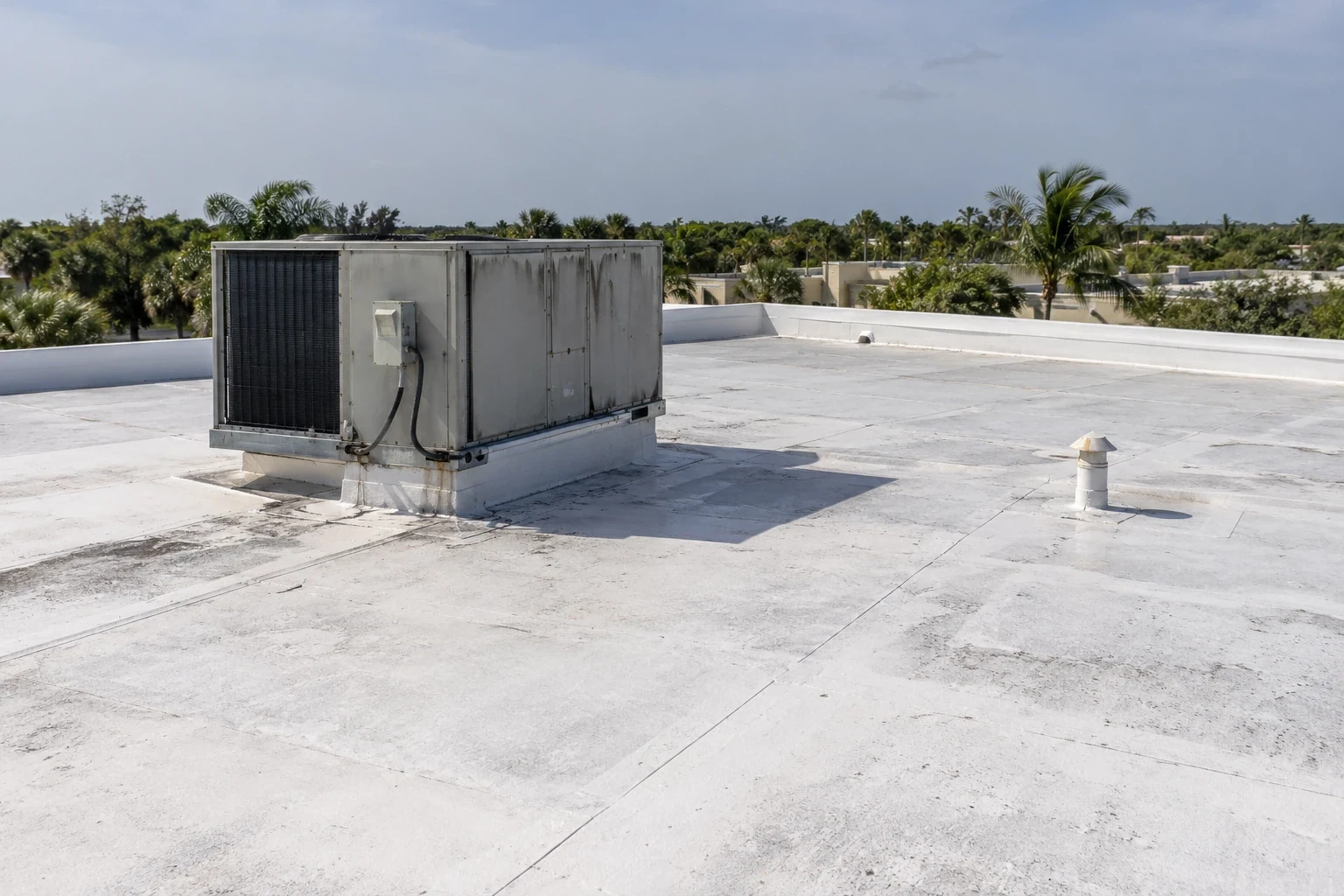
Send us the building address and a copy of the warranty if you have one. The written condition summary will include dated photographs, repair history and open duties, and it can be reused for budgeting or an insurance conversation.