
Roof Damage Repair
Seam Failure Repair in Mission, TX
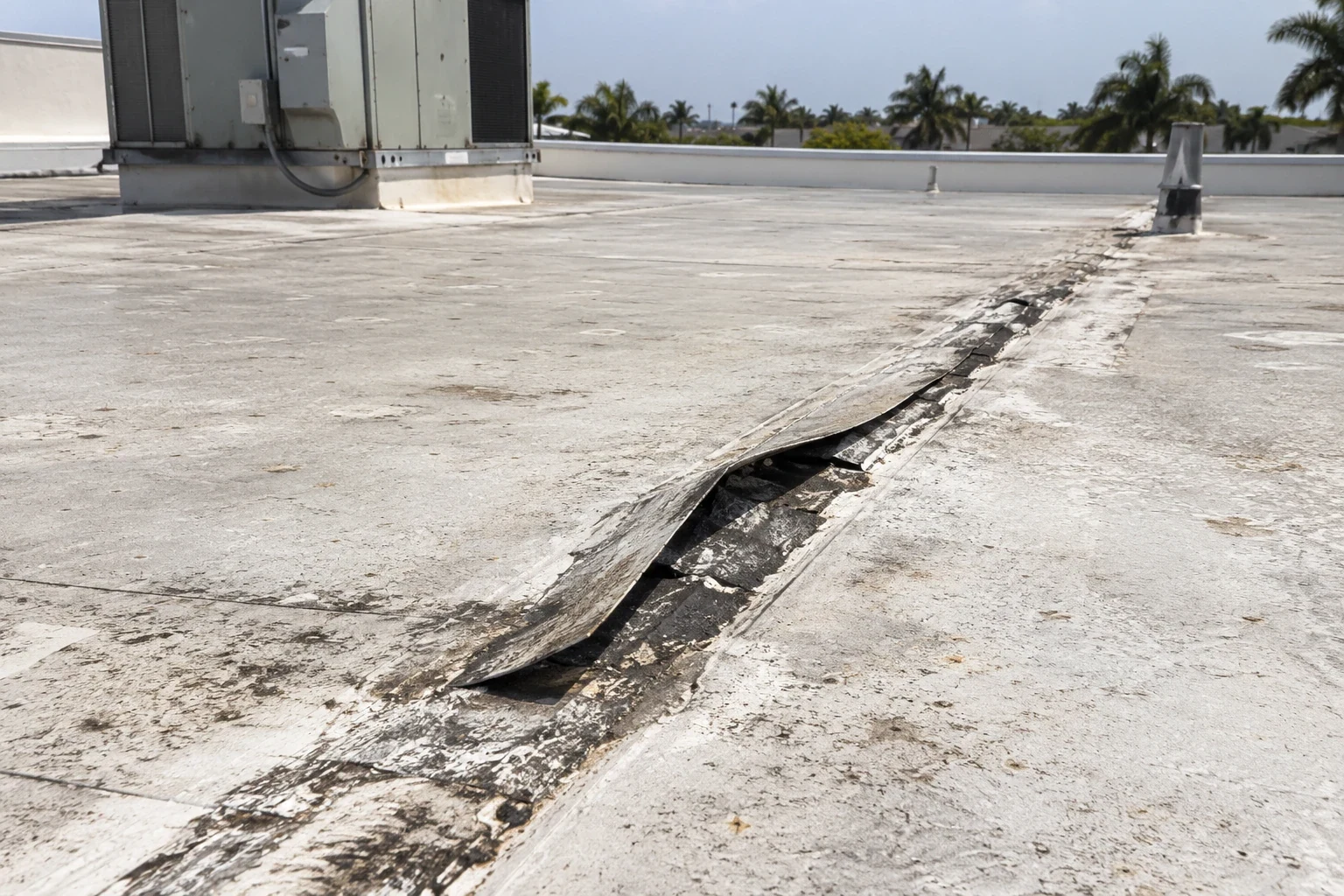
The first line on a seam inspection is a probe result: a blunt tool slid along the lap, with each point where it enters the joint marked in chalk and photographed beside a scale. A seam that holds gives resistance. A seam that has opened lets the tool slide under the edge, and the length of that opening is the measurement that drives everything else.
On commercial roofs in Mission, TX, seams are the longest joints on the roof and the ones most affected by months of heat. A single-ply roof can carry hundreds of feet of them, each depending on a bond made on one day by one crew. Finding a failed seam, explaining why it opened and repairing it in a way that lasts are three separate steps, and each is logged.
Reading the Seam Line
Visible signs are subtle at first. A lap edge lifts and curls. A fishmouth opens where the upper sheet flares away from the lower. Dirt or standing water collects along one side of the seam. The membrane next to the seam turns chalky or discolored in a strip. Each of these goes into the log with a photograph and a roof section tag.
The probe test follows. We run the tool along every seam in the affected area, not only those that look suspicious, because a seam can be open without showing it. Each open stretch is measured and marked on the rooftop sketch. Seams that cross or end at flashings, curbs and drains get extra attention since they carry the stress of the sheet and of the detail together.
Why Seams Open in the Valley
The Valley's heat-safety season runs May through October. A roof surface in that season reaches temperatures well above the air, and it cools sharply at night, so every seam is stressed daily. Over months the repeated movement works on the bond, especially where the bond was marginal to begin with.
Other causes add to the load. A weld made on a damp or dirty surface may never have cured fully. An adhesive applied too thin or left to dry too long loses its grip. Foot traffic across a seam near equipment can break a bond that was already weak. The pattern of failure tells the story: seams failing in a line suggest a workmanship or material problem, and seams failing near doors and units suggest traffic.
What Wind and Rain Add
Seams that have opened by even a small amount are exposed to wind. Dolly's gusts of 50 to 70 mph across populated Hidalgo County in 2008 and Hanna's estimated 60 to 65 mph in 2020 are the loads such a seam has to survive. A lifted seam can peel under that kind of load, extending the opening from inches to feet.
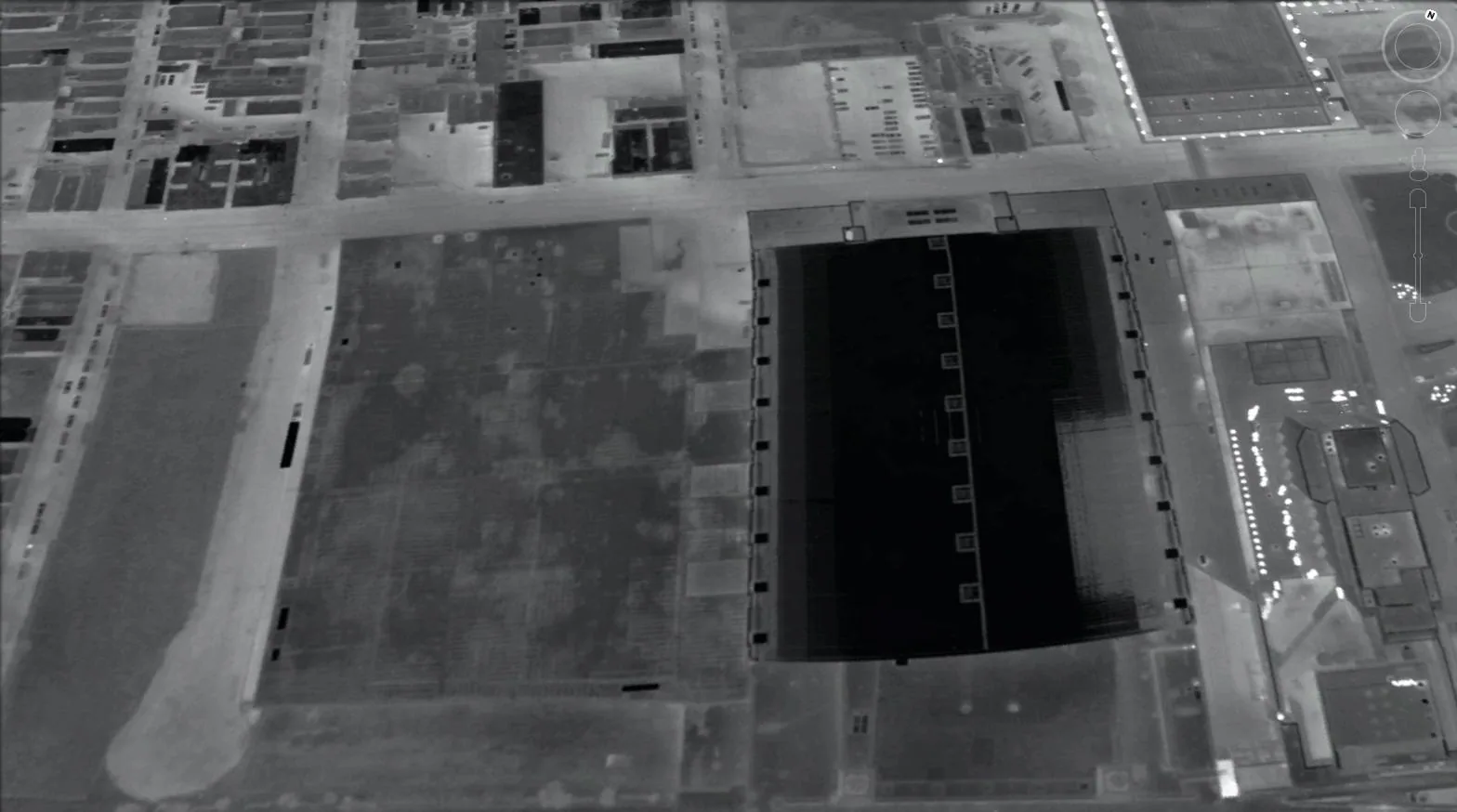
Rain then enters the opening. Rain follows the wind: Hanna's totals ran from 12 to 14 inches in parts of Mission and McAllen. Water that reaches insulation through a seam spreads sideways under the sheet, so the stain inside the building may sit far from the opening on the roof. A moisture survey traces it back, and the infrared moisture survey is the quickest way to map a wide area.
Repair Methods by System
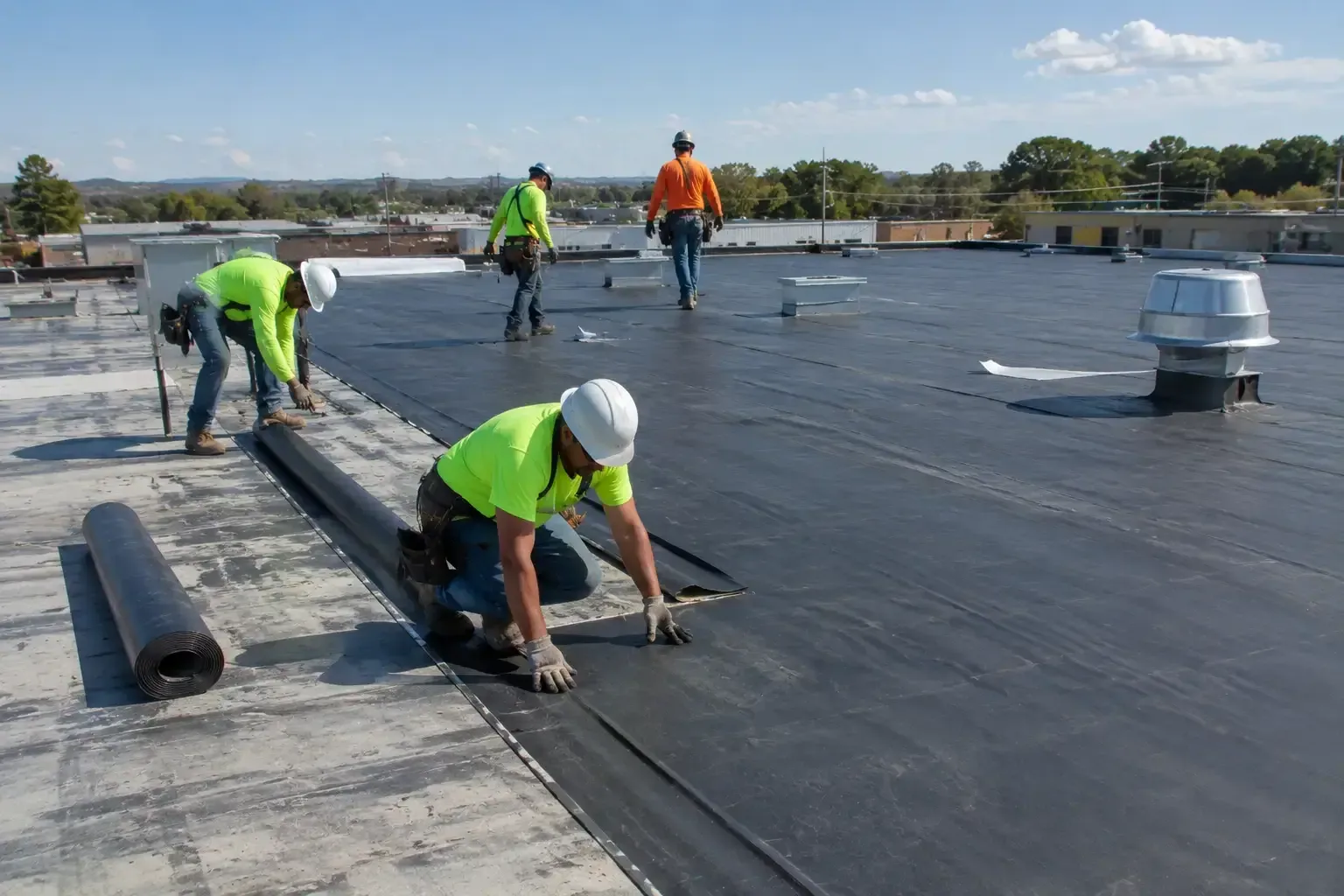
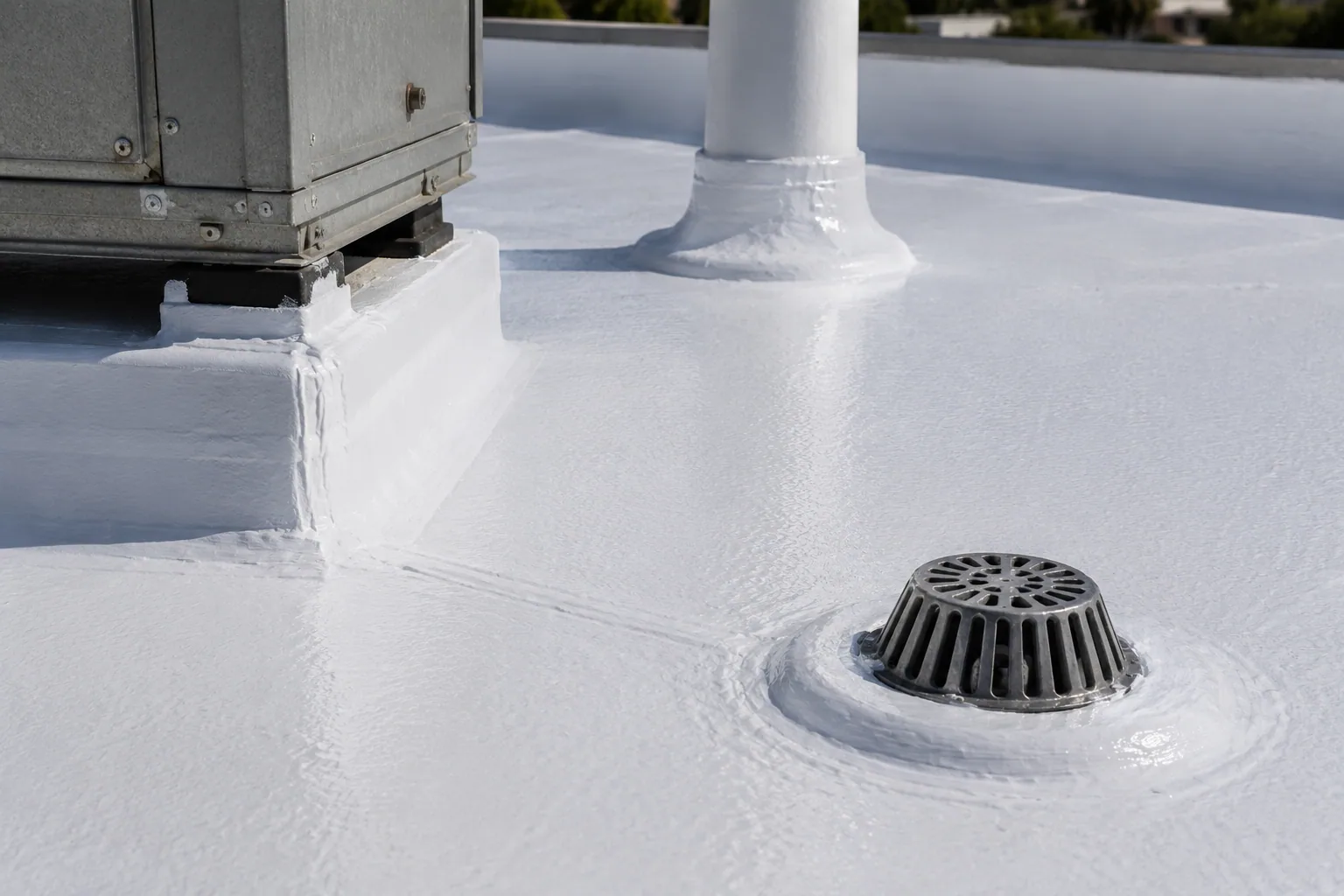
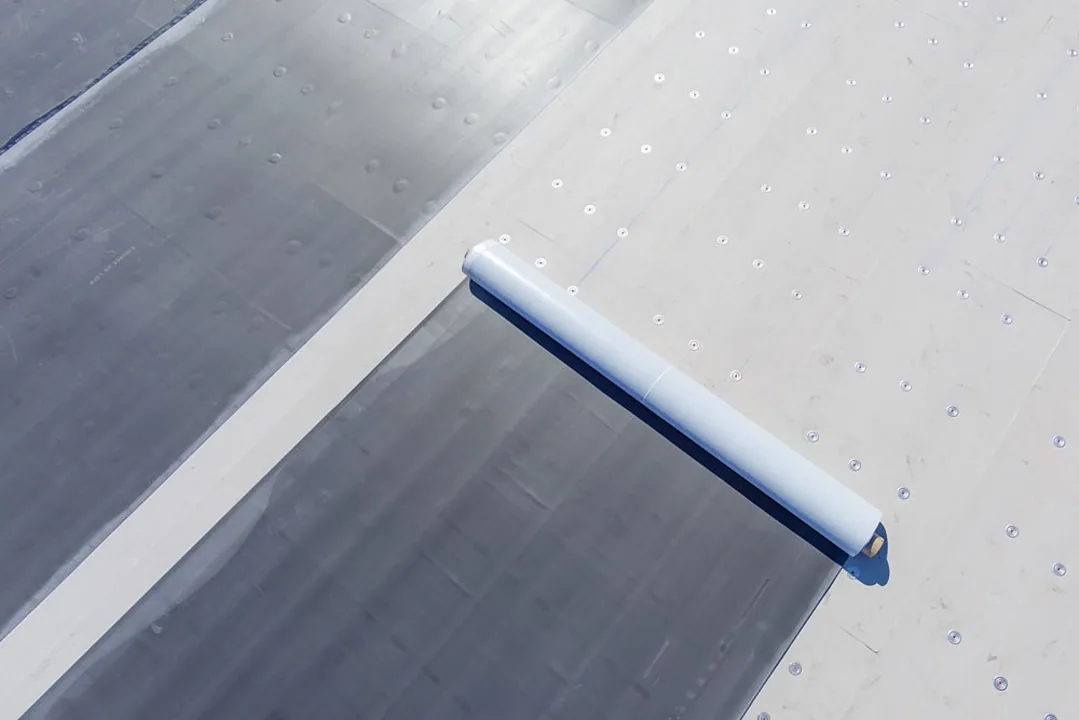
Repair depends on the membrane. On a heat-weldable sheet such as TPO or PVC, the seam is cleaned, the open section is reopened to sound material and rewelded, and a cover strip is added where the edge is damaged. On EPDM, the lap is cleaned, primed and closed with splice adhesive or tape, and the edge is sealed.
Every repair is probed again after it cures, and the result is entered in the log. Sections that fail the second probe are redone. Where seams are failing across a whole roof section and the membrane is also aged, the report compares continued repair with a coating restoration or a larger scope, since the cost of repeated seam work can exceed a planned project.
Related Findings to Log in the Same Visit
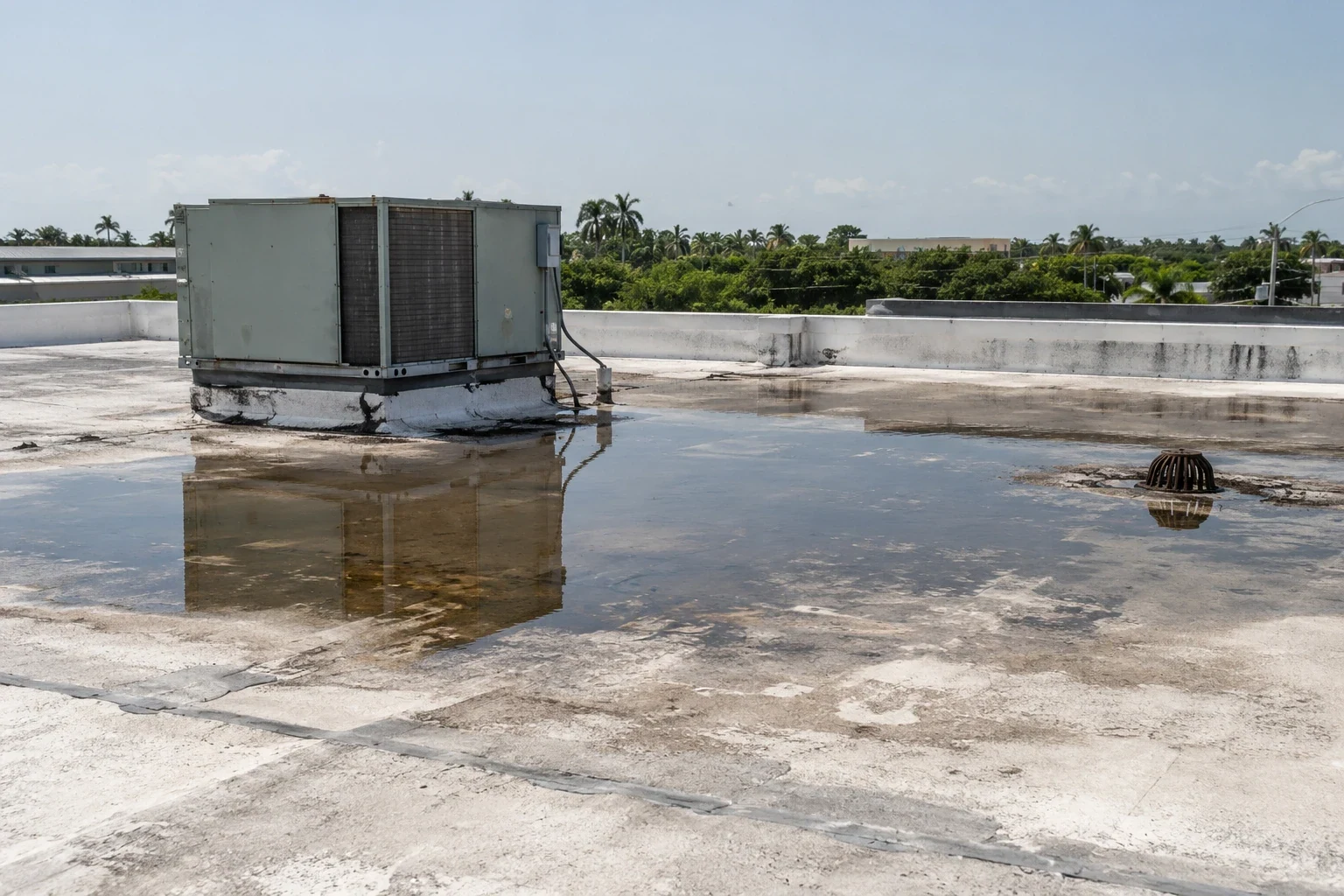
Seams rarely fail alone. A seam that sits in a ponded area has probably been under water for weeks, and the nearby ponding belongs in the same record. A seam that opened near a curb may point to a flashing problem. A seam that opened in an area of foot traffic may call for walkway pads. Logging these together prevents a repair from solving one defect while its cause remains.
Heat damage to the membrane surface near a seam is also noted. A surface that has chalked or cracked will not accept a new weld as easily, and in that case the repair may require cutting back to sound material. The heat and UV degradation findings carry the same photograph set.
The Seam Map as a Baseline
A seam map is a drawing of the roof with each lap, cap strip and field seam traced and numbered, and a status written beside each: sound, monitored or repaired. Building it takes longer than a single repair visit, but it pays back every time the roof is inspected again. The second walk starts from the map, not from nothing.
Before the tropical season we recommend probing a sample of seams in each roof section and updating the map. After a named storm the same seams are probed, and any change is marked. A seam that held before and has opened since belongs to the storm. One that was already marginal belongs to maintenance. That line helps the owner explain a repair request, and it spares the roof from a larger scope than the findings support.
The map also shows patterns that single visits miss. If most failures lie along one elevation, wind or drainage may be the driver. If they lie along a single crew's work, a material or workmanship problem is likely. Either answer changes the recommendation.
Condition Record and Scope
The written recommendation lists each open seam by location and length, the cause where it can be identified, the repair method and the findings that are only monitored. Roofs in Weslaco, where Dolly lifted roofs mainly on older structures, and in Alamo, where seasonal-visitor and agricultural buildings are common, are compared with the same checklist. The record also gives the next inspector a baseline for comparison after the next named storm.
Questions and Answers
How long should a welded seam last?
A properly made seam should last as long as the membrane. Early failures usually trace to dirt or moisture at the time of welding, incorrect welding temperature, or stress from movement. The probe record shows whether failures are isolated or in a pattern.
Can a small open seam wait until next season?
A small opening can grow under wind and heat, and rain entering it can wet insulation. If the opening is minor and the surrounding sheet sound, a short-term seal may hold until a planned repair, but the written recommendation sets a date.
Do seam repairs need dry weather?
Yes. Welds and adhesives need clean, dry surfaces to bond. We schedule repairs for dry windows and cover open sections between visits when a storm is forecast.
How do I know whether the roof needs repair or coating?
The count and distribution of failed seams, the age of the membrane and the moisture map decide. The recommendation shows the cost of each path so the owner can compare them.
Will a seam repair fix a leak I see inside?
If the seam is the entry point, yes. A moisture survey and the probe record help confirm it, and a second inspection after the next rain closes the loop.
Request a Documented Seam Inspection
Send us the building address and the area of concern. The written condition summary will list each open seam with its length, photographs and moisture readings, and it can be reused for budgeting or an insurance conversation.