
Service Areas
Commercial Roofing in Weslaco, TX
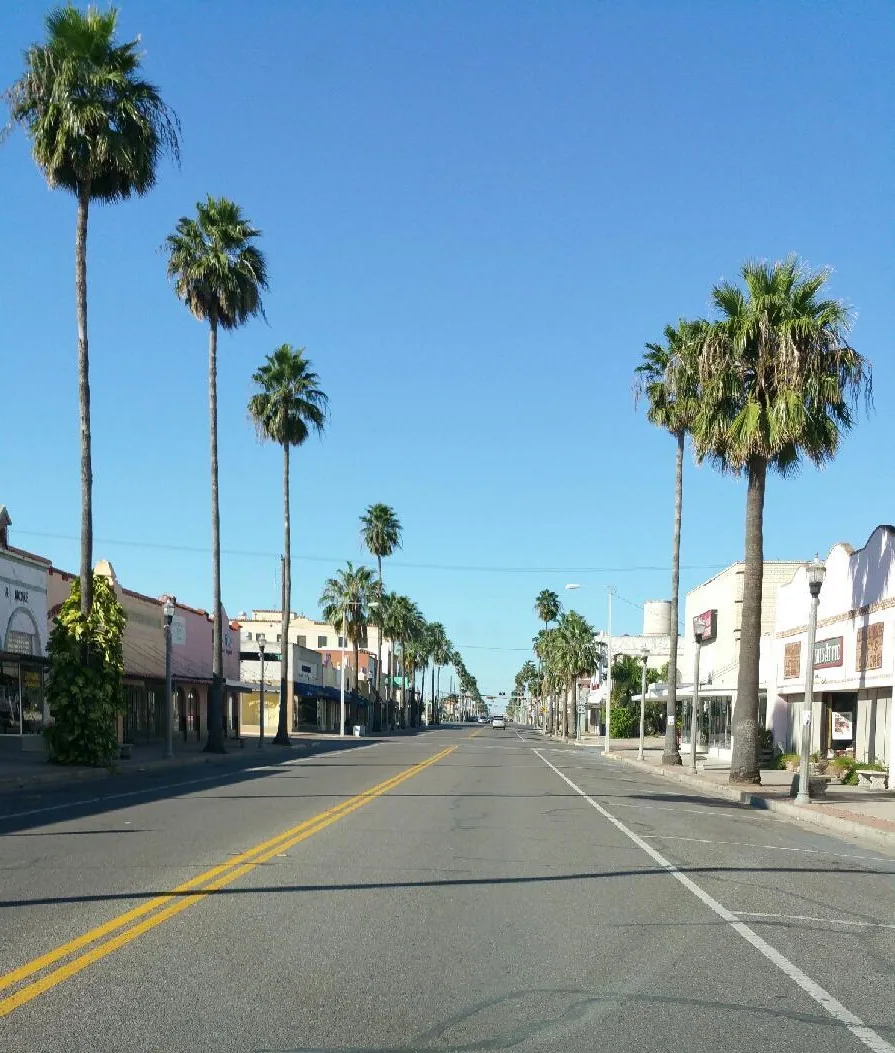
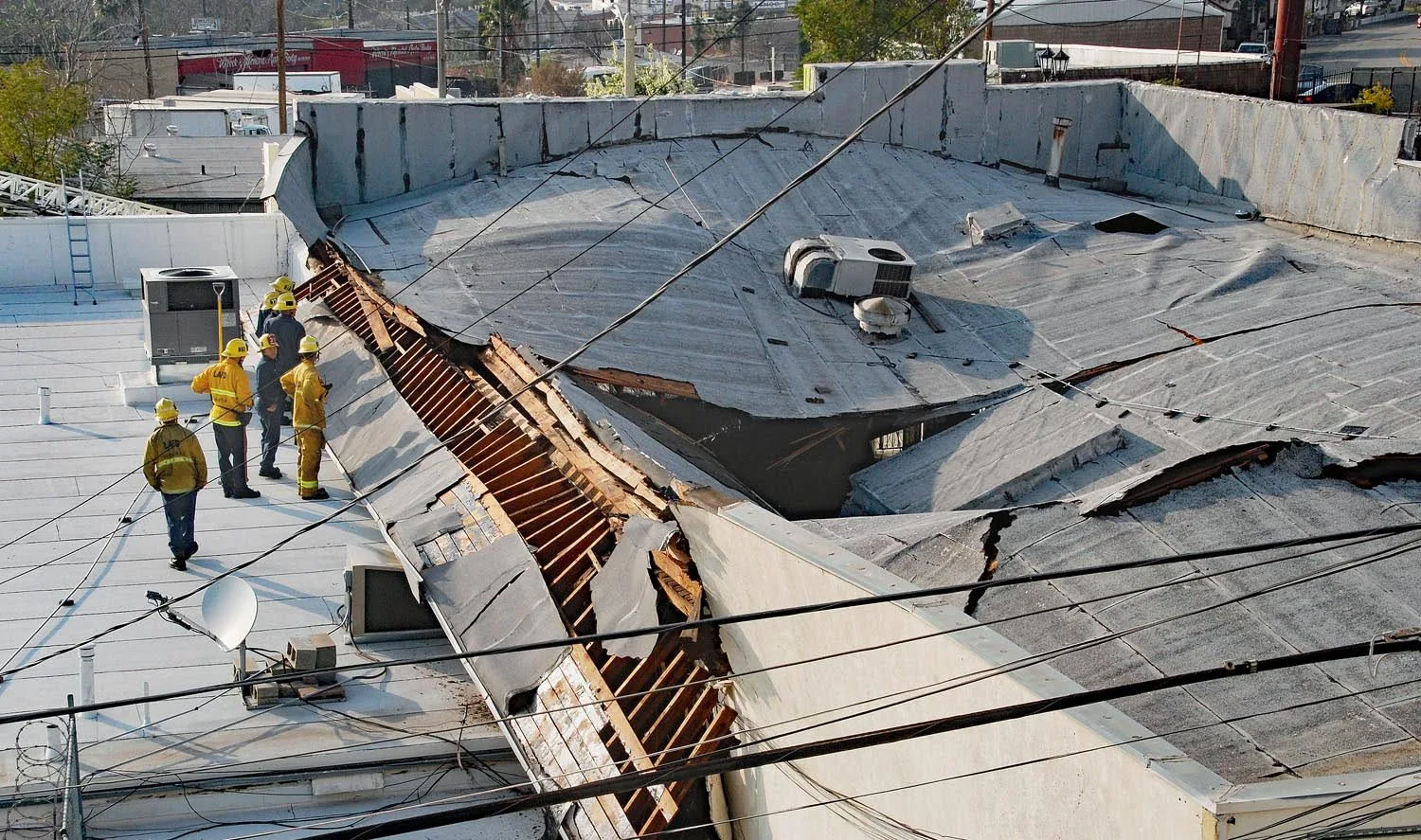
The oldest finding in Weslaco, TX is written in a weather report: during Hurricane Dolly in 2008, near-hurricane-force winds near Weslaco lifted roofs and collapsed walls, mainly on older structures. An inspector walking a Weslaco roof carries that sentence into the work. The first entries on the sheet are the age of the building, how the roof is attached, and what the edges look like, because older construction is where wind finds its way in. From there the record moves to drains, seams, and the details that decide what a repair costs.
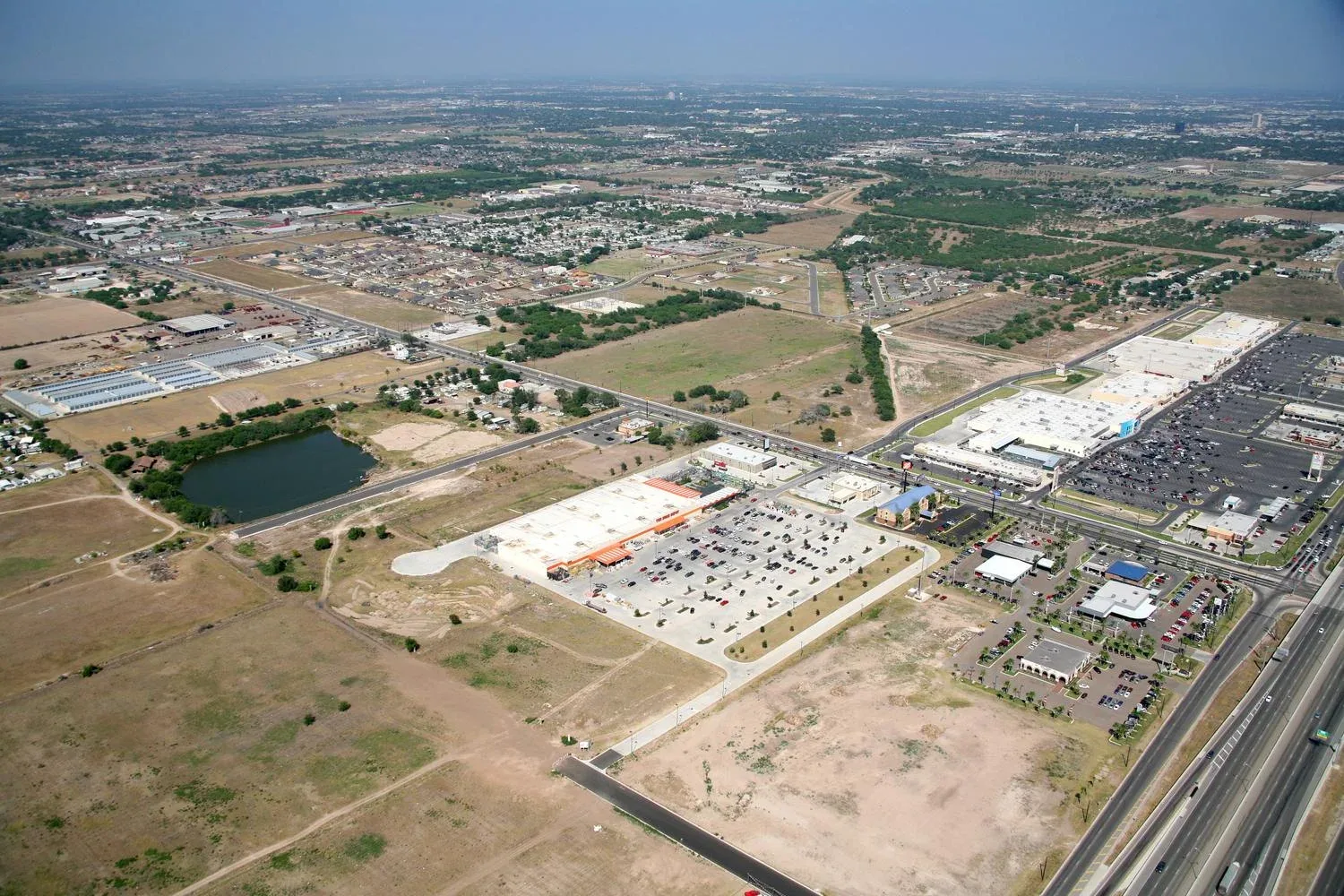
Weslaco's Place on the I-2 Corridor
Weslaco sits about 16 miles east of McAllen, with I-2 and US 83 running through the city and 40,160 residents counted in 2020. Cross-border trade is a major driver, and Weslaco is also a Winter Texan destination. Buildings serving that trade and that seasonal visitor base share a need: a roof that stays dry without constant attention.
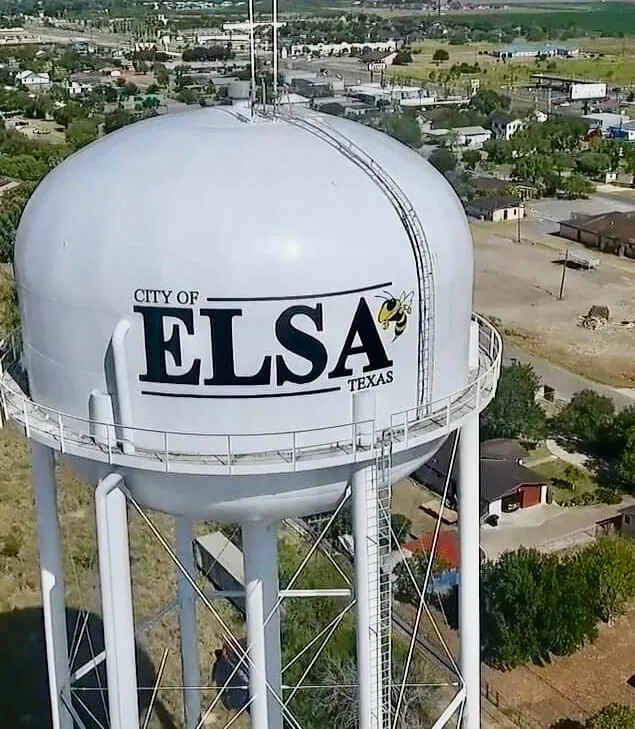
Neighboring places include Donna to the west, Progreso to the south, and Elsa about 9 miles north. The inspection format is the same in each, which keeps comparisons simple for an owner with more than one address.
Older Structures and the Wind Record
Dolly's damage near Weslaco was concentrated in older structures, and that tells an inspector where to look first. An older roof may rely on fasteners and edge details that were acceptable when installed and are now past their service life. Wood nailers can rot, metal can corrode, and mortar around masonry parapets can crumble.
On a first walk we test those details. Fastener pull samples show whether metal edge components still grip, and the results are recorded by location so a weak side of the building is visible at a glance. A probe along the parapet cap finds loose masonry. Core cuts show how many layers of past roofing sit on the deck and whether the deck is sound. If the building is old and the edges are weak, wind damage repair is best handled before the next tropical season, not after it. A dated baseline makes any later storm comparison faster.
The Healthcare District and Medical Roofs
A 233-bed hospital sits at the center of an informal healthcare district of physicians, medical services, and pharmacies in Weslaco. Medical buildings have roof needs that ordinary offices do not: air handling that cannot stop, interior areas where moisture is unacceptable, and neighbors who notice noise and odor. Pharmacies and physician offices around a hospital share the same pressure, because each depends on climate control and clean interiors to keep operating. A medical office roof is planned with those constraints written in.
Before any work, we map the interior below each roof section, note air intakes and exhaust, and agree on shutdown windows with the facility manager. Tear-off is phased and sealed at day's end. For a larger hospital roof the plan involves the facility's infection-control staff, and the schedule follows their restrictions. Moisture surveys are especially useful on these roofs, since wet insulation over a clinical space is a problem to find early.
Trade, Seasonal Visitors, and Roof Use
Cross-border trade and seasonal visitors put a mix of building uses under Weslaco's roofs, and the uses differ in what a leak costs. A building that is quiet part of the year hides a leak longer. One that stores goods cannot tolerate even a slow drip. The roof record notes the tolerance on its first page.
For a building that stores goods, the leak response is faster and the moisture checks more frequent. For a seasonal building, the walk comes before the quiet months and again before reopening. For any building, the National Weather Service Brownsville office's May-through-October heat-safety season is the baseline for coating and membrane planning, and June through October is the hurricane window for drains and edges.
After a Wind and Rain Event
When weather arrives, the steps are consistent. Secure the building, stop water entry, and photograph everything. We walk the perimeter first, then rooftop equipment, then drains and low areas. Anything that threatens the interior gets a temporary dry-in. Temporary work is labeled as such in the file, with photographs of the area before and after, so the later permanent repair starts from a clear record. The rest becomes a scope line in the owner's file. Storm damage roof repair follows that order every time, so the most urgent items are dealt with first.
Rain totals from Hurricane Hanna in July 2020 reached 14.40 inches at a gauge northwest of Mission, which gives Weslaco owners a reference for how much water a Valley roof may be asked to shed. Overflow scuppers, clear drains, and flat areas that drain are the practical response, and each is logged. Emergency calls are taken around the clock, holidays included.
Repair, Recover, or Replace
The decision depends on readings, not appearance. Dry insulation under an intact membrane makes a roof a repair or coating candidate. A roof with moisture in limited areas can be patched and monitored. A roof with widespread wet insulation, multiple past overlays, or weak edges generally calls for replacement. A commercial roof inspection produces the evidence behind that decision.
Cost and timing follow predictable drivers: roof area, access, penetrations, how much old material must come off, and the hours the building can accommodate. We list them in the scope so bids are comparable. Owners get the same sheet, whether they choose repair now or a replacement planned for the next budget year.
A recover is a middle path on some buildings. It adds a new membrane over an existing, dry roof and saves the cost of tear-off, but only if the old roof passes the moisture test and the structure can carry the load. On an older Weslaco building that has already been overlaid, the cores usually answer the question quickly: either the roof can take another layer, or it cannot.
Questions and Answers
Why does building age matter so much for a Weslaco roof?
Hurricane Dolly's wind damage near Weslaco was concentrated in older structures, so attachment and edge details deserve early attention on any aging building. Rotted nailers, corroded fasteners, and loose parapet masonry are the typical findings. A pull sample and a parapet probe tell us how much remains sound.
How is a medical building roof handled differently?
The plan begins inside. We note air intakes, exhaust, and sensitive rooms, then schedule shutdowns and noisy work with the facility manager. Sections are torn off and closed on the same day. Moisture surveys help find hidden wet insulation before it becomes a problem over a clinical area.
What should a seasonal-use building do before closing for summer?
Walk the whole roof, clear each drain, snug up edge metal, and photograph every section. Repeat before reopening and compare. Any difference marks what happened while the building was empty, and a leak caught in autumn costs far less than one found after months of unseen wetting.
Can an old roof with several layers be recovered?
Only when core cuts show the existing layers dry and the structure can take the weight. An older roof may have been overlaid before, and a further layer can exceed weight and code limits. The cores reveal how many layers exist and whether tear-off is required.
Do you respond to Weslaco after hours?
Calls at any hour, holidays included, bring a crew whose first visit dries the building in and records the damage with dated photographs. A written scope for permanent repair follows once the roof is dry enough to work on.
Related Roofing Work
Schedule a Weslaco Roof Walk
Send us the building address, its approximate age, and any concerns about leaks. We will inspect the roof, test the edges and attachment, and give you a written condition summary with photographs and a ranked list of repairs.