
Commercial Roofing Services
Skylight and Penetration Flashing in Mission, TX

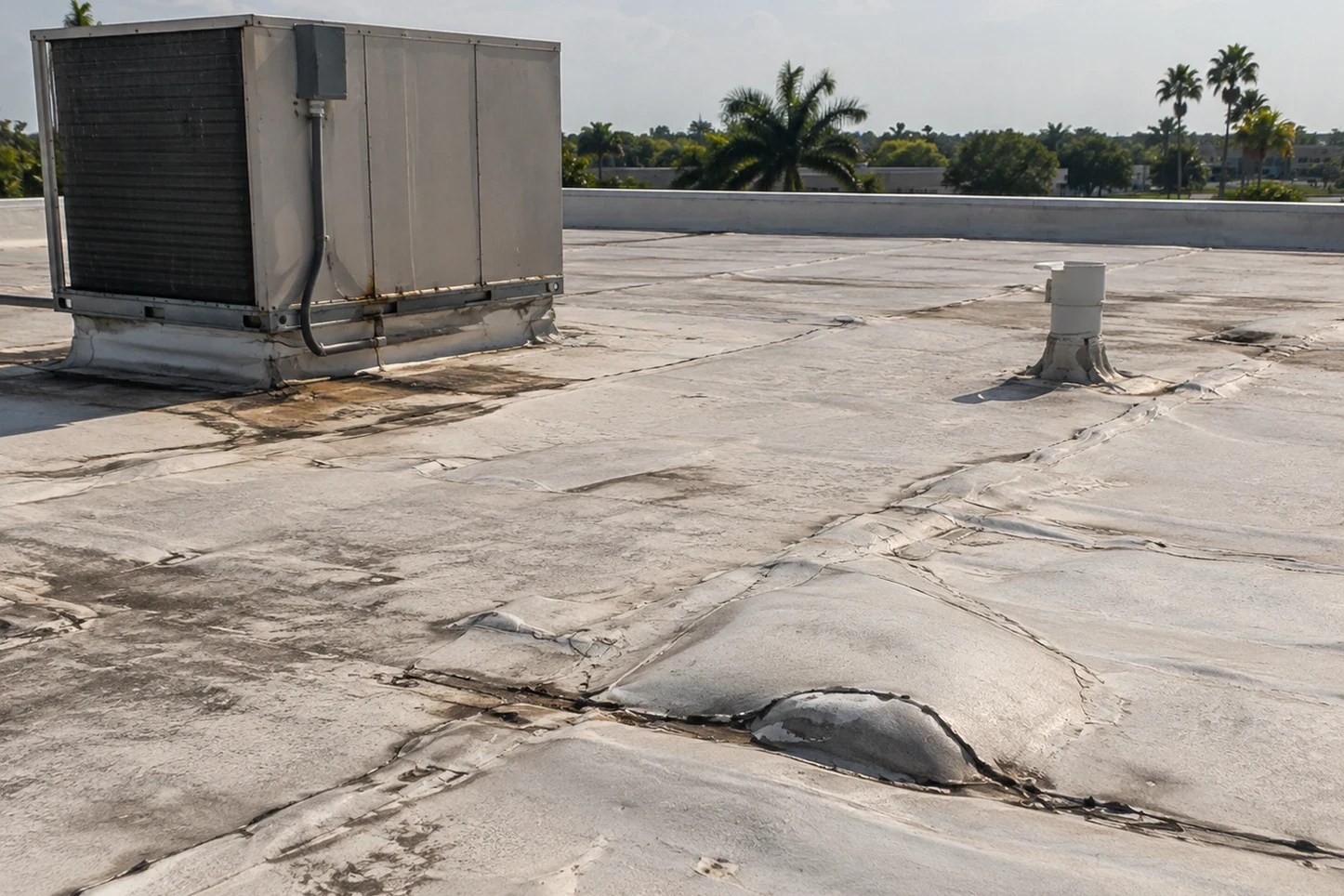
Every opening in a roof gets its own line on the inspection sheet: a skylight curb, a plumbing vent, a conduit sleeve, a gas line, a pitch pan. On a Mission, TX building, the count adds up quickly, and each one is a place where the membrane stops and a flashing detail takes over. A flashing is only as good as its weakest seam, so the sheet records the material, the termination height, the sealant condition, and a photograph for each opening.

Cataloging Every Opening
The catalog is the first deliverable. We number each penetration on the rooftop sketch and note its type, size, base material, and flashing method. Round pipes may use a prefabricated boot, a pourable sealer pocket, or a field-formed membrane collar. Square or rectangular items, such as curbs and duct chases, use wrapped base flashing with a termination bar and counterflashing above.
Skylight curbs get special attention. We look at the curb height, the glazing seal, the corner details, and whether the unit is a fixed dome, a hinged ventilator, or a smoke hatch. The condition of the curb wood or metal matters as much as the flashing, since rot at the base can pull the membrane away from the structure. Unused penetrations that were capped years ago appear in the log too, and many are candidates for permanent removal.
Heat Cycling and the Sealant Film
Brownsville forecasters mark May through October as the Valley's heat-safety season. Sealants and flashing terminations feel that exposure first. A sealant bead cycles between stiff and soft every day, and over seasons it cracks, shrinks away from the metal, or loses adhesion to the membrane. Rubber boots harden and split at the collar.
We probe the sealant with a gloved finger and a small blade where we can: if it is brittle or has pulled from either surface, it is recorded as failed. The finding repeats across a roof, which is why a single failed pipe boot should prompt a wider look at the others installed in the same period. Fixes range from cutting out and replacing the sealant to replacing the boot or building a new flashing with compatible materials. For a heat-aged membrane, the surrounding conditions are described in heat and sun damage repair.
Rain Entry at Openings
Penetrations are common leak sources because water gets a second chance at them. A fastener hole, a lap that opens a few millimeters, or a counterflashing that lifts can send rainwater into the deck. During Hurricane Hanna in July 2020, the gauge about 3.5 miles northwest of Mission measured 14.40 inches of rain, a volume that finds every vulnerable detail. Wind-driven rain, in particular, pushes water up and under flashing laps that shed ordinary rain.
When a leak is traced to an opening, we check the flashing and also the area around it for wet insulation. A commercial roof leak repair starts with the water path, and a penetration is often the entry point rather than the source of the whole wet area. A moisture reading around the curb clarifies the extent.
Skylight Repair or Removal
Skylights face a different set of problems than pipes. The glazing can craze or crack, the gasket between dome and curb can harden, and the curb itself can leak at corners. Some units simply reach the end of their life. Where the owner no longer wants a skylight, the opening can be framed in and roofed over, which removes a leak path for good.
When a skylight stays, the options are replacement of the dome, regasketing, or rebuilding the curb flashing. Fall protection matters too: a skylight panel is not designed to bear weight, and crews treat every unit as an open hole. An institutional owner with large roofs, such as a university campus like the one in Edinburg, can phase skylight work across the budget cycle, starting with the units that leak.
Matching the Flashing to the Roof System
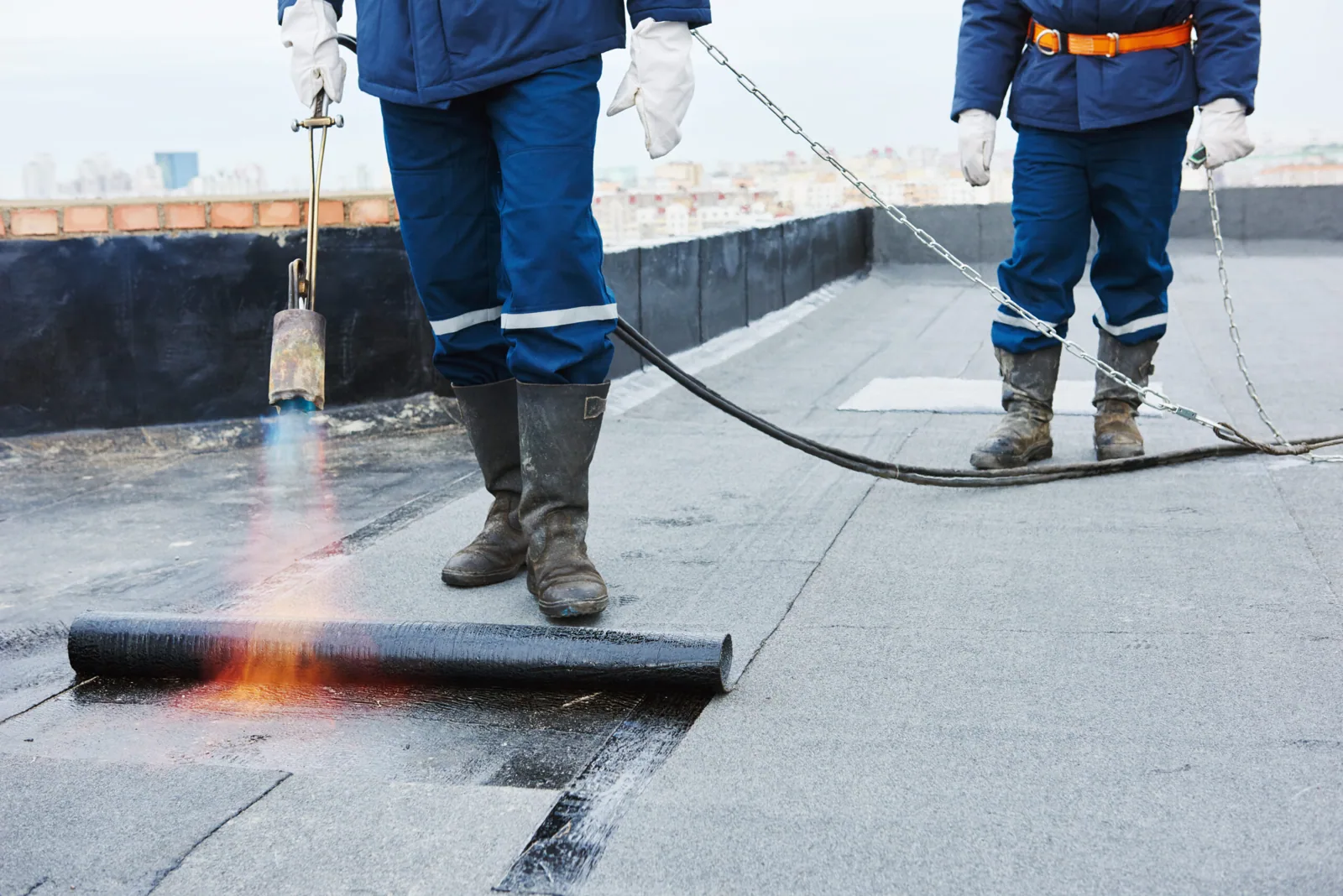
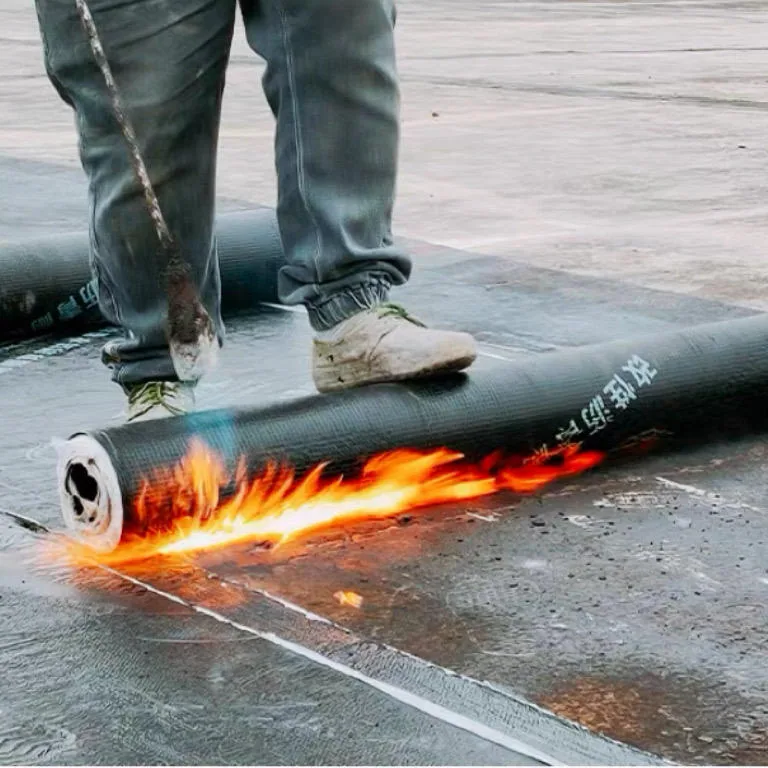
Flashing material has to be compatible with the membrane around it. On a TPO or PVC roof, flashings are generally heat welded from the same sheet type or from a membrane-compatible prefabricated part. On modified bitumen, flashings use torch or cold-applied base and cap sheets. Liquid-applied flashing resins suit awkward shapes, such as a cluster of conduits close together, where a membrane cannot be cut and welded cleanly.
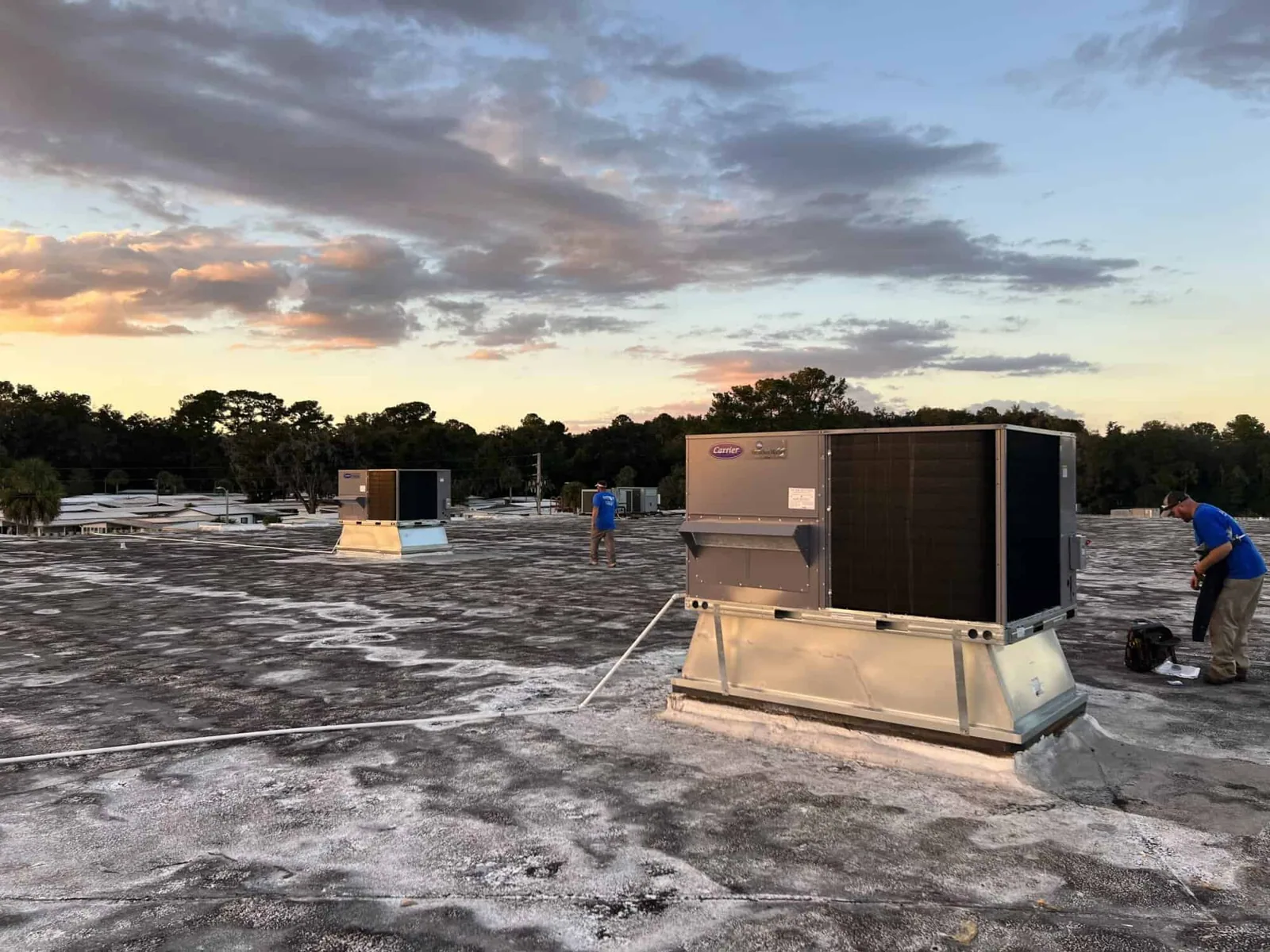
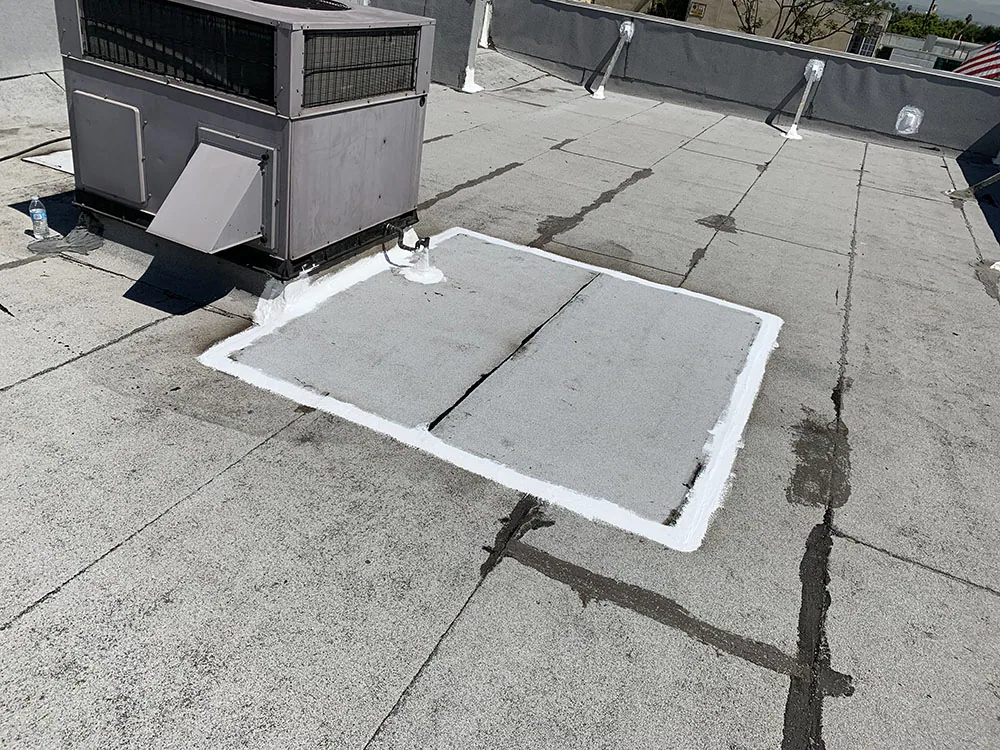
Equipment supports and rooftop unit curbs are a related group, and the flashing at the base of a rooftop equipment curb follows the same rules as the flashing at a skylight. Mismatched materials are the usual reason a repair fails within a season or two, so the compatibility check is part of the written scope.
Inspection Interval and Records
Flashings and sealants age on a calendar. We recommend a check before the heat season starts and after hurricane season ends, usually as part of a preventive maintenance visit. The catalog from the first visit becomes the checklist for every visit after it, so the same openings are examined in the same order and any change shows up by comparison.
The owner receives the numbered log, the sketch, and the photographs, with each opening marked sound, monitored, or in need of work. Property managers in Mission use that record to plan the repair order and to explain interior stains that turn out to start at a single vent. A district planning school roofing work can use the catalog to schedule openings ahead of summer break, when access is easiest.
Questions and Answers
Why does the same pipe boot keep leaking after being resealed?
Usually the sealant is covering a boot that has already split or hardened, and a new bead cannot bridge a deteriorated collar. Replacing the boot or building a membrane-compatible flashing around the pipe cures it. We note the age of nearby boots, since others from the same install tend to be near the same condition.
Can an old skylight be sealed instead of replaced?
Sometimes. If the glazing is sound and the leak is at the curb corners or the gasket, resealing and flashing repair may be enough. Crazed or cracked domes cannot be repaired by sealant, and a failing frame needs replacement. We test the unit and tell the owner which category it falls into.
What happens to the flashing when a membrane is recovered or replaced?
Flashings are normally replaced along with the field membrane, because old base flashing seldom bonds well to new material. On a recover, the details are rebuilt or extended so they tie into the new surface at the right height. The scope names each opening and says which method applies to it.
Do unused penetrations need to stay?
No. An abandoned pipe or conduit can be removed back to the deck, patched, and roofed over, which eliminates a leak point. Before cutting, we confirm with the facility manager that the line is dead and no equipment is waiting to be reconnected. The change is recorded so the next visit does not search for a missing boot.
Who covers repairs if a leak starts at a mechanical unit curb?
The roofing contractor repairs the flashing and the curb connection to the roof, while the mechanical trade handles the unit itself. When the two meet, we coordinate the timing so panels or ducts can be lifted while the flashing is rebuilt. Photographs of the curb before and after are filed so responsibility is clear.

Request an Opening-by-Opening Review
Send us the address and tell us which skylights, vents, or curbs concern you. We will number each penetration, test the flashing, and give you a written condition summary with photographs and a recommended repair order.