
Roof Damage Repair
Flashing Failure Repair in Mission, TX
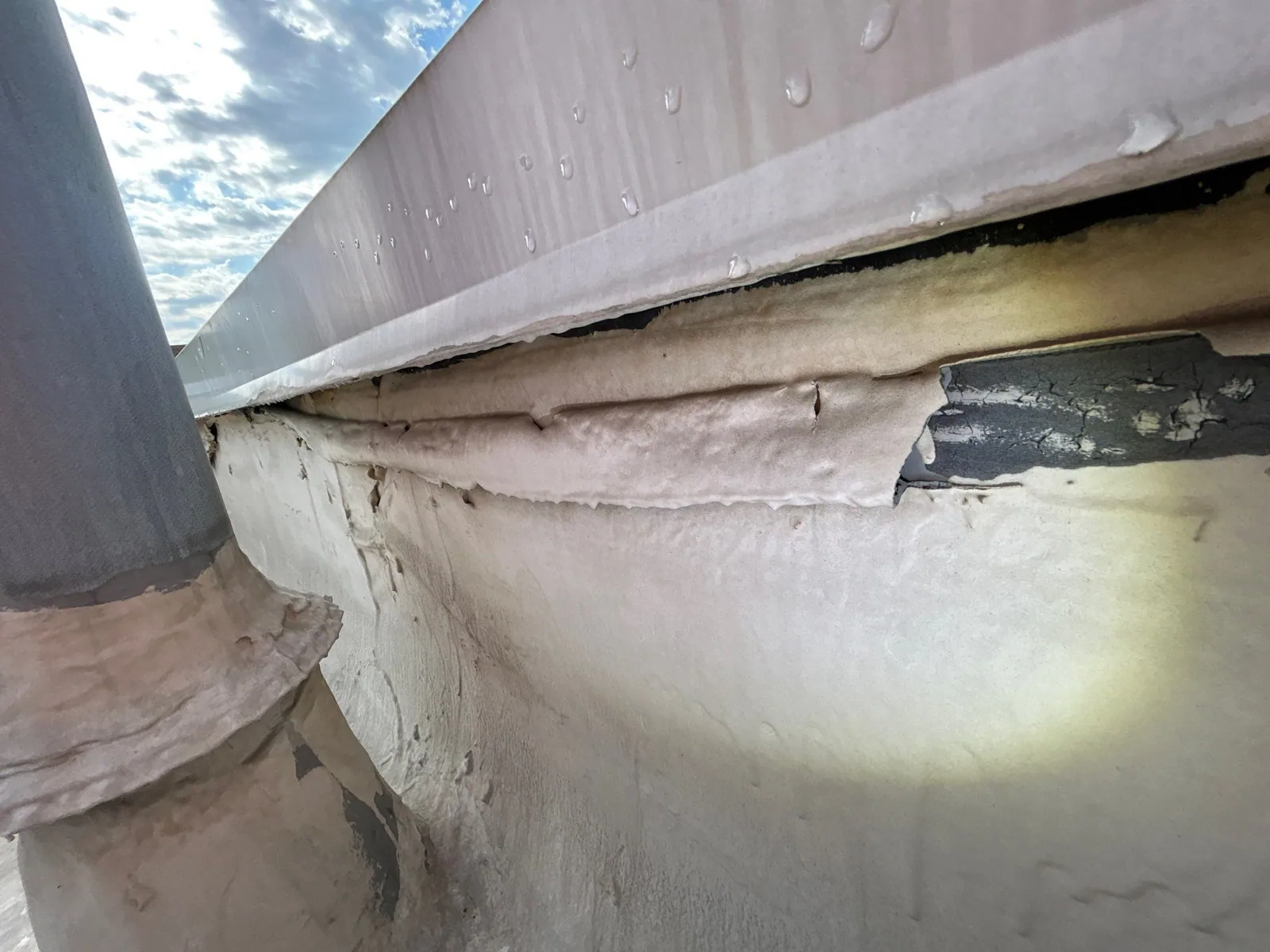
A flashing inspection starts with a thumbnail and a flashlight. The inspector presses along the termination, notes where the sealant lifts or the membrane has pulled away from the wall, and photographs each open point with the roof section and date written on a placard. The first entry is small, a gap of an eighth of an inch at a corner, and it usually supports a larger decision.
On commercial roofs in Mission, TX, flashings are the details that fail first and leak soonest, because they sit where the membrane meets something that moves differently from it.
Where Flashings Fail
Failures cluster at a short list of locations: the base of parapet walls, curbs under rooftop units, pipe and conduit penetrations, drain collars, expansion joints and the corners where two flashings meet. Each location gets its own entry in the inspection log, with a photograph and a note on the material.
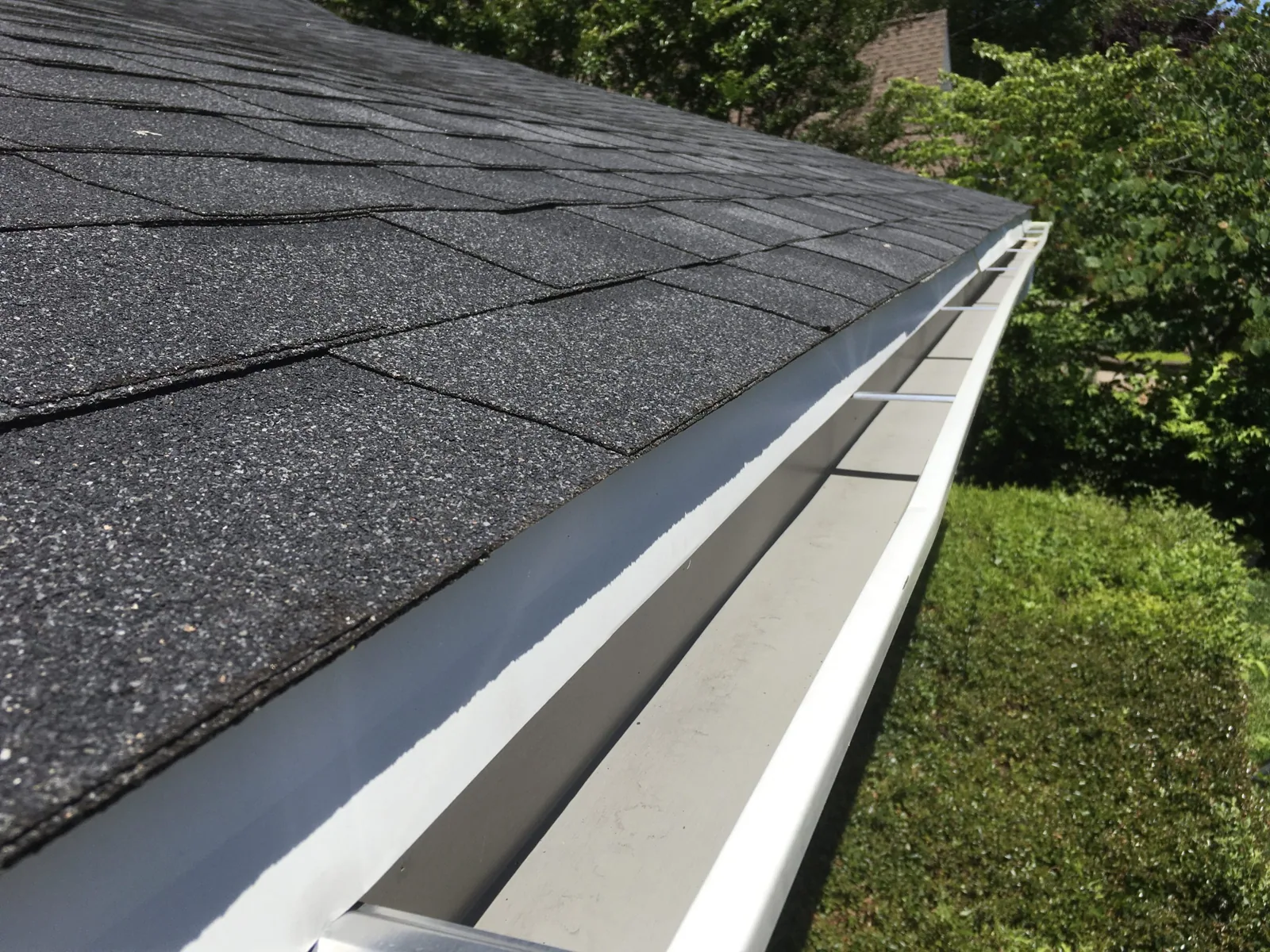
Base flashing is checked for height, for termination bar attachment and for the condition of the sealant above it. Counterflashing and coping are checked for gaps that let wind-driven rain behind the membrane. Pipe boots are examined for cracks and for the clamp that holds them. Corners are the most common point of failure, since a membrane folded into a corner carries stress that a flat run does not.
Heat Cycling and Sealant Age
Flashings sit in full sun through the Valley's May-to-October heat-safety season, and they carry months of sustained solar load. Metal expands and contracts with surface temperature, membranes shrink slowly as plasticizers leave them, and sealants dry out and crack. A termination that was tight in spring can show daylight by autumn.
We separate three causes in the report. Material failure means the sealant or membrane has aged out. Attachment failure means the fasteners have pulled, the bar has loosened or the adhesive has let go. Geometry failure means the detail was built in a way that cannot work, such as a flashing too short to shed water or a corner folded too tightly. Material and attachment failures can be repaired in place. A geometry failure returns unless the detail is rebuilt.
Wind-Driven Rain and Storm Effects
Flashings are also where storms get in. Hurricane season runs June through October, and rain driven sideways reaches terminations that ordinary rain misses. Hanna in July 2020 put 12 to 14 inches of rain on the Mission area and flooded it where drainage was poor, so any flashing with a gap was tested hard.
Wind adds a mechanical load. During Hanna, sheet-metal roofing in McAllen was blown off or torn back in several places. Where a roof of that type has lost a section of counterflashing, the exposed termination below it should be logged and covered promptly.
Repair Methods
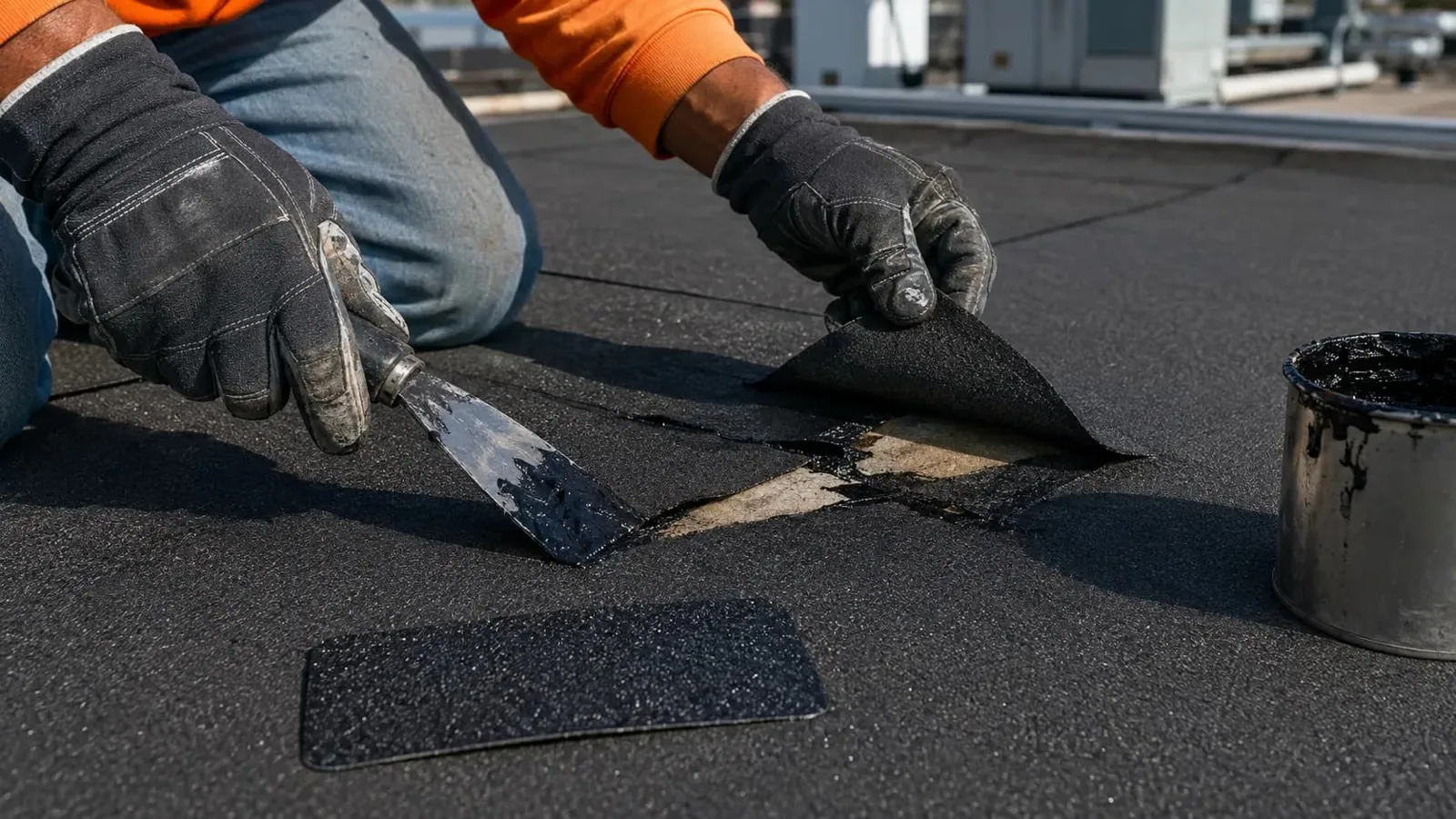
Failed sealant is removed and replaced with a compatible material, not layered over the old bead. Terminations are re-secured with fasteners and bars where the assembly allows, and open seams at laps are cleaned and welded or bonded in the manner the system requires. Cracked pipe boots are replaced, not patched, since a patch on a flexible boot rarely survives the heat cycle. Replacement boots are sized to the pipe and clamped, and the sealant bead is tooled so that water sheds away from the joint instead of settling in it.
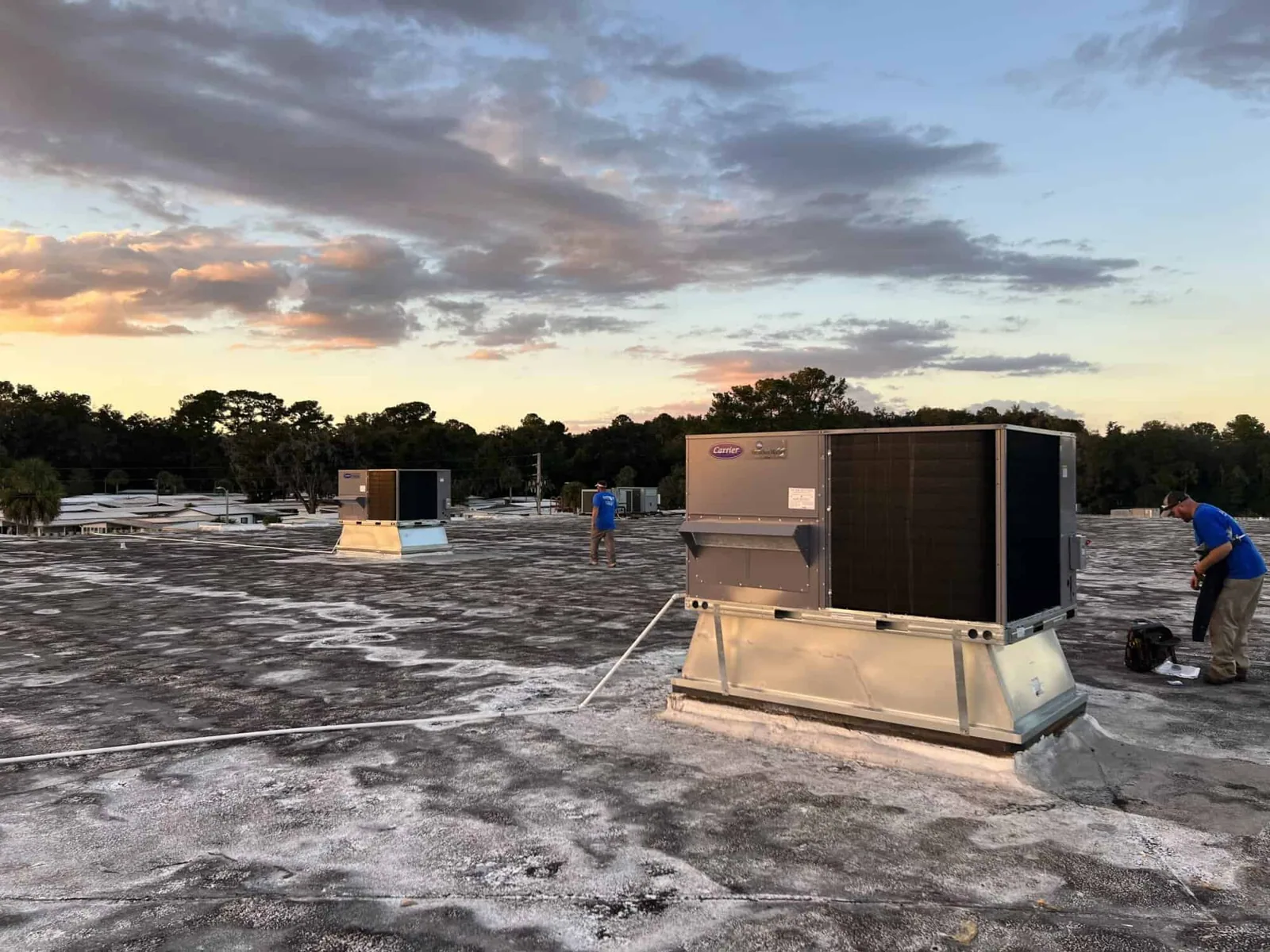
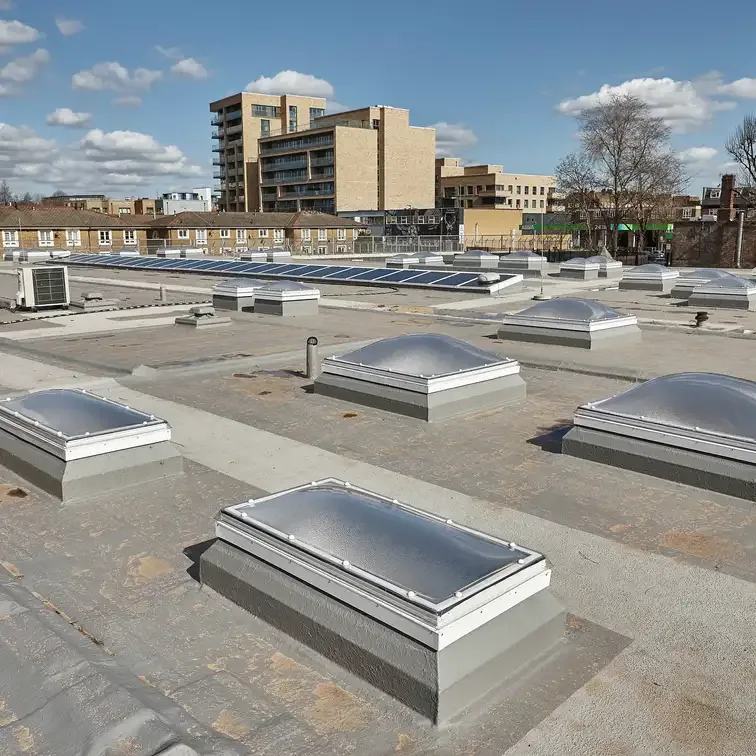
Where a flashing has failed more than once at the same location, we recommend rebuilding the detail: raising the base flashing to the proper height, adding a counterflashing, or reworking the corner with a preformed piece. Details at rooftop equipment curbs and skylight and penetration flashing follow the same approach, and the perimeter is handled in the same way when edge metal and coping have loosened.
Checking for Water Behind the Failure
A failed flashing is a pathway. Before sealing it, we check whether water has already traveled into the insulation or the wall. Moisture readings are taken around each open detail, and an infrared pass identifies wet areas that are not visible from above. If wet insulation is found, it is cut out and replaced before the flashing is rebuilt, since a flashing repair over wet material only hides the problem.
The moisture map goes into the owner's file with the photographs. Related defects, such as a split seam beside a curb or a membrane puncture near a pipe, are logged in the same visit so that one repair does not leave a neighboring detail to fail.
Pre-Storm Baseline and Post-Storm Comparison
Flashings are the best candidates for a baseline because they are small, numerous and easy to photograph in the same position each time. Before the June-to-October tropical season, we log each termination, penetration boot and counterflashing with a dated, tagged photograph and a note on sealant condition. The set is stored by roof section so it can be pulled up in minutes.
Once a named storm has passed, the same positions are photographed from the same angles. A gap that was not in the earlier set is a storm finding. A gap that was already there is a maintenance item that the storm made worse, and the report says so plainly. That distinction helps the owner decide what belongs in a claim and what belongs in the repair budget, and it keeps the conversation with an adjuster tied to dated records rather than memory.
Older structures near Weslaco lost roofing to Dolly in 2008, and Hanna's harm in 2020 fell mostly on poorly built roofs. Both point the same direction for a flashing program: details on older or lightly built roofs are checked first, and the log shows when each was last confirmed tight.
Scope and the Owner's File
The written recommendation states which findings drive the scope and which are only monitored. Sealant that is aging but intact may be flagged for recheck after the next heat season, while an open termination at a parapet is a repair item. For roofs with many details, a table lists each location, its condition and the action. Owners in Mission can reuse the same summary for budgeting or for an insurance conversation after a named storm, and the earlier record makes the next seam failure assessment faster.
Questions and Answers
How can I tell a flashing problem from a membrane problem?
Leaks near walls, curbs and pipes usually trace to flashing, while leaks in the middle of a roof field point to the membrane or a seam. A hand probe at the termination and a moisture reading around it give the answer.
Is caulk an acceptable repair for open flashing?
Sealant can be part of a repair, but on its own it is a short-term fix in the Valley heat. The recommendation distinguishes a temporary seal from a repair that re-secures the termination and replaces aged material.
When in the year should flashing terminations be logged?
Before the tropical season starts in June and again after a named storm. Logging the same details each time gives a baseline, so a new gap stands out against the record from the last visit.
What happens inside the building while a flashing is rebuilt?
Most flashing work is done from the roof with limited noise, and access is scheduled around tenants. If interior ceilings are already wet, the report notes it so the interior repair can be scoped separately.
When is flashing failure a sign the roof needs replacement?
When failures are widespread and the surrounding membrane is also aged, repeated detail repairs may cost more than a larger scope. The report puts the repair cost beside the replacement cost for comparison.

Request a Documented Flashing Inspection
Send us the building address and the leak location. The written condition summary will list each flashing detail with photographs and moisture readings, and it can be reused for budgeting or an insurance conversation.