
Roof Damage Repair
Membrane Puncture Repair in Mission, TX
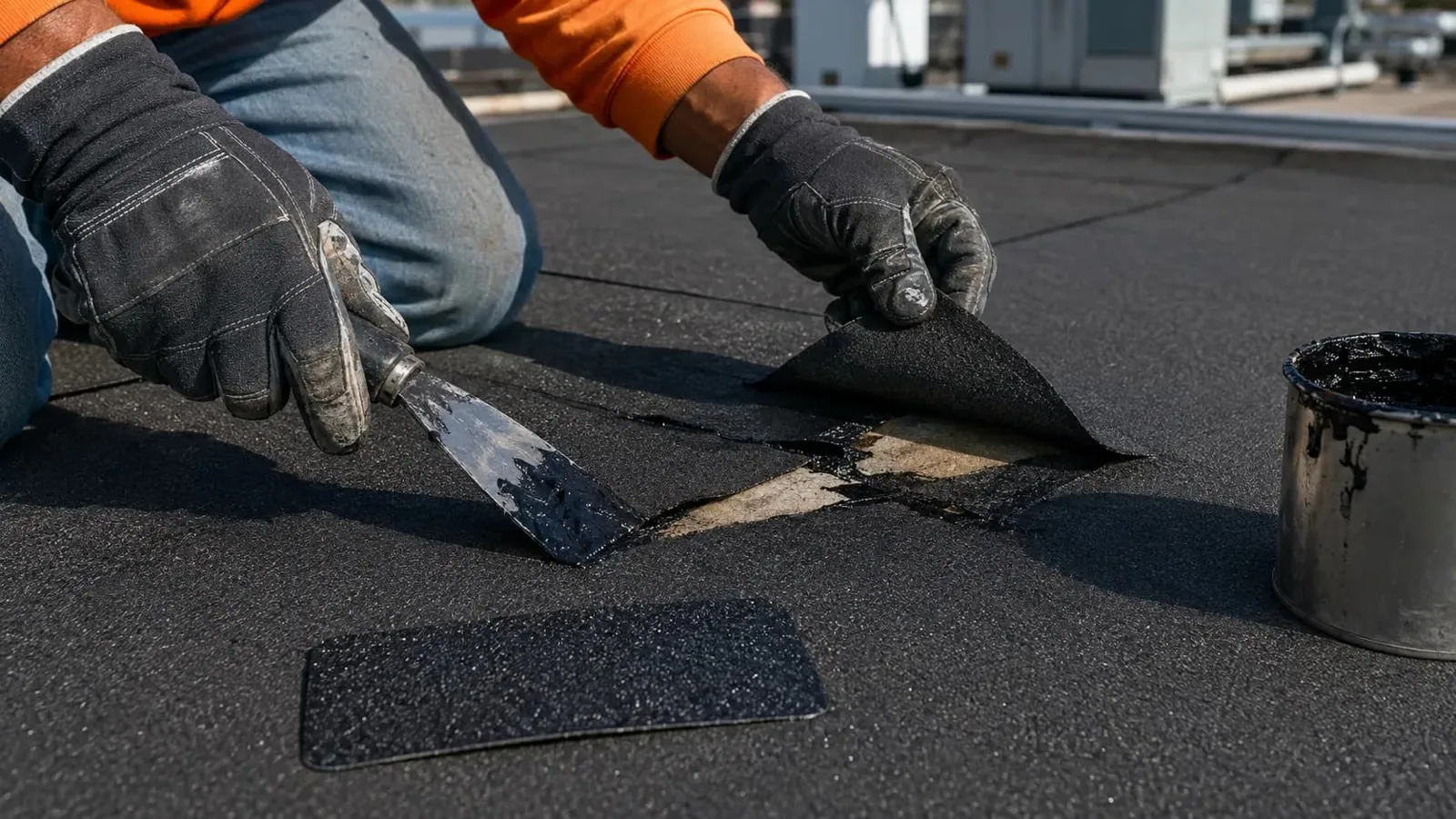
A puncture entry begins with a measurement and a photograph: the length of the cut, its distance from the nearest curb or drain, and a scale card laid beside it. Most membrane damage is small and easy to overlook, and a record with those three items lets a second visitor find it and judge whether it has grown.
On a commercial roof in Mission, TX, punctures come from ordinary work and from weather. Technicians walk to rooftop units, contractors drop tools, and storms throw debris. Each opening is a path for water, and the repair is only complete when the insulation under it is confirmed dry.

Common Sources of Damage
Foot traffic is a leading source on roofs with rooftop equipment. Paths worn between a hatch and a unit show as scuffed or flattened membrane, and the first cut often appears where a boot catches on a seam or a fastener plate. Dropped tools and ladder feet leave round or crescent-shaped marks. Debris blown across the roof in a storm can slice or puncture a sheet that was sound before.
New construction adds its own risk. Alton grew from 4,384 residents in 2000 to 18,198 in 2020, and families moving to reach local school districts have added school and retail construction. Roofs on buildings under construction or recently completed are walked by many trades, which makes post-construction inspection worthwhile.
Locating Every Opening
We walk the roof in a grid so that no section is skipped. Each cut, tear, blister and crushed area is marked with paint or chalk, photographed and entered on the rooftop sketch. Spots where the membrane has been abraded to the reinforcement are logged separately from through-cuts, since they have not leaked yet but are on the way to it.
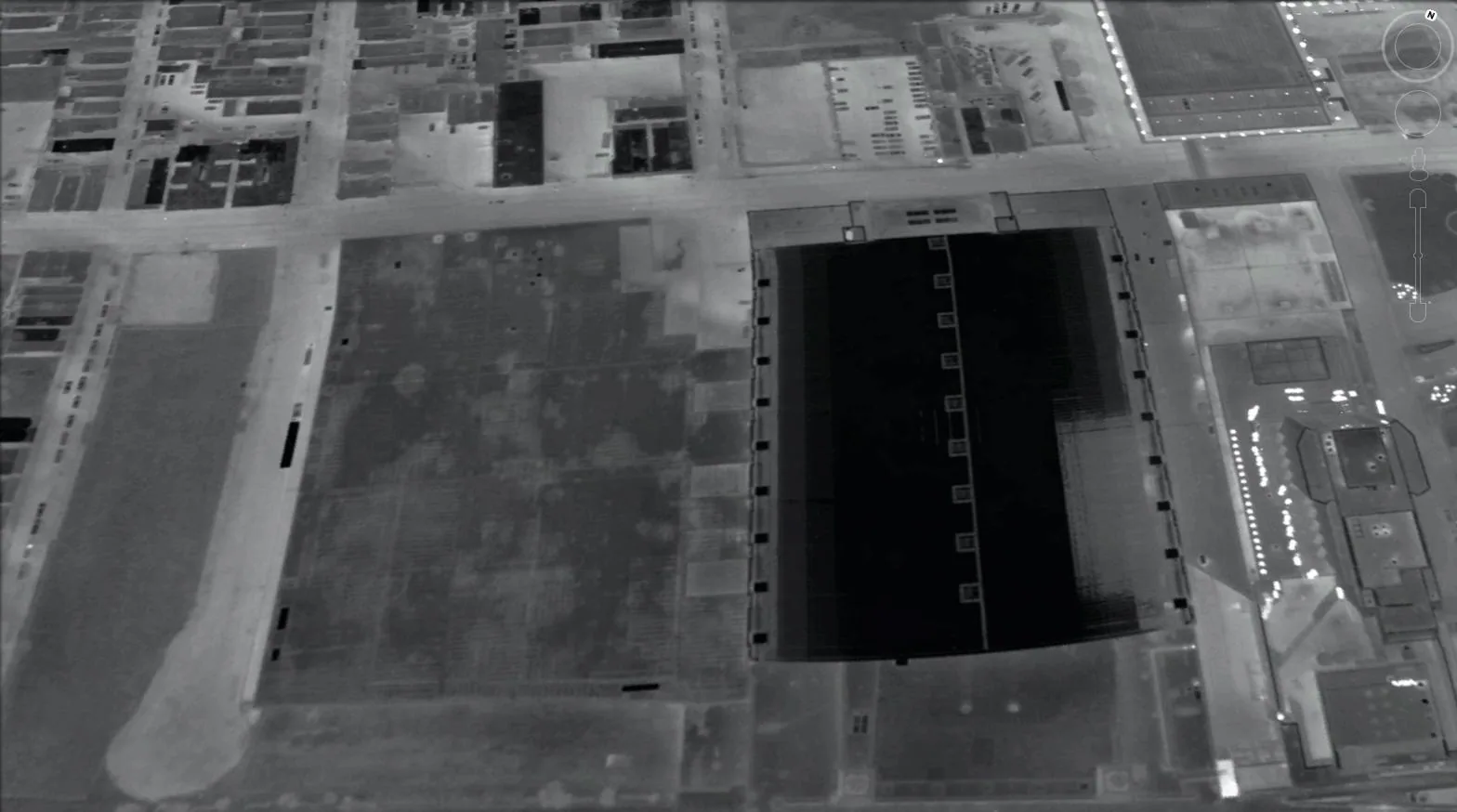
Where a leak has been reported inside and no opening is obvious, the survey widens. We check seams near the stain, flashings above it and the pathways between equipment. A small puncture under a unit curb can leak into a ceiling many feet away because water moves along the deck before it drops. The infrared moisture survey narrows the search.
Storm-Borne Debris
Hurricane season in the Valley runs June through October. Dolly's gusts reached populated Hidalgo County in 2008, and Pharr saw only minor damage, while Hanna in 2020 peeled sheet-metal roofing off or back in McAllen. Loose metal and gravel move across adjacent roofs in winds like these.
After a named storm, we sweep the roof for debris, check drains for blockage and probe the membrane for impact damage. Each finding is tied back to the date of the event in the file, so the repair and any claim rest on the same record.
Patch Methods
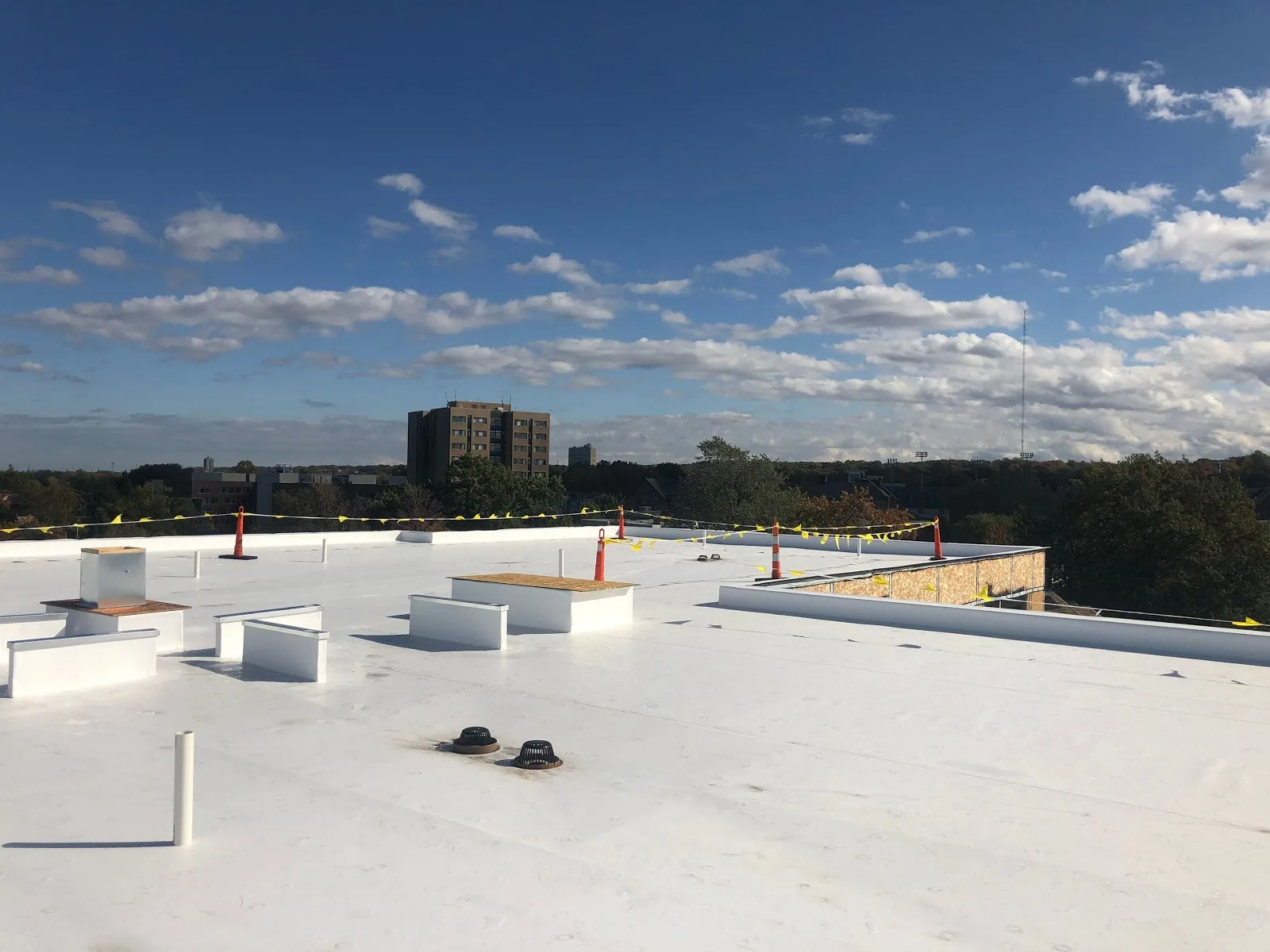
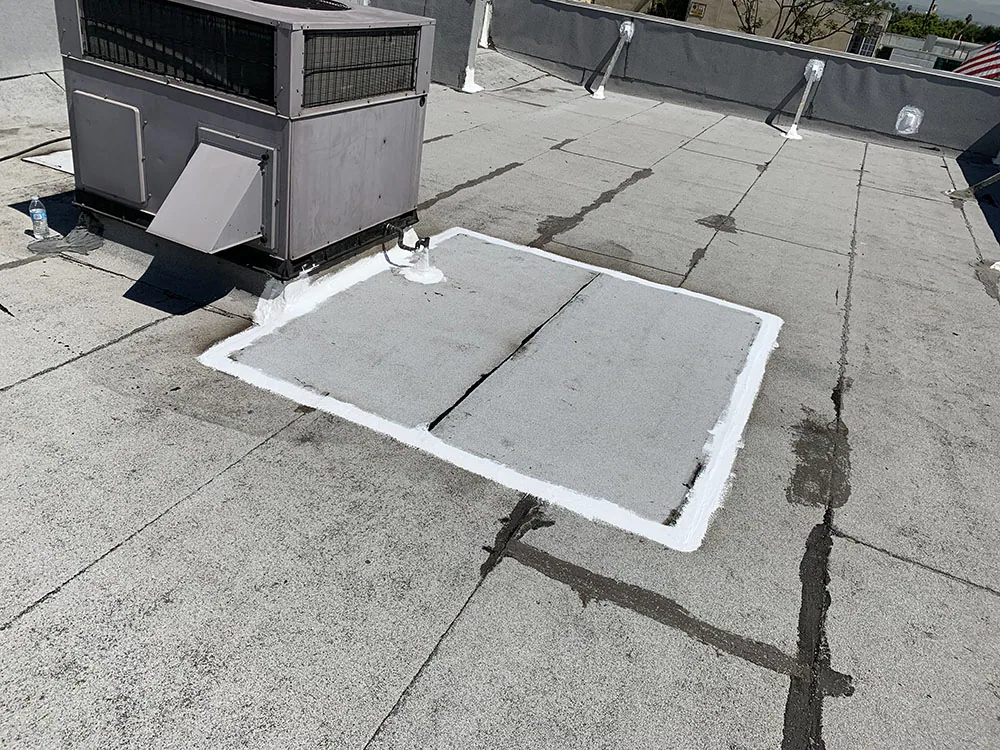
Repair methods depend on the membrane. On heat-weldable sheets such as PVC, the area is cleaned and a patch is welded in place with rounded corners and an overlap that extends beyond the damage. Adhered rubber sheets receive a primed, bonded patch. Built-up and modified bitumen roofs are repaired with compatible materials in the manner of their layers.
Patch edges are probed after curing. Large tears are cut out and replaced as a section, because patching over a distorted sheet rarely lasts. Where the reinforcement is exposed but not cut, a coating or cap sheet can stop further wear. Whatever the method, it matches the existing system, and the material used goes into the file. Cleaning comes first: dust, oil and moisture stop a patch from bonding, so the surface is wiped, abraded where the system requires and allowed to dry before anything is applied.
Edge treatment is the second detail. Rounded corners on a patch resist peeling, and a bead of sealant or a welded edge closes the perimeter. After the patch cures, the inspector probes all four sides and photographs the result with the date, so the repair itself becomes a logged item that can be rechecked at the next visit.
Confirming the Insulation Stayed Dry
A patch on top of wet insulation seals the problem in. Before closing a puncture we take moisture readings around it, and where the opening is large or the leak history is long we survey a wider area. Wet insulation is cut out and replaced with matching board, and the edges of the cut are tied into the surrounding material.
Moisture readings are marked on the sketch, so a second visit can see whether the dry zone is holding. This is the step that separates a repair limited to one detail from a wider wet-insulation problem, and it determines whether the work stays a patch or becomes a larger roof repair.
Before and After a Named Storm
Punctures are a good test of why a pre-storm record matters. A roof walked in May and logged clean can be walked again in October, and any new cut or tear is then a dated finding. Without the earlier visit, a mark on the membrane could be a month old or a year old, and the cause is a guess.
Before the tropical season we recommend a sweep that clears loose debris, checks the drains and photographs the membrane around equipment and access points. After a named storm the sweep is repeated, and the two sets are compared position by position. New punctures are tied to the event. Older ones are tied to maintenance. When the owner needs to describe the loss to an insurer, the sequence of dated photographs does most of the explaining.
A roof that took debris damage in a hurricane event often has other findings as well, so the same visit checks flashings, seams and edge metal rather than stopping at the cut that prompted the call.
Reducing Traffic Damage
Where foot traffic follows a path, walkway pads protect the membrane and show crews where to step. Rooftop equipment that needs frequent service benefits from a clear access route. Rules about tool handling and ladder placement are simple and cheap compared with repeating a patch.
Regular visits under a preventive maintenance plan keep punctures from sitting unnoticed. The log from each visit notes new marks, and a pattern in one area is a reason to add protection. Details at rooftop equipment curbs are checked on the same walk, since foot traffic concentrates there, and a nearby seam failure is often part of the same story.
Questions and Answers
How small can a puncture be and still cause a leak?
Very small. A pinhole can let in water under pressure from wind or ponding. That is why every mark is probed and the area is checked for moisture, not only openings that are visible from standing height.
Can a punctured membrane be repaired without removing it?
Usually yes, when the damage is limited and the insulation is dry. A patch of compatible material is installed and tested. Large or repeated damage across one area may call for replacing that section.
Who is responsible for punctures caused by other trades?
That depends on contracts and records. A dated inspection before and after the other work establishes what changed, and the photographs make the conversation with the contractor or insurer simpler.
Should I walk the roof myself to look for damage?
Owners can look from the access point, but walking an unprotected membrane can create new damage. A documented inspection with proper footwear and a plan is safer for the roof and the person.
Does a patch affect the manufacturer's warranty?
It can, depending on the warranty terms. We note the system and the materials used so the owner has the information needed to give notice if required.

Request a Documented Puncture Inspection
Send us the building address and any leak history. The written condition summary will list each opening with photographs and moisture readings, and it can be reused for budgeting or an insurance conversation.