
Commercial Roofing Services
Occupied-Building Reroofing in Mission, TX
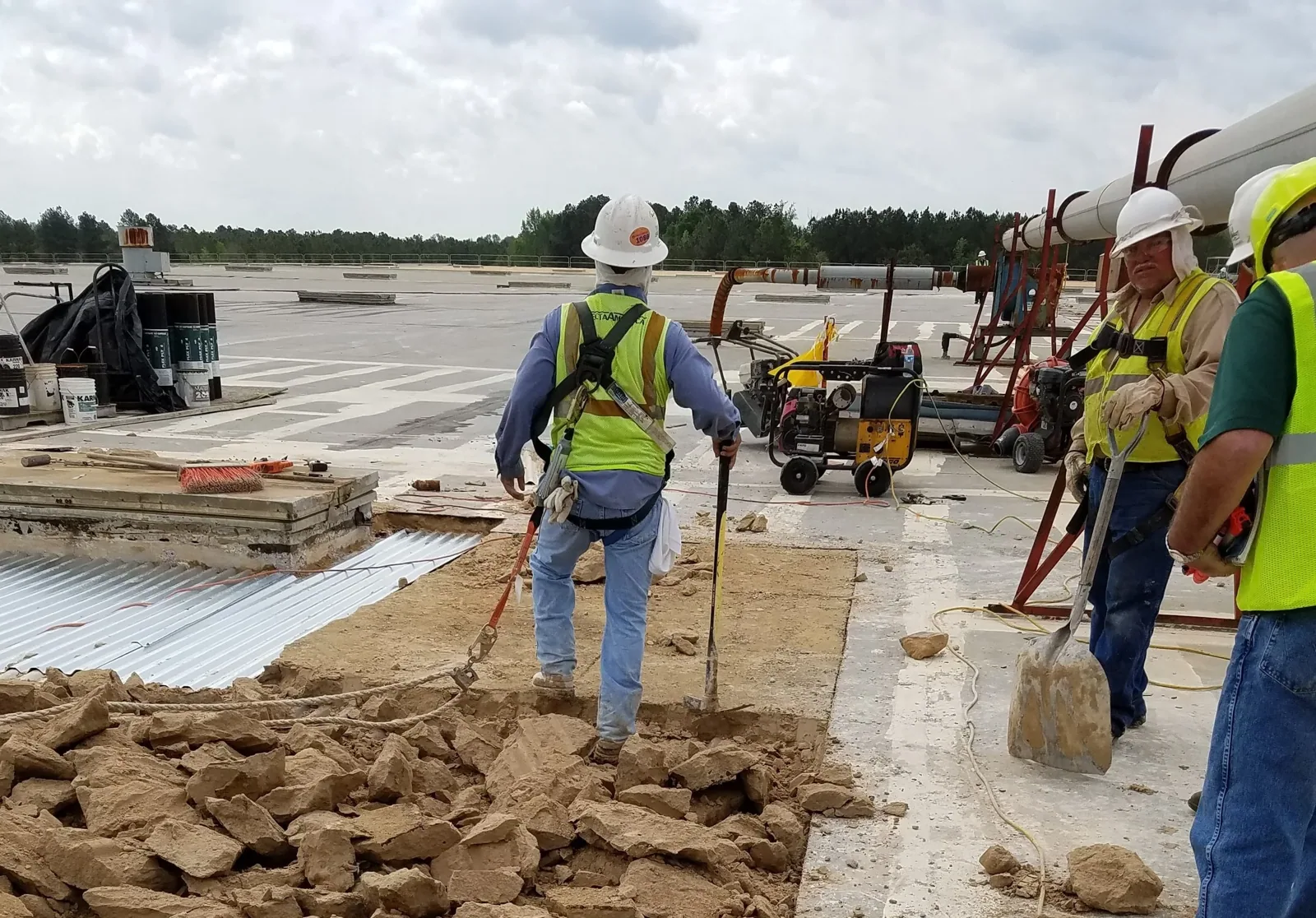
The first drawing on an occupied reroof is not a roof plan. It is a map of who sits under which section, what they do there, and what a falling bolt or a puff of adhesive vapor would mean to them. On a Mission, TX building that map decides the phasing, the staging area, the order of tear-off, and the hours of work. The roof is the same roof, but the sequence is set by the people below it, and the written plan says so in plain terms.

Mapping Occupancy Before the First Tear-Off
We walk the interior as well as the roof. The occupancy map notes each tenant or department below, its hours, any equipment that cannot be shut down, and the location of air intakes, loading doors, and emergency exits. Sections over sensitive areas, such as cold rooms, server closets, or treatment rooms, get a protection plan that lists what will be covered or shielded and what the facility manager has agreed to move.
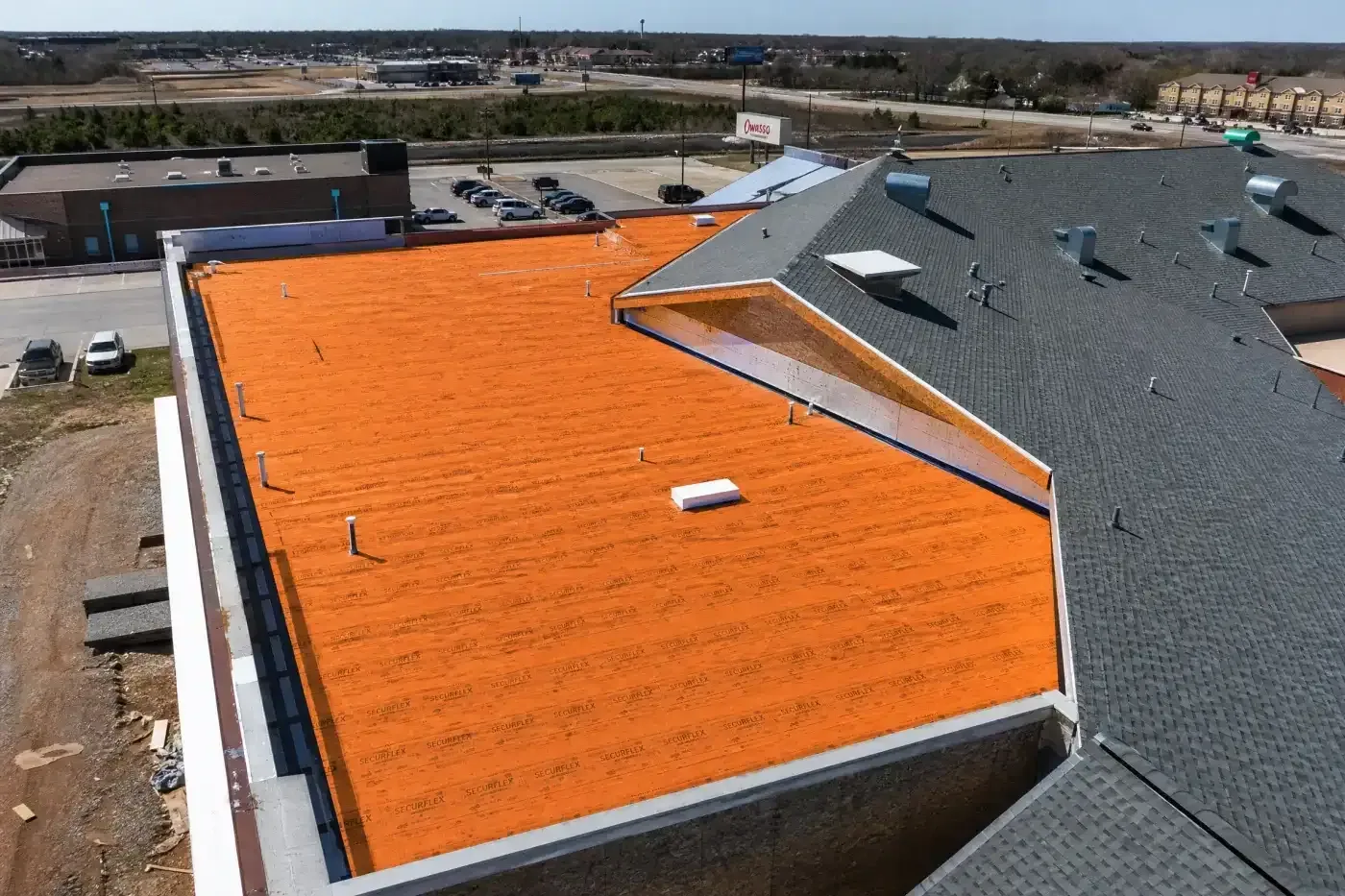
The map also shows the most vulnerable stretch of any phase: the day a section is open between tear-off and dry-in. We plan each section so it is torn off and weathered-in within the same working day, with the exposed edge sealed at close of work. Weather forecasts are checked before each day's start, and the section size is cut back if a storm cell is likely.
Phasing Around Heat and Hurricane Season
Forecasters at the Brownsville office set the Valley's heat-safety season at May through October and hurricane season at June through October. An occupied building cannot easily shelter its contents if a section is open when a squall arrives. Scheduling matters more than usual: crews start early to work in cooler hours, and the daily open area is limited to what can be closed before the afternoon.
Hurricane Dolly in 2008 lifted roofs mainly on older structures near Weslaco, and Hanna in 2020 dropped heavy rain across Mission, so the plan treats an open section as a standing risk. Those events are reminders that a half-finished reroof is vulnerable. A recover keeps the old roof as a temporary cover, which narrows the exposure, though it is only available when the old roof tests dry. For work running into the tropical season, we agree on an action plan in advance: what gets secured, who is called, and how the open section is protected when a named storm enters the forecast.
Noise, Dust, Odor, and Vibration
Tear-off is loud and dusty, and some adhesives and coatings have a noticeable smell. These effects are managed, not ignored. Noisy operations are timed away from meetings, classes, and appointments. Debris is chuted or lifted in covered containers. Air intakes near work areas are shielded or temporarily shut by agreement with the facility manager, and the roof area near an operable window or fresh-air louver gets a low-odor product where one fits.
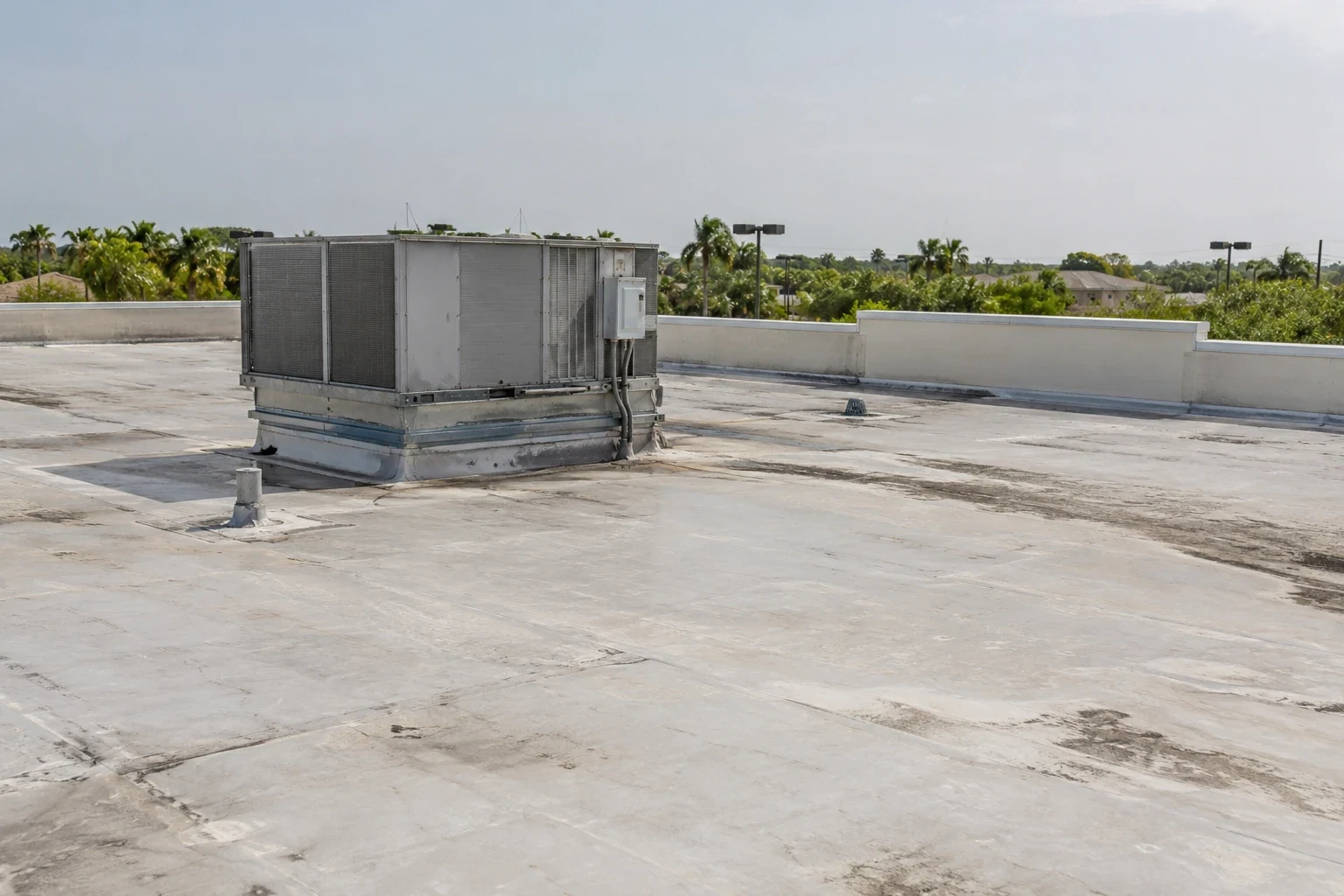
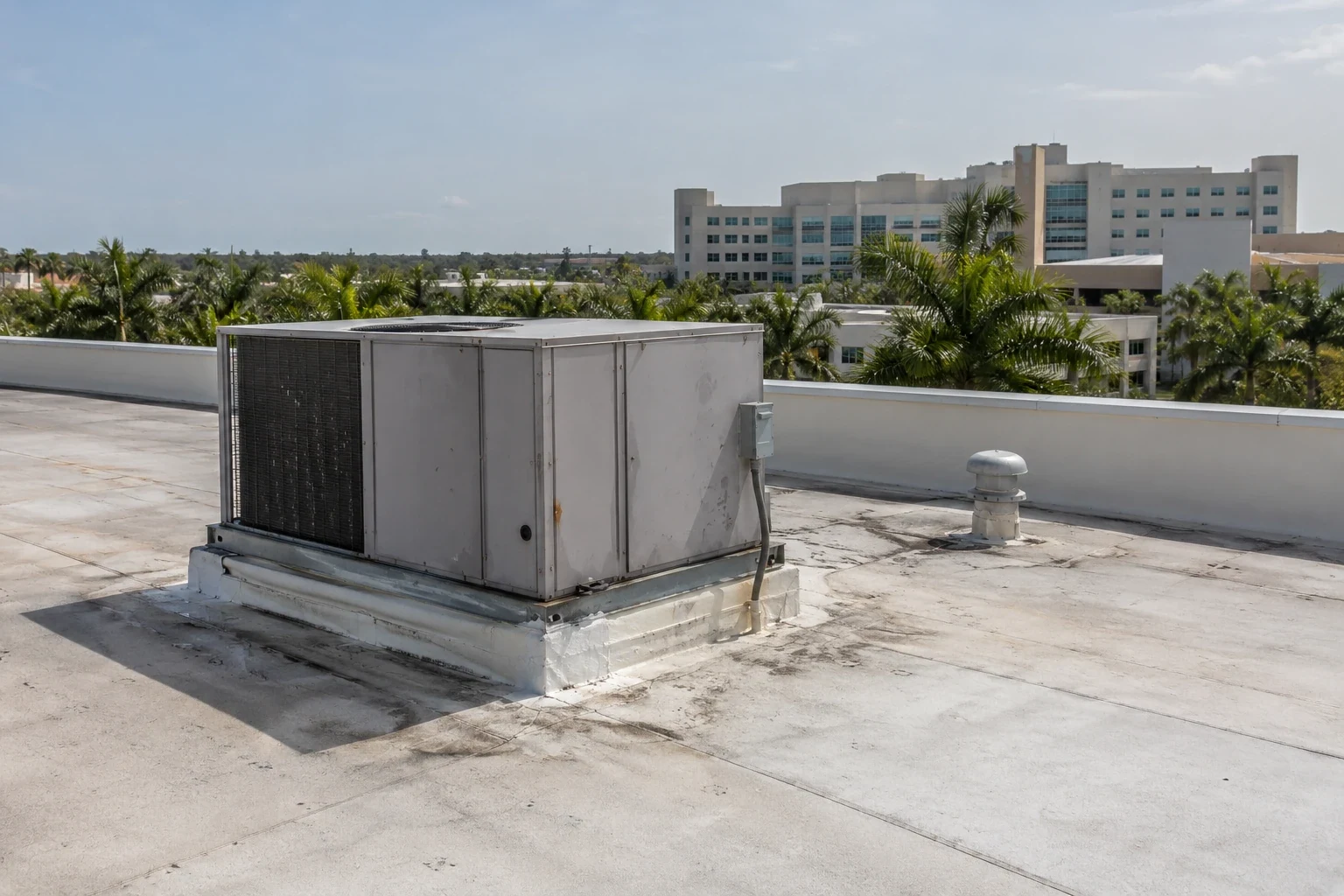
Mechanical fastening can transmit vibration into ceilings and lighting. Where that matters, we select attachment methods accordingly, such as adhesive or ballasted systems, or limit fastening to off hours. A quiet-hours rule also applies to rooftop equipment shutdowns, so a unit is never off longer than the section above it is open, and the facility manager signs the shutdown time before it happens. Each measure appears in the written plan. Tenants are notified of each phase with a short schedule, so nobody finds out about a loud morning from the sound of it.
Protecting People, Parking, and Entrances
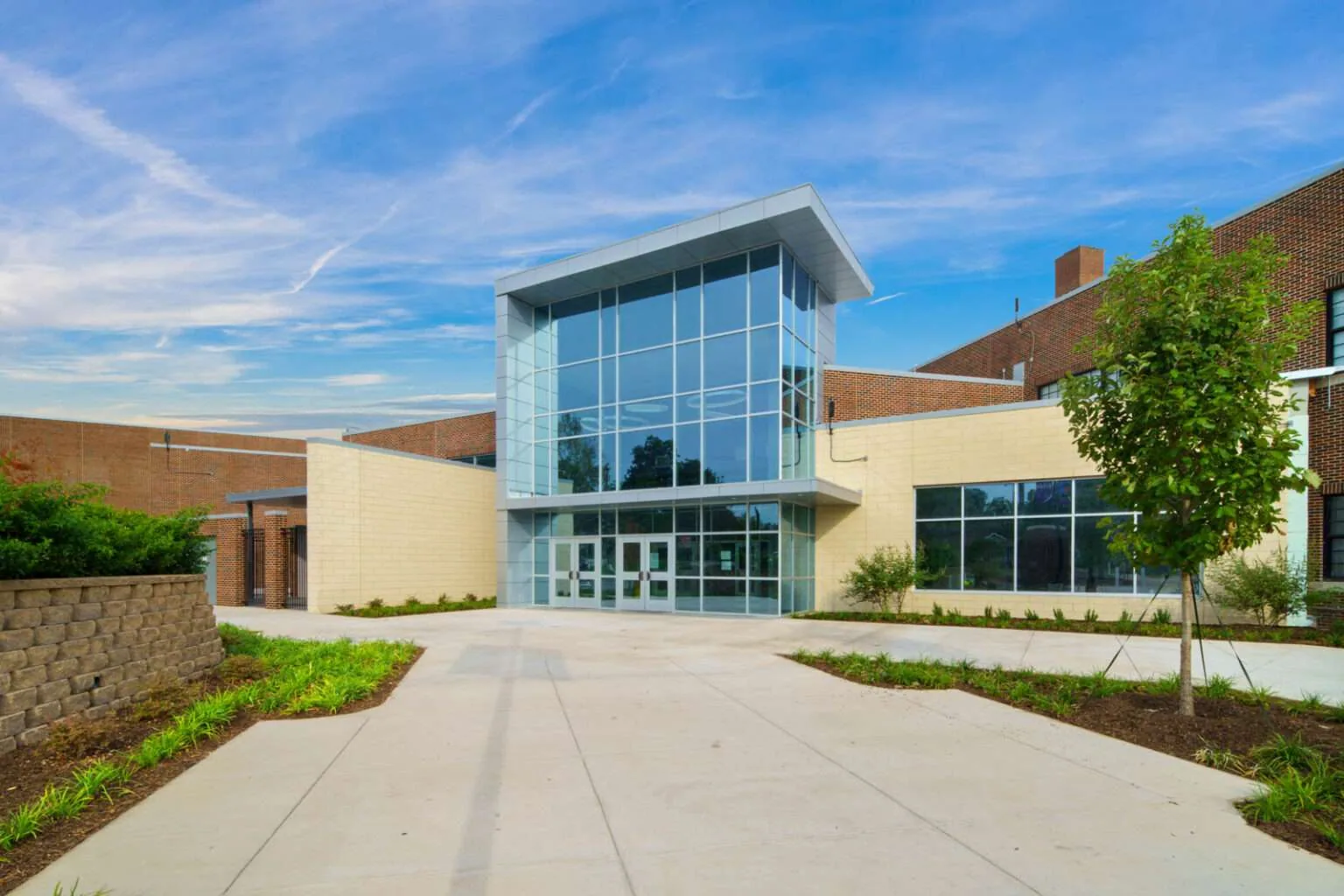
A reroof over open occupancy means pedestrian safety comes before schedule. Building entrances beneath work areas get covered walkways or are rerouted. Parking near material staging is cordoned off. Hoists, cranes, and trucks are scheduled for low-traffic hours, and a flagger is used when deliveries cross a drive aisle. These details are written into the plan the property manager signs off on.
Debris control extends to the ground. Magnet sweeps follow work each day to pick up fasteners and metal fragments, protecting tires and feet. Wind can carry loose insulation off the roof, so material is not left unsecured at day's end. For school roofing, work is usually timed for breaks, and for a grocery store roof, the plan accounts for delivery windows and refrigeration loads.
Healthcare, Retail, and Mixed-Use Buildings
Some occupancies carry stricter conditions. Clinics and hospitals may require infection-control barriers, restricted access to certain floors, and strict limits on dust and vibration. A hospital roof is planned with the facility's own safety staff before any tear-off begins, as it would be for a campus in Weslaco's healthcare district.
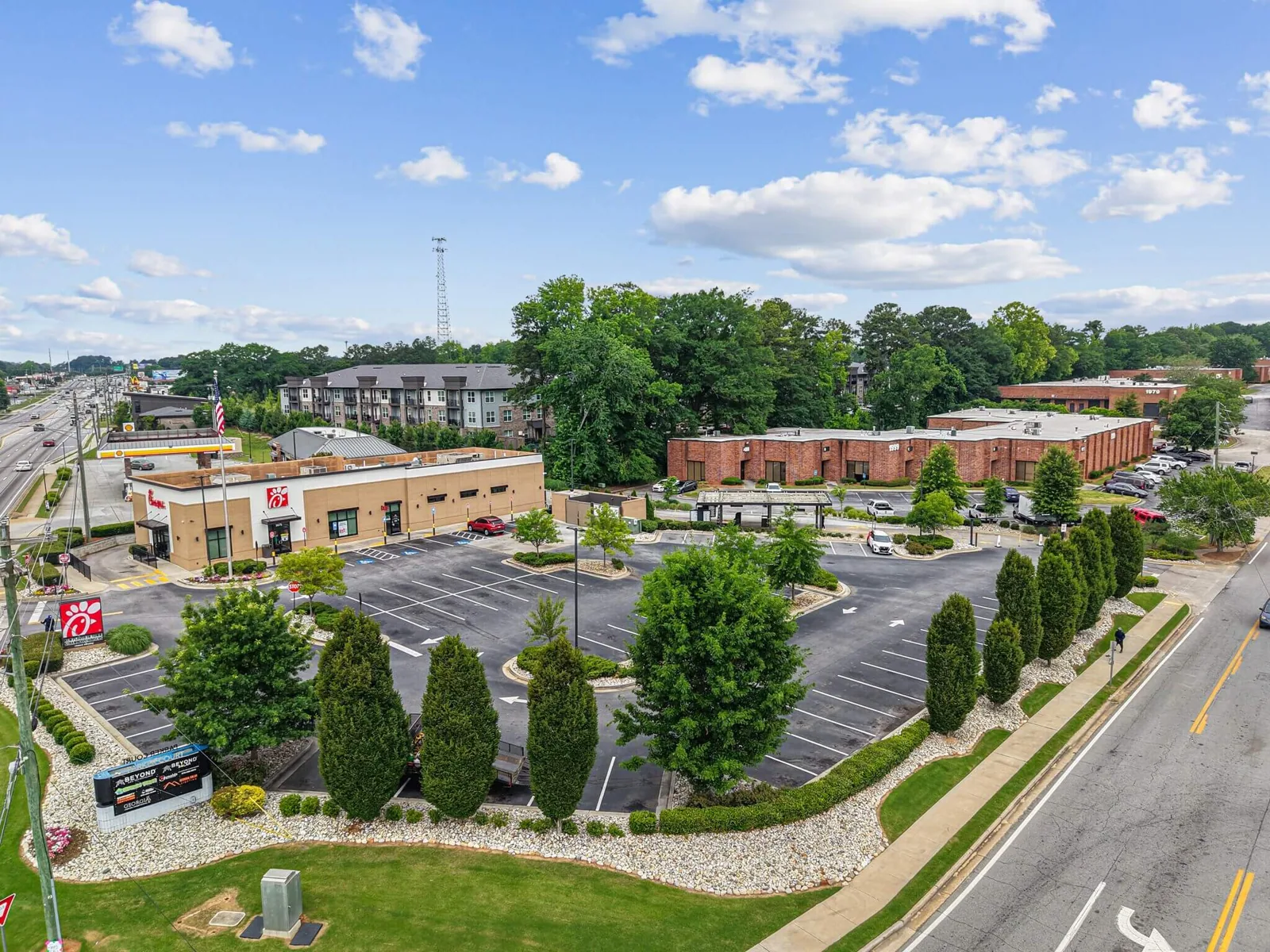
Retail centers raise a different concern: shoppers use the front entrances all day, and one bay's hours can differ from the next. We break the work into phases by bay, keep the front entrances clear, and post notices ahead of each move. Mixed-use buildings with offices above retail get the combined set of precautions, written into one sequence so no trade is surprised.
Daily Records and Closeout
Every working day produces a short record: the section opened, the section dried in, weather conditions, photographs of the day's close, and any tenant concerns raised and resolved. Over a project, the file shows exactly how the roof was replaced, section by section. That file serves the owner at closeout and later when someone asks what lies under a given area.
The same approach scales across properties. A manager running several buildings through a multi-site roof program can use identical records for each one, and a firm in property management can compare progress without reading separate formats. On a full replacement or a recover, an owner in Mission can follow progress from the same file.
Questions and Answers
How do you keep rain out of an open section on an occupied roof?
Each section is sized so it can be torn off and closed within the same working day, and a temporary seal is applied to the exposed edge at close of work. Crews watch the forecast hourly and stop tear-off if a cell approaches. Tarps, spare membrane, and sealant stay staged on the roof for fast closure.
Will our tenants hear and smell the work?
They may hear tear-off, and some products carry an odor. We cut both by scheduling loud tasks for quiet hours, choosing low-odor materials near intakes, and shielding air inlets. Tenants receive a schedule in advance, so they can plan meetings and deliveries around the noisier phases.
Is a recover less disruptive than a tear-off replacement?
Generally a recover produces less debris, noise, and dust because the old roof stays in place. It is only an option when the old roof tests dry and the structure can carry the added weight. The moisture map decides it, and the written scope states which option the readings support.
Who coordinates with the tenants during the project?
The property manager or facility manager is our single point of contact, and we supply the notices and schedule. For individual tenants with special concerns, we speak with them directly through that contact. Complaints and resolutions are logged in the daily record so they are not lost between shifts.
What if a storm is forecast mid-project?
The plan says in advance what happens. Open sections are closed first, loose materials are secured or removed, and equipment is lowered or tied down. For a named storm, work pauses and the building is walked after the weather passes, with photographs showing the condition of every phase.

Plan an Occupied Reroof
Send us the address and tell us who occupies the building. We will map the interior below each roof section and give you a written condition summary and phasing plan that you can share with tenants and your lender or insurer.