
Service Areas
Commercial Roofing in Abram-Perezville, TX
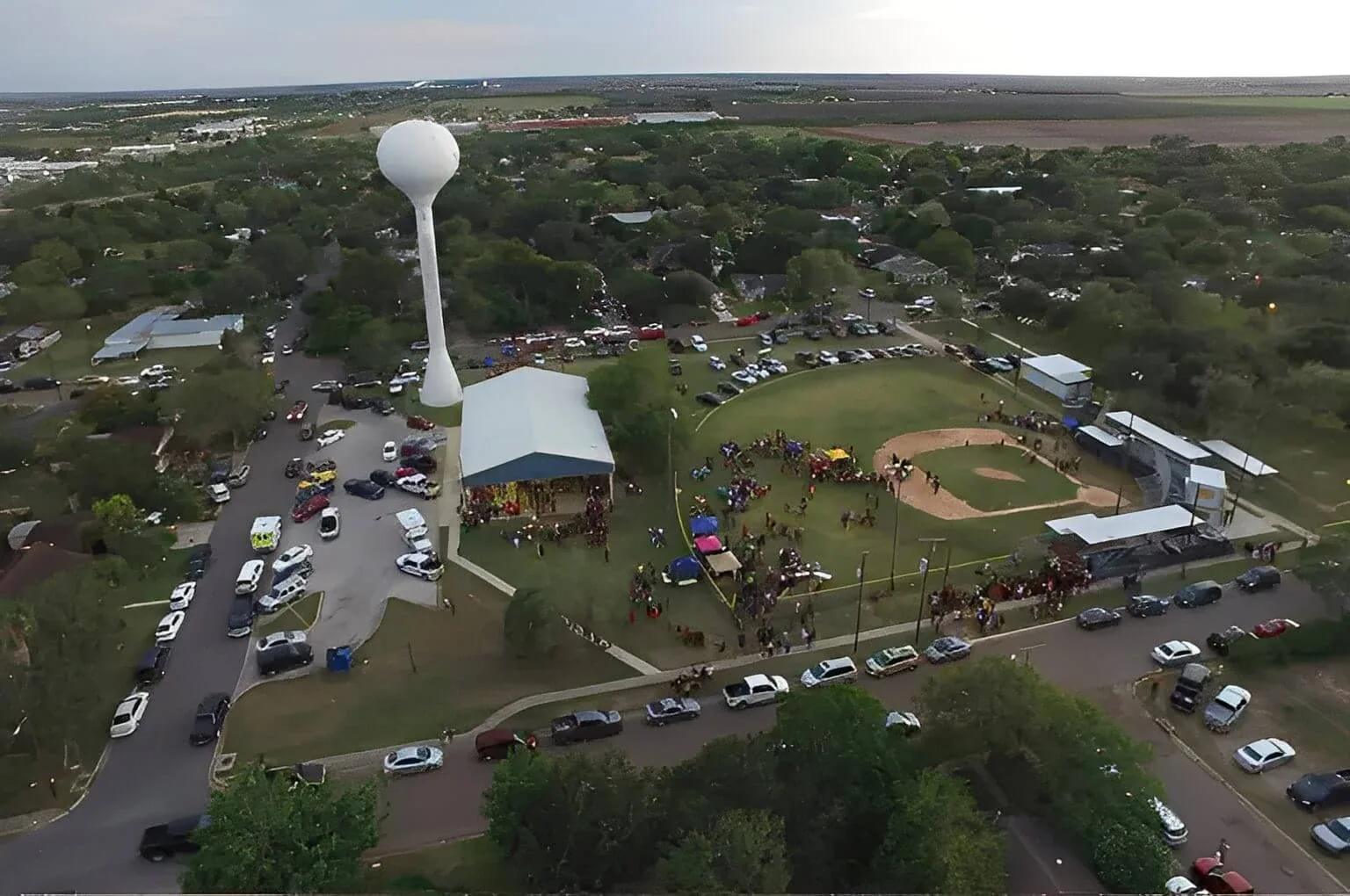
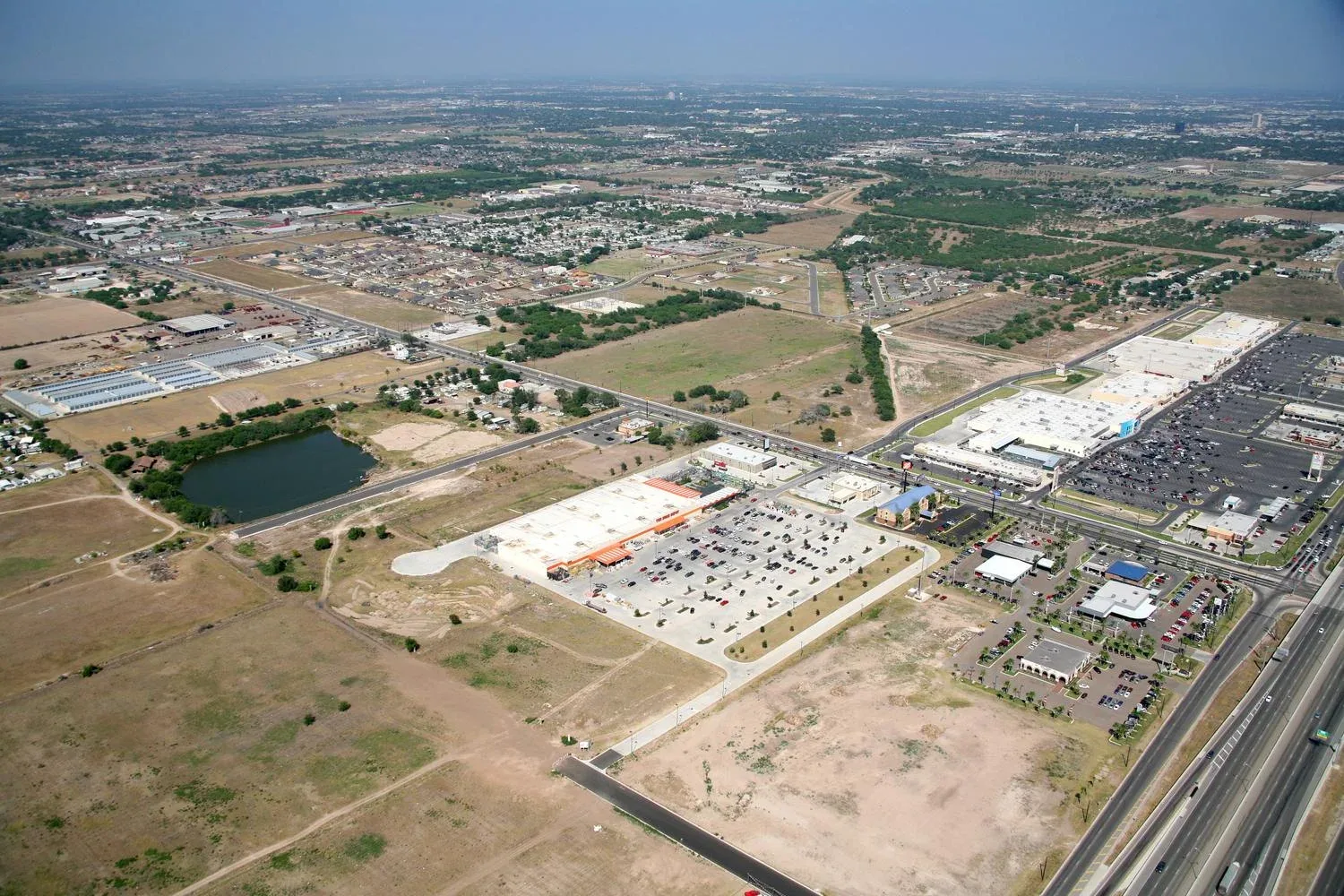
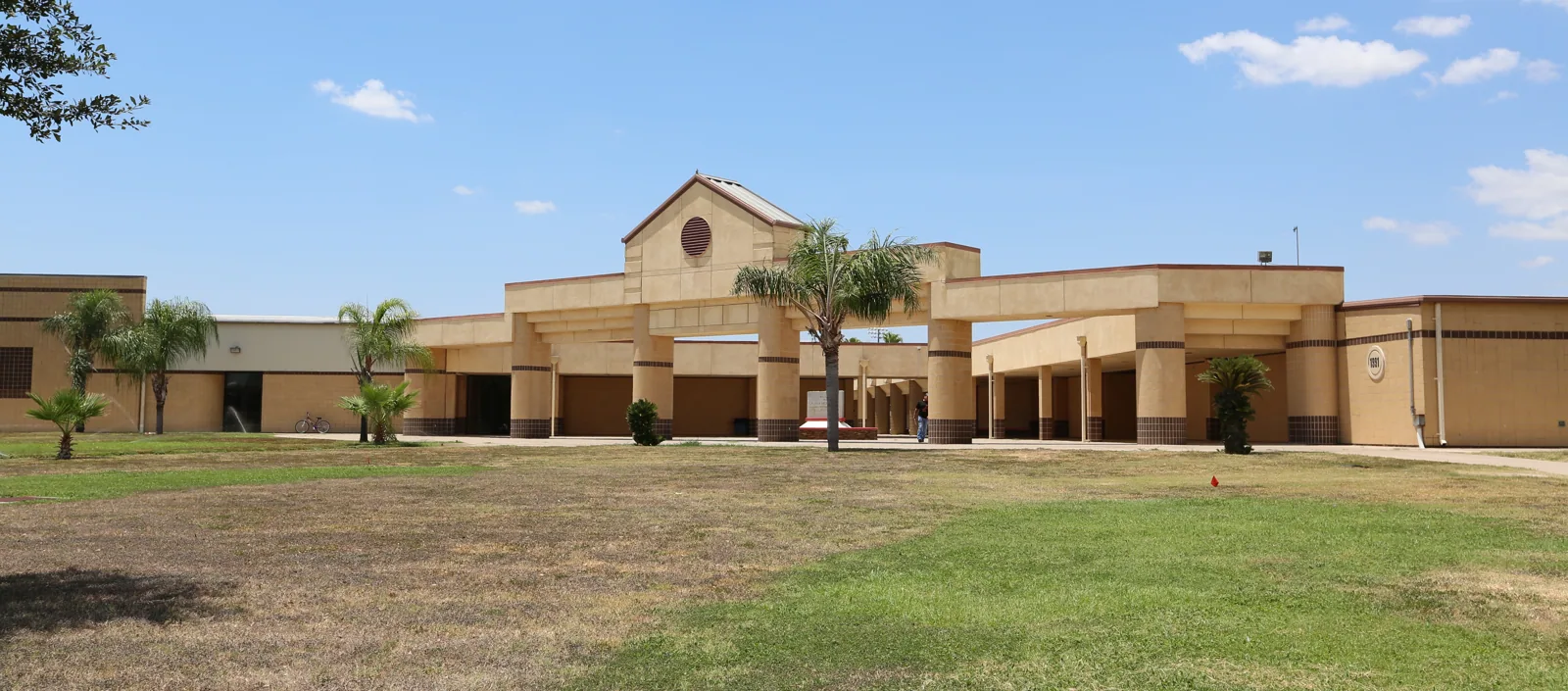
A roof file opens with an address, not a place name, and that matters most where the name has changed. Abram-Perezville, TX covered about 5.3 square miles and counted 5,376 residents in 2010, then later split into separate Abram and Perezville census-designated places. A building that sat inside one boundary in one decade can be described by another in the next, while the roof stays exactly where it was.
For owners and managers here, a roof record that follows the building rather than the boundary is the sensible way to keep one. We identify each roof by address, section and date, so that an inspection, a repair or a claim can be found by the same label years apart. La Joya ISD serves the area.
A File That Follows the Building
Each roof file opens with the address, the owner, the roof sections and a sketch with fixed labels. Section names do not change: north low-slope, east canopy, rear metal. Photographs are tagged with the label and the date, so a picture of the east canopy taken this spring can be set beside one taken three springs ago without any confusion about which roof is.
The file also holds the repair history, any warranty, the drain log and the moisture readings. When ownership or management changes, the file passes to the new party with the building. When a lender or insurer asks about the roof, the manager sends one package. That is the value of keeping the record by building: it survives changes in names, boundaries, tenants and contractors.
Several Owners, One Roof Standard
Where a community has been divided or redrawn, owners of neighboring buildings may find themselves in different jurisdictions with similar roofs. The inspection format does not change. A strip of small shops, a service building and a medical office are all walked in the same order, rated on the same scale and reported in the same layout. That makes it possible to compare roofs across owners when a manager or consultant asks.
It also helps with shared elements. A drain that serves two roofs, a parapet shared between two buildings or a wall where one roof meets another is recorded once, with a note on which owner is responsible. Arguments about who pays for a leak at a shared wall are shorter when a dated photograph shows the condition of the flashing before the leak began. The record does not settle responsibility, but it settles the facts the parties argue from.
What the First Walk Covers
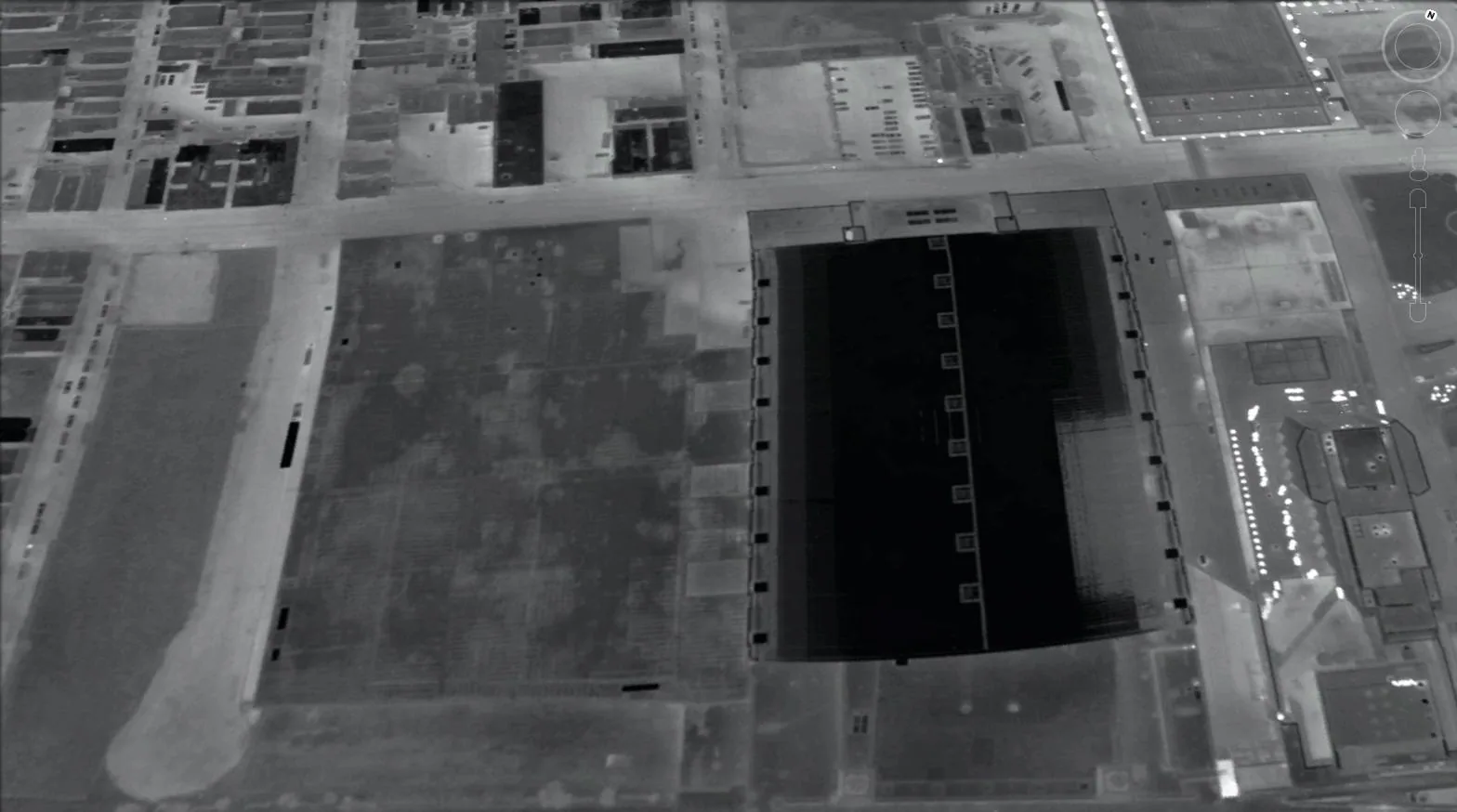
The first visit follows a fixed order. We start at the perimeter and move around the roof, photographing edge metal, coping, corners and terminations. Then we cross the field, probe seams, check penetrations and rooftop supports, and record drains and scuppers. Moisture readings are taken where soft spots or stains suggest them, and an infrared moisture survey is added where the roof size or history calls for it.
A page of findings follows. Each is rated, tagged and dated, with the action it supports. Findings that need repair now are separated from those that are monitored. The summary closes with options and costs, and the owner decides what proceeds. Nothing in the order depends on the building's use, though the questions asked about use shape the recommendation.
Heat Season on Roofs of Any Age
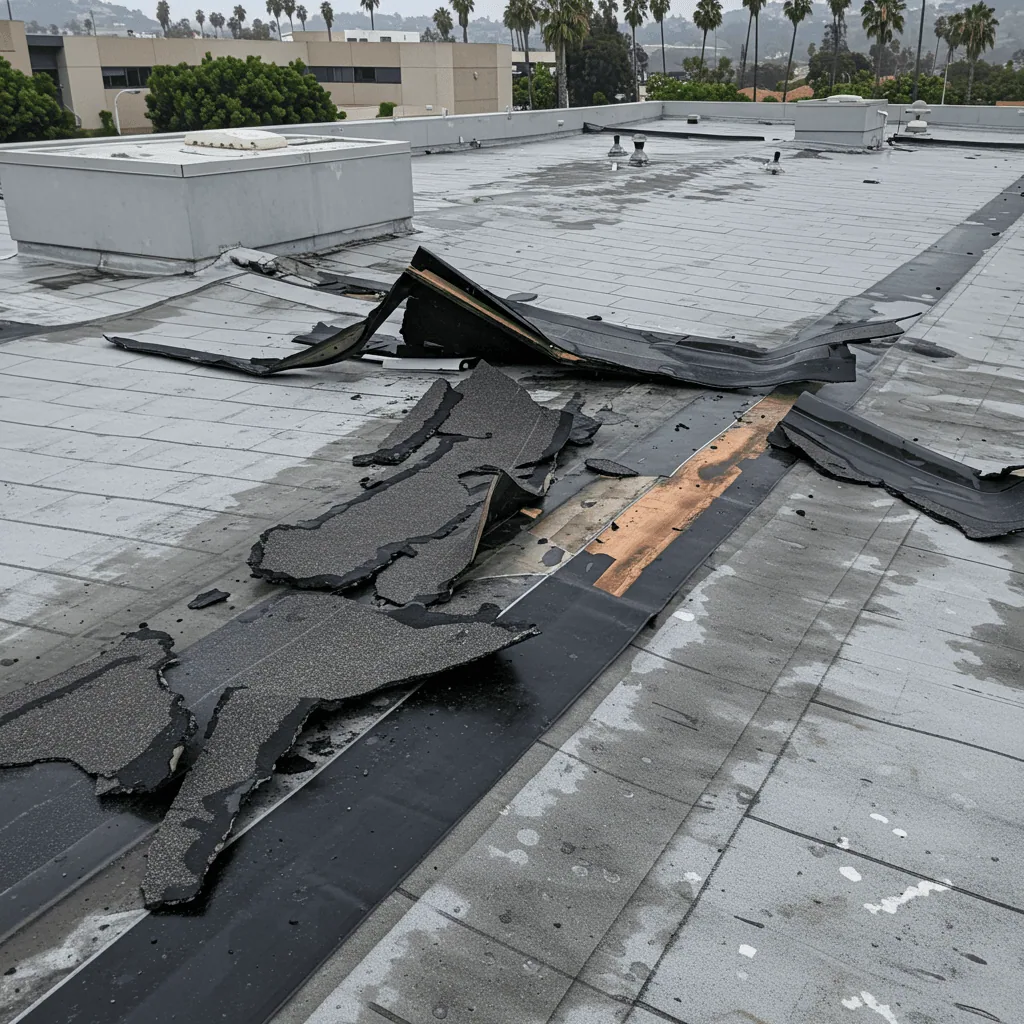
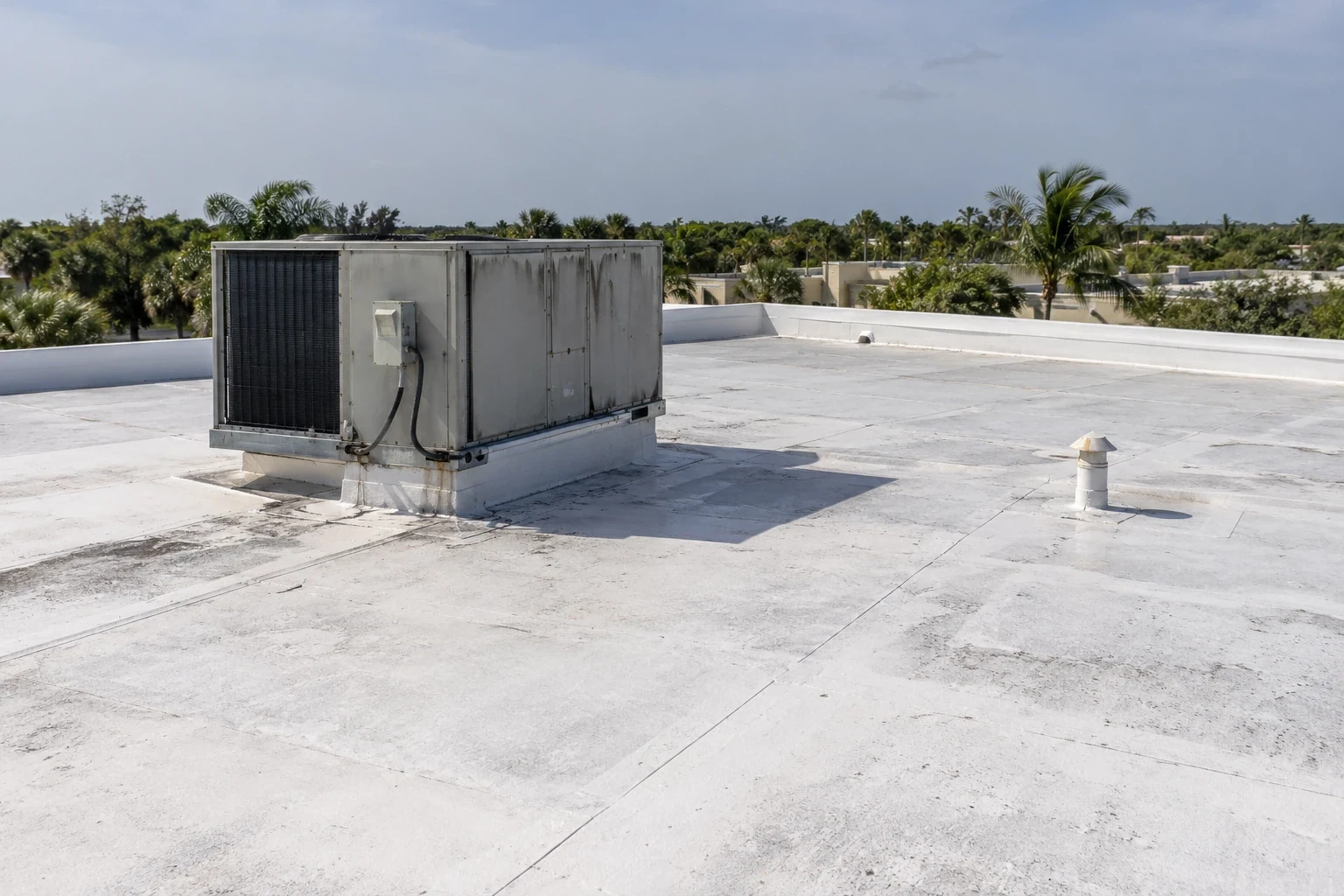
Heat-safety season in the Valley runs May to October, and every commercial roof spends it under direct sun. Surfaces chalk, sealants harden and seams work against stiffened material. The inspection captures those conditions as a trend, since a single visit shows only one point on the curve.
Roofs of different ages show different things. A newer roof may show early seam or flashing defects. A middle-aged roof may show surface wear and sealant failure. An older roof may show widespread chalking, shrinkage and wet insulation. The file records which category each roof belongs to, and the recommendation follows. Where a roof is nearing the end of its service life, the discussion turns to replacement and its timing.
Rain, Flood Preparedness and Named Storms
Hurricane season occupies June through October, and flood preparedness never stops. Hurricane Hanna in July 2020 left a foot or more of rain in nearby Mission and McAllen, and poor drainage turned that into flooding in the Mission, La Joya and Sullivan City area. For a roof, the practical response is to keep drains clear, check edges and flashings before the season and compare the roof against a baseline afterward.
The baseline is the spring record: tagged photographs of edges, seams, flashings, drains and moisture readings. After a named storm, the same positions are photographed again. A difference becomes a repair item with a dated photograph. An absence of difference becomes a note that the roof came through intact. Roofs in Mission and La Joya are handled the same way.
Drainage Details to Check
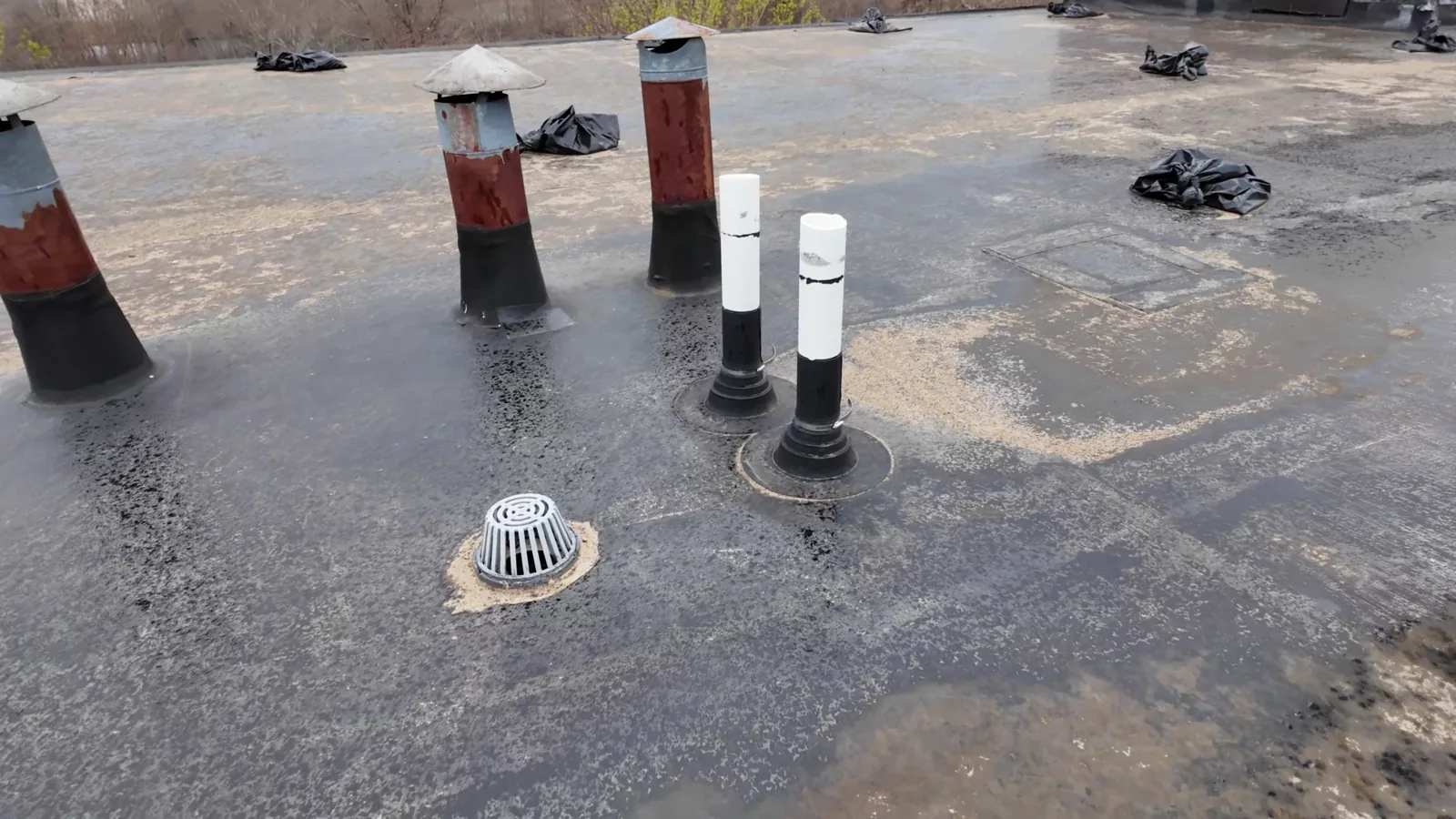
Water leaves a flat roof through drains, scuppers and gutters, and each is a detail with its own failure modes. Baskets clog with leaves and gravel. Scuppers are set too high or too narrow. Gutters sag and hold water. Downspouts disconnect. The inspection checks each and records condition and any ponding nearby.
Cleaning and minor adjustments are handled under roof drain and scupper service. When ponding persists after cleaning, the cause is the roof's slope or a deflected deck, and the report recommends tapered insulation, an added drain or a scupper at the low point. Each option is priced.
Repair, Coating or Replacement
Findings set the path, and the path depends on how much of the roof is still sound. A roof with limited defects and dry insulation is repaired. Where the membrane is sound and only the surface is worn, coating can carry the roof further. Where wet areas are widespread, the roof is replaced, in whole or in part. The recommendation compares the cost of each path and identifies what would change the choice, such as a second failed seam in the same section or an expanding wet area on the moisture map.
Schedule matters as well. Tenant and school calendars limit working windows. We state the window for each option in the recommendation, so the owner can plan around it.
Questions and Answers
Why file a roof by address instead of by community name?
Boundaries and names change, while the building does not. An address-based file stays findable for the owner, a lender and an insurer, whatever the building is called in a later record.
What happens to the roof file if the building is sold?
The file goes to the new owner with the building. It carries photographs, repair history and any warranty, which gives the buyer a baseline and the seller a record of care.
How does heat affect a roof over several years?
Surfaces chalk, sealants harden and seams stress with each heat season. The trend over years matters more than any single reading, which is why the same positions are photographed each spring.
Do you inspect after a storm even if I see no damage?
Yes, if a baseline exists. The comparison shows small changes that are easy to miss, such as a lifted edge or a new low spot. A clean result is documented too.
What does a first visit cost?
The scope is stated in writing before the visit, and the cost depends on roof size and access. The written condition summary is the deliverable, and it can be reused for budgeting or an insurance conversation.
Request a Documented Inspection
Ask for a visit to your Abram-Perezville, TX roof and receive a written condition summary with tagged photographs, a rooftop sketch and moisture readings. The summary states which findings call for repair, coating or replacement, and it can be reused for budgeting or an insurance conversation. Start from the contact form.