
Service Areas
Commercial Roofing in Granjeno, TX
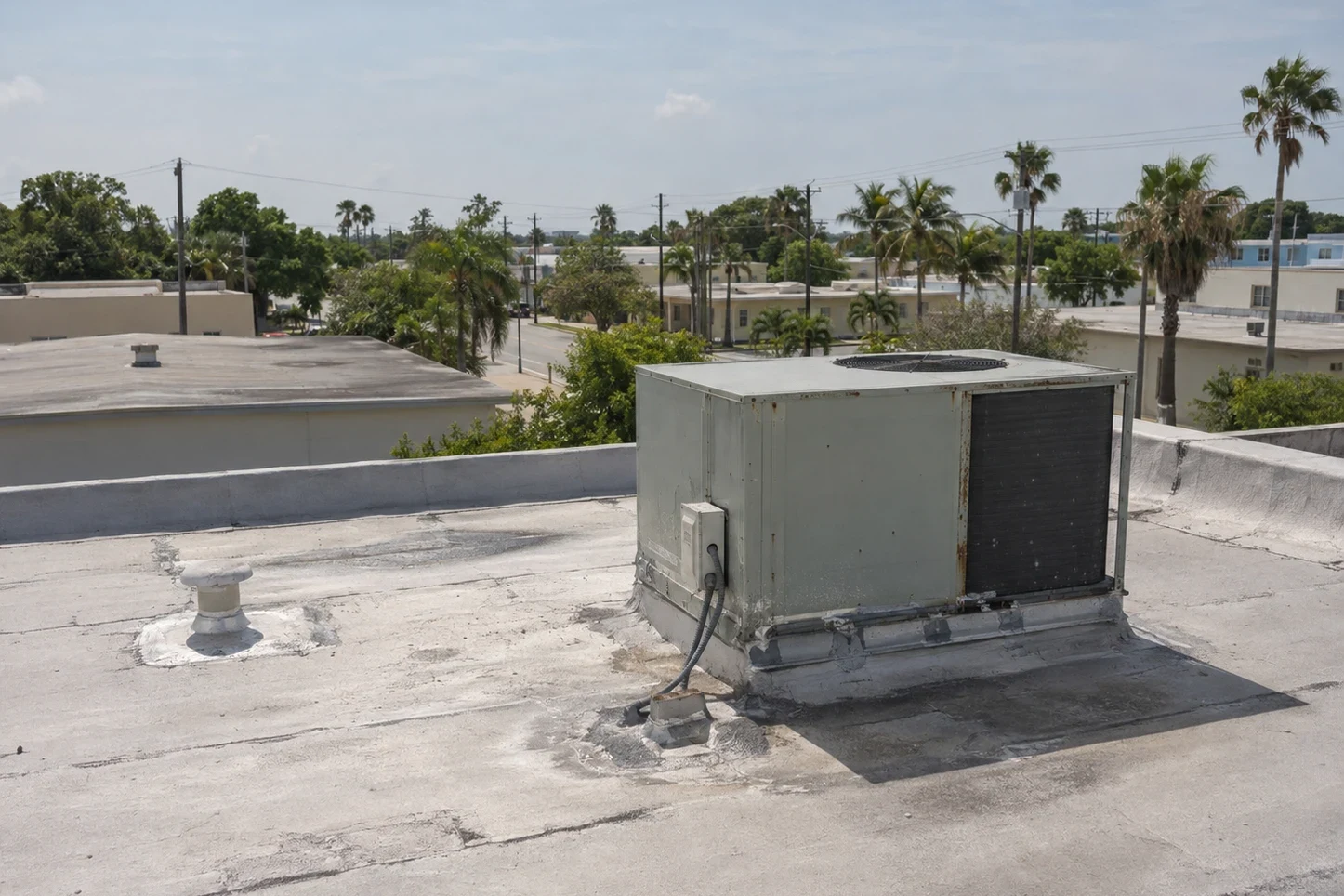
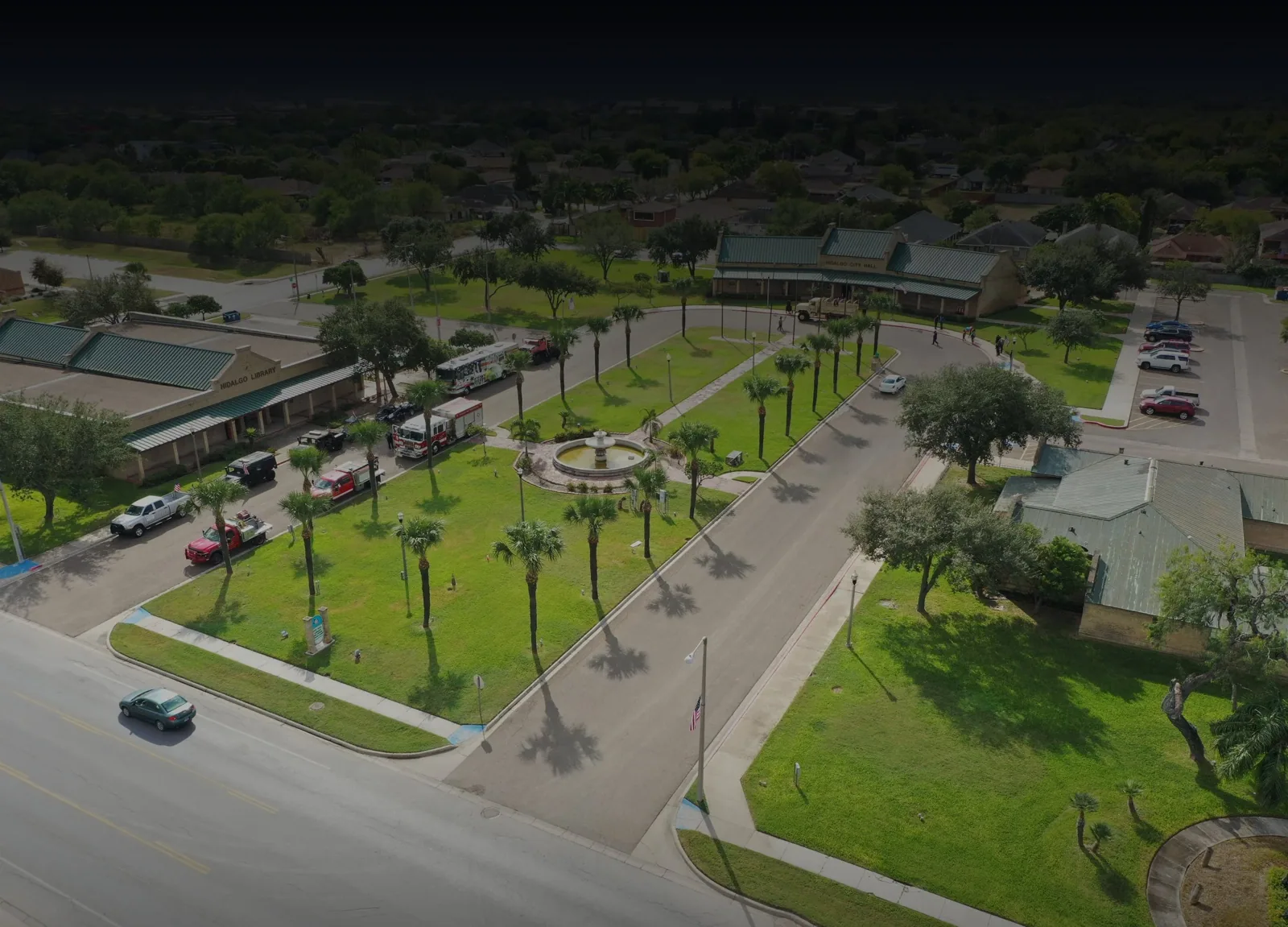
On a small commercial building the first entry in the inspection log is often the whole roof in one photograph: a single section, a handful of penetrations and an edge that can be walked in a few minutes. Granjeno, TX is that kind of place for roofing. The city covers about 0.31 square miles, had 283 residents in 2020 and sits on the Rio Grande at the junction of FM 494 and Old Military Road, about four miles southwest of McAllen.
Commercial roofing work here is mostly small buildings, along with jobs on the nearby McAllen and Hidalgo corridor that the same crew reaches on the same trip. That shapes how we plan a visit. A small roof still gets a complete record, because the owner of one building has the same questions as the owner of ten: what is wrong, what does it cost, and how long can it wait.
Planning the Trip
A visit to a small building in a small city starts with the route. Granjeno is about four miles from McAllen, so a visit can be combined with other work in the area. We confirm the address, the roof access point, the presence of a ladder or hatch and any rules the owner or tenant has about timing. If the roof can only be reached with a tall ladder, we bring one and say so in advance.
The first walk takes less time than a large roof but follows the same order: perimeter, penetrations, field, seams, drains, equipment. Photographs are tagged and dated, and a rooftop sketch shows the position of each finding. Because the building is small, the sketch fits on one page, which makes the record easy to hand to a lender, a landlord or an insurer.
Access gets a line of its own in the file. Where a roof hatch is locked, where a ladder has to be borrowed, or where a tenant must be told before anyone steps on the roof, the entry says who to call and how much notice is needed. The next visit then starts on the roof instead of at the door.
Sun, Heat and Small-Roof Wear
Sun is the steady load here: the Valley's heat-safety season runs from May to October, and a roof spends all of it in direct exposure. A small roof is not spared. A single penetration with cracked sealant is a larger share of a small roof's risk than it is on a big one, because there are fewer details to share the load.
We check sealants first, then flashings, then seams, in that order, because sealants age fastest. Chalking, cracking and shrinkage are logged by location. A roof that has gone through several heat seasons without maintenance can show the same pattern in every corner, and the record makes that pattern easy to read and easy to price.
Fastened Metal and Panel Roofs
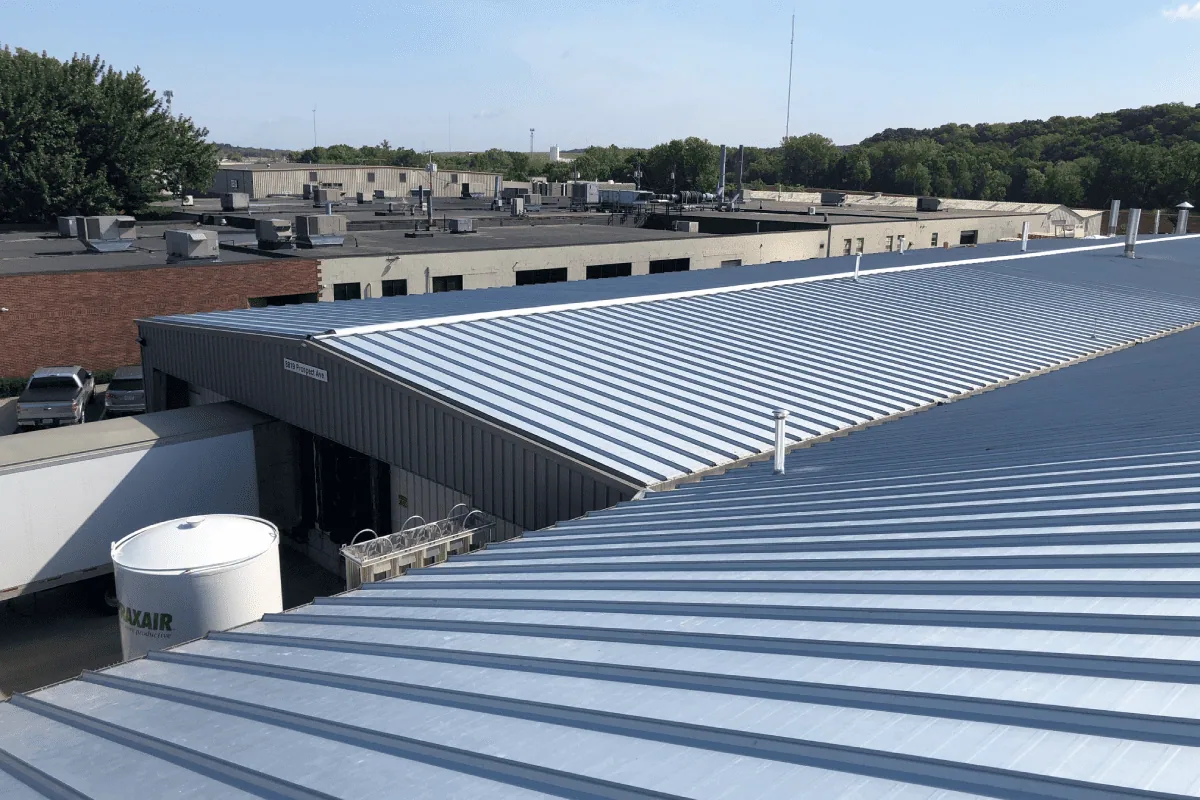
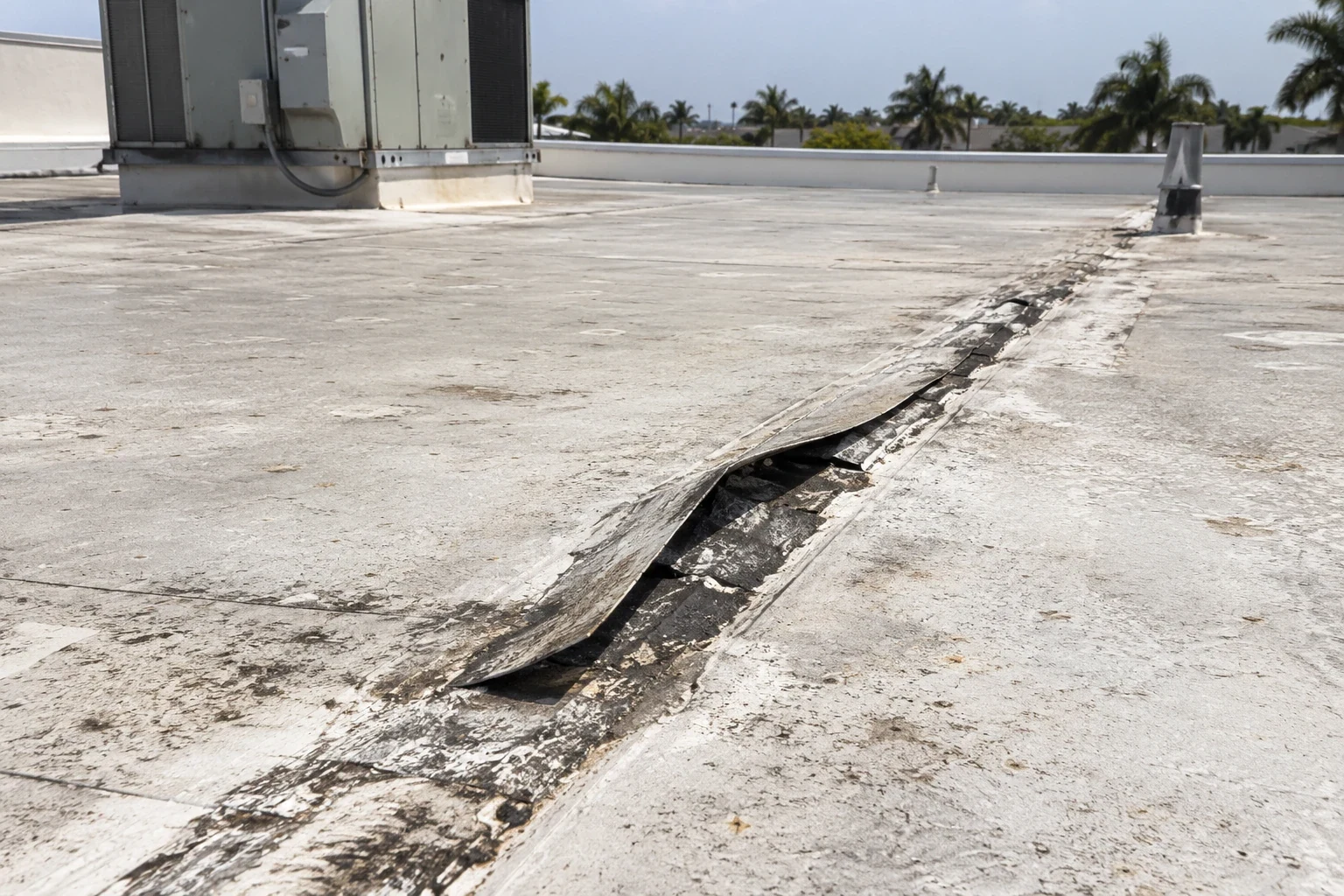
Small commercial buildings can carry metal panels or sheet metal, and the failure modes are specific. Screws back out as the metal expands and contracts. Washers harden and split. Panel laps open at the ridge or at the eave. Edge trim comes loose and gives wind a grip. In McAllen during Hurricane Hanna, several sheet-metal roofs were blown off or torn back, and loose screw lines and trim are the details we look at first.
When we find a metal roof in this condition, the log records screw spacing, the condition of washers, lap overlap and the state of the trim. We recommend replacing fasteners and sealants on a schedule, and we flag panels with corrosion or deformation for repair or replacement. A standing seam metal roof asks different questions, mostly about clips and seams, but the first walk records them in the same way.
Low Slopes, Ponding and Drains
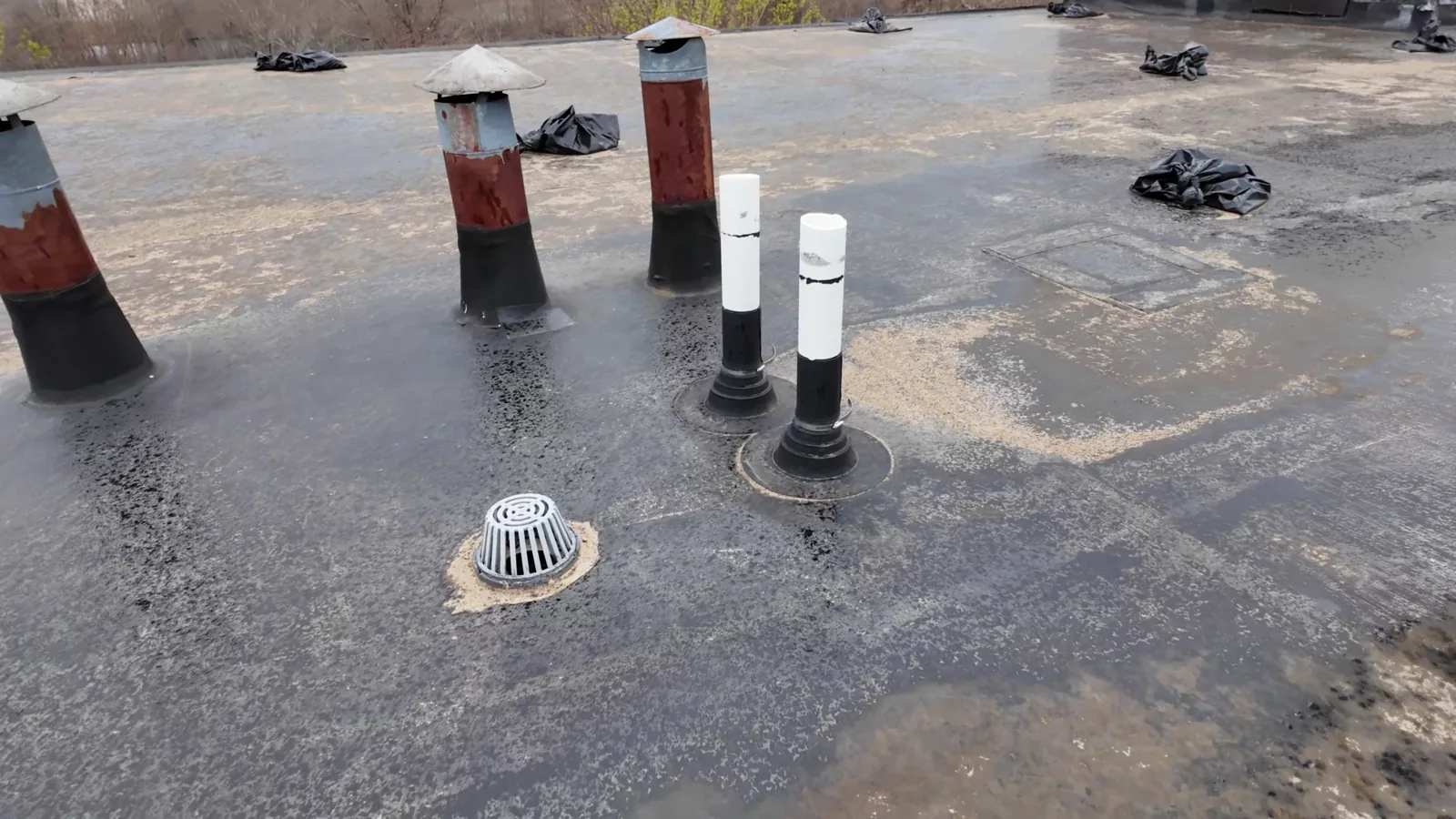
Small low-slope roofs often have a single drain or a scupper through the parapet. If either clogs, the roof ponds, and a small roof can hold a lot of water for its size. We measure depth at low spots, check the drain basket and outlet, and note any staining or algae that shows water has stood.
The tropical season starts in June and runs through October, and flood readiness is a year-round concern. Hanna's rain totals in parts of McAllen and Mission reached the low teens in inches, and a roof with a weak drain would have been tested hard. Clearing and logging roof drains and scuppers before the season is the cheapest repair on the list, and a preventive maintenance visit each spring covers it.
Repair, Coating or Replacement on a Small Roof
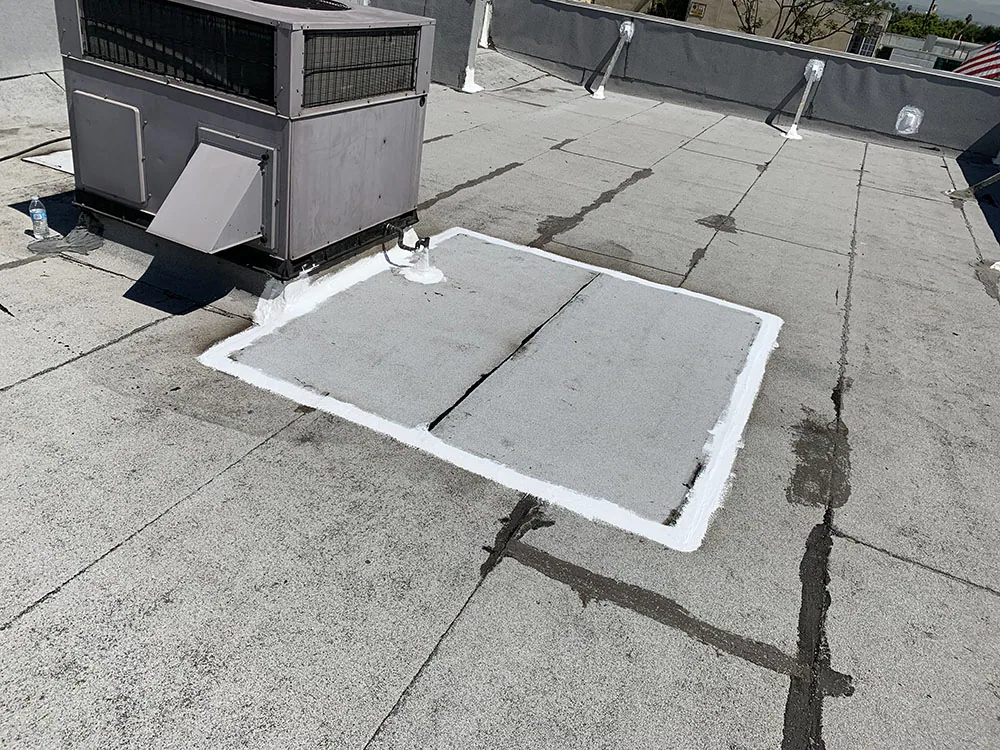
Cost drivers on a small roof are different from those on a large one. The fixed cost of getting a crew and materials to the site is a bigger share of the total, so combining repair items into one visit saves money. Where the membrane is sound and the insulation dry, a seam repair or a flashing repair can be the whole scope. Where wear is widespread, a coating may extend life. Where moisture is widespread, replacement is the answer.
The written recommendation states which findings drive the choice and which are monitored, with a price for each path. Owners can compare the cost of repair now against the cost of a larger project later, and they can see what is likely to change between this year and next.
Timing matters on a small roof as well. Dry-weather windows between the heat-season thunderstorms are enough for most repairs, while coating and membrane work need a clear forecast of a day or more. Scheduling before the tropical season starts in June leaves room for a second visit if the first inspection turns up something that needs further work.
A Short Record That Lasts
The record from a small building is short, but it matters. It names the system, shows the condition by section, includes moisture readings and carries a dated recommendation. Next year, the same photographs are taken from the same positions, and the comparison shows what the heat season did. After a named storm, a second comparison shows what the weather did. That is the pre-storm baseline and post-storm comparison that make claims and repairs easier to explain, and it takes little time each year. The same approach applies to nearby buildings in Hidalgo.
Questions and Answers
Does a small building need a full inspection?
Yes, scaled to its size. A small roof has fewer details but each carries more risk, so the walk covers perimeter, penetrations, field, seams and drains, and the record is short. It gives the owner a baseline for the next heat season.
Why combine repairs into one visit?
Mobilization and setup are fixed costs. Several small repairs completed in one trip cost less than the same repairs done on separate days. The recommendation groups items that can be done together.
Can a leaking metal roof be repaired without replacing it?
Often, when panels are sound. Fasteners, washers, laps and trim are replaced or re-sealed, and the repair is tested after the next rain. Panels with corrosion or deformation may need replacement.
What should be done before the tropical season?
Clear drains and scuppers, check edge metal and trim, probe seams and photograph each detail. A dated record taken before June gives a baseline to compare after any named storm.
How do I start?
Send the address and a description of the building. We will schedule a visit, walk the roof and send a written condition summary with photographs, a sketch and a recommendation.

Request a Documented Inspection
Ask for a visit to your Granjeno, TX roof and receive a written condition summary with tagged photographs, a rooftop sketch and moisture readings. The summary states what needs repair now and what is monitored, and it can be reused for budgeting or an insurance conversation. Start from the contact form.