
Service Areas
Commercial Roofing in Havana, TX

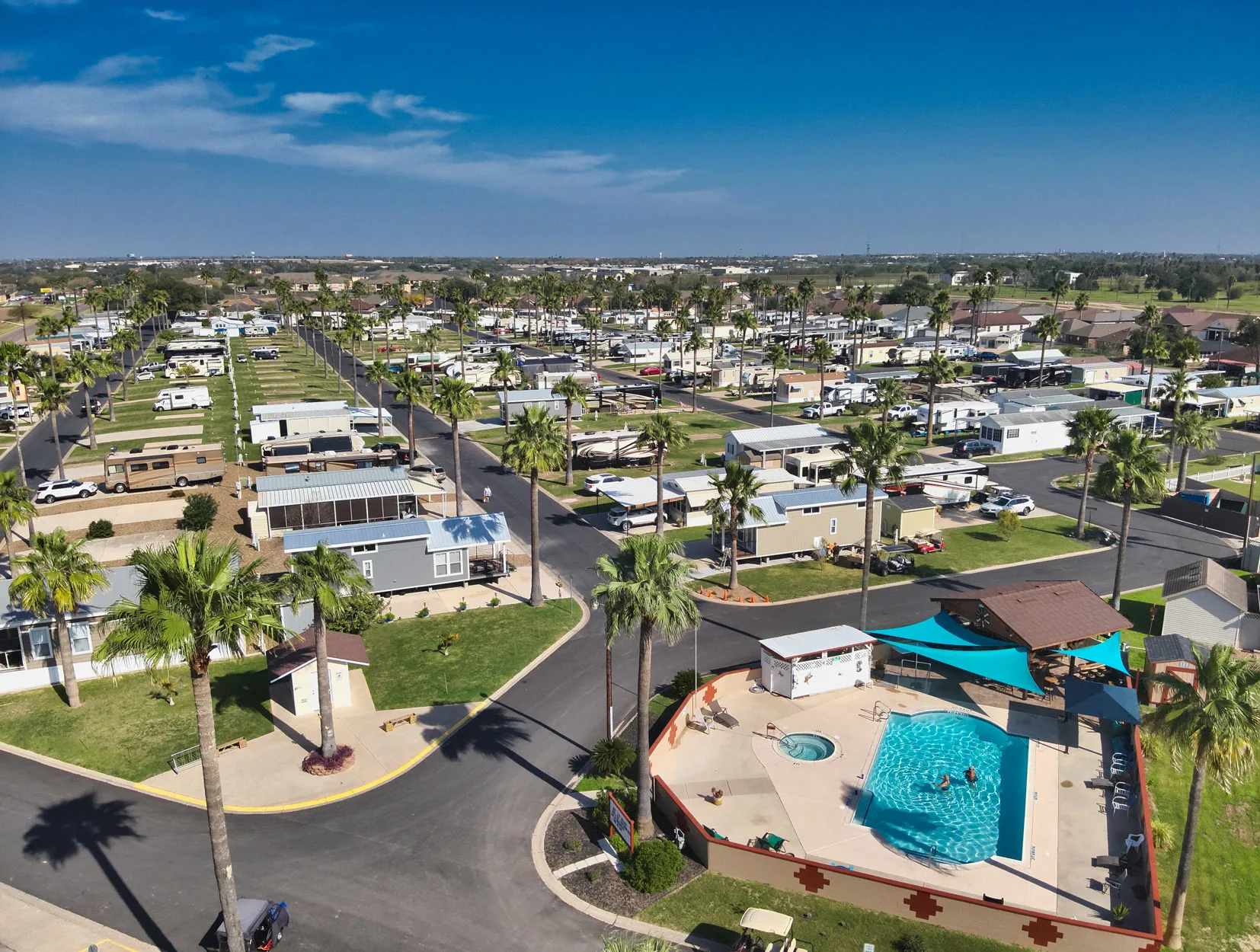
The first thing an inspector writes after a Valley downpour is a water line: where it reached, how long it stayed and what it touched. Havana, TX is a small census-designated place of 0.8 square miles with 361 residents in 2020, west of Mission, and La Joya ISD serves it. During Hurricane Hanna in July 2020 the gauge at La Joya recorded 13.92 inches of rain, and the area saw deep flooding from poor drainage.
A roof is not a street, and rain on a roof does not behave like rain on the ground, but the two are linked. Heavy rain tests drains, scuppers and flashings, and a building in a place where water already collects has little room for a roof that drains badly. In a community this size the work is likely to be on small buildings, and it starts with how water leaves the roof.
The Roof Check After a Heavy Rain
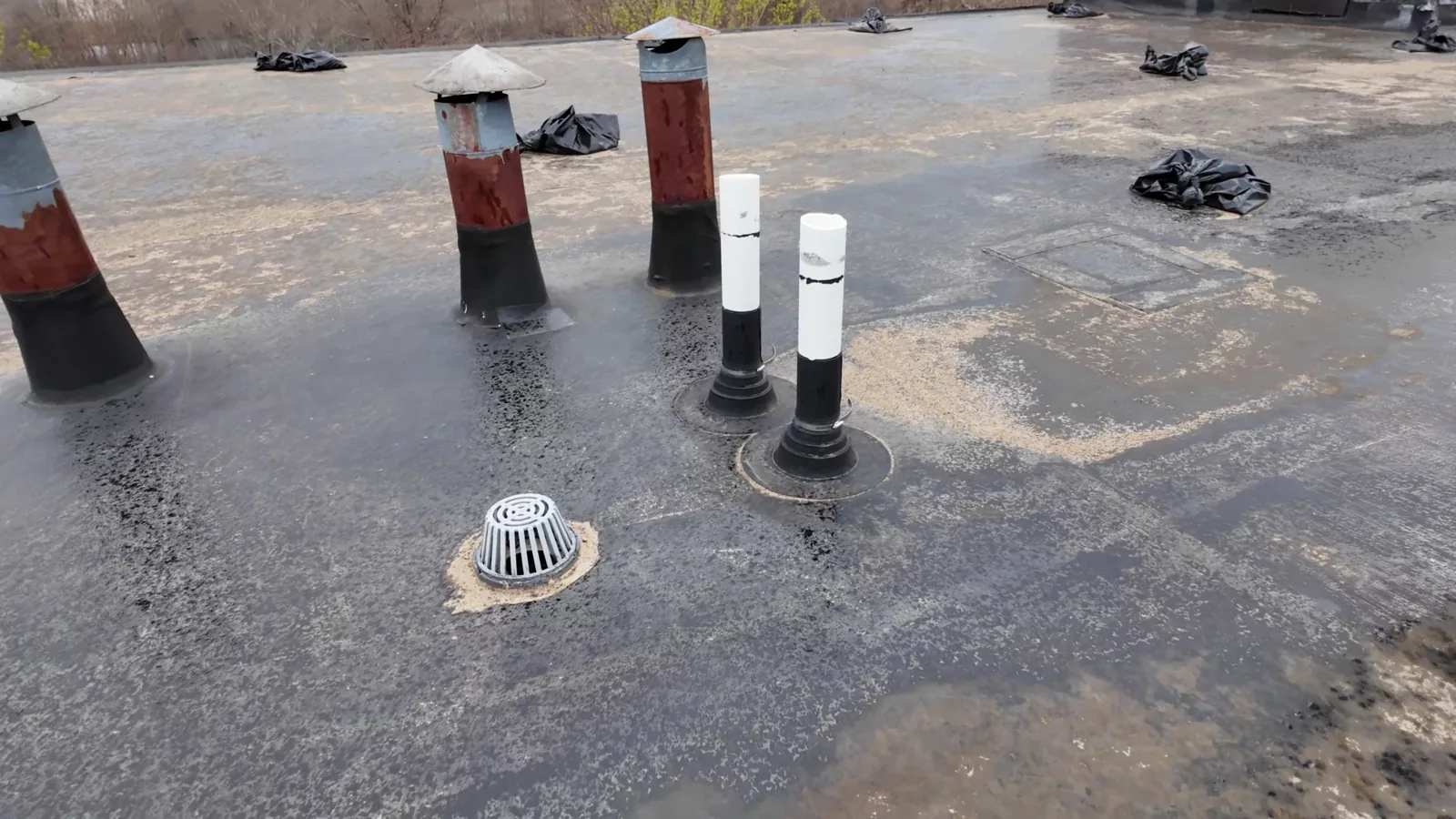
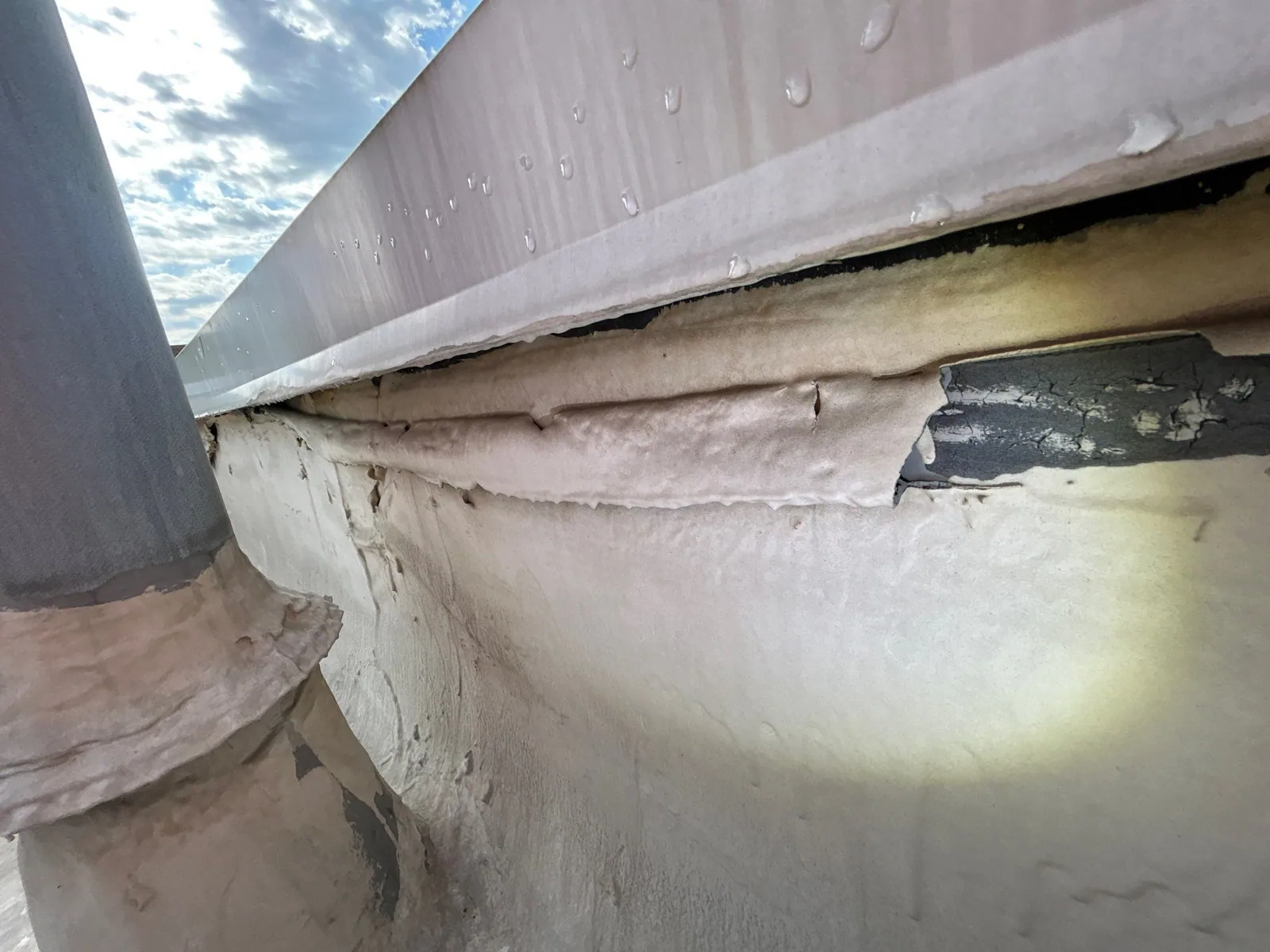
After a downpour, we walk the roof in a short fixed sequence. First the drains and scuppers: are they clear, and did water stand near them? Then the low spots, where depth is measured and photographed. Then the details that take water first, such as base flashings, curbs and penetrations, where a failed flashing shows up as a dark gap or lifted sealant. Finally the interior, where stains, wet tiles and damp walls are logged with dates.
This sequence finds the cause fastest. A stain that appears after a heavy rain and not after a light one points to a drainage or detail problem. A stain that appears after any rain points to an open seam or a failed flashing. The distinction tells us where to start, and it often saves a day of searching.
Roofs in Places Where Water Collects
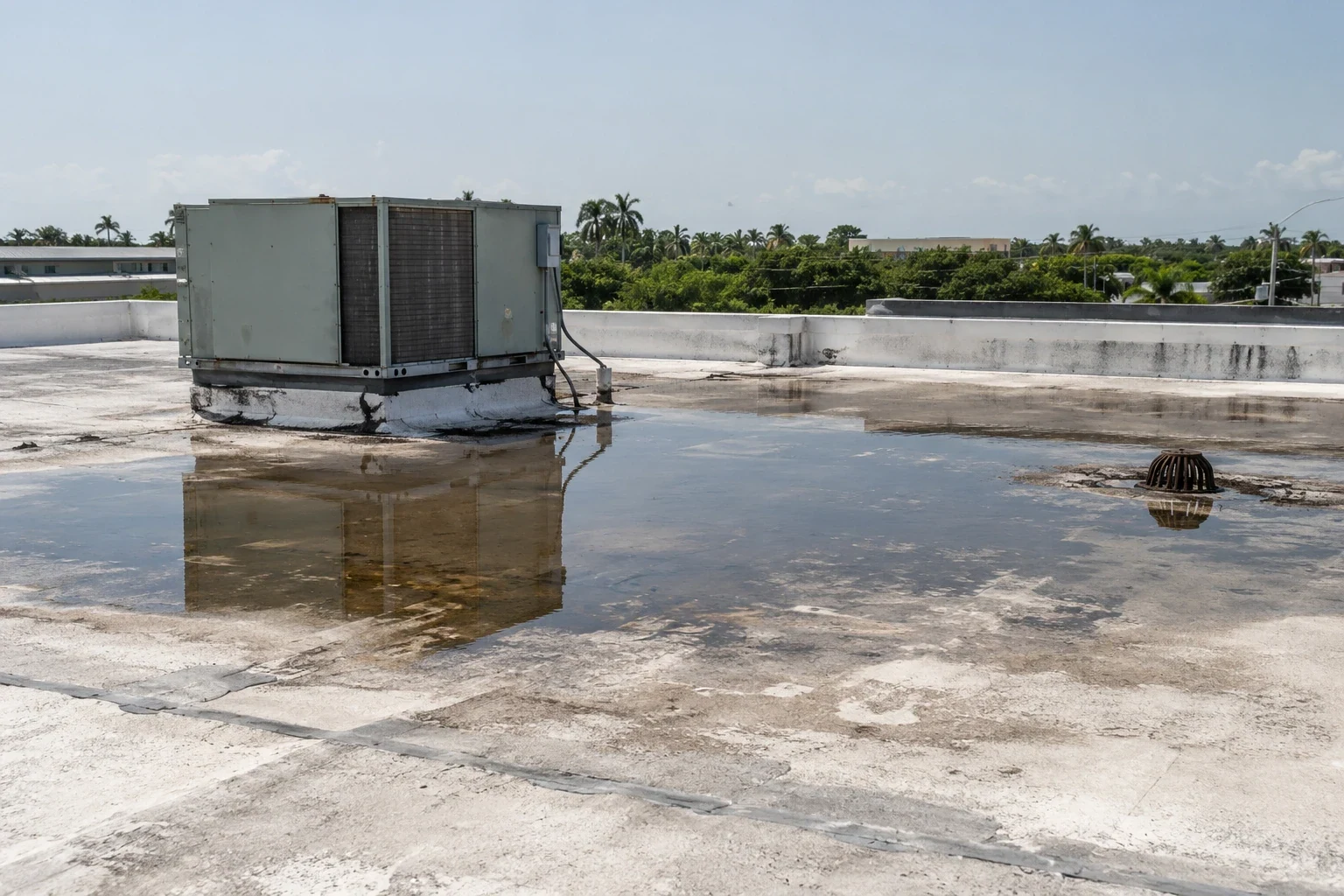
Hanna's rain was heavy across the region. The La Joya gauge counted 13.92 inches, and parts of the Mission, La Joya and Sullivan City area were under water 18 inches to 4 feet deep because drainage was poor. A roof never sees depths like those, but the lesson carries over: water that cannot leave finds the weakest point.
On a small building, the weakest point is often a single drain or scupper. If it is clogged, the roof fills. If it is undersized, the roof drains slowly. If it is set above the surface, water stands around it. We measure, photograph and log each, using the same checks as for roof drains and scuppers anywhere, and the report separates cleaning from correction. The correction may be a new scupper, a lowered sump or tapered insulation toward the outlet.
Drying In and Temporary Protection
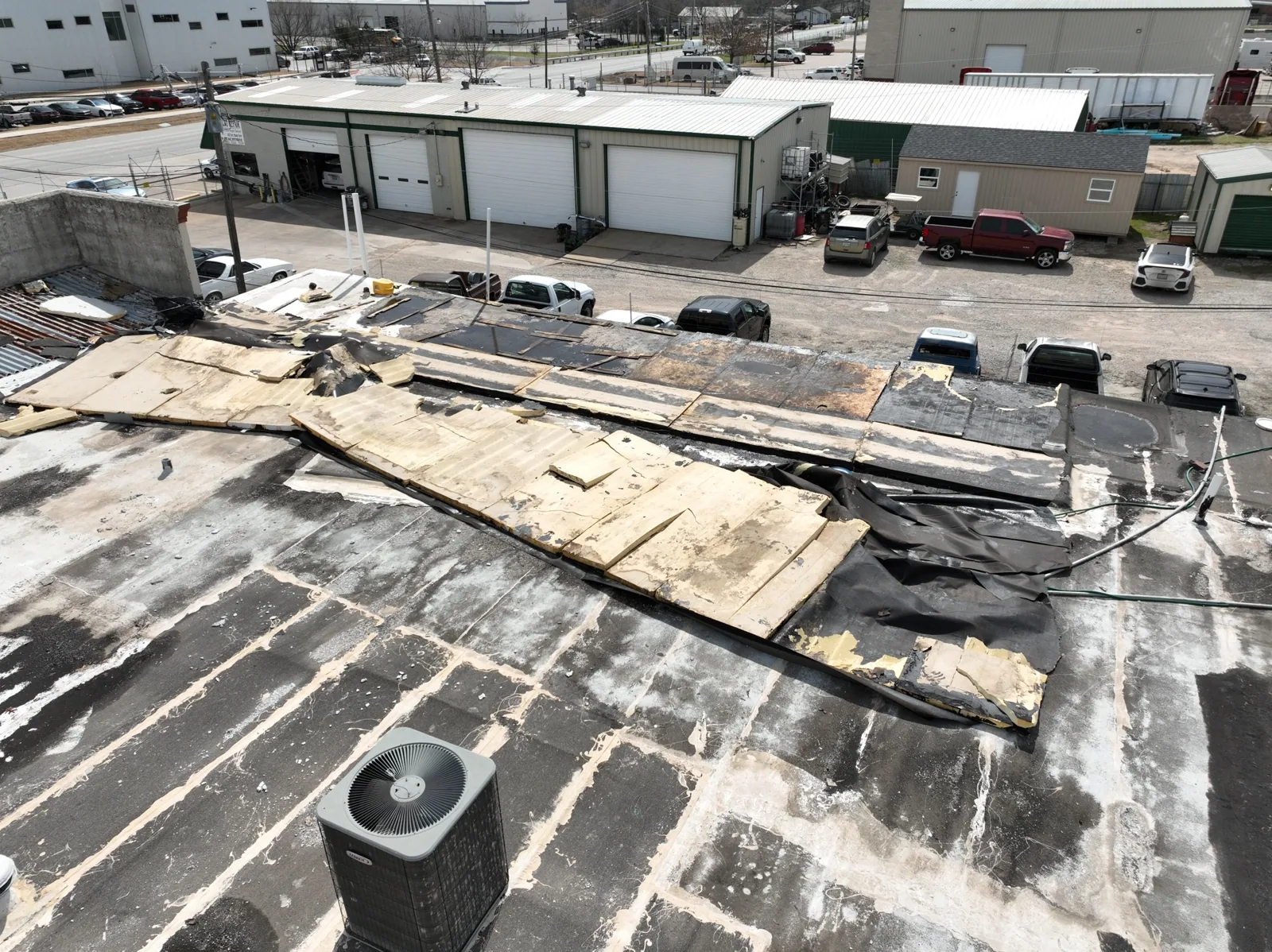
When a roof leaks after a storm, drying in comes before everything else. A secured tarp, a patch over the opening or a sealant at the failed detail stops the water. Interior contents are protected by the owner or tenant, and we record the extent of interior wetting so the repair scope is complete.
The temporary measure is logged with a date and a replacement date. After the next rain, we check that it held. Once the roof has dried enough for a permanent repair, the work proceeds with a moisture check around the opening. A repair that traps water in the insulation will fail, so the readings come first, and the numbers are written into the report beside the photographs. Emergency roof repair follows the same record.
Interior Moisture and Drying
A leak that is stopped on the roof is not finished inside. Insulation that took water stays wet for weeks, ceiling material absorbs moisture and walls can hold dampness behind paint. We record what we find: stained tiles, damp drywall, wet insulation at the roof edge. Readings are taken with a meter and marked on a plan with dates.
The interior record serves two purposes. It tells the owner which areas need drying or replacement, and it tells the roofer how far the water traveled, which shows the entry point. A wet area that lines up with a seam tells one story. A wet area at the base of a wall tells another. Both are tied to the roof sketch so the repair addresses the cause, not just the stain.
Where the building is occupied, we coordinate with the tenant on access to the ceiling and on protection for contents during repair. If the water reached electrical equipment, we note it and recommend that a qualified trade check it before the space is used again.
Heat Season Between Rains
From May through October the Valley is in its heat-safety season, and the roof absorbs it every day. Sealants harden and surfaces chalk between storms, so a roof that handles one downpour may fail in the next if its details have aged. The spring inspection catches that aging, and the autumn inspection catches what the heat season did.
Hurricane season covers June through October, and flood readiness has no off season. The overlap of heat and rain makes the early summer walk the most valuable: sealants are checked, drains are cleared and the roof goes into the tropical season in known condition.
Small Roofs, Clear Scopes
A small roof allows a simple scope. The walk, the sketch, the photographs and the moisture readings fit on a few pages. The recommendation lists repair items with prices and notes what can wait. If the roof is metal, fasteners, laps and trim are the focus. If it is low-slope, drains, seams and flashings come first. A ponding water finding goes to the top of the list because of what it implies for the next storm.
Work on a small building can often be finished in a day or two, which makes the weather window easy to use between the heat-season storms. The record stays with the building, ready for the next visit. Nearby La Joya and Mission roofs follow the same steps.
Questions and Answers
How can I tell whether a leak is a drainage problem?
Check when it appears. A stain that shows up after heavy rain but not light rain usually points to drainage or a detail. A stain after any rain usually points to an open seam or a failed flashing.
What should I do first when a roof leaks after a storm?
Protect the contents, photograph the interior damage with the date and call for a roof check. A secured temporary cover goes on first, and the permanent repair follows once the roof is dry enough.
Is a clogged drain a repair or maintenance item?
Cleaning is maintenance. If the drain clogs repeatedly or water still stands after cleaning, the drain or the slope needs correction, and that is a repair item with a price.
Why measure standing water instead of just noting it?
Depth and area show how serious the problem is and let us compare the same spot after repair. A number is easier to act on than a description.
When is it safe to inspect a roof after a storm?
Once the roof can be walked safely. Early photographs separate storm damage from older wear, and an open detail can let in the next rain.
How long does wet insulation take to dry?
It can take weeks, and some will not dry at all under a sealed membrane. Moisture readings over time show whether it is drying or holding water, and that decides whether it is cut out or left.
Request a Documented Inspection
Ask for a visit to your Havana, TX roof and receive a written condition summary with tagged photographs, a drain log and moisture readings. The summary states which findings call for repair, correction or replacement, and it can be reused for budgeting or an insurance conversation. Start from the contact form.